A free PDF guide — the family and the surcharge for every person
A guide: citizenship for the family andwho goes into the application
The family changes the total more than the choice of country: in one programme a contribution of $240,000 covers four people entirely, in another every person adds a sum of their own. We set out whom the programmes accept, on what age limits, and what each relative costs.
- PDF in English
- Free of charge
- Verified on 11.08.2026
- Sent by email, WhatsApp or Telegram
The calculation shows the order of the sums at the programmes’ published tariffs. Whether each person qualifies, and the final cost, are settled after the family has been checked.
01 / The essentials first
What decides the cost of an application for a family
Four things that make a family application cost more than expected, or fall apart before filing.
- Who is in the application changes the sum more than the country does
The same family costs different amounts in different programmes. In Saint Lucia a contribution of $240,000 covers the applicant and three dependants entirely; in St Kitts everyone beyond the fourth adds $50,000, and in Dominica $40,000. On one and the same family the difference runs into hundreds of thousands.
- A relative cannot be added after approval
The family is fixed on the date of filing. A parent left out is a separate application, fresh fees and a fresh check. That is why the family is settled before the calculation, not after.
- Age counts on the date of filing
A child who turns 18 by the filing date is recounted at the adult rate. In São Tomé dependent children are accepted up to 30, in Egypt up to 21, and in most Caribbean programmes up to 30 where dependence is evidenced.
- Only three programmes accept brothers and sisters
A direct tariff for a brother or sister exists in Grenada ($75,000), Nauru ($15,000) and Sierra Leone ($20,000). In the other programmes such a person is not in the application, or has to be agreed separately.
02 / The family
Your family across ten programmes at once
Say who takes the status with you: the calculation shows the investment and the fees that move with the family in each programme, and where your family is covered entirely.
4 people in the application
The spread across the programmes — $158,000The same family costs different amounts in different programmes: in one the contribution covers a family of four entirely, in another every person adds a sum of their own. Below are the investment and the fees that move with the family. The check on the applicant, the documents and the service are counted on the programme page.
- Nauru · A contribution to the resilience fund · 3-4 months
- $92,000
- the applicant’s contribution, $2,000 for everyone from 16
- The promotional contribution runs until 31 December 2026, after which it is $115,000.
- São Tomé and Príncipe · A contribution to the development fund · 3-4 months
- $95,000
- a single contribution for a family of up to 4
- Sierra Leone · Fast Track — a contribution to development · up to 90 days
- $170,000
- the applicant’s contribution, $10,000 for an ordinary dependant and $20,000 for an adult child, brother or sister
- Vanuatu · DSP — the contribution to the development fund · 1-2 months
- $180,000
- the contribution counted for 4 people on the programme’s scale
- Grenada · NTF — the contribution to the fund · 4-6 months
- $235,000
- the contribution covers a family of up to 4 inclusive
- Saint Lucia · NEF — the national economic fund · 3-6 months
- $240,000
- the contribution covers a family of up to 4 inclusive
- Dominica · EDF — the diversification fund · 3-4 months
- $250,000
- the contribution for a family of up to 4
- Antigua and Barbuda · The National Development Fund (NDF) · 3-6 months
- $250,000
- the contribution to the fund does not move with the family; the processing fee is $20,000 for an application of 4
- St Kitts and Nevis · SISC — the contribution to the fund · 4-6 months
- $250,000
- the contribution covers a family of up to 4 inclusive
- Egypt · A contribution to the treasury · 6-12 months
- $250,000
- the size of the investment does not move with the family
Who is in the application is fixed before filing: a relative cannot be added after approval — that is a separate application and fresh fees. The children’s ages count on the date of filing, not on the date you get in touch.
03 / Two circles of kinship
The core family and the wider one
A spouse and children are accepted by every programme. As soon as parents, adult children or siblings appear in the application, the list of open programmes narrows and the demands on documents grow.
The values were checked against the official material on 11.08.2026. Only the rows for which there is no official wording are marked separately.
| Criterion | The core familyThe applicant, a spouse and children | The wider familyParents, adult children, brothers and sisters |
|---|---|---|
| Who is accepted | In every programme without exception | The list of countries narrows to six or seven |
| What is evidenced | The relationship: marriage and birth certificates | The relationship and financial dependence on the applicant |
| The age limits | Children under 18 — unconditionally | Adult children up to 30, parents from 55 in some programmes |
| The effect on the investment | Often inside the base contribution for four | Every person adds from $25,000 to $75,000 |
| The due-diligence check | The applicant and the spouse; children from 16 | Every adult in the application |
| The effect on the timingA BRIDGES estimate | The programme’s timing does not change | Plus the time for the papers on dependence |
| The risk to the applicationA BRIDGES estimate | Standard | A refusal to one person can hold up the whole application |
- Who is accepted
- In every programme without exception
- The list of countries narrows to six or seven
- What is evidenced
- The relationship: marriage and birth certificates
- The relationship and financial dependence on the applicant
- The age limits
- Children under 18 — unconditionally
- Adult children up to 30, parents from 55 in some programmes
- The effect on the investment
- Often inside the base contribution for four
- Every person adds from $25,000 to $75,000
- The due-diligence check
- The applicant and the spouse; children from 16
- Every adult in the application
- The effect on the timingA BRIDGES estimate
- The programme’s timing does not change
- Plus the time for the papers on dependence
- The risk to the applicationA BRIDGES estimate
- Standard
- A refusal to one person can hold up the whole application
The age limits and tariffs are given at the programmes’ published terms on the date of checking and are refined for the particular family.
04 / What is in the guide
How the material is built
The PDF gathers the programmes’ requirements on the family: who is accepted, up to what age and how much each person adds.
- The essentials firstWhat decides the cost of an application for a family.
- Who is in the applicationThe core family and the wider one: whom the programmes accept.
- The order of workHow an application for a whole family is assembled — from the circle of relatives to filing.
- The documentsWhat each person proves: the relationship and financial dependence.
- The limitsWhat makes family applications have to be redone or filed twice.
- Your teamWho runs the case and what each specialist answers for.
05 / The order of work
How an application for a family is assembled
The order is the reverse of the usual one: the full circle of relatives first, the choice of programme after. A programme chosen for one applicant is often the dearest of all for a family of six.
- We settle the full circle of relatives
We note everyone worth including: a spouse, children, parents, brothers and sisters. Including them at once is cheaper than a second application a year later.
- We check that each of them qualifies
For every person we check the age on the filing date, the degree of relationship and financial dependence. Some programmes fall away at this step.
- We count the family across the programmes
The same family is counted under every suitable programme: the investment, the surcharges per person, the check and the documents. The comparison runs on the end-to-end total, not on the headline figure.
- We gather the papers on the relationships
Marriage and birth certificates, certificates of study for adult children, evidence of support for parents. The forms and their validity differ by programme.
- We file the family as one pack
The whole family files at once: the fees are then charged at the family rate and the check runs in parallel rather than one person after another.
- The status is granted to everyone
Passports or cards are issued to everyone in the application. Children born later are added under a simplified procedure — that is a different ground altogether.
07 / The documents
What each person in the application proves
The relationship is evidenced by documents, dependence by facts. The second is judged more strictly: a formal relationship without support does not pass.
- Certificates of relationship
Marriage and birth certificates for every person, apostilled and translated by a sworn translator. A difference in the spelling of a name between documents is a common cause of a request to put it right.
- Financial dependence
For adult children and parents it is proved that the applicant supports them: transfers, living together, paying for study or treatment. A formal relationship without dependence does not pass.
- A certificate of study
For adult children up to the age limit, full-time study is evidenced. A year out or a gap between universities changes that person’s status.
- A clean record for every adult
Certificates from the country of citizenship and from countries of long residence. They expire, so for a large family the documents are gathered on a tight schedule.
- The applicant’s source of funds
Checked in the main applicant, but the size of the investment follows the family: the more people, the larger the sum and the more detailed the questions about where it came from.
Certificates of no criminal record and medical documents expire, so for a large family they are gathered on a tight schedule, close to filing.
08 / The limits
What to take into account in advance
Five limits that make family applications have to be redone or filed twice.
Adding someone later costs moreIt is a separate application, not an amendment
The processing fee, the due-diligence check and the service are all paid again. In several programmes the surcharge for adding a spouse or child late is higher than filing them in the original pack.
Not every relative counts as familyCousins, nephews and aunts are not in the application
The programmes work with the direct line and with brothers and sisters where that is expressly provided for. Other relatives apply on their own account.
A refusal to one can stop everyoneThe application is considered as a single pack
A problem with one person — unclear income, a past visa refusal, a conviction — holds up or closes the whole application. That is why every adult is checked before filing.
The age limit cannot be movedWhat counts is the filing date, not the date you enquire
If a child is nearly 18, or an adult child nearly 30, the filing is planned around it. A month spent waiting for a document can cost a move into another tariff.
Parents are not accepted everywhereSome programmes set an age limit
In São Tomé parents are included from 55; in Grenada the tariff turns on whether a parent is under 55 or over: $50,000 against $25,000. In Egypt parents are not in the application at all.
09 / Your team
Who goes through your family
The application is put together by the specialists who run cases under these programmes.
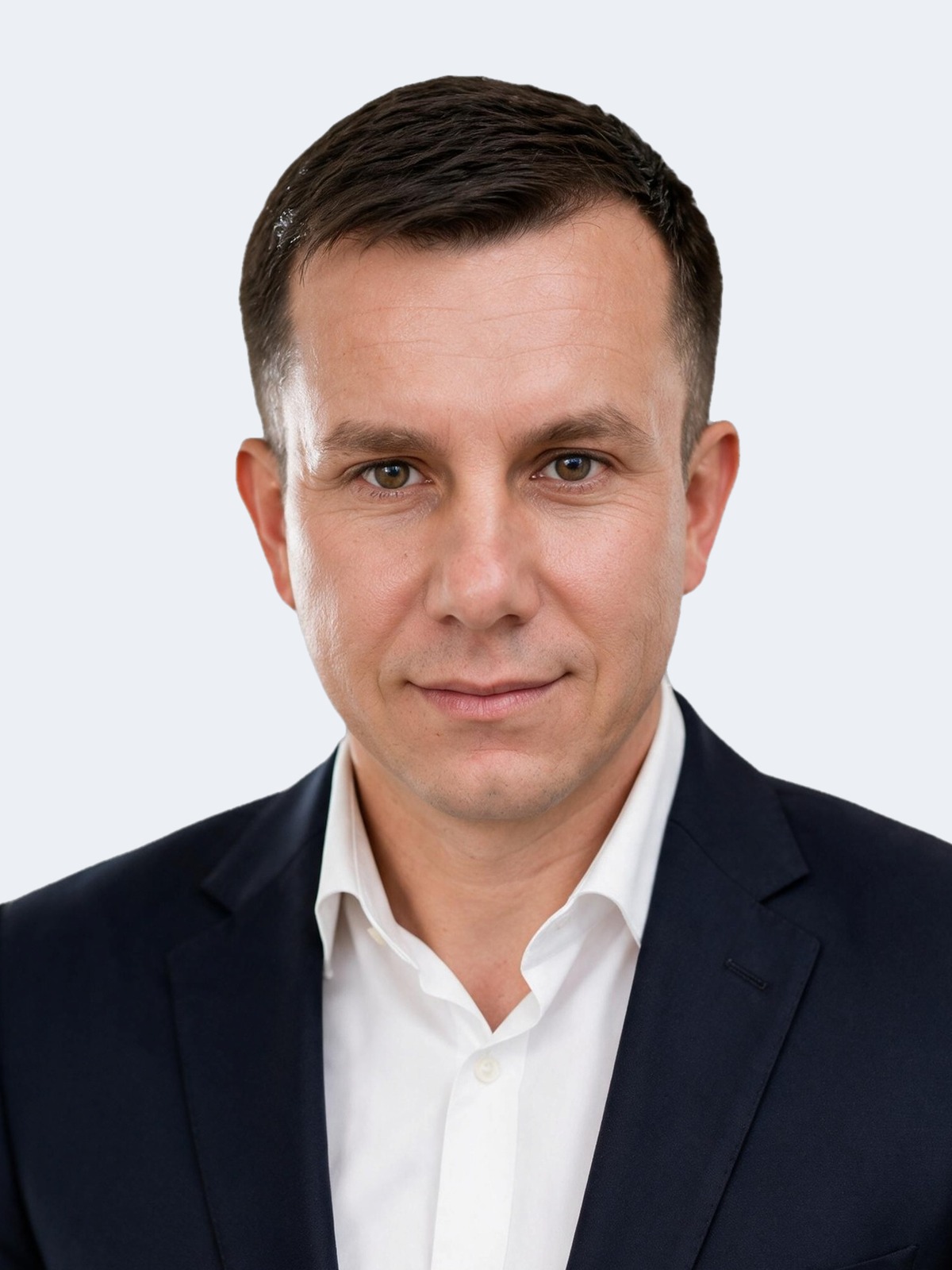
 Daniel KovachSenior International Law AttorneyRepatriation and archive documents
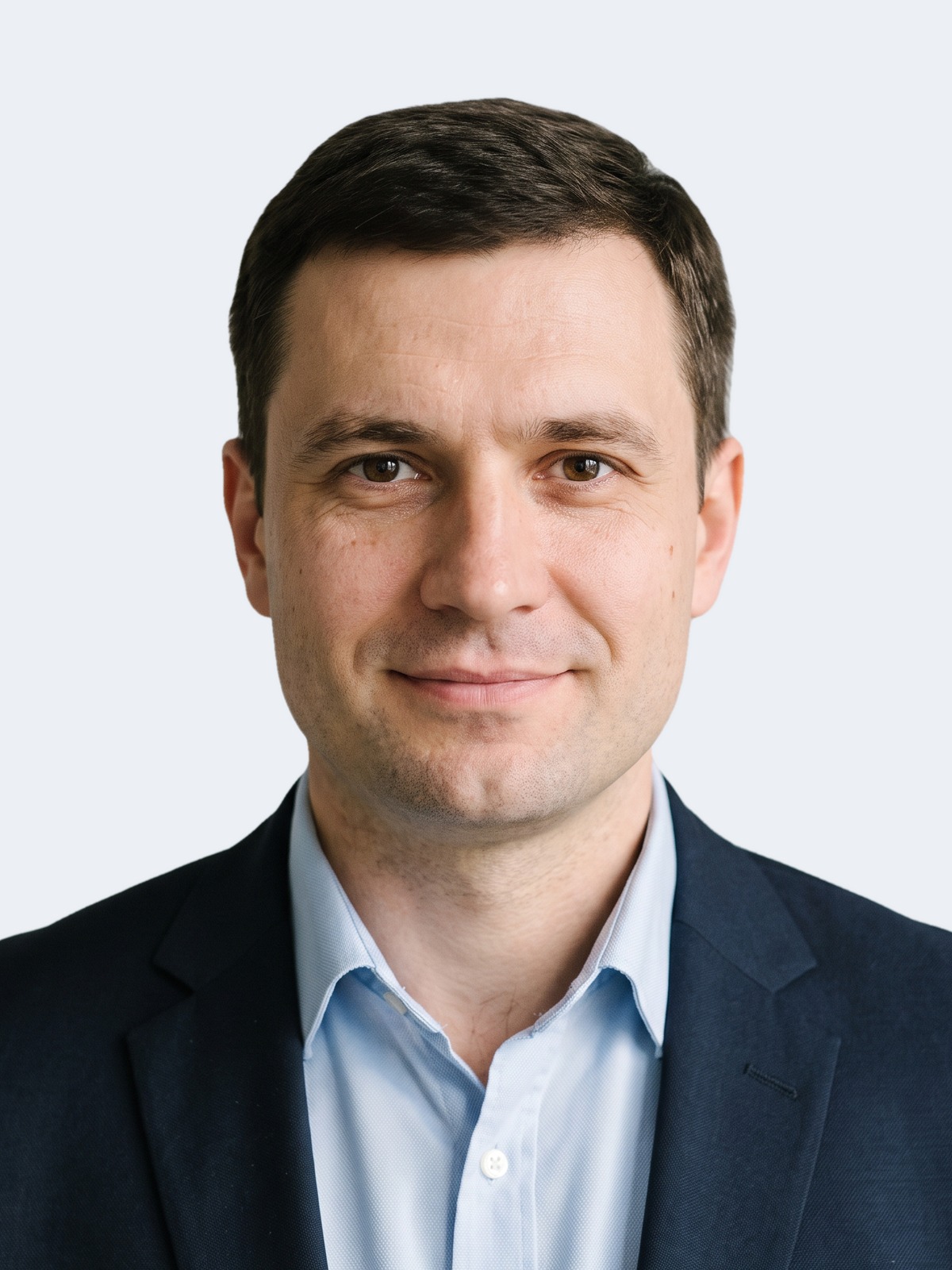
 Sergey EvdokimovManaging PartnerStrategy, capital, complex cases
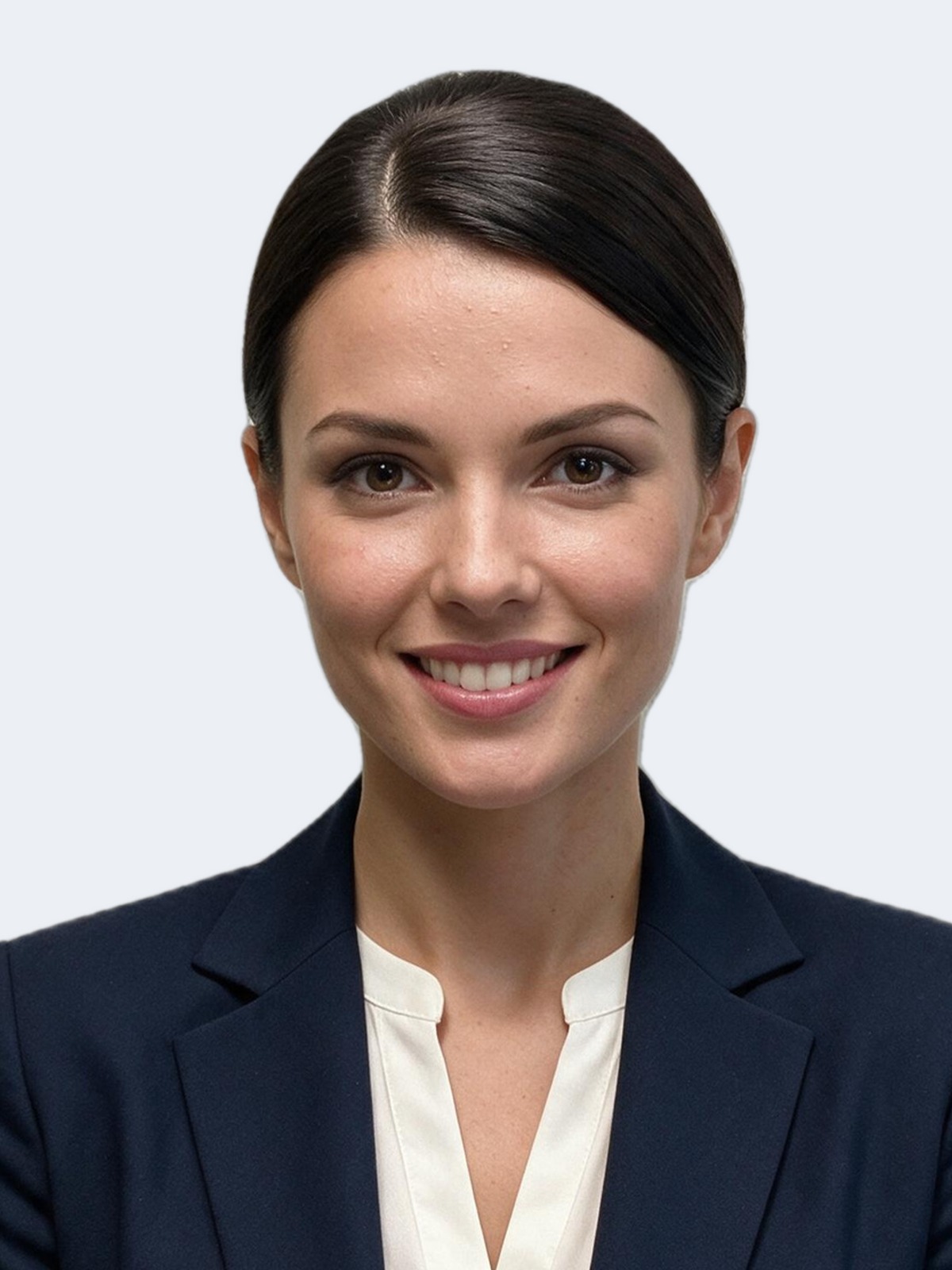
 Martin DvorzhakDocument Processing SpecialistApostille, legalisation, translations
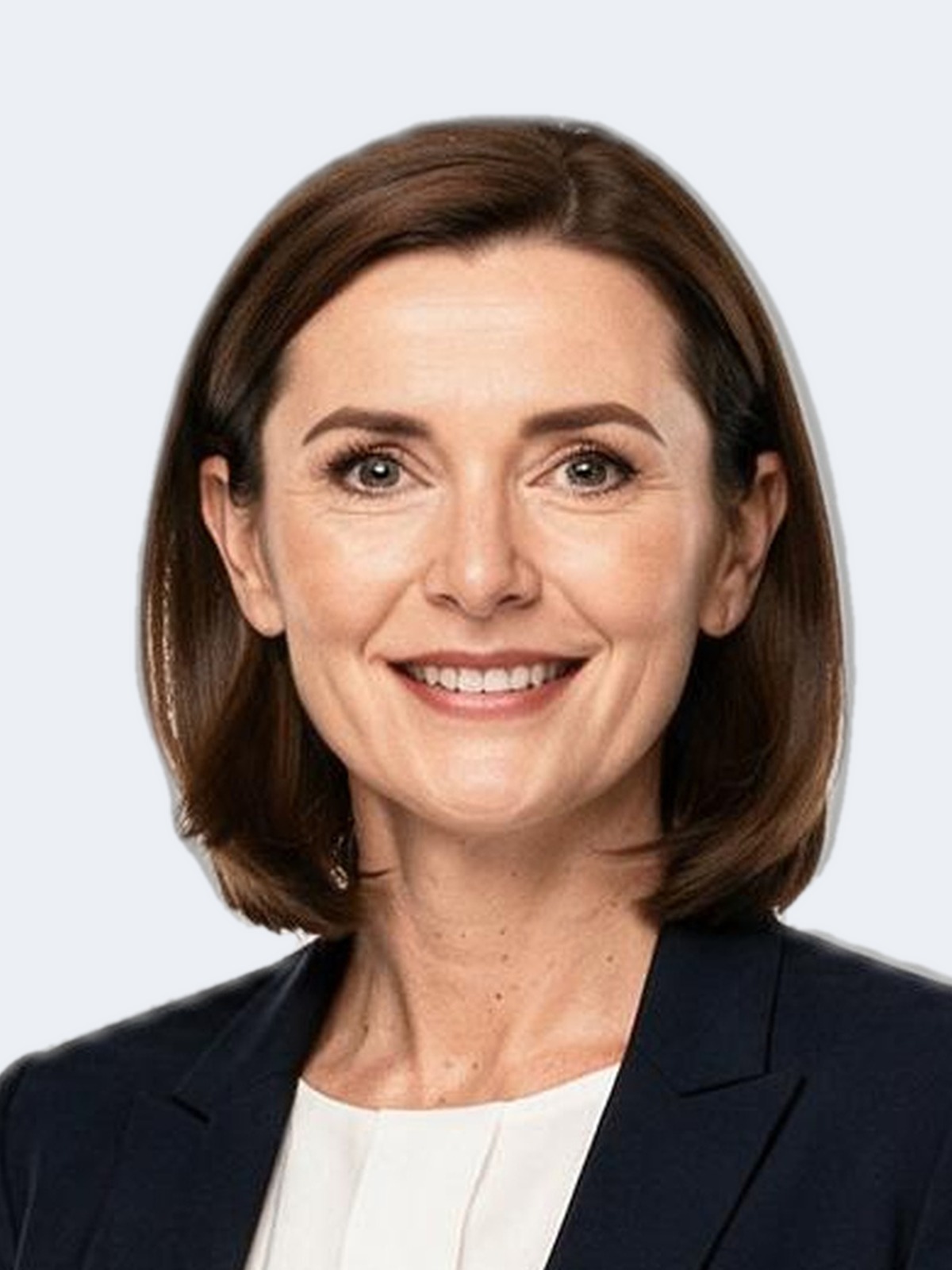
 Viktoria LebedevaManaging Director, Private ClientsClient service standards
The editorial record
The material was prepared and checked by
- First published
- 11 August 2026
- Last updated
- 11 August 2026
The official sources
- The Citizenship by Investment Unit of Saint Lucia — the family and the tariffsGovernment of Saint Lucia, CIU · checked 11.08.2026The official contribution and the surcharges for dependants by age.
- The Citizenship by Investment Committee of GrenadaGovernment of Grenada, CBI Committee · checked 11.08.2026The only Caribbean programme with a direct tariff for brothers and sisters and a threshold of 55 for parents.
- The Citizenship by Investment Unit of DominicaCommonwealth of Dominica, CBIU · checked 11.08.2026The contribution for a family of up to four and the surcharges by age.
- The Citizenship by Investment Unit of St Kitts and NevisGovernment of St Kitts and Nevis, CIU · checked 11.08.2026The size of the SISC contribution and the surcharges for adults and children.
10 / Common questions
Questions about an application for a family
Who may be included in a citizenship application?
The applicant, a spouse and children are accepted by every programme. Parents and grandparents by most of the Caribbean programmes and Sierra Leone, often with an age limit. Brothers and sisters only by Grenada ($75,000), Nauru ($15,000) and Sierra Leone ($20,000). Cousins, nephews and other collateral relatives are not included anywhere.
Up to what age does a child go into a parent’s application?
Children under 18 go in with no further conditions. Adult children are accepted where financial dependence is evidenced: in São Tomé up to 30, in Egypt up to 21, in the Caribbean programmes as a rule up to 30 on evidence of full-time study or support.
How much does each further person add?
It depends on the programme and on who they are. In Saint Lucia, beyond the base family, $10,000 for a child and $20,000 for everyone from 18; in Dominica $25,000 and $40,000; in St Kitts $25,000 and $50,000. The tool on this page counts your family across ten programmes at once.
May a spouse or child be added after the passport is issued?
Yes, but it is a separate application with its own fees and a fresh check. Children born after the status is granted are added under a simplified procedure — that is a question of citizenship by descent rather than of the investment programme.
Do children go through the due-diligence check?
From 16, yes, in most programmes, and a fee is charged for them. Younger children are not checked, but the papers on their relationship are provided in full.
What proves a parent’s financial dependence?
Regular support from the applicant: transfers, paying for housing, treatment or study, living together. A parent with a large income of their own usually means dependence is not made out and they do not go into the application.
Is it better to file the family together or separately?
Almost always together. In most programmes the base contribution covers a family of up to four, and the processing fees are charged on the application rather than per person. Filing separately means two full sets of costs.
What if one person has a problem in their background?
The application is considered as a pack, so a question about one person touches everyone. Such situations are dealt with before filing: sometimes it makes sense to take that person out and deal with them separately later.

Free of charge
Take the guide and a calculation for your family
We will send the PDF on who goes into an application and count your family under the suitable programmes.
- Whom each programme accepts and up to what age
- The surcharge for every person at the published tariffs
- What proves the dependence of a parent or an adult child
- A calculation for your family with the end-to-end total