
Bank accounts · source of funds
Where this sum came from explained to the bank
The bank asked where the money for a transfer, purchase or contribution came from. We show the legal basis for receiving that specific sum and its path to your account, with a document for every step.
In plain words
You are sending money to buy a flat, pay a programme contribution or move to a new bank, and the bank asks you to explain where this sum came from. The money is legitimate, but the statement is at one bank, the sale agreement at another, and some papers stayed with an old company.
We show the legal basis for receiving that specific sum and its path to the account: an explanation, a funds-flow diagram and evidence for every step. The bank gets a package it can verify, and you no longer answer its questions by guesswork.
What we do
- We review the sumWhere the money came from, through which accounts and for which transaction.
- We collect evidenceWe find the gaps and obtain the missing documents.
- We prepare for reviewA dossier for the specific bank and replies to its questions.
People usually come when
- A large international transfer
- Buying property abroad
- Paying for residence or citizenship
- Opening an account at a new bank
- The bank stopped a payment
- A bank has already refused
We start with the sum and the task
Tell us what the money is for and where it came from. We show the first step and the documents needed and confirm the scope after the assessment.
- Only capital of legitimate origin
- A dossier for a specific recipient, not a template
- We support follow-up bank requests
Result
What you get at the end
A dossier in which the reviewer sees the basis of the sum and how it moved to the current account or transaction.
- An explanation of the sum
Where the money came from and on what basis: a sale, dividends, inheritance, salary.
- Funds flow
A diagram of how the money moved between events and accounts up to the current transaction.
- Supporting evidence
Statements, agreements, corporate resolutions and tax documents for every step.
- A check before filing
We read the dossier through compliance's eyes and spot likely questions in advance.
The bank makes the decision. We only confirm legitimate sources and never create backdated documents.
Scope
What the work includes
We prepare source-of-funds evidence end to end: from reviewing the sum to answering the reviewer's questions.
- Transaction review
The sum, its source, events, companies, accounts and countries.
- Document check
Agreements, statements, corporate and tax records checked for consistency.
- List of what is missing
What has to be obtained or restored from legitimate sources.
- Obtaining documents
Requests to banks, companies, registers, notaries, accountants and auditors.
- Explanation and diagram
The story of the sum in plain language and a funds-flow diagram, every claim backed by evidence.
- Final dossier
Index, chronology, diagrams and evidence for a specific recipient.
Comparison
Explain it yourself or through BRIDGES
An explanation letter is usually not enough: the bank wants to verify the story against documents. Gaps in it turn into new requests.
How we work
Steps with timing
A first assessment, a document audit, a funds-flow map, collecting evidence, the dossier and a check before filing; timing depends on the number of sources and countries and on how fast third parties release archive records.
- 01First assessment
We understand the transaction, the sum, its source, the countries and who will review the dossier.
- 02Document audit
We look at what you already have and find the gaps.
- 03Funds-flow map
We link the sum to the basis on which it was received and to every transfer up to the account.
- 04Collecting evidence
We obtain missing documents from banks, companies, notaries and accountants.
- 05Dossier and review
The explanation, the diagram and the evidence, then a check for consistency and likely questions.
- 06Filing and requests
We prepare the final set for the recipient and, within the agreed scope, support follow-up questions.
To start we need from you
- The transaction the sum is for and who is reviewing it
- Where the money came from: a sale, dividends, inheritance, salary or something else
- The countries where the money was received and where it sits now
- Documents you already have - not everything at once
- The bank's request, if it has already arrived
The result is not a folder of papers but a prepared position: the bank sees where the sum came from and how it reached the account.
Terms
Cost and terms before we start
The price is set after the first assessment. It depends not on the size of the sum but on the amount of documentary work.
What the cost depends on
- Sources
- How many sources stand behind the sum and how long ago the money was received.
- Countries and banks
- The number of jurisdictions, banks and companies in the chain.
- Documents
- What you already have and whether archive requests are needed.
- Recipient
- The requirements of the bank or other party, languages and translations.
We give a budget estimate after reviewing the initial information.
How the first consultation works
- Tell us the taskA call, WhatsApp or Telegram: what you have, where you live and what you want to achieve.
- A lawyer reviews itThey tell you which route fits, and whether you need it at all.
- We send an itemised estimateScope, timing and cost before we start. Work begins under a contract.
- Itemised estimate upfront
- Work under a contract
- Confidentiality in the contract
- We say if you do not need it
Compliance and reputation
What a bank will see or a partner
Before opening an account, closing a deal or filing documents, it helps to know which questions your business history may raise. First the BRIDGES compliance team checks information about you and your companies, then the reputation team helps close the questions found.
Step 1
The compliance team checks- Publications and mentionsWe find the original sources, check the context and separate confirmed facts from allegations and name matches.
- Business history and linksWe study companies, business interests, litigation and available information on related persons.
- Sanctions and reputation risksWe check possible matches and establish whether the information found actually relates to you.
- InconsistenciesWe compare open sources with your documents and flag what needs confirmation.
Step 2
The reputation team strengthens- Business profileUp-to-date information about you and your companies, publications about your work.
- Explanations for disputed pointsWe prepare answers to publications and matches a bank or partner will see.
- Digital securityWe remove unnecessary personal data from public access and advise on protecting accounts.
- Monitoring mentionsWe watch for new publications and tell you if something needs a response.
You receive a confidential report: established facts, source references, a risk assessment and the questions worth preparing for. A BRIDGES lawyer uses it to prepare explanations and decide which documents are needed.
The decision to open an account or approve an application rests with the bank or the authority.
CasesAll cases
How it went for our clients
Names are changed; details are kept with the clients' consent.
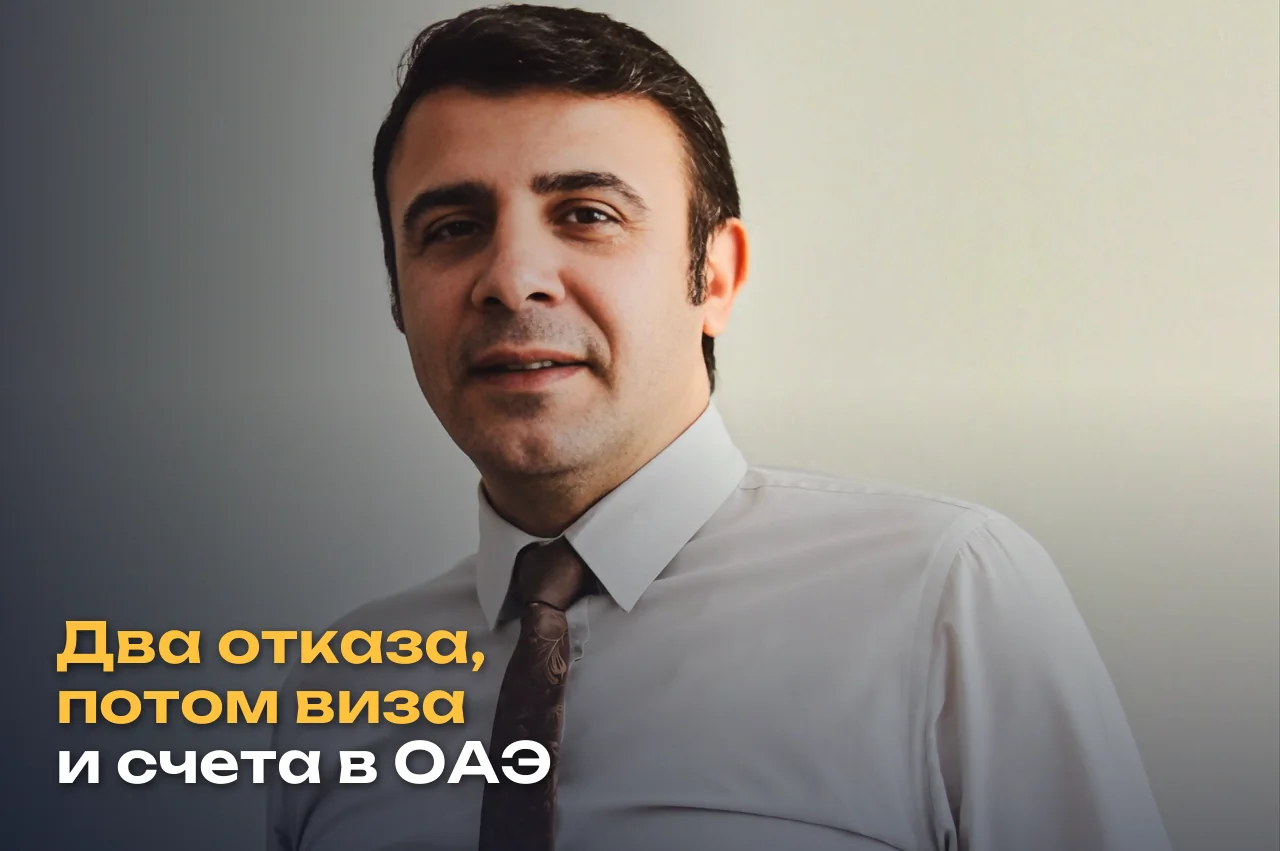


Before payment
What we tell you before payment
If the statement and agreement you already have are enough for your transaction, we say so and collect nothing extra.
- Whether your documents are enough
- We say what already supports the sum and what is missing.
- Where the weak spots are
- We show what will raise bank questions before filing, not after the request.
- What we do not do
- We never create backdated documents, fictitious deals or payments.
- Who decides
- The bank decides after its own review; we do not promise its decision.
Team
Who handles your request


Questions
Questions and answers
Source of funds is the origin of a specific sum used in a particular transaction. Source of wealth describes how your overall wealth was built over the years. For complex capital a bank often asks for both.
It depends on where the money came from and on the bank's own rules. They may be banking, corporate, contractual, tax, investment, inheritance and other documents.
For complex capital you usually need not only a letter but also documents that let the bank verify the story.
It depends on the legal basis on which the money was received and on the evidence that exists. Cash form alone does not prove legitimate origin.
In some cases, yes. We look at where the initial money came from, the exchange and wallet history, and transfers from the bank and back into it.
No. The bank decides after its own review.
Yes, if the reasons are known or the previous package can be reviewed. A new filing does not guarantee a different decision.
No. First we understand the transaction and the source of the money. The full document list is drawn up after the first analysis.
Related services