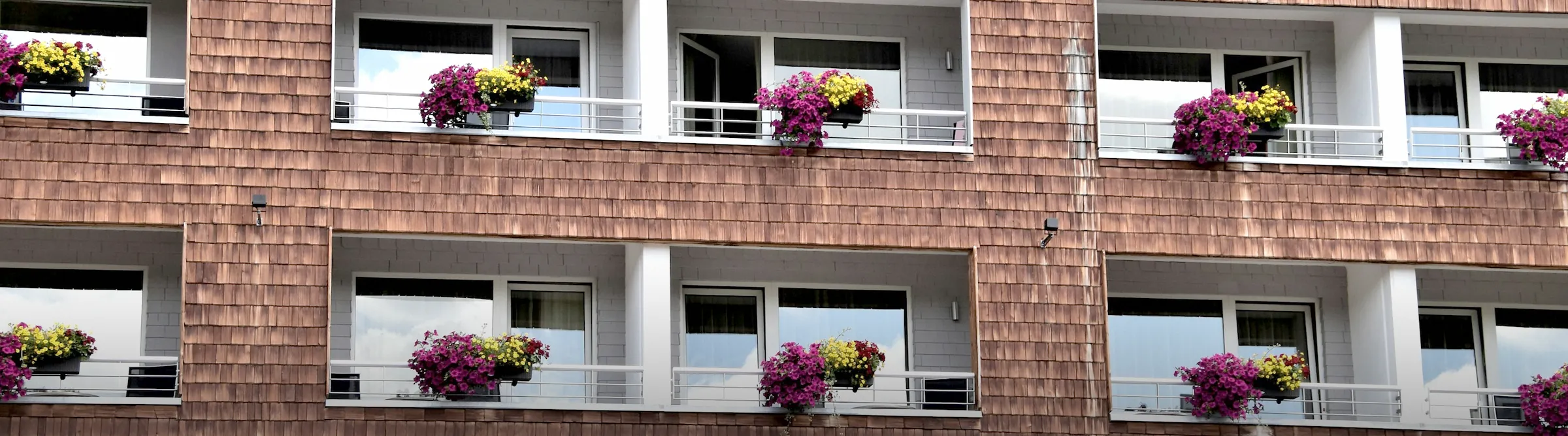
A free PDF guide — the costs on top of the price
A guide: the costs of buyingproperty abroad
The price of a property is not the budget of the deal. We set out what is added on top in each market, why a new build costs more than a resale, and which costs begin once the title is registered.
- PDF in English
- Free of charge
- Verified on 11.08.2026
- Sent by email, WhatsApp or Telegram
The calculation is a guide for the market. The exact sum depends on the type of property, the region and the seller’s status, and is counted before any deposit is paid.
01 / The essentials first
What is added to the price of a property
Four things that put the budget of a deal at odds with expectations.
- From 5 to 12 per cent on top of the price
The transfer tax, the notary, the registration, the lawyer and the agent. In Greece the attendant costs come to about 10 per cent of the price; in Cyprus stamp duty alone reaches €18,000.
- A new build and a resale are counted differently
A completed home from an owner usually carries the transfer tax; a new build from a developer carries VAT. The difference between them can be several times over, and it is settled by the choice of property, not by negotiation.
- The programme’s fees are a separate quotation
The costs of the transaction and the costs of the application do not overlap. The processing fee, the check on every adult and the documents are counted for the family and paid to the programme, not to the seller.
- Owning and leaving cost money too
The yearly property tax, the utilities and service charges, the tax on rental income and the tax on a future sale. These are planned with the purchase, not after it.
02 / The calculation
What a deal costs in full
Choose the market and the price: the calculation shows the range of costs by item and what is most often left out of them.
€324,000 - €336,000
Greece · a property at €300,000 with every cost of the transactionThe range is a BRIDGES guide figure for the market. The exact sum depends on the type of property, the region and the seller’s status: on a new build VAT is often charged instead of the transfer tax, and that changes the calculation several times over. The total is counted for the particular property before any deposit is paid.
- The price of the property
- €300,000
- The taxes and state fees on the transaction · the main part of the cost
- €14,400 - €21,600
- The notary, the registration, the translations
- €3,600 - €5,400
- The legal check and the legal work
- €6,000 - €9,000
- The total on top of the price · 8-12% of the price
- €24,000 - €36,000
The programme’s own fees — for considering the application, for the check on the applicant and for the documents — are not in this calculation: they are counted separately and follow the family.
03 / Two quotations
The costs of the deal and the costs of the programme
They are regularly run together, yet they are counted apart and follow different things: one the property, the other the family.
The values were checked against the official material on 11.08.2026. Only the rows for which there is no official wording are marked separately.
| Criterion | The costs of the dealPaid to the seller and the state | The costs of the programmePaid for the status |
|---|---|---|
| What is in it | The purchase taxes, the notary, the registration, the lawyer, the agent | The processing fee, the check on the applicant, the documents, the service |
| What it follows | The price and the type of property | The family and the citizenship |
| When it is paid | At the deal and on registering the title | On filing the application for the status |
| Refunds | None; part of it goes into the base for a future sale | None, even on a refusal |
| The order of sizeA BRIDGES estimate | 5-12 per cent of the price | From a few thousand to tens of thousands for a family |
| Who counts it | The lawyer on the deal, with the notary | The programme’s licensed agent |
| What gets missedA BRIDGES estimate | VAT on a new build and the service charges | The check on every adult in the application |
- What is in it
- The purchase taxes, the notary, the registration, the lawyer, the agent
- The processing fee, the check on the applicant, the documents, the service
- What it follows
- The price and the type of property
- The family and the citizenship
- When it is paid
- At the deal and on registering the title
- On filing the application for the status
- Refunds
- None; part of it goes into the base for a future sale
- None, even on a refusal
- The order of sizeA BRIDGES estimate
- 5-12 per cent of the price
- From a few thousand to tens of thousands for a family
- Who counts it
- The lawyer on the deal, with the notary
- The programme’s licensed agent
- What gets missedA BRIDGES estimate
- VAT on a new build and the service charges
- The check on every adult in the application
The ranges are BRIDGES guide figures for the market; the exact rates follow the property and are confirmed before the deal.
04 / What is in the guide
How the material is built
The PDF gathers the items of cost by market, the costs of upkeep and the taxes on leaving a property.
- The essentials firstWhat is added to the price of a property in each market.
- Two quotationsThe costs of the deal and the costs of the programme are different things.
- The order of workHow the budget of a deal is counted before any deposit.
- The items of costSix items: four at the deal and two after it.
- The limitsWhat puts a calculation at odds with what is actually paid.
- Your teamWho runs the deal and counts the budget.
05 / The order of work
How the budget of a deal is counted
The order is strict: the full budget first, the deposit after. The reverse means running short of money for the registration.
- We count the whole budget of the deal
The price of the property plus the taxes and fees. A mistake here means running short of money for the registration after the property is paid for.
- We settle the type of property
A new build or a resale, a company seller or a private one. Whether VAT or the transfer tax applies follows from it.
- We check the property before any deposit
The title, the encumbrances, whether it meets the programme’s requirements. A deposit lost on a mismatch is not usually returned.
- We arrange payment through a bank
The money leaves a traceable account of the applicant. Payment by third parties or in cash closes both the deal and the programme.
- The deal and the registration
The contract before a notary, the taxes paid, the entry made in the register. The title arises on registration, not on signature.
- We count the upkeep
The yearly taxes, the utilities and service charges, the insurance. These are standing costs for as long as the property is held.
07 / The items of cost
What the budget of a deal is made of
Six items: four at the deal and two after it. The last two are the ones most often missed.
- The transfer tax or VAT
The main item of cost. It follows the type of property and the seller’s status; on a new build the rate is usually higher than on a resale.
- The notary and the registration
Compulsory payments counted from the price on a scale of tariffs. In some jurisdictions stamp duty is added to them.
- The legal work
Checking the property, drawing the contract, representing you at the deal. Economising here regularly turns into a dispute over the title.
- The agent’s commission
Paid by the buyer or the seller depending on the market. The term is fixed in writing before the viewings, not once the deal is done.
- The upkeep of the property
The yearly tax, the utilities and service charges, the insurance. In developments with facilities the service charges are substantial and rise.
- The taxes on a sale
Capital gains tax and any clawback of reliefs. Counted before the purchase: it sets what the investment really returns.
Every cost is counted before any deposit: where a property does not meet the programme’s requirements, the deposit is not usually returned.
08 / The limits
What to take into account in advance
Five things that put a calculation at odds with what is actually paid.
A range is a guide, not a quotationThe exact sum is counted for the property
The rates follow the region, the type of property, the seller’s status and any reliefs. The calculation for a particular property is done before any deposit, not on market averages.
VAT on a new build changes the calculationThe gap with a resale can be several times over
The reduced rates do not always apply: usually only to a first home and with limits on floor area. Checked before the property is chosen.
A deposit lost on a mismatch is not returnedThe checking comes before the money
If the property does not meet the programme’s requirements, it is the deposit that is lost. So compliance is checked before any money moves.
Payment only from a traceable accountCash and third parties close the programme
The money has to leave the applicant’s own account with an evidenced source. It is a requirement of the bank and of the programme at once.
The service charges are rarely countedAnd they come every year
In developments with facilities the service charges reach noticeable sums and are indexed. In counting the return they are weighed alongside the taxes.
09 / Your team
Who counts your deal
The budget of the deal and the work on it are led by specialists who deal with these markets.
The editorial record
The material was prepared and checked by


- First published
- 11 August 2026
- Last updated
- 11 August 2026
The official sources
- The Independent Authority for Public Revenue of GreeceAADE, the Hellenic Republic · checked 11.08.2026The transfer tax and VAT on buying property.
- The Tax Department of CyprusTax Department, the Republic of Cyprus · checked 11.08.2026Stamp duty, VAT and the reduced rates on a first home.
- The Commissioner for Revenue of MaltaCommissioner for Revenue, Malta · checked 11.08.2026Stamp duty and the taxes on property transactions.
- The Dubai Land DepartmentDubai Land Department, the UAE · checked 11.08.2026The registration fees and how title is registered.
10 / Common questions
Questions about the costs of buying
How much does a deal cost on top of the price?
Roughly 5 to 12 per cent, depending on the market and the type of property. In Greece the attendant costs come to about 10 per cent of the price; in Cyprus stamp duty reaches €18,000. The exact sum is counted for the particular property.
Why does a new build cost more?
Because a purchase from a developer usually carries VAT rather than the transfer tax. The reduced rates apply narrowly — as a rule to a first home and with conditions on floor area.
Are the programme’s fees inside this sum?
No. The processing fee, the check on every adult and the documents are counted separately and follow the family. They are two independent quotations.
May the property be paid for in cash?
No. The money has to leave a traceable account of the applicant. Cash payments and payment by third parties close both the deal and the application for the status.
Who pays the agent’s commission?
It depends on the market and on what is agreed. The term is fixed in writing before the viewings begin: verbal understandings in this market regularly differ from the final invoice.
What costs arise after the purchase?
The yearly property tax, the utilities and service charges, the insurance, and where it is let, the tax on the income. In developments with facilities the service charges are substantial.
What about the taxes on a sale?
In most jurisdictions capital gains tax is charged, and some reliefs are clawed back on an early sale. That is counted before the purchase, not on the way out.
Can the costs be counted towards the programme’s threshold?
No. The threshold is counted on the price of the property: the taxes and fees are neither in it nor credited against it. The budget is the price plus the costs of the deal plus the programme’s fees.

Free of charge
Take the guide and a calculation for your property
We will send the PDF with the items of cost by market and count the budget of your deal.
- What is added to the price in each market
- How a new build differs from a resale
- The costs of keeping the property
- The taxes on a future sale