Updated
SRV-DS-00
Legal support
Cross-border transaction support from due diligence to settlement
We manage transactions with overseas property, company shares and other assets: we verify the asset and the seller, draft the contracts, structure secure payments and take the deal all the way to title registration. You sign only when every clause has been checked and explained.
- Engagement contract with a fixed fee quote
- Payments only through protected mechanisms: escrow, letter of credit, notary deposit
- Confidentiality by default
01 / The service
What deal support means
A cross-border deal differs from a domestic one in a simple way: the parties live in different legal systems, while the transaction is governed by the law of a third country. Deal support means that at every step you have a lawyer who knows how deals actually work in the country where you are buying.
Verification first, deposit second
Money moves only after the asset, the seller and the signatories have been verified. Most broken deals break exactly here — on a deposit paid before any checks.
The contract is read by a lawyer, not a translator
A translation conveys words; a lawyer conveys consequences. We take the contract apart clause by clause under the law of the deal country and explain what each clause means for you — what you get, what you risk, what can be changed.
Settlement without trust on credit
Payment and transfer of title are linked legally: escrow, letter of credit or a notary deposit, depending on the country. The scenario "money gone, title never arrived" is excluded by the structure of the deal, not by promises.
02 / Situations
Transactions we are asked to support
Typical situations from our practice. If one of them looks like yours, let us take it apart at a consultation — before you sign or pay anything.
Buying property abroad
An apartment in Cyprus, a villa in the UAE, a house in Greece — from a developer or on the resale market. We verify the asset, encumbrances and title history, and manage the deal until the title is registered in your name.
Buying under an investment program
The property is acquired to qualify for residency or citizenship. Beyond a clean transaction, we verify that the asset and the purchase structure meet the program conditions: threshold, form of ownership, holding period.
Buying or selling a stake in a business
Entering or exiting a foreign company: corporate document review, debts and liabilities, the share purchase agreement, settlement and re-registration of the shareholder.
Selling a foreign asset
You sell — we protect your side: prepare the asset for the buyer’s due diligence, negotiate the contract and structure settlement so that title passes only after the money has arrived.
A deal between parties from different countries
The seller in one jurisdiction, the buyer in another, the asset in a third. We assemble the deal into a single structure: governing law, contract language, taxes of each party, settlement mechanism.
A remote transaction
You cannot or prefer not to fly. We prepare powers of attorney with a precisely limited scope, arrange the signing and represent you on the ground — from reservation to the title certificate.
03 / Honest limits
When you do not need us
An honest filter: in these cases the full service would be a waste of your money, and we will say so in the first call.
A purely domestic deal
Buying in the country where you live and know the law is a job for a strong local lawyer. Our value appears where two or more jurisdictions intersect.
The amount does not justify the check
For an inexpensive asset a full due diligence can cost a visible share of the price. In such cases we offer a reduced format: a title and contract check without the extended blocks.
You only need a consultation
If there is one question — "what does this clause mean" or "are these terms normal" — a single consultation is enough. There is no need to order full deal support for that.
The decision is made despite the risks
If due diligence has shown material defects and the deal still proceeds unchanged, we record our position in writing. We do not take on supporting a deal we consider dangerous for the client.
Not sure whether this is your case — write to us. We will say plainly whether you need the full service or a consultation is enough.
04 / In this section
What deal support consists of
Each stage can be ordered separately, but the value is in the chain: one team is responsible for verification, documents, parties and settlement, so nothing is lost at the seams.
Title, encumbrances, debts, signing authority, corporate approvals. A written opinion with the risks and the ways to close them — before any deposit is paid.
Coordinating the partiesSeller, agents, notary, bank, registrar, translators — we keep every participant on one calendar so the deal does not fall apart in approvals.
Settlement preparationA payment structure under the law of the deal country: escrow, letter of credit, notary deposit. Source-of-funds files for bank compliance — prepared in advance, not after a blocked transfer.
Deal closingSigning, exchange of performances, registration of the title transfer, final extracts and deeds. A deal is closed when the title is registered to you — not when the contract is signed.
International communicationNegotiations and correspondence with the other side in their language and their legal logic. Legal translation of the key documents with a commentary on consequences.
Did not find your task?Describe it at a consultation — we will shape the scope of work around it.
05 / Scope of work
What deal support includes
The scope of a typical acquisition. It is refined for your deal in the fee quote — and then no longer changes in price.
Legal verification of the asset
Registry extracts, confirmation of the owner, encumbrances, debts, restrictions on disposal, and whether the physical asset matches the registry records.
Verification of the other side
Signing authority, corporate approvals for companies, representatives’ powers of attorney, signs of litigation or insolvency.
Contract work
Reservation agreement, preliminary and main contract: drafting or amending, negotiating terms with the other side, a final read-through before signing.
Settlement structure
Choosing the mechanism for the country and the deal, opening escrow or agreeing a letter of credit, tying payments to stages, bank compliance documents.
Closing and registration
Arranging the signing, controlling the payment, filing for registration, obtaining the title extract, and a final deal archive with a document inventory.
Communication and reporting
One coordinating lawyer, a clear deal calendar, a report after every stage. You always know what is happening and what comes next.
Tax calculations for the deal country and ownership structuring are ordered separately — so you never pay for what you do not need.
06 / Cost
What the fee depends on
We quote a fixed fee for the specific transaction before the work starts and fix it in the engagement contract. The price is driven by measurable things, not by "complexity" by eye.
Country and asset type
Verifying an apartment in Dubai, a house in Greece and a stake in a Cyprus company means different registries, different documents and a different scope of local work.
The side we protect
The buyer’s main risk is receiving a defective asset. The seller’s is handing over the asset and not receiving the money. The scope of work depends on whose side we act for.
Depth of due diligence
A basic title and encumbrance check, or an extended one — with the chain of past transfers, litigation, developer checks and construction permits.
Settlement mechanism
A direct transfer under the contract, an escrow account, a letter of credit or a notary deposit — each mechanism has its own documents, participants and servicing costs.
Remote execution and languages
A deal by power of attorney needs extra documents: apostille, notarised translations, arranged signing. The contract language and the number of parties also affect the scope.
Number of participants
Co-owners and heirs on the seller’s side, several buyers, a mortgage bank in the deal — every participant adds documents and approvals.
A corporate layer
If the asset is held by a company, the company is verified too: the ownership chain, the actual beneficiary, the company’s own debts and liabilities.
Urgency
A calm calendar costs less: lawyers work in sequence. Tight deadlines mean several specialists working in parallel and priority filings where registrars allow them.
State duties and the fees of registrars, notaries and banks are not part of the legal fee and are paid at those bodies’ own tariffs. We show the list and indicative amounts before the start.
07 / How it works
How the deal proceeds
The sequence below is typical for an acquisition. It is adjusted to your deal: sometimes a developer check is added, sometimes the seller’s corporate approvals.
Deal review and a fee quote
You tell us what you are buying or selling and on what terms. We name the risks we can already see, the scope of work and a fixed fee.
1-2 days
Verification of the asset and the counterparty
We request documents, work with registries and extracts, check encumbrances, debts, signing authority and title history. The result is a written opinion: what is clean, what is not, what to do.
usually 1-3 weeks
Contract and terms
We draft or amend the contract: price, payment terms, liability, exit conditions. Amendments are agreed with the seller’s side before signing.
Settlement preparation
We open escrow or agree another mechanism, prepare the source-of-funds file for the bank and synchronise the payment with the moment title passes.
Signing and closing
We arrange the signing — in person or by power of attorney, control the payment, file for registration and obtain confirmation of the title transfer. You receive the full deal archive.
timing set by the country registrar
The overall timeline depends on the country, the bank and the other side. At the start we give an honest estimate for your jurisdiction and keep the deal calendar in one pair of hands.
08 / Preparation
What we need from you
Deal support does not consume your time: most of the work is ours. Here is everything required from your side.
The basics of the deal
What you are buying or selling, in which country, what has been agreed so far and which documents you already hold. An email or a half-hour call is enough.
Documents for your side
Passport, proof of address and — for the settlement — source-of-funds documents. We give you the list for your deal at once and help to collect it.
Decisions at the key points
The outcome of due diligence, the final contract terms, the moment of payment — at these points the decision is yours. Everything else moves without your involvement.
A power of attorney — if the deal is remote
We draft the text with a precise scope of powers, you certify it at a notary in a convenient country, and we arrange the apostille and translation.
We do not take your original documents: we work with copies and certified translations, originals are needed only at the signing.
09 / Team
Who runs the deal
A deal is run by a team: the practice lawyer, the verification specialist and, where needed, licensed lawyers of the deal country.
 Igor VencReal Estate Managing DirectorProperty transactions: asset checks, Title Deed, registry work
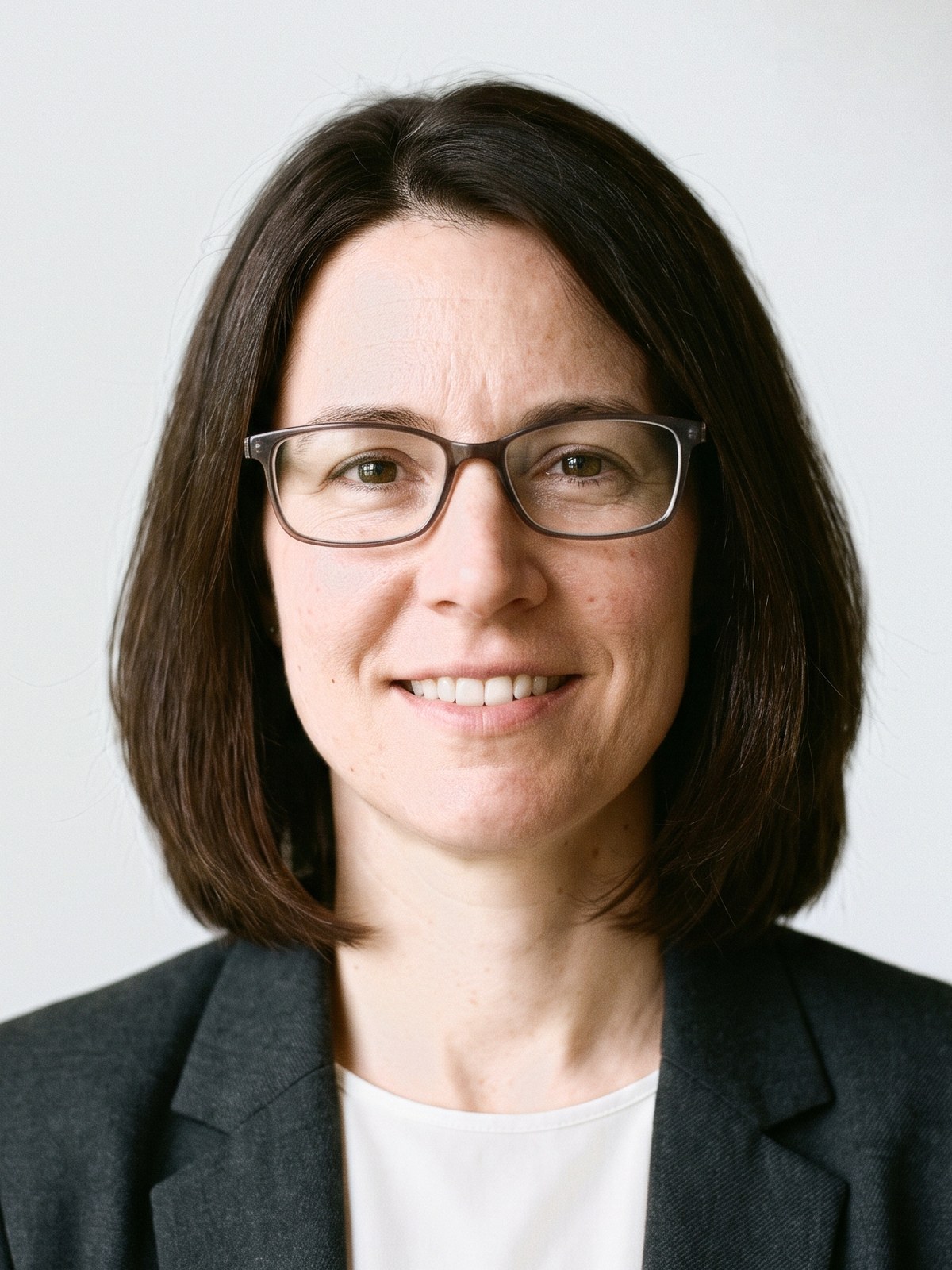 Klara RihterHead of Compliance and Due DiligenceDue diligence of the parties and source-of-funds files for banks
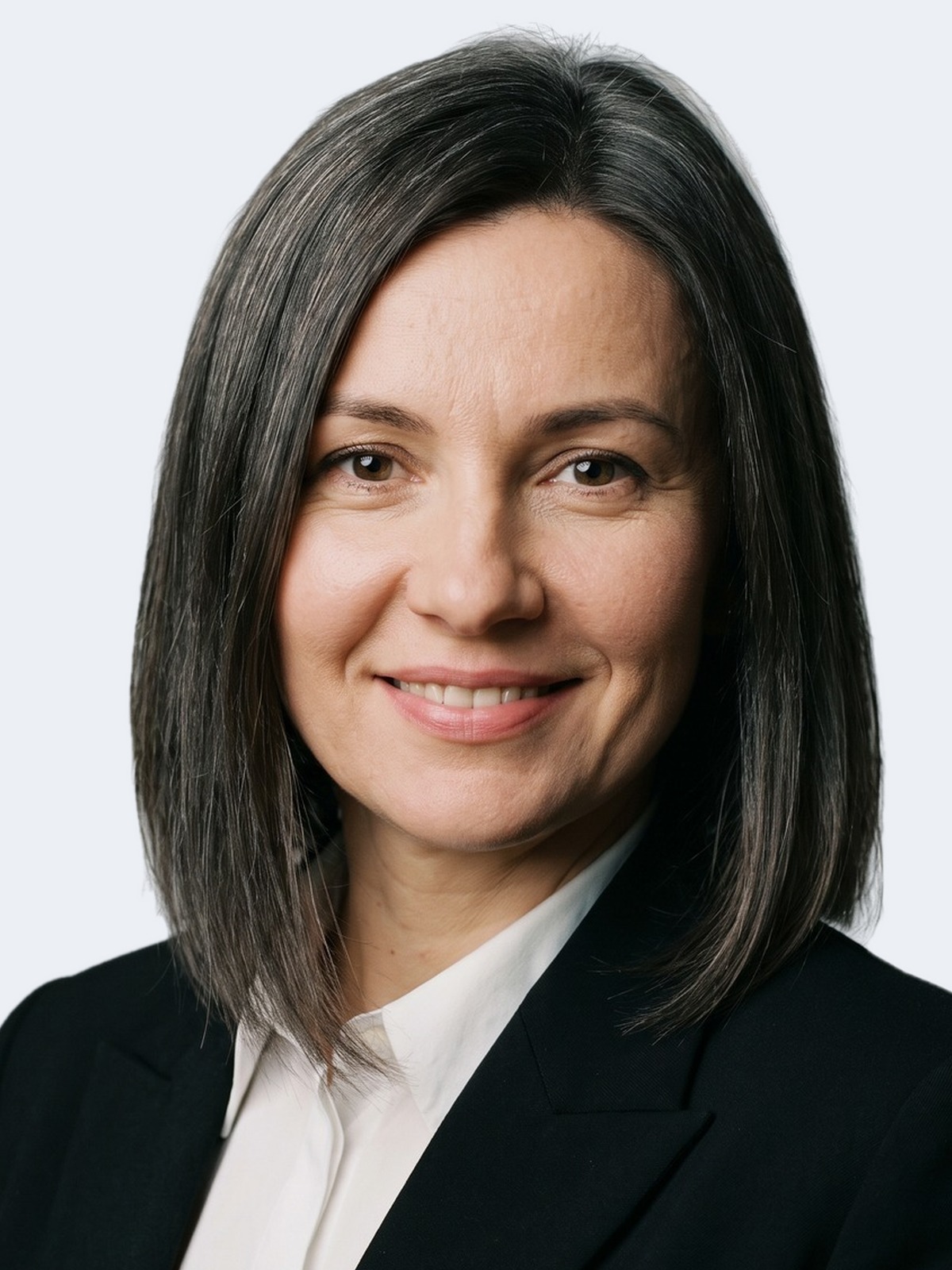 Irena SokolovskaHead of European PracticeComplex and multi-party deals, ownership structure strategy
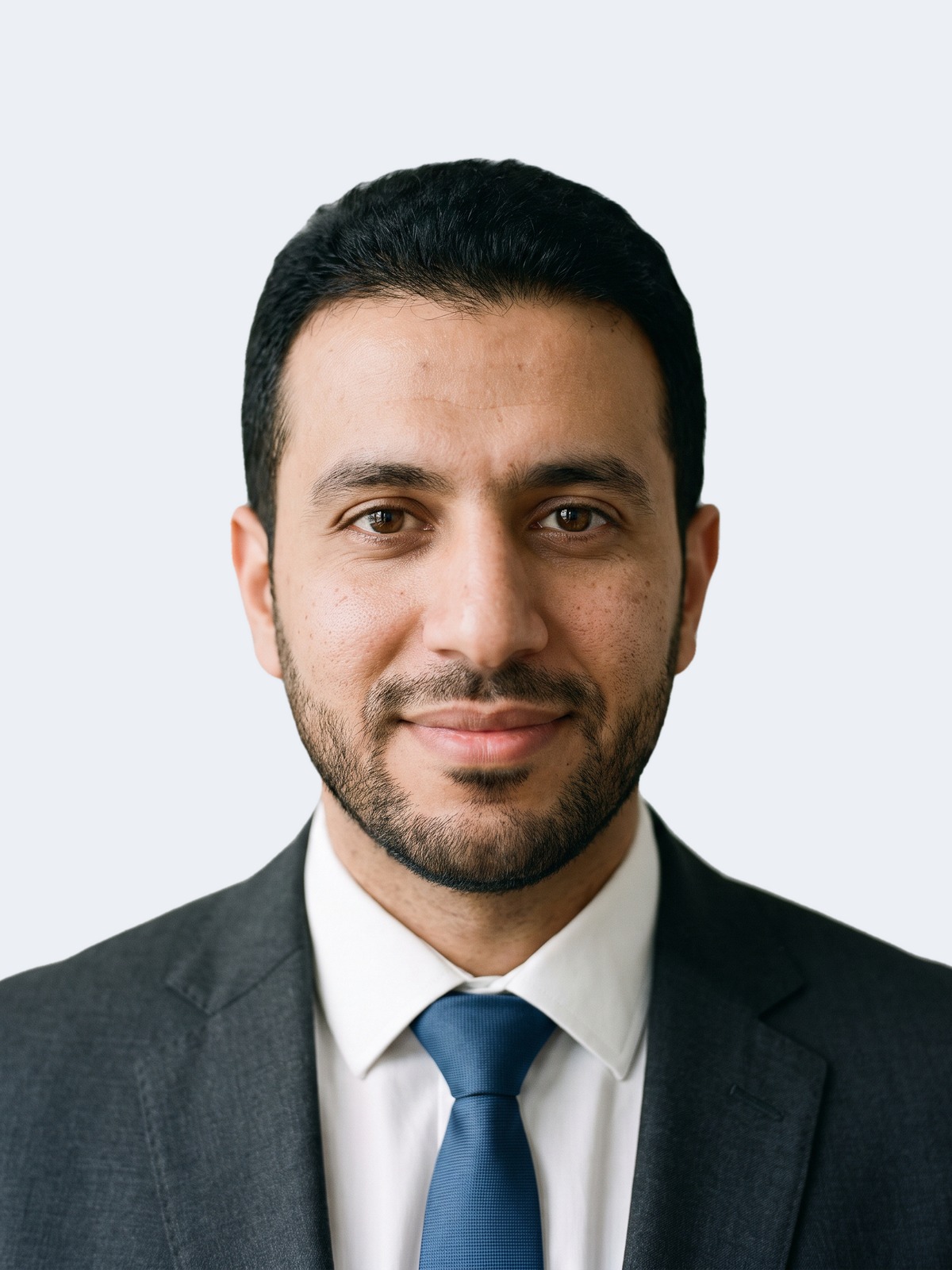 Karim NaserHead of Istanbul OfficeCoordination and closing the deal
11 / Questions
Answers to common questions
The agent has an economic interest in the deal happening: the commission is paid on closing. The buyer’s lawyer works for a fixed fee and answers only to you, so the lawyer can say "do not buy this" — agents almost never say those words. A healthy deal has both an agent and a lawyer, each doing their own job.
The basic block: who the actual owner is, whether there are mortgages, attachments or prohibitions on disposal, whether debts follow the property, and whether the physical asset matches the registry record. The extended block: the chain of past transfers, litigation around the asset, construction permits and the legality of alterations, and for new builds — the developer’s standing and track record.
In most of our jurisdictions — yes, by power of attorney. We draft the power of attorney with a precise scope, arrange the apostille and translation, and our lawyer signs on the ground. A personal visit usually remains necessary where the local bank requires opening an account in person — we flag this at the start.
Escrow is an account held by an independent agent: the buyer’s money sits on it and is released to the seller only when agreed conditions are met — for example, after the title transfer is registered. Until then the seller cannot take the money and the buyer cannot pull it back around the contract. This breaks the core risk of any deal — paying before receiving.
Asking is normal; agreeing is not. The working option is a reservation with a refundable deposit: the amount is blocked on agreed terms, and if due diligence finds material defects, the deposit comes back. We put the refund wording into the reservation agreement before anything is paid.
Because the transfer and the passing of title are two independent events, and anything can happen between them: the asset gets attached, the seller changes their mind, the bank freezes the amount in compliance. A direct transfer is appropriate only in structures where the title is already legally protected — and those are the minority. For the rest there are escrow, letters of credit and notary deposits.
It is a standard anti-money-laundering check: the bank must understand where the buyer’s money comes from. We prepare the file in advance: sale of a business or an asset, dividends, savings — every part of the amount is supported by a document. With the file ready before the transfer, the bank’s question takes days, not months.
On the resale market the key question is the cleanliness of an existing title and debts. With a developer the asset does not exist yet, so it is the developer that gets verified: land title, construction permit, the country’s mechanism for protecting buyers’ payments, and the contract under which you pay for something to be built. These are different checks with different documents.
Yes. For the seller we prepare the asset for the buyer’s due diligence, answer their lawyers’ requests, negotiate the contract and structure settlement as a mirror image: title passes only once the money has arrived or is guaranteed. We never act for both sides of the same deal — that is a conflict of interest.
You receive an opinion with options: which defects the seller can cure before the deal, which can be closed by contract terms or a price reduction, and where it is wiser not to proceed. The decision is always yours — our job is to make it an informed one.
A second layer of verification is added: the asset and the purchase form must meet the program conditions — the minimum amount, the asset type, the holding period, the payment requirements. A mistake on this layer is expensive: the deal is lawful, yet the application for status fails. We run both layers in parallel.
It depends on the deal country, the seller’s bank and your bank. At the start we verify the entire payment chain: whether the transfer will go through, what documents the banks will request, whether conversion is needed and where it is cheaper. The answer is fixed before signing, so the payment does not hang mid-deal.
Each country has its own set: transfer taxes and duties, stamp fees, possible capital gains tax for the seller, and annual taxes for the owner after the purchase. Before the deal we show the full list for your jurisdiction and include it in the deal budget — no "surprises after the notary".
Due diligence usually takes one to three weeks, the contract and settlement preparation another one or two, after which the timing belongs to the bank and the registrar. A realistic range for a typical property purchase is one to three months from reservation to title registration. The exact calendar is built for your deal.
Yes, at any stage: before the contract is signed, before the payment, or when a dispute with the other side has started. The earlier the better: after signing, only the terms the other side agrees to change can be changed.
Send us the basics: what the asset is, in which country, at what stage the negotiations are and which documents you already have. The initial review is done before any engagement contract — you receive the list of risks and a fee quote, then you decide.
INITIAL ASSESSMENT
Tell us what outcome your family needs
We will design a solution for your case, choose the country and the right status, and take the whole process through to the result.
