- One flat is registered to the owner, another to the spouse
- A shareholding in the business is held directly by an individual
- One company owns another with no clear function
- An account was opened for an old structure and does not match the present assets
- Some assets are connected to the rest by nothing but the owner
Updated 19.08.2026
Private Wealth · Ownership Structuring
An international ownership structure for assets
We design the legal architecture of ownership over property, companies, investments and family capital across several jurisdictions.
BRIDGES GLOBAL analyses the owner’s existing asset structure and shapes a target model of ownership, allowing for tax residency, banking infrastructure, the family situation, succession, governance and future transactions.
Where needed we deliver the structure in full: we register companies, SPVs, holdings, foundations and the other applicable elements, and coordinate the local advisers, the banking infrastructure and the transfer of assets.
Property · Companies · Investments · Family capital · International assets
Assets
Which assets go into your structure
Tick the categories — the card on the right will assemble the profile of the project and show its preliminary complexity band.
Architecture
From the ownership that exists to the target structure
Most often the assets were acquired at different times and registered separately: each in its own way, with no common logic. The project starts with seeing the whole picture at once.
- Legal
- Tax
- Banking
- Succession
The target architecture
- 01The family
The owner, the spouse, the children and the future heirs
- 02A foundation or a family holding
The level where the rules of ownership and distribution are fixed
- 03A holding company
Consolidates the shareholdings and links the elements of the structure
- 04SPVs and operating companies
Individual properties, the business and the investment portfolios
- 05The assets
Property, business, portfolios and the family’s other assets
The target architecture is settled case by case. Having several levels does not in itself make a structure better.
Diagnosis
An analysis of the existing ownership structure
We check not only whose name the assets are in but how the structure behaves in real situations: before a bank, in a transaction, on succession and when the family changes.
When it is revisited
The situations that call for the ownership structure to be revisited
The instruments
The elements of an international architecture
BRIDGES GLOBAL does not choose an instrument before the assets and the task have been analysed. A company, a foundation or a trust are elements of the architecture, not the aim of the project.
- Company
- Operating activity · Runs the business, signs contracts, employs staff
- Holding company
- Holding shares · Holds shares in other companies and consolidates ownership
- SPV
- A single asset · A company for a specific asset or transaction
- Foundation
- Family ownership · Separates capital and fixes distribution rules
- Trust
- Management for beneficiaries · Assets transferred to a trustee on the settlor’s terms
- Investment company
- Portfolio and capital · Holds investment assets and works with banks
- Family holding
- Family capital · Brings family assets under common management
- Family office structure
- Administration · Management, reporting and servicing of the whole architecture
Jurisdictions
The role of countries in an ownership structure
A country is chosen for the function it has to perform in the architecture, not for its place in a ranking. Below are the directions we work with and the typical elements in each.
Holdings, foundations and SPVs with regional banking
- ADGM, DIFC and RAK ICC foundations
- Holding companies
- SPVs for individual assets
Operating and holding companies within the EU
- Companies in Cyprus, Hungary, Malta and others
- Holdings for European assets
Family structures and the banking part of the architecture
- Foundations and family structures
- Banking for capital
Companies and investment infrastructure
- Companies and partnerships
- Investment structures
Specialised structure elements
- Trusts and foundations
- Holding and investment companies
We publish no rankings of “the best countries”: the set of jurisdictions is settled by the client’s task, the composition of the assets and the banking infrastructure.
The family
The ownership structure of family capital
For family capital what matters most is separating three things: who owns the assets, who takes the decisions and who receives the economic benefit.
Who legally owns the companies and the assets.
Who takes the decisions on the assets and the structure.
Who receives the income and the distributions.
Who receives rights in future and on what conditions.
The rules are fixed in documents: shareholders’ agreements, foundation regulations, trust documents, provisions on beneficiaries, the procedure for appointing directors and investment decisions — to the extent that applies.
Succession planning for international assets
If a person directly owns a flat in one country, a company in a second, an account in a third and a portfolio in a fourth, several separate succession procedures under different legal systems may open after their death.
- Who receives control over the assets and in what order
- What happens to the business during the transition
- How continuity of management is secured
- How heirs from different marriages are allowed for
- What happens if the owner loses capacity
No international structure automatically displaces the mandatory succession rules of a particular country — they are allowed for in the design.
Asset classes
How different assets are structured
The family — a holding — separate SPVs for each property in its own country.
See the direction →The owner — a holding — the operating companies, with the partners’ shares and the exit rules fixed.
See the direction →The structure — the bank or custodian — the portfolio, with logic compliance can follow.
See the direction →The structure — regulated custody — the assets, with an evidenced origin of the capital.
See the direction →Banks
The banking infrastructure is designed together with the legal one
The typical mistake is to register five companies first and only then find that the bank cannot follow the structure. We check the banking logic before delivery, not after.
- Who the ultimate beneficial owner of the structure is
- The origin of the funds and the origin of the capital
- The geography of the assets and the residency of the participants
- The purpose of each company and the operations expected
- The movement of funds between the elements of the structure
- Sanctions and compliance factors
Evidencing the source of funds and of wealth
When an international ownership structure is created or changed, banks and agents usually need a clear history of the capital: how it was earned, how it moved and how it came into the structure.
Prepare the file on the origin of capital →Transparency
Confidentiality does not mean anonymity
An international structure can give a legal separation of assets, a governance procedure and orderly ownership. But it does not conceal the ultimate owner from banks, regulators and the other persons to whom disclosure is required by law.
- Registers of beneficial owners
- KYC and AML procedures
- The automatic exchange of information
- Tax reporting
- Corporate registers
- Bank disclosure
Complexity
A structure should not be more complex than the task
An extra company, foundation or trust is not an advantage in itself. Every level has to have a clear legal, family, banking or investment function — and to cost less than the risk it closes.
- Seven legal entities
- Five jurisdictions
- Four bank accounts
- No governance documents
- Fewer elements
- Fewer jurisdictions
- Banking logic that is clear
- Decision rules fixed in writing
The example shows the principle of the work, not a promise of a particular result: the outcome depends on the assets and the task.
An existing structure
If the companies, the foundation or the trust already exist
Building from scratch is not always needed. Often a structure was created ten or fifteen years ago for other tasks and other law — and then a review makes more sense.
- Checking the legal logic and the function of each element
- Checking the governance and the documents that record decisions
- A banking check: whether compliance can follow the structure
- An assessment of the annual cost of running it
- Checking the succession side
- Matching it against the owner’s present task
On the results: leave it as it is, simplify it, move particular elements, wind up what is unnecessary or create new elements — only after the analysis.
The ownership structure on a move to another country
A move changes the owner’s tax picture and with it the logic of the whole structure. That has to be analysed before the move, not after the first tax year.
- The controlled foreign company rules
- Exit tax, where it applies
- The procedure for distributions from the structure
- The place of effective management of the companies
- The treatment of trusts and foundations in the new country
- The reporting and the banking side
Transactions
The structure before buying an asset and on exit
The architecture is best settled before the purchase rather than after the asset has been registered to an individual or an unsuitable company: re-registering later is almost always dearer.
A good structure is designed with a future sale in mind: whether the asset or the shares are sold, how the buyer’s due diligence goes, how the money moves and what happens to the rest of the structure.
The result
The Ownership Structure Dossier
The outcome of the project is not a diagram in an email thread but an assembled file you can still work from years later.
- 01 · Asset inventory
- A full asset list with jurisdictions and owners
- 02 · Current ownership map
- How ownership works today, with all links
- 03 · Risk and exposure review
- Legal, family, banking and structural risks
- 04 · Target ownership structure
- The ownership architecture for the client’s task
- 05 · Jurisdiction analysis
- What function each country performs in the structure
- 06 · Governance matrix
- Who owns, who manages, who benefits
- 07 · Transition plan
- The sequence from the current model to the target
- 08 · Implementation budget
- The cost of setting up and maintaining it
- 09 · Annual administration map
- What must be done yearly for each element
The format of the work
Two levels of the service
A review of existing ownership with recommendations
- A map of the current ownership structure
- A list of identified risks
- Recommendations for changes
- An estimate of the future project scope
The target architecture and its full implementation
- The target ownership structure
- Registration of companies, SPVs and foundations
- Banking infrastructure
- Transfer of assets into the structure
- Governance documents and decision rules
- Annual administration
The process
The stages of design and delivery
- 01Initial review
Assets, countries, current owners and the client’s task
- 02Asset and ownership mapping
A full inventory and a map of existing links
- 03Legal, tax and banking analysis
Together with local specialists in each jurisdiction
- 04Target architecture
Structure options, comparison and the chosen solution
- 05Implementation
Registrations, banking, asset transfers, documents
- 06Governance and administration
Decision rules and yearly servicing of the structure
Administration
The annual servicing of the structure
A structure lives for years, and most of the cost falls not on the registration but on the annual upkeep. We show that before the start, not after the first invoice.
- Registered office and corporate agent
- Renewal of companies and foundations
- Accounting and reporting
- Tax reporting
- Compliance and KYC updates
- Banking for the structure
- Changes in ownership
- Beneficiary changes
- Adding and removing assets
- Annual structure review
What the cost of a project depends on
There is no single price: a project is quoted by its composition. Below are the factors that settle the volume of work and the budget.
- The number of assets and their classes
- The number of jurisdictions involved
- The number of owners and the composition of the family
- The existing companies, foundations and trusts
- The banking part of the architecture
- Whether assets have to be transferred into the structure
- Bringing in local advisers
- The depth of the tax analysis
The estimate is prepared after the first review and covers both creating the structure and running it each year.
Professional standards
The legal limits of international structuring
We do not build structures that mislead banks or authorities about the beneficial owner
We do not use restructuring to move assets away from existing claims
Every company or foundation must have a clear purpose
We analyse consequences but do not build constructs to hide obligations
The team
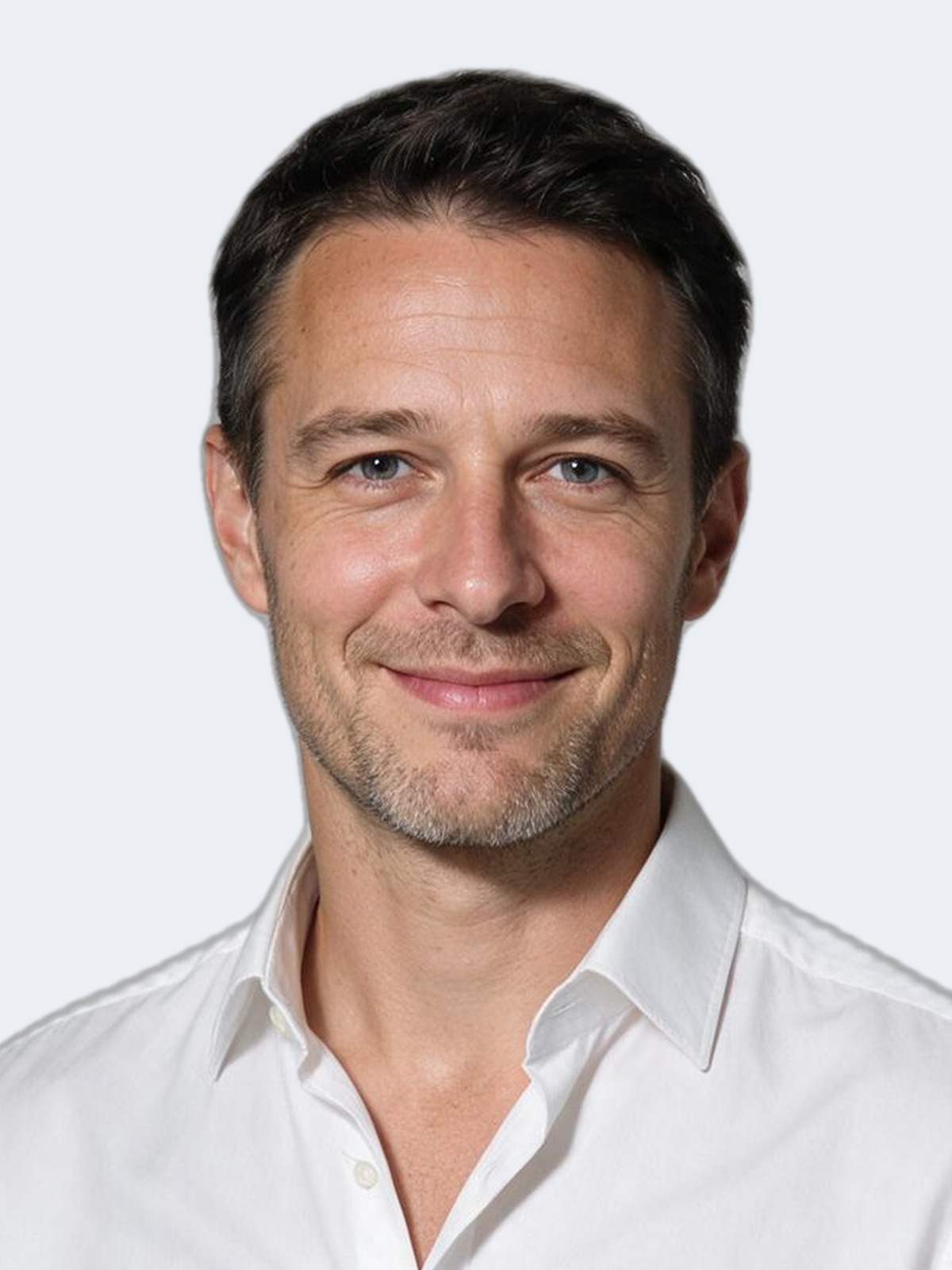
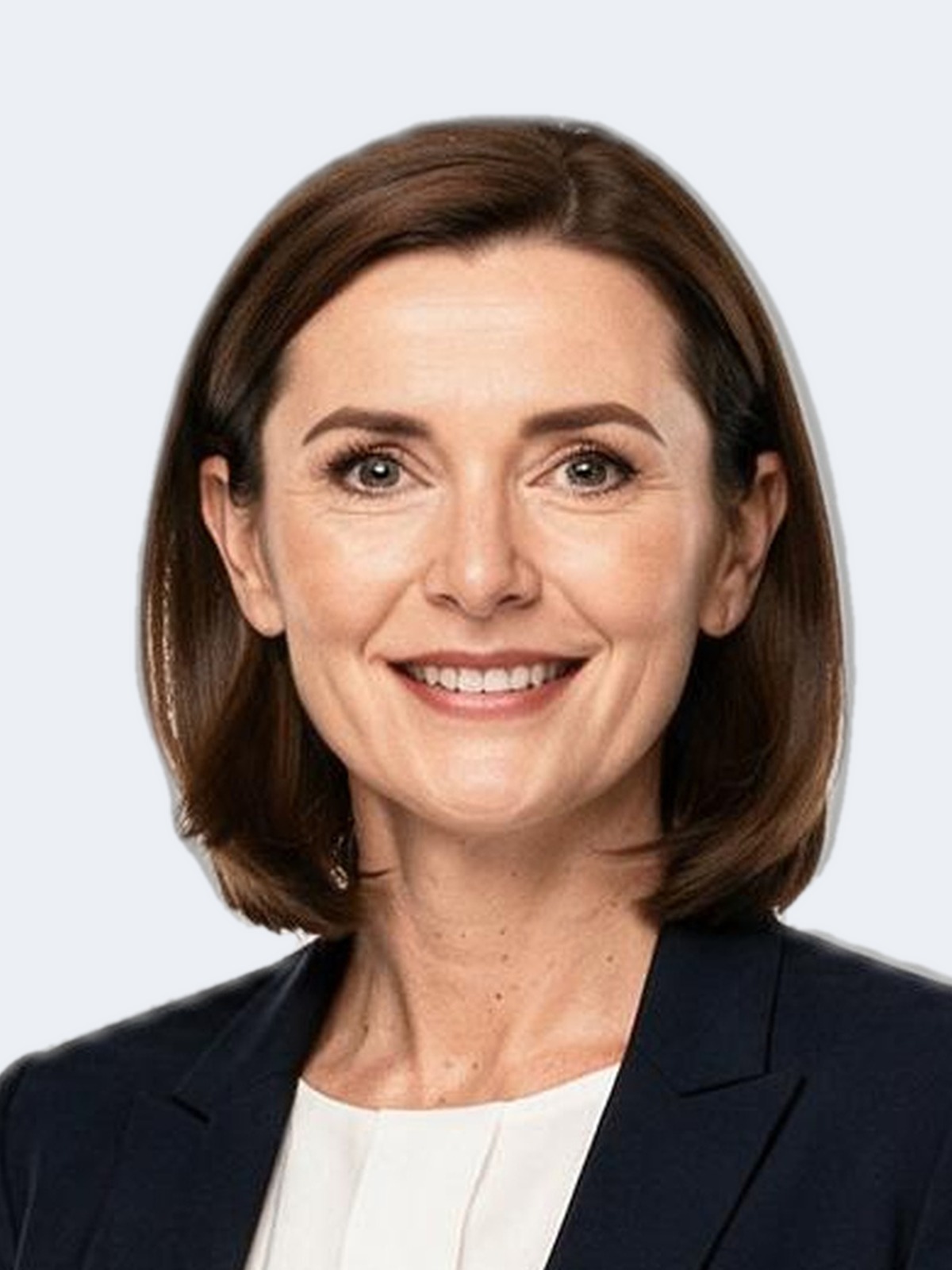
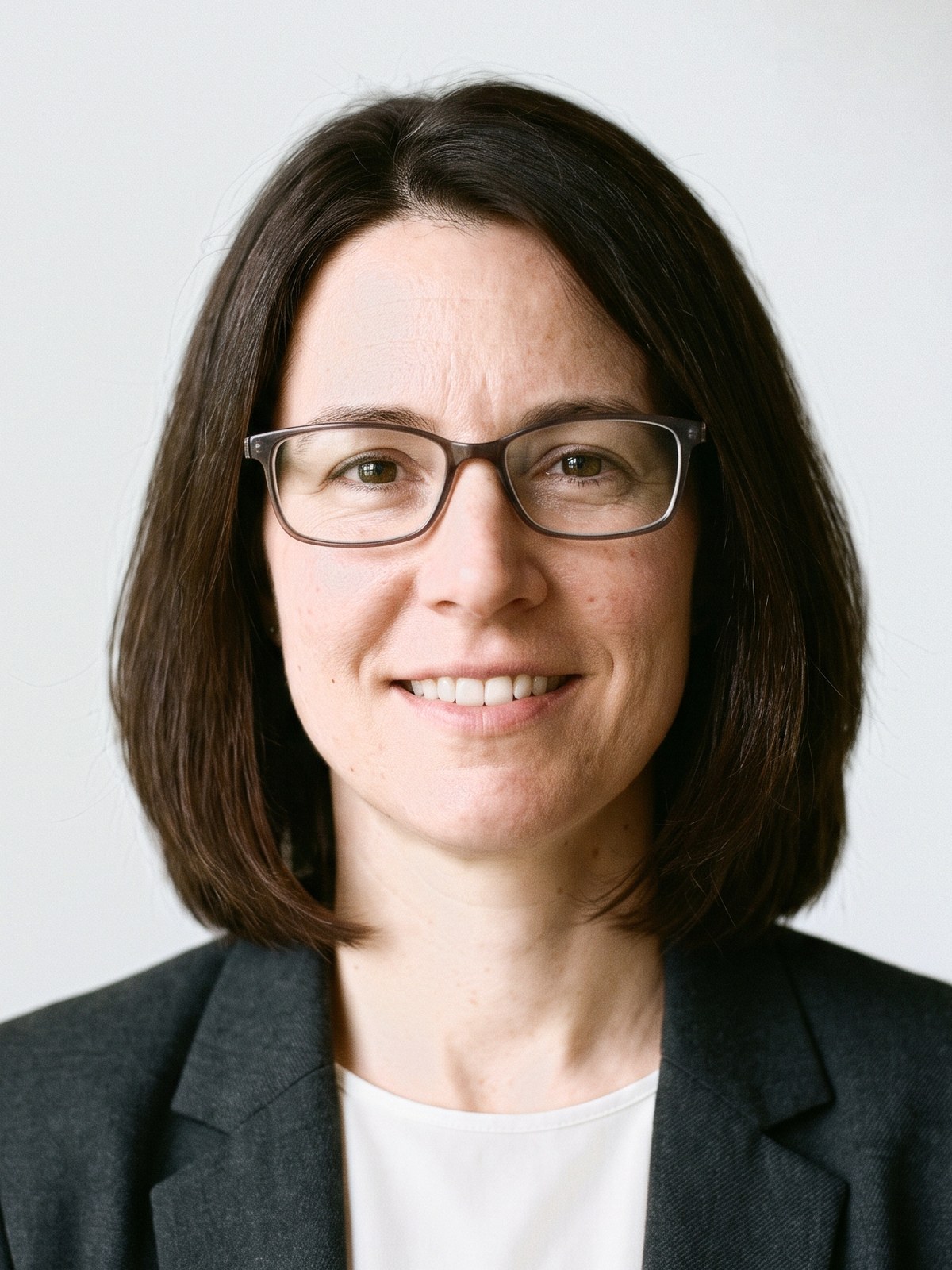
Who runs the structure projects
Questions and answers
Questions about the ownership structure
With a review: which assets, in which countries, in whose name they are held and what task has to be solved. That is enough to see the volume of the work. The documents and the family’s data are requested later, once the work has started and over a secure channel.
That is not the question to start with. First the assets, the family, the tax residency and the task are analysed, and only then does it become clear whether such an element is needed at all. An instrument is part of the architecture, not its aim.
A structure does not remove tax obligations. Its task is to make ownership legally clear and manageable, with the consequences analysed in advance at the level of the owner, the holding, the companies and the assets themselves.
No. Confidentiality does not mean anonymity: the ultimate beneficial owner is disclosed to banks, registers and authorities to the extent the law provides. We do not build structures that mislead them.
Not necessarily. Often a review makes more sense: checking the function of each element, the banking logic, the cost of running it and the succession side. On the results some things stay, some are simplified and some are wound up.
There is no single price: the budget depends on the number of assets and jurisdictions, the composition of the family, the existing companies, the banking side and how many assets have to be transferred. We prepare the estimate after the first review, together with the cost of the annual upkeep.
The analysis and the design usually take a few weeks; the delivery depends on the number of registrations, banks and asset transfers and can take months. The plan of transition is drawn up in advance so that the stages run in the right order.
Yes, that is part of the project: the banking infrastructure is designed at the same time as the legal one, and in each jurisdiction a specialist local adviser is brought in. We coordinate their work and hold the architecture as a whole.
The administration begins: renewals, reporting, accounting, KYC updates, changes in ownership and in the beneficiaries, the annual review. Without that a structure quickly stops matching reality.
A structure is designed in advance and cannot be used to move assets away from claims that already exist, whether by a spouse, a creditor or anyone else. Planning makes sense before a dispute arises, not after.
That is one of the key questions in the design. Without a structure, direct ownership of assets in different countries usually leads to several separate succession procedures. The target architecture allows for control, continuity and the rules of distribution — within the mandatory rules of the countries concerned.
No: legislation and banks’ practice change. So an annual review is built into the project — so that the architecture stays current rather than ageing along with the rules.
An assessment of the structureTick the assets