Updated
SRV-LS-FS
Legal structures
Family and the succession of capital by your own rules
With no plan, an estate is divided by the law of the country where each asset sits: the business is broken up between heirs, the property hangs in the courts and the accounts are frozen for months. We build the passing of capital so that it happens by your design and without conflict.
- We work out the consequences in every country where there are assets and heirs
- We do not promise to get round forced heirship — we work within the law
- We leave the family a document they can follow, not a set of structures
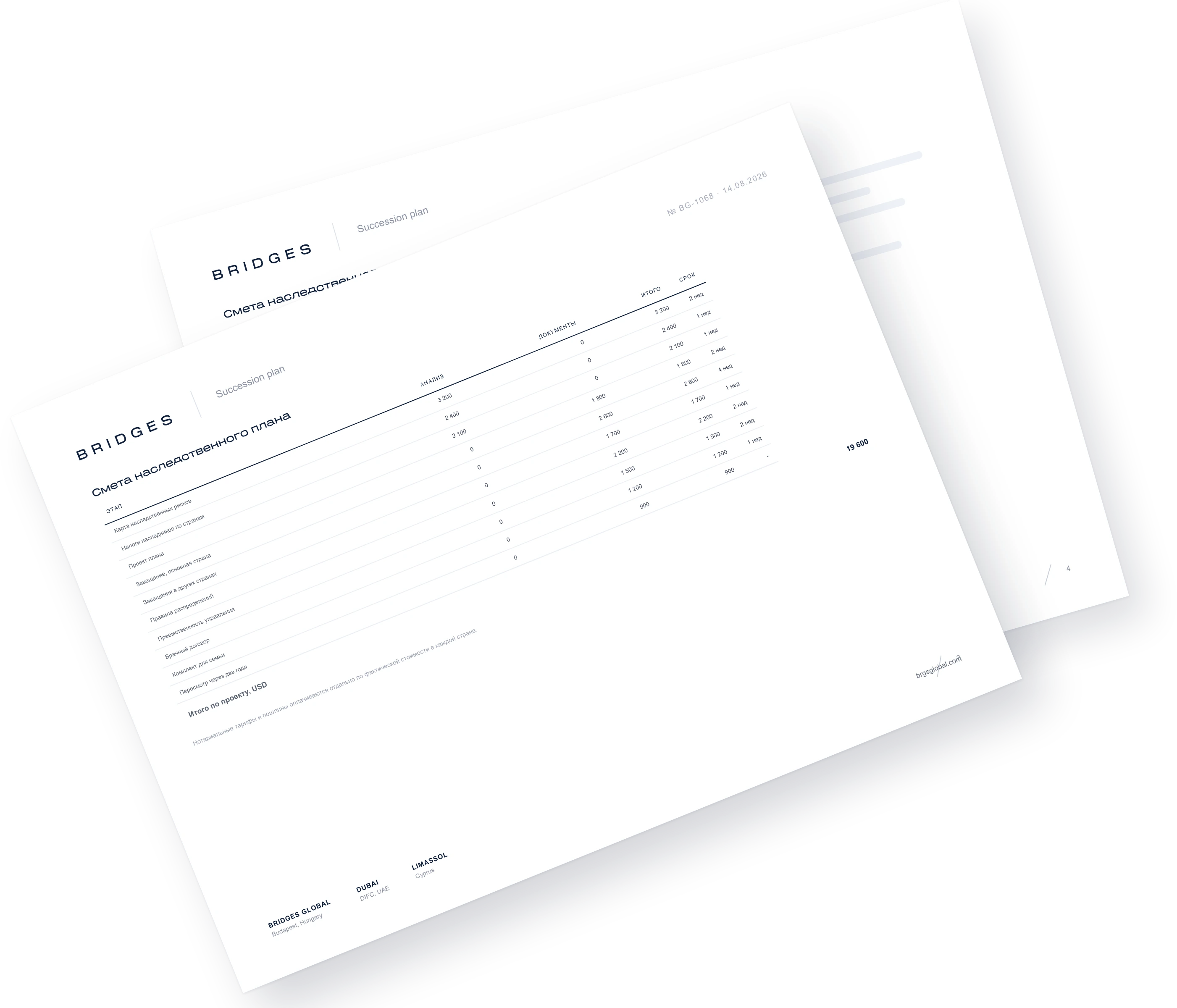
01 / The service
What happens with no succession plan
Succession by default is not one procedure but as many procedures as there are countries holding assets. Each goes by local rules, in local courts and in the local language. While they run, the property is usually out of reach and the business is without management.
Every country judges in its own way
Property is almost always inherited under the law of the country where it sits; accounts and shareholdings differently. The rules may contradict each other outright, and your will as well.
Forced heirship exists
In many countries part of an estate is reserved for particular relatives whatever the will says. That is a fact planning allows for rather than gets round.
The business is broken up
The shareholdings are divided between the heirs, each gets a piece and an opinion of their own. A company that worked for decades is paralysed within months.
Time works against the family
Succession procedures in several countries take from six months to several years. All that time the assets are as a rule out of reach.
02 / Situations
When a plan is needed
The situations where improvising costs most.
Assets in several countries
Even two jurisdictions mean two parallel procedures with different rules and different timelines.
A family business
The company has to pass whole and keep working, and the management has to go to those able to run it.
A complicated family
Children from different marriages, a second spouse, an unregistered partnership, children with special needs — the default law will settle it otherwise than you want.
Heirs in other countries
The heirs’ citizenship and residency affect the tax on receiving an inheritance — sometimes decisively.
Conditions on receiving
You want the capital to pass by age, after studies are finished or on the birth of grandchildren, rather than all at once.
Protecting minors
The children have to be provided for without handing them large sums at eighteen.
03 / Honest limits
What we do not promise
The honest limits of succession planning.
To get round forced heirship entirely
In countries where it applies, planning cannot deprive an heir of their reserved share. What can be done is to reduce the potential for conflict and structure the rest — and that is what we do.
To hide assets from heirs
We do not build arrangements meant to deceive someone in the family. Planning has to withstand scrutiny in court rather than fall apart at the first claim.
To cancel the heirs’ taxes
Inheritance tax in the country where an heir lives is their obligation. We work out the burden in advance and choose the less painful option, but we do not remove it.
To replace the conversation in the family
The hardest conflicts arise where the heirs learned about the plan after the death. A structure helps, but it does not replace explaining things while you are alive.
Our task is that the plan works in reality rather than looking good on paper.
04 / Scope of work
What the work covers
From a map of the risks to a finished set of documents for the family.
A map of the succession risks
For each asset: whose law applies, who inherits by default, what taxes arise, how long the procedure takes.
Matching it to your wishes
We compare the default scenario with what you want and show the gap — and it is that gap the planning closes.
Choosing the instruments
A trust, a foundation, a corporate structure, wills in different countries, a marriage contract, life insurance — usually a combination is needed.
The rules on distributions
Who receives what, when and on what conditions. Age, events, a stated purpose — all of it is put into the documents.
Continuity of management
Who runs the business and the structure after you, how successors are appointed, what happens if they disagree.
The set for the family
A clear document: where the assets are, who is answerable, whom to turn to and what to do in the first days. Without it even a perfect structure works badly.
The planning is revisited when the family and the assets change: a birth, a marriage, a divorce, the sale of a business, a move.
05 / Cost
What the cost depends on
It is calculated by the number of jurisdictions and the complexity of the family picture.
The number of countries
Every jurisdiction of assets and of heirs calls for local analysis and sometimes a local document.
The composition of the family
Children from different marriages, heirs with different citizenships, special situations — all of that makes the construct more complex.
The instruments
Wills and corporate resolutions cost less; a trust or a foundation adds the cost of establishing and running it.
A business in the estate
Passing on a working company calls for continuity of management to be worked through, not only of ownership.
The map of succession risks is a result in itself: it shows what will happen with no plan, and that alone often changes decisions.
06 / How it works
How we work
From the analysis to documents the family will be able to use.
Going through the situation
The family, the assets, the countries, your wishes on the distribution. No documents are needed yet.
1–2 days
The map of risks
What happens by default in each country: who inherits, what taxes arise, how long it takes.
1–2 weeks
The draft plan
The instruments, the rules on distributions, the continuity of management. We discuss and adjust it.
1 week
Putting it in place
Establishing the structures, the wills, the corporate resolutions, the marriage contracts — to the agreed plan.
from 1 month
The set for the family
We prepare a clear document with a map of the assets and instructions for the heirs.
We recommend revisiting the plan every two or three years and on any significant change in the family or the assets.
07 / Preparation
What we will need from you
Half the work is an honest conversation about the family.
The composition of the family
Who the heirs are, where they live, their citizenship and residency, whether there are marriages, divorces, children from different unions.
The list of assets
What is where, in whose name it is held, whether there are encumbrances and joint ownership.
The existing documents
Wills, marriage contracts, corporate agreements, insurance policies — everything already drawn up.
Your wishes
Who should receive what, on what conditions, who should run the business. Candour matters here.
The conversation about succession is confidential under the agreement — including from family members, if that is what you want.
08 / Team
Who runs the work
A succession plan is assembled by a lawyer with a tax adviser.
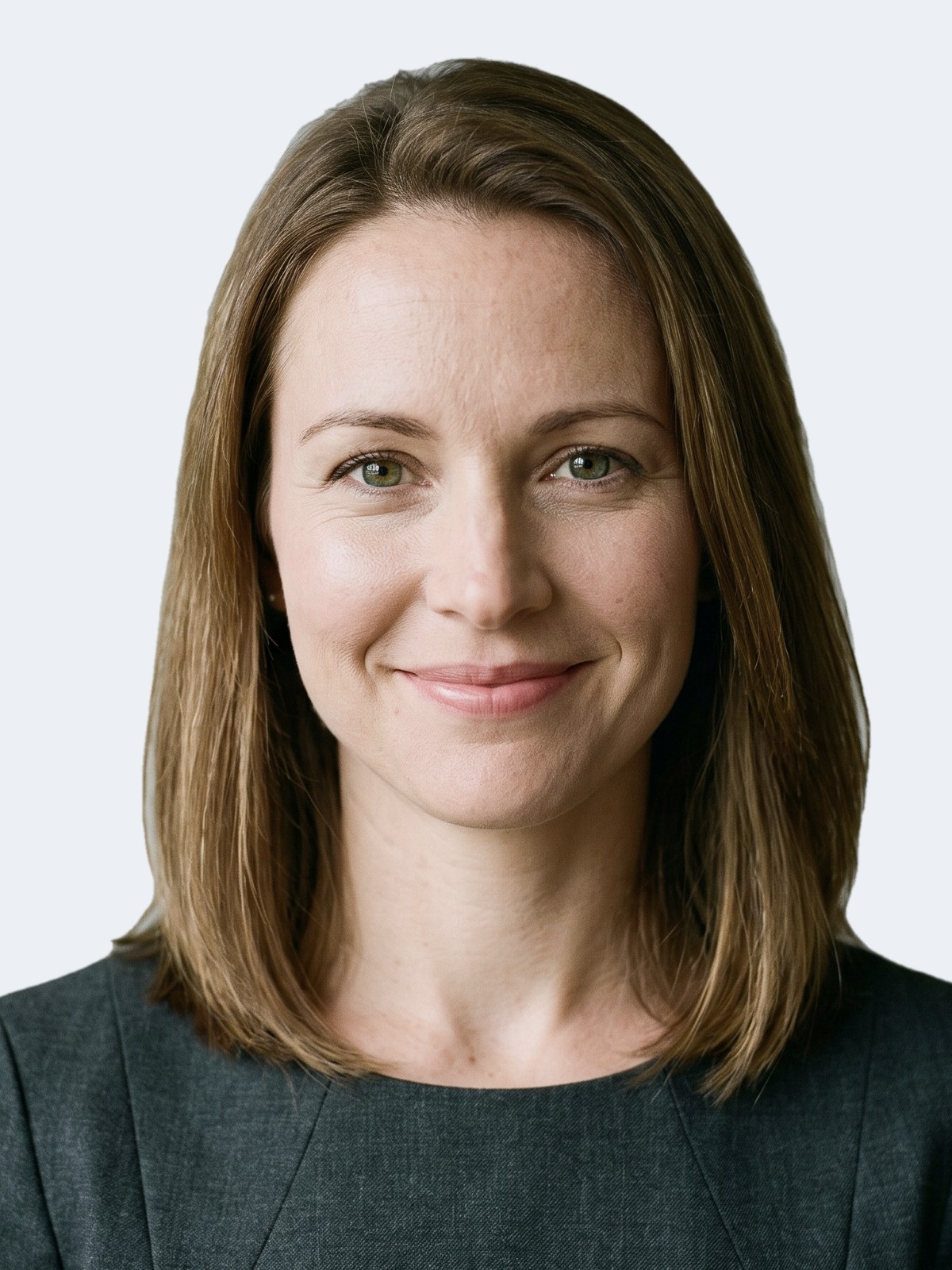 Eva LauriHead of OperationsSuccession planning and the documents
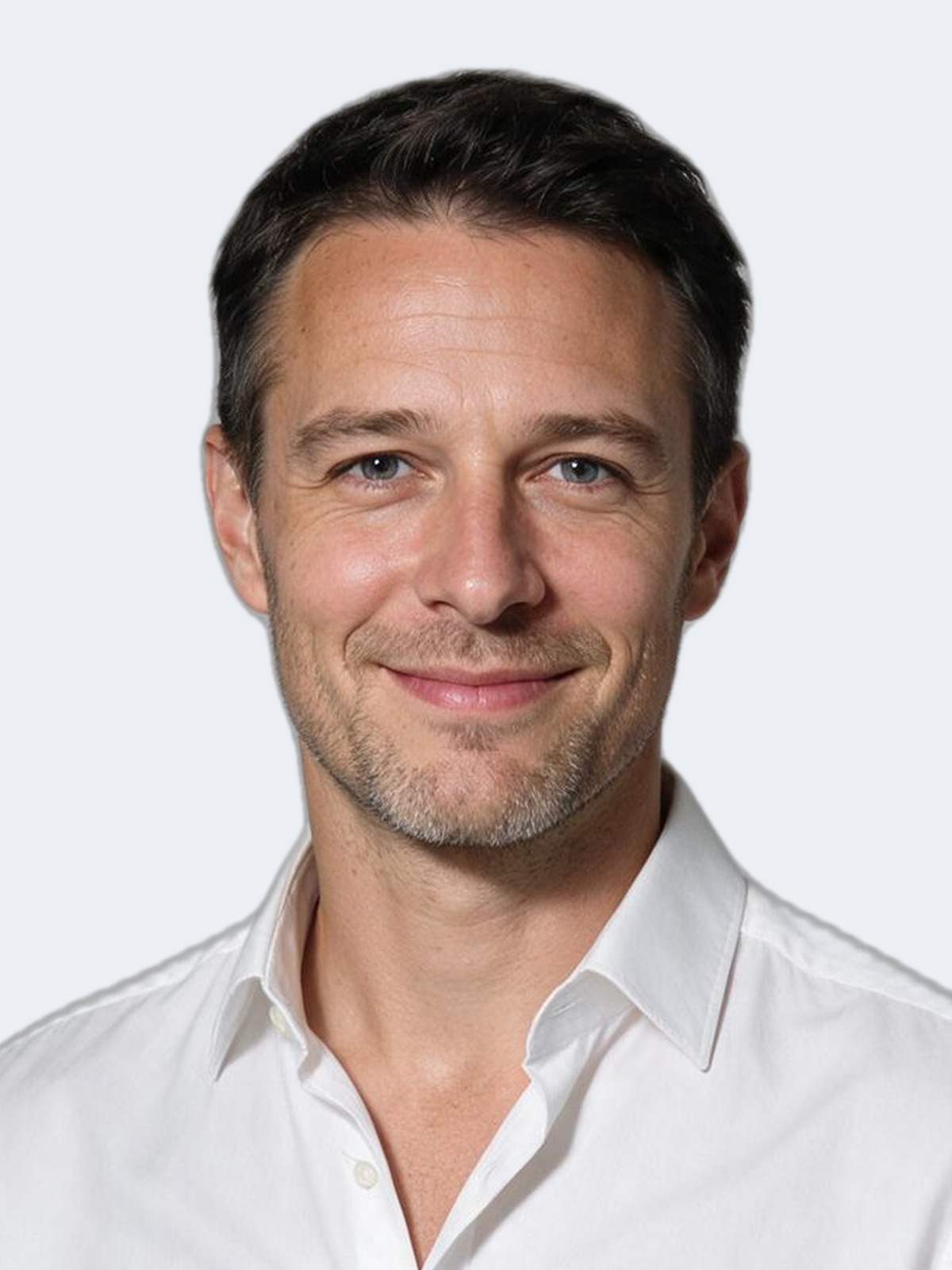 Dmitry NagyInternational Tax ConsultantTaxes on succession in different countries
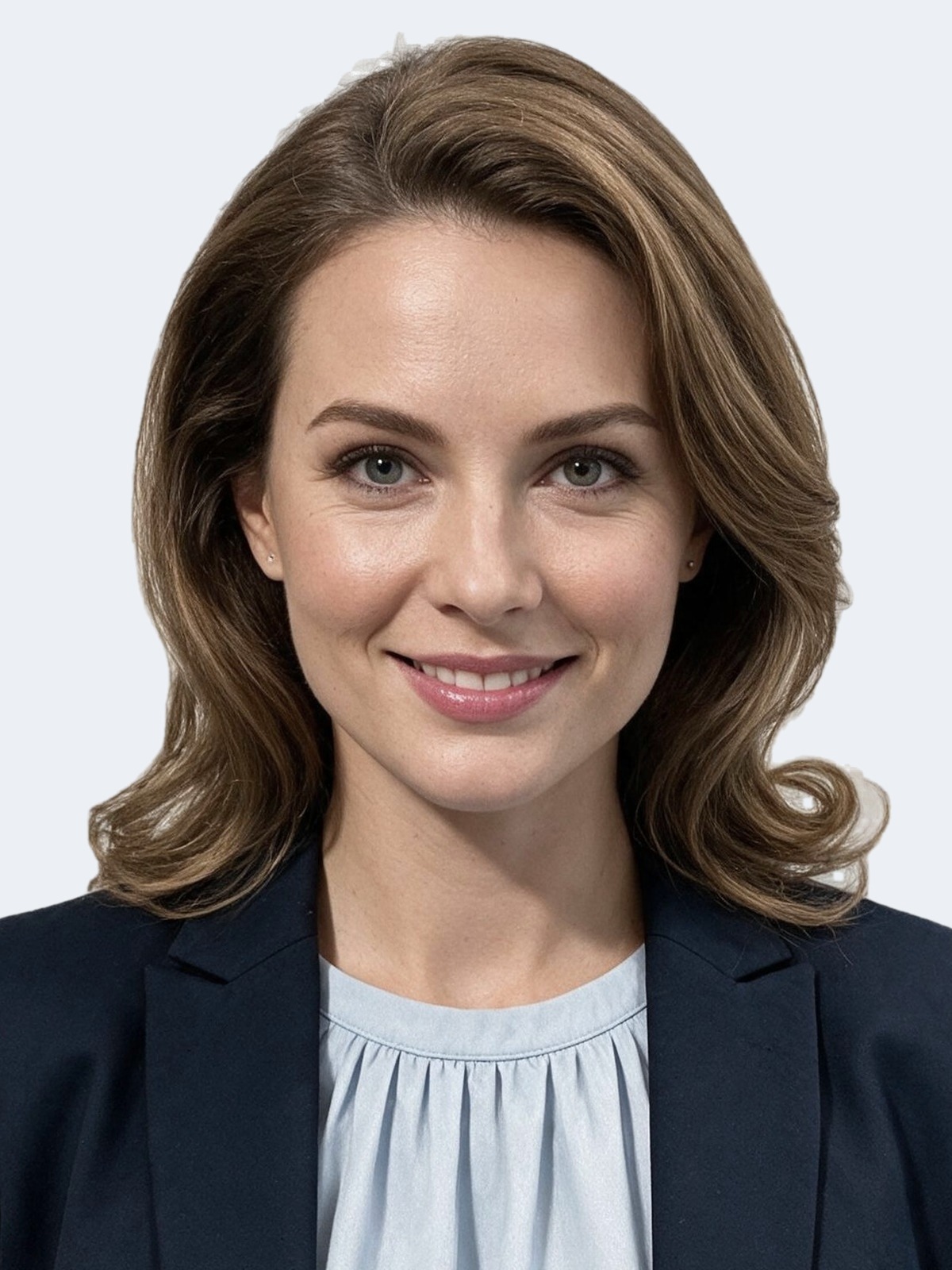 Elena TitovaClient Relationship ManagerWork with the family and coordinating the participants
 Martin DvorzhakDocument Processing SpecialistApostilles, legalisation, translations
10 / Questions
Answers to common questions
For one country and a simple family it often is. The problems start when the assets are in different jurisdictions: a will drawn in one country may not be recognised in another or may clash with local forced heirship rules. Then what is needed is a plan, not a single document.
In countries with forced heirship, as a rule no: the law reserves a minimum for particular relatives. What can be done is to structure the rest of the property, reduce the potential for conflict and settle in advance who gets the business and who gets a cash equivalent.
With no plan, usually paralysis: the shareholdings are not registered and there is nobody to take decisions. That is exactly why continuity of management is written down separately from ownership: who runs it in the meantime, how a new director is appointed, who signs the documents.
It depends on the country of their residency and on where the assets sit. In some places there is no inheritance tax at all, in others the rates are substantial. We work out the burden at the planning stage — sometimes that changes the choice of instrument.
We recommend it, though the decision is yours. The hardest conflicts arise where the heirs learned about the structure after the death and read it as an injustice. Explaining it while you are alive removes most of the future disputes.
Every two or three years, and always on a significant change: children being born, a marriage or a divorce, the sale of a business, someone in the family moving, a change of law in a key country.
Not from an age but from the composition of the assets. If the property is in several countries or there is a business, a plan is needed however old you are. Planning is about what happens at an unpredictable moment, not about preparing for old age.
Through the rules on distributions: payments on reaching an age, for education, on the birth of their own children, a monthly allowance instead of a lump sum. That is the standard and commonest setting for a trust or a foundation.
Work out the tax in each of their countries: in some an inheritance is not taxed at all, in others the rates are substantial. A structure allows the heirs’ positions to be evened out, so that one does not receive markedly less than another because of a local tax.
In part — through a structure from which the heir receives distributions rather than title to the asset. The distributions they receive are then subject to local family law in their marriage, so a marriage contract is worth having as well.
Whoever you appoint in advance — that is recorded separately from ownership. Without such an appointment the company is left with no governing organs for the whole of the procedure, and that is from six months to several years.
INITIAL ASSESSMENT
Tell us what outcome your family needs
We will design a solution for your case, choose the country and the right status, and take the whole process through to the result.