Recognition of education in order to continue studying.
Updated 19.08.2026
DOCUMENTS · EDUCATION RECOGNITION
Recognition of diplomas and evidence of education abroad
We support the recognition of foreign diplomas and qualifications, obtain the missing educational documents and arrange the apostille or legalisation, the translation and the dealings with the competent authorities.
BRIDGES supports international procedures for evidencing education for employment, regulated professions, university admission, immigration procedures and other official purposes.
We settle the applicable procedure in the country of destination, check the set of documents and, where needed, arrange for duplicates, supplements, transcripts and archive confirmations to be obtained from the country of study.
- Recognition
- Verification
- Apostille
- Translation
- Document Retrieval
The procedures
Recognition, evaluation and verification are different procedures
Which procedure applies is settled by the country of destination. This service has no universal name.
Recognition of a professional qualification for a regulated profession.
Comparing foreign education with the national system.
The formal procedure for recognising a foreign educational document.
Establishing equivalence where such a mechanism exists.
Confirming the authenticity of a diploma or the fact of study.
Not the recognition of a diploma but a separate procedure confirming a document for international use.
The route
Where the diploma was obtained and where it will be used
The route is built from the country that issued the diploma to the country where it has to work.
Choose a country→Which document?→Choose a country→For which purpose?
- 01University Documents
- 02Verification
- 03Apostille / Legalisation
- 04Translation
- 05Recognition Authority
- 06Decision
The stages and their order depend on the country of destination and the purpose: in some procedures the translation is made after the legalisation, in others before it.
Purposes
Recognition of education for different international procedures
Where an employer or a state body requires evidence of the level of foreign education.
Where the right to practise depends on the professional qualification being recognised separately.
For admission, transfer or continuing study.
Where evidence of education is used in a visa, migration or other official procedure.
Where the qualification is part of the requirements for a professional licence.
Where a foreign diploma has to be formally evaluated or recognised.
Regulated professions
Recognition of a professional qualification
The list of regulated professions is set by each country separately, so there is no single list. Depending on the country it may cover doctors, dentists, pharmacists, medical specialists, architects, engineers, teachers, lawyers and other professions.
More than the recognition of a diploma may be needed here:
- education
- professional qualification
- experience
- language
- licensing
- registration with professional body
Medical education
Recognition of medical education
- Diploma
- Transcript
- Clinical Training
- Verification
- Language
- Professional Recognition
- Medical Authority
- Licence / Registration
The particular route depends on the country.
Documents
Which documents we can obtain and prepare
- Diploma
- Diploma Supplement
- Academic Transcript
- Certificate of Graduation
- Confirmation of Studies
- Curriculum / Course Description
- Academic Hours / Credits
- Internship / Clinical Training Records
- Accreditation Confirmation
- Duplicate Diploma
- Archive Certificate
- Other Educational Records
Only where the document concerned exists in the particular education system.
If there are no documents
If the diploma or the supplement is lost
BRIDGES can coordinate obtaining the official confirmations available:
- a request for a duplicate
- obtaining the transcript
- an archive certificate
- confirmation of the fact of study
- confirmation of the qualification awarded
- documents from the university
- other official confirmations available
If the educational institution has closed or been reorganised, we establish the successor, the archive or the competent authority and analyse the route to restoration available.
Restore a diploma→The university has closed
If the university no longer exists
We check the official sources available:
- the successor
- the state educational archive
- the ministry or educational authority
- the accreditation records
- the university archive
- other official sources
Not every diploma can be restored: the result depends on whether the records have survived and whether anyone lawfully holds them.
Check whether restoration is possible→Related procedures
The apostille, legalisation and translation of educational documents
Where an apostille applies, the document goes Diploma → Apostille → Translation → Recognition. The order may differ in a particular country.
Order an apostille→It applies where an apostille is not the applicable procedure for the country of destination.
Order legalisation→We arrange a certified translation, a sworn translation, a notarised translation or another format required.
Order a translation→Turnkey
The diploma fully ready for recognition
- 01DIPLOMA
- 02SUPPLEMENT / TRANSCRIPT
- 03VERIFICATION
- 04APOSTILLE / LEGALISATION
- 05TRANSLATION
- 06APPLICATION
- 07RECOGNITION
- 08RESULT
In progress
Further requests during the recognition
The support does not end with the filing. If the competent authority asks for further material, we go on working:
- further academic records
- the curriculum
- the hours
- the accreditation
- confirmation from the university
- professional experience
- a certified copy
- a new translation
- further forms
A refusal
An analysis of a refusal to recognise education
We go through the decision and settle whether there is a lawful way forward:
- the ground of the refusal
- the set of documents
- the applicable procedure
- the possibility of supplementing it
- the possibility of a review or appeal, where one is provided for
- whether local counsel is needed
We do not promise that the decision will be overturned: the outcome depends on the ground of the refusal and on whether that procedure provides for a review.
Discrepancies
If the details in the diploma and the passport do not match
- a change of surname
- transliteration
- an old passport
- a change of citizenship
- different spellings of the name
- a mistake in the diploma
- a change in the university’s name
BRIDGES coordinates the chain of evidence that ties the documents to each other.
Countries
Recognition of foreign diplomas in different countries
The cost
The cost depends on the country, the profession and the recognition procedure
We settle the applicable procedure, the competent authority and the composition of the set.
The tariff is being approvedDuplicates, transcripts, archive certificates, the apostille, legalisation and translation.
An individual quoteThe whole route to the competent authority’s decision, the further requests included.
The tariff is being approvedRegulated professions, professional bodies and licensing requirements.
An individual estimateThe prices are published once the internal tariff is approved. Until then the cost is given in a quote for the particular matter.
Running the matter
The status of the matter is visible at every stage
- Document ReviewCompleted
- University VerificationCompleted
- ApostilleCompleted
- TranslationCompleted
- Recognition ApplicationSubmitted
- Authority ReviewIn progress
- DecisionPending
An illustration of the project statuses. On your matter the stages are filled in with the actual dates.
Documentary services
The recognition of education is part of the whole documentary chain
The team
Who runs the matter
A lawyer settles the route of recognition, a specialist in obtaining documents requests them from the country of study, and the project administrator runs the dealings with the authority.
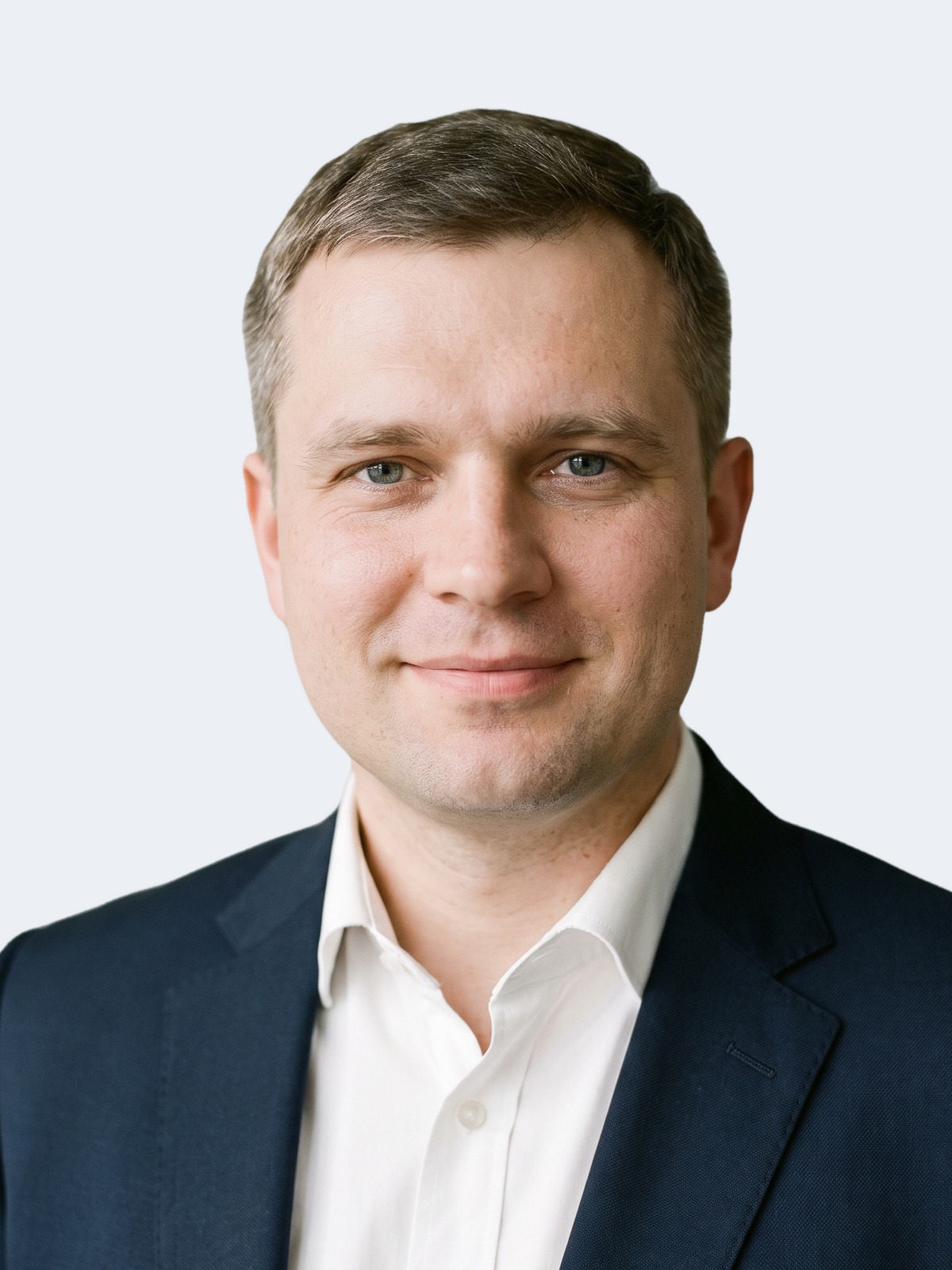 Daniel KovachSenior International Law AttorneyThe recognition procedure and the correspondence with the competent authority
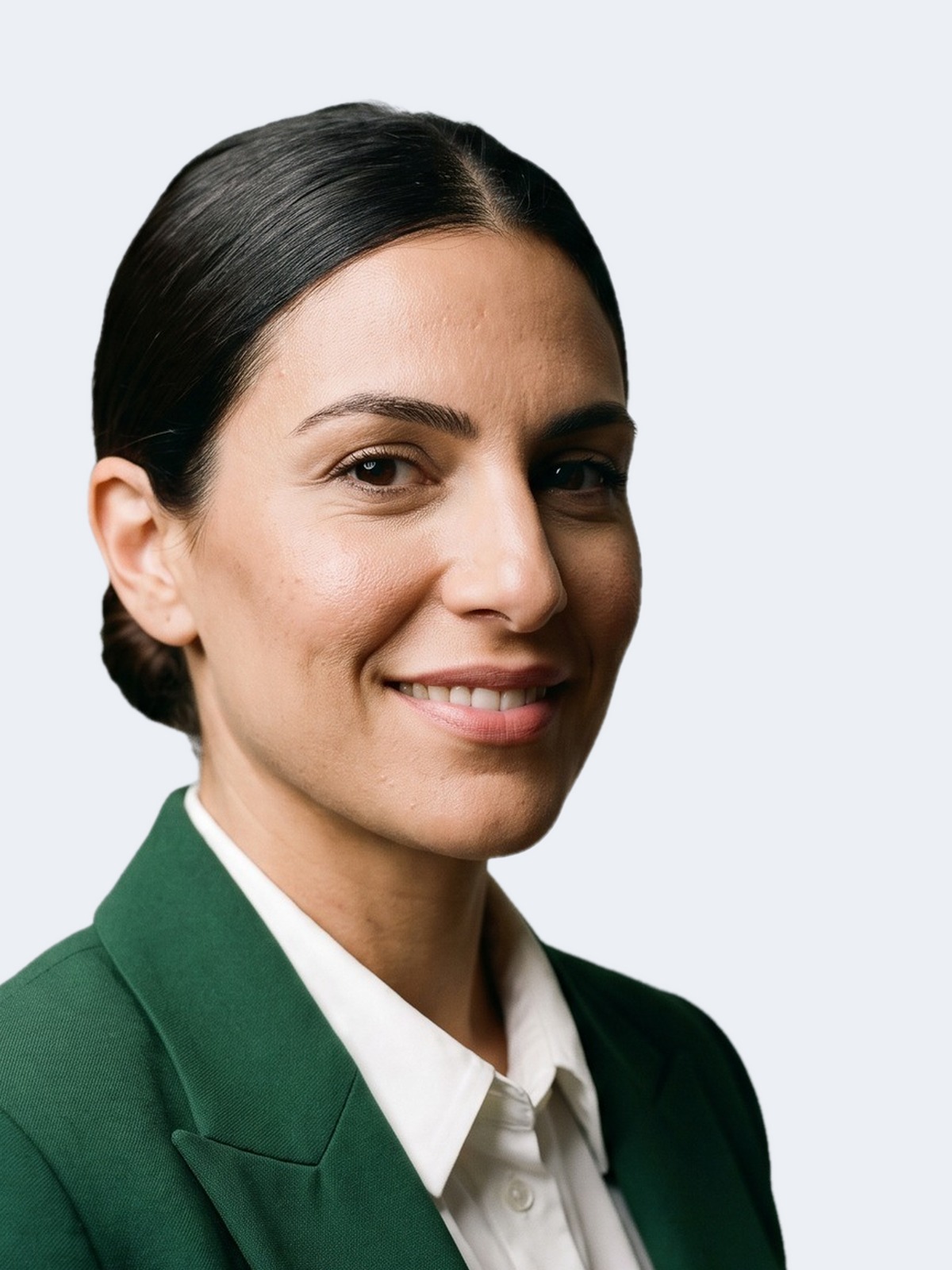 Maria StavruReal Estate AnalystChecking the set and the authenticity of the documents
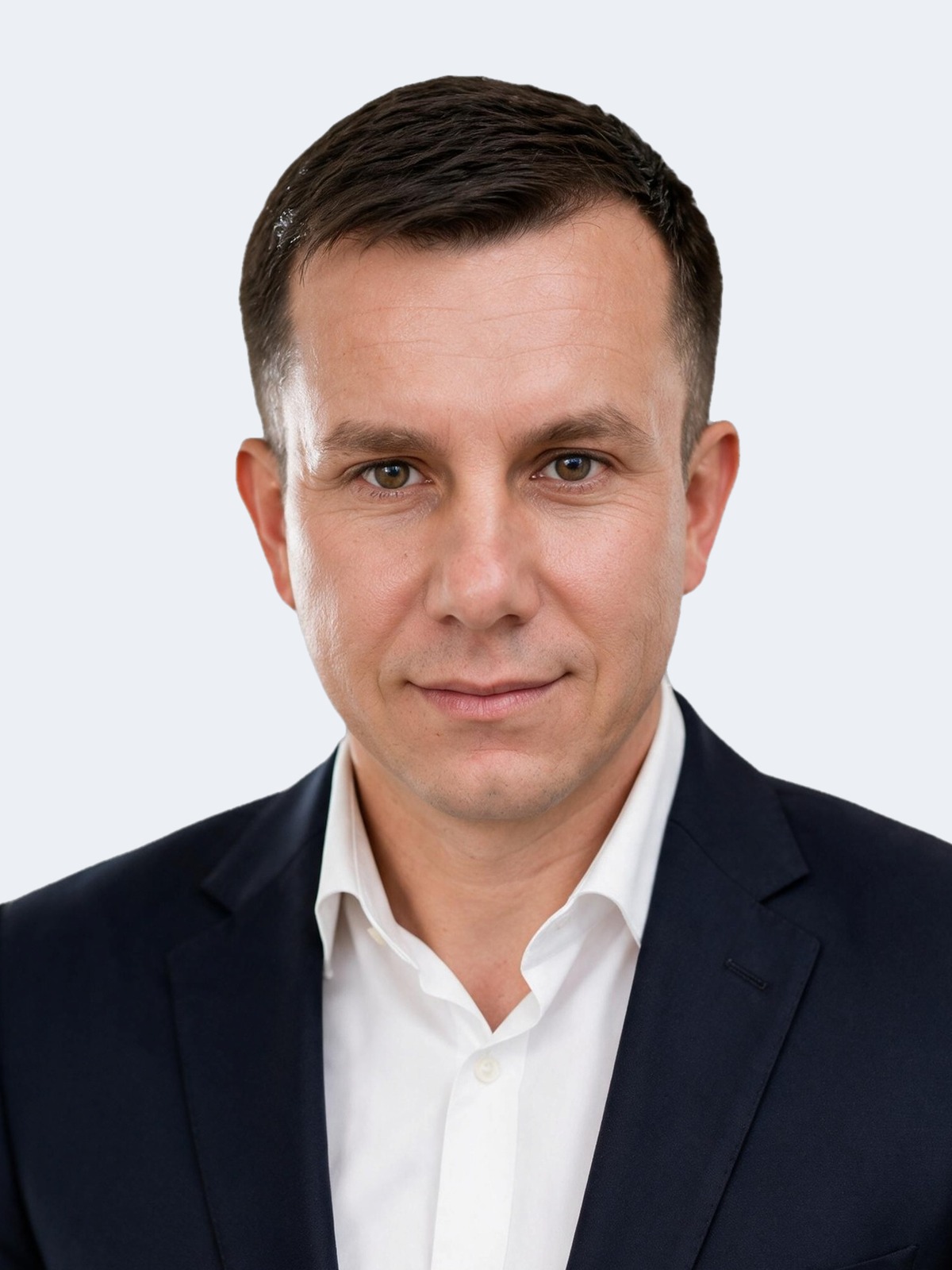 Sergey EvdokimovManaging PartnerStrategy, capital, complex matters
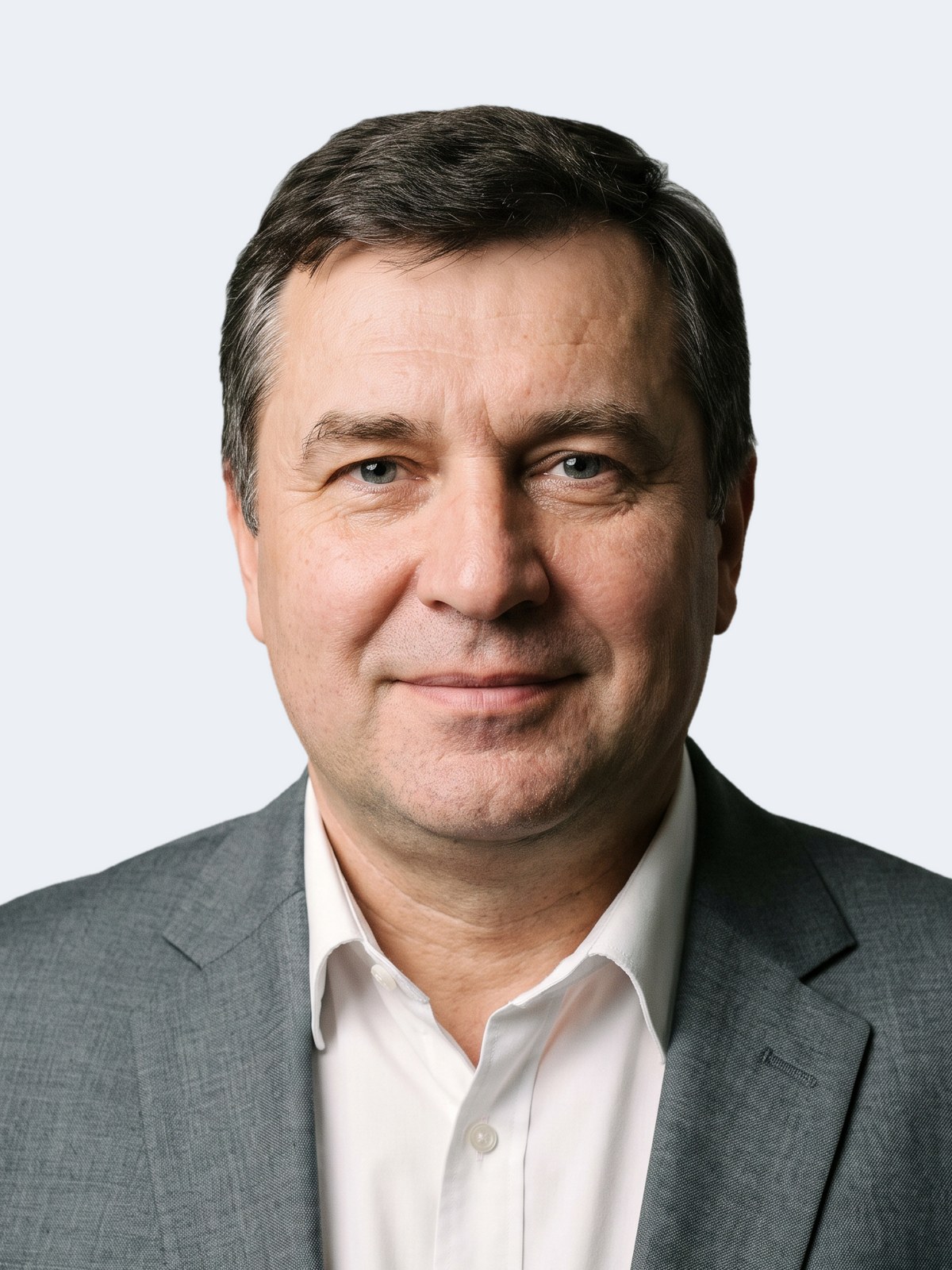 Robert HaasCorporate LawyerObtaining the documents from the country of study
FAQ
Questions about the recognition of diplomas
It depends on the purpose and the country. For some employers the diploma with a translation is enough, while a regulated profession, admission or a state procedure calls for formal recognition or an evaluation of the qualification.
An apostille confirms the authenticity of the document for use abroad and says nothing about the content of the education. Recognition is the assessment of the qualification itself by the competent authority of the country of destination. An apostille is often needed before recognition but does not replace it.
The recognition of a professional qualification for the right to work in a regulated profession. Besides the diploma it may cover experience, the content of the training and language, and it may require registration with a professional body or a licence.
We start with restoration: we request a duplicate, the transcript, an archive certificate or confirmation of the fact of study. If the university has been reorganised, we look for the successor or the state archive.
In most education systems a duplicate is issued by the university that issued the document and, where it has closed, by the successor or the state archive. Whether it is possible and how long it takes depend on the country and on whether the records have survived.
We check the successor, the educational archive, the ministry, the accreditation records and other official sources. Restoration cannot be guaranteed in that situation — first we establish whether the records have survived.
Often yes: the supplement shows the subjects, the hours and the marks, and it is on those that the authority compares foreign education with its own system. Without the supplement the procedure often stops.
It is required in the procedures where the authority analyses the content and volume of the study. We check that before filing, so as not to receive a request midway.
It depends on the country of destination and on whether both countries are parties to the Hague Convention. If an apostille does not apply, the document goes through consular legalisation.
Different countries accept different formats: a certified, a sworn or a notarised translation. The format is settled by the requirements of the receiving authority, not by what suits the provider.
Some procedures allow filing online or by post, others require attendance in person or a representative under a power of attorney. That is checked before the work starts.
The time is set by the competent authority and differs greatly between countries and procedures. We give a guide for your case after the requirements are checked.
The cost is made up of the state fee, the costs of the documents, the apostille and the translation, and the work of BRIDGES. We give the quote once the applicable procedure has been settled.
We go through the ground of the refusal and check whether the set can be supplemented, whether another procedure applies and whether a review of the decision is provided for. We do not promise in advance that a refusal will be overturned.
Medical qualifications almost always follow a separate, longer procedure: besides the diploma the clinical training, the language and the medical regulator’s requirements are checked, and the result is a licence or registration.
Have my diploma checkedCheck the recognition of a diploma