Updated 9 August 2026GD - DOMINICA

A free PDF guide

A guide to citizenship of Dominica:terms, cost and risks

A practical guide to the two investment programmes of Dominica. We work through the contribution to the Economic Diversification Fund from $200 000, property from $200 000 with the government fee, the family, the mandatory interview, due diligence and how the process runs.

  • PDF in English
  • Free of charge
  • Verified on 09.08.2026
  • Sent by email, WhatsApp or Telegram

Preliminary information is not a guarantee of approval. Whether the programme is available and the final cost are determined once the applicant has been checked.

01 / The essentials first

What you need to know before you consider Dominica

Dominica is one of the most accessible Caribbean programmes at the entry point and the only one in the region where the state authority states the processing time outright. In return the procedure here is stricter: a mandatory interview and filing only through an authorised agent.

  1. Two programmes

    A non-refundable contribution to the Economic Diversification Fund from $200 000, and the purchase of approved property from $200 000 with a government fee from $75 000 on top.

  2. The contribution grows with the family

    The applicant and up to three dependants — $250 000. Each further person adds $25 000 if they are under 18 and $40 000 if they are older.

  3. The interview is mandatory

    Every applicant aged 16 and over goes through it. It is a stage of its own with its own fee, to be prepared for as you would for a conversation with bank compliance.

  4. No residence is required

    The CBIU’s official material sets no requirement to live in the country or to visit it — unlike Antigua and Barbuda. We confirm how the documents are issued as at the date of filing.

02 / A preliminary calculation

What the process may cost for your family

Set out the family — the calculation shows both options and the all-in structure of the costs. We count on the official material of the Citizenship by Investment Unit of Dominica.

The family
A spouse in the application
0
0
0
0
0
The applicant and the programme
1 people in the application

03 / The two programmes

The Diversification Fund or property: what the difference is

Every legal and financial value is taken from the official material of the Citizenship by Investment Unit and checked on 9 August 2026. Where there is no official wording we say so plainly rather than substituting a convenient figure.

The values were checked against the official material on 09.08.2026. Only the rows for which there is no official wording are marked separately.

A comparison of the Diversification Fund and the property option across 17 criteria
CriterionThe Diversification FundThe contribution is non-refundablePropertyThe asset stays in your ownership
What is paidA non-refundable contribution to the Economic Diversification FundThe purchase of a property from the state-approved list, plus a government fee
The minimum investment$200 000 for a single applicant, $250 000 for an applicant and up to three dependants$200 000 for the property — and that is the investment alone; the government fee is counted on top
The government feeThere is no separate fee — it is inside the contribution$75 000 for a single applicant, $100 000 for an applicant and up to three dependants
The extra payment for each further family member$25 000 for a dependant under 18, $40 000 for a dependant aged 18 and over$25 000 for a dependant under 18, $40 000 for a dependant aged 18 and over
Due diligence$7 500 for the main applicant and $4 000 for every applicant aged 16 and overIn some cases an enhanced check is ordered, with a higher fee.The same fees
The mandatory interviewEvery applicant aged 16 and over is interviewed; the fee is $1 000In the official material the fee appears both as an amount per application and as an amount per person. We count it per person — conservatively, so that the quotation does not grow later.The same requirement
The other mandatory feesProcessing the application $1 000 per application, the certificate of naturalisation $500 per personThe same fees
Whether the investment comes backThe contribution is not returnedThe upkeep of the property and the taxes on purchase and sale are not part of the investment.The property stays in your ownership and may be sold after 3 years; the selling price is not guaranteed
The holding periodNot applicable — a one-off contribution3 years, and 5 years if it is resold to the next investor in the programme
The family in one applicationThe spouse, unmarried dependent children aged 18-30, dependent parents and grandparents over 65The right to include a particular relative is confirmed by the authorised agent before filing.The same
Presence in the countryRequires confirmationThe CBIU’s official material sets no residence requirementWe confirm in writing how the documents are issued and whether a visit is needed as at the date of filing.The same
Who files the applicationOnly an authorised agent — the CBIU does not accept direct approachesThe same
Who takes the decisionThe Citizenship by Investment Unit of the Commonwealth of DominicaThe Citizenship by Investment Unit
The approximate timing3-4 months from filing to approval in principleThis is an officially stated guide, not an obligation: the Unit may request further information and extend the review.3-4 months plus the time to find the property and close the transaction
When payment is madeThe due diligence, interview and processing fees on filing; the contribution after approval in principleThe same fees on filing; the transaction closes after approval in principle
Who it usually suitsA BRIDGES estimateA single applicant or a family that wants a predictable budget and the least movementSomeone who wants an asset in the Caribbean and is ready for the costs of keeping it
What to confirm before filingRequires confirmationThat the amounts of the contribution are current and that the programme is available on your citizenshipThat the property is on the approved list and on what terms it may be resold
What is paid
A non-refundable contribution to the Economic Diversification Fund
The purchase of a property from the state-approved list, plus a government fee
The minimum investment
$200 000 for a single applicant, $250 000 for an applicant and up to three dependants
$200 000 for the property — and that is the investment alone; the government fee is counted on top
The government fee
There is no separate fee — it is inside the contribution
$75 000 for a single applicant, $100 000 for an applicant and up to three dependants
The extra payment for each further family member
$25 000 for a dependant under 18, $40 000 for a dependant aged 18 and over
Due diligence
$7 500 for the main applicant and $4 000 for every applicant aged 16 and over
The same fees
The mandatory interview
Every applicant aged 16 and over is interviewed; the fee is $1 000
The same requirement
The other mandatory fees
Processing the application $1 000 per application, the certificate of naturalisation $500 per person
The same fees
Whether the investment comes back
The contribution is not returned
The property stays in your ownership and may be sold after 3 years; the selling price is not guaranteed
The holding period
Not applicable — a one-off contribution
3 years, and 5 years if it is resold to the next investor in the programme
The family in one application
The spouse, unmarried dependent children aged 18-30, dependent parents and grandparents over 65
The same
Presence in the countryRequires confirmation
The CBIU’s official material sets no residence requirement
The same
Who files the application
Only an authorised agent — the CBIU does not accept direct approaches
The same
Who takes the decision
The Citizenship by Investment Unit of the Commonwealth of Dominica
The Citizenship by Investment Unit
The approximate timing
3-4 months from filing to approval in principle
3-4 months plus the time to find the property and close the transaction
When payment is made
The due diligence, interview and processing fees on filing; the contribution after approval in principle
The same fees on filing; the transaction closes after approval in principle
Who it usually suitsA BRIDGES estimate
A single applicant or a family that wants a predictable budget and the least movement
Someone who wants an asset in the Caribbean and is ready for the costs of keeping it
What to confirm before filingRequires confirmation
That the amounts of the contribution are current and that the programme is available on your citizenship
That the property is on the approved list and on what terms it may be resold

The terms of the programmes and the amounts of the fees may change. Before the agreement is signed BRIDGES GLOBAL confirms the figures and the availability of the chosen programme again.

05 / How the work runs

From the preliminary check to the documents

The Citizenship by Investment Unit states a guide of 3-4 months from filing to approval in principle. It is the only official guide on timing and it is not an obligation — below is the sequence of the work and who answers for what.

  1. A preliminary assessment

    We check the citizenship, the family and the applicant’s background and cost a preliminary budget under both programmes. No documents are needed at this stage.

  2. Choosing the option

    We compare the contribution to the fund and the property for your family. For property we separately cost the government fee, the upkeep and the terms of resale.

  3. Preparing the file

    We assemble the documents, the medical reports and the evidence of the source of funds, and arrange translations, apostilles and certifications.

  4. Filing through an authorised agent

    The CBIU does not accept applications directly — only an authorised agent may file. The processing, due diligence and interview fees are paid on filing.

  5. Due diligence

    The applicant and the adult members of the family are checked by international agencies and by the Unit itself. In some cases an enhanced check is ordered.

  6. The interview

    Every applicant aged 16 and over goes through the mandatory interview. The Unit sets the format and the date, and the consultant handles the preparation.

  7. Approval and payment of the investment

    After approval in principle the contribution is paid or the property transaction closes, and then the certificate of naturalisation is issued and the passport is arranged.

07 / The check on the applicant

What has to be prepared for the check and the interview

The applicant and the family members aged 16 and over are checked, and the same people go through the mandatory interview. The fees are paid on filing and are not returned if the application is refused. The first consultation takes place without handing over any documents.

  • Personal and business background

    The chronology of employment, senior positions, participation in companies and public activity.

  • Current and previous citizenships

    Every passport and residence permit, including those lost and those obtained under investment programmes.

  • Tax residency

    The countries in which you are treated as a tax resident, and the grounds for that status.

  • The source of funds

    Where the particular money paying for the participation came from: the sale of a stake, dividends, salary, an inheritance.

  • The source of wealth

    How the capital was built over a career — a wider picture than the origin of a single amount.

  • Banking relationships

    The banks used, the history of the relationship, letters and statements for the period required.

  • Corporate structures

    Shareholdings, beneficial ownership, trusts, foundations and holding companies.

  • Court and criminal proceedings

    Current and concluded proceedings, civil disputes and tax claims included.

  • Sanctions and PEP factors

    A check against the sanctions lists and the status of a politically exposed person — for you and for connected persons.

  • Adverse media

    Publications in the press and in open databases that the reviewer will see and will ask about.

  • Preparing for the interview

    Every applicant aged 16 and over is asked about their background, their business, the origin of the money and the reasons for seeking citizenship.

  • Information on family members

    The same data for every adult applicant included in the application.

A complete set of documents does not mean automatic approval. The final decision is taken by the state authority after its own check.

08 / Important before you decide

What a Dominica passport does not solve by itself

For each point we give a link to the primary source where one exists. This is the part people usually learn about after paying.

The mandatory interviewEvery applicant aged 16 and over goes through it

The interview is not a formality but a stage in its own right: every applicant aged 16 and over goes through it, and the fee is paid before the decision. You have to prepare for it as you would for a conversation with bank compliance: know your own background, the structure of your business and where the money came from. An unprepared interview is a real cause of postponed decisions.

Source: Citizenship by Investment Unit, How to Apply
Only an authorised agent may fileThe Unit does not accept direct approaches

The official procedure says it plainly: only an authorised agent may deal with the CBIU, and an application filed around them is not considered. That also means the quality of the file depends entirely on whoever assembles it.

Source: Citizenship by Investment Unit, How to Apply
The fees are paid before the decisionDue diligence, the interview and processing are not returned

The processing fee of $1 000, due diligence of $7 500 for the main applicant and $4 000 for everyone aged 16 and over, and the interview fee of $1 000 are all paid on filing, before the state has taken its decision. If the application is refused this money is not returned.

Source: Citizenship by Investment Unit, Economic Diversification Fund
Property costs more than it looksA government fee is added to the property

The property threshold is $200 000, but a government fee comes on top: $75 000 for a single applicant and $100 000 for a family of up to four. The property is held for 3 years, and for 5 years if the next buyer is also going through the programme. A sale is possible, but the price is set by the market: Caribbean properties from investment programmes often go for less than the entry price.

Source: Citizenship by Investment Unit, Cost and Fees
Visa regimesThey are checked as at the date of travel, not the date the passport was issued

Visa-free regimes are set by other states and change without any involvement of Dominica. The European Union has tightened its scrutiny of countries with citizenship-by-investment programmes and introduced a mechanism for suspending visa-free travel. We do not publish a figure of «so many countries without a visa» as a promise: before a trip the regime is checked against the current rules of the particular country.

Tax residencyAn instrument of planning, not an automatic relief

Citizenship by itself does not end tax obligations in other countries and does not make the applicant a tax resident of Dominica automatically: residency is determined by the law of the particular countries and by the facts — where you live, where the centre of your interests lies, how many days you spend. Changing residency is separate work with a tax adviser.

Bank accounts and companiesA working instrument, but not a guarantee

A second passport is often taken for corporate tasks: registering companies and opening accounts in jurisdictions where the applicant’s first citizenship matters less. But the passport by itself does not open an account: banks run their own compliance, assess documents obtained under investment programmes separately and require evidence of the source of funds.

The processing time3-4 months is the Unit’s guide, not an obligation

The CBIU states 3-4 months from filing to approval in principle. It is the only officially stated guide, but it is not an obligation: the Unit may request further information, order an enhanced check and extend the review. Under the property option the time to find the property and close the transaction is added.

Source: Citizenship by Investment Unit, How to Apply
Availability for particular citizenshipsConfirmed before the agreement is signed

The practice on accepting applications from particular citizenships has changed and continues to change. We do not publish a list of «prohibited» countries, because no current official list exists in the public domain: we confirm in writing with the authorised agent that the programme is available on your citizenship before any documents are prepared.

A refusal by the state authorityIt is possible at any stage

The decision is taken by the Citizenship by Investment Unit after its own check. A complete file does not mean automatic approval, and the fees are not returned if the application is refused. No adviser may guarantee the outcome.

Source: Citizenship by Investment Unit, Investment Options

09 / The project team

Who will run the process

Every project has a named person responsible, who coordinates the documents, the dealings with the partners and the communication with the client.

The editorial record

The material was prepared and checked by

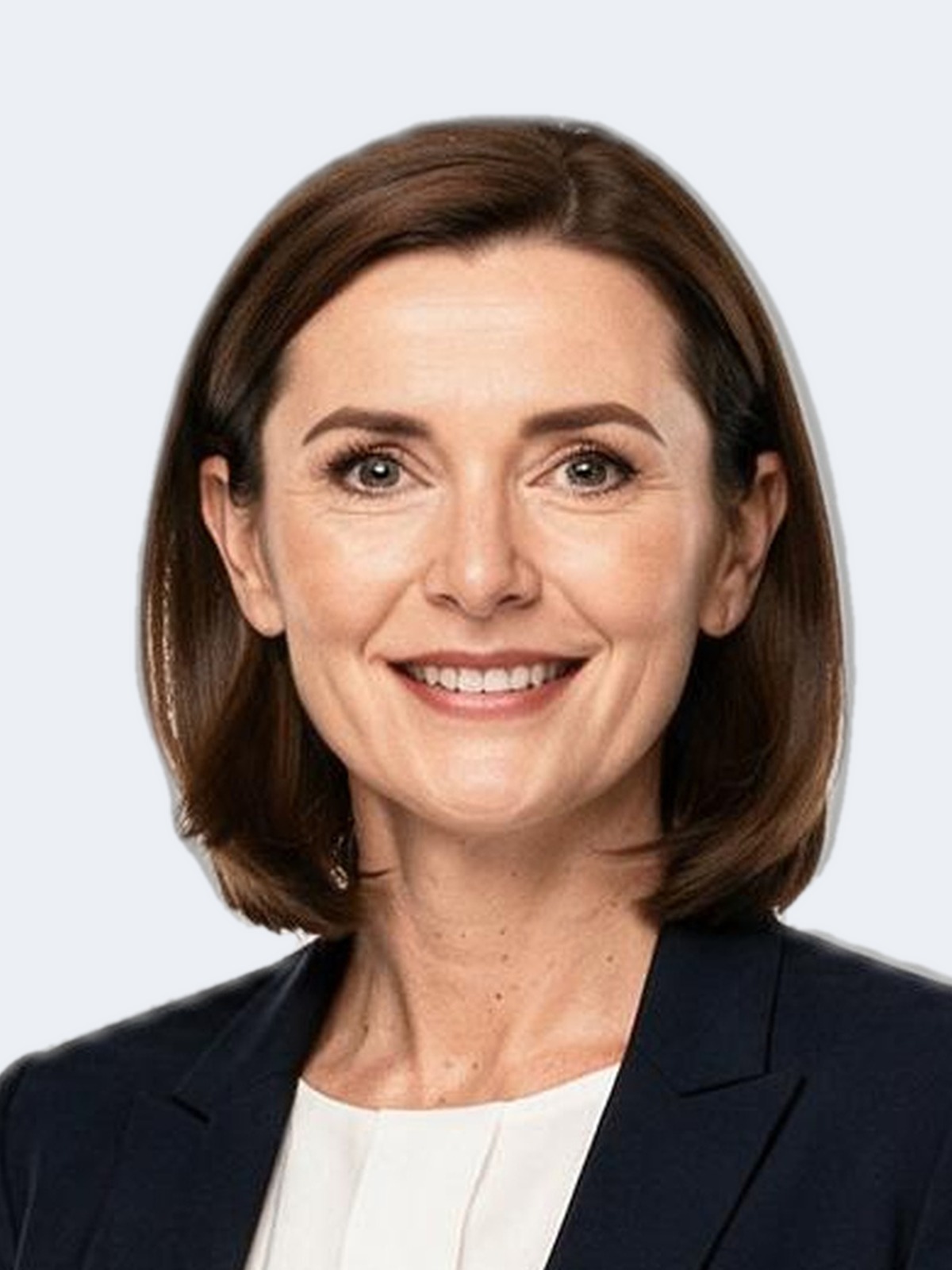
Anna Kovalevskaya, Head of Legal, BRIDGES
The author of the materialAnna KovalevskayaHead of Legal, BRIDGES
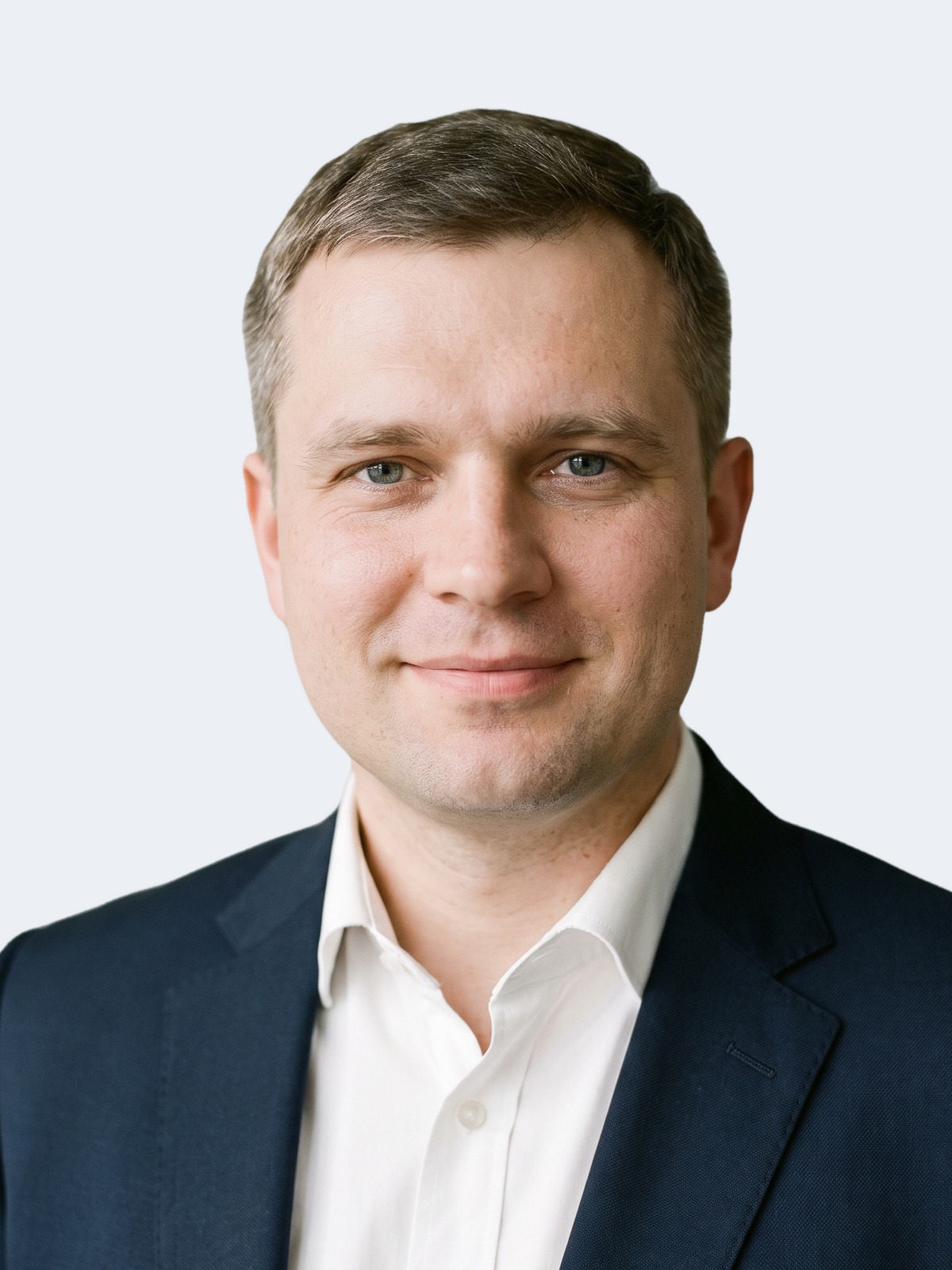
Daniel Kovach, Senior International Law Attorney, BRIDGES
The legal reviewDaniel KovachSenior International Law Attorney, BRIDGES
First published
9 August 2026
Last updated
9 August 2026
The contributions and fees checked
9 August 2026
The family composition checked
9 August 2026
The filing procedure and the interview checked
9 August 2026

The official sources

10 / Question and answer

Common questions about citizenship of Dominica

Which investment programmes does Dominica run?

The Citizenship by Investment Unit offers two: a non-refundable contribution to the Economic Diversification Fund from $200 000, and the purchase of approved property from $200 000 held for at least 3 years. Under the property option a government fee is payable as well — $75 000 for a single applicant and $100 000 for an applicant with three dependants.

How is the cost for a family made up?

The contribution to the fund depends on the family: $200 000 for a single applicant, $250 000 for an applicant and up to three dependants, then $25 000 for each further dependant under 18 and $40 000 for each one aged 18 and over. On top come the mandatory fees: processing the application $1 000, due diligence $7 500 for the main applicant and $4 000 for everyone aged 16 and over, the interview $1 000 per person aged 16 and over, and the certificate of naturalisation $500 per person. The total under the fund for a single applicant is from $212 000, including a pack of translations and apostilles of up to $2 000.

Which is cheaper — the fund or property?

Almost always the fund. Under the property option the investment of $200 000 is itself lower than the contribution, but a government fee of $75 000 to $100 000 is added, along with purchase taxes, the upkeep of the property and the costs of a future sale. Property is chosen not to save money but for the asset: the calculator above shows both figures for your family.

Does the investment come back?

The contribution to the fund is not returned — it is a non-refundable payment. The property stays your own and may be sold after 3 years of ownership, or after 5 years if the buyer is the next investor in the programme. The selling price is set by the market and is not guaranteed, so calling property a «refundable investment» is not correct.

Who may be included in the application?

The main applicant has to be over 18. The application may include the spouse, unmarried dependent children aged 18-30, and dependent parents and grandparents over 65. Minor children are included as dependants with the extra payment for their age band. The right to include a particular relative is confirmed by the authorised agent before filing.

Is there an interview?

Yes. Every applicant aged 16 and over goes through the mandatory interview; the fee is $1 000. It is a stage of its own and has to be prepared for: the questions cover the background, the business, the origin of the money and the reasons for seeking citizenship. The Unit sets the format and the date.

Do I have to travel to Dominica?

The CBIU’s official material sets no residence requirement and no mandatory visit — in that Dominica differs from, say, Antigua and Barbuda, where presence in the country is compulsory. We confirm in writing exactly how the documents are issued and whether a visit is needed as at the date of filing, rather than relying on last year’s practice.

How does due diligence work?

The check is carried out by international agencies and by the Unit itself. The fees are paid on filing and are not returned if the application is refused: $7 500 for the main applicant and $4 000 for every applicant aged 16 and over. What is examined: the background, the citizenships, tax residency, the source of funds and the source of wealth, banking relationships, corporate structures, court proceedings, sanctions and PEP factors, and publications in open sources. In some cases an enhanced check is ordered, with a higher fee.

When is the main payment made?

The processing, due diligence and interview fees are paid when the application is filed. The contribution to the fund, or the settlement of the property transaction, comes only after approval in principle. The certificate of naturalisation is then paid for and the passport is arranged.

How long does the process take?

The Unit officially states 3-4 months from filing to approval in principle. That is a guide, not an obligation: the state authority may request further information and extend the review. Under the property programme finding the property and closing the transaction are added to the time.

Can the application be filed personally?

No. The official procedure states plainly that applications are accepted only from authorised agents and that direct approaches to the CBIU are not considered. BRIDGES GLOBAL works with licensed agents and runs the file from the first check to the issue of the documents.

Does citizenship of Dominica change tax residency?

By itself, no. Citizenship does not end tax obligations in other countries and does not make the applicant a tax resident of Dominica automatically. Residency is determined by the law of the particular countries and by the facts — where you live, where the centre of your interests lies, how many days a year you spend there.

Is the citizenship passed to children?

Yes, citizenship of Dominica is inherited: children born after the status is obtained acquire it by descent, without a new investment. The procedure for registering the child is confirmed against the process in force at the time.

Which documents evidence the source of funds?

The set depends on where the capital came from. Usually it is the contracts and documents for the sale of a stake or an asset, dividend resolutions and statements, income certificates and tax returns, documents on an inheritance or a gift, bank statements for the period required with explanations of large transactions, and evidence of the ownership structure of the business. The first consultation takes place without handing over any documents.

The cover of the BRIDGES GLOBAL guide «Dominica: citizenship by investment»

PDFIn EnglishVerified 9 August 2026

Free · a practical PDF

Get the guide to citizenship of Dominica

Inside: a comparison of the two programmes, the structure of the costs for a family, the requirements for the application, how to prepare for the mandatory interview, the stages of the checks and the questions to settle before the process begins.

  • A consultant sends the guide by the channel you choose — with notes on your situation
  • The data was checked against the official sources on 09.08.2026
  • Your contact details are not passed to third parties
How to receive it

Where should we send the guide?

The country code is filled in automatically — choose another country from the list if you need to.

A consultant will send the PDF by the channel you chose.