



Updated

PT-DN

The D8 visa for remote work

Residency in Portugalthe D8 visa

A status for those who work remotely for foreign companies or their own clients. The residence card is given for two years and extended for three, and the family comes too. An income of €3,680 a month has to be evidenced.

  • The conditions are checked against the Portuguese Foreign Ministry portal and AIMA
  • Working since 2004
  • We run the visa, the status at AIMA and the renewal
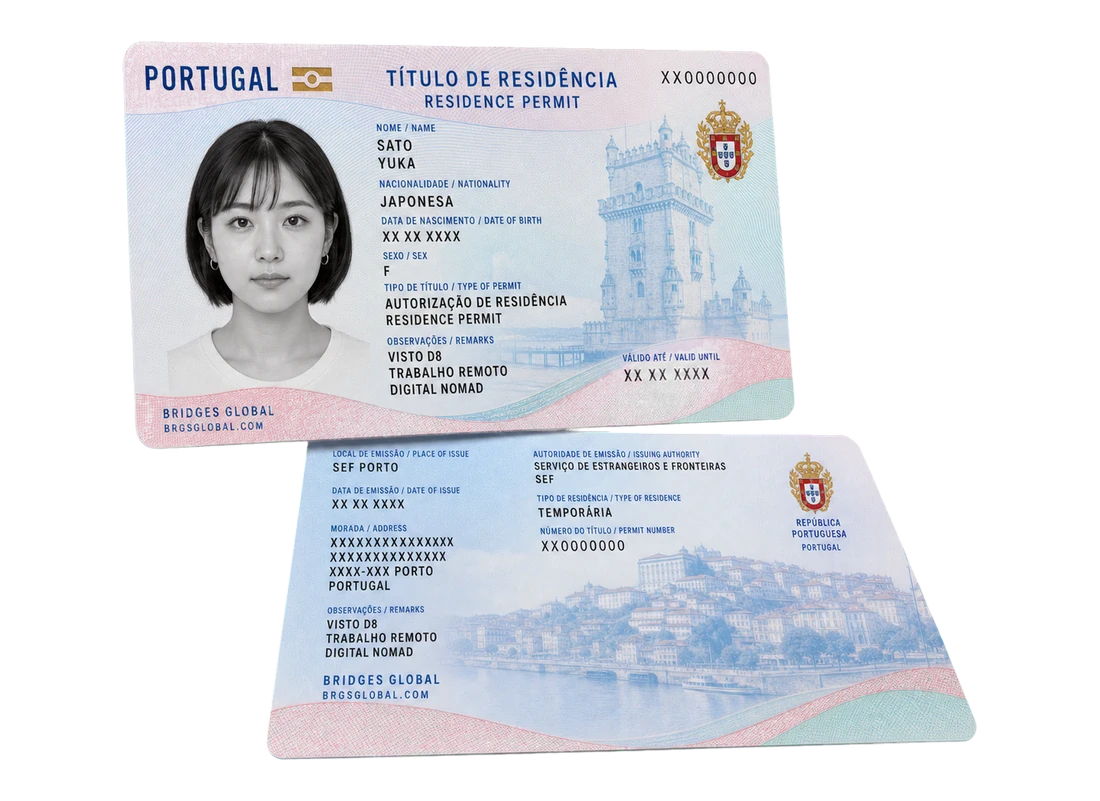
A Portuguese residence card under the D8 visa
from €3,680 a monthIncome for the applicant
2 + 3 yearsThe card and the extension
The family togetherA spouse and children in the application

01 / About the program

How the D8 visa works

D8 is a status for remote employment: the clients and the employer are outside Portugal while life moves to the country. The threshold is tied to the minimum wage, so the figure changes every January.

01

Income — four minimum salaries

An average income over the last three months of at least €3,680 is evidenced: the 2026 minimum wage of €920 multiplied by four.

02

Two forms of the visa

The estada temporária is designed for a stay of up to a year without a residence card. The visto de residência is an entry visa on which a residence permit is arranged at AIMA.

03

The employment is evidenced by a contract

For employment, an employment contract or the employer’s declaration. For independent activity, the company’s founding document, a services contract or proof of services provided.

04

Tax residency as a separate document

The application is accompanied by a document confirming where you are registered for tax at the time of filing.

02 / What you get

What the status gives you

Life in Portugal

The right to live in the country and to travel around Schengen for up to 90 days in every 180 with the residence card.

The family in one application

A spouse and children receive the status together with the applicant. The income requirement rises by 50% of the minimum wage for an adult and 30% for a child.

The work does not change

You carry on working for your employer or clients outside Portugal — there is no need to change your employment when you move.

Schools and medicine

Children study in state schools and the family obtains an SNS number and is served by the state health system.

The road to permanent residence and citizenship

Five years of lawful residence open up permanent residency and, where the conditions are met, the right to apply for citizenship.

A clear cost of living

Living costs are lower than in most of Western Europe, with European infrastructure and climate.

A preliminary assessment

Calculate the budget for your family

Set out who is applying with you. With the calculation you get the full Portuguese picture: the income required, the budget for the move, the timeline and a plan of action.

Who is applying for the residence permit?

Get the calculation

about a minuteno calls and no obligationsconfidential

  • The full calculation for your family composition
  • The timeline for each stage of the process
  • A plan of action: where to start
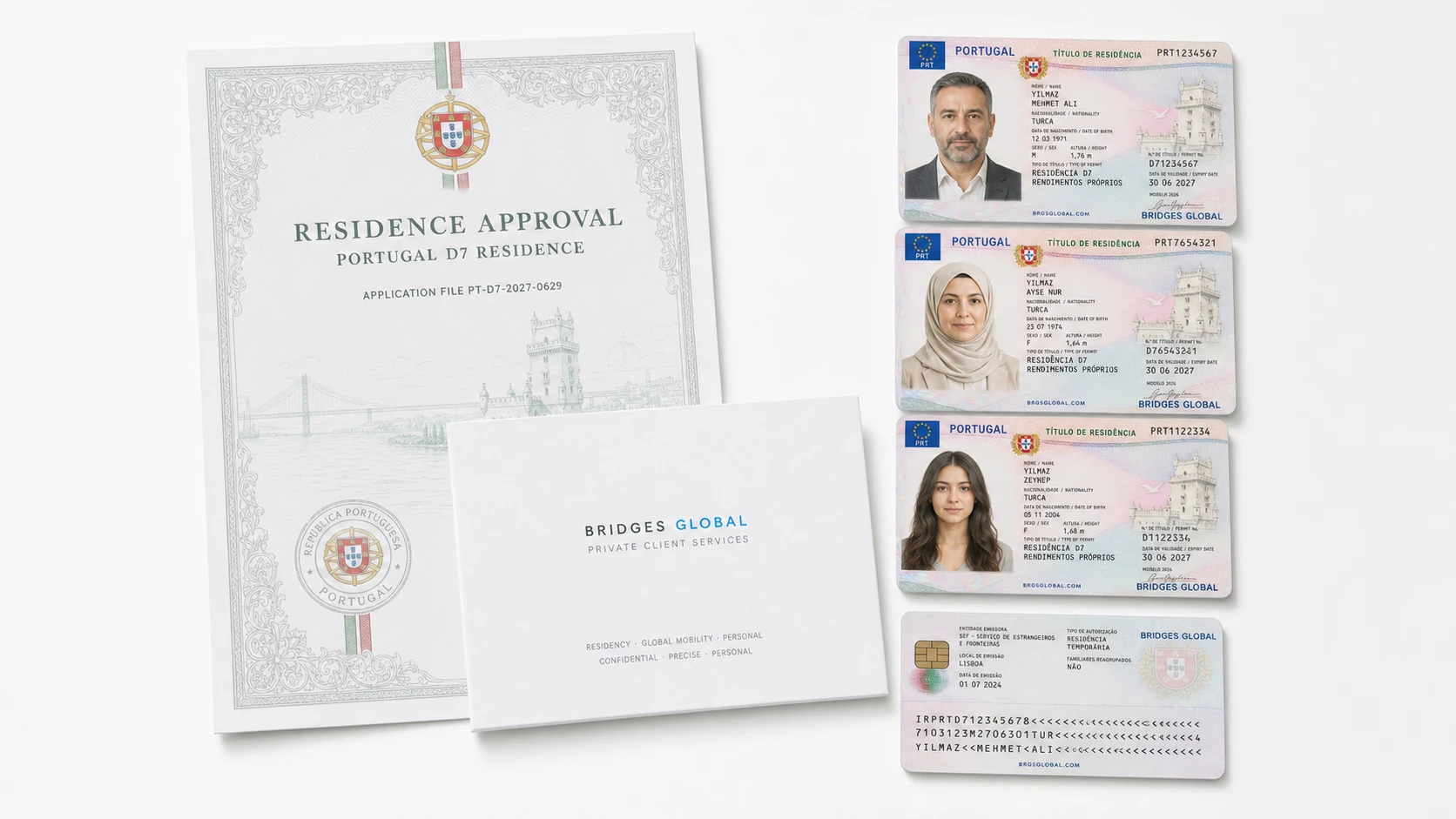
A Portuguese residence card and a set of documents

03 / Why people apply

Why people arrange the D8

Portugal is chosen for a combination of a clear threshold, English in the cities and the most developed environment for remote work in southern Europe.

The threshold is named as a figure

The requirement is tied directly to the minimum wage: nothing has to be calculated, the sum is known before filing.

A card for two years at once

The residence permit is issued for two years and extended for three — there is no need to reissue the status every year.

The family moves together

A spouse and children come into the application, the children go to school and the family gains access to medicine on residents’ terms.

An environment for remote work

Lisbon, Porto and Madeira are established centres of remote work: the internet, co-working spaces and an English-speaking community.

A path to citizenship

D8 is full residency, not a temporary stay: the years count towards the qualifying period for a further status.

The tax rules are known in advance

Tax residency and the obligations are worked out before the move, not after the first return.

04 / Travel

Where you can travel on the residence card

The residence card gives the right to live in Portugal and travel freely around Schengen; the work meanwhile stays outside the country.

Mode 01

Portugal without limits

Residence, entry and exit for the whole term of the card, Madeira and the Azores included.

Mode 02

Schengen, 90 days in 180

Travel around the Schengen countries without a visa — up to 90 days in every 180.

Mode 03

Work for clients abroad

The status is designed for remote employment outside Portugal. Local work is arranged on another ground.

Mode 04

The rest of the world on your own passport

You travel to third countries on your passport of citizenship: that is what sets the visa regime.

Sources: law 23/2007 (article 88(1)), the Portuguese Foreign Ministry’s procedure on national visas and the Schengen Borders Code (Regulation (EU) 2016/399).

05 / The composition of the application

Who can obtain the status

Each family member raises the income requirement. Open a row to see the conditions.

  • Work for a company or clients outside Portugal
  • An average income over three months from €3,680
  • A document on tax residency
  • Medical insurance and a police clearance certificate
  • In a registered marriage or a de facto union
  • Adds €460 a month to the income requirement
  • Entitled to work in Portugal once the status is obtained
  • The children of the applicant or the spouse
  • Each adds €276 a month
  • They are enrolled in state schools
  • Unmarried and in study
  • They evidence financial dependency on the applicant
  • Each adds €276 a month

06 / Cost

What income has to be evidenced

The threshold is measured from the 2026 minimum wage (€920): four salaries for the applicant plus the additions for family members.

A single applicant · four minimum salaries

€44,160

≈ $51,000

Evidenced The whole term of the status

  • €3,680 a month on the 2026 minimum wage
  • The average income is counted over the last three months before filing
  • An employment contract, the employer’s declaration or client contracts
  • A document on tax residency at the time of filing

The applicant and a spouse · plus 50% of the minimum wage

€49,680

≈ $58,000

Evidenced The whole term of the status

  • For a second adult €460 a month is added
  • The marriage is evidenced by documents with an apostille and a translation
  • The income may belong to the main applicant
  • Housing in Portugal is evidenced for both

A couple with two children · plus 50% and 30%

€56,304

≈ $65,000

Evidenced The whole term of the status

  • For each child €276 a month is added
  • Children are enrolled in state schools
  • Medical insurance is arranged for each person until the SNS number is issued
  • The requirement is checked again when the status is renewed

The composition of the application

The main applicant
1
Spouse
0
Minor children
0
Dependent adult children
0

The thresholds are given on the 2026 minimum wage (€920, Decreto-Lei n.º 139/2025). On top of the income come the consular fee, the AIMA fee, the insurance, the housing and the support. This is a preliminary calculation, not a decision of a state authority.

07 / Comparison

Portugal against the neighbouring nomad visas

The European nomad visas differ in the income threshold, the term of the card and whether the status leads to permanent residency.

Portugal D8SpainGreeceMaltaCroatia
Income requirement€3,680 a month€2,442 a monthfrom €3,500 a month€42,000 a yearby the country’s formula
The term of the status2 years, extension 33 years, extension 22 years with an extensiona year, up to four yearsa year with no extension
Family in the applicationYesYesYesOnly at the first filingYes
The path to permanent residence5 years5 years5 yearsdoes not leaddoes not lead
The language in daily lifeEnglish in the citiesSpanishGreekEnglish is officialCroatian

The thresholds are given as at the date this page was updated; the conditions for each country are set out on its own page.

Full program comparison →

10 / How it works

How the process works

STEP 1

Checking the employment and the income

We go through who your employer or clients are, where they are registered and whether the average income over three months is evidenced.

STEP 2

Choosing the form of the visa

We settle what suits you: a stay of up to a year without a residence card, or full residency through AIMA.

STEP 3

The NIF and the housing

We obtain the tax number, open an account and prepare proof of housing in Portugal.

STEP 4

Filing at the consulate

We assemble the contracts, the statements, the police clearance certificate, the insurance and the document on tax residency, and file the application.

STEP 5

The residence card at AIMA

After entry we go through the biometrics and receive the card for two years.

STEP 6

Renewal and taxes

We run the extension for three years and the tax registration: the obligations are worked out in advance.

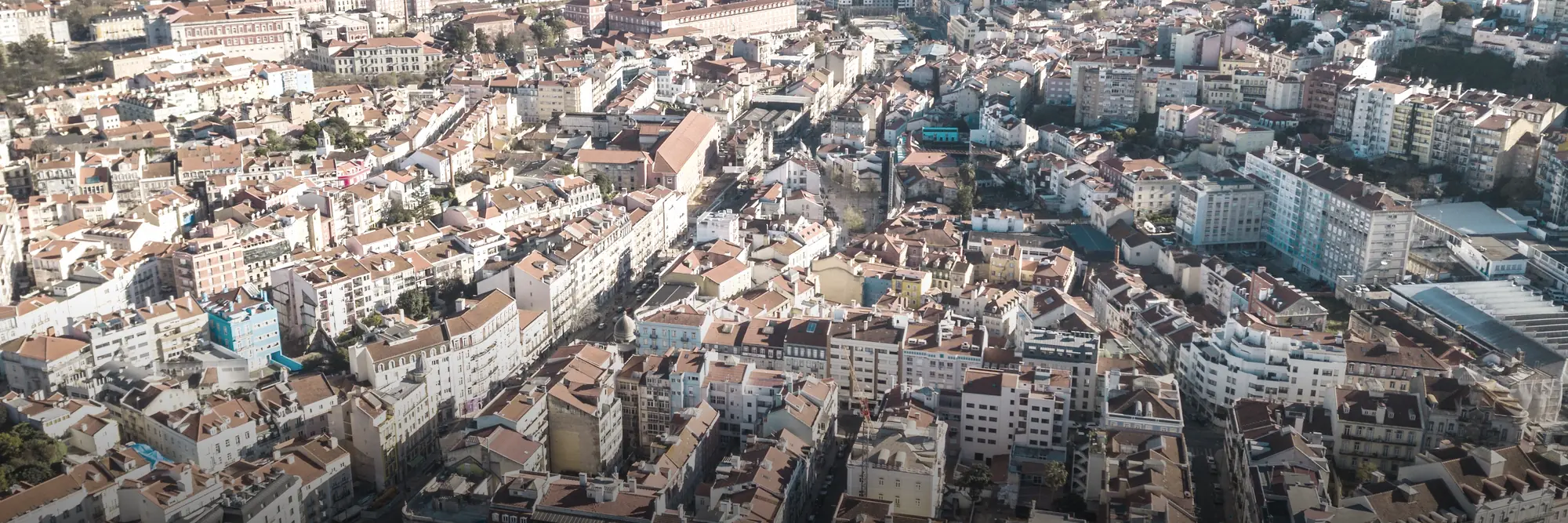
Central Lisbon from above

The work stays abroad while the family’s life and status move to Europe.

PortugalThe European Union and SchengenLaw 23/2007
Go through your situation

11 / Our role

Why people arrange the D8 with us

Refusals on the D8 come down not to the amount but to the form of the documents: the consulate looks at the contracts, the statements and the proof of tax residency.

01

We work out the threshold for the whole family

The additions of 50% and 30% of the minimum wage are often overlooked. We calculate the total in advance and show how to cover it.

02

We prepare the employment documents

A contract, the employer’s declaration or proof of services provided — in the form the consulate accepts.

03

We run the AIMA stage

The appointment, the biometrics and receiving the card are the narrowest part of the process. We run it through to the card in hand.

04

We go through the taxes before the move

Where you become a tax resident and what to do about it is worked out before filing, not after.

15 / Materials

Useful materials on Portugal

Materials on the D8 visa: calculating the income, the employment documents and the order of filing.

The main materialPresentation

The D8 visa for remote work

The presentation gathers the essentials: the requirements as to income and employment, the documents, the order of filing and the AIMA stage.

Inside:

  • how much income is required for your family composition
  • which documents are needed from the employer or the clients
  • how the estada temporária differs from the residence permit
  • which family members come into the application
  • how the appointment and the biometrics at AIMA work
  • what the timelines are at each stage
  • how work with BRIDGES is organised

PDF · free · current as of August 2026

A short check: where the clients are registered, whether the average income over three months is enough and what evidences the employment.

The list for the applicant and each family member, the contracts and three months of statements included.

We calculate the income required, the budget for the move, the fees and the support.

All the materials are updated regularly by our team and are used when supporting BRIDGES clients.

16 / News

What matters to know

2026-01-01

The minimum wage for 2026 is €920 (Decreto-Lei n.º 139/2025). The D8 threshold rose with it: €3,680 a month for the applicant.

2026-08-12

A D8 application requires a document on the applicant’s tax residency — without it the consulate asks for further papers.

Worth having

Download the Portugal checklist

The short document we give clients before the start: the income, the employment documents, the stages and the timelines.

Inside the document

  • The income required by family composition
  • What is needed from the employer or the clients
  • The current conditions for 2026

We will send it after a short form - no call or obligation.

17 / Questions

Answers to common questions

An average income over the last three months of at least four minimum salaries. With the 2026 minimum wage of €920 that is €3,680 a month. For a second adult 50% of the minimum wage is added and for a child 30%.

The estada temporária is designed for a stay of up to a year and gives no residence card. The visto de residência is an entry visa on which a residence permit is arranged at AIMA: a card for two years, an extension of three and a qualifying period towards a further status.

An employer or clients located outside Portugal. The form of employment makes no difference: an employment contract and independent activity under services contracts both qualify.

For employment, an employment contract or the employer’s declaration. For independent activity, the company’s founding document, a services contract or proof of services provided. A document on tax residency is also required.

Yes. A spouse, minor children and dependent adult children come into the application. Each raises the income requirement: €460 a month for an adult and €276 for a child.

In our practice, four to six months: preparing the documents, consideration at the consulate, the entry and receiving the card at AIMA. Most of the time goes on the appointment and the biometrics.

Yes, the status is designed for real residence. A long absence is a ground for refusing renewal, so the D8 does not suit as a fallback document.

Yes. The years on this status count towards the qualifying period of lawful residence: after five years permanent residency opens up and, where the conditions are met, the right to apply for citizenship.

On moving the centre of your vital interests you become a Portuguese tax resident. The final burden depends on the structure of your income and is worked out before the move, not after the first return.

There are no restrictions on citizenship. The practical difficulty is evidencing the receipts and translating documents from a foreign employer; we go through that part before filing.

INITIAL ASSESSMENT

Tell us what outcome your family needs

We will design a solution for your case, choose the country and the right status, and take the whole process through to the result.

Or message us on WhatsApp or Telegram

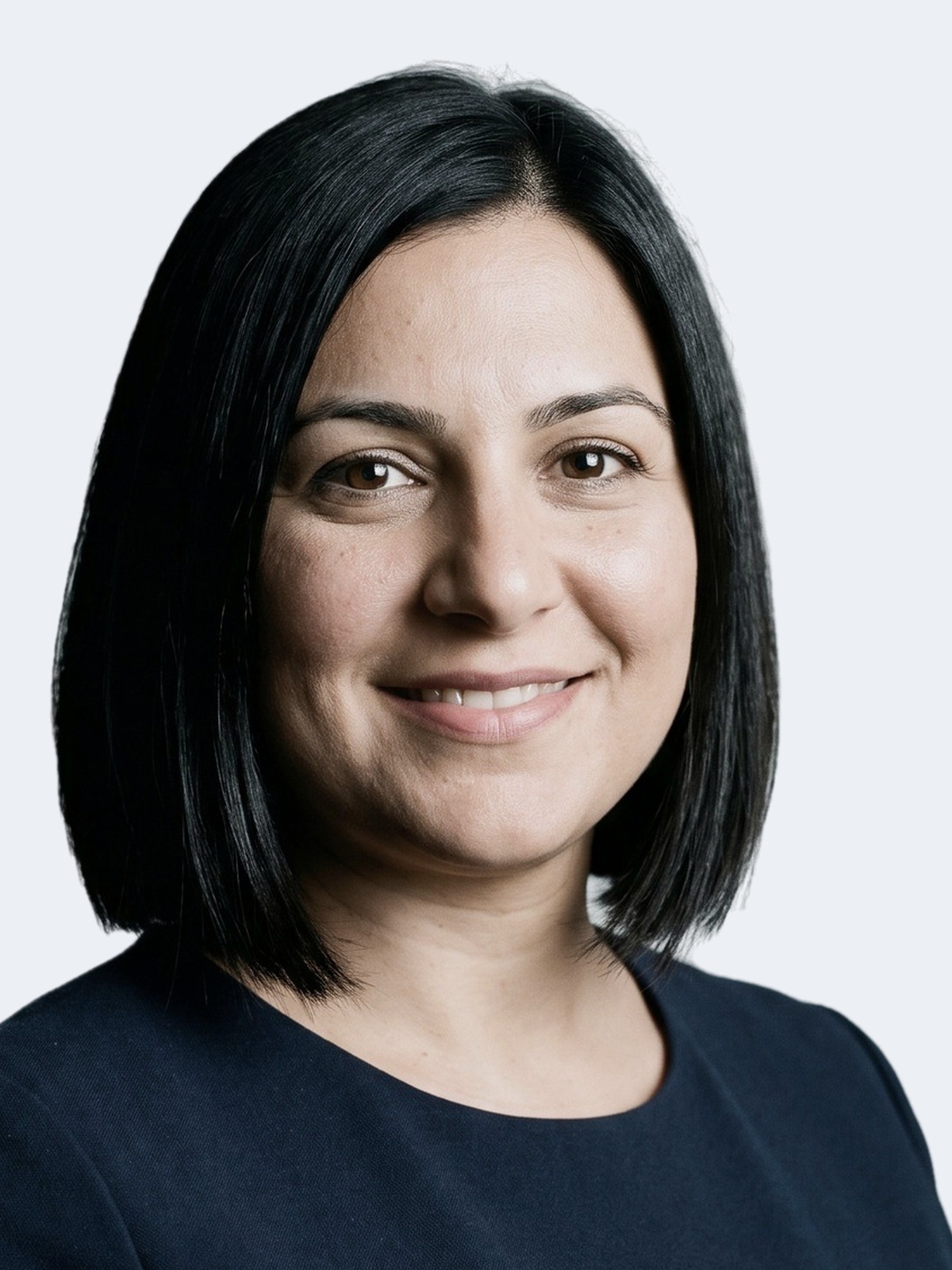
Anna Kovalevskaya, lead lawyer at BRIDGES GLOBAL
Anna KovalevskayaLead lawyer, citizenship and residency, 12 years of practice