Comparisons · UAE
Dubai or Abu Dhabi in 2026: where to live, work and buy property

Updated: June 2026·13 min read·Expert reviewed
Terms and costs verified: June 2026
Contents
Dubai or Abu Dhabi is a question that faces everyone who is planning to move to the UAE. Both emirates live under the same visa and tax rules of the country: zero income tax, Golden Visa for 10 years, freehold property for foreigners. The difference is not in the laws, but in character. Dubai is a dynamic, expensive, international center of tourism, business and IT. Abu Dhabi - the capital: calmer, greener, cheaper in real estate, with an emphasis on oil and gas, the public sector and culture. We will analyze point by point where it is better to live in Dubai or Abu Dhabi, how prices and fees for real estate differ, and what the right choice actually depends on.
Dubai or Abu Dhabi: what is the essence of the choice?
The first thing you need to understand when choosing between Dubai and Abu Dhabi is that it is not a choice between two countries with different rules, but a choice between two cities in the same country. Both emirates are part of the UAE, and almost everything that determines the life of a migrant investor - taxes, visas, foreign ownership, banking compliance - is regulated at the level of the entire federation and works the same. Zero personal income tax, Golden Visa for 10 years, the right to buy freehold real estate in designated zones, no annual property tax - all this is available in both Dubai and Abu Dhabi.
Therefore, the fork in the road is not on the legal plane, but on the way of life and area of work. Dubai means speed, an international environment, maximum entertainment and a higher price tag. Abu Dhabi is calm, spacious, metropolitan status, culture and noticeably more affordable real estate. Roughly speaking, many residents formulate it this way: Abu Dhabi is better for living, Dubai is better for earning money and having fun. But this is an oversimplification, and in reality it all depends on your employment sector, family composition and budget.
In this analysis, we will not rank and say that one emirate is “better” than another. We will show a picture of the differences so that you yourself understand what distinguishes Dubai from Abu Dhabi and which option fits your situation. We keep basic layouts for each city in materials about life in Dubaiandlife in Abu Dhabi.
What is the same in both emirates: uniform UAE rules
Before we look at the differences, let’s fix what is not different. This is important because some migrants mistakenly think that there are differences in taxes or visas between the emirates. There is none - and this greatly simplifies the choice: you do not lose a single benefit, no matter which city you choose.
- Taxes. Personal income tax is 0% in both Dubai and Abu Dhabi. Corporate tax of 9% on profits over AED 375,000, VAT of 5%, no inheritance tax and no capital gains tax for individuals - all these are federal rules common to the country.
- Residence visa. Golden Visa for 10 years (including through real estate from 2 million AED), Green Visa, regular residence permit, retirement visa 55+ - the conditions are the same for both emirates, issued according to the federal ICP rules.
- Property for foreigners. In both Dubai and Abu Dhabi, foreigners buy freehold real estate in designated areas. The principle is the same, only the zones themselves and registration fees differ.
- Visa-free entry for Russians. 90 days within six months is entry into the country, not into a specific emirate. To live and work in any of the cities you need a resident visa and Emirates ID.
- UAE Citizenship. You cannot buy it anywhere - neither in Dubai nor in Abu Dhabi. UAE passports are issued only by order of the authorities to exceptional persons. Golden Visa is a residence status, not a citizenship.
The conclusion is simple: in terms of taxes, visas and basic investor rights, Dubai and Abu Dhabi are equal. Then the differences begin that relate to money for living, real estate and atmosphere.
Lifestyle and pace: dynamics versus calm
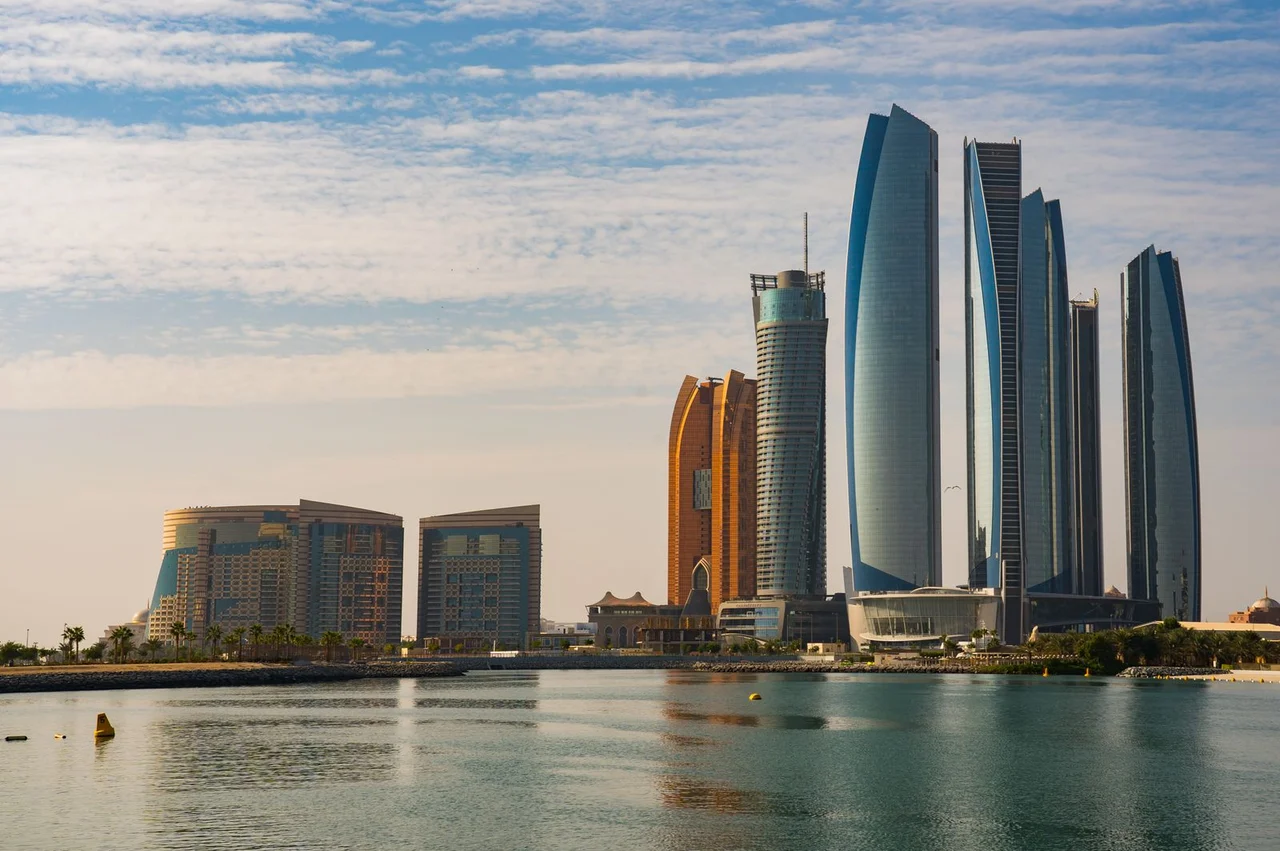
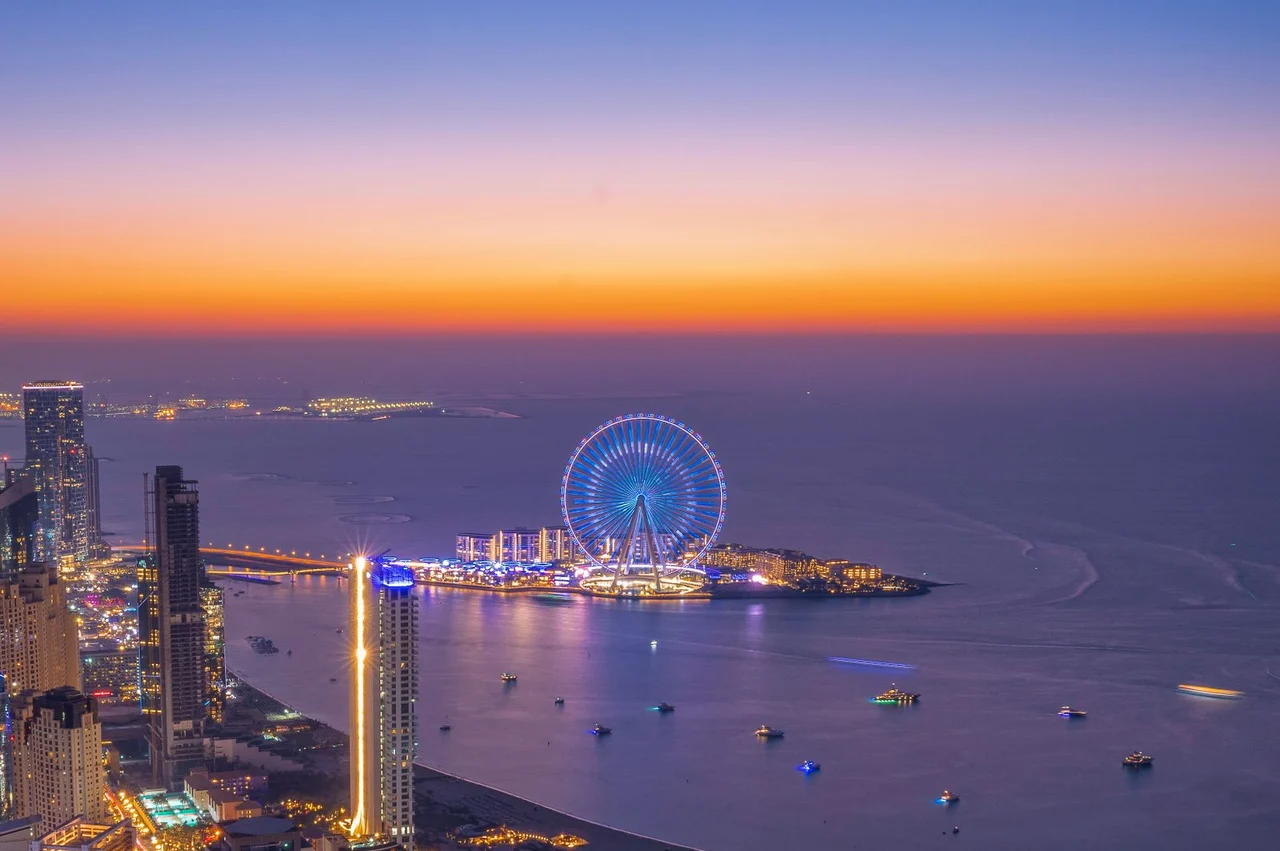
The most noticeable difference is in the rhythm. Dubai lives at high speed. It is a global city with skyscrapers, endless restaurants, clubs, shopping malls, events and an international audience from all over the world. The region's entertainment, tourism and show business industries are concentrated here, the building density is higher, and nightlife is more active. For those who value movement, networking and maximum opportunities within walking distance, Dubai feels like home.
Abu Dhabi is structured differently. The capital of the UAE is noticeably calmer and more spacious. There is more greenery, wider avenues, lower density, a more measured rhythm. The city is more conservative and focused on families and long-term living rather than tourism. At the same time, the country's cultural infrastructure is concentrated in Abu Dhabi - the Louvre Abu Dhabi, Saadiyat Island with museums, and concert venues. Many who have lived in both cities describe it this way: Dubai - to come and be impressed, Abu Dhabi - to live in peace.
There is also a practical aspect of mobility. Dubai has developed public transport - a metro with two main lines and dozens of stations, trams, buses, water taxis. In Abu Dhabi, the rate is more on the car, the metro is in development. For a family without their own car, this is an argument in favor of Dubai; for those who already drive a car, it is not critical.
In short, the choice of lifestyle sounds like this: you need maximum dynamics and an international party - this is Dubai; you need peace, space and family life - this is Abu Dhabi. Detailed schedules for both cities are in the guides about life in Dubaiandlife in Abu Dhabi.
Dubai or Abu Dhabi: comparison by criteria
Let's collect the key differences in one table - this is a convenient framework for quick comparison. Cost and fee figures are provided as a guide: the market is fluid, and final amounts depend on the area, property and terms of the transaction. The main thing is to see the direction of the differences, and not to perceive the numbers as an exact price list.
| Criterion | Dubai | Abu Dhabi |
|---|---|---|
| City status | Main business and tourism hub | Capital of the UAE |
| Pace of life | Fast, dynamic | Calm, measured |
| Economic profile | Tourism, trade, fintech, IT, logistics | Oil and gas, public sector, energy, culture |
| Cost of living | Higher (approximately 10-15% more expensive) | Below |
| Fee when purchasing real estate | DLD 4% of the price | About 2% (approximately) |
| Real estate prices | Higher, wider selection of premium properties | Lower with comparable quality |
| Municipal housing tax | Higher (approximately 5%) | Below (approximately about 3%) |
| Entertainment and leisure | Maximum, world level | Smaller in volume, focus on culture |
| Environment for family | Cosmopolitan, more schools | Family, calm, green |
| Public transport | Developed metro, tram | Bet on car, metro in development |
| Taxes and visa | Same: 0% income, Golden Visa 10 years, freehold |
As you can see, according to the “federal” lines - taxes, visa - the emirates are identical, but they diverge in terms of lifestyle, economic profile and real estate value. It is these lines that should be weighed according to your task.
Real estate: prices and fees - Dubai is more expensive, Abu Dhabi is more affordable
For most investors, real estate is the central issue, because it is what gives the right to a visa and becomes the main asset. Here the difference between the emirates is noticeable, and it works in both directions.
Prices. Dubai is on average more expensive than Abu Dhabi with comparable quality: both rent and purchase are higher. But in Dubai there is a wider choice - more ready-made projects, more premium locations (Marina, Downtown, Palm Jumeirah, Business Bay), a more active market for new buildings and installment plans from the developer. Abu Dhabi offers more affordable prices and strong family locations - Saadiyat Island, Al Reem Island, Khalifa City, where the price-quality ratio is often better.
Purchase fees. This is an important distinction. In Dubai, there is a Land Department (DLD) fee of 4% of the value of the property when completing the transaction. In Abu Dhabi, the registration fee is lower - in practice, about 2% (approximately; formally, the range may be different). When purchasing an expensive property, this percentage difference turns into a significant amount in absolute terms.
- Dubai - DLD 4% plus administrative fees; wider choice, higher liquidity and rental yield in tourist areas.
- Abu Dhabi - about 2% registration fee (approximately); lower entry threshold, quiet family areas.
In both emirates there is no annual property tax, transactions are protected through escrow accounts and regulatory control, and an interim ownership document is issued for properties under construction. Detailed layouts are in the materials about real estate in Dubaiandreal estate in Abu Dhabi, and the general market context is in the review UAE real estate.
Cost of living: where is it more expensive to live?
In terms of total costs, Dubai is more expensive than Abu Dhabi - approximately 10-15%, although the result greatly depends on the area and lifestyle. The difference consists of several items.
- Rental housing. Main article. In Dubai, rental rates are higher for comparable square footage and class. Abu Dhabi is noticeably more affordable, especially in family-friendly areas.
- Municipal fee. In Dubai, the premium for utility bills for housing is higher (approximately about 5%), in Abu Dhabi it is lower (approximately about 3%). On large rentals this is a difference of thousands of dirhams per year.
- Food, leisure, services. Restaurants, entertainment, and personal services in Dubai are on average more expensive due to higher demand and tourist flow.
- Schools. There are more private schools in Dubai and a wider choice of programs, but the cost of studying at top institutions is also high. In Abu Dhabi, the choice is more modest, prices are on average softer.
An important caveat: in Dubai, not only expenses are higher, but often salaries are also higher - especially in finance, IT, and marketing. Therefore, for many, the higher price tag is offset by higher income. In Abu Dhabi, salaries in the oil and gas and public sector are strong. So it’s worth comparing not bare expenses, but the “income minus expenses” balance for your area.
Work and business: which sectors are stronger?
If you are moving not only for status, but also for work or business, the profile of the emirate's economy becomes decisive. Dubai and Abu Dhabi are drawn to different industries, and this is perhaps the most practical selection criterion.
Dubai is a diversified service economy. Tourism and hospitality, trade and logistics, finance and fintech (hundreds of fintech companies are concentrated in the DIFC area), IT and digital economy, media, real estate, small and medium-sized businesses. If your field is technology, finance, marketing, startups, international trade or tourism, Dubai provides maximum vacancies, networking and client flow.
Abu Dhabi is a center of energy and state capital. Oil and gas, energy (including clean energy), large sovereign wealth funds, government agencies, defense, science and culture. Engineering, technical and management roles in the energy sector are strong here, as are positions in the public sector. If you are a petroleum engineer, energy specialist or work with government contracts, Abu Dhabi is your city.
As for your company, you can open a business in any emirate - both in the mainland and in the free zones. Free zones have 100% foreign ownership, repatriation of profits and preferential corporate tax treatment on qualified income. The choice of a specific free zone (and there are many of them in the country) depends on the type of activity, and not on whether it is Dubai or Abu Dhabi: both emirates offer their own free zones.
What to look for when choosing: an expert's view
Over the years of working with relocations to the UAE, we see that people most often make the mistake of choosing a city “by the picture” and not by their real life. To make the right decision, check yourself on several points.
- Work sector. This is criterion number one. Fintech, IT, trade, tourism - Dubai. Oil and gas, energy, public sector - Abu Dhabi. The city for your profession is more important than the city “which is more beautiful.”
- Budget and income-expense balance. Calculate not the bare cost of living, but the difference between income and expenses for your area. In Dubai it is more expensive, but they often pay more.
- Purpose of purchasing real estate. For rent and liquidity in tourist areas - Dubai with its flow. For your own quiet family living - Abu Dhabi with its accessibility.
- Family composition. Children of school age and need a wide choice of schools - Dubai. Prioritize peace, space and safety - Abu Dhabi.
- Collection upon purchase. Remember the difference: DLD 4% in Dubai versus approximately 2% in Abu Dhabi. On an expensive property this is a significant amount.
And most importantly, do not forget that taxes and visa are the same in both emirates. You don't lose anything on benefits, no matter which city you choose, so decide based on life, and not based on fear of missing out.
Bottom line: which emirate to choose in 2026
Let's draw the line. Dubai and Abu Dhabi are not competitors with different rules, but two cities of the same country with common taxes, visas and investor rights. The choice between them is a choice of lifestyle and area, not a choice of jurisdiction.
Choose Dubai, if you want dynamics, an international environment, maximum opportunities in business, finance, IT and tourism, a wide choice of schools and entertainment - and you are willing to pay for this a higher price tag for life and real estate (including the DLD fee of 4%).
Choose Abu Dhabi, if you prefer a quiet family life, space and greenery, more affordable real estate with low registration fees, work in the energy or public sector and a metropolitan cultural environment.
And since both emirates are located in the same country and not far from each other, many end up combining: choosing one city to live and investing or working in another. The main thing is to make a decision consciously, based on your specific situation. Up-to-date information about visas, taxes and services for residents can always be checked on the official portal UAE government (u.ae), and compare the real estate markets of the two emirates in the review UAE real estate.
Not sure which solution fits your goals?
We will compare the suitable options on cost, timelines and requirements - and recommend the optimal one with a calculation of all expenses.
Free of charge, we reply right away, no obligation.
Visa and residence permit: the status is the same, registration is federal
One of the most common questions when choosing between emirates is whether the city will affect the visa. It won't affect. All types of resident visas in the UAE are federal, their conditions and application procedures are the same for Dubai and Abu Dhabi, and they are dealt with by the national agency for Identification and Citizenship (ICP).
- Golden Visa - 10 years, renewable, self-sponsored. The routes are the same in both emirates: real estate from AED 2 million (ready, under construction or mortgaged from an approved bank), investors and entrepreneurs, unique talents, scientists, doctors, excellent students. The holder himself sponsors a family - a spouse, children without an age limit, parents.
- Green Visa - 5 years for qualified professionals, freelancers and investors without a sponsoring employer.
- Regular residence permit - 2 years through employment, your own company or the purchase of real estate (an object from 750k AED gives a two-year visa), with a mandatory Emirates ID.
- Retirement visa - 5 years for persons 55+ with savings or real estate from 1 million AED or income from 180k AED per year.
In other words, in terms of visa requirements, the cities are absolutely equal: you choose an emirate for life and real estate, and receive resident status according to the country’s uniform rules. However, UAE citizenship cannot be purchased in any of the emirates - the Golden Visa remains a residence permit, not a passport.
“When a client asks “Dubai or Abu Dhabi,” I always start with a counter question: what will you be doing and who is going with you. This is not a choice between countries - taxes, Golden Visa, ownership rights are the same for both emirates, you do not lose anything in terms of benefits. It's a choice between two characters. Dubai is for those who live at speed: finance, IT, business, international get-togethers, maximum entertainment, but the price tag is higher, including a 4% DLD fee upon purchase. Abu Dhabi is for those who want a quiet family life, space, more affordable real estate and work in the energy or public sector. I often advise a hybrid: live in Abu Dhabi for the comfort of your family, and keep a business or investment apartment in Dubai for the sake of profitability. The main thing is to decide based on real life, and not on a pretty picture from an advertisement.”
Banking and compliance: equally strict in both emirates
The UAE banking system is also federal, so there is no fundamental difference between Dubai and Abu Dhabi in opening an account. The country's major banks operate in both emirates, and compliance rules are uniform and strict.
What is important to consider regardless of the chosen city:
- Enhanced verification (KYC/AML). Banks carefully check the client and the origin of funds. This applies to both personal and corporate accounts.
- Confirmation of source of income. You need to be prepared to show where the money comes from - statements, contracts, tax history. The more transparent the structure, the faster the account opening.
- Features for citizens of the Russian Federation. Not all banks are equally willing to open accounts for Russians; the requirements for documents are increased. Everything is strictly within the law, without circumventing sanctions.
- Residency connection. Opening an account and working with a bank is easier if you have a resident visa and an Emirates ID - and we remind you that they are processed the same way in any emirate.
The conclusion is the same as for visas: the banking system should not influence the choice between Dubai and Abu Dhabi. The differences here are not between cities, but between specific banks and their policies. Make your decision about the city based on your lifestyle, real estate and area of work, but the banking issue is resolved separately and in any emirate according to the same rules.
Culture and atmosphere: metropolitan restraint versus cosmopolitan
The atmosphere of the two cities differs noticeably, and this is not about beauty, but about everyday life. Dubai is the most international city, where the majority of the population are expats from all over the world. It has a cosmopolitan environment, relaxed norms of everyday behavior by the standards of the region, a huge selection of cuisines, cultures, and communities. It’s easy for a newcomer to find “their own”: expat communities, professional clubs, any circle.
Abu Dhabi as a capital is more reserved and traditional. The city is more careful about the local culture and way of life, it is calmer and quieter here, with less fuss. At the same time, it was Abu Dhabi that became the cultural showcase of the country: the Louvre Abu Dhabi, the museum quarter on Saadiyat, world-class concerts and sporting events. This is not an “entertainment” culture in the Dubai sense, but a more thoughtful, museum-exhibition culture.
For a family with children, both safety and environment are important - both cities are among the safest in the world, but Abu Dhabi feels calmer due to its lower density and tourist load. For singles and those building a career and connections, Dubai's dynamics and crowded environment often turn out to be a plus. This is not a question of quality, but of the city's temperament - and your own.
For the family: where to raise children
Family relocation is a different story, and here Emiratis have different strengths. Both cities are good for families, but in different ways.
Abu Dhabi traditionally considered more family-friendly. A calm rhythm, spaciousness, an abundance of greenery and parks, less density and tourist flow, more affordable housing in family areas - all this creates a comfortable environment for children. Many families choose the capital precisely for this relaxed lifestyle and sense of security.
Dubai takes on others - infrastructure and choice. There are more private schools here (over two hundred versus a little over a hundred in Abu Dhabi) and a wider range of educational programs - British, American, IB, Indian and others. More children's activities, clubs, world-class entertainment, theme parks. The downside is the higher cost of living and education, the plus is the maximum choice for any request.
- Choose peace, space and accessibility - lean towards Abu Dhabi.
- Choose as many schools, programs and children's leisure activities as possible - lean towards Dubai.
A separate practical point: in both emirates, the Golden Visa holder independently sponsors a family - a spouse, children without age restrictions, parents. That is, from the point of view of the visa status of families, the cities are equal, the only difference is the environment and expenses.
Conditions for an investor: what is the same and what to choose
Let's put it all together in terms of a practical solution. For the investor and his family, the picture looks like this: the legal framework is the same for both emirates, and the choice is made according to lifestyle, budget and field of activity.
- What is the same (UAE rules): zero income tax, Golden Visa for 10 years, freehold property for foreigners, visa-free entry for Russians for 90 days, no annual property tax, inability to buy citizenship.
- What's different (emirate level): fees for purchasing real estate (Dubai 4% versus approximately 2% in Abu Dhabi), housing prices and cost of living (Dubai is more expensive), profile of the economy and employment sector, pace and atmosphere, choice of schools and entertainment.
Rough navigation through the solution is like this. If your priority is business, technology, finance, the international environment, maximum opportunities and entertainment, and you are willing to pay more for it, look towards Dubai. If your priority is a quiet family life, space, more affordable real estate, work in the energy sector or the public sector, look towards Abu Dhabi. And since both cities are in the same country and an hour’s drive from each other, a hybrid is often optimal: live in one emirate and work or invest in another.
Whichever option is closer, it is important to build the structure correctly: choose the type of visa, select an object for the purpose (visa, income or your own residence), and go through bank compliance. Here we solve the issues of obtaining a residence permit and registering real estate in the UAE on a turnkey basis - from selecting an object to Emirates ID.
Frequently asked
Questions people ask before deciding
01Dubai or Abu Dhabi - what is the main difference?
Both emirates are part of the UAE and live according to the same rules of the country: zero income tax, Golden Visa for 10 years, freehold property for foreigners. They differ in lifestyle and economy. Dubai is a dynamic, expensive, center of tourism, business and IT. Abu Dhabi - the capital: calmer, greener, cheaper in real estate, with an emphasis on oil and gas and the public sector.
02Where is it better to live - Dubai or Abu Dhabi?
Depends on priorities. If dynamics, an international environment, maximum entertainment and career opportunities in finance, IT and tourism are important, Dubai is better. If tranquility, space, family life and more affordable real estate are important, Abu Dhabi is better. Many residents say: Abu Dhabi is more comfortable for living, Dubai is more interesting for work and leisure.
03Where is it cheaper to live - Dubai or Abu Dhabi?
Abu Dhabi is on average cheaper. Dubai is approximately 10-15% more expensive in terms of total costs, primarily due to higher rental housing, municipal taxes, prices for food and leisure. At the same time, salaries are often higher in Dubai, especially in finance and IT, so it is worth comparing the balance of income and expenses for your field.
04Where is it cheaper to buy real estate - Dubai or Abu Dhabi?
Abu Dhabi is more accessible. Firstly, the prices themselves are lower for comparable quality. Secondly, the registration fee is lower: in Dubai there is a DLD fee of 4% of the cost, and in Abu Dhabi it is approximately 2%. On an expensive property, this difference turns into a significant amount. In Dubai, however, there is a wider choice and higher rental yields in tourist areas.
05What is the fee when buying property in Dubai?
In Dubai, when completing a transaction, a Land Department (DLD) fee is charged - 4% of the value of the property, plus administrative fees. According to custom, this fee is often divided between the seller and the buyer, but the condition is negotiable. There is no annual property tax in Dubai.
06What is the fee when buying property in Abu Dhabi?
In Abu Dhabi, the registration fee is lower than in Dubai - in practice, about 2% of the cost (approximately; the formally acceptable range may differ). There is also no annual property tax. The exact amounts depend on the object and should be clarified at the time of the transaction.
07Are taxes different in Dubai and Abu Dhabi?
No. Taxes in the UAE are set at the federal level and are the same for all emirates: personal income tax 0%, corporate tax 9% on profits over AED 375,000, VAT 5%, no inheritance tax and no capital gains tax for individuals. The choice of city does not affect taxes.
08Is the Golden Visa different in Dubai and Abu Dhabi?
No, Golden Visa is a federal UAE visa, its conditions are the same for both emirates. This is a 10-year renewable resident status, which can be obtained, in particular, through real estate from AED 2 million. The holder himself sponsors the family. The emirate in which the property was purchased does not affect the visa conditions.
09Where is it better to work - Dubai or Abu Dhabi?
Depends on the area. Dubai is stronger in tourism, trade, finance and fintech, IT, media, logistics and small business. Abu Dhabi is a center for oil and gas, energy, the public sector and large sovereign wealth funds, with strong engineering and management roles in the energy sector. Choose a city for your profession.
10Where is better for a family with children?
Both cities are safe and comfortable, but in different ways. Abu Dhabi is calmer, more spacious, greener and more affordable in terms of housing - it is often chosen for its relaxed family life. There are more private schools in Dubai and a wider choice of programs, more children's activities and entertainment, but the cost of living and education is also higher.
11Is it possible to live in one emirate and work or invest in another?
Yes, and this is a common strategy. Dubai and Abu Dhabi are in the same country, about an hour's drive from each other. Many people live in Abu Dhabi for peace of mind and affordable housing, and keep their business or investment property in Dubai for the sake of profitability. The visa and taxes are the same for the entire country.
12Is it possible to buy UAE citizenship in Dubai or Abu Dhabi?
No, UAE citizenship cannot be purchased in any emirate. The passport is provided only by decree of the authorities to exceptional persons - investors, scientists, doctors, talents by nomination. Golden Visa and the purchase of real estate provide resident status (residence permit), but not citizenship. There is no citizenship investment program in the UAE.
Transparency
How this material was prepared
- Author
- Maria Stavru, real Estate Analyst, BRIDGES
- Terms and costs last verified
- June 2026
- Sources
- official government authorities of the relevant country and state publications
- Methodology
- government minimum requirements are stated separately from due diligence charges, state fees, legal and banking costs
Sources and methodology
Figures, terms and timelines are checked against official sources as of June 2026. Link availability verified in August 2026. Third-party blogs and agent websites are not used as a source of programme terms.
- [1]Federal Authority for Identity, Citizenship, Customs and Port Security (ICP)Visas, residence statuses, Emirates IDicp.gov.ae/en
- [2]Official portal of the UAE GovernmentGolden visa and residence visasu.ae/en/information-and-services/visa-and-emirates-id/residence-visas/golden-visa
Methodology: tables and charts state government minimum investment requirements; due diligence charges, state fees, legal, banking and other costs are calculated separately and are not included in the minimum thresholds.
About the author
Related materials
What to read next
 ArticleUAE citizenship by investment in 2026: is there a program and what really works?
 ComparisonUAE residence permit for real estate or a company in a free zone: how to obtain residency in 2026
 AnalysisWhat is due diligence and why the Caribbean is rejecting applications
Personal programme selection is conducted by Anna Kovalevskaya, Head of Legal, BRIDGES.
Buying property in UAE: what to check
Title, encumbrances, outstanding debts and what to look for in the contract.