Residency · Bulgaria
Life in Bulgaria in 2026: climate, language, medicine, pros and cons
Updated: June 2026·11 min read·Expert reviewed
Terms and costs verified: June 2026
Contents
Bulgaria has long become a safe haven for those who want to live in the European Union, but without the capital prices of Paris or Berlin. Sea, mountains, a mild climate and one of the lowest costs in the EU: it sounds like a ready-made recipe for moving. But behind the beautiful picture there is a downside: a slow bureaucracy, modest local salaries and a language that only seems native. In 2026, the country adopted the euro and completed its entry into Schengen - a game changer for those planning a move. Let's analyze what life in Bulgaria is really like: climate by region, medicine, safety, real pros and cons, and what those who have already moved say.
Why choose Bulgaria for living?
Bulgaria rarely makes it to the top of high-profile migration destinations - and in vain. This is a full-fledged EU country with the sea, mountains, cheap products and a tax of only 10%. For a person from Russia, Kazakhstan or Ukraine, it is convenient for several reasons: a congenial culture, Orthodox roots, an understandable alphabet and a large Russian-speaking community, especially on the coast.
In 2026, Bulgaria completed integration into the EU. On January 1, 2025, Schengen land borders became operational, and on January 1, 2026, the country entered the eurozone and introduced the euro instead of the lev (BGN). The transition did not cause any sharp price shocks.
For those moving, this means a simple thing: you find yourself not in a semi-peripheral country, but in a state with a single currency, freedom of movement within the EU and access to the European market. At the same time, prices remain among the lowest in the union. It is this contrast - European status with a low cost of living - that makes Bulgaria attractive.
If you are just looking at the country and calculating the budget, start by analyzing cost of living in Bulgaria - there are figures for rent, food and utility bills by city.
Climate in Bulgaria: by region and season
The climate in Bulgaria is one of the main arguments in favor of moving. It has all four seasons, but without the harsh extremes of northern Europe and the sweltering heat of the south. The country lies at the junction of the continental and Mediterranean climate zones, so the weather differs markedly from region to region.
North and center (Sofia, Pleven, Veliko Tarnovo). The climate is temperate continental: frosty snowy winters around 0...-5 °C (in cold weather and below -10 °C) and warm summers 25-30 °C, with a clear change of seasons.
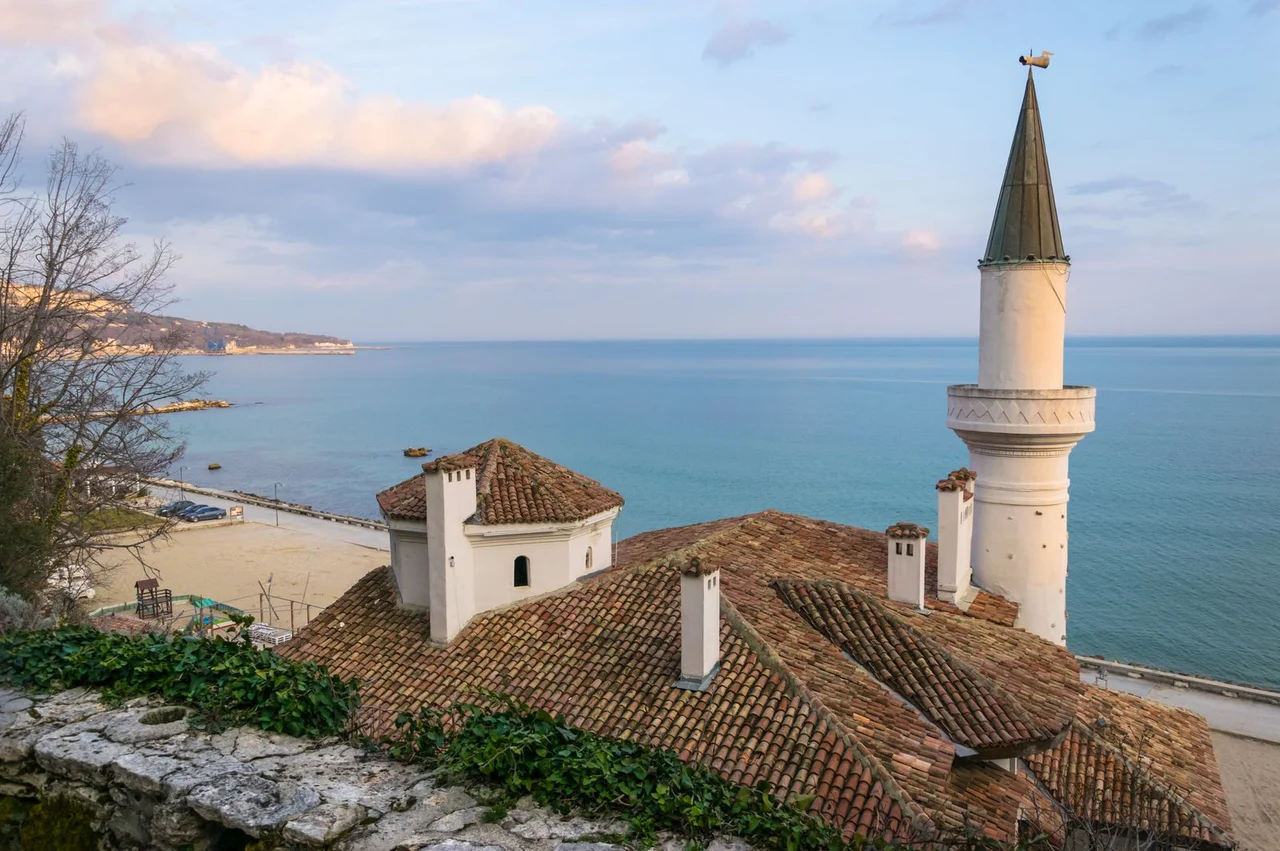
Black Sea coast (Varna, Burgas, Nessebar, Pomorie). Maritime climate: mild rainy winters with averages +2...+4 °C in January and warm summers softened by sea breezes. Snow near the sea is rare and melts quickly. This is the most comfortable region for moving in terms of winter.
South (Sandanski, Petrich, Sozopol region and Primorsko). The country has the mildest winters, temperatures rarely drop below zero, summers are hot and dry - the influence of the Mediterranean is the strongest.
Mountains (Bansko, Borovets, Pamporovo). Alpine climate, snowy winters and ski season from December to April. People come here not for the softness, but for the mountain air and skiing.
The conclusion is simple: a warm winter is important - choose the coast or the south; you need snow and skis - mountain resorts.
Bulgarian language and the Cyrillic alphabet: how hard is it to learn
There is only one official language in the country - Bulgarian. And here's good news for people from the CIS: Bulgarian uses the Cyrillic alphabet. For Russian speakers, the alphabet is almost identical to Russian, so from the first days they can read signs, menus and street names, a huge psychological relief compared to moving to, say, Greece or Hungary.
Bulgarian is a Slavic language and many words are intuitive. But do not be deceived: oral speech is more difficult to hear, the grammar is unique (there is a postpositive article, which does not exist in Russian). You will begin to read quickly and speak fluently only after real study.
English is common in the tourism sector, large cities, private clinics and among young people. In Sofia, Varna, Burgas and resorts, with basic English you will solve most everyday issues. But in villages and small towns it will be difficult without Bulgarian - they speak almost exclusively their native language.
For naturalization, knowledge of Bulgarian is required, so you will have to learn the language for a long time. But starting from the Cyrillic alphabet is incomparably easier for a Russian speaker than from scratch.
Medicine in Bulgaria: public and private
The healthcare system in Bulgaria consists of two parts: public (through the National Health Insurance Fund, NHIF) and private. State healthcare provides universal coverage to registered residents, but is financed modestly - the country spends about 4-5% of GDP on healthcare, one of the lowest figures in the EU. Hence the typical disadvantages of the public sector: queues for planned procedures, uneven quality and weak infrastructure in small towns.
At the same time, large hospitals in Sofia have noticeably improved after joining the EU, and private clinics in the cities are modern, accessible and with English-speaking staff. These are the ones chosen by the majority of those who move.
In practice, a popular combination is: compulsory NHIF insurance (approximately from 44 euros per month) plus a private policy for 30-80 euros per month. The link provides both government doctors with emergency care, and private specialists, dentistry and private hospitals.
Finding an English-speaking doctor in Sofia, Plovdiv or Varna is usually not difficult - especially in private clinics for foreigners. In terms of price/quality ratio, private medicine is a significant plus here, although you should not expect the level of German clinics in the public sector.
Safety: how safe is it to live?
Bulgaria is one of the calmer countries in Europe in terms of crime levels. The crime index in 2026 remains around 35 out of 100, which is in the low category, and has been declining for several years in a row. Violent crime is rare and the general atmosphere is relaxed.
The Black Sea coast and resort towns in the central and coastal areas are considered safe for both tourists and permanent residents. Varna, Burgas, Nessebar are calm cities with the usual European rhythm of life. Worth knowing: Varna is historically considered the center of organized crime in the country, but this has almost nothing to do with the everyday life of an ordinary resident - we are talking about shadow business, and not about street danger.
As with anything, basic precautions are in order: watch out for pickpockets during the tourist season, be careful with unmetered taxis, and don't leave things unattended on the beach. But in general, the feeling of the country is calm and safe, which is especially appreciated by families with children and pensioners.
Prices and cost of living
Low cost of living is the hallmark of Bulgaria. It is estimated that the expenses of a person moving are approximately 1000-1500 euros per month per person, including rent, food, transport and utilities. Groceries, public transport and basic services are usually 10-20% cheaper than in Western Europe.
Lunch in a cafe costs 5-7 euros, dinner for two in an inexpensive restaurant costs less than 30 euros. Renting an apartment in Sofia is more expensive than on the coast or in the provinces, but even the prices in the capital remain very moderate by European standards. Real estate in the country is one of the most affordable in the EU, especially on the Black Sea and in the mountains.
It is worth mentioning separately about taxes: a flat income tax rate of 10% (one of the lowest in the European Union), corporate tax is also 10%, VAT is 20%. For freelancers and entrepreneurs, this is a serious argument. It is important to remember: tax residency is determined by residence (183 days per year) or center of vital interests, and citizenship in itself does not make tax residency.
We have compiled a detailed breakdown by budget and region in a separate article about cost of living in Bulgaria.
Pros and cons of living in Bulgaria: table
In order for the decision to be balanced, we will collect the main aspects of life in the country in one table - how things really are, without embellishment.
| Aspect | How is it in Bulgaria |
|---|---|
| Country status | Member of the EU, Schengen, euro from 2026 - full-fledged Europe |
| Cost of living | One of the lowest in the EU, rent and products available |
| Climate | Mild in the south and coast, four seasons, warm sea |
| Language | Cyrillic is easier for Russians to read; it’s more difficult to speak, you need to study |
| Medicine | Private clinics are accessible and modern; the public sector is underfunded |
| Safety | High, low crime rate |
| Taxes | Flat 10% on income is a big plus |
| Bureaucracy | Slow, papery, requires patience |
| Labor market | Weak for foreigners, salaries are lower than Western Europe |
| Infrastructure | Good in cities, weaker in villages and outback |
As you can see, Bulgaria's strengths are money, climate, security and EU status, while its weaknesses are bureaucracy, the labor market and language at a serious level.
The main advantages of moving
Let's collect the advantages in more detail, because they are the ones that most often tip the scales.
European status at low prices. You live in an EU country with the euro and Schengen, but you spend noticeably less than in Germany, France or Italy. This balance is unique to the union.
Climate and nature. Warm sea, mountains for skiing, mild winters on the coast and south, clean air and beautiful landscapes - all within one small country.
Proximity and understandability for Russian speakers. Cyrillic alphabet, Slavic culture, Orthodoxy, a large Russian-speaking community (especially on the coast) - adaptation is smoother than in many other EU countries.
Low taxes. Flat 10% on personal and corporate income is one of the most profitable regimes in Europe for entrepreneurs and freelancers.
Available real estate. It is possible to buy an apartment by the sea or a house in the mountains here for amounts unthinkable for Western Europe. More details in the review real estate in Bulgaria.
“Bulgaria is often underestimated, but in vain: this is a rare case in the European Union when European status is combined with a truly affordable life. In practice, I see two groups of people who have moved. The first come for the quality of life - sea, climate, low prices, safety - and independent income is important to them: pension, remote work, business. The country almost always suits this group. The second group is people with Bulgarian roots, for whom Bulgaria is a short and preferential path to an EU passport by origin, without residence requirements and exams. The main thing here is to correctly collect evidence of kinship on the father’s or mother’s side, and church books and archives help with lost documents. What I always warn about: investment citizenship in Bulgaria has been abolished, and the purchase of real estate in itself does not provide a residence permit - a separate legal motive is needed. If you build a strategy correctly from the very beginning, the move goes smoothly and without disappointment.”
cons and pitfalls
There are no ideal countries, and Bulgaria is no exception. Here's what you should prepare for in advance.
Bureaucracy. Processing documents, residence permits, and registrations is often slow and requires patience. Electronic services are developed unevenly; much is decided on paper and during a personal visit.
Labor market and wages. The economy is developing, there are few vacancies for foreigners, and local salaries are noticeably lower than Western European ones. Bulgaria is comfortable for those who have remote income, pension, business or savings - but not for those who are looking for a well-paid job locally.
Language at a serious level. It’s easy to read, but it’s impossible to speak fluently, conduct business and undergo naturalization without Bulgarian. You will have to learn the language.
Infrastructure in the outback. Cities like Sofia and Plovdiv are modern, but in villages and small towns roads and transport are in poor condition, and medicine is weaker.
Winter expenses in the mountains. In mountainous areas, winters are harsh, and heating in winter takes a significant toll on the budget.
These disadvantages do not cancel out the advantages, but a sober look will help you avoid disappointment after moving.
Life in Bulgaria for expats and newcomers
For Russians and residents of other CIS countries, Bulgaria is one of the most psychologically comfortable destinations in the EU. A large Russian-speaking community has developed primarily on the Black Sea coast - in Varna, Burgas, Nessebar, Pomorie, and Sunny Beach. It’s easy to find Russian-speaking neighbors, Russian-language shops, doctors and services there.
Popular scenarios for moving: buying real estate by the sea, retiring in Bulgaria (stable income plus housing is a common basis for a residence permit), and for people with Bulgarian roots, obtaining citizenship by origin and an EU passport.
It is important to understand: everything is legal and within the framework of EU law, with enhanced compliance and verification of the source of funds - this is the norm for European jurisdictions. If you are a Russian citizen, a second citizenship is allowed upon notification of the Ministry of Internal Affairs (within about 60 days). Regarding visa issues and entry after 2022, the situation is more complicated, and here it is worth assessing the restrictions and planning in advance.
If you are specifically interested in legalization and relocation, start with an overview of the grounds for immigration to Bulgaria.
Feedback from those who moved: what they say in practice
Reviews from those who moved to Bulgaria usually converge on several points. The most common observation is a pleasant surprise at the ratio of price and quality of life: they pay much less for European comfort here than in Germany or France.
They praise the climate (especially the mild winters on the coast), the hospitality and warmth of the Bulgarians, the beautiful nature and the leisurely, inexpensive pace of life. Many people note that the Cyrillic alphabet greatly facilitates adaptation in the first weeks - you don’t feel completely lost in a foreign environment.
The most common criticism is three things: a slow bureaucracy, with which you need to be patient; weak labor market (it’s difficult without remote income or business); and the insufficient level of public medicine in the province, which is why almost everyone switches to private clinics. They also mention that rural infrastructure and roads leave much to be desired in some places.
The overall result in the reviews: Bulgaria is perfect for those who come for the quality of life, the sea, the climate and affordable prices, while having an independent source of income. And it’s much worse for those who expect to quickly find a high salary in the local market.
Where to live: Sofia, Plovdiv, Varna, Burgas, Bansko
The choice of city largely determines what your life will be like in Bulgaria. The regions differ markedly in rhythm, climate and infrastructure.
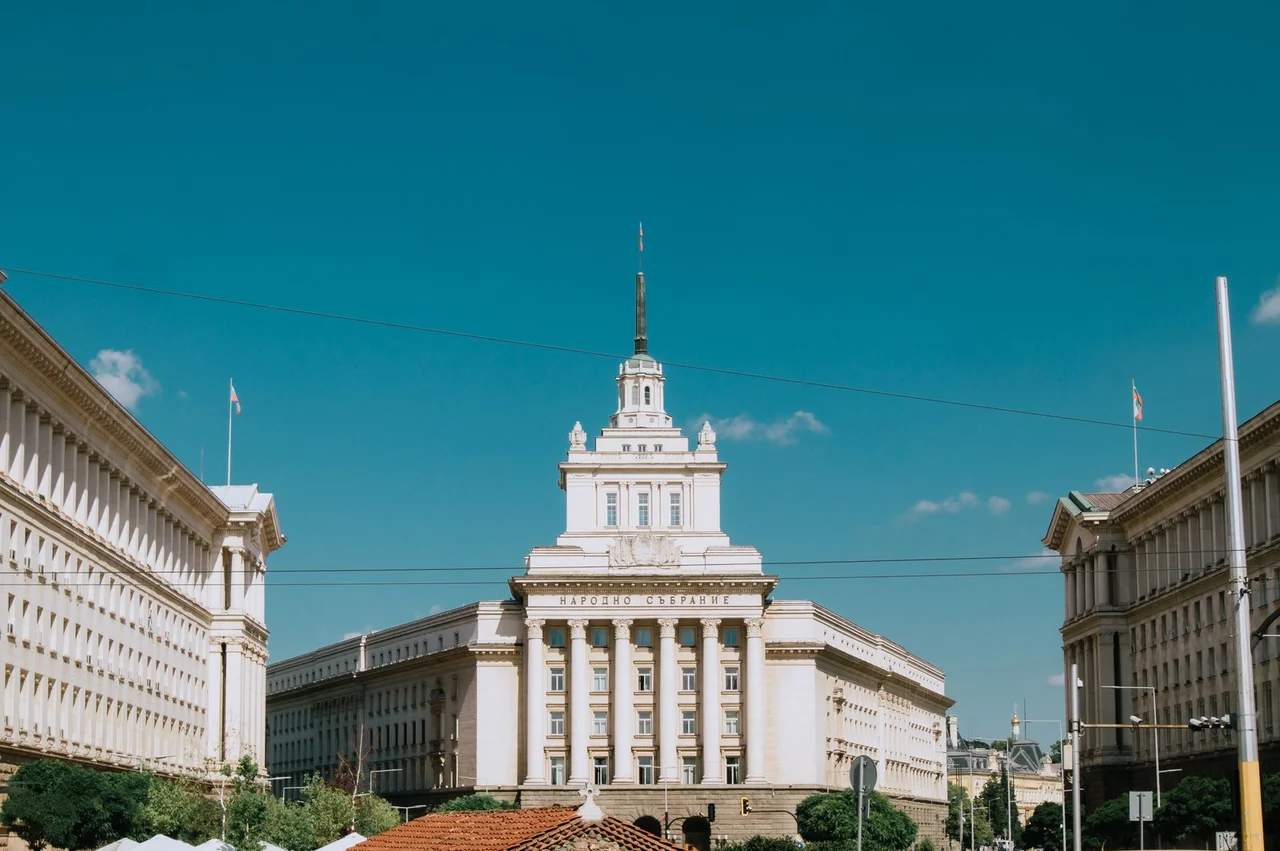
Sofia. The capital and business center, the most developed infrastructure, the best private clinics, international schools, jobs and cultural life. Winters here are frosty and snowy. Rent is more expensive than in the rest of the country, but remains moderate by European standards. Suitable for those who need work, a business environment and urban comfort.
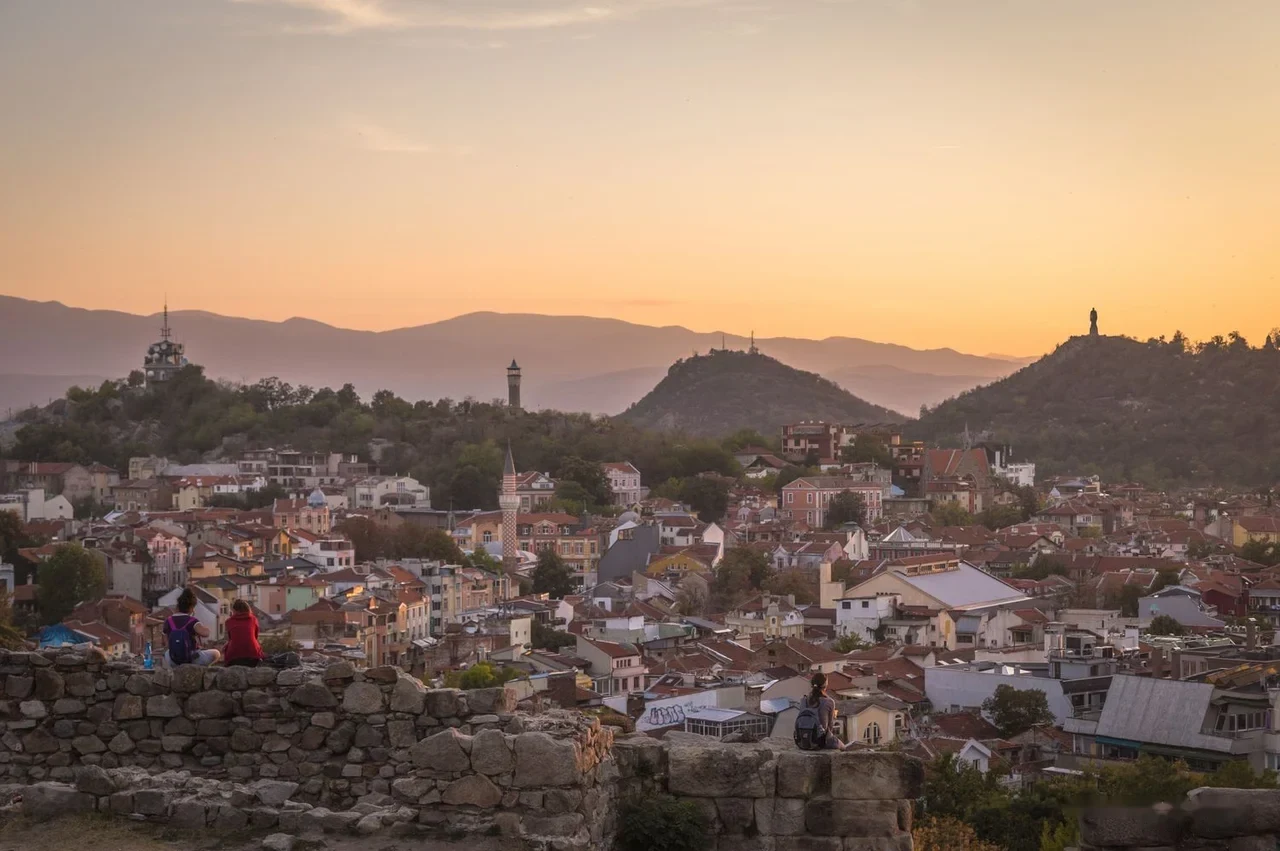
Plovdiv. The second largest city, one of the oldest in Europe, with a cozy historical center and a calm rhythm. Prices are lower than in Sofia - a good balance of city amenities and leisurely pace.
Varna and Burgas. The main cities of the Black Sea coast. Mild winters, sea air, developed resort infrastructure and a large international community, including many Russian speakers. Ideal for those who want to live by the sea and have a hard time with winter.
Bansko. Ski resort at the foot of Pirin. People come here for the mountains and clean air: in winter - the active season, in summer - trekking. Real estate is available, but it is a niche choice.
For families with children and working people, they often choose Sofia or Plovdiv, for living by the sea - Varna or Burgas, for mountain lovers - Bansko.
How to legally move and stay
A tourist trip is one thing, but permanent life requires legal status. Briefly about the main paths.
Residence permit (residence permit). It is issued on the following grounds: representation of the company in the Chamber of Commerce and Industry, pensioner status with a stable income and housing, family reunification, work, study. An important disclaimer: buying real estate in itself does not provide a residence permit - you need a separate legal motive. The residence permit is renewed annually.
Permanent residence and long-term resident of the EU. After approximately 5 years of residence under a residence permit, you can apply for permanent status, and then for the status of a long-term EU resident or naturalization.
Citizenship by descent. For people with Bulgarian roots (Bulgarian ancestors on the father's or mother's side) this is a preferential path to an EU passport - without residence qualification, language exam and renunciation of previous citizenship.
It is important to know : Bulgarian investment citizenship (golden passports) has been canceled in 2022 - you cannot buy a passport with investments. The investor is left with a residence permit/permanent residence permit and subsequent naturalization.
Details on statuses and deadlines are in the guide residence permit in Bulgaria.
Get an analysis of your situation and choose a moving route - free consultation with a BRIDGES GLOBAL expert.
What changed the transition to the euro in 2026
On January 1, 2026, Bulgaria became the 21st member of the eurozone and introduced the euro instead of the lev (BGN). This completed the country’s long journey of integration into the EU, which a year earlier had already been complemented by full access to Schengen.
For everyday life, the transition was smooth: the lev was firmly pegged to the euro at a rate of about 1.95583 per euro, so the recalculation did not cause a sharp change in prices. To make it easier for people to get used to it, prices in stores are displayed in euros and levs simultaneously for some time, and levs were accepted for payment during the transition period after the introduction of the new currency.
Some residents were wary of the transition - in a poor country there were fears of rising prices and inflation. But for those who move, there are more benefits: conversion costs disappear, a single currency simplifies banking, transfers and real estate transactions within the EU, and Bulgaria itself is finally established as a full part of the European space.
In practice, this makes the country even easier to live and invest in: you use the same currency as most of the EU, while maintaining some of the lowest prices in the union.
Who is Bulgaria suitable for and who is not?
Let's draw the line soberly. Bulgaria is a strong choice for certain categories and a weaker choice for others.
Suitable for: remote workers and freelancers with external income; entrepreneurs who value a low tax rate; retirees looking for a warm climate and low costs; families who value safety and affordable living; people with Bulgarian roots aiming for an EU passport; those for whom the proximity of language and culture is psychologically important.
Who should think twice: those who expect high local salaries; who are not ready to tolerate slow bureaucracy; who wants to live only in the outback with a European level of infrastructure; who expected to buy citizenship by investment (this option no longer exists).
The main thing is to understand your goals. If the move is connected specifically with obtaining an EU passport by origin, it makes sense to immediately build a strategy through citizenship by origin, and not through long-term naturalization. This saves years.
Frequently asked
Questions people ask before deciding
01Is Bulgaria already the European Union and Schengen?
Yes. Bulgaria has been a member of the EU since 2007, fully entered Schengen (land borders are open from January 1, 2025), and from January 1, 2026, it switched to the euro instead of the leva. Bulgarian citizenship gives you an EU passport with the right to live, work and study in any country of the union.
02What is the climate in Bulgaria?
Moderate continental in the north and center with frosty snowy winters, mild maritime on the Black Sea coast (about +2...+4 °C in winter) and Mediterranean type in the south with warm winters. The mountains have an alpine climate with a ski season. The mildest winters are on the coast and south.
03Is it difficult to learn Bulgarian?
For Russian speakers it is easy to read from the very first days: Bulgarian uses the Cyrillic alphabet, which is almost identical to the Russian one. But speaking fluently is more difficult: the peculiar grammar and pronunciation require real study. For everyday issues in cities, English is often sufficient, but for naturalization, Bulgarian is required.
04What kind of medicine is there in Bulgaria and is it suitable for foreigners?
There is a public system (NHIF) and private clinics. The public sector is underfunded, with queues, especially in the provinces. Private clinics in major cities are modern, accessible and have English-speaking doctors. Most people who move combine state insurance with a private policy for 30-80 euros per month.
05Is it safe to live in Bulgaria?
Yes, this is one of the calmer countries in Europe. The crime index is low (about 35 out of 100) and has been declining for several years in a row. The coast and resort towns are safe to live. Basic precautions against pickpockets are appropriate during the season, as in any tourist country.
06How much does living in Bulgaria cost per month?
Approximately 1000-1500 euros per month per person, including rent, food, transport and utilities. These are among the lowest costs in the EU. Products and services are 10-20% cheaper than in Western Europe. A detailed breakdown by city is in the cost of living review.
07What are the taxes in Bulgaria?
The flat income tax rate of 10% is one of the lowest in the EU, corporate tax is also 10%, VAT is 20%. Tax residency is determined by residence (183 days per year) or center of vital interests, and citizenship itself does not make tax residency.
08Where do expats live in Bulgaria?
A large Russian-speaking community has developed primarily on the Black Sea coast - in Varna, Burgas, Nessebar, Pomorie, and Sunny Beach. There are Russian-language shops, doctors and services there. This makes it easier for immigrants from Russia and other CIS countries to adapt.
09Does buying property in Bulgaria give you a residence permit?
No. Purchasing real estate in itself does not provide a residence permit - the status requires a separate legal motive (representation of a company, pension with income and housing, family reunification, work, study). This is an important fair disclaimer to avoid misleading buyers.
10Is it possible to buy Bulgarian citizenship by investment?
No. Bulgarian citizenship by investment (golden passports) abolished in 2022. You cannot buy a passport for investment. The investor remains with a residence permit or permanent residence permit with subsequent naturalization, and for people with roots - preferential citizenship by origin.
11How to move to Bulgaria in retirement?
A common basis for a residence permit is the status of a pensioner with a stable income and housing in the country. This is a popular route for retirees from the UK and the CIS: the mild climate, low costs and quiet life make Bulgaria convenient for retirement. The residence permit is renewed annually, after 5 years permanent residence is possible.
12What are the main disadvantages of living in Bulgaria?
Slow bureaucracy requiring patience; weak labor market with wages below Western European ones; insufficient level of public medicine in the province; In some places there is weak infrastructure in villages. Bulgaria is comfortable for those who have an independent income, but is less suitable for those seeking a high salary locally.
Transparency
How this material was prepared
- Author
- Viktoria Lebedeva, managing Director, Private Clients, BRIDGES
- Terms and costs last verified
- June 2026
- Sources
- official government authorities of the relevant country and state publications
- Methodology
- government minimum requirements are stated separately from due diligence charges, state fees, legal and banking costs
Sources and methodology
Figures, terms and timelines are checked against official sources as of June 2026. Link availability verified in August 2026. Third-party blogs and agent websites are not used as a source of programme terms.
- [1]Ministry of Interior of BulgariaResidence of foreign nationals and documentswww.mvr.bg/en
Methodology: tables and charts state government minimum investment requirements; due diligence charges, state fees, legal, banking and other costs are calculated separately and are not included in the minimum thresholds.
About the author
Related materials
What to read next
 ArticleBulgarian citizenship through investment in 2026: why the program was cancelled and what works instead
 ComparisonCitizenship of Bulgaria or Romania: what to choose for an EU passport
 AnalysisWhat is due diligence and why the Caribbean is rejecting applications
Personal programme selection is conducted by Anna Kovalevskaya, Head of Legal, BRIDGES.
Residency in Bulgaria: timelines and requirements
Grounds, document list, presence requirements and what is needed for renewal.