Residency · Bulgaria
Cost of living in Bulgaria in 2026: budget, rent, products
Updated: June 2026·11 min read·Expert reviewed
Terms and costs verified: June 2026
Contents
Bulgaria remains one of the most affordable countries in the European Union - even after the transition to the euro on January 1, 2026. Sofia is considered the most inexpensive capital of the EU, and on the coast and in small towns the budget is even more modest. Let’s look at how much money you need to live in Bulgaria: rent, food, utilities, transport, eating out. We will show guidelines for one person, for a couple with a child and for a pensioner and explain how the transition to the euro affected prices.
Why Bulgaria is one of the most affordable EU countries
When it comes to the cost of living in Bulgaria, the main idea is simple: this is a full-fledged EU country, but with prices noticeably lower than Western European ones. According to Eurostat, the level of consumer prices here remains consistently below the EU average - one of the lowest among all the countries of the union. In practice, this means that rent, food, cafes and services are several times cheaper than in Berlin, Amsterdam or Dublin.
Bulgaria has been a member of the EU since 2007, fully joined Schengen in 2025, and switched to the euro on January 1, 2026. For those who are thinking about moving, this is a convenient combination: European quality of infrastructure, medicine and safety - on a budget that remains feasible for many.
It's important to be : over the past two to three years, rent, groceries, and energy bills have risen markedly, reaching historic highs in some places. Bulgaria is still cheaper than most Western economies, but it's not the same country anymore for pennies
, as travelers remembered it ten years ago. Therefore, below we give no the lowest
, and realistic targets for 2026.
How much money do you need to live in Bulgaria: the general picture
The most common question is how much money you need to live in Bulgaria per month. The answer depends on the city, lifestyle and family composition, but the guidelines look like this. For one person, for a quiet life, approximately 1000-1500 EUR per month is usually enough, including rent. A modest budget (apartment on the outskirts, cooking at home, public transport, rare cafes) can be realistically set at 1000-1300 EUR.
A couple or small family lives comfortably on about 1800-2500 EUR per month - with rent of a two- or three-room apartment, food, transport and regular trips to a cafe. For a pensioner, especially outside the capital, the picture is softer: we will talk about the budget for pensioners separately below.
These figures are guidelines, not fixed tariffs. Sofia and popular seaside resorts are more expensive, small towns and inland areas (Veliko Tarnovo, Bansko) are noticeably cheaper. Next, let’s break down the budget into items so that you can see what it consists of.
Rental housing: Sofia, coast, small towns
Rent is the largest expense item, and it is the one that most depends on the city and region. In Sofia, a one-room apartment on the outskirts (areas like Lyulin or Ovcha-Kupel) costs approximately 450-550 EUR per month. In the center and prestigious areas (Lozenets, Ivan-Vazov) the rate rises to 600-750 EUR. The average for the capital is around 580 EUR.
On the Black Sea coast - in Burgas and Varna - rent is on average lower than in the capital, especially outside the summer season; During the holiday season, prices rise. In small towns and inland areas you can find decent housing for 300-400 EUR. The further you are from Sofia and the sea, the more accessible it is.
It is important to understand: in the summer, the rental market at resorts is overheated by tourist demand, so it is more profitable to conclude a long-term contract in the off-season. If you are considering purchasing rather than renting, this is a separate big topic - details in the material about real estate in Bulgaria.
Utility bills and internet
Utilities (electricity, heating, water, garbage removal) for an apartment of about 85 sq. m. m cost approximately 110-160 EUR per month. The variation is large and depends on the season: in winter, heating bills are noticeably higher, especially if the house is heated with electricity rather than central heating or gas.
Home Internet is one of the pleasant surprises of Bulgaria: high-speed fiber optic access is inexpensive, approximately 10-15 EUR per month, and the quality of communication in cities is high. Mobile communications are also affordable: packages with large amounts of data are modest by European standards.
Practical advice: when choosing an apartment, always check the type of heating and the average amount of winter bills with the previous residents. It is heating that most often inflates
winter budget, and two identical-looking apartments may differ in final bills by one and a half to two times.
Groceries and shopping in the store
Products in Bulgaria are affordable and of good quality, especially if bought at local markets and chain discounters (Lidl, Kaufland, Billa). Fresh vegetables and fruits, dairy products, local bread and meat are noticeably cheaper than in Western Europe.
A monthly food basket for one person when cooking at home costs approximately 200-300 EUR. For a family of three to four people, budget about 500-700 EUR per month, depending on your habits. Seasonal vegetables and fruits become much cheaper in the summer, and the local cuisine is conducive to this.
It’s worth mentioning separately about the markets: tomatoes, peppers, feta cheese, honey, homemade dairy products from local producers - both tastier and often cheaper than the supermarket. Many people who have moved note that the quality of fresh food is one of the pleasant aspects of life in the country.
Cafes, restaurants and eating out
Eating out in Bulgaria remains an affordable pleasure. Lunch at an inexpensive establishment costs approximately 8-12 EUR per person. A three-course dinner for two in a mid-level restaurant costs about 30-40 EUR. A cup of coffee in a cafe - about 2-3 EUR.
Compared to Western Europe, these are very reasonable prices: for the cost of one dinner in Munich, Bulgaria, you can go to a good restaurant several times. Therefore, many who move eat out more often than they are used to in their home countries.
If you include regular trips to cafes and restaurants (several times a week), the couple will spend approximately 200-350 EUR per month on top of the food basket for eating out. This is the article that is easiest move
in both directions depending on lifestyle.
We will find the right basis for residency in Bulgaria
We calculate the budget and timing for your family and list the documents you need.
Transport: public and private car
Public transport in Bulgaria is inexpensive. In Sofia, a monthly pass for the metro, trams, buses and trolleybuses costs approximately 25-30 EUR. In other cities the network is simpler, but prices are lower. A one-time trip costs a few cents by European standards.
A personal car is more expensive, but also manageable: fuel costs approximately at or slightly below the European average, insurance and maintenance are cheaper than in the western EU. For living on the coast or in small towns, a car is often more convenient than public transport.
Taxis and ride-hailing services (for example, familiar apps) operate at affordable rates - a short trip around the city costs a few euros. In general, transport is one of the least burdensome budget items in Bulgaria.
Budget for one person: calculation example
Let's collect all the articles into one example for one person who rents a one-room apartment and lives quietly, but without frills. This is a guideline, not an exact count: actual amounts vary by city and habits.
Rent of a one-room apartment (not in the center) - approximately 450-550 EUR. Utilities and internet - 120-170 EUR. Products - 200-300 EUR. Transport - 25-30 EUR. Eating out, entertainment, small items - 200-300 EUR. The total is approximately 1000-1350 EUR per month.
If you choose the center of Sofia or live more actively (more often restaurants, trips, gym, private medicine), the budget rises to 1500-1800 EUR. If you move to a small town and cook at home, you can realistically spend 850-1000 EUR. Bulgaria is convenient because the budget is good customizable
to fit your lifestyle.
Budget for a couple and a family with a child
For a couple and a family, the logic is similar, but the items do not grow proportionally - together, a lot of things work out more economically in terms of per person. Renting a two- or three-room apartment will cost approximately 600-900 EUR, depending on the city and region.
Groceries for a family of three to four people - about 500-700 EUR. Utilities and internet - 150-220 EUR. Transport for two - 50-60 EUR. Eating out and leisure - 250-400 EUR. In total, for a couple without children it comes out to approximately 1600-2200 EUR per month, for a family with a child - 2000-2800 EUR, taking into account expenses for kindergarten or school, clubs and medicine.
Private kindergartens and schools are more expensive than public ones, but compared to Western Europe they remain affordable. State medicine is free for the insured, and private clinics and dentistry are noticeably cheaper than their Western counterparts and of good quality.
“Over the years of practice, I have noticed that people are let down not by the prices themselves in Bulgaria, but by their expectations. Someone is traveling with a thought everything there for pennies
and gets upset when he sees bills for heating in winter or rent by the sea during the season. Some people, on the contrary, overestimate expenses and are surprised at how comfortable it is to live on a modest budget in a quiet town. Therefore, I always advise you to consider in detail: your city, family composition, whether you have your own housing. And separately, do not confuse the cost of living with the right to lead this life legally. You plan the budget for food and apartment yourself, and we take care of the legal part - residence permit, permanent residence or Bulgarian citizenship by roots and EU passport. This is where you should start planning your move.”
Cost of living in Bulgaria for retirees
Bulgaria has long been popular among retirees from the UK and the CIS countries, and the reason is simple: mild climate, sea, affordable prices and a calm pace. The cost of living in Bulgaria for retirees is noticeably lower than the capital’s figures, especially if you choose the coast outside of large resorts or a quiet inland town.
The guideline for one pensioner who rents a modest home and lives a measured life is from ~900 EUR per month; for a married couple of pensioners - approximately 1300-1700 EUR. If you have your own home and do not need to pay rent, the budget drops very significantly - to 500-700 EUR per person for operating expenses.
A separate plus is tax: pensions in Bulgaria are taxed at a flat rate of 10% (more on this in the section below), which is more profitable than many countries. If you are considering moving in retirement, we have a separate analysis of the grounds and conditions - in the material about Bulgarian residence permit for pensioners.
Expense table: approximately per month
So that all the numbers are before your eyes, let’s summarize the main articles in a table. These are the 2026 benchmarks for typical city life; exact amounts vary by city, area, and lifestyle.
| Expense item | Approximately per month (EUR) |
|---|---|
| Rent 1 room (outside the center / center of Sofia) | 450-750 |
| Utilities (apartment ~85 sq. m) | 110-160 |
| Internet (optics) | 10-15 |
| Mobile communications | 8-15 |
| Products (one person) | 200-300 |
| Travel card (public transport) | 25-30 |
| Meals out (per person) | 100-250 |
| Total approximate (one person) | 1000-1500 |
For a couple, do not multiply by two mechanically, but set aside approximately 1800-2500 EUR: shared housing and common everyday life partially saves. The resort coast in season and the center of Sofia are at the top of the ranges, small towns are at the bottom.
How the transition to the euro in 2026 affected prices
On January 1, 2026, Bulgaria switched from the lev to the euro at the officially fixed rate of 1.95583 levs per euro. Since the lev was previously strictly tied to the euro, the economic transition was smooth - this was not a devaluation or a jump in the exchange rate.
However, many residents feared rounding up
: When the price in levs is converted into euros, some sellers are tempted to round up in their favor. According to the European Central Bank, the real effect was limited and mostly one-time: in January 2026, prices rose by about 0.6% compared to December, and some of the increases occurred even before the transition. Some small positions (coffee, parking) actually grew by 5-8% due to psychological rounding.
Let's be : there was no serious inflationary jump due to the euro, but spot increases in prices in cafes and services are noticeable. To mitigate the effect, the country had mandatory double pricing (price in levs and euros at the same time) so that buyers could check. In general, the transition to the euro had little impact on the overall budget.
Taxes: flat rate 10% and tax residency
The tax system is one of the reasons why Bulgaria is chosen as a place to live. Income tax for individuals is a flat rate of 10%, one of the lowest in the EU. The same 10% rate applies to corporate profits. VAT - standard 20%. Pensions are taxed at the same rate of 10% regardless of their country of origin.
It is important to distinguish between citizenship and tax residence - they are different things. A person becomes a tax resident of Bulgaria by the fact of residence (approximately more than 183 days a year) or by the center of vital interests, and not by having a passport. That is, Bulgarian citizenship itself does not automatically make you a tax resident - and vice versa.
For those planning to transfer their tax base to Bulgaria, this means clear and lenient rules. A detailed analysis of rates, declarations and nuances of residency is in a separate article about taxes in Bulgaria. The specific situation should always be calculated taking into account double tax treaties.
Bottom line: how much to budget for life in Bulgaria
Let's draw a line with the numbers. Prices in Bulgaria remain among the most affordable in the European Union, and even after the transition to the euro this has not changed. Realistic guidelines for 2026 look like this: for one person - 1000-1500 EUR per month, for a couple - 1800-2500 EUR, for a family with a child - 2000-2800 EUR, for a pensioner outside the capital - from ~900 EUR (and significantly less if you have your own home).
Where to live in Bulgaria - you decide for yourself: Sofia gives the rhythm of the capital and work, the coast - the sea and a calmer pace, small towns - maximum savings. BRIDGES GLOBAL helps to solve the legal side of the issue: to obtain a legal basis for a long and peaceful stay in the country - a residence permit, permanent residence, and for those who have Bulgarian roots - citizenship and an EU passport. Leave a request, and we will analyze your situation and choose the appropriate path.
If you want to gain a deeper understanding of what it's like to live in the country on a day-to-day basis, read our breakdown of life in Bulgaria. And the program page will tell you exactly how to obtain the status and, if there are grounds, to obtain Bulgarian citizenship.
How are real estate and residence permits related to the right to live in the country for a long time?
Common misconception: I’ll buy an apartment by the sea and get a residence permit
. This is not true, and it is important to be here. Purchasing real estate in Bulgaria does not in itself provide a residence permit - you need a separate legal basis: representative office of a company, pension with a stable income and housing, family reunification, work, study. Real estate is a significant plus, but not automatic entrance ticket
.
The logic is usually this: you receive a residence permit on a suitable basis, renew it annually, after five years you apply for permanent residence, then - the status of a long-term EU resident or naturalization. For those who have Bulgarian roots - Bulgarian father, mother, grandfather or grandmother - a shorter and preferential path to citizenship by origin is open, bypassing the long residence requirement.
It is this legal part that we take on: we help you choose the basis, collect documents and go through the procedure correctly. If you want to understand which path is right for you - Bulgarian citizenship by roots or a residence permit on another basis - start with a free consultation.
We will send a document checklist for your case
Leave your details: we will put together documents and timelines for your family.
Check: what is important to consider before moving
Before you target any budget from the internet, keep a few practical things in mind. Firstly, the cost of living figures greatly depend on the city and region - the difference between the center of Sofia and a quiet town can be double. Secondly, winter heating bills can significantly increase the budget, so it’s worth finding out the type of apartment heating in advance.
Thirdly, rent on the coast becomes more expensive in the summer season, and it is more profitable to conclude long-term contracts in the off-season. Fourth, it is important to separate the cost of everyday life from legal issues: budgeting for food and rent is one thing, but the legal basis for being in the country is quite another, and the second requires separate planning.
And the main thing is honesty in the sources. Bulgaria is affordable, but in recent years it has become more expensive, and some prices have increased slightly since the transition to the euro. That's why we give ranges approximately
, and not beautiful minimum numbers. It is better to draw up a realistic estimate for your city and lifestyle in detail - BRIDGES GLOBAL specialists will help with this, as well as with the legal side of the move.
Frequently asked
Questions people ask before deciding
01How much money does one person need to live in Bulgaria?
Approximately 1000-1500 EUR per month including rent for a quiet lifestyle. A modest option (apartment on the outskirts, cooking at home, public transport) can actually cost 1000-1300 EUR, and in a small town - 850-1000 EUR. In the center of Sofia and during an active life, the budget rises to 1500-1800 EUR.
02Is it expensive to live in Bulgaria in 2026?
Bulgaria remains one of the most affordable countries in the European Union - the price level is consistently below the EU average. At the same time, over the past two or three years, rent, food and energy have become more expensive, so this is no longer a country for pennies, but still noticeably cheaper than Western Europe.
03How much does it cost to rent an apartment in Bulgaria?
One-room apartment in Sofia outside the center - approximately 450-550 EUR per month, in the center and prestigious areas - 600-750 EUR. On the coast in Burgas and Varna, prices are on average lower than the capital's prices (except for the summer season), and in small towns decent housing can be found for 300-400 EUR.
04How much do utilities cost in Bulgaria?
Utilities (electricity, heating, water, garbage) for an apartment of about 85 sq. m costs approximately 110-160 EUR per month, and heating bills are higher in winter. Home Internet is one of the most affordable in Europe, approximately 10-15 EUR per month.
05How much do groceries cost in Bulgaria?
Products are affordable and of high quality, especially in markets and discounters (Lidl, Kaufland). A monthly basket for one person when cooking at home is approximately 200-300 EUR, for a family of three to four people - about 500-700 EUR.
06What budget does a couple or family with a child need?
For a comfortable life for a couple without children - approximately 1600-2200 EUR per month, for a family with a child - 2000-2800 EUR, taking into account kindergarten or school, clubs and medicine. Living together saves some of the money per person compared to living alone.
07What is the cost of living in Bulgaria for retirees?
For one pensioner who rents a modest home and lives a quiet life outside the capital - approximately from ~900 EUR per month, for a couple of pensioners - 1300-1700 EUR. If you have your own home, the budget drops to 500-700 EUR per person for operating expenses. Pensions are taxed at a flat rate of 10%.
08How will the adoption of the euro in 2026 affect prices?
From January 1, 2026, Bulgaria switched to the euro at a fixed rate of 1.95583 levs per euro. Since the lev was already pegged to the euro, there was no serious jump: according to ECB estimates, the effect was limited and one-time (about 0.6% in January). Small items such as coffee and parking have increased due to psychological rounding.
09What are the taxes in Bulgaria?
Income tax for individuals is a flat rate of 10%, one of the lowest in the EU; the same rate on corporate profits; VAT - 20%. Pensions are taxed at the same rate of 10% regardless of country of origin. Tax residence is determined by residence (more than 183 days) or center of interest, not by citizenship.
10Does purchasing real estate in Bulgaria give you the right to a residence permit?
No, the purchase of real estate in itself does not give a residence permit - you need a separate legal basis (representation of a company, pension with a stable income and housing, family reunification, work, study). Real estate is a significant plus, but not automatic entrance ticket to the country.
11How much does transportation and eating out cost?
A monthly pass in Sofia costs approximately 25-30 EUR. Lunch in an inexpensive establishment - 8-12 EUR per person, dinner for two in a mid-level restaurant - 30-40 EUR, a cup of coffee - about 2-3 EUR. This is noticeably cheaper than in Western Europe.
12Which city in Bulgaria is the cheapest to live in?
The most expensive are Sofia and popular seaside resorts during the season. Significantly more accessible are small towns and inland regions, for example Veliko Tarnovo or Bansko. Where exactly to live, you decide for yourself, based on your budget and preferences; and BRIDGES GLOBAL specialists will help you arrange the legal side of the move - residence permit, permanent residence or citizenship by roots.
Transparency
How this material was prepared
- Author
- Maria Stavru, real Estate Analyst, BRIDGES
- Terms and costs last verified
- June 2026
- Sources
- official government authorities of the relevant country and state publications
- Methodology
- government minimum requirements are stated separately from due diligence charges, state fees, legal and banking costs
Sources and methodology
Figures, terms and timelines are checked against official sources as of June 2026. Link availability verified in August 2026. Third-party blogs and agent websites are not used as a source of programme terms.
- [1]Ministry of Interior of BulgariaResidence of foreign nationals and documentswww.mvr.bg/en
Methodology: tables and charts state government minimum investment requirements; due diligence charges, state fees, legal, banking and other costs are calculated separately and are not included in the minimum thresholds.
About the author
Related materials
What to read next
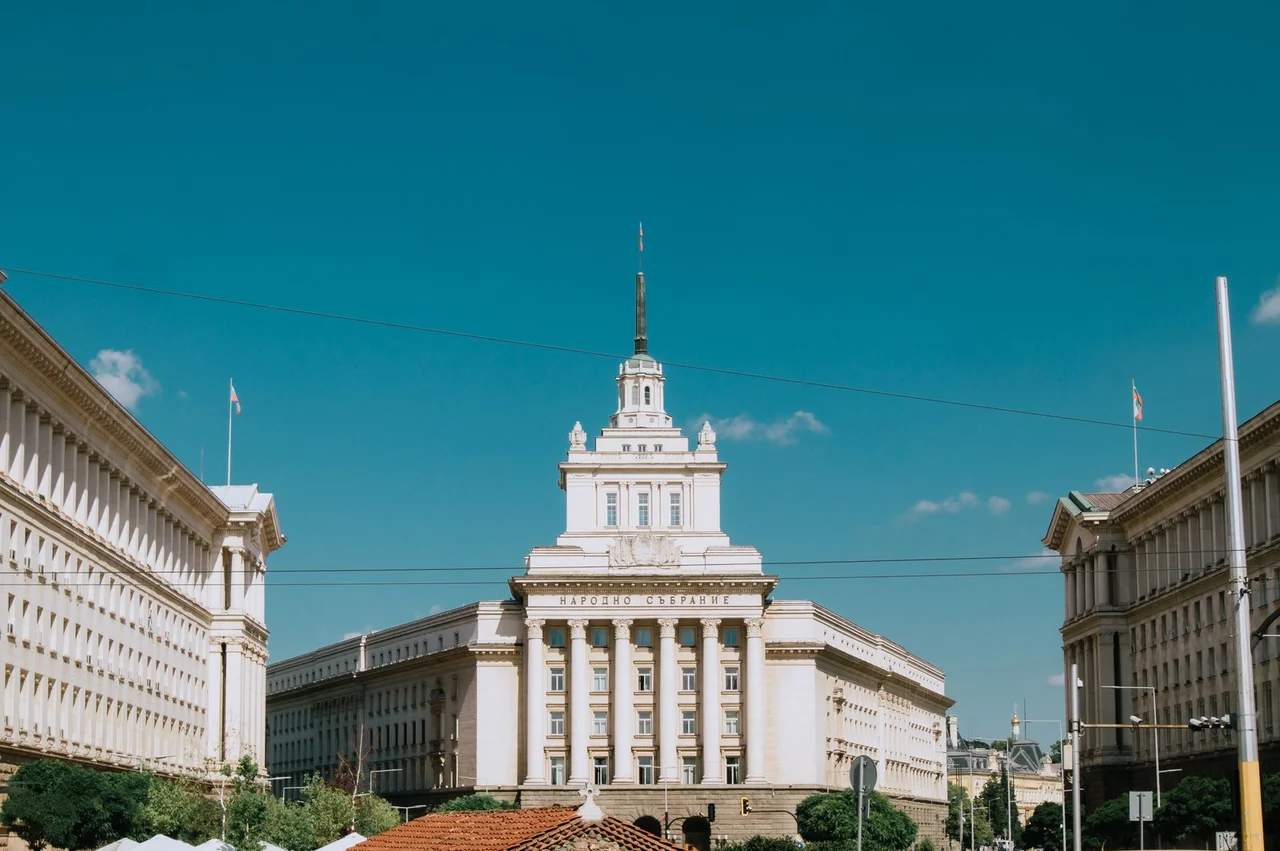 ArticleBulgarian citizenship through investment in 2026: why the program was cancelled and what works instead
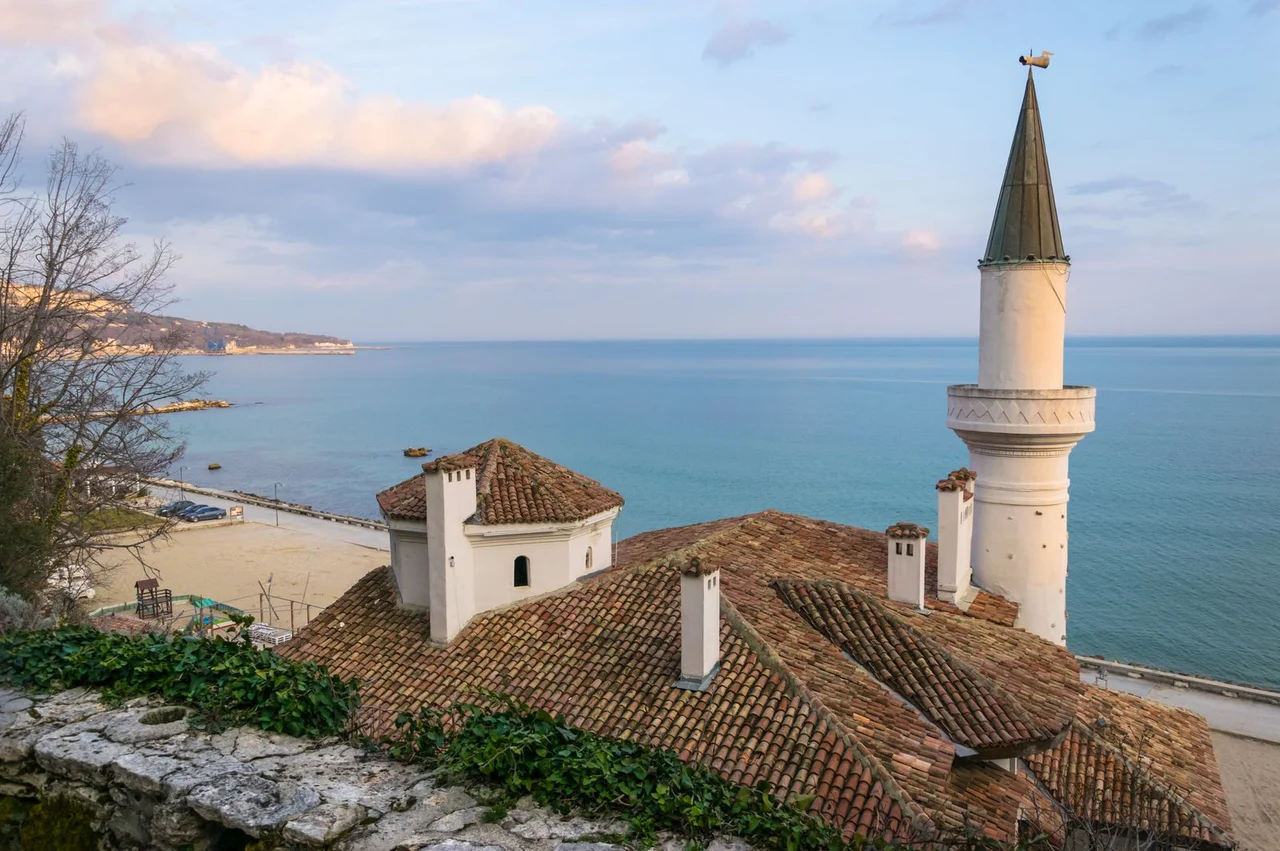 ComparisonCitizenship of Bulgaria or Romania: what to choose for an EU passport
 AnalysisWhat is due diligence and why the Caribbean is rejecting applications
Personal programme selection is conducted by Anna Kovalevskaya, Head of Legal, BRIDGES.
Buying property in Bulgaria: what to check
Title, encumbrances, outstanding debts and what to look for in the contract.
