Residency · Bulgaria
Property prices in Bulgaria in 2026: by region and type of housing
Updated: June 2026·10 min read·Expert reviewed
Terms and costs verified: June 2026
Contents
Bulgaria remains one of the most affordable countries in the European Union for buying a home, and this attracts foreign buyers looking for an apartment near the Black Sea, an apartment in the mountains or a residence permit through real estate. But the market in 2026 is not the same as it was five years ago: the transition to the euro on January 1, 2026 pushed prices up, and discounts and bargaining have almost disappeared. In this material, we break down how much a square meter costs in Sofia, on the coast, in Bansko and small towns, what is the difference between a new building and a secondary one, and what is included in the price of a resort apartment. All amounts are approximate: the market is live, and the exact price is always given by a specific object.
The big picture: why Bulgaria is still an affordable gateway to the EU
In short, yes, Bulgaria is still one of the most affordable countries in the European Union in terms of housing prices. The average price per square meter in the country at the beginning of 2026 is around 1,400 euros, and a typical apartment of 80 square meters costs approximately 110-115 thousand euros. For comparison: in the capitals of Western and Central Europe, for this money you will get, at best, a studio on the outskirts.
But there is an important caveat. Over the past five years, the market has risen in price significantly. If in 2020 a square meter in Sofia cost about 1,000-1,100 euros, then by 2026 it approached the mark of 2,000-2,500 euros. That is, “cheap” today is no longer “penny”, but rather “reasonable by EU standards.” Buyers who knew Bulgaria ten years ago are often surprised to see the current figures.
The main drivers of demand are an EU passport by origin (for those who have Bulgarian roots - Bulgarian father, mother, grandfather or grandmother), affordable housing by the sea and a soft tax regime (flat income tax of 10%, one of the lowest in the European Union). We wrote in detail about how real estate for foreigners works in review of the real estate market in Bulgaria.
We will calculate the budget for your family
A full estimate: contributions, fees and our work for your family.
Euro and prices: what has changed in 2026
On January 1, 2026, Bulgaria joined the eurozone and replaced the lev with the euro. The rate was fixed in advance: 1.95583 leva per 1 euro. For the real estate market, this is not just a change of currency on the price tag - the transition to the euro itself has become a powerful factor that has accelerated prices.
What happened in practice. In the year before the currency change, people actively invested money in housing, saving their savings from inflation and uncertainty. This has pushed prices up by 10-18% over the year. By February 2026, the average square meter in Sofia increased by approximately 18% year on year, in Varna - by 17%, in Burgas - by 19%. The growth was noticeable throughout the country.
What's next? Most analysts agree: the peak of the hype is behind us, the market is entering a normalization phase. The growth forecast for 2026 is approximately 5-10% per year, that is, calm single-digit growth instead of spurts. At the same time, transactions have become simpler for buyers from the eurozone: currency conversion costs have disappeared, and Bulgarian housing has become even clearer to European investors. The downside is that discounts are melting away, and bargaining and the struggle for good properties are intensifying.
How much does an apartment cost in Bulgaria: guidelines by region
Here is the main reason why you opened this article. Below is a summary table with approximate prices for the main directions. Let us emphasize: these are guidelines, not a price list. The actual price depends on the area, floor, view from the window, year of construction and condition of the property. But she gives the order of the numbers .
| Region | Housing type | Approximately per sq.m. | Approximate amount |
|---|---|---|---|
| Sofia (center, prime) | Apartment in a new building | from 2,500 to 3,900 euros | 2-room apartment - approximately from 160,000 to 300,000 euros |
| Sofia (outskirts) | Resale / new building | about 1,500 euros | 1-room - approximately from 90,000 euros |
| Varna, Burgas | Apartment by the sea | from 1,700 to 1,900 euros | 2-room apartment near the coast - approximately from 60,000 to 120,000 euros |
| Sunny Beach, resorts | Studio/apartment | from 800 to 1,200 euros | Studio - approximately from 30,000 to 50,000 euros |
| Bansko (mountains) | Mountain apartments | from 500 to 800 euros | Apartments - approximately from 35,000 euros |
| Small towns, villages | House/apartment | from 100 to 500 euros | House - approximately from 18,000 to 40,000 euros |
How to read a table. The most expensive housing is in Sofia and in prime areas of the capital. The coast and mountains are noticeably more accessible, and the real “cheap” starts in small towns and villages. We talk about the specifics of maritime purchases separately in the material about Bulgarian real estate by the sea.
Sofia: the most expensive market in the country
The capital is the undisputed leader in prices. The average square meter in Sofia at the beginning of 2026 is around 2,500 euros, and this is already almost three times more than it was in 2020. But the “average” figure is very misleading: the spread within the city is huge.
Prime areas like Lozenets and Iztok reach prices of about 3,900 euros per sq.m - people buy high-status housing, new business-class buildings and apartments with a finished look here. But residential suburbs (for example, Nadezhda) remain below 1,500 euros per square meter. The difference is more than two and a half times, and it is entirely about the location.
In terms of money, a two-room apartment in Sofia will cost approximately from 160,000 to 300,000 euros. The lower border is typical Soviet-era houses (so-called “panelki”), the upper border is modern complexes in prestigious areas. If your budget is limited, it makes sense to look at the outskirts with good transport accessibility: there will be more space there for the same money. Sofia is of interest to those who plan to live and work here, and not just invest in resort rentals.
Housing prices in Bulgaria by the sea: Black Sea coast
The Black Sea coast is a classic choice for foreign buyers, and it is here that people most often search for “an apartment by the sea for holidays and rentals.” The good news: the coast is significantly more accessible than the capital.
Large coastal cities - Varna and Burgas - cost approximately 1,700-1,900 euros per square meter. At the same time, a two-room apartment near the sea in Burgas can be found for approximately 60,000 to 120,000 euros - this is one of the best offers on the coast. Resort areas - Sunny Beach, Nessebar, Pomorie, Sveti Vlas, Sarafovo - offer studios and compact apartments from approximately 800 to 1,200 euros per sq.m., and you can actually buy a studio here from 30,000-50,000 euros.
An important nuance is what is included in the price. In resorts, apartments are often sold fully furnished and ready to move into, often with sea views. This is convenient: you can live or rent out right away without investing in repairs and furnishings. But for such facilities in complexes with a swimming pool and security, they charge an annual maintenance fee (maintenance of the territory, cleaning, swimming pool) - this expense should be budgeted in advance. Read about the tax side of ownership in the article about property taxes in Bulgaria.
We will find the right basis for residency in Bulgaria
We calculate the budget and timing for your family and list the documents you need.
Bansko and the mountains: apartments in the ski resort
If the sea is not your story, the mountains are. Bansko is Bulgaria's premier ski resort and property here is some of the most affordable among European mountain destinations. A square meter in mountain apartments costs approximately 500-800 euros, and ready-made apartments can be purchased from 35,000 euros.
Why so inexpensive? In Bansko, at one time, many apartment complexes were built for tourists, and the offer here is wide. This keeps prices reasonable and gives choice. Buyers take such apartments for winter holidays (skiing, snowboarding) and for rent in the high season, when the resort is filled with tourists from all over Europe.
Just like at sea, mountain apartments are often sold furnished, in complexes with infrastructure - spa, swimming pool, reception. And it is also worth taking into account the annual maintenance fee for the complex. Bansko is an option for those who want an inexpensive “second home” in Europe with an understandable rental scenario, but are not ready to pay capital or seaside prices.
Small towns and villages: where housing is the cheapest
This is where real budget Bulgaria begins. In villages and small towns, prices are the lowest in the country and among the lowest in the entire European Union. A village house can be found for approximately 100 to 300 euros per square meter, and a full-fledged three-room house for approximately 18,000-40,000 euros.
The most accessible region is the north-west of the country. Cities like Vidin, Montana, Ruse offer housing for approximately 300-500 euros per sq.m. Most of the cheapest houses are located 20-30 km from the sea and 10-20 km from large cities - that is, not on the outskirts, but within reasonable accessibility from infrastructure.
Who is it suitable for? This option is chosen by those who are looking for a quiet life in nature, a summer cottage or simply an inexpensive entry into European real estate. It is important to take a sober look at the condition of the property: for 18-20 thousand euros, a house will most likely require investment in repairs. But the threshold for entry into the EU market is amazingly low. If you are estimating the total budget for living in the country, take a look at our analysis cost of living in Bulgaria.
New construction or resale: which is more profitable in 2026
An interesting twist in the 2026 market: resales are rising in price faster than new buildings. In the fourth quarter of 2025, prices for finished (already built) housing increased by 15% year-on-year, while new buildings added about 9%. The picture is the same in large cities - the secondary stock is ahead of new construction in terms of growth.
Why so? Ready-made housing can be occupied or rented out immediately - there is no need to wait for construction and risk deadlines. During the period of excitement around the euro, buyers valued precisely this certainty. Plus, good locations in city centers are almost always a secondary fund, because there is simply little free land for new buildings in prestigious areas.
At the same time, the demand for high-quality new buildings has not gone away - on the contrary, buyers have become more discerning. Modern complexes with a good location, thoughtful layout and energy efficiency (low heating bills) are affordable. What you choose depends on the goal: for quick delivery and easy entry, they often take a ready-made resale; for long-term living and resale - a new energy-efficient complex in a growing area.
“Most often people come to me with the question “how much does an apartment cost in Bulgaria” - and almost always there is a deeper purpose behind it. Some want a holiday home by the sea, some are looking for an inexpensive entry into European real estate, and some actually dream of an EU passport. And here I always ask you not to confuse two things. Buying real estate in Bulgaria is buying real estate, and in itself it does not provide a residence permit, much less citizenship. This is not a trick, it is the law, and it is better to know about it in advance than to be disappointed later. If your real goal is an EU passport, and there were Bulgarians in your family (father, mother, grandfather or grandmother), then the strongest path is not construction, but citizenship by origin. It gives you a full-fledged EU passport without a residence requirement, without a language test and without renouncing your previous citizenship. And real estate in this case becomes a pleasant addition to life in the country, and not a way to gain status. My advice to the buyer of 2026 is simple: first, determine the goal, and then calculate the budget according to it and choose the region. Then the price won’t surprise you, and the decision will be right.”
What is included in the price and what costs to add
The price in the ad is not the final amount. To budget, keep multiple layers of expenses in mind.
Furnishings. In resorts and in the mountains, apartments are often sold fully furnished and ready to move in - furniture, appliances, sometimes even dishes are already included in the price. In urban housing and especially in secondary housing, this is not guaranteed: check what remains and what the owner takes. Completely furnishing an apartment from scratch easily adds several thousand euros.
Transaction and registration. Taxes and fees upon purchase, notary services, and re-registration are added to the price of the property. Bulgaria is known for low taxes on purchase and ownership, but you still need to pledge this article. Annual maintenance. Complexes with a swimming pool, security and spa have a regular maintenance fee - this is a common expense item at resorts. Plus annual property tax and utility bills. We discuss the tax structure in detail in a separate article about property taxes in Bulgaria. The advice is simple: add approximately a few percent per transaction to the price of the property and calculate the annual maintenance in advance - then the purchase will not bring surprises.
Purchasing for Russians and CIS citizens: what is important to know
Bulgaria is traditionally popular with buyers from Russia, Kazakhstan, Ukraine and other CIS countries - both because of the sea, and because of the EU passport by roots, and as a destination for retirees. Foreign individuals can buy buildings and apartments freely. But with land it is more complicated: there are restrictions on the purchase of land, and it is usually registered through a legal entity or according to EU rules.
It is important to understand about compliance. Transactions are carried out strictly within the framework of EU legislation, with enhanced verification and confirmation of the source of funds - banks and notaries carefully look at where the money comes from. This is a normal European practice, and it is worth preparing for it in advance: collecting documents confirming the origin of the capital. No schemes to circumvent sanctions - only transparent legal transactions.
On the Russian side, second citizenship is allowed, but the Ministry of Internal Affairs must be notified of its receipt (approximately within 60 days). The situation regarding visas and entry after 2022 is not simple - it is more to consult in advance on the current rules. If you have Bulgarian roots, the strongest scenario is not the purchase of real estate, but citizenship by descent giving a full EU passport.
Does buying real estate give you a residence permit?
This is perhaps the most common myth - and here we say it straight: the purchase of real estate in Bulgaria in itself does NOT provide a residence permit. It is not possible to buy an apartment by the sea and automatically obtain a residence permit. In order not to mislead you, we will break down how everything actually works.
For a residence permit you need a separate legal basis: representation of the company in the Bulgarian Chamber of Commerce and Industry, pension basis (stable income or pension plus housing), family reunification, work, study. Real estate is a useful plus to the matter (you have a place to live, this confirms your connection with the country), but not an independent pass. For example, a popular basis for pensioners is a stable income along with the availability of housing.
Then the path is standard: the residence permit is renewed annually, after five years you can apply for permanent residence, then for the status of a long-term EU resident or naturalization. And the shortest path to an EU passport is not through construction, but through origin, if there were Bulgarians in the family. Read more about this below and on our page Bulgarian citizenship programs.
What to choose for your goal: a short guide to budgets
Let's put everything together and tie it to the goal. For different tasks - different regions and budgets.
Living and working in the capital is Sofia. Prepare from approximately 90,000 euros for a compact apartment on the outskirts and from 160,000 for a two-room apartment in a good area. Holidays and rentals by the sea - coast: Burgas and Varna for a city by the sea (from 60,000 euros for a two-room apartment), Sunny Beach and resorts for a furnished studio (from 30,000-50,000 euros). Mountains and winter holidays - Bansko: apartments from 35,000 euros, often already furnished. The cheapest entry into the EU is small towns and the north-west: a house from 18,000-40,000 euros, adjusted for possible repairs.
And separately - for those who have Bulgarian roots. If your father, mother, grandfather or grandmother were Bulgarians, the most valuable path is open to you: citizenship by descent. This is a full-fledged EU passport - the right to live, work and study in any EU country - without a residence requirement, without a language exam and without renouncing previous citizenship. Real estate in this scenario becomes a nice addition rather than the main goal. Our team will help you figure out which option is yours - leave a request, and we will find a solution to suit your situation.
Get advice on real estate and EU passport
Checking on shore: how not to overpay and not make a mistake
Before purchasing, you should go through a short checklist - it saves both nerves and money. Check the price of the property with the average for the area: if it is sharply lower than the market, this is a reason to ask questions about the condition and documents, and not to rejoice at the discount. Find out what is included in the price - furniture, appliances, parking space - and what is the annual maintenance fee for the complex.
Check the legal purity: who is the owner, whether there are any encumbrances or debts on the property, whether the documents for the building are in order. At resorts, look separately at the reputation of the management company of the complex - it depends on it what condition the pool, grounds and the house itself will be in in a few years. And be sure to include the full cost of the transaction, and not just the price in the ad: taxes, notary, registration, furnishings.
For foreign buyers, the key is to prepare proof of the source of funds in advance. Strengthened compliance in the EU is the norm, and it’s safer to enter into a deal with a ready-made package of documents than to figure it out along the way. A good rule: first decide on your goal (to live, rent, EU passport by roots), and then choose the region, type of housing and budget based on it.
We will send a document checklist for your case
Leave your details: we will put together documents and timelines for your family.
Results: how much does real estate in Bulgaria really cost?
Let's summarize the main thing in a few lines. Bulgaria in 2026 is still one of the most affordable housing markets in the European Union, but no longer “penny”: prices have increased significantly, especially in the wake of the transition to the euro. The average square footage in the country is about 1,400 euros, and then everything depends on the region.
Sofia is the most expensive (approximately 2,500 euros and more per sq.m., up to 3,900 in prime areas). The coast is more affordable (1,700-1,900 in cities, 800-1,200 in resorts), Bansko in the mountains - 500-800 euros per square meter, and small towns and villages - from 100-500 euros per sq.m. with houses from 18-40 thousand euros. New or secondary construction is a question of purpose: finished housing is now rising in price faster, but high-quality, energy-efficient new buildings are also in price.
And two conclusions that are more important than any table. First: purchasing real estate in itself does not provide a residence permit - a residence permit requires a separate legal basis. Second: if you have Bulgarian roots, the most valuable asset is not square meters, but an EU passport of origin. Whatever your goal, we will help you understand prices, choose a region and arrange everything correctly - according to the law and without overpayments.
- D visa to Bulgaria: why and how to get it
- Bulgarian residence permit: reasons and how to obtain
- Documents for Bulgarian Citizenship: List
- Bulgarian citizenship by investment: cancelled
- Bulgarian Citizenship Through Marriage: Timeline and Permanent Residency
- Bulgarian Citizenship: Pathways and EU Passport
Frequently asked
Questions people ask before deciding
01How much does an apartment cost in Bulgaria in 2026?
An approximate typical apartment of 80 sq.m. costs approximately 110-115 thousand euros, with the average price in the country being about 1,400 euros per square meter. In Sofia, the same area easily costs 180,000 euros, and in small towns a house of comparable size can cost less than 40,000 euros. All amounts are guidelines; the exact price is indicated by a specific object.
02Is housing expensive in Bulgaria now by EU standards?
No, Bulgaria remains one of the most affordable real estate markets in the European Union. But over the past five years, prices have increased significantly: a square meter in Sofia has risen from approximately 1,000-1,100 euros in 2020 to 2,000-2,500 euros in 2026. That is, “cheap” today is reasonable by EU standards, and not “penny”.
03What are the prices for housing in Bulgaria by the sea?
In large coastal cities - Varna and Burgas - a square meter costs approximately 1,700-1,900 euros, and a two-room apartment by the sea in Burgas can be found for approximately 60,000 to 120,000 euros. In resorts like Sunny Beach, studios and apartments cost approximately from 800 to 1,200 euros per sq.m. You can actually buy a studio from 30,000-50,000 euros.
04How much does real estate cost in Sofia?
Sofia is the most expensive market in the country. The average square meter costs about 2,500 euros, and in prime areas (Lozenets, Iztok) it reaches 3,900 euros. On the outskirts the price is lower - about 1,500 euros per square. A two-room apartment will cost approximately from 160,000 to 300,000 euros, depending on the area and age of the house.
05How much do apartments cost in Bansko?
Bansko is one of the most accessible ski resorts in Europe. A square meter in mountain apartments costs approximately 500-800 euros, and ready-made apartments can be purchased from 35,000 euros. They are often sold already furnished and in complexes with infrastructure, so it is worth considering the annual maintenance fee.
06Where is the cheapest housing in Bulgaria?
The lowest prices are in villages and small towns, especially in the north-west of the country (Vidin, Montana, Ruse). A village house can be found for approximately 100-300 euros per square meter, and a full-fledged three-room house for approximately 18,000-40,000 euros. Most of the cheapest houses are located 20-30 km from the sea and 10-20 km from large cities.
07How did the transition to the euro affect real estate prices?
Bulgaria joined the eurozone on January 1, 2026, and preparations for this accelerated demand: in the year before the currency change, prices rose by 10-18%. By the beginning of 2026, the market is entering a normalization phase, the growth forecast for the year is approximately 5-10%. For eurozone buyers, transactions have become easier, but discounting and haggling have all but disappeared.
08What is more profitable - a new building or a secondary one?
In 2026, resale prices are rising faster: at the end of 2025, finished housing increased by about 15% per year versus 9% for new buildings. Ready-made housing is valued for its ability to move in or rent out immediately. But high-quality energy-efficient new buildings in good areas are also in demand. The choice depends on the purpose: quick entry - secondary, long-term life and resale - new complex.
09What is included in the price of a resort apartment?
On the coast and in the mountains, apartments are often sold fully furnished and ready to move in - furniture and appliances are already included in the price, sometimes with sea views. But in complexes with a swimming pool and security, there is an annual maintenance fee that must be paid in advance. In urban housing and secondary housing, furnishings are not guaranteed - check what remains.
10Does buying real estate give you a residence permit in Bulgaria?
No, the purchase of real estate in itself does not provide a residence permit. A residence permit requires a separate legal basis: representation of the company in the Chamber of Commerce and Industry, pension basis (income plus housing), work, study or family reunification. Real estate is a useful plus for business, but not an independent pass to status.
11Can foreigners buy housing in Bulgaria?
Yes, foreign individuals can freely buy buildings and apartments. There are restrictions on the purchase of land - it is usually registered through a legal entity or according to EU rules. Transactions are carried out strictly in accordance with EU legislation with enhanced verification of the source of funds, so documents on the origin of capital should be prepared in advance.
12What additional costs should be added to the price of the property?
Taxes and fees upon purchase, notary services and registration are added to the price in the advertisement - in Bulgaria they are not high, but they need to be pledged. Next comes the annual maintenance: property tax, utility bills, and in resort complexes - service fees (swimming pool, security, territory). Tip: add a few percent to the price per transaction and calculate the annual costs in advance.
Transparency
How this material was prepared
- Author
- Igor Venc, real Estate Managing Director, BRIDGES
- Terms and costs last verified
- June 2026
- Sources
- official government authorities of the relevant country and state publications
- Methodology
- government minimum requirements are stated separately from due diligence charges, state fees, legal and banking costs
Sources and methodology
Figures, terms and timelines are checked against official sources as of June 2026. Link availability verified in August 2026. Third-party blogs and agent websites are not used as a source of programme terms.
- [1]Ministry of Interior of BulgariaResidence of foreign nationals and documentswww.mvr.bg/en
Methodology: tables and charts state government minimum investment requirements; due diligence charges, state fees, legal, banking and other costs are calculated separately and are not included in the minimum thresholds.
About the author
Related materials
What to read next
 ArticleBulgarian citizenship through investment in 2026: why the program was cancelled and what works instead
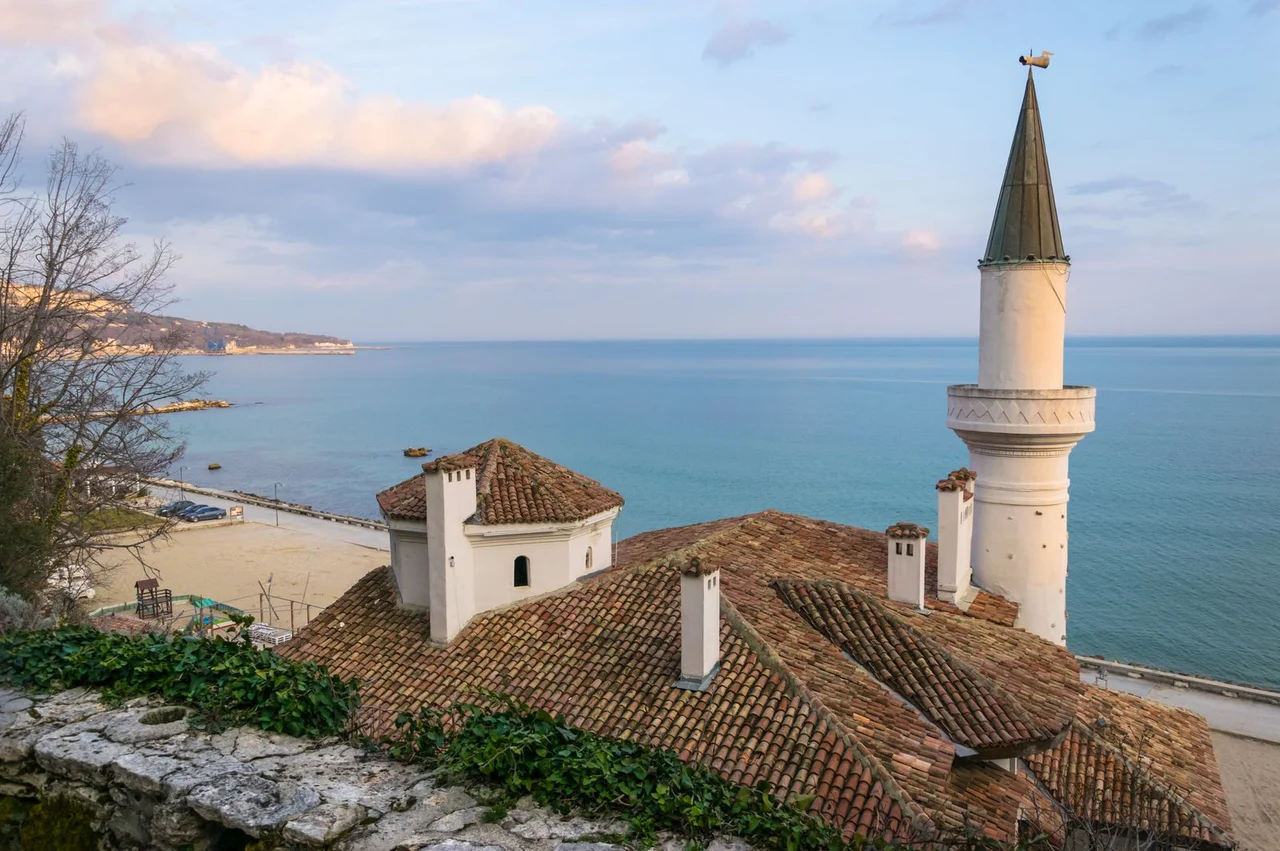 ComparisonCitizenship of Bulgaria or Romania: what to choose for an EU passport
 AnalysisWhat is due diligence and why the Caribbean is rejecting applications
Personal programme selection is conducted by Anna Kovalevskaya, Head of Legal, BRIDGES.
Buying property in Bulgaria: what to check
Title, encumbrances, outstanding debts and what to look for in the contract.