Updated: June 2026

Case study · Bulgaria · Citizenship

How a Child Born During Repatriation WasIncluded in Bulgarian Citizenship

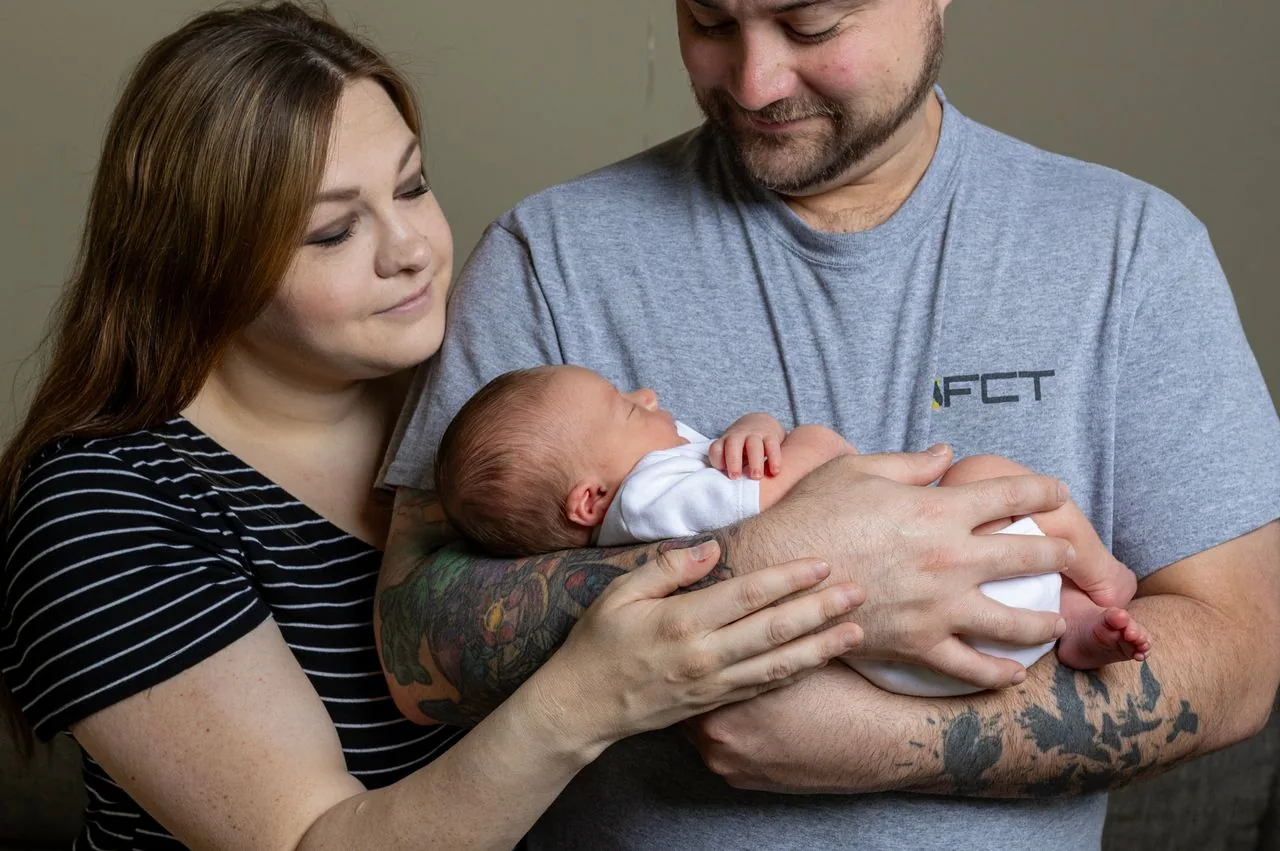
Citizenship by descent is not a quick process, and life continues: our family had a child born during the procedure. A natural question arose - what about the baby, given he was born after the application was filed. Good news: the child can be included. This is a straightforward case about how the process was adapted for this joyful event. We explain how the newborn obtained an EU passport together with his parents.

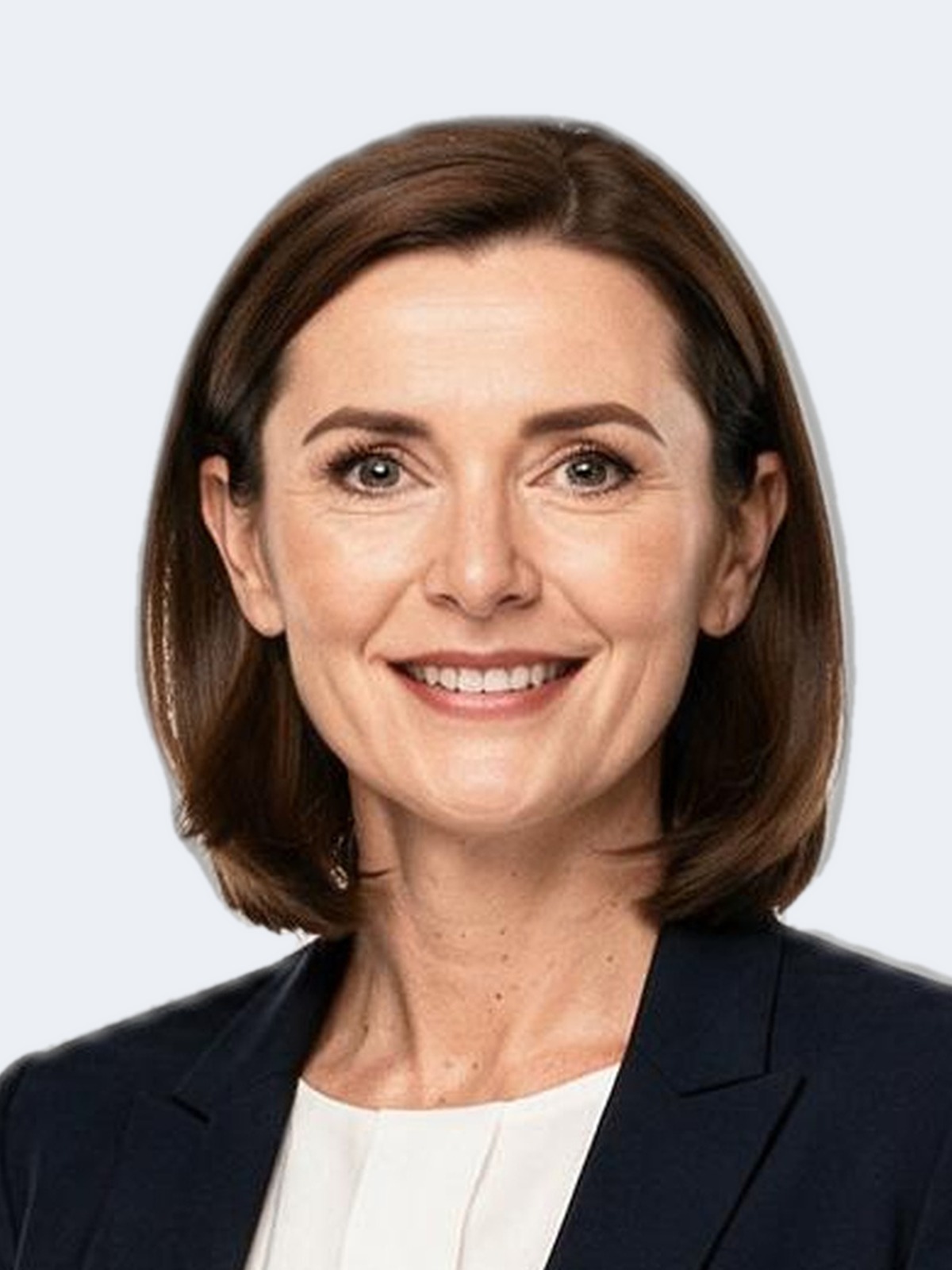
Anna KovalevskayaAnna KovalevskayaHead of Legal, BRIDGESReading time8 min readVerificationReviewed by an expert

This case is based on a real matter. The name and certain identifying details have been changed to protect confidentiality.

BRIDGES client story - How a Child Born During Repatriation Was Included in Bulgarian Citizenship
Contents

Case at a glance

Situation, solution and outcome in seven lines

Client
Family undergoing repatriation, expecting a child
Objective
Bulgarian citizenship for the entire family, including the newborn
Program
Bulgaria, citizenship by descent (Bulgarian roots, EU passport)
Key Considerations
child was born during the procedure
Solution Key
inclusion of the newborn in the ongoing procedure
Resolution
process the child's documents and add to the application
Outcome
EU passport for the entire family, including the child

Client story

Client's Story

Where they started

The family was obtaining Bulgarian citizenship by descent - the pathway to an EU passport through Bulgarian roots. This type of procedure takes time, and while it was underway, a joyful event occurred in the family: a child was born.

Why the standard route did not work

Along with the joy came a practical question. The parents filed the application when the baby did not yet exist, and now there is a new family member. The parents worried: would it turn out that they become EU citizens while the child is left behind and would need to be processed separately, from scratch, and for a long time.

What BRIDGES had to solve

In reality, the situation was solvable and not uncommon. A child born during the repatriation process can be included in the ongoing procedure: process his documents and add him to the family so that he obtains citizenship together with his parents, rather than through a separate lengthy process.

Why a standard answer would not do

The family came to BRIDGES to handle this carefully: prepare the newborn's documents and integrate him into the ongoing process so that in the end, an EU passport would be obtained by all, including the baby.

We were obtaining Bulgarian citizenship, and while everything was underway, we had a baby. We were immediately worried: we would become EU citizens, but what about the child? Would everything need to be redone separately for him? Anna reassured us: the newborn could be included in the ongoing process. We processed his documents, added him to our application. In the end, all three of us obtained EU passports. It's nice when a joyful event doesn't turn into bureaucratic headache.


Elena · Young ParentsThe name and certain identifying details have been changed to protect confidentiality.

What Was Important to Consider

What Was Important to Consider

There was no threat here - there was understandable concern that the newborn would fall out of the process, having been born after the application was filed. If the child were not included in the ongoing procedure, he would have to be processed separately and from scratch. The key was to timely prepare the baby's documents and integrate him into the family process, rather than postpone it.

that the child was born during the procedure, after the parents' application was filed;

  1. 01the possibility of including the newborn in the ongoing process;
  2. 02processing the child's documents (birth certificate, relationship to parents);
  3. 03timely addition of the child to the family application;
  4. 04so that the child obtains citizenship together with his parents, not separately.

The logic of the solution

How the matter progressed: from checks to result

The chart is built from the facts of this matter and shows the logic of the work without decorative or unverified data.

  1. 01
    Stage 1

    Alleviated parental concerns. First, we reassured the family: a child born during the process does not permanently fall out of it—he can be included. This transformed the situation from "everything anew for the child" to "calmly adding him to the process."

  2. 02
    Stage 2

    Prepared the newborn's documentation. We prepared the child's documents—birth certificate and proof of parentage—necessary to add him to the family application. The child's documentation was prepared methodically and in a timely manner.

  3. 03
    Stage 3

    Established the procedure for inclusion in the ongoing process. We determined the exact method to integrate the newborn into the parents' already-ongoing procedure, ensuring he would be processed together with them, not through a separate pathway.

  4. 04
    Stage 4

    Added the child to the family application. We timely included the child in the process by linking him to the parents' application. The family was processed as a single unit, including the new family member.

  5. 05
    Stage 5

    Conducted proceedings for the entire family. The procedure then proceeded for all three: both parents and child. This joyful event did not disrupt the family's status but was integrated into the overall path to EU citizenship.

Takeaway. Conclusion: A child born during the repatriation process is included in the ongoing procedure, not processed anew. Timely preparation of his documents ensures EU passports for the entire family simultaneously.

How we handled the case

How we handled the case

The work was split into verifiable stages so that every conclusion rested on documents.

  1. 01

    Stage 1

    Alleviated parental concerns. First, we reassured the family: a child born during the process does not permanently fall out of it—he can be included. This transformed the situation from "everything anew for the child" to "calmly adding him to the process."

  2. 02

    Stage 2

    Prepared the newborn's documentation. We prepared the child's documents—birth certificate and proof of parentage—necessary to add him to the family application. The child's documentation was prepared methodically and in a timely manner.

  3. 03

    Stage 3

    Established the procedure for inclusion in the ongoing process. We determined the exact method to integrate the newborn into the parents' already-ongoing procedure, ensuring he would be processed together with them, not through a separate pathway.

  4. 04

    Stage 4

    Added the child to the family application. We timely included the child in the process by linking him to the parents' application. The family was processed as a single unit, including the new family member.

  5. 05

    Stage 5

    Conducted proceedings for the entire family. The procedure then proceeded for all three: both parents and child. This joyful event did not disrupt the family's status but was integrated into the overall path to EU citizenship.

  6. 06

    Stage 6

    Obtained EU passports for the entire family. As a result, Bulgarian citizenship and EU passports were granted to all—parents and the child born during the process. The child became an EU citizen together with his parents, without separate lengthy processing.

Expert comment

Citizenship by descent processing is not instantaneous, and during this time, families experience various events, including the most joyful—the birth of children. Parents almost always become concerned: we submitted the application before the child was born, now he will be left without status, we'll have to do everything separately and anew. I reassure them immediately: a child born during the process can be included in the ongoing procedure. The key is to timely prepare his documents and add him to the family application without postponement. With this family, we did exactly that: prepared the newborn's documentation, integrated him into the parents' process, and all three received EU passports. I particularly appreciate such cases—when a joyful family event does not become a bureaucratic problem but is simply carefully integrated into the overall pathway. Children born during the process are not an obstacle; they are included along with everyone else.

Anna Kovalevskaya, Head of Legal, BRIDGESAnna KovalevskayaHead of Legal, BRIDGES

Outcome

What the client received

Requirements
Action Taken · Outcome
Prevent child's exclusion from process
Inclusion in ongoing procedure · Child processed with parents
Newborn's documentation
Birth registration and proof of descent · Documentation foundation for inclusion
Unified family status
Addition to parents' application · Family processed as single unit
EU passports for all
Proceedings for all three · Citizenship for entire family
EU passports for all
Proceedings for all three · Citizenship for entire family

Situation: A child was born to the family during Bulgarian citizenship processing, and parents feared the newborn would need separate processing. Actions taken: Alleviated parental concerns; prepared the newborn's documents; established the inclusion procedure in the ongoing process; added the child to the family application; conducted proceedings for the entire family; obtained EU passports for all. Family outcome: Bulgarian citizenship and EU passports for all, including the child.

Practical takeaway

What matters in a similar situation

  • Conclusion: A child born during the repatriation process is included in the ongoing procedure, not processed anew. Timely preparation of his documents ensures EU passports for the entire family simultaneously.
  • The newborn became an EU citizen together with his parents—because we timely prepared his documents and integrated him into the ongoing process, transforming a joyful event into a seamless pathway rather than a separate lengthy procedure.

FAQ

Questions people ask in a similar situation

01What should be done if a child is born during citizenship processing?

The child can be included in the ongoing procedure rather than processed separately and anew. It is necessary to timely prepare the newborn's documents and add him to the family application.

02Will we have to process the child from scratch?

If the newborn is included in the ongoing process in a timely manner, a separate lengthy procedure will not be required. The child is processed together with the parents and obtains citizenship with them.

03What documents are needed for a newborn?

Birth certificates and proof of relationship with parents, necessary to add the child to the family application. The specific list should be clarified with the authorized body.

04Will the child receive an EU passport together with the parents?

Yes, if included in the process in a timely manner, the child obtains Bulgarian citizenship and an EU passport together with the parents, without any gap in the family's status.

05Does the birth of a child affect the parents' process?

By itself—no, it simply integrates into the overall pathway. The key is to add the newborn in time so that the family is processed as a single unit.

06Are you expecting a child during the citizenship process?

We will prepare the newborn's documents and include them in the ongoing repatriation process in time—so that this joyful event does not result in a separate lengthy procedure, and the entire family receives an EU passport at once.

About the author

Anna Kovalevskaya

Author: Anna Kovalevskaya

Head of Legal, BRIDGES

I have worked with citizenship and residency matters in European countries for 12 years. Programme requirements and application practices change, so I assess each matter against the current rules, the applicant's immigration history, family composition and the documents supporting the legal basis for the application.

I lead matters from the preliminary assessment through to the grant of status. In complex situations, I identify the circumstances that may affect the review, establish the legal logic of the application and oversee the consistency of the supporting documents at every stage.

During the consultation, you will receive an assessment of the available legal grounds, a clear understanding of the chosen route and a list of issues that should be resolved before filing. Once the engagement begins, I oversee the application and the key decisions of the BRIDGES team.

Prepared on the basis of BRIDGES practice and reviewed by a subject-matter expert.

Discuss your situation with Anna

We will review your situation and propose a solution

Describe your task in a few words. We will study your situation, assess the legal and practical options and propose the next step based on your goals, documents and country.

Confidential · no obligations · answered by the relevant specialist

Or message us on WhatsApp or Telegram

Anna KovalevskayaHead of Legal, BRIDGES
Anna Kovalevskaya, Head of Legal, BRIDGES

Names and certain details have been changed to protect client confidentiality. The result described reflects one specific situation and is neither a public offer nor a guarantee of a similar outcome. Programme terms are stated as of 2026 and may change - please confirm current parameters with a BRIDGES consultant.