Residency · Bulgaria
Bulgarian residence permit in 2026: reasons, how to get it, for Russians
Updated: June 2026·12 min read·Expert reviewed
Terms and costs verified: June 2026
Contents
Who this is for. This article is written for citizens of Russia. Visa, banking, sanctions and dual citizenship rules depend on your passport: for other nationalities they may differ.
A Bulgarian residence permit is not one program, but a set of legal grounds, each of which requires its own set of documents and its own logic. Since 2025, Bulgaria has been a full member of Schengen, and from 01/01/2026 the country entered the eurozone and switched to the euro. Let’s look point by point: what grounds for a residence permit in Bulgaria actually work, what a residence permit gives, how to obtain a residence permit in Bulgaria for a Russian through a D visa, and why buying real estate in itself does not give a residence permit.
What is a residence permit in Bulgaria and what does it give?
The Bulgarian residence permit is called a long-term residence permit in local law. This is a status that allows a non-EU foreigner to stay in the country longer than the visa requirement of 90 days - legally, with the right to live at a Bulgarian address, open accounts, register children for school and use the infrastructure of an EU country.
What does a residence permit in Bulgaria give in practice:
- the right to legally live in Bulgaria all year round without regard to the 90/180 limit;
- free travel within Schengen up to 90 days every 180 (since 2025, Bulgaria is a full member of the Schengen zone);
- the ability to transport family for reunification;
- access to the Bulgarian banking system and low taxes (flat income tax rate - 10%, one of the lowest in the EU);
- the main thing is the start of the period, which after 5 years leads to permanent residence and the status of a long-term resident of the EU.
It is important to separate the two concepts from the very beginning. A residence permit is the right to live in the country. EU citizenship is a passport. In between lie years of legal residence and naturalization. Therefore, a residence permit should be considered as a foundation, and not as a finish line.
Grounds for residence permit in Bulgaria: general map
The key principle of the Bulgarian system: a residence permit is not issued simply for the desire to move or for the money in the account. Each residence permit requires a specific legal basis - the reason why the state agrees to give you long-term status. There are several reasons, and it is important to choose the one that suits your situation from the very beginning.
The most working reasons for a residence permit in Bulgaria in 2026:
- representative office of a foreign company - registration of a representative office in the Bulgarian Chamber of Commerce and Industry (BCCI);
- pensioners - stable income or pension plus housing in Bulgaria;
- family reunion - to a spouse or close relative with Bulgarian status;
- Job - under an employment contract with a Bulgarian employer or as a posted employee;
- studies - full-time study at a Bulgarian university.
There are other, narrower grounds (for example, for people of Bulgarian descent through kinship). But for most applicants from the CIS the choice is between these five. Let's look at each below.
Table of reasons: for whom and what is needed
To make it easier to navigate, we have collected the main reasons in one table - who is suitable and what is needed at the start.
| Base | For whom | What do you need |
|---|---|---|
| Representative office of the company (BCCI) | Owners and managers of real foreign businesses | Registration of a representative office with the BCCI, documents on the company’s activities, up to 3 representatives per representative office |
| Pensioners | Pension recipients (by age, length of service, disability, etc.) | Pension certificate, certificate of payments, stable income, housing in Bulgaria |
| Family reunion | Spouses and children of Bulgarian residents or citizens | Documents on kinship, status of the inviter, housing, funds |
| Job | Hired specialists | Employment contract, work permit or single permit, employer invitation |
| Studies | Full-time students | Enrollment in a Bulgarian university, tuition fees, living expenses |
The table is a map of directions, not a ready-made checklist. The exact package of documents depends on the specific basis, the country of issue of the papers and the year of submission: the lists change periodically.
Representation of the company in the BCCI
One of the most popular reasons for entrepreneurs from the CIS is the opening of a representative office of a foreign company in the Bulgarian Chamber of Commerce and Industry (BCCI). The logic is simple: your foreign company opens an official representative office in Bulgaria, and you, as its representative, receive the right to long-term residence.
Key features of this path:
- a representative office is not a separate commercial company, but the official presence of your company in the country; it does not trade independently in Bulgaria;
- For one representative office you can obtain status for several representatives (approximately up to three people - check the current limit);
- the company abroad must be real and operating: documents about its activities and finances will be needed;
- there is no need to hire a large staff or make a large investment - this distinguishes the foundation from investor programs.
After registering a representative office with the BCCI, you receive an extract and a decision of the chamber, apply for a D visa on this basis, and already in Bulgaria - a residence permit card. For active businessmen, this is a clear and time-tested route.
Residence permit for pensioners
A separate and very popular basis is for pensioners. Bulgaria has long been popular with people who want to live quietly by the sea in an EU country with a mild climate and affordable prices. This basis applies not only to old-age pensioners, but also to recipients of pensions for long service, disability and other legal reasons in the country of origin.
What a retiree usually needs:
- pension certificate and certificate of payments for the last few months;
- confirmation of a stable income, which is enough to live in Bulgaria;
- housing in the country - owned or long-term leased;
- medical insurance and a standard package of personal documents.
An important subtlety: the mere presence of an apartment in Bulgaria does not turn you into a resident. Real estate here plays the role of confirming housing for a pensioner, and the legal motive for a residence permit is precisely pension status and income. A detailed analysis of this path is in the material Bulgarian residence permit for pensioners.
We will find the right basis for residency in Bulgaria
We calculate the budget and timing for your family and list the documents you need.
Family reunion
If you have a close relative with Bulgarian citizenship or with an already issued Bulgarian residence permit/permanent residence permit, the basis for family reunification opens. This is one of the most humane routes: the state recognizes the right of the family to live together.
Who can usually come for a reunion:
- spouse of a resident or citizen of Bulgaria;
- minor children;
- in some cases - children under a certain age and other close dependent relatives.
For example, if one of the spouses has already received a residence permit as a pensioner, the second spouse and children can often join him through family reunification. Documents about status, housing and sufficient funds will be required from the inviting party, and documents confirming kinship (marriage and birth certificates) will be required from visitors.
This basis is convenient in that it is built on top of an already obtained residence permit for one of the family members and allows you to transport your loved ones legally and officially.
Work and study
Two more classic reasons for a residence permit in Bulgaria are employment and training. They are suitable for those who have a specific connection to the country in the form of an employer or university.
Job. A residence permit for work is issued when a Bulgarian company is ready to officially hire you. Here you usually need an employment contract and a work permit (or a single permit combining the right to work and stay). This basis is logical for specialists who are invited by a specific employer, as well as for seconded employees.
Studies. Full-time students of Bulgarian universities receive a residence permit for the period of study. You will need enrollment documents, proof of tuition fees and living expenses. A study residence permit is a convenient start for young people: years of study add up to the total period of legal residence, which then brings them closer to permanent residence.
Both grounds are united by a common rule: the status is tied to the reason for its issuance. If a person quits or completes his studies, the basis disappears, and the residence permit must be rebuilt on another legal basis in advance.
Buying real estate: be about the main myth
This is perhaps the most common misconception about Bulgarian residence permits, and it is important to deal with it . Advertisements often say: buy an apartment by the sea and you will receive a residence permit. In practice, everything is different.
Foreigners (non-EU individuals) can indeed buy apartments and buildings in Bulgaria - this is allowed. There are restrictions on the purchase of land (usually through a legal entity or according to EU rules). But the mere fact of owning real estate does not give a residence permit.
What real estate gives:
- confirms the availability of housing for another reason (for example, for pension);
- strengthens the connection with Bulgaria and is convenient for living;
- remains affordable - one of the lowest in the EU, especially on the Black Sea coast (Burgas, Varna, Nessebar) and in the mountains (Bansko).
But in order to obtain a residence permit, you still need to attach a legal motive to the property: pension, company representation, work, family. Anyone who promises a residence permit simply for buying an apartment is misleading. Bulgaria officially abandoned investment citizenship (golden passports) back in 2022 - there are no quick cash shortcuts here.
“The main fork in Bulgaria is decided in the first five minutes of conversation. I always ask the client: are there any Bulgarians in the family - father, mother, grandfather, grandmother on any line? If so, we are not talking about a residence permit, but about citizenship by origin: this is an EU passport without a residence requirement, without a language and without renouncing previous citizenship. If there are no roots, we build a ladder through the residence permit. And here the most common mistake people make is the same: they come with an already purchased apartment by the sea and sincerely believe that this is the basis for a residence permit. This is not true, and it is important to be . Real estate confirms housing, but the legal motive - pension, company representation, family, work - is needed separately. I advise you not to chase promises of quick results for money: Bulgaria has abolished golden passports, and stable status is always based on a real basis and clean documents. Then, after five years, permanent residence can be easily opened, followed by citizenship.”
Visa D: the first step to a residence permit
Whatever basis you choose, the path almost always starts the same - with a long-term visa D. This is an entry visa for a long stay, which is issued at the Bulgarian consulate in the country of residence.
How it works step by step:
- you prepare documents for a specific reason (representation, pension, family, work, study);
- apply for a D visa at the Bulgarian consulate;
- Once your D visa is approved, you enter Bulgaria;
- already on the spot you submit documents for a residence permit card to the migration service.
The timing is approximate and depends on the workload of the consulate: a D visa is often issued within about a month and a half, and the residence permit card itself - within about two weeks after submission on the spot. It is better to check the exact dates for a specific year and consulate.
Visa D is not a tourist Schengen visa, but an entry permit for a future long-term status. Without it, it is impossible to proceed to a residence permit in most cases. Read more in the material D visa to Bulgaria.
Extension of residence permit and transition to permanent residence
A Bulgarian residence permit is not a one-time document for many years, but a status that needs to be maintained. The standard picture looks like this: the first residence permit is usually issued for a year, and then renewed annually while maintaining the basis.
With each renewal, it is important to confirm that the basis is still valid: the representative office exists, the pension is paid, the employment contract is valid, studies continue. The length of actual stay is also important - long absences from the country can complicate both the extension and the future transition to permanent residence.
After five years of legal residence with a residence permit, the door to a more stable status opens:
- Bulgarian permanent residence - permanent residence, which does not need to be renewed annually;
- EU long-term resident status - gives expanded rights, including easier relocation to other countries of the Union according to EU rules.
The logic is built like a ladder: visa D - residence permit with annual renewal - permanent residence after 5 years - long-term EU resident. Each step makes the status more stable. Detailed analysis - in the material Bulgarian permanent residence.
Which basis to choose: briefly by situation
When there are several reasons, the choice depends on your life situation. Let's collect the clues into a simple guide.
- Do you have an existing business abroad? - look towards representation in the BCCI: it does not require a large staff and large investments.
- Are you retired? - basis for pensioners: stable income plus housing in Bulgaria, one of the quietest routes.
- In Bulgaria there is already a close relative with the status - family reunion.
- A Bulgarian company is ready to hire you - Residence permit for work.
- Are you planning to study? - student residence permit, which then goes into the general length of residence.
Often several reasons are combined: one spouse goes for retirement, the second for family reunification; The entrepreneur sets up a representative office and assigns children to the family. The right combination saves time and reduces the risk of failure.
If you want the basis to be selected for your specific situation and the correct package of documents to be collected the first time - leave a request and we will look into your case.
Bulgarian residence permit for Russians: what is important to know
For citizens of Russia and other CIS countries, a Bulgarian residence permit is completely legal and is issued according to general EU rules. Bulgaria is traditionally popular among Russians: real estate on the sea, an EU passport by roots as a long-term goal and convenient grounds for retirees.
What an applicant from the Russian Federation should pay attention to:
- everything is strictly within the framework of EU law, without circumventing sanctions; compliance has been strengthened, banks carefully check the source of funds - you need to be prepared for this;
- Russia allows a second citizenship and a second residence permit, but the presence of a foreign residence permit/citizenship must be notified to the Ministry of Internal Affairs of the Russian Federation within a specified period (approximately about 60 days) - this is a technical but mandatory formality;
- after 2022, the regime for issuing visas and entry for Russians has become more stringent; This also applies to Schengen trips - it’s worth planning logistics in advance.
The main thing is not to look for workarounds, but to follow a transparent basis with clean documents. It is this path that gives a stable status, which then leads to permanent residence. A separate analysis of the nuances is in the material Bulgarian residence permit for Russians.
From residence permit to EU citizenship
A residence permit is the beginning of a journey, not its end. For those who think years ahead, it is important to see the entire staircase up to the EU passport.
The standard route through residence looks like this: residence permit with annual renewal - permanent residence after 5 years - then, if the qualifications and conditions are met, an application for citizenship by naturalization. Naturalization is a long journey: you need stable legal residence, knowledge of the Bulgarian language, legal income and a clean history. This is a but slow route.
There is also a fundamentally different, much faster way to an EU passport - Bulgarian citizenship by descent. If among your ancestors (father, mother, grandfather, grandmother and further on your father’s or mother’s side) there were Bulgarians, you can apply for citizenship by roots - without a residence qualification, without a language exam and without renouncing your previous citizenship. This is the most valuable script, and if you have Bulgarian roots, this is where you should start.
The program page will help you compare paths and understand what really suits you Bulgarian citizenship and material about naturalization in Bulgaria.
An expert's view: where mistakes are most often made
Based on hundreds of requests, we can identify several typical mistakes due to which people lose time and money when applying for a residence permit in Bulgaria. We analyze them so that you do not repeat them.
- Bet on real estate as the basis. The most common mistake is to buy an apartment with the expectation of an automatic residence permit. You still need a legal motive for real estate, otherwise the status will not be given.
- Weak foundation. Representation without real activity of the company, pension without confirmed income - such grounds fall apart during verification.
- Absences from the country. A long absence from Bulgaria complicates the renewal of a residence permit and throws off the countdown to permanent residence.
- The documents are in disarray. Unstitched papers, incorrect translations, apostilles in the wrong places are common causes of delays.
A separate topic is compliance and the source of funds. For applicants from the CIS, banks and authorities are looking closely at this, and having a history of the origin of the money prepared in advance saves months. All dates in this article are approximate: migration rules and lists of documents in Bulgaria are periodically updated, so they should be checked for a specific year.
We will send a document checklist for your case
Leave your details: we will put together documents and timelines for your family.
Bottom line: where to start
A residence permit in Bulgaria is a transparent and legal way to gain a foothold in an EU country, which has been part of Schengen since 2025, and the eurozone since 2026. The main thing is to choose the right foundation and go through the path without workarounds.
Short action plan:
- determine your basis: company representation, pension, family, work or study;
- check if you have Bulgarian roots - then you should immediately think about citizenship by origin, and not just about a residence permit;
- collect the necessary documents and apply for a D visa at the consulate;
- enter Bulgaria and receive a residence permit card, then an annual renewal;
- after 5 years, switch to permanent residence and long-term EU resident status.
The most expensive mistake is starting from the wrong foundation and losing a year. To pass the path the first time, leave a request: we will select the basis for your situation, check the documents and guide you through all the stages - from visa D to permanent residence and, if you have roots, to an EU passport.
Frequently asked
Questions people ask before deciding
01What is a residence permit in Bulgaria in simple words?
This long-term residence permit is a status that allows a non-EU foreigner to legally live in Bulgaria for longer than the 90 days visa requirement, at a Bulgarian address, with the right to extend the status and eventually move on to permanent residence.
02What are the grounds for a residence permit in Bulgaria?
Main reasons: representation of a foreign company in the BCCI, pensioners (income plus housing), family reunification, contract work and full-time study at a university. There are also narrower grounds, including for persons of Bulgarian origin.
03Does buying real estate give you a residence permit in Bulgaria?
No. The purchase of an apartment or house in itself does not provide a residence permit. Real estate confirms the availability of housing for another reason (for example, pension), but the legal motive for a residence permit is needed separately.
04How can a Russian citizen obtain a Bulgarian residence permit?
The general path: choose a legal basis, apply for a D visa at the Bulgarian consulate, enter the country and submit documents for a residence permit card to the migration service. Everything is strictly within the framework of EU law, with enhanced verification of the source of funds.
05What is a D visa and why is it needed?
Visa D is a long-term entry visa, which almost always begins with the registration of a residence permit. They receive it at the Bulgarian consulate for a specific reason, after which they enter Bulgaria and apply for a residence permit card.
06How long is a residence permit in Bulgaria valid and how often should it be renewed?
The first residence permit is usually issued for a year and is renewed annually while maintaining the basis. After 5 years of legal residence, the path to permanent residence and the status of a long-term resident of the EU opens.
07What does a residence permit give to Bulgaria?
The right to legally live in the country all year round, travel within Schengen for up to 90 days every 180, the opportunity to transport your family, access to banks and low taxes, and most importantly, the start of a period that after 5 years leads to permanent residence.
08Is Bulgarian residence permit suitable for pensioners?
Yes, this is one of the most popular foundations. You need a pension certificate, a certificate of payments, proof of a stable income and housing in Bulgaria. Pensioners are eligible based on age, length of service, disability and other legitimate reasons.
09Is it possible to buy Bulgarian citizenship by investment?
No. Bulgaria officially abolished citizenship by investment (golden passports) in 2022. The investor has no choice but to go through residence permits and permanent residence permits followed by naturalization - this is legal, but slow.
10Do I need to renounce Russian citizenship?
For the residence permit itself - no. Bulgaria allows dual citizenship, and Russia allows a second residence permit and second citizenship, but requires notification to the Ministry of Internal Affairs of the Russian Federation within a specified period (approximately about 60 days).
11How many years does it take to obtain EU citizenship?
Through residence it is a long way: residence permit, after 5 years permanent residence, then naturalization with qualifications, language and income. Much faster - citizenship by origin, if among your ancestors (on your father's or mother's side) there were Bulgarians: without qualifications and language.
12How long does it take to obtain a Bulgarian residence permit?
Dates are approximate. A D visa is often issued in about a month and a half, and a residence permit card in about two weeks after submission on the spot. The exact dates depend on the consulate and the year, they should be checked.
Transparency
How this material was prepared
- Author
- Martina Veber, head of Case Processing, BRIDGES
- Terms and costs last verified
- June 2026
- Sources
- official government authorities of the relevant country and state publications
- Methodology
- government minimum requirements are stated separately from due diligence charges, state fees, legal and banking costs
Sources and methodology
Figures, terms and timelines are checked against official sources as of June 2026. Link availability verified in August 2026. Third-party blogs and agent websites are not used as a source of programme terms.
- [1]Ministry of Interior of BulgariaResidence of foreign nationals and documentswww.mvr.bg/en
Methodology: tables and charts state government minimum investment requirements; due diligence charges, state fees, legal, banking and other costs are calculated separately and are not included in the minimum thresholds.
About the author
Related materials
What to read next
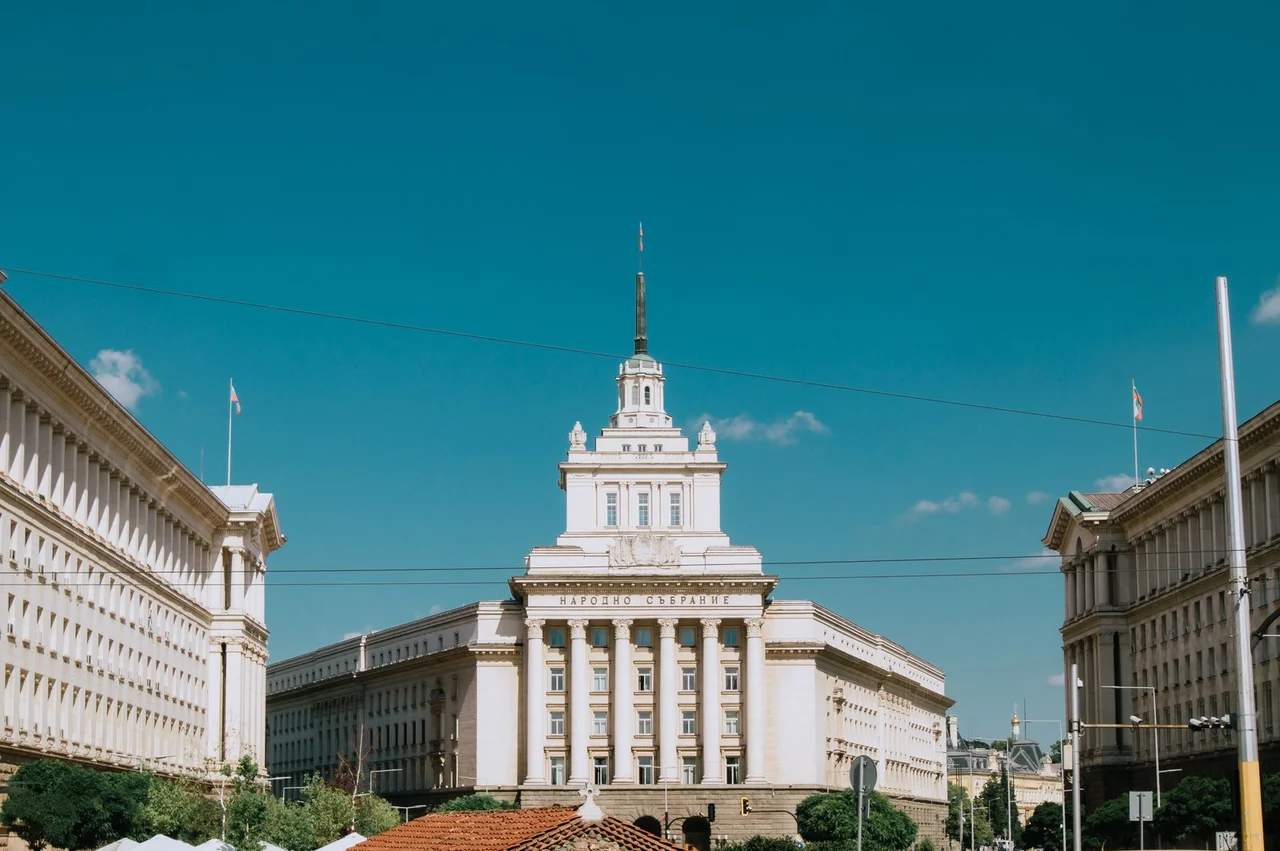 ArticleBulgarian citizenship through investment in 2026: why the program was cancelled and what works instead
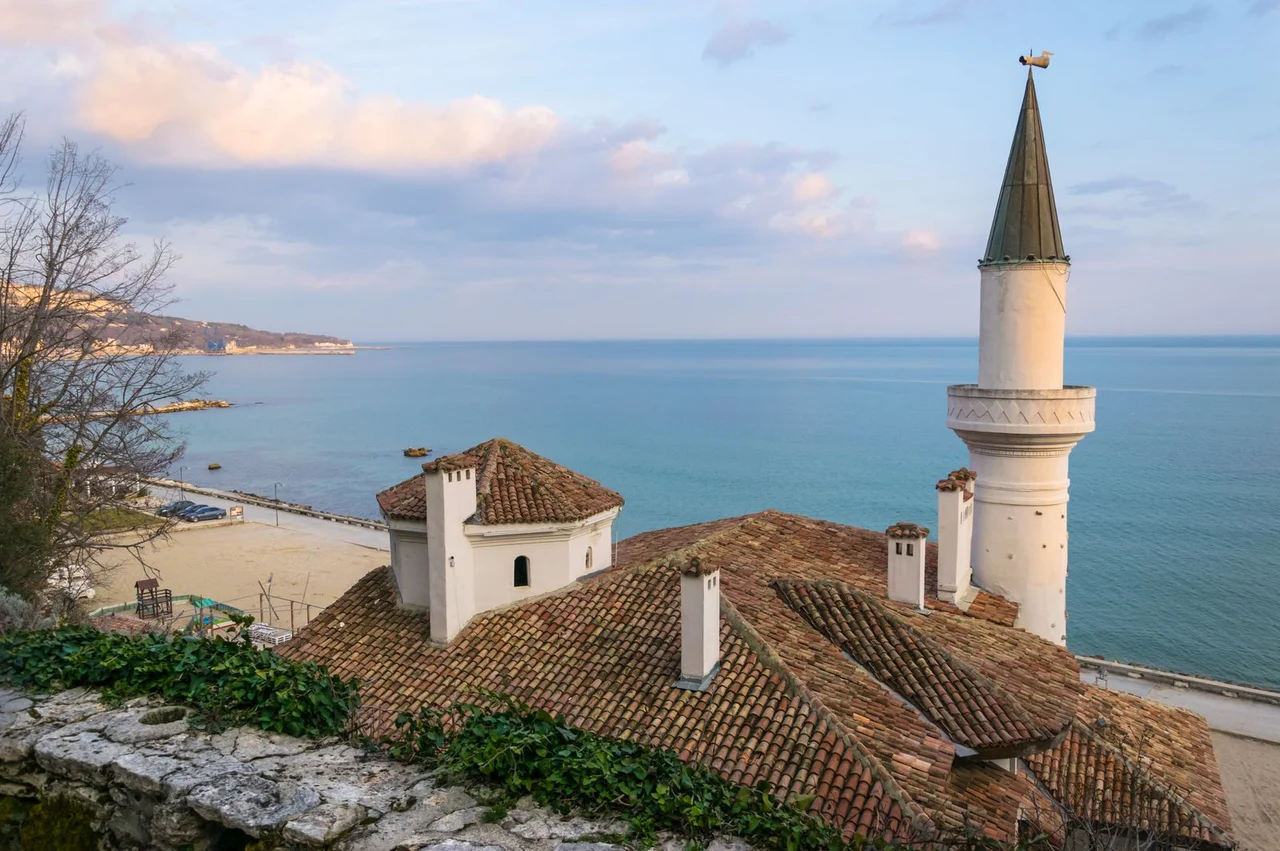 ComparisonCitizenship of Bulgaria or Romania: what to choose for an EU passport
 AnalysisWhat is due diligence and why the Caribbean is rejecting applications
Personal programme selection is conducted by Anna Kovalevskaya, Head of Legal, BRIDGES.
Residency in Bulgaria: timelines and requirements
Grounds, document list, presence requirements and what is needed for renewal.
