Updated
SRV-LS-00
Private capital
Legal structures for capitalprotection and succession
Trusts, private foundations and holding structures solve three problems: separating assets from personal risks, passing capital to heirs by your own rules and holding property in a form banks understand. We start from the task, not from the jurisdiction.
- We design a structure for the task rather than selling “a trust” in the abstract
- We say plainly what the structure will not protect against — before it is signed
- We take it through to a working result: the structure, the account, the rules
01 / The service
Why a legal structure is needed
While assets are registered in your own name they share your fate: they fall under creditors’ claims, are divided on a divorce, form part of the estate and pass to heirs by law rather than by your design. A structure separates the capital from the owner as a person and gives it rules of its own.
Separating assets from personal risks
The property belongs to the structure, not to you personally: personal creditors do not enforce against it directly, and it is not divided on the settlor’s divorce. It works only for claims arising after the transfer.
Succession by your own rules
Distributions follow the trust deed or the foundation charter: to whom, when and on what conditions. With no wills, no forced heirship shares and no disputes between heirs in the courts of several countries.
Consolidating what is scattered
Assets in several countries are gathered under one set of rules instead of a dozen local succession laws that contradict each other.
A form banks understand
A properly built structure opens accounts and takes part in deals. A badly built one becomes the reason for refusals, so the banking question is settled at the design stage.
02 / Situations
When it is time to think about a structure
The tasks people come to us with — the ones a structure solves rather than advice.
Capital of a million and more in several countries
Accounts, portfolios, property and shareholdings scattered across jurisdictions, and the picture has become unmanageable.
A profession or business carrying risk
An entrepreneur, a developer, a doctor, a public figure: protection from future claims is built in advance, not once a claim is filed.
Passing a business to the children
The company has to pass whole and keep working, rather than being broken up between heirs and sold.
A family in several countries
Heirs with different citizenships and residencies: without a structure succession turns into a clash of legal systems.
Conditions for the heirs
Distributions by age, on the birth of children, for education or after a particular event — all of that is written into the rules of the structure.
Preparing for a change of residency
A move changes the tax picture. It makes sense to build the structure before the status changes, not after.
03 / In this section
What we do in this section
From choosing the instrument to a working structure with an account and rules.
Nevis, the Cook Islands, Cyprus, the BVI, the USA, Singapore — with prices and the limits of protection
Private foundationsThe UAE, Liechtenstein, Luxembourg, Austria, Panama, Curaçao, the Seychelles
The ownership structureHow to build the chain of ownership over assets and who takes the decisions in it
Family and successionPassing capital to the next generation without disputes and without breaking it up
Structure and statusTying the structure to the owner’s residency and citizenship
Tax coordinationDeclarations, CFC rules and reporting in a form that can actually be complied with
An international companyA holding, a holding-of-assets or a trading company as a link in the structure
04 / Cost
What the cost depends on
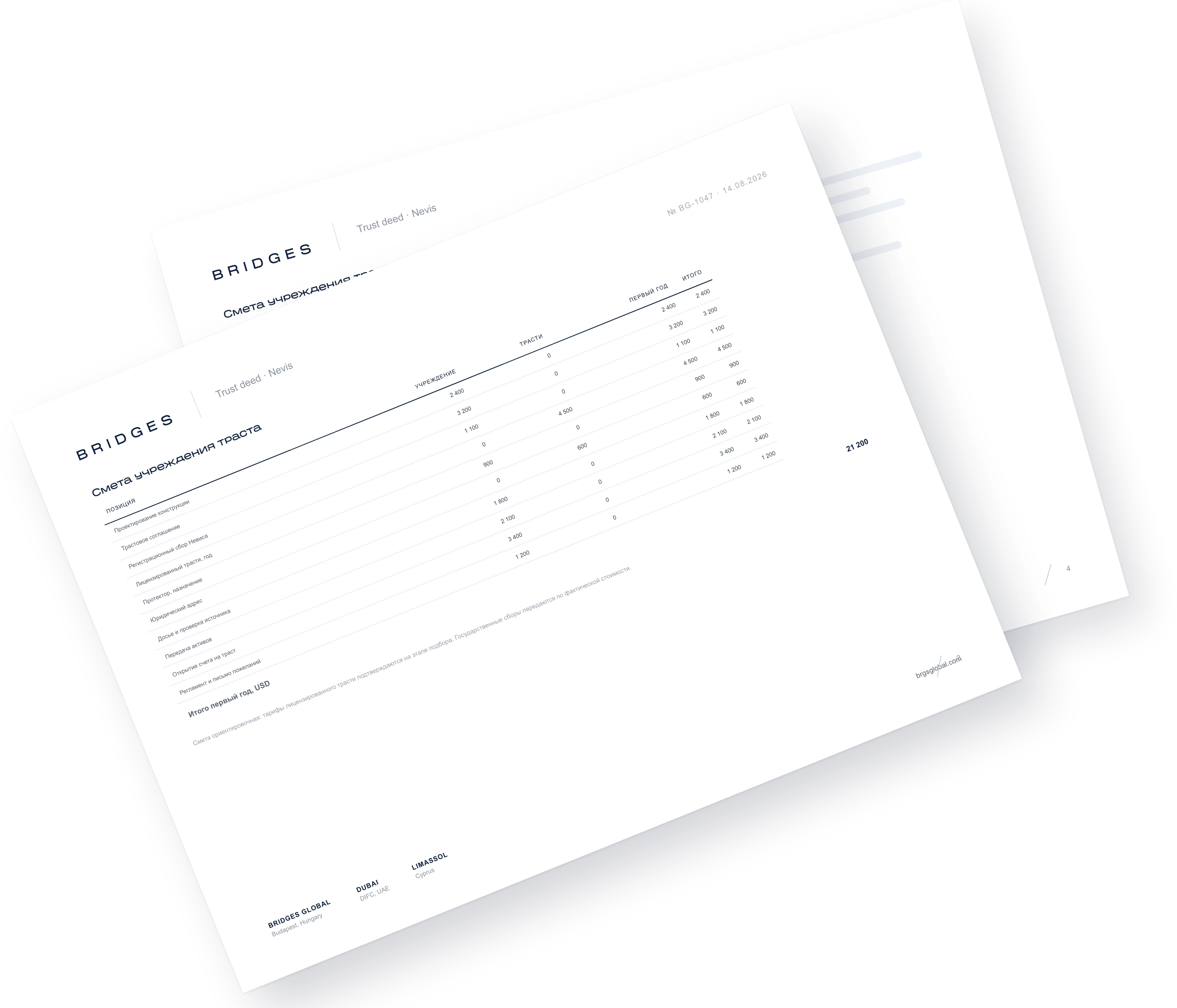
The prices of structures are open: the packages and the running budget are given on each jurisdiction’s page.
The instrument and the jurisdiction
A Seychelles foundation starts at $6,500, a South Dakota trust at $22,000. The difference is not a mark-up but the administrators’ tariffs and the depth of legal protection.
The composition of the assets
Accounts and portfolios transfer simply. Property and company shareholdings need work by lawyers in the countries where they sit.
The number of jurisdictions
Every country where assets sit or heirs live adds a check, a formality and an approval.
The banking question
Opening an account for a structure is a stage of its own with its own volume of file, especially for demanding banks.
The first review of the task comes before the agreement: you know in advance whether a structure is needed at all, which one and what running it will cost.
05 / How it works
How we work
It is the same for trusts and foundations: the difference is only in the documents at the establishment stage.
Going through the task
What is being protected or consolidated, who the beneficiaries are, whether there are current disputes. Here we say plainly if a structure is not needed.
1–2 days
Choosing the instrument and the jurisdiction
A trust or a foundation, which country, how it ties to the owner’s status. We compare the options on your situation, not in theory.
2–4 days
The design
The roles, the rules on distributions, the controller’s powers, the assets to be transferred.
3–5 days
The file and the establishment
The documents on identity and the origin of funds, then the registration of the structure.
3–6 weeks
Transferring the assets and the account
Arranging the transfer of the assets, opening the bank account, the rules for the work that follows.
The timing depends on the jurisdiction and on how ready the documents are. The exact schedule is fixed in the plan of the project.
06 / Team
Who runs the work
A structure is designed by a lawyer together with a tax adviser — otherwise it will not withstand scrutiny.
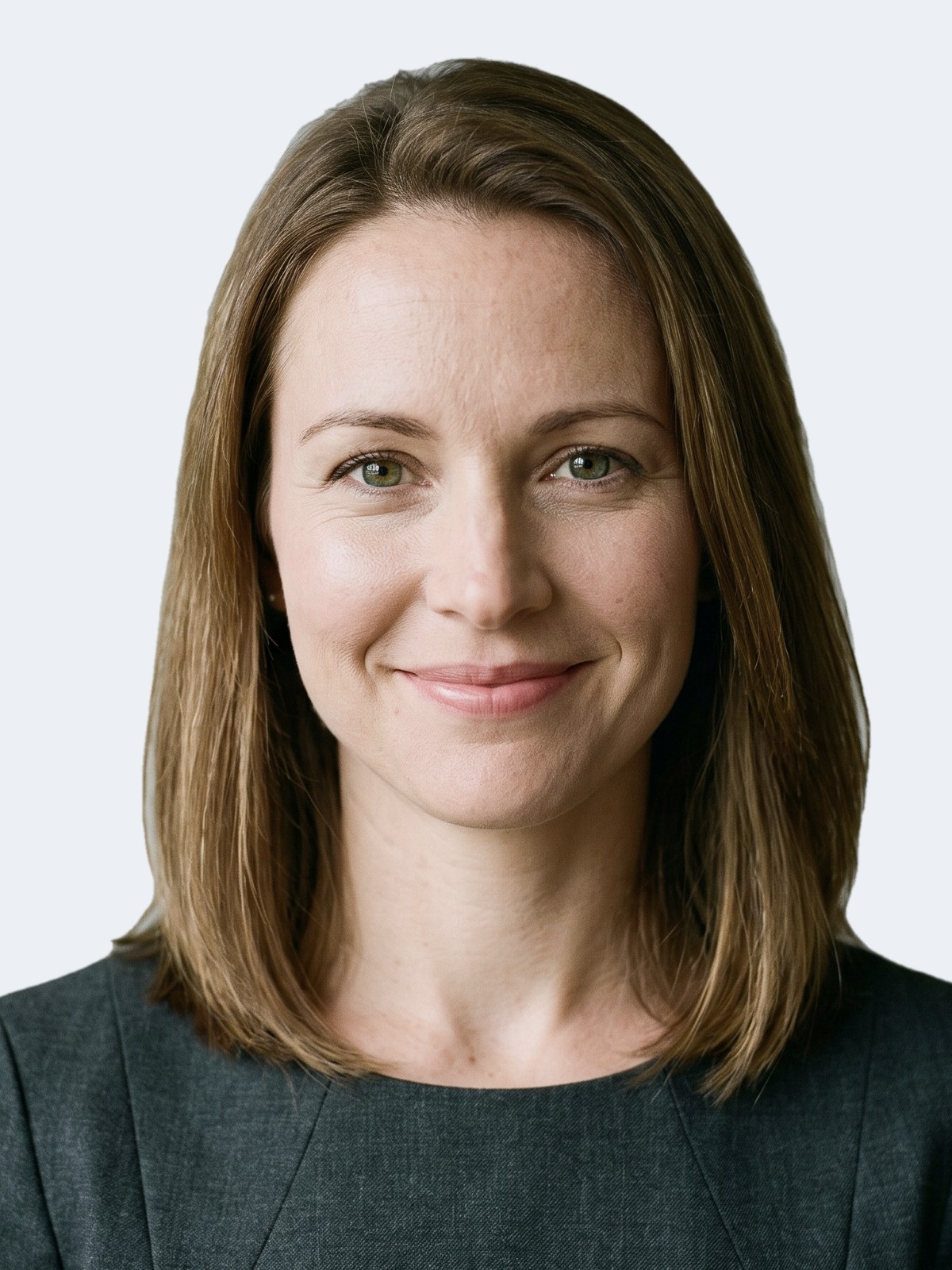 Eva LauriHead of OperationsDesigning the structure, the documents, work with the administrators
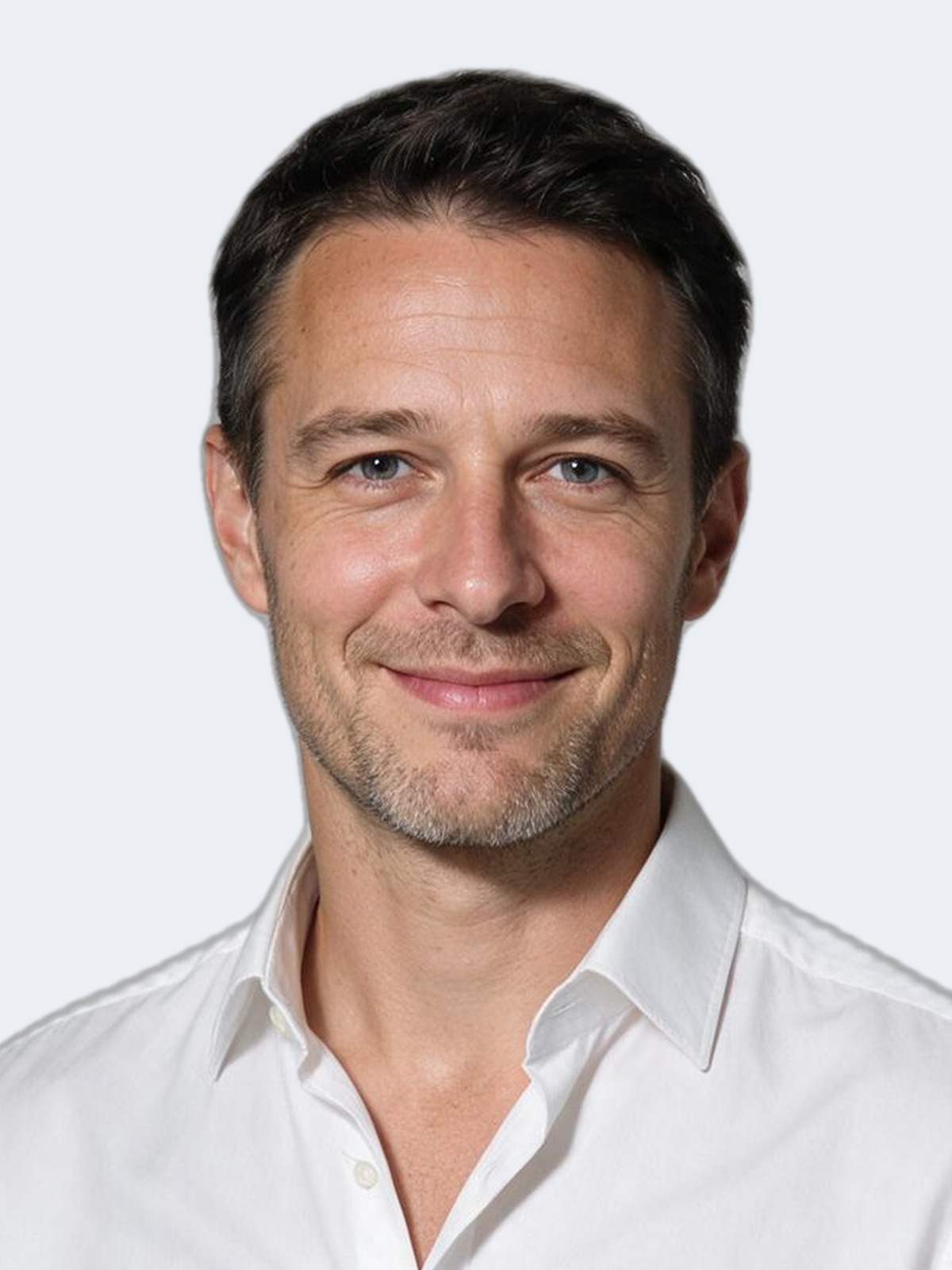 Dmitry NagyInternational Tax ConsultantThe tax side: CFC rules, declarations, the tie to residency
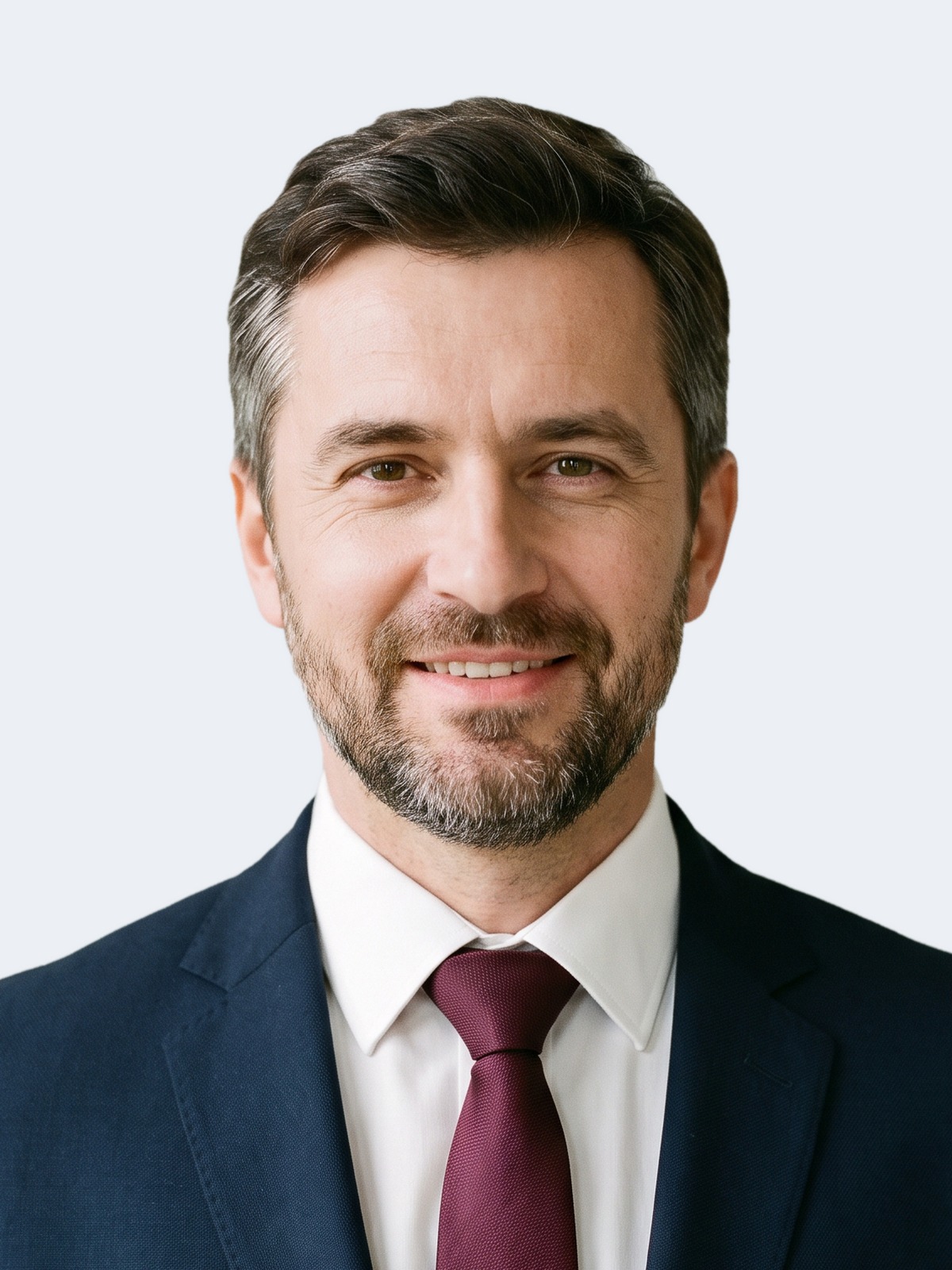 Andres FerreiraHead of Investment AdvisoryStrategy on complex cases and the tie to status programmes
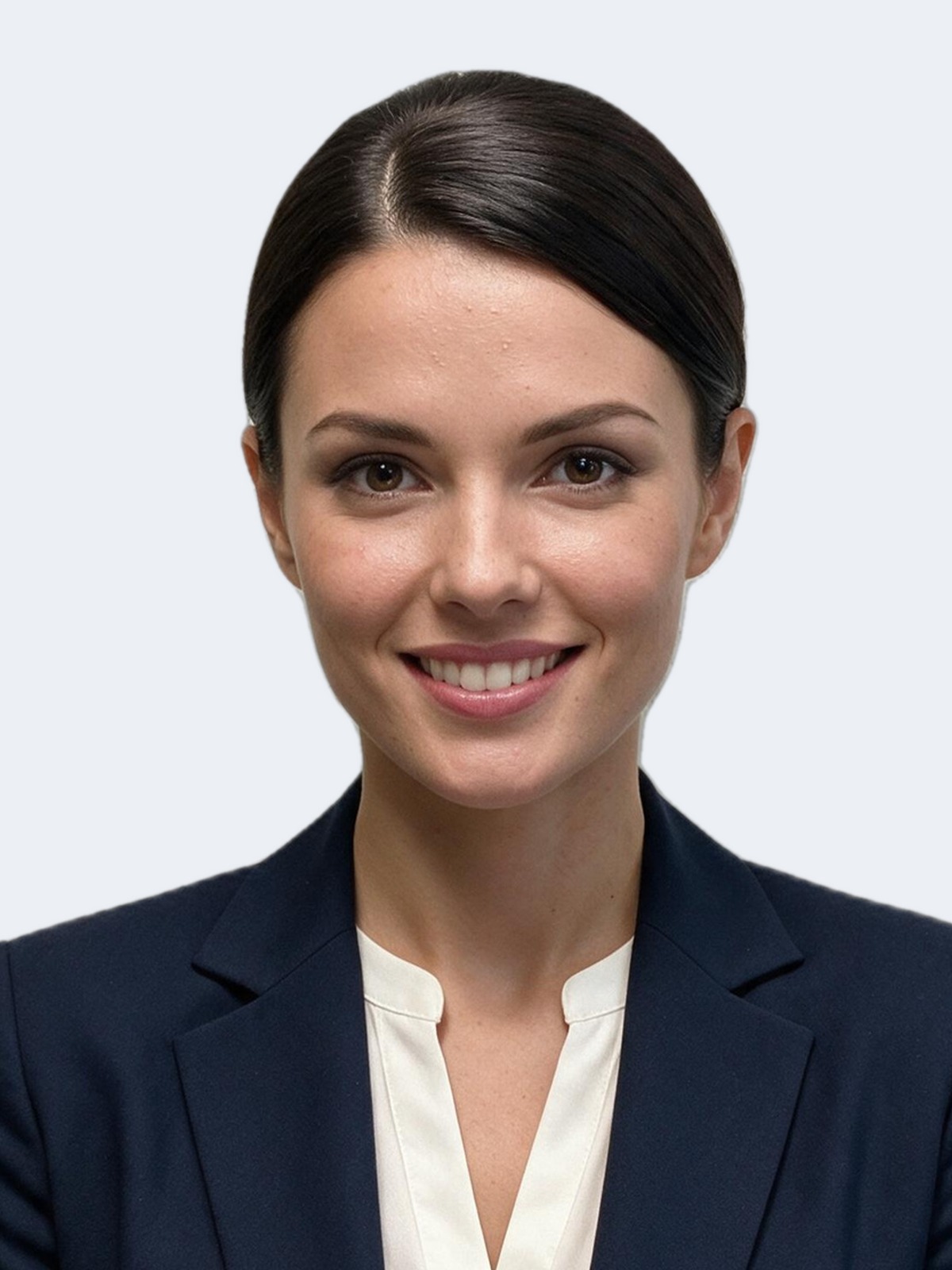 Viktoria LebedevaManaging Director, Private ClientsThe standards of work with the client
07 / Questions
Answers to common questions
A trust is a contractual construct of English law: the trustee owns the assets. A foundation is a legal person with its own charter and organs, and it owns the assets itself. Trusts are stronger in court protection against creditors; foundations are clearer to continental banks and more convenient for holding a business in Europe and the Gulf. The choice is made when the task is gone through.
Yes. Establishing a foreign structure is not prohibited. Obligations arise: notifying the authorities of the participation and the rules on controlled foreign companies. We design the structure so that the reporting can actually be complied with, and we do not work with capital whose origin cannot be evidenced.
No. Sanctions restrictions apply to a person whatever the form in which the assets are held. We check the sanctions profile before the work starts and say plainly if a structure does not solve the problem.
The economic sense appears from about a million: below that threshold the costs of establishing and running it eat the benefit. There are exceptions — where the main task is not protection but passing a business to heirs, for instance.
Legally, yes, and that is the point: the assets stop being your personal property. In practice control is kept through a protector or a guardian and a letter of wishes. A structure where the settlor disposes of everything personally is treated by the courts as a sham — we will not build one of those.
From $3,500 a year for a simple foundation to $23,000 for a family office in Liechtenstein. The exact figures are given on each jurisdiction’s page — we do not hide them behind the word “bespoke”.
Two to four months on average. Going through the task and choosing the instrument, a week; the design, up to a week; the establishment, three to six weeks; opening the account, another three to eight. The longest stage is almost always the banking one, not the registration.
Yes, but it is a separate transaction with its own tax consequences in the country where the property sits: in one place a transfer tax arises, in another a duty on the cadastral value. We work out the cost of such a move before the start — sometimes it is better to leave the property as it is and structure the rest.
Nothing stops — that is the point. The assets belong to the structure, not to you, so they do not form part of the estate and do not wait for probate to finish. Distributions to the beneficiaries go by the rules you wrote in advance.
Calmly, if the structure is transparent and the origin of the funds is evidenced. Problems arise with opaque multi-layered constructs with no economic sense. So we design a structure that can be explained to a bank on a single page.
Yes: the protector can be replaced, the beneficiaries changed, the rules on distributions adjusted, assets added or taken out. The limits of change are set by the constitutional documents, so the flexibility is built in at the design stage.
INITIAL ASSESSMENT
Tell us what outcome your family needs
We will design a solution for your case, choose the country and the right status, and take the whole process through to the result.