Updated
SRV-LS-SS
Legal structures
The structure and the owner’s status the pairing that solves it
One and the same structure works differently depending on whose tax resident you are and which passport you hold. We design the structure and the status together: otherwise you end up with a foundation that cannot be opened, or a company no bank will serve.
- We work out the structure and the residency as one task, not two
- We check the sanctions and country restrictions before designing anything
- We run both lines: the structure and the obtaining of the status
01 / The service
Why structure and status are inseparable
A structure lives in a legal field where restrictions by the owner’s citizenship, the tax rules of their residency and banks’ requirements as to profile all apply. Designing it without regard to the status is like building a house without regard to the ground.
Access to the jurisdiction
Some jurisdictions are closed by the owner’s citizenship: for citizens of Russia and Belarus with no EU residence permit, corporate and trust services in the European Union are limited by the sanctions rules.
Taxes follow residency
The controlled foreign company rules, the declarations, the tax on distributions — all of it is settled by the country of your tax residency, not by where the structure is registered.
The bank looks at the person
Compliance assesses not only the company but the beneficial owner: citizenship, residency, a connection with the country of the structure. Residency in the UAE or the EU widens the list of available banks dramatically.
The pairing strengthens both halves
A UAE foundation together with a resident visa, a Cypriot structure together with tax residency on the island — such combinations give an effect neither half gives on its own.
02 / Situations
When this work is needed
Situations where the structure runs up against the owner’s status.
The jurisdiction you need is closed
You want a structure in Europe, but access is limited by citizenship. The way through is obtaining a status, not getting round the rules.
Banks refuse because of the profile
The structure exists but no account can be opened: the reason lies in the pairing of the owner’s citizenship and residency.
A move is planned
A change of residency changes the tax consequences of the whole structure — it has to be built before the move, not after.
There is already a second passport or residency
The status has been obtained but the structure has not been adapted to it — the possibilities are not being used in full.
Dual tax residency
A situation where two countries both treat you as their resident calls for a separate review and for the treaties to be applied.
The business is entering a new region
Working in the Gulf or Asia often calls not only for a company but for the owner to hold a resident status.
03 / Honest limits
What we do not do
The lines we do not cross.
We do not get round sanctions restrictions
If a jurisdiction is closed by citizenship, we offer lawful alternatives or a path through obtaining a status — not arrangements to get round it through nominees.
We do not arrange fictitious residency
A status with no real presence and no connection with the country falls apart at the first check by a bank or a tax authority.
We do not promise a break with the former residency
Losing tax residency is a question of facts and of a particular country’s law, not of buying a status. We work out honestly whether the change will happen.
We do not sell a status for its own sake
If the task can be solved without a second passport, we will say so: the programmes are expensive and there is no point taking one without need.
That approach saves clients sums comparable to the cost of the programmes themselves.
04 / Scope of work
What the work covers
A single project: both the structure and the status.
Checking the restrictions
First of all: which jurisdictions are available with your citizenship and which sanctions and country filters apply. That settles the whole plan that follows.
The tax model
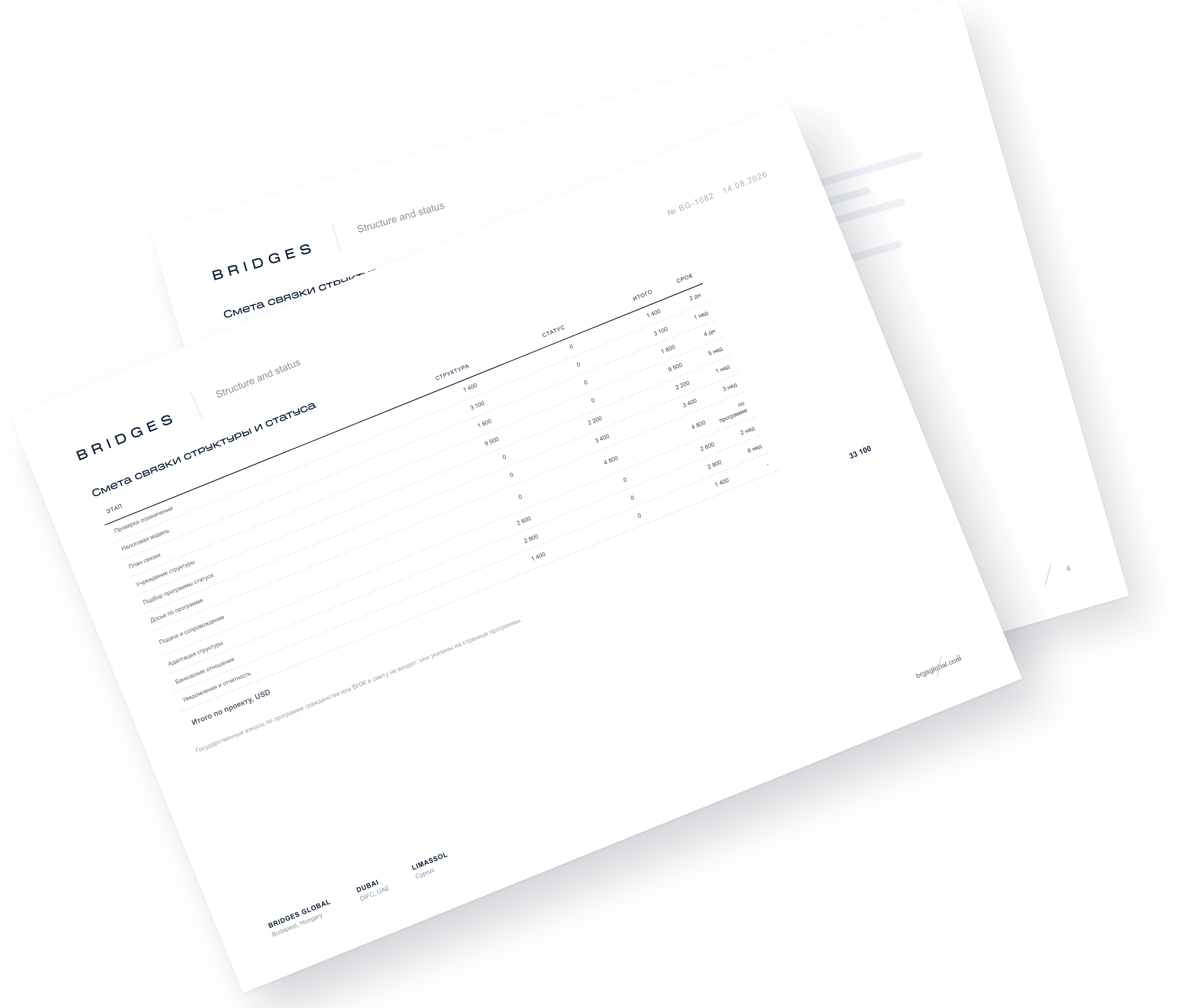
How the structure is taxed under your current residency and how the picture changes if the status changes. With figures, not in general terms.
Choosing the pairing
Which structure and which status solve the task together: the jurisdiction of the foundation or trust, the country of residency, the programme to obtain it.
The plan of sequence
What to do first: obtain the status or create the structure. A mistake in the order costs time and money.
Delivering both parts
We run both the establishment of the structure and the application under the citizenship or residency programme — with one team, so no context is lost between the people doing the work.
Tuning afterwards
Once the status is obtained we adapt the structure: re-registration, changing the tax anchor, the notifications, the banking relationships.
We run both lines ourselves: the structures by the lawyers of this section, the programmes by the citizenship and residency team.
05 / Cost
What the cost depends on
The project has two parts, each quoted separately and openly.
The complexity of the tax picture
One residency and one source of income is a simple calculation. Dual residency and assets in several countries are work of their own.
The structure chosen
The prices of trusts and foundations are given on the jurisdiction pages: from $6,500 to $48,000 depending on the country and the package.
The status programme
The cost of the citizenship and residency programmes is given on their pages: the main part of the budget depends on the state contributions.
The order and the timing
Running two lines in parallel takes more coordination than running them one after the other.
The first review of the pairing comes before the agreement: you know whether a status is needed at all and what budget lies ahead on both parts.
06 / How it works
How we work
First the restrictions and the taxes, then the decisions.
Going through the situation
The citizenships, the residency, the assets, the task. We check which jurisdictions are available on your profile.
1–2 days
The tax model
We work out the current picture and one or two scenarios with a change of status.
1 week
The plan for the pairing
Which structure, which status, in what order, with a budget and timeline for each part.
3–5 days
Delivery
Establishing the structure and filing under the programme — in parallel or in sequence, to the plan.
from 2 months
Tuning after the status
Adapting the structure, the banking relationships, the notifications and the reporting.
The time to obtain a status is set by the programme: from 30–60 days for Vanuatu to a year and a half for the European options.
07 / Preparation
What we will need from you
The review rests on facts about your status and your assets.
Every citizenship and status
Passports, residence permits, valid visas — the whole set, the ones that seem unimportant included.
Tax residency
Where you are a tax resident now, how many days a year you spend in different countries, where you file returns.
A map of the assets
What is where, in whose name it is held, what income it brings.
Plans for a move
Where and when you plan to move, where the family will live, where the children study.
No documents are needed at the first consultation — we go through the situation in words.
08 / Team
Who runs the work
Two lines, one team, working together from the first day.
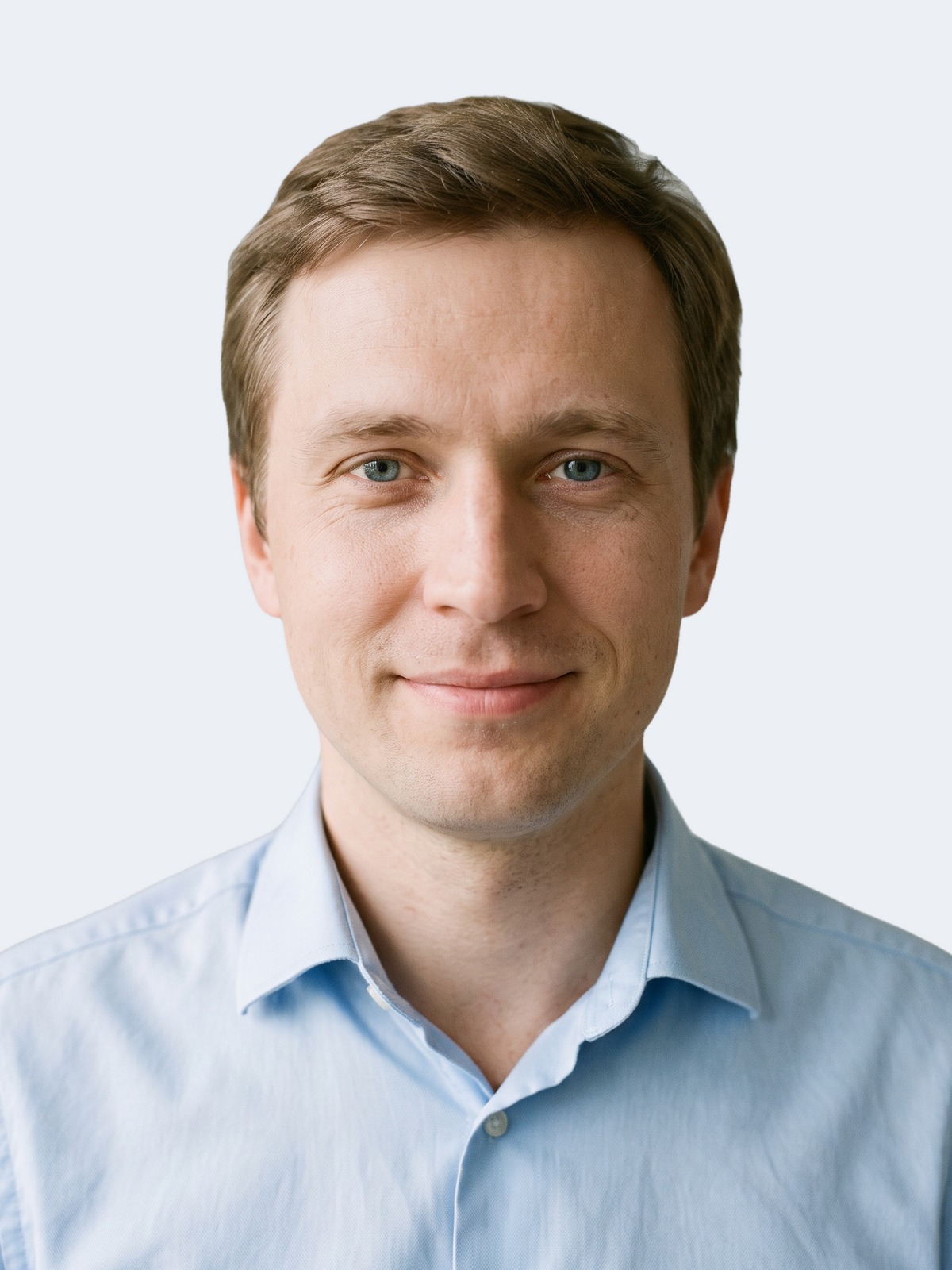 Yan NovakWealth Structuring AdvisorThe tax model and residency
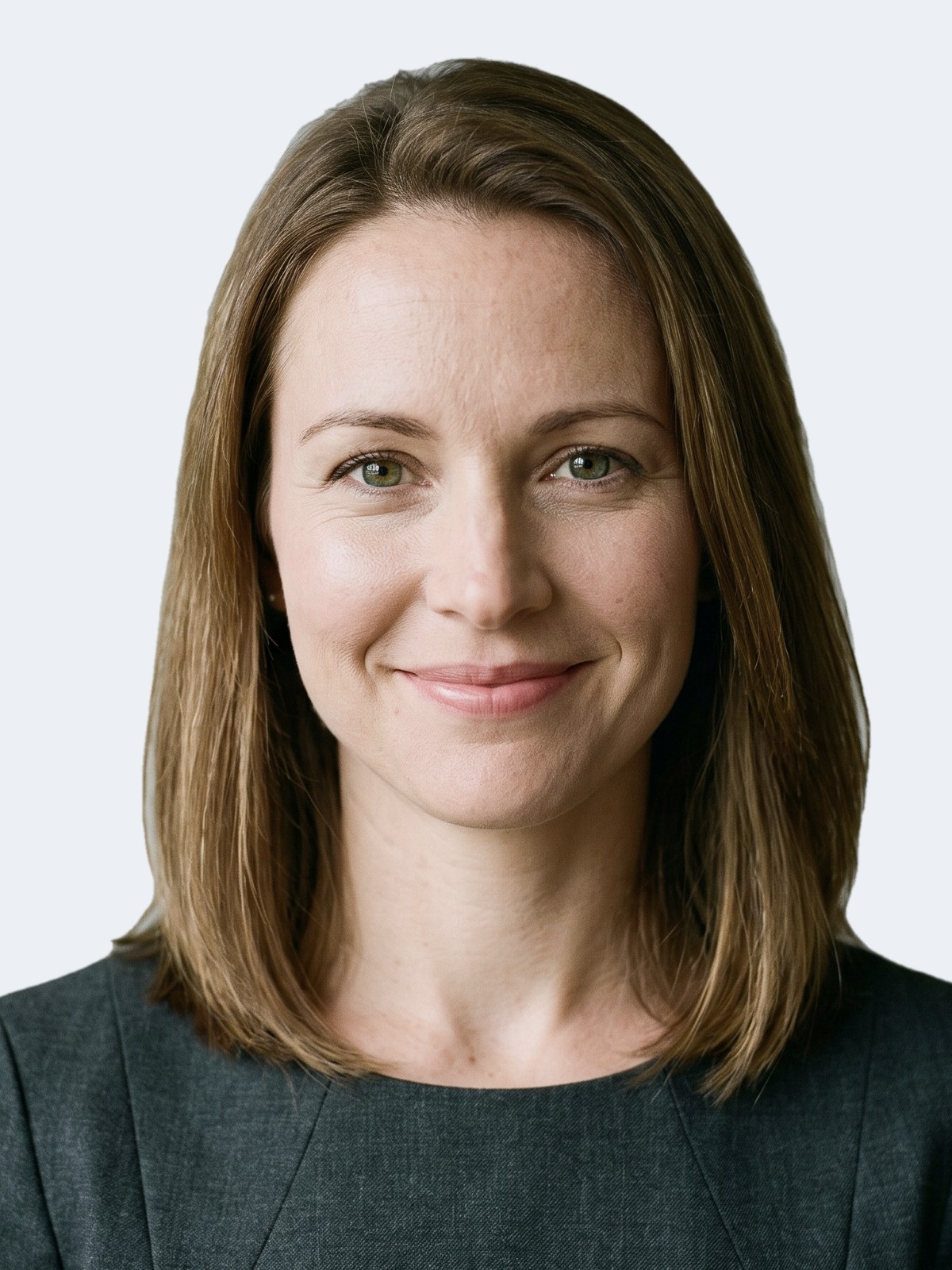 Eva LauriHead of OperationsThe structure and the citizenship and residency programmes
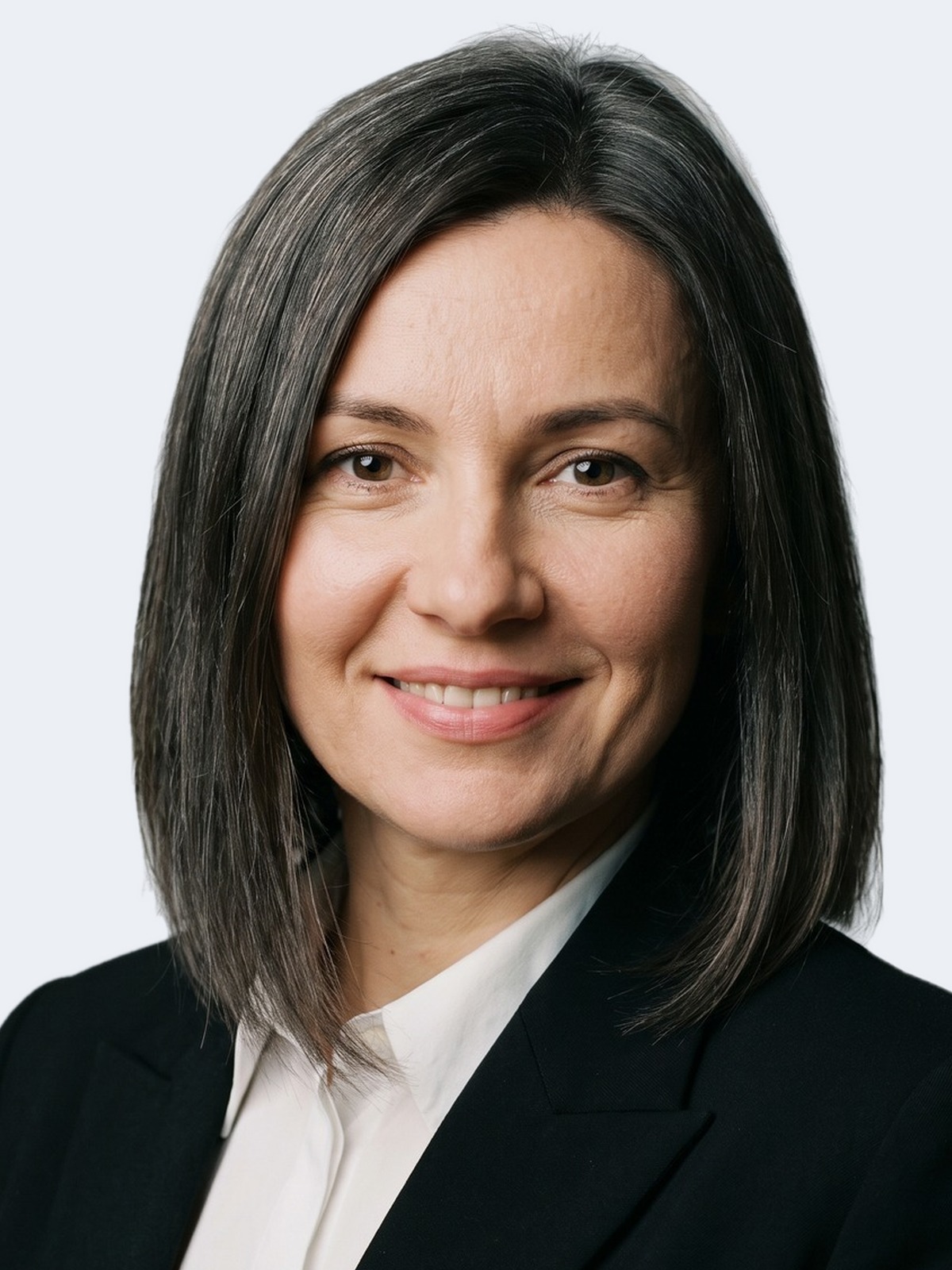 Irena SokolovskaHead of European PracticeThe strategy for the pairing and complex cases
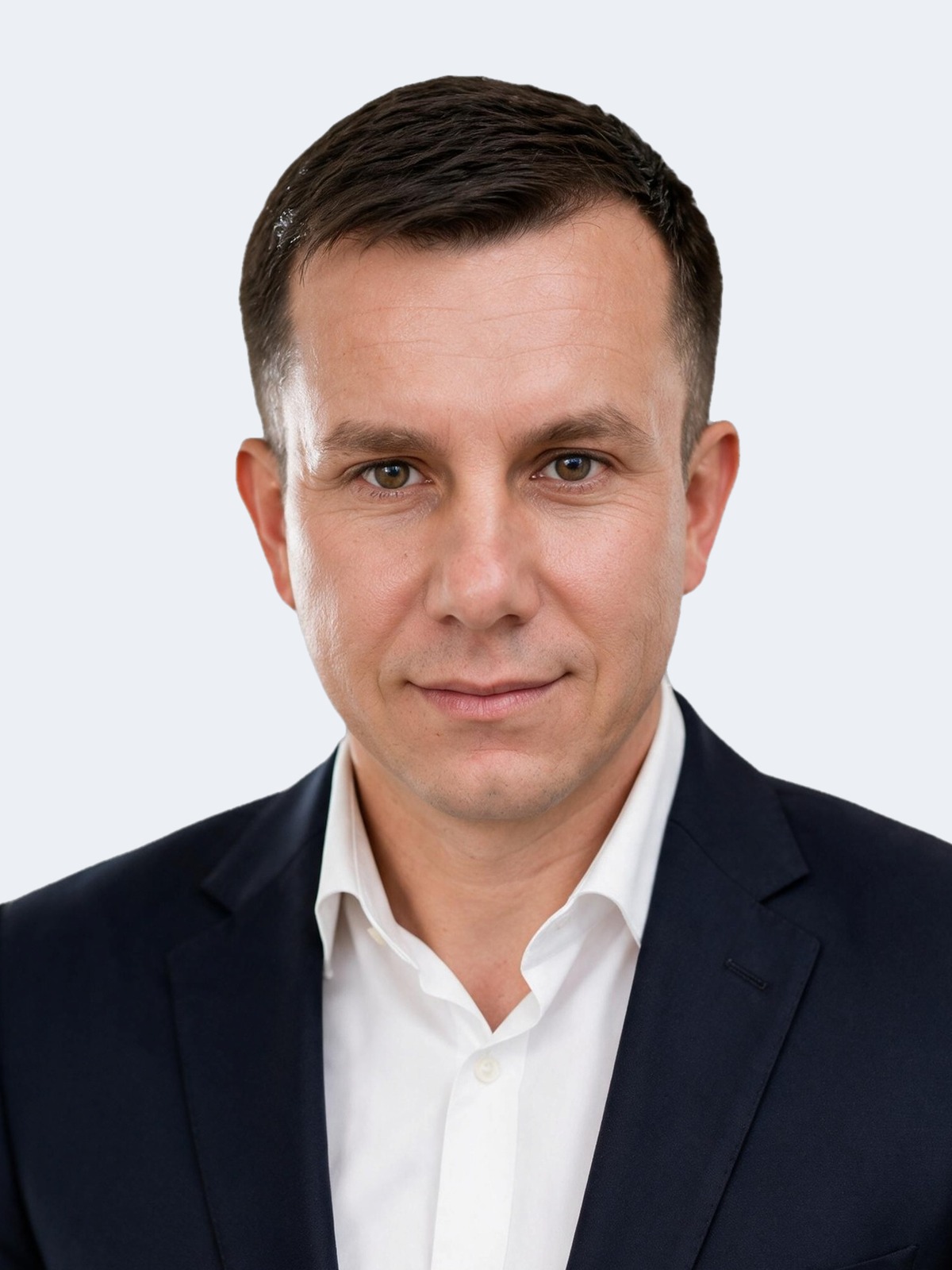 Sergey EvdokimovManaging PartnerStrategy, capital, complex matters
10 / Questions
Answers to common questions
No. Many tasks are solved in jurisdictions open to citizens of Russia and Belarus: the UAE, Panama, Curaçao, the Seychelles, Nevis. A second status is needed where a European structure or a European bank is essential — and then we show that choice and its cost honestly.
In practice: access to the Gulf banks on better terms, a tax picture with no personal income tax in the country of residency and a connection between the owner and the structure’s jurisdiction that compliance can follow. It is the commonest working pairing we build.
It will not break, but the tax consequences will change: the CFC rules, the tax on distributions, the duty to declare. So a move is a reason to rebuild the structure in advance rather than discover the problem in the first return filed in the new place.
Yes, on actual absence from the country beyond the period set — it is a question of facts, not of wishes. We work out whether the change happens in your case and warn about the transitional period when obligations remain in both countries.
It depends on the task. If the jurisdiction you need is closed by citizenship, the status comes first. If the structure is available anyway and the status is needed for the bank, they can run in parallel. A mistake in the order means doing it again, so we draw up the plan before the first step.
In most countries the threshold is 183 days, but it is not the only criterion: the centre of vital interests, a permanent home and where the family is all count. You can spend fewer than 183 days and still be treated as a resident — and the other way round.
A situation where two countries treat you as their resident at once and both require worldwide income to be declared. It is resolved through the tie-breaker rules of a double taxation treaty, but it calls for documentary evidence. It is not unlawful in itself, but it is dangerous without support.
In itself, almost never. Taxes follow residency rather than citizenship, with rare exceptions such as the United States. A passport gives mobility and access to jurisdictions; what changes the tax picture is a move.
Fastest are the Caribbean programmes — 30 to 60 days to a passport — and UAE resident visas, a few weeks. The European options take from six months to a year and a half and do not suit an urgent task.
For the banks, yes: a resident status widens the list of available institutions. For taxes, no: with no actual presence, tax residency does not change. We separate those two things from the outset so that no false expectations arise.
INITIAL ASSESSMENT
Tell us what outcome your family needs
We will design a solution for your case, choose the country and the right status, and take the whole process through to the result.