A free PDF guide
How to choose a residence or citizenshipprogramme: six steps
The choice starts not with a country but with a task. Six steps that rule out the wrong options before you spend time reading their terms, and an account of the difference between residence, permanent residence and citizenship.
- PDF in English
- Free of charge
- Verified on 11.08.2026
- Sent by email, WhatsApp or Telegram
The result shows a class of solution, not a guarantee of approval. Whether a programme is open to you is settled after the check on the applicant.
01 / The essentials first
What sets the order of the choice
Four rules that change the outcome more than the choice of any particular country.
- The outcome is fixed first, not the geography
One country can answer several different needs, and one need can be answered by countries with nothing in common. So the choice begins with what has to change, not with a list of countries.
- Residence, permanent residence and citizenship are three different statuses
They carry different rights, different duties and different prices. They are regularly confused, and that is how people end up with a programme that does not answer the need: a passport, say, when what was wanted was the right to live somewhere.
- The family is counted before the programme is chosen
The age of the children, the dependence of the parents and the spouse’s status decide both whether a programme is open and what it finally costs. A programme chosen for one applicant can turn out wrong for a family of four.
- The budget and the timings are matched last
Until the task, the status and the make-up of the application are settled, comparing prices means nothing: a cheap programme of the wrong class does not replace the right one — it only costs time and money.
02 / The status
Which class of solution answers your task
Four questions about the aim, the presence, the source of income and the timing. At the end — the class of programme worth comparing within, and the ones to rule out at once.
03 / Three statuses
How residence, permanent residence and citizenship differ
They are not rungs of one ladder but three different statuses with different rights. They are confused more often than anything else, and that is how the wrong one gets chosen.
The values were checked against the official material on 11.08.2026. Only the rows for which there is no official wording are marked separately.
| Criterion | ResidenceA temporary residence permit | PRPermanent residence | CitizenshipA passport and full rights |
|---|---|---|---|
| How long it lasts | limited, needs renewing | as a rule indefinite | indefinitely |
| The right to live in the country | yes, for the term of the status | yes, permanently | yes, permanently |
| The right to work | depends on the type of visa | as a rule without limits | without limits |
| The presence requirement | from minimal to an actual move | usually there is one | none, once it is granted |
| Passed to children | no | no | yes, by descent |
| Visa-free travel | on the rules of the country and of Schengen | on the rules of the country and of Schengen | on the country’s passport |
| How long it takes to obtainA BRIDGES estimate | 1-6 months | after several years of residence | 30 days to several years |
| What it usually answersA BRIDGES estimate | Moving, work, study | A long life in the country | Mobility and a fallback |
- How long it lasts
- limited, needs renewing
- as a rule indefinite
- The right to live in the country
- yes, for the term of the status
- yes, permanently
- The right to work
- depends on the type of visa
- as a rule without limits
- The presence requirement
- from minimal to an actual move
- usually there is one
- Passed to children
- no
- no
- Visa-free travel
- on the rules of the country and of Schengen
- on the rules of the country and of Schengen
- How long it takes to obtainA BRIDGES estimate
- 1-6 months
- after several years of residence
- What it usually answersA BRIDGES estimate
- Moving, work, study
- A long life in the country
Not every residence permit leads to permanent residence, and far from every one to citizenship: in some programmes there is no such path at all, and that is checked before filing.
04 / What is in the guide
How the material is built
The PDF gathers the classes of programme, the difference between the statuses and the requirements on who goes into the application.
- The classes of programmeFive classes of solution and the needs each one answers.
- The difference between the statusesResidence, permanent residence and citizenship: the rights, the duties and the timings.
- Who goes into the applicationHow a spouse, children and parents change both eligibility and the sum.
05 / The order of work
The six steps of the choice
The order matters: the budget and the timings are matched last, once the list has been cut to the options that answer the need at all.
- Name the aim, not the country
What has to change: moving with the family, freedom to travel, a fallback document, remote work, living on passive income or building a business. Where there are several aims, they are put in order of priority.
- Get the difference between the statuses clear
Residence gives the right to live in the country for a term, permanent residence indefinitely, citizenship a passport and rights for good. For mobility people take a passport; for moving, residence.
- Answer whether you are ready to live there
Some programmes require no presence at all, some minimal visits, and naturalisation in the EU an actual move. This one answer cuts out half the options.
- Count the family before choosing the programme
The age of the children, the dependence of the parents, the spouse’s status. The fees are charged per person, and some programmes limit who may go into the application by age.
- Settle the source of income and of the funds
A clear chain from the earnings to the account is required in every programme. If the papers on the source are incomplete, that is dealt with before filing, not after.
- Match the budget and the timings
The last step, not the first. By now the list has been cut to the options that genuinely answer the need and are open to you.
07 / The classes of programme
Five classes of solution and whom they suit
Programmes are worth comparing within one class. Between classes a comparison on price misleads: they answer different needs.
- Citizenship by investment
A passport with no residence requirement: the Caribbean, Vanuatu, Nauru. It answers mobility and a fallback document, in anything from 30 days to six months.
- Residence by investment
The golden visas of Europe: Greece, Portugal, Hungary, Italy, Malta. They give a presence in the EU and a prospect of permanent residence or naturalisation.
- Residence for the financially independent
The Portuguese D7, the Spanish non-lucrative visa, the Italian elective residence. For living on passive or foreign income without running a business there.
- Digital nomad visas
Spain, the Portuguese D8, Hungary, Croatia and others. For remote work for foreign clients on an evidenced regular income.
- Business residence and visas for specialists
Switzerland, Montenegro, France, the USA. For opening a company, transferring an executive or evidencing a qualification.
One applicant may fit several classes at once — then the choice turns on the priority of the task and on your readiness to be in the country.
08 / The usual mistakes
Five mistakes in choosing a programme
Each of them comes up regularly and each means doing the work again — lost time and fees that do not come back.
Choosing the country before the taskThe country is named first and the aim fitted to it
That is how people pick a country that does not answer the original need: a passport instead of the right to live somewhere, or the other way round. The order is the reverse: the outcome first, the geography after.
Confusing residence, permanent residence and citizenshipThree different statuses taken for rungs of one ladder
They are different rights and different duties. Not every residence permit leads to permanent residence, and far from every one to citizenship; in some programmes there is no such path at all.
Counting the family after the choiceThe programme is picked for one and filed for four
The fees are charged for every person in the application, and some programmes limit the age of children and the inclusion of parents. Recounting for a family often changes the programme too.
Leaving the source of funds for laterThe papers on the origin of the money are gathered at the last moment
This is the main part of the file and the commonest cause of delay. Rebuilding the chain over past years takes weeks, and sometimes months.
Comparing on the entry priceProgrammes of different classes set against one figure
The entry price reflects neither the total for a family nor whether the programme answers the need. Comparing on money makes sense only within one class of solution.
09 / Your team
Who leads the choice
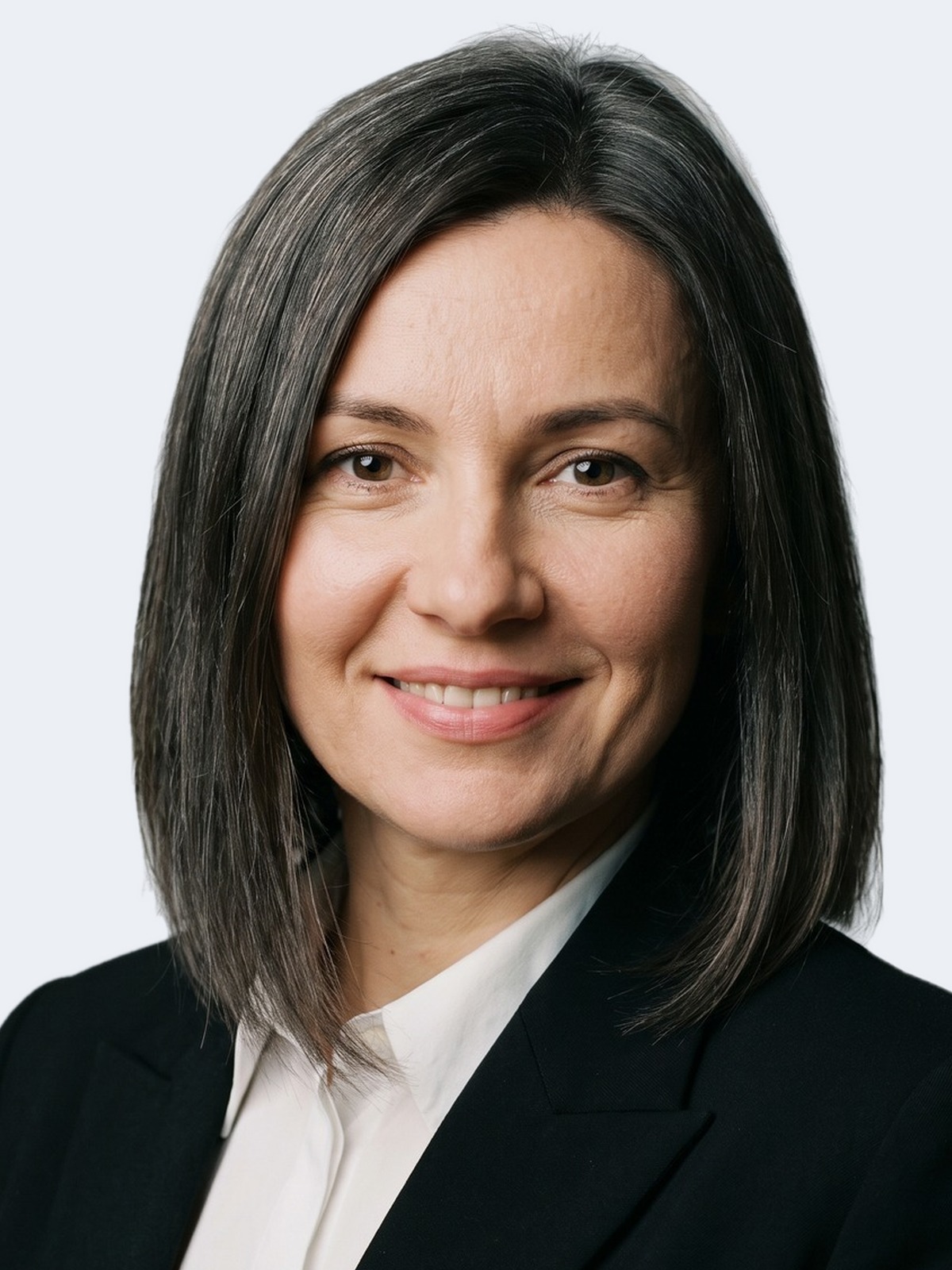
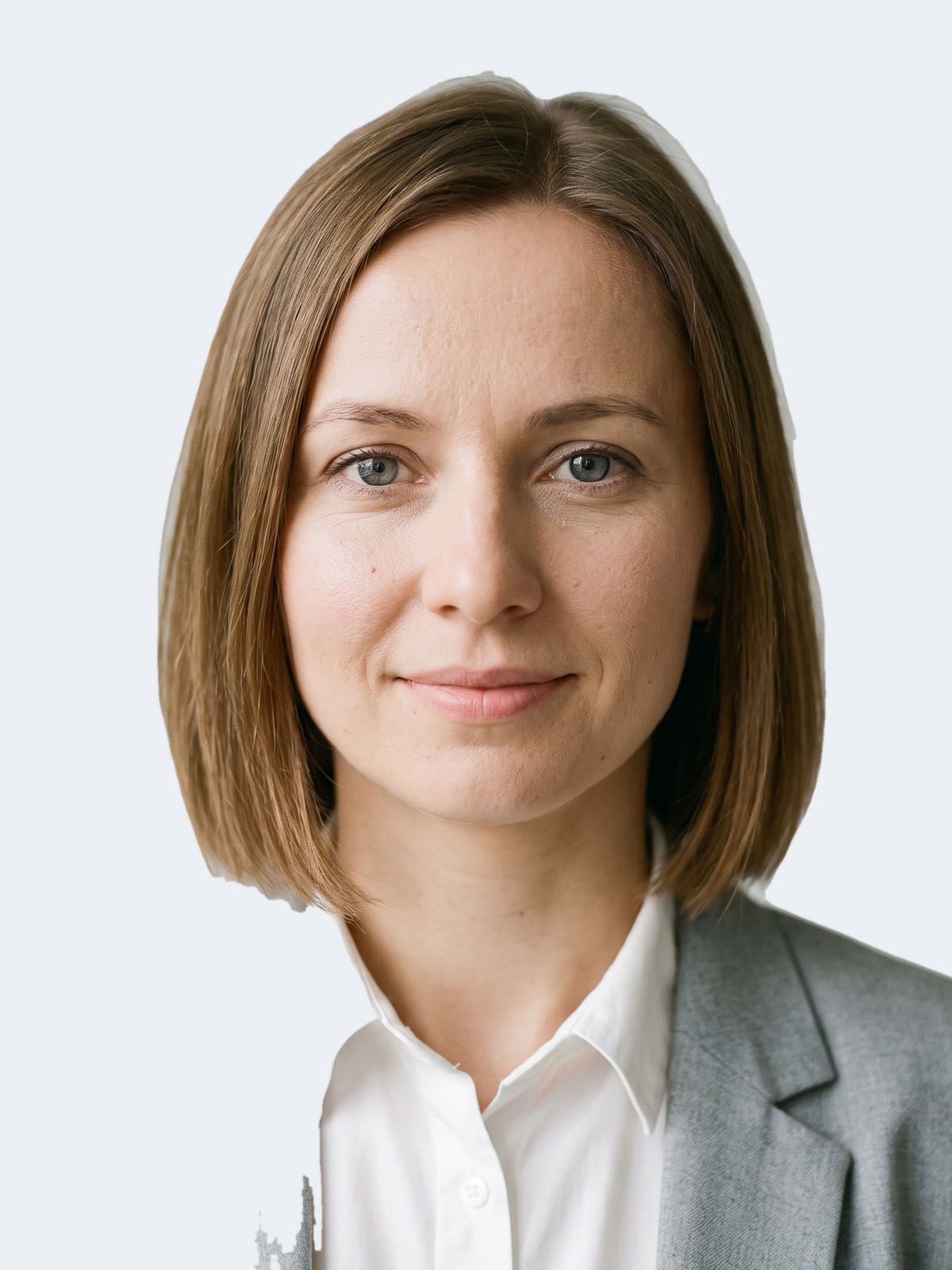
The analysis is led by the specialists who run cases under these programmes.

The editorial record
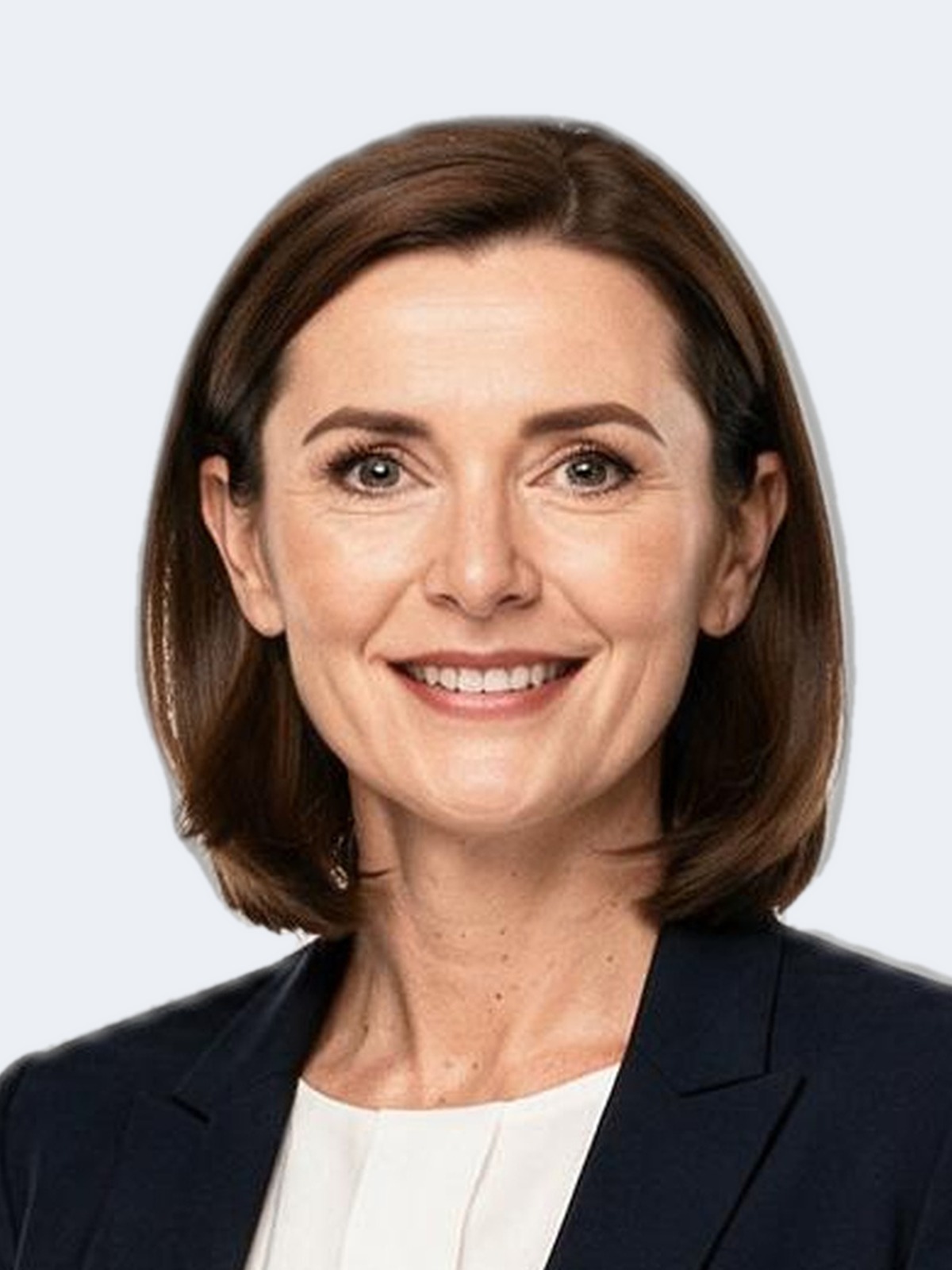
The material was prepared and checked by

- First published
- 20 July 2026
- Last updated
- 11 August 2026
The official sources
- Regulation (EU) 2018/1806 — the list of visa-free countriesThe Official Journal of the European Union · checked 11.08.2026The consolidated text in force: visa-free access to Schengen is checked against it.
- Long-term residents of the EU — directive 2003/109/ECThe Official Journal of the European Union · checked 11.08.2026It defines the status of a long-term EU resident and the move from residence to permanent residence.
- Visa policy and the rules of entryEuropean Commission, Migration and Home Affairs · checked 11.08.2026Changes to the visa regime and to the rules on stay are published here.
10 / Common questions
Questions about choosing a programme
Where does the choice start?
With the task, not the country. You state the outcome that has to change: moving, freedom to travel, a fallback document, remote work, living on an income or a business. The geography is settled last.
How does residence differ from permanent residence and citizenship?
Residence is the right to live in the country for the term of the status, and it needs renewing. Permanent residence is a permanent right, as a rule indefinite. Citizenship is a passport and full rights for good, passed to children by descent.
Do I have to live in the country?
It depends on the programme. Citizenship by investment requires no presence. Some EU residence permits require minimal visits. For naturalisation, residence is compulsory and counted in days.
When should the budget be counted?
Once the task, the type of status and the make-up of the application are settled. The full sum is counted for everyone in it: the contribution or the investment, the due-diligence fees, the state duties, the passports and the service.
What matters more — the timing or the cost?
It depends on the task. For a fallback document the timing is usually critical; for a move, the rights and the presence. Comparing programmes of different classes on price alone is misleading.
May the programme be changed midway?
Before filing, yes, and that is a normal part of the work. After filing, a change means a new file and fresh fees, so the list is cut to two or three options in advance.

Free of charge
Take the guide and an analysis of your situation
We will send the PDF with the classes of programme and go through your task: the type of status, who goes into the application, the source of funds and the timings.
- Five classes of programme and the needs they answer
- The difference between residence, permanent residence and citizenship, in a table
- What is checked before filing and which documents to prepare in advance
- Two or three suitable options for your task