Updated 9 August 2026GD - DUE-DILIGENCE

A free PDF guide

How to get through due diligence: the checkbefore filing for citizenship

The state checks an applicant more deeply than any bank — and once, with no right to be wrong. We set out 20+ lines of enquiry, the fees in four programmes, the source-of-funds file, preparing for the interview and the seven reasons for refusal, each with its answer.

  • PDF in English
  • Free of charge
  • Verified on 09.08.2026
  • Sent by email, WhatsApp or Telegram

Preliminary information is not a guarantee of approval. The decision rests with the state body after its own check.

01 / The essentials first

What to know about the check before filing

Due diligence is an independent state check on everyone who seeks citizenship by investment. The country answers for its passport before dozens of visa-free states, so it checks an applicant more deeply than a bank checks a client.

  1. It cannot be gone round

    An independent check is moved by neither the applicant’s standing, nor the size of the investment, nor the agent’s connections. Only one thing works — a prepared file going in.

  2. But it is predictable

    The lines of enquiry, the databases and the usual questions are known in advance — 20+ of them. A strong case passes calmly, and a difficult one is strengthened by preparation before filing.

  3. The fees are not returned

    From $7,500 to $10,000 for the main applicant, plus a fee for every member of the family. They are paid on filing, before the decision, and a refusal does not bring them back.

  4. A refusal costs more than waiting

    The Caribbean programmes share information about refusals, and the law of some countries expressly allows them to refuse someone a neighbour has refused. There is no limitation period on such a record.

02 / The calculation

What the check on your family costs

Give the make-up of the family — the calculation shows the check fees across all four programmes whose figures are confirmed by an official source. The children’s ages decide a great deal here: in one programme the check starts at 12, in others at 16.

The family
A spouse in the application
0
0
0
0
0
0
The applicant and the programme
1 people in the application

03 / Four programmes

The check fees: how much, where, and from what age

Every figure is taken from the websites of the programmes’ state bodies and checked on 9 August 2026. Grenada is not in the table: its official schedule of fees cannot be checked, and we will not publish figures at second hand.

The values were checked against the official material on 09.08.2026. Only the rows for which there is no official wording are marked separately.

The due-diligence fees of 4 programmes compared on 12 points
CriterionSt Kitts and NevisThe most expensive check in the regionAntigua and BarbudaChildren checked from the age of 12Saint LuciaThe fees set by the 2026 statutory instrumentDominicaThe check plus a compulsory interview
The fee for the main applicant$10,000$8,500$8,000$7,500
The fee for a spouse$7,500$5,000$5,000$4,000
From what age children are checkedfrom 16Antigua and Barbuda is the only programme in the set where children are checked from the age of 12.from 12from 16from 16
The fee for a child of 12-15not charged$2,000not chargednot charged
The fee for an applicant of 16-17$7,500$2,000$5,000$4,000
The fee for an adult dependant from 18$7,500$4,000$5,000$4,000
A compulsory interviewRequires confirmationno published requirement in the open materialIn some programmes the interview requirement was brought in by regulators’ decisions that were never published — we confirm it with the authorised agent on the date of filing.no published requirement in the open materialno published requirement in the open materialyes, from 16, a fee of $1,000
A family: the applicant, a spouse and two children under 12$17,500None of the four programmes charges for children under 12, so in this family only the two adults pay.$13,500$13,000$11,500
When it is paidon filing the application, before the decisionon filing the application, before the decisionon filing the application, before the decisionon filing the application, before the decision
Returned on a refusalnononono
Who files the applicationan authorised agent onlyan authorised agent onlyan authorised agent onlyan authorised agent only
An enhanced checkRequires confirmationordered by the authority, at a fee above the standard oneThe size of the raised fee is not published officially — it is given to the authorised agent case by case.ordered by the authority, at a fee above the standard oneordered by the authority, at a fee above the standard oneordered by the authority, at a fee above the standard one
The fee for the main applicant
$10,000
$8,500
The fee for a spouse
$7,500
$5,000
From what age children are checked
from 16
from 12
The fee for a child of 12-15
not charged
$2,000
The fee for an applicant of 16-17
$7,500
$2,000
The fee for an adult dependant from 18
$7,500
$4,000
A compulsory interviewRequires confirmation
no published requirement in the open material
A family: the applicant, a spouse and two children under 12
$17,500
$13,500
When it is paid
on filing the application, before the decision
Returned on a refusal
no
no
Who files the application
an authorised agent only
An enhanced checkRequires confirmation
ordered by the authority, at a fee above the standard one

The fees are set by the states and can change. Before the contract is signed BRIDGES GLOBAL confirms the sums for the chosen programme afresh.

04 / The contents

What is in the guide

The guide helps to assemble the file before filing: checklists for the source of funds, preparation for the interview and an account of the usual difficult situations.

  • Why there is only one checkThe state checks once and without a right to be wrong: what stands behind that rule.
  • Who carries out the checkFour independent filters: the agent, the programme’s authority, the international agencies and the databases.
  • The source of fundsThe main part of the file: the standard of proof and the usual weak points.
  • The process month by monthWhat the timeline looks like from the inside and where it usually stretches.
  • Seven reasons for refusalEvery reason with its answer — except one: sanctions and criminal capital.
  • The BRIDGES pre-check systemHow the file is prepared before filing and how long each part takes.

05 / The order of work

From the preliminary assessment to the authority’s decision

Six of the seven reasons for refusal are closed by preparation before filing. The preliminary assessment takes 1-2 weeks and removes the main risk — paying the fees on an application that will not pass.

  1. The preliminary assessment

    1-2 weeks: we go through the biography, the structure of the business and the origin of the funds, and draw a map of the risks. No documents change hands at this stage, and the assessment is free.

  2. The programme is matched to the case

    The jurisdiction removes some of the risk by itself: one has lower fees for children, another a different order of interview and a different approach to difficult sources of funds.

  3. The source-of-funds file

    The longest part: contracts, statements, tax returns, and where needed an auditor’s report and the tracing of crypto assets. It has to start a month or two before filing.

  4. Difficult facts are set out in law

    Every awkward episode — a visa refusal, a dispute, an old transaction — is accompanied by a written explanation and documents in advance, rather than on the examiner’s request.

  5. Filing through an authorised agent

    The check fees are paid on filing. The state bodies do not accept direct applications.

  6. The check and the interview

    3-6 months: answering the authority’s requests, preparing for the interview, one shared chronology across the whole family.

  7. The decision and the investment

    The main sum is paid after approval. A demand to pay it all before the decision is the mark of a scheme, not a programme.

06 / Seven reasons for refusal

Why applications are refused — and what to do about it

Six of the seven reasons are closed by preparing the file before filing. Only one has no answer.

  1. False information

    Full disclosure before filing: a disclosed fact stays a detail, a hidden one becomes a refusal.

  2. A weak source-of-funds file

    A documented chain from the earnings to the investment, and a month or two of preparation before filing.

  3. Sanctions and criminal capital

    There is no answer to this. A conscientious agent does not take such a case — and says so at the first consultation.

  4. A problematic circle

    Leaving toxic structures and restructuring the business before filing, not after the authority asks.

  5. Contradictions at the interview

    One shared chronology across the family and a rehearsal of the conversation in advance.

  6. Negative coverage in the press

    Written explanations and documents attached to the file in advance rather than on request.

  7. A refusal in another programme

    File the first application where it will succeed and in the right jurisdiction: a refusal is visible to the neighbouring countries.

The one reason with no answer is live sanctions and capital of criminal origin. A conscientious consultant says so at the first meeting, not after the fees are paid.

07 / What exactly is looked at

20+ lines of enquiry in one file

No applicant can check themselves on all of these — half the sources are closed to them. The BRIDGES preliminary check looks at the file through the state’s eyes before the state does. The first consultation involves no handing over of documents.

  • The sanctions lists

    The lists of the UN, the USA, the European Union and the United Kingdom, and the databases of international police cooperation.

  • The criminal record

    Convictions, live proceedings and wanted notices — across every country of residence in recent years, not only the country of citizenship.

  • Politically exposed status

    PEP status in the applicant, their family and close business partners. It is not a bar in itself, but it brings an enhanced check.

  • The source of funds

    Where the particular money paying for this came from: the sale of a stake, dividends, salary, an inheritance. More than half the difficult cases stumble here.

  • The source of wealth

    How the capital was built over a career. The investment has to fit that picture rather than appear from nowhere.

  • The banking relationships

    The banks used, the history of the relationship, statements over the required period and explanations of large transactions.

  • The corporate structures

    Stakes, beneficial ownership, trusts and foundations, holding companies, registers and accounts.

  • Court and tax disputes

    Court records, bankruptcies, tax claims — closed and live.

  • The immigration history

    Visa refusals, deportations, former citizenships and applications to other investment programmes. A refusal of any age is visible to the examiner.

  • Crypto assets

    Blockchain tracing, the history of the exchanges and confirmation of the KYC accounts, where the investment involves digital assets.

  • Publications and open sources

    Adverse media: the press in every language, open databases, the public part of social media.

  • Verification on the ground

    Confirming the facts in place: that the business exists, the addresses, the employers, the certificates of education.

  • The interview

    A conversation with a representative of the programme: the biography, the business, the origin of the funds and the reasons for seeking citizenship.

  • The family

    The same lines of enquiry for every adult in the application — one person’s weak point bears on the whole family.

A complete set of documents does not mean automatic approval. The final decision rests with the state body after its own check.

08 / Before you decide

The risks of the check and what to do about them

For every point we give the primary source where one exists. This is the part people usually learn after the fees are paid.

The fees are not returnedFrom $7,500 to $10,000 for one applicant

The check is paid for on filing, before the state has decided anything. On a refusal the money does not come back — neither in full nor in part. For a family of four the fee reaches $32,500 in St Kitts and Nevis. That is the main argument for a preliminary check before filing.

Source: Citizenship by Investment Unit, St Kitts and Nevis
The check cannot be sped upThere are no official fast tracks

No Caribbean programme sells an accelerated due-diligence check. The only lawful way to go faster is a complete file with no contradictions, which the authority has no further questions about. A promise that «we have people on the committee» is a marker of fraud.

A refusal is visible to the neighbouring programmesFiling next door «just in case» does not work

The Caribbean programmes share information about refusals, and the law of some countries expressly allows them to refuse an applicant another country of the region has refused. There is no limitation period on such a record, so the first application has to be prepared as if it were the only one.

Source: Citizenship by Investment Unit, Saint Lucia
A hidden fact is worse than an awkward oneFalse information is the gravest ground for refusal

A visa refusal from ten years ago, disclosed, stays an explicable detail of a biography. The same refusal, left unsaid, becomes a ground to refuse for false information — and that reason closes the door to other programmes as well.

It is not only the applicant who is checkedThe family, the partners and the structures

Every adult in the application is checked, and the reputational part reaches business partners and connected companies. One person’s weak point bears on the decision for the whole family.

The age of the check differsFrom 12 in Antigua, from 16 in the other programmes

In Antigua and Barbuda children are checked from 12; in St Kitts, St Lucia and Dominica from 16. For a family with teenagers that is a straight difference in the fees, and it has to be counted before the programme is chosen: the calculator above shows the sum for your family in each programme.

Source: Citizenship by Investment Unit, Antigua and Barbuda
The enhanced checkOrdered by the authority, at a fee above the standard one

A complicated biography, contested sources of funds or negative coverage bring an enhanced check at a raised fee. Its size is not published officially and is given case by case, which is why we fix the quotation after the preliminary assessment.

The quality of the check bears on the passportA weak check is a risk to visa-free travel

Visa-free regimes rest on trust in the check. The European Commission expressly counts citizenship-by-investment programmes among the grounds for suspending visa-free travel, and Vanuatu has already lost its visa-free access to the European Union. A strict check is an inconvenience at the entry and a defence of the document’s worth afterwards.

Source: The European Commission, visa policy
There are no guaranteesThe decision rests with a state body

No agent controls the decision: they control only the quality of the file going in. A complete set of documents does not mean automatic approval, and a promise of a guaranteed result is a reason to end the conversation.

The editorial record

The material was prepared and checked by

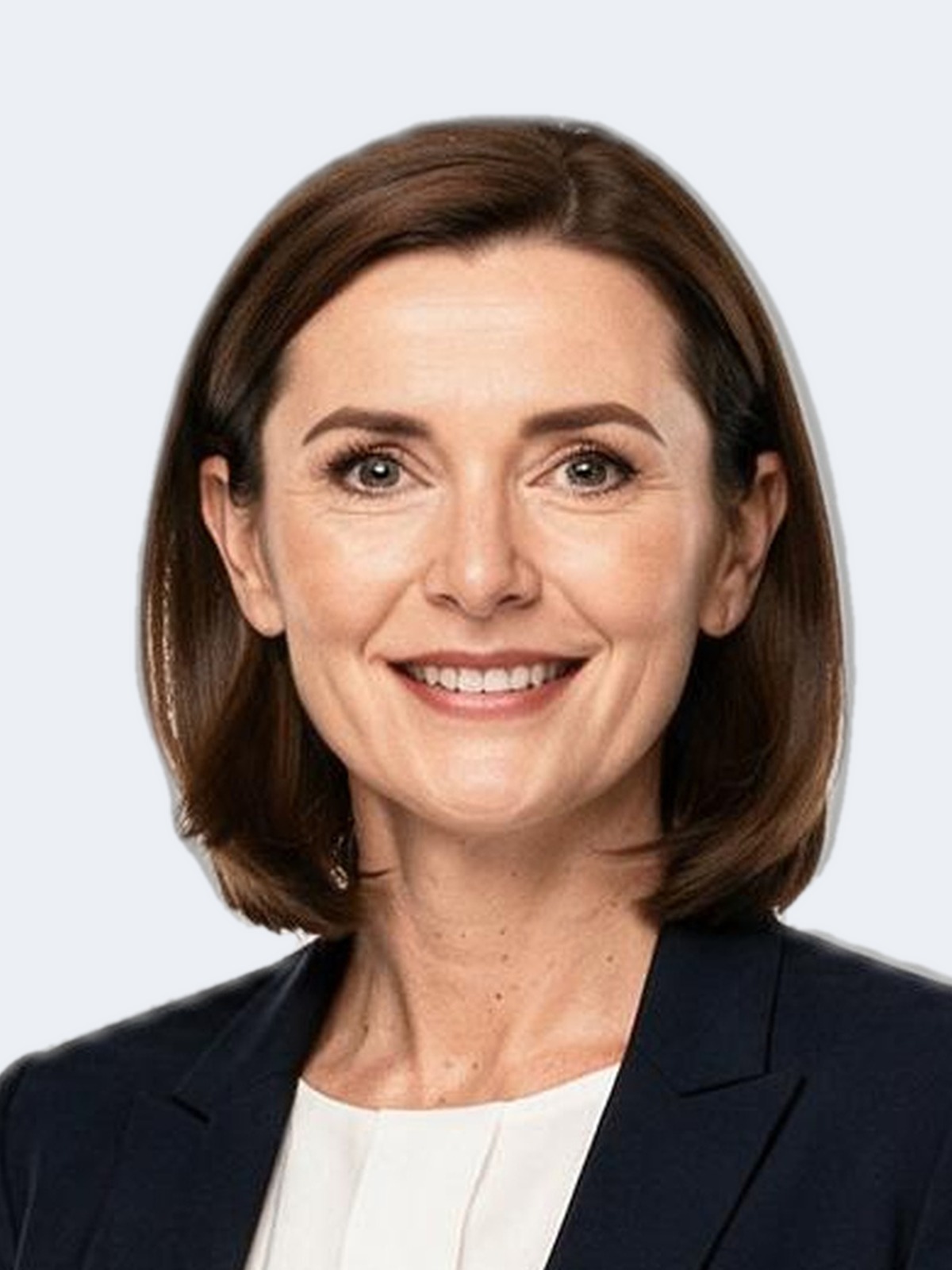
Anna Kovalevskaya, Head of Legal, BRIDGES
The author of the materialAnna KovalevskayaHead of Legal, BRIDGES
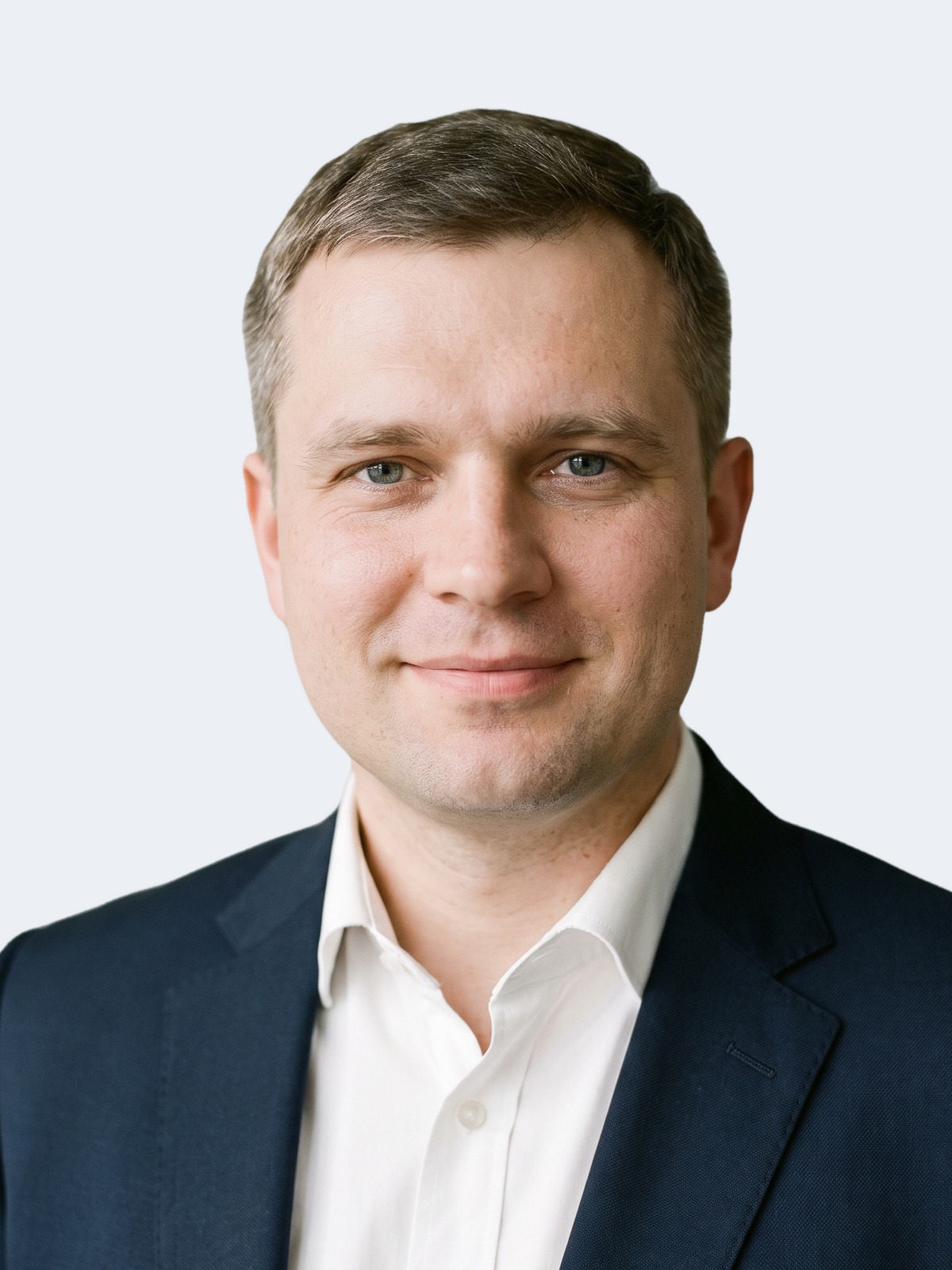
Daniel Kovach, Senior International Law Attorney, BRIDGES
The legal reviewDaniel KovachSenior International Law Attorney, BRIDGES
First published
9 August 2026
Last updated
9 August 2026
The fees of the programmes checked
9 August 2026
The age rules checked
9 August 2026
The order of filing checked
9 August 2026

The official sources

  • The due-diligence fees — St Kitts and NevisCitizenship by Investment Unit, St Kitts and Nevis · checked 09.08.2026US$10,000 for the main applicant and US$7,500 for every dependant aged 16 and over.
  • The due-diligence fees — Antigua and BarbudaCitizenship by Investment Unit, Antigua and Barbuda · checked 09.08.2026The only programme in the region where children are checked from 12 — and the fee for them is lower than for an adult.
  • The due-diligence fees — Saint LuciaCitizenship by Investment Unit, Saint Lucia · checked 09.08.2026US$8,000 for the applicant and US$5,000 for a dependant over 16 — Statutory Instrument No. 57 of 2026.
  • The due-diligence fees — DominicaCitizenship by Investment Unit, Commonwealth of Dominica · checked 09.08.2026US$7,500 for the applicant and US$4,000 for everyone aged 16 and over, plus a separate fee for the compulsory interview.
  • How to apply and the compulsory interview — DominicaCitizenship by Investment Unit, Commonwealth of Dominica · checked 09.08.2026An application is accepted only from an authorised agent; the interview is compulsory for every applicant from 16; the check is run by international agencies and by the Unit itself.
  • The visa-suspension mechanism — the eighth report of the European CommissionThe European Commission · checked 09.08.2026Citizenship-by-investment programmes are named as a ground for suspending visa-free travel — so the quality of the check bears directly on what the passport is worth.

10 / Question and answer

Common questions about the due-diligence check

What is due diligence in the citizenship programmes?

It is an independent state check on everyone who seeks citizenship or residence by investment. The country answers for its passport before dozens of visa-free states, so it checks an applicant more deeply than a bank checks a client: 20+ lines of enquiry, from the sanctions lists and court records to the origin of a particular sum and coverage in the press.

What does the check cost?

The fee is set by the state and charged for every applicant. For the main applicant: St Kitts and Nevis — $10,000, Antigua and Barbuda — $8,500, Saint Lucia — $8,000, Dominica — $7,500. For dependants the fees are lower and depend on age. The calculator on this page counts the sum for your family across all four programmes at once.

Is the fee returned on a refusal?

No. The check and processing fees are paid on filing and are not returned whatever the decision. The main investment, though, is paid only after approval — that you do not lose.

From what age are children checked?

In Antigua and Barbuda from 12; in St Kitts and Nevis, Saint Lucia and Dominica from 16. For a family with teenagers that is a noticeable difference in the fees, so the children’s ages are worth weighing when the programme is chosen.

Can the check be sped up for an extra fee?

No. There are no official fast tracks for the check. The only lawful way to go faster is a complete file with no contradictions: the authority raises no further requests and the case does not stall.

What are source of funds and source of wealth?

The source of funds is the origin of the particular sum paying for the application: a specific transaction, dividends, salary, an inheritance. The source of wealth is how the capital was built over a career. The examiner needs both answers: the sum has to fit the wider picture.

Which documents evidence the source of funds?

Usually the contract of sale, a bank statement showing the money arriving and a tax return for the same period. After that it depends: papers on an inheritance, dividend resolutions, an auditor’s report, the tracing of crypto assets. The shorter the chain and the clearer the account, the fewer the questions.

If another programme has already refused me — is that the end?

It depends on the ground. A refusal for incomplete documents is cured by a stronger file and the right choice of jurisdiction. A refusal for false information is all but insurmountable: the Caribbean programmes share data on refusals, and the law of some countries expressly allows a refusal on that ground.

Is social media checked?

The public part, yes, as part of the reputational check. There is no need to delete accounts before filing: a sudden clearing of the digital trail raises questions of its own.

I already hold a second citizenship. Is that a problem?

No, provided it is disclosed. Every former and current citizenship, and any application to another programme, goes in the form — they are visible in the databases, and silence turns a neutral fact into a ground for refusal.

Are family members checked?

Yes, every adult in the application, and the reputational part reaches business partners and connected companies. So the chronology and the explanations have to match across the whole family.

What is an enhanced check?

A wider format that the authority orders where the biography is complicated, the sources of funds contested or the coverage negative. The fee for it is above the standard one; its size is not published officially and is given to the authorised agent case by case.

May I file the application myself?

No. The state bodies of the Caribbean programmes accept applications only from authorised agents — direct approaches are not considered. The quality of the file going in depends entirely on who assembles it.

How does the BRIDGES preliminary check work?

1-2 weeks: we go through the biography, the structure of the business and the origin of the funds, draw a map of the risks and say plainly whether the case will pass. No documents change hands at this stage and the assessment is free. If the case will not pass, you hear that before any fee is paid.

The cover of the BRIDGES GLOBAL guide «Due diligence: the check before filing for citizenship»

PDFIn EnglishVerified 9 August 2026

Free of charge · a practical PDF

Take the guide to due diligence

Inside: 20+ lines of enquiry, the fees of the programmes, a checklist for the source-of-funds file, preparation for the interview, the seven reasons for refusal each with its answer, and the order of the work before filing.

  • A consultant sends the guide the way you choose — with notes on your own situation
  • The data were checked against the official sources on 09.08.2026
  • Your contact details are not passed to anyone else
How to receive it

Where should we send the guide?

The country code is filled in automatically — choose another country from the list if you need to.

A consultant will send the PDF by the channel you chose.