Residency · UAE
Life in Dubai for Russians in 2026: community, schools, life and adaptation
Updated: June 2026·13 min read·Expert reviewed
Terms and costs verified: June 2026
Contents
After 2022, the Russian-speaking community in Dubai has grown significantly, and today it is no longer scattered expats, but a full-fledged environment: Russian schools and kindergartens, Russian-speaking doctors and clinics, shops with familiar products, restaurants, chat rooms in the districts. Life in Dubai for Russians in 2026 means zero income tax, high security, direct flights to Moscow and warm sea all year round. Let’s sort through the shelves: where Russians live, how schools and everyday life are organized, how much a family’s life costs, and how to adapt without stress.
Russian community in Dubai: what it will be like by 2026
The main thing you need to understand about the Russian community in Dubai is that it is not a compact “Russian quarter”, but an environment distributed throughout the city. After 2022, the flow of people moving from Russia and the CIS countries has grown significantly, and along with it the infrastructure has grown - schools, clinics, shops, lawyers, realtors, salons and even the delivery of familiar products are now geared towards Russian-speaking people. Formally, there is no single “diaspora” with membership cards: people live in different areas and even different emirates, and communities are formed around common interests, area, school or work.
The connective tissue of the community is the messengers. Telegram has become the main platform: there are large city-wide chats “Russians in Dubai” with tens of thousands of participants, separate channels for real estate, for districts (Marina, JVC, Business Bay), for children and schools, for finding doctors and nannies. Everyday issues are also resolved there - from “where to buy buckwheat” to “advise a Russian-speaking pediatrician.” For a beginner, this is a free city navigator.
It is important to take a sober look at the composition. Russians who buy housing here are most often people between 30 and 60 years old, and a significant portion views Dubai as an investment platform and base, and not as a place of permanent residence for life. Therefore, the community is mobile: some live here for years, others spend the winter and leave for the summer. This is not a minus, but a feature - the environment is alive and renewed. We provide a detailed practical analysis of moving in the material about relocation to Dubai.
Why Russians choose Dubai: taxes, security, logistics
Behind the dry words “comfortable environment” there are very specific reasons why Russian-speaking families and entrepreneurs choose Dubai over other popular destinations.
- Zero income tax. Personal income of individuals in the UAE is not taxed - 0%. There is no capital gains or inheritance tax for individuals. This radically changes the perception of the monthly budget: what you earn, you keep.
- Safety. Dubai consistently ranks among the safest cities in the world with very low levels of street crime. A woman can walk safely at night, a child can drive to school on his own. For a family, this is one of the decisive factors.
- Logistics and communication with home. Direct flights to Moscow and other CIS cities, convenient time zone (only +1 hour to Moscow), powerful air hub for traveling around the world.
- Climate and sea. Warm sea and sun almost all year round, developed beach and sports infrastructure.
- World class infrastructure. Medicine, shopping centers, roads, services, Internet - everything is at a high level.
We should also be about money: life in Dubai is not cheap, and the high cost of rent and services is a real challenge. But with zero tax and proper planning, the budget adds up. For a detailed breakdown of expenses, see the guide to cost of living in Dubai.
Where do Russians live in Dubai: popular areas
One of the first questions when moving is where to live. Russian speakers have their own preferences, and they are logical: people choose areas based on their lifestyle and family composition. Below are the most popular destinations among Russians and for whom they are suitable.
- Dubai Marina - area of skyscrapers around an artificial canal, embankment, restaurants, yachts. Loved by young professionals and couples; always lively.
- JBR (Jumeirah Beach Residence) - an area adjacent to Marina near the beach. Here Russian speech is heard no less often than English; convenient for those who want to live “by the sea”.
- JVC (Jumeirah Village Circle) - quiet, green, more affordable area. The choice of IT specialists, freelancers and families with small children.
- Business Bay - business center near Downtown, apartments with views of skyscrapers. Suitable for those who work in the center and value dynamics.
- Damac Hills - a green suburb with villas, parks and a golf course. A quiet environment for families who want a home and yard, not a high-rise apartment.
- Palm Jumeirah - artificial palm island, villas and premium apartments. A magnet for wealthy families.
The choice of area greatly affects the budget, travel to school and quality of life, so it is worth selecting it for the specific needs of the family. We have compiled a comparison of areas by price, infrastructure and atmosphere in the material about best areas to live in Dubai.
Russian schools in Dubai: program, languages, admission
For a family with children, the issue of education often becomes decisive. Good news: there are Russian schools in Dubai, and not only them. Russian-speaking parents essentially have three scenarios, and the choice depends on the family plans and where the child will go next.
- Russian program. The Russian International School operates in Dubai - the only one in the UAE that teaches Russian educational programs and issues a Russian-style certificate. Children from Russia and all CIS countries study here. This is the choice of families who want to preserve the Russian program and the opportunity to seamlessly return to the Russian system.
- International schools (British/American/IB). Most schools in Dubai operate these programs in English. Those who aim to enter Western universities send their children here. Many Russian-speaking families choose this path.
- Hybrid. The child studies at an international school, and learns the Russian language and subjects according to the Russian Federation program at weekend schools, development centers and online.
about money: education is one of the major expense items. Tuition in a Russian school approximately starts from $7,000 per year in the lower grades and increases towards the senior grades (about $8,000-9,000). International schools can cost significantly more. All prices are indicative and must be checked directly with the school for the current academic year.
Kindergartens and preschool development in Russian
The situation is also comfortable with the little ones. There are hundreds of preschool institutions (nurseries) operating in Dubai, and among them there are formats with Russian-speaking teachers and developmental classes in their native language. This removes one of the main fears of parents - that the child will lose Russian before school or experience language stress during adaptation.
What is available to Russian-speaking families:
- Russian groups and clubs at international nurseries. Developmental, creative and speech classes in Russian, often in the tradition of the usual preschool pedagogy - with naps, four meals a day, matinees.
- Bilingual gardens. Russian and English are taught in parallel so that the child can smoothly enter the English-speaking environment without losing his native language.
- Early development centers and clubs. Music, drawing, speech therapy, preparation for school - everything can be found in Russian.
Practical advice: places in good gardens are sorted out in advance, so you should start your search even before moving - through district chats and catalogs of Russian-language services. The cost of preschool institutions depends greatly on the format and region, and these are also approximate figures that change. For a child’s adaptation, having a Russian-speaking teacher in the first months of moving is often more important than any ratings.
Russian-speaking doctors and medicine for Russians in Dubai
Health is a topic where language is critical: you want to explain symptoms and understand prescriptions without a translator. And here Dubai pleasantly surprises. There are over a hundred Russian-speaking medical specialists working in the UAE, and in almost any large clinic you can find at least one Russian-speaking doctor.
What is there for Russian-speaking patients:
- Therapists, pediatricians, dentists, gynecologists, dermatologists, neurologists, psychotherapists - a full range of Russian-speaking specialists.
- Clinics with Russian-language service. There are medical centers where Russian is supported at the reception, doctors and support level - they will help you with registration, insurance and understanding the diagnosis.
- Common drugs in pharmacies. Many familiar medications are available (some by prescription), and pharmacies are ubiquitous.
An important nuance of everyday life: medicine in the UAE is paid and not cheap, so medical insurance is required - it is usually issued by the employer, and if you are doing an independent residency, you need to buy the insurance yourself. It is better not to stay a day without valid insurance: even a basic appointment is expensive. When planning your family budget, include medicine as a separate line item - and select a policy that suits the real needs of the family, and not the minimum.
Russian shops, products and restaurants
Everyday comfort largely depends on little things - buckwheat, rye bread, kefir, familiar sweets. There are no problems with this in Dubai: there is a whole network of Russian stores and services for delivering products from Russia and the CIS countries.
- Russian supermarkets and online stores. There are specialized stores and home delivery services where you can buy milk, cereals, bread, sausages, pickles, sweets and drinks from Russia and the CIS.
- Large supermarkets. Chain hypermarkets (Carrefour, Spinneys, Lulu) also have shelves with products from Eastern Europe.
- Restaurants and cafes. There are establishments with Russian and post-Soviet cuisine in areas popular with Russians - Marina, Downtown, JLT; There are also pastry shops with the usual cakes and pastries.
Let's collect household needs and solutions in one table - this is a convenient checklist for the first weeks.
| Need | Solution in Dubai |
|---|---|
| Familiar products | Russian supermarkets and delivery from Russia/CIS; shelves in Carrefour, Spinneys, Lulu |
| Doctor without language barrier | Over 100 Russian-speaking specialists; clinics with Russian service |
| School for a child | Russian International School (RF program) or international schools in English |
| Kindergarten | Russian groups and bilingual nursery, development centers |
| Communication and tips for everyday life | Telegram chats “Russians in Dubai”, channels by area and topic |
| Documents and transactions | Russian-speaking lawyers and realtors; support in Russian |
| Connection with home | Direct flights to Russia/CIS, difference with Moscow +1 hour |
Living conditions: visa, Emirates ID, bank, rent
In order to transform from a tourist to a resident and live, work and take children to school in peace, you need to obtain status. For Russians, visa-free entry is valid for 90 days out of 180 using a regular passport - this is for tourism. But to live you need a resident visa and an Emirates ID. Let's collect a basic set of conditions, without which life cannot start.
- Resident visa. It is issued through an employer, your own company, the purchase of real estate or under the Golden/Green Visa programs. The visa gives the right to live in the country and sponsor a family.
- Emirates ID. Internal resident identifier - without it you cannot open an account, sign a lease agreement, or obtain insurance and communications. It comes with a visa.
- Bank account. For citizens of the Russian Federation, compliance is strengthened: not all banks open an account easily; they check the source of funds. Everything is strictly within the law. Resident status makes opening an account much easier.
- Housing rental (Ejari). The rental agreement is registered in the Ejari system; Usually the payment is made in several checks per year. This is the base address for all other registrations.
- Medical insurance. Mandatory for resident and family members.
It is better to build the links “visa - Emirates ID - invoice - rent - insurance” in the correct order and without breaks, otherwise the process will stall. How exactly to obtain status and which routes are suitable for different families is discussed in detail in the material about UAE resident visa for Russians.
“When a family comes to me with a question about moving to Dubai, I always start not with the area or school, but with the procedure. The main mistake of Russian-speaking people moving is to grab everything at once: look at villas, choose a school, open an account, without a resident visa and Emirates ID. And without them nothing starts. Therefore, the first step is always status, and only then life. The second thing I ask you to think about is the budget: Dubai is comfortable, but not cheap, rent and schools are expensive, but there is no income tax, and you have more on hand. And third, don’t be afraid of language and loneliness. The Russian-speaking community here is huge, doctors and products are familiar, English is enough for life. Adaptation with the right plan takes months, not years.”
Climate: heat, air conditioning and seasons
Climate is something to which you adapt physically, and it is better to know about it in advance. There are two “regimes” in Dubai: wonderful winters and difficult summers.
- Winter (November-April) - the best time. During the day it is comfortable +25...+28, the sea is warm, you can walk, play sports on the street, live the beach life. It’s for these months that people come here.
- Summer (June-September) - trial. During the day it’s around +40, at night it’s about +30, the humidity is high. It's hard outside, so the whole city lives in air-conditioned rooms, and activity is transferred to the early morning and late evening.
Air conditioning in Dubai is not a luxury, but a necessity, and it works almost everywhere around the clock. This needs to be included in the budget: electricity bills rise significantly in the summer. People with cardiovascular problems find the summer heat difficult - this should be taken into account when planning. But in general, most people adapt to the climate in one or two seasons: they develop the habit of the “outdoors in the morning and evening, indoors during the day” schedule.
Language and cultural norms: what is important to consider
One of the main fears before moving is language. Here you can breathe out: English is enough for life in Dubai. The UAE is a country of expats, and English is the language of everyday communication here - in shops, banks, schools, doctors, and government services. It is not necessary to learn Arabic for everyday life, although basic polite phrases are always welcome. And given the size of the Russian-speaking community, in many situations you can get by with Russians.
The more difficult thing is not with the language, but with cultural norms - and it is important to respect them in order to live in peace:
- Cloth. In public places, especially in malls and government institutions, a modest style is adopted: covered shoulders and knees. On beaches and in hotels the rules are looser.
- Behavior in public. Violent showdowns, aggression, and obscene language in public places are unacceptable and punishable.
- Alcohol. Available in licensed places (restaurants, hotel bars), but not on the street; while driving - absolute zero.
- Ramadan. During the holy month, it is not customary to eat, drink or smoke in public places during the day; respect for tradition is mandatory.
These rules are not repressive, but simply different - and it is precisely the strictness of order that provides the very security for which people come here. Most Russian-speaking families get used to the norm in the first weeks and then appreciate the predictability and tranquility of the city.
Adaptation in Dubai for Russians: the first months
Adaptation is not about language or documents, but about how a new life becomes “your own.” According to the experience of Russian-speaking families, the first three to six months are the most intense, and they pass easier if you act according to plan.
- Login to the community right away. Subscribe to regional and thematic Telegram chats even before moving - this is instant access to answers to hundreds of everyday questions and to real people.
- First status, then everyday life. A visa and Emirates ID open all doors - account, rent, insurance, school. Build that foundation first.
- Book your school and kindergarten in advance. Places in good institutions are limited; It’s worth starting before you move.
- Choose an area to suit your lifestyle. First, you can rent for a short period of time, live, understand the city - and only then decide about long-term rent or purchase.
- Place a pillow. It's best to have start-up expenses (rent checks, deposits, insurance, school) in advance.
Psychologically, it is easier for Russians to adapt in Dubai than in many countries: a large Russian-speaking environment, familiar products and doctors, lack of language stress. The city does not require you to “dissolve” - you can remain yourself and at the same time live in comfort and safety. We have collected a systematic view of the arrangement in the review life in Dubai.
How much does a family’s life cost and what to look at: an expert’s view
The most common question families ask us is: “Can I cope with Dubai?” The answer is that it depends on the area and lifestyle, but you need to know the order of the numbers in advance so that there are no illusions.
The estimated monthly expenses of a family of four are made up of several large blocks:
- Renting a home - the largest article; usually paid in several checks a year in advance.
- School - from $7,000 per year in a Russian school and noticeably higher in international ones.
- Medical insurance - obligatory for every family member.
- Auto, gasoline, parking - almost inevitable for a family.
- Communal services (especially air conditioning in summer), food, kindergarten, leisure.
According to various estimates, a family of four spends approximately 30,000 to 56,000 AED per month depending on the level of housing and habits - this is a wide range, and all figures are indicative. But the key multiplier is zero income tax: with comparable income, you have significantly more on hand than in many countries. Therefore, you need to look not only at expenses, but also at net disposable income. It is convenient to build the exact layout for your case, based on the guide cost of living in Dubai. Official information about life and services in the country should be checked on the portal UAE government (u.ae).
We will help you move and arrange your family’s life in Dubai
Moving to another country with children involves dozens of parallel tasks: visa and Emirates ID, choosing an area and school, rent, bank, insurance, kindergarten. A mistake in the order of steps costs weeks of waiting and extra money. We resolve issues of obtaining residency status in the UAE and help build a turnkey family life - from selecting an area and school to opening an account and registering a lease.
Discuss moving to Dubai with a BRIDGES GLOBAL expert - we will analyze your situation, select a visa route and draw up a clear family adaptation plan.
Life for the family: transport, entertainment, routine
When the documents are completed, normal life begins - and it is arranged conveniently in Dubai. The city is designed for comfort, and the family routine quickly falls into place.
- Transport. There are metro, taxis and aggregator apps, but most families switch to cars - the distances are long, and in the heat in the summer you can’t walk. The roads are excellent, gasoline is cheap.
- School buses. Many schools transport children on their own escorted buses - this takes the logistics off parents' shoulders.
- Entertainment and sports. Beaches, parks, water parks, theme parks, sports sections, swimming pools in almost every home. There is plenty for kids to do all year round.
- Shopping centers. Malls here are not only about shopping - they are about air-conditioned leisure: skating rink, cinema, children's centers, restaurants under one roof.
- Services. Delivery of anything in minutes, cleaning, nannies, tutors - the household infrastructure is very developed.
Separately about the summer: from June to September the heat is severe, during the day it reaches 40 degrees and there is high humidity, so life shifts indoors and into the evening. Many families leave for the hottest weeks. This is the normal rhythm of the city, which you quickly get used to.
Bottom line: who is Dubai suitable for living, and who should think about it?
Let's sum it up . Dubai in 2026 is a mature, comfortable and safe environment for a Russian-speaking family: there are schools and kindergartens in Russian, doctors without a language barrier, familiar products, a developed community and zero income tax. English is enough for life, adaptation is smooth, and communication with home is direct flights in a couple of hours.
Who is Dubai particularly good for:
- For entrepreneurs and remote workers - due to zero tax and a convenient base for business and travel.
- For families with children - because of safety, choice of schools and children's infrastructure.
- For those who value order and predictability - the city lives by clear rules.
Things to think about in advance: high rent and school costs, difficult summers, the need to respect local regulations and go through enhanced banking compliance for Russian citizens. These are not stop factors, but input factors for planning. If you approach the move systematically - first status, then area, school and everyday life - life in Dubai for Russians is comfortable and calm. Where to start practically, it’s convenient to look at the material about relocation to Dubai.
Frequently asked
Questions people ask before deciding
01Is there a large Russian community in Dubai in 2026?
Yes, after 2022 the Russian-speaking community in Dubai has grown significantly. This is not a compact quarter, but an environment distributed throughout the city with Russian schools, doctors, shops and restaurants. Connective tissue - Telegram chats by region and topic, including citywide channels with tens of thousands of participants.
02In which areas of Dubai do Russians live?
The most popular areas among Russian speakers are Dubai Marina and neighboring JBR (by the sea, lively), JVC (quiet and more affordable, for families and freelancers), Business Bay (business center), Damac Hills (villas and greenery for families) and Palm Jumeirah (premium for the wealthy). The choice depends on the budget and family composition.
03Are there Russian schools in Dubai?
Yes. The Russian International School operates in Dubai - the only one in the UAE with teaching according to Russian programs and a Russian-style certificate, where children from Russia and the CIS countries study. An alternative is international schools in English (British, American, IB) for those who are targeting Western universities.
04How much does a Russian school cost in Dubai?
The cost is approximate and depends on the class: in a Russian school from about $7,000 per year in the lower grades and about $8,000-9,000 in the senior grades. International schools can cost significantly more. Prices change, so current amounts for the academic year must be checked directly with the school.
05Is it possible to find a Russian-language kindergarten in Dubai?
Yes. In Dubai there are Russian groups at international nurseries, bilingual kindergartens (Russian plus English) and early development centers with classes in Russian. Places are sorted out in advance, so it’s worth looking for a garden even before moving through regional chat rooms and catalogs of Russian-language services.
06Are there Russian-speaking doctors in Dubai?
Yes, over a hundred Russian-speaking medical specialists work in the UAE - therapists, pediatricians, dentists, gynecologists and others. Almost every large clinic has at least one Russian-speaking doctor, and individual medical centers support Russian service at all stages. Medicine is paid, so insurance is required.
07Where can you buy Russian products in Dubai?
There are Russian supermarkets and delivery services for products from Russia and the CIS countries - buckwheat, bread, milk, pickles, sweets. There are also shelves with Eastern European goods in large chains Carrefour, Spinneys, and Lulu. There are also restaurants and cafes with Russian cuisine in the Marina, Downtown, JLT areas.
08Do you need to know English or Arabic to live in Dubai?
English is enough for life - it is the language of everyday communication in shops, banks, schools and doctors. It is not necessary to learn Arabic for everyday life. And given the size of the Russian-speaking community, in many situations you can even get by using Russian.
09Do Russians in Dubai pay income tax?
No. In the UAE, personal income tax is 0% - personal income and salary are not taxed. There is also no capital gains or inheritance tax for individuals. This is one of the main factors why entrepreneurs and remote professionals choose Dubai.
10Is it safe for a Russian family to live in Dubai?
Yes, Dubai is consistently ranked among the safest cities in the world with very low levels of street crime. This is one of the decisive factors for families: it is calm on the street at night, children can get to school on their own. Safety is largely ensured by strict order and respect for local regulations.
11What visa do Russians need to live in Dubai?
For tourism, Russians have access to visa-free entry for 90 days out of 180 using a regular international passport. To live and work, you need a resident visa (through an employer, your company, purchase of real estate or Golden/Green Visa) and an Emirates ID. You cannot open an account or arrange a rental without an Emirates ID.
12Is it difficult for Russians to adapt to Dubai?
Adaptation is smoother than in many countries: a large Russian-speaking environment, familiar products and doctors, lack of language stress. The main thing is to act according to plan: first the visa and Emirates ID, then the area, school and everyday life. The most difficult thing is to get used to the summer heat and local cultural norms, but this is a matter of the first weeks and one or two seasons.
Transparency
How this material was prepared
- Author
- Irena Sokolovska, head of Europe Office, BRIDGES
- Terms and costs last verified
- June 2026
- Sources
- official government authorities of the relevant country and state publications
- Methodology
- government minimum requirements are stated separately from due diligence charges, state fees, legal and banking costs
Sources and methodology
Figures, terms and timelines are checked against official sources as of June 2026. Link availability verified in August 2026. Third-party blogs and agent websites are not used as a source of programme terms.
- [1]Federal Authority for Identity, Citizenship, Customs and Port Security (ICP)Visas, residence statuses, Emirates IDicp.gov.ae/en
- [2]Official portal of the UAE GovernmentGolden visa and residence visasu.ae/en/information-and-services/visa-and-emirates-id/residence-visas/golden-visa
Methodology: tables and charts state government minimum investment requirements; due diligence charges, state fees, legal, banking and other costs are calculated separately and are not included in the minimum thresholds.
About the author
Related materials
What to read next
 ArticleUAE citizenship by investment in 2026: is there a program and what really works?
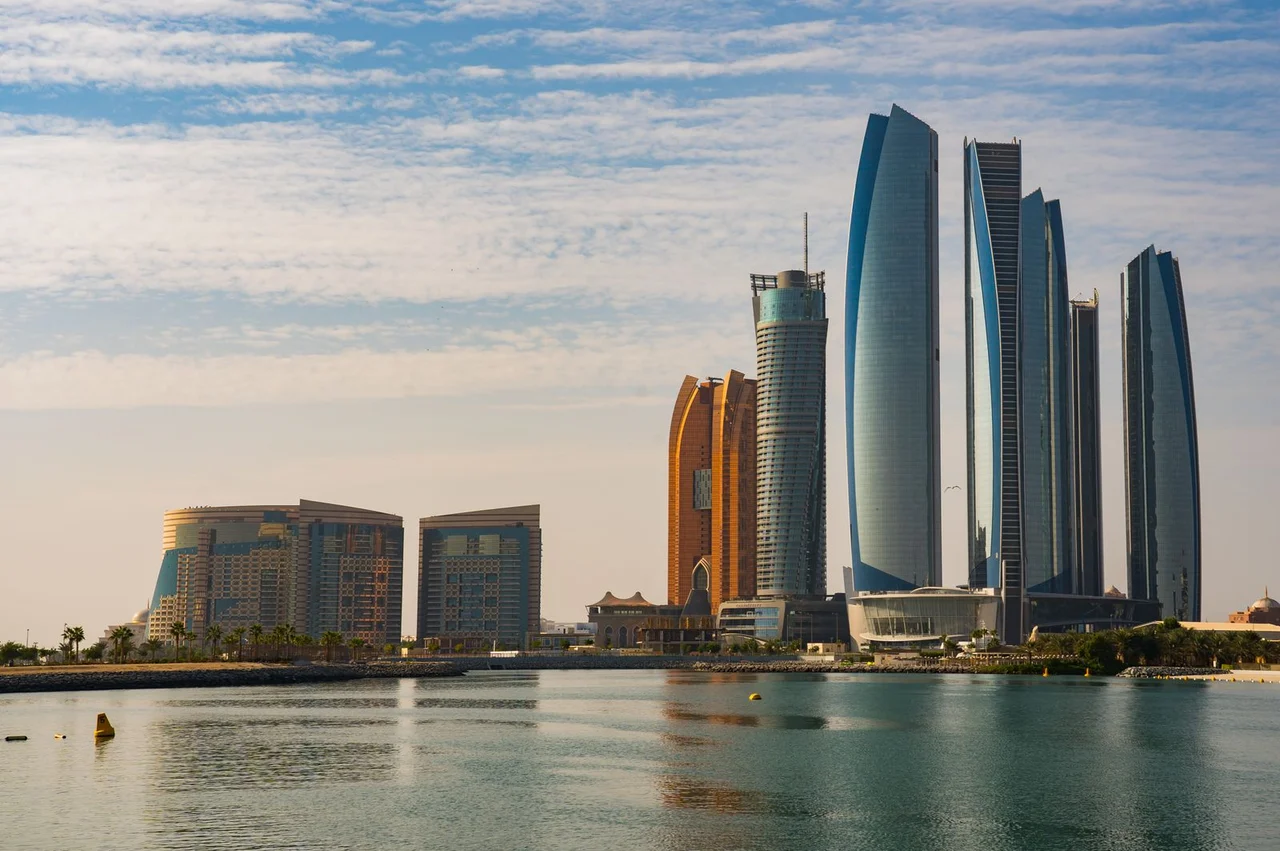 ComparisonDubai or Abu Dhabi in 2026: where to live, work and buy property
 AnalysisWhat is due diligence and why the Caribbean is rejecting applications
Personal programme selection is conducted by Anna Kovalevskaya, Head of Legal, BRIDGES.
Residency in UAE: timelines and requirements
Grounds, document list, presence requirements and what is needed for renewal.