Client story
How the situation developed
Where they started
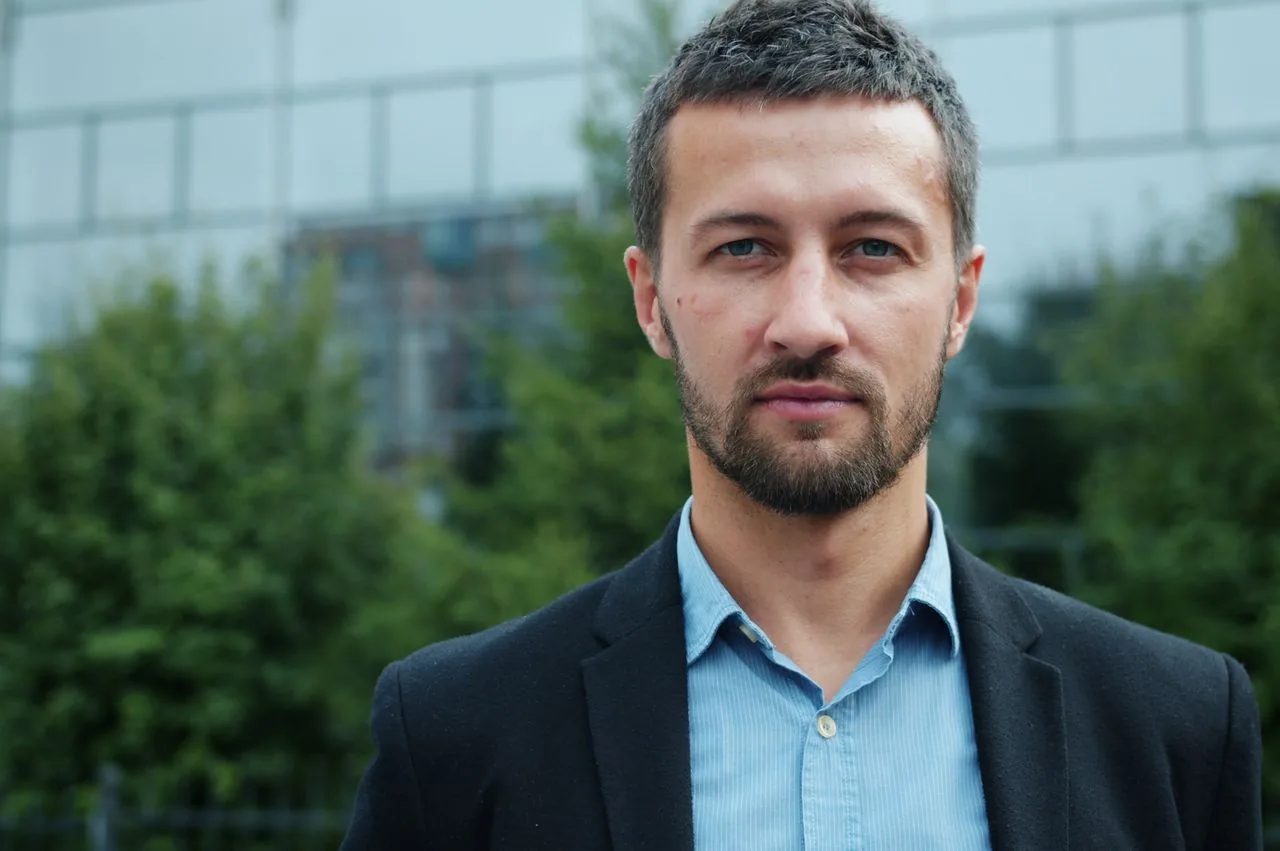
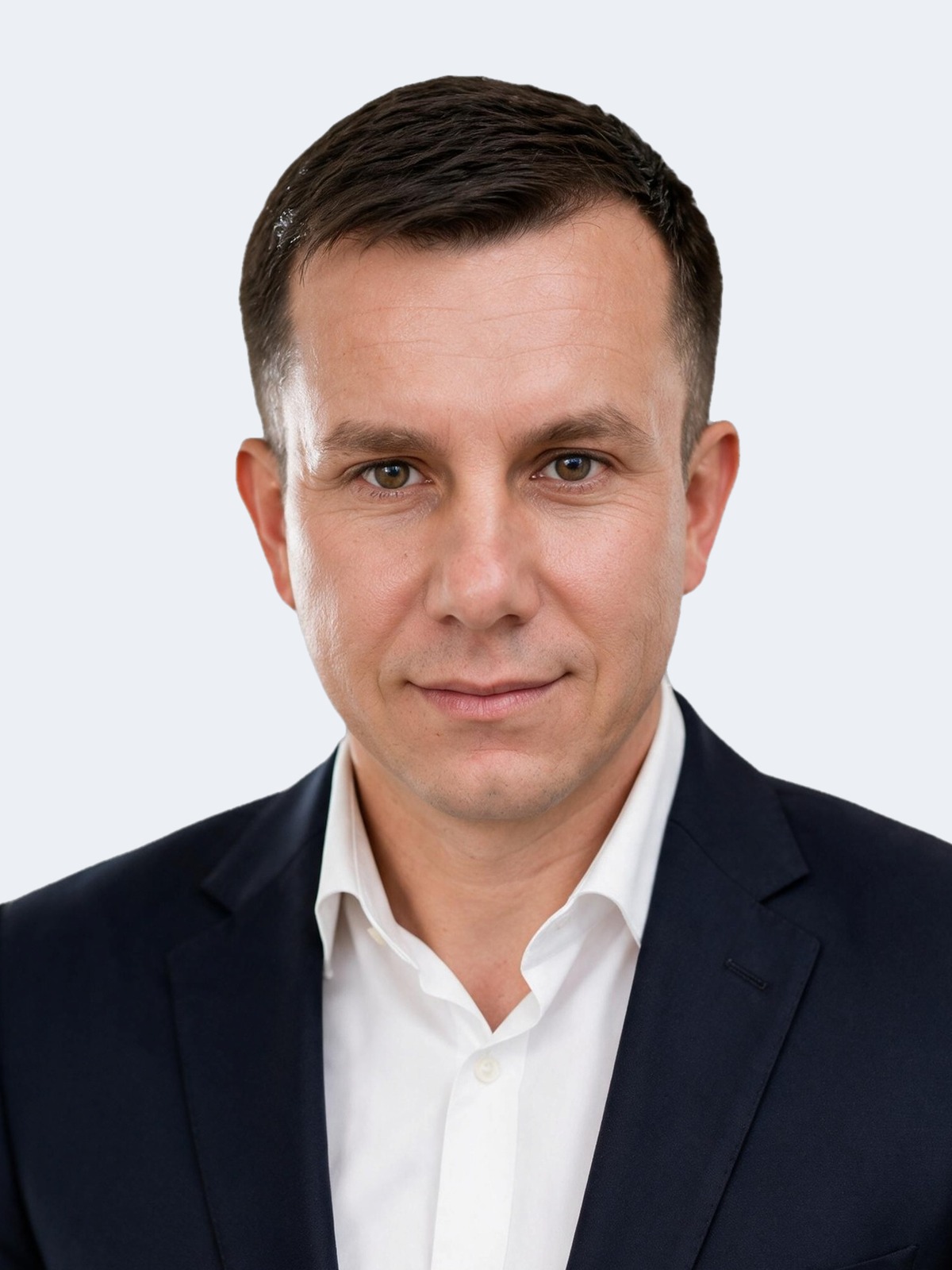
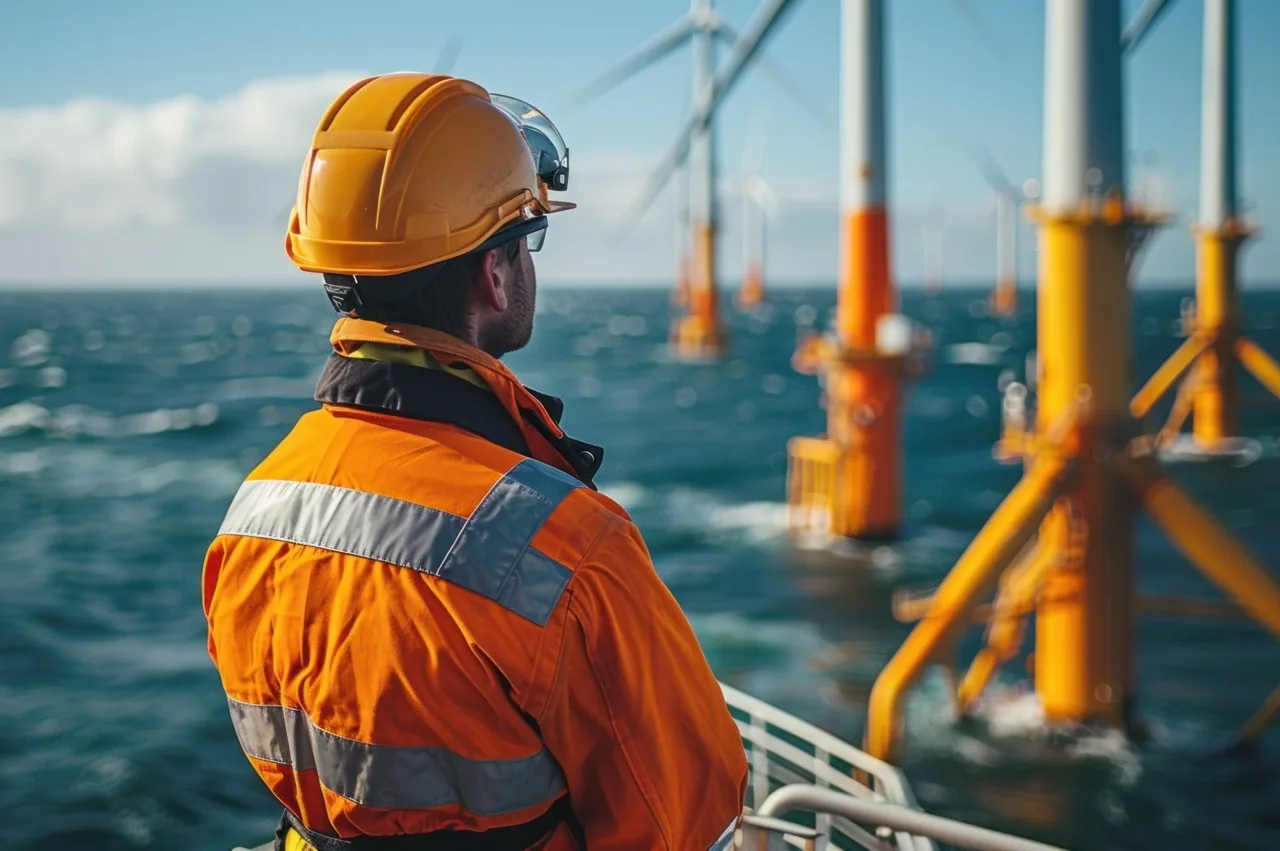
Yerbol is 46, from Atyrau - a city where oil is a profession inherited from your parents. He spent twenty years maintaining offshore platforms in the Caspian, and eight years ago a service company offered him a contract in West Africa. Since then his working map has been the Gulf of Guinea: platforms off Nigeria, service runs out of Angola, projects near Gabon.
Why the standard route did not work
The region pays well and specialists trained in the Caspian are valued there. The problem was personal logistics: a Kazakhstani passport requires a visa for almost every country on his route. Between rotations Yerbol did not rest, he collected documents: invitations from operators, forms, waiting in consulates. Twice in the last two years he arrived late for the start of a shift because of a stuck permit - for a service engineer that hits both the contract and the reputation.
What BRIDGES had to solve
The idea came from a Portuguese colleague pointing at the map: in the middle of the Gulf of Guinea, a couple of hours’ flight from their sites, lies the island state of Sao Tome and Principe - and it has a citizenship by investment programme. A contribution of USD 90,000, the most accessible in the world alongside Nauru, processing in 6-8 weeks, fully remote, and a passport that opens dozens of countries visa-free, including the West and Central Africa where Yerbol works. He came to us to check whether it sounded too good to be true.
I am used to distrusting simple solutions - on a platform, simple solutions usually end badly. So I asked to see everything: the law, the agent’s status, what the passport gives and what it does not. It was all laid out for me, including the fact that there is no Schengen. I do not need Schengen - I need the Gulf. We completed it between two rotations and I did the biometrics by video from Atyrau. Now I fly between sites like a local.