Updated: June 2026

Case study · Sao Tome and Principe · Citizenship

How a Client Quickly Obtained a São Tomé PassportAfter a Technical Rejection in Egypt

A technical rejection is particularly frustrating: the issue lies not with the applicant themselves, but with a formal procedural gap that was not addressed in time. Our client faced exactly this situation with the Egyptian program. We identified the root cause and expedited an alternative São Tomé and Príncipe passport application. Here's how the client avoided being stuck and obtained citizenship through a faster alternative route.

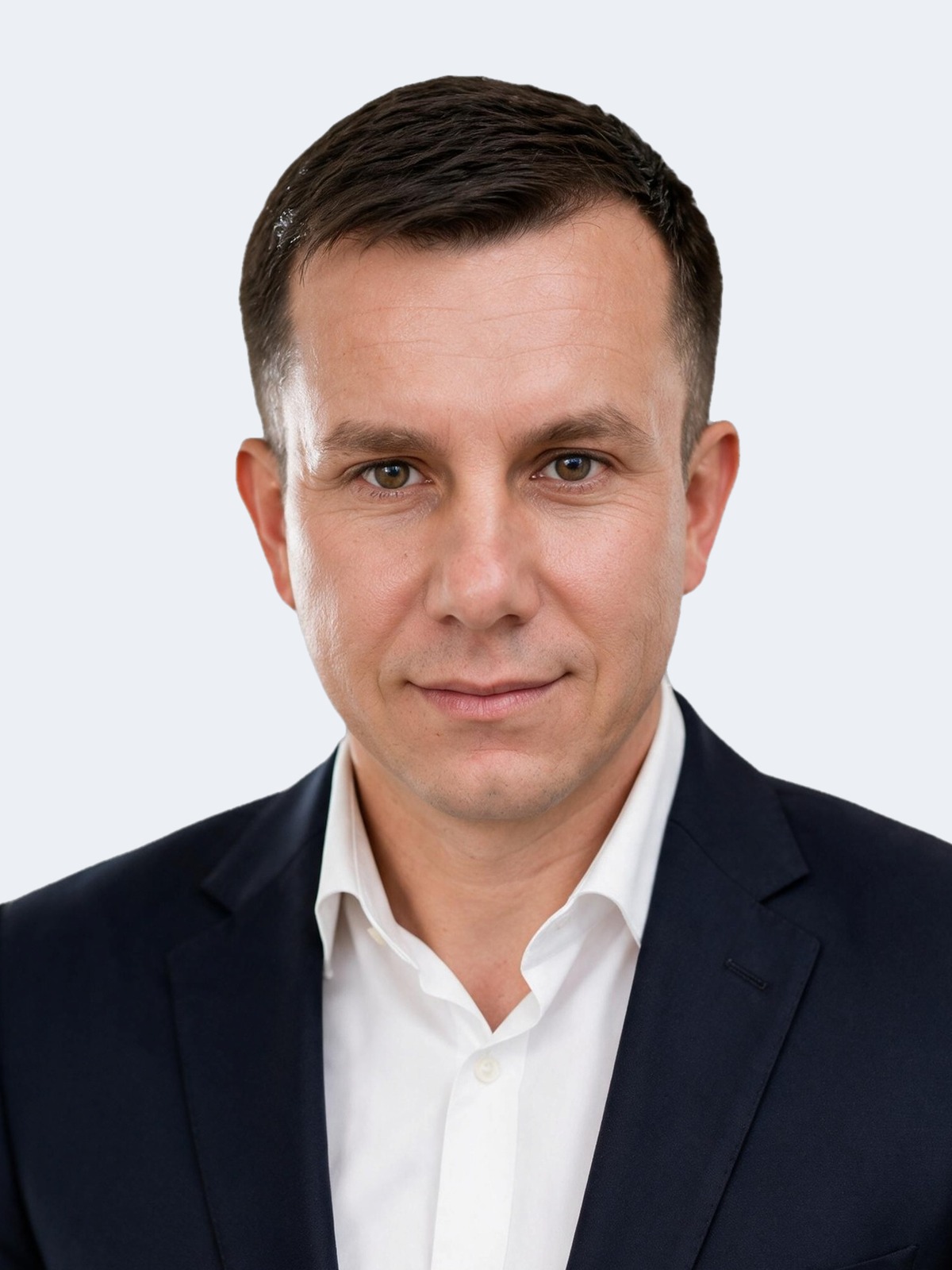
Sergey EvdokimovSergey EvdokimovManaging Partner, BRIDGESReading time9 min readVerificationReviewed by an expert

This case is based on a real matter. The name and certain identifying details have been changed to protect confidentiality.

BRIDGES client story - How a Client Quickly Obtained a São Tomé Passport After a Technical Rejection in Egypt
Contents

Case at a glance

Situation, solution and outcome in seven lines

Client Profile
Applicant with technical rejection in Egyptian program
Objective
Obtain citizenship quickly through an alternative pathway
Program
São Tomé and Príncipe, Citizenship by Investment
Challenge
Technical rejection in Egyptian program
Required Actions
Identify the cause of rejection + secure fast alternative pathway
Solution
Clean application under São Tomé and Príncipe program
Outcome
São Tomé and Príncipe passport obtained expeditiously

Client story

Client's Story

Where they started

The client was pursuing the Egyptian program but received a rejection—specifically, a technical one: the issue was not the legitimacy of funds or the applicant's background, but a formal procedural gap that was not closed in time. Such rejections are particularly frustrating because the applicant is fundamentally qualified but stumbles over a procedural detail.

Why the standard route did not work

The first essential step after any rejection is to analyze its cause rather than resubmit blindly. The technical nature of the rejection was actually an advantage here: the cause lay not with the client themselves, meaning it could be avoided on a clean pathway. However, the client was unwilling to return to the same program—he needed a fast and reliable solution.

What BRIDGES had to solve

São Tomé and Príncipe served as an ideal backup option: a new citizenship by investment program (legal basis—Decree-Law No. 07/2025) with a non-refundable contribution to the National Transformation Fund and one of the shortest timelines—approximately two months, with no residency requirement. For a client who needed results rather than delays, this was a convenient and fast route.

Why a standard answer would not do

The client came to BRIDGES to avoid repeating the failure and not waste time: to identify the cause of the technical rejection in Egypt and process São Tomé and Príncipe citizenship through a clean application—quickly and reliably.

I was rejected under the Egyptian program for technical reasons—not due to funds or background, but because of a formal procedural gap. Sergey did not push me to blindly resubmit to the same program; instead, he identified the cause and proposed an alternative—São Tomé and Príncipe: a new program with a timeline of about two months and no residency requirement. We prepared a clean application, and I received my passport quickly. Most importantly, I was not stuck due to a procedural technicality but obtained results through an alternative route.


Soiskatel · InvestorThe name and certain identifying details have been changed to protect confidentiality.

What Was at Risk

What Was at Risk

The risk lay not in the rejection itself, but in the possibility of becoming stuck: either endlessly pursuing one program or resubmitting blindly without understanding the cause. A technical rejection signals the need to switch to a fast and clean pathway. The key was identifying the cause and processing an alternative passport without repeating the procedural gap.

The rejection in Egypt was technical, not substantive to the client's eligibility

  1. 01Blind resubmission would risk repeating the same procedural gap
  2. 02São Tomé and Príncipe is a new program with a short timeline (approximately 2 months)
  3. 03The contribution goes to the National Transformation Fund with no residency requirement
  4. 04A clean application through an alternative route delivers fast results

The logic of the solution

How the matter progressed: from checks to result

The chart is built from the facts of this matter and shows the logic of the work without decorative or unverified data.

  1. 01
    Stage 1

    We analyzed the nature of the rejection. First, we determined that the Egypt rejection was technical—a formal discrepancy, not a question about the client's finances or background. This showed that the issue was not with the client and the route could be changed.

  2. 02
    Stage 2

    We abandoned blind resubmission. We did not push the client to reapply to the same program arbitrarily to avoid repeating the discrepancy. Instead, we chose a clean alternative route.

  3. 03
    Stage 3

    We selected a fast alternative route. We proposed São Tomé and Príncipe—a new program with a short timeframe and no residency requirement, convenient when the goal is to achieve results rather than get stuck.

  4. 04
    Stage 4

    We prepared a clean application. We compiled the application for the São Tomé program carefully, without the formal discrepancy that failed in the Egypt case, to ensure the new route proceeded smoothly.

  5. 05
    Stage 5

    We processed the contribution and submitted the application. We made a non-refundable contribution to the National Transformation Fund and submitted the application in accordance with program requirements.

Takeaway. Conclusion: a technical rejection means the issue is not with the client, and it is a reason to change routes to a clean and fast option rather than pursue the same program. São Tomé with its short timeframe is a convenient alternative route.

How we solved the problem

How we solved the problem

The work was split into verifiable stages so that every conclusion rested on documents.

  1. 01

    Stage 1

    We analyzed the nature of the rejection. First, we determined that the Egypt rejection was technical—a formal discrepancy, not a question about the client's finances or background. This showed that the issue was not with the client and the route could be changed.

  2. 02

    Stage 2

    We abandoned blind resubmission. We did not push the client to reapply to the same program arbitrarily to avoid repeating the discrepancy. Instead, we chose a clean alternative route.

  3. 03

    Stage 3

    We selected a fast alternative route. We proposed São Tomé and Príncipe—a new program with a short timeframe and no residency requirement, convenient when the goal is to achieve results rather than get stuck.

  4. 04

    Stage 4

    We prepared a clean application. We compiled the application for the São Tomé program carefully, without the formal discrepancy that failed in the Egypt case, to ensure the new route proceeded smoothly.

  5. 05

    Stage 5

    We processed the contribution and submitted the application. We made a non-refundable contribution to the National Transformation Fund and submitted the application in accordance with program requirements.

  6. 06

    Stage 6

    We obtained the passport quickly. The client received São Tomé and Príncipe citizenship in a short timeframe. The technical rejection from Egypt did not become a dead end—we simply transferred the client to a faster and cleaner route.

Expert comment

Technical rejections are the most frustrating, and I treat them differently than substantive rejections. When someone is rejected not because of finances or background, but because of a formal discrepancy that was not closed in time, it means one simple thing: the issue is not with them. The major mistake here is to panic and pursue the same program or resubmit blindly, risking repeating the same detail. I do it differently: I analyze the reason and, if speed is important to the client, I transfer them to a clean and fast route. São Tomé and Príncipe is perfect for this—it's a new program with a timeframe of approximately two months, a contribution to the National Transformation Fund, with no residency requirement whatsoever. With this client, we identified the technical reason for the Egypt rejection and calmly processed a São Tomé and Príncipe passport. The client did not get stuck because of a formality—they simply took a different, shorter path. After a rejection, it's important not to persist, but to understand the reason and choose the right route.

Sergey Evdokimov, Managing Partner, BRIDGESSergey EvdokimovManaging Partner, BRIDGES

Outcome

What the client received

What was required
How we did it · Result
Not to get stuck
Route change after analyzing the reason · Fast alternative route
Not to repeat the rejection
Clean application without discrepancies · Without repeating the formal detail
Speed
Program with timeframe ~2 months · Passport obtained quickly
Reliable result
Contribution to NTF + application submission · Citizenship of São Tomé and Príncipe
Reliable result
Contribution to NTF + application submission · Citizenship of São Tomé and Príncipe

What happened: the client was rejected under the Egypt program for technical reasons—a formal discrepancy, not a substantive issue with the client. What we did: analyzed the nature of the rejection; abandoned blind resubmission; selected a fast alternative route; prepared a clean application; processed the contribution and submitted the application; obtained the passport quickly. What the client received: citizenship of São Tomé and Príncipe in a short timeframe.

Practical takeaway

What matters in a similar situation

  • Conclusion: a technical rejection means the issue is not with the client, and it is a reason to change routes to a clean and fast option rather than pursue the same program. São Tomé with its short timeframe is a convenient alternative route.
  • The client did not get stuck because of a formality—because we identified the reason for the technical rejection in the Egypt case and transferred them to the fast and clean São Tomé route.

FAQ

Questions people ask in a similar situation

01Is it possible to obtain a São Tomé and Príncipe passport after rejection under another program?

Yes. It is important to analyze the reason for the previous rejection; if it is technical, the issue is not with the client, and a clean application for São Tomé and Príncipe will not repeat it. The program timeframe is approximately two months.

02What is a technical rejection?

This is a rejection due to a formal procedural or documentary discrepancy, rather than due to the legality of funds or the applicant's background. It means the issue does not concern the individual personally.

03Why is São Tomé suitable as a backup option?

This is a new citizenship by investment program (Decree-Law No. 07/2025) with a short timeline of approximately two months, requiring a contribution to the National Transformation Fund and with no residency requirement.

04Does the applicant need to go through the entire process again?

Essentially, this is a new application under a different program, but prepared cleanly—without the formal discrepancy that caused the previous rejection. This is what delivers the quick result.

05What is the cost of São Tomé citizenship?

A non-refundable contribution to the National Transformation Fund starting from USD 90,000 per applicant (with the current offer in place). Exact terms should be clarified with the competent authority.

06Received a technical rejection under the investment program?

We will analyze the reason for the rejection and, if it is technical in nature, we will transfer you to the fast, clean São Tomé and Príncipe route—passport within approximately two months, with no residency requirement, so you do not get stuck due to a formality.

About the author

Sergey Evdokimov

Author: Sergey Evdokimov

Managing Partner, BRIDGES

As Founder and Managing Partner of BRIDGES, I am responsible for the firm's strategy and personally lead its most complex client matters, including cases in which citizenship or residence decisions require a strategic view and consideration of capital.

I begin by defining the objective: the outcome the client needs, the facts that affect the choice, and the matters that require further review. I then establish the available directions, the sequence of work, and the key decision points.

Once the strategy has been agreed, I oversee the BRIDGES team's key decisions and remain involved at the stages that shape the course of the matter. The purpose is to give the client a clear rationale for the chosen direction and a precise understanding of the next steps.

Prepared on the basis of BRIDGES practice and reviewed by a subject-matter expert.

Discuss your situation with Sergey

We will review your situation and propose a solution

Describe your task in a few words. We will study your situation, assess the legal and practical options and propose the next step based on your goals, documents and country.

Confidential · no obligations · answered by the relevant specialist

Or message us on WhatsApp or Telegram

Anna KovalevskayaHead of Legal, BRIDGES
Anna Kovalevskaya, Head of Legal, BRIDGES

Names and certain details have been changed to protect client confidentiality. The result described reflects one specific situation and is neither a public offer nor a guarantee of a similar outcome. Programme terms are stated as of 2026 and may change - please confirm current parameters with a BRIDGES consultant.