Residency · Cyprus
Life in Limassol in 2026: areas, prices, work and expat environment

Updated: June 2026·12 min read·Expert reviewed
Terms and costs verified: June 2026
Contents
Limassol is the business and most cosmopolitan point of Cyprus: IT, fintech, forex and shipping are concentrated here, and the Russian-speaking community is the largest on the island. This also makes the city the most expensive rental market in the country: a two-room apartment by the sea easily costs three times more than in Paphos or Larnaca. This analysis is without embellishment: which areas do expats choose, how much rent and living actually cost in 2026, where to look for work and salary, what makes the city happy and what irritates you - from the summer heat and humidity to traffic jams during rush hour and endless construction projects on the coast.
Limassol: why entrepreneurs and IT specialists come here
If Nicosia is a bureaucratic capital, and Paphos and Larnaca are leisurely resorts, then Limassol is the business heart of Cyprus. The city has grown from a port center into the main business area of the island: hundreds of international companies are registered here, with offices of IT giants, fintech startups, forex brokers and shipping holdings. It is here that entrepreneurs and qualified specialists from all over the world flock, and that is why Limassol has long outgrown the confines of a provincial Mediterranean town.
The cosmopolitan feel is felt on the streets: Greek, English and Russian are heard nearby, signs and menus are often duplicated in several languages, and business meetings take place quietly in coastal lounges and coffee shops. The city lives in a rhythm unusual for the rest of Cyprus - faster, more expensive and more ambitious.
This dynamic comes at a price: Limassol is the most expensive city on the island in terms of rental costs and living costs in general. If you are just looking at the island, it is useful to compare the options - we have compiled a detailed analysis of Which areas of Cyprus are best to live in?so that the decision is conscious and not impulsive.
Districts of Limassol: from the marina to quiet suburbs
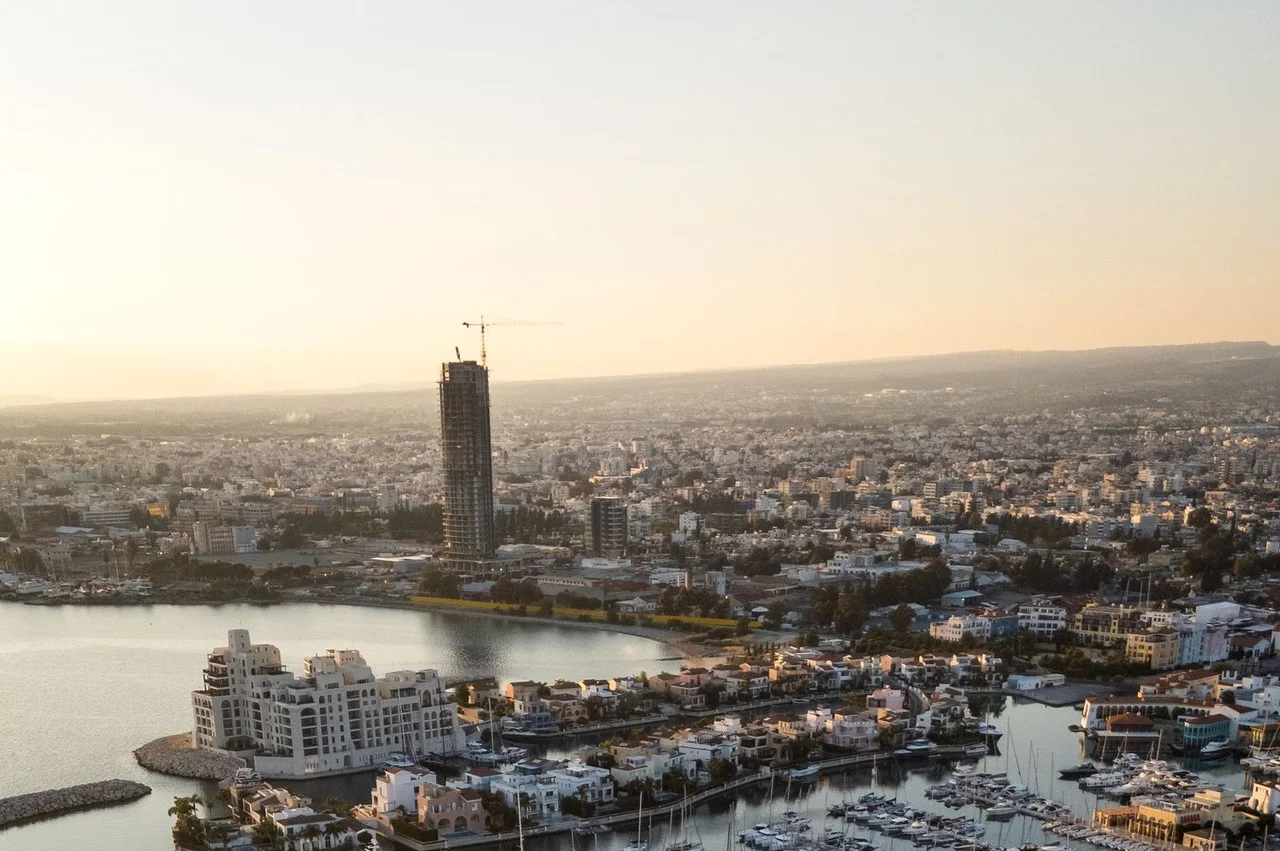
Limassol is stretched along the coast, and the character of the area directly depends on its proximity to the sea and the new embankment. Conventionally, the city is divided into a premium coastal strip, sought-after expat neighborhoods and quieter suburbs, where rent is noticeably softer.
- Limassol Marina and Center - the most expensive and status zone. Modern towers on the first line, yachts, restaurants, boutiques. Top managers and business owners live here, and the price tags are the highest here.
- Potamos Germasogeia and Germasogeia - the heart of expat life. The best beaches in the tourist area, restaurants, schools, modern complexes. The most popular choice among families of relocating professionals.
- Agios Tychonas and Mouttagiaka - new residential complexes next to five-star hotels, just east of the center. Modern housing, silence and the sea within walking distance.
- Tourist area - convenient for renting for the season, but in summer it is noisy and crowded.
- Suburbs and neighborhoods inland from the sea - Mesa Githonia, Kapodistrias, upper areas - quieter and noticeably cheaper, but without a sea view and tied to a car.
The closer to the water and marina, the higher the price; The further inland, the calmer the budget. We provide detailed geography in the material about best areas to live in Cyprus.
Table of districts: character and approximate rent
To correlate the districts with the budget, we will collect the guidelines in one table. The figures are ranges as of early 2026 for long-term rentals; in reality it all depends on the condition, floor, sea view and season. The Limassol market is overheated: there are fewer quality homes than there are people interested, so rates remain high all year round.
| Limassol area | Character | Approximate rental (2026) |
|---|---|---|
| Limassol Marina / center by the sea | premium, status, towers on the first line | from 2000 €/month for a studio, 2 rooms. often 4000-8000 €/month |
| Potamos Germasogeia | expats, beaches, restaurants, complexes | 2-room from 2500-3500 €/month |
| Germasogeia (higher from the sea) | villas and houses, families | at home 2500-5000 €/month |
| Agios Tychonas / Mouttagiaka | new complexes, hotels, silence | 2-room often above 3500 €/month |
| Tourist area | seasonal rental, noisy in summer | wide range, 1500 €/month and above |
| Suburbs inland (Mesa Githonia, etc.) | calm down, I need a car | 1 room from 1000-1400 €/month |
Average guideline for the city: 1-room apartment - 1200-1800 €/month, 2-room apartment - about 2750 €/month. This is more expensive than any other city on the island - and it’s worth knowing about this in advance.
How much does it cost to rent and live in Limassol
The main truth about Limassol: it is the most expensive rental market in Cyprus, and the gap with other cities is noticeable. Demand from international companies and a constant influx of specialists keeps rates high, and prices on the first line of the sea are comparable to major European capitals.
- Rental housing. Studio/1-room apartment - approximately 1200-1800 €/month, 2-room apartment on average about 2750 €/month, and in premium complexes by the water 2-room apartments reach 6000-8000 €/month.
- Deposit. The standard is one month's deposit, sometimes plus an agent's commission.
- Utility payments. Electricity is expensive, and in summer air conditioning can easily increase the bill to 150-250 € per month.
- General expenses. A couple needs approximately 2500-3500 € per month for a comfortable life with rent.
If it is important for you to reduce costs, it makes sense to compare the city with a calmer and more affordable resort - we discuss this in the review life in Paphos. For a complete breakdown of the country, see the guide about cost of living in Cyprus.
Buying real estate: prices and investor logic
Many expats, after renting for a year or two, think about buying - and in Limassol this is a particularly common scenario, because rent here is objectively expensive, and the rental flow is stable. The city attracts not only those who move to live, but also investors counting on income from rentals.
Price picture in 2026:
- First line and marina - the most expensive segment of the island, new towers with sea views are sold at premium prices.
- Modern complexes in Germasogeia and Agios Tychonas - main demand of expats, good balance of quality and liquidity.
- Suburbs and neighborhoods inland - noticeably more affordable, suitable for living without overpaying for a sea view.
Buying real estate in Cyprus is not only housing, but also a potential path to EU resident status: when investing above the established threshold, a permanent residence program opens. We discuss logic and thresholds in detail in Cyprus property investment guide - in the same place about which objects are suitable for obtaining status and which are not.
We will find the right basis for residency in Cyprus
We calculate the budget and timing for your family and list the documents you need.
Jobs and salaries: IT, fintech, forex, shipping
Limassol is a rare city in the Mediterranean where people go not to live out their retirement, but to build a career. The main business cluster of the island is concentrated here, and the majority of international IT companies in Cyprus are based here. Many of them were founded by immigrants from Russia and post-Soviet countries, so the entry threshold for a Russian-speaking specialist is lower than it seems.
Key hiring sectors:
- IT and development - product companies, game development, outsourcing; There is even a separate Russian-speaking IT community.
- Fintech and Forex - brokers and payment services for which Limassol has become a European hub.
- Shipping - a historical pillar of the city’s economy, one of the largest maritime clusters in the EU.
- Related services - lawyers, accountants, auditors, doctors, many of whom speak English and Russian.
Salaries in these sectors are noticeably higher than the Cypriot average, and corporate relocation often includes assistance with residence permits and family relocation. It is work, and not the beach, that is the main magnet of Limassol. If the move is related to employment, it is useful to study the general algorithm in advance in the guide to relocation to Cyprus.
Russian-speaking community and expat environment
Limassol has long been half-jokingly called the Russian city of Cyprus - and this is not far from the truth. The Russian-speaking community here is the largest on the island: according to various estimates, we are talking about 20-30 thousand people, and the share of Russian speakers in the city’s population is noticeably higher than anywhere else in Cyprus.
What does this mean in practice:
- Language. On the streets, in shops and cafes, Russian speech can be heard everywhere, many signs and menus are duplicated.
- Infrastructure. There are Russian-language weekend schools, doctors, lawyers, salons, media and cultural centers with regular events.
- Community. Professional communities (especially in IT) help you quickly integrate - from networking to everyday issues of moving.
- Multiculturalism. In addition to Russian speakers, the city has many British, Israelis, Lebanese and specialists from all over the world.
This is a serious plus for the family: adaptation is smoother than in a monolingual environment, and the child can learn English and Greek without losing their native language. At the same time, it is important not to isolate yourself in the community - it is integration into local life that makes moving truly comfortable.
Climate and seasonality: what to prepare for
The climate of Limassol is classic Mediterranean, with a very long warm season, and this is both a plus and a challenge. Winters are mild and short, but summers are long, hot and humid, which comes as a surprise to many northerners.
- Summer (June-September). The most difficult period: temperatures are often 30-35 °C, coastal humidity increases stuffiness. The air conditioning works almost 24 hours a day, hence the high electricity bills.
- Winter (December-February). Mild, +12...+18 °C during the day, rain, but no snow. Houses often do not have central heating - it is worth considering heating costs.
- Off-season (spring and autumn). Best time: comfortable warmth, warm sea, minimum tourists.
- Swimming season. Long - the water remains warm from late spring to mid-autumn.
Top tip: If you can't handle heat and humidity, test the city in July-August before moving. Many who have seen Limassol only in the spring underestimate the summer stuffiness - and they have to live with it for several months a year.
Expert's opinion: how to choose an area and not overpay
Over the years of practice, we see the same mistakes made by those moving to Limassol, and almost all of them are associated with haste and underestimating the budget.
- Don't rent a place blindly. Prices and quality vary greatly even in neighboring neighborhoods; come, watch live, bargain.
- Consider the full cost. Add expensive electricity, school, car to the rent - the real budget is higher than it seems from the ad.
- Link the neighborhood to work and school. Traffic jams along the sea eat up time; It makes sense to live near your children's office or school.
- Don't confuse vacation and life. A city that is charming in the spring is tested by heat and construction in the summer - factor this into your decision.
Official information about residence, status and services for residents should always be checked on the Cyprus state portal - gov.cy. And remember: Cyprus is a full member of the EU, but is not yet part of the Schengen zone, so living here in itself does not provide visa-free travel within Schengen - this must be taken into account when planning your trips.
Bottom line: who is suitable for living in Limassol?
Limassol is a city for those who go to Cyprus to work and develop, and not just bask by the sea. It has the highest concentration of businesses and salaries on the island, the strongest expat community, well-developed family-friendly infrastructure and a vibrant seaside lifestyle. This is the best choice for IT, fintech, forex and shipping specialists, for entrepreneurs and for families who value international schools and a large international community.
But : you have to pay for all this - literally. The most expensive rent and life on the island, exhausting summer heat and humidity, rush hour traffic jams and construction on the coast are the downside of a dynamic city. If the priority is silence and economy, it will be quieter and cheaper in Paphos or inland areas.
The optimal scenario is to come, live in a rental, get a feel for the areas and seasons, and only then make a decision about purchasing real estate and status. And so that the move and legalization go without errors, it is wise to plan a route in advance: from relocation to Cyprus before choosing a residence permit or permanent residence program. This turns the dream of living by the sea into a manageable and predictable project.
- Cypriot permanent residence vs Cypriot citizenship: what to choose
- Cyprus Permanent Residency Law: Regulation 6(2)
- Northern Cyprus Citizenship (TRNC): what yes
- How much does Cyprus citizenship cost
- Cyprus permanent residence or Turkish residence permit: what to choose
- Investing in Cyprus real estate: guide
Schools, medicine and life for the family
For those moving with children, Limassol is one of the most convenient cities on the island. There are more than a dozen international schools teaching primarily in English here, which relieves language stress at the start and gives the child a recognized diploma.
- International schools. There are about one and a half dozen private international schools in the city; British programs and institutions with a long-standing reputation are popular. English is the main language of instruction.
- Medicine. Developed private medicine, many English- and Russian-speaking doctors, modern clinics. The state system (GESY) is available to residents.
- Life Large shopping centers, supermarkets, delivery, sports infrastructure, embankment for walking and sports.
- Safety. The low crime rate is one of the main arguments for families in favor of Cyprus.
The downside for the family budget is the cost of private schools and the general high cost of the city. But taken together, the infrastructure and safety make Limassol a strong choice for a family move, especially if at least one of the parents works in the local business cluster.
“I always describe Limassol to clients : it is the strongest and most expensive city on the island at the same time. People come here for work and dynamics, and not for cheapness - and anyone who is counting on the Paphos budget will be unpleasantly surprised. My main advice is not to rent, much less buy, housing remotely. Come and stay for at least a couple of weeks, especially in the summer, to experience the heat, humidity and traffic jams along the sea. Consider the full cost: add expensive electricity, private school and the obligatory car to the nice rental figure. And tie the area to the work and school of children, and not just to the view of the sea - time eaten up by traffic jams depreciates even the most beautiful embankment. Then Limassol will reveal exactly the side for which it’s worth moving here.”
Sea, promenade and lifestyle
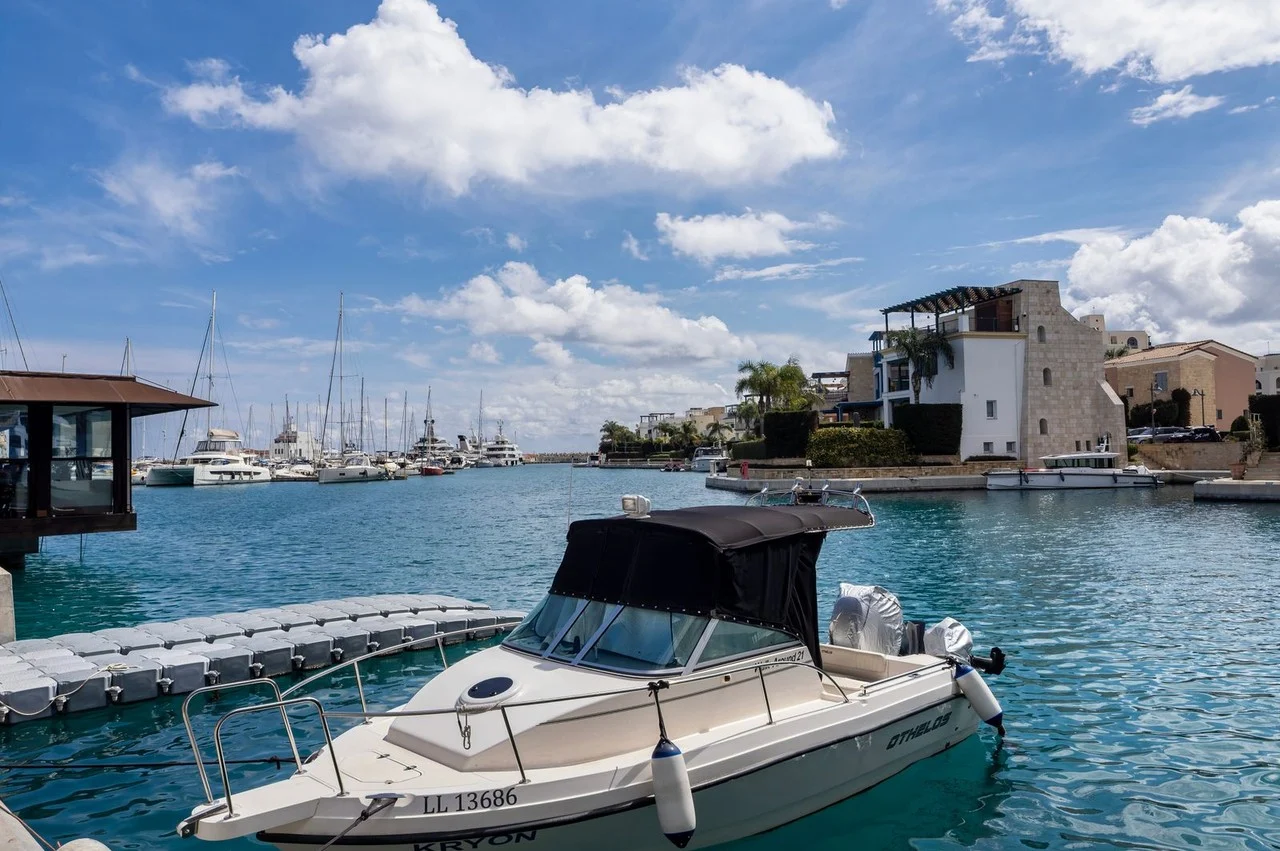
For all its business reputation, Limassol remains a seaside city with a busy lifestyle. Its calling card is the renovated Molos promenade: a long seaside park with sculptures, bike paths and walking areas, which is considered one of the most beautiful in the Mediterranean.
How does the city live outside of offices?
- Sea and beaches. The swimming season is long, the water is warm most of the year; the best beaches are in the Germasogeia area and to the east.
- Molos embankment. The center of city life: running, cycling, coffee with a sea view, family walks.
- Gastronomy and nightlife. Restaurants for every taste, bars, lounges, wine and culinary festivals.
- Culture and events. Carnival, wine festival, concerts and fairs - the city loves public celebrations.
The Mediterranean rhythm, the sea at your side and a developed leisure infrastructure are what many are willing to put up with high prices for. Limassol knows how to combine work and relaxation in one day: morning call, lunch swim, evening dinner on the embankment.
Transport, airports and logistics
Cyprus is a car island, and Limassol is no exception. Public transport is represented by buses, but the route network and frequency leave much to be desired, so almost everyone needs a car for everyday life. The traffic is on the left - you should be prepared for this in advance.
- Airports. Limassol does not have its own airport, but both international ones are nearby: Larnaca is about 45-60 minutes away, Paphos is about 60-70 minutes. This is convenient for frequent flights.
- Automobile. Almost obligatory; parking in the center and by the sea can be a problem, especially in summer.
- Buses and taxis. Buses are cheap but slow; taxis and car sharing help out, but this is not an everyday budget.
- Walking distance. Inside the coastal neighborhoods, much is within walking distance - schools, shops, the embankment.
Logistics is the city's strength, with two airports within an hour's drive providing flexibility for frequent flyers for business or family. But at rush hour and at the height of the season, the roads along the sea get stuck, and this needs to be included in the plans.
We will send a document checklist for your case
Leave your details: we will put together documents and timelines for your family.
Pros and cons of Limassol: a fair balance
Let's sum it up without rose-colored glasses. Limassol is a strong, but expensive and sometimes tiring city. The decision to move should be made by soberly weighing both sides of the scale.
- Plus - work and salaries. The main business cluster of the island: IT, fintech, forex, shipping and incomes above the Cypriot average.
- Plus - infrastructure and environment. International schools, private medicine, the largest Russian-speaking and wide international community.
- Plus - the sea and lifestyle. Molos promenade, beaches, gastronomy, long swimming season.
- Plus - logistics. Two airports within an hour's drive.
- Minus - expensive. Highest rent and cost of living on the island, prices comparable to major European cities.
- The downside is the climate in summer. Heat and high humidity from June to September, temperatures are often 30-35 °C, and air conditioning bills add up.
- The downside is traffic jams and construction. Roads along the sea get busy during rush hour, and active coastal development means noise and cranes in the landscape.
- The downside is transport. Living without a car is inconvenient.
If work and dynamics are more important to you than silence and economy, Limassol is your city. If tranquility and budget are your priority, take a closer look at other parts of the island.
Frequently asked
Questions people ask before deciding
01Why is Limassol considered the most expensive city in Cyprus?
The island's main business cluster is concentrated here - IT, fintech, forex and shipping - and a constant influx of international specialists keeps demand for housing above supply. There is objectively a shortage of quality rentals, so rates are high all year round, and prices on the first line of the sea are comparable to major European capitals.
02How much does it cost to rent an apartment in Limassol in 2026?
Guidelines for the beginning of 2026: studio or 1-room apartment - approximately 1200-1800 €/month, 2-room apartment on average about 2750 €/month. In premium complexes by the sea and at the marina, two-room apartments reach 6000-8000 €/month. The deposit is usually equal to one month's payment.
03Which areas of Limassol do expats choose?
Most often - Potamos Germasogeia and the wider Germasogeia area, as well as Agios Tychonas and Mouttagiakou with new complexes. The most status and expensive area is Limassol Marina and the center by the sea. For those who want to save money, the inland suburbs are suitable, but they require a car.
04Is there a large Russian-speaking community in Limassol?
Yes, the largest in Cyprus. According to various estimates, we are talking about 20-30 thousand Russian-speaking residents, and their share in the city’s population is noticeably higher than in other cities on the island. There are Russian-language weekend schools, doctors, lawyers, media, cultural and professional communities.
05What kind of work can you find in Limassol?
The city is the business center of Cyprus, the main hiring is in IT and development, fintech and forex, shipping, as well as related services - law, accounting, auditing, medicine. Many companies were founded by immigrants from post-Soviet countries, so it is easier for a Russian-speaking specialist to integrate. Salaries are higher than the Cypriot average.
06How much money per month do you need to live in Limassol?
A couple needs approximately 2500-3500 € per month for a comfortable life with rent. The amount is greatly influenced by rent and electricity bills: in summer, air conditioners increase the bill to 150-250 €. For a family with children and a private school, the budget is noticeably higher. Limassol is more expensive than any other city on the island.
07How far is Limassol from the airports?
Limassol itself does not have an airport, but both international ones are nearby: Larnaca is about 45-60 minutes by car, Paphos is about 60-70 minutes. This is convenient for those who fly frequently on business or to visit family. There is public transport between cities, but it is slower than a private car.
08Do you need a car in Limassol?
Almost everyone - yes. Cyprus is car driven, traffic is on the left, and public transport is represented mainly by buses with not the most convenient network and schedule. Inside the coastal neighborhoods, much is within walking distance, but for everyday life, trips to school and airports, a car is almost mandatory.
09What are the disadvantages of living in Limassol?
The main disadvantages are the high cost of rent and living, exhausting summer heat with humidity (30-35 °C from June to September), traffic jams along the sea during rush hour and active construction on the coast. Plus dependence on the car. These factors should be carefully weighed before moving, especially if you have trouble with the heat.
10Is Limassol suitable for moving with children?
Yes, it is one of the most family-friendly cities on the island. Limassol has about one and a half dozen international schools with instruction primarily in English, developed private medicine with English- and Russian-speaking doctors, a low crime rate and a large international community. The main disadvantage is the high cost of private schools and life in general.
11Is it possible to obtain EU resident status through the purchase of real estate in Limassol?
Yes, investing in real estate from the established threshold opens the way to permanent residence in Cyprus - lifelong EU resident status. But the nuances are important: which properties are suitable for the program, income and registration requirements. We discuss these conditions in detail in a separate guide to investing in real estate in Cyprus.
12Does living in Limassol provide visa-free entry into Schengen?
In itself - no. Cyprus is a full member of the European Union, but is not yet part of the Schengen zone. This means that having Cypriot resident status does not equal automatic visa-free travel within Schengen and travel must be planned with this in mind. EU resident rights also provide many other benefits.
Transparency
How this material was prepared
- Author
- Viktoria Lebedeva, managing Director, Private Clients, BRIDGES
- Terms and costs last verified
- June 2026
- Sources
- official government authorities of the relevant country and state publications
- Methodology
- government minimum requirements are stated separately from due diligence charges, state fees, legal and banking costs
Sources and methodology
Figures, terms and timelines are checked against official sources as of June 2026. Link availability verified in August 2026. Third-party blogs and agent websites are not used as a source of programme terms.
- [1]Ministry of Interior of the Republic of CyprusResidence conditions and statuses for foreign nationalswww.moi.gov.cy/moi/moi.nsf/index_en/index_en
- [2]Cyprus Tax DepartmentTax residency and rateswww.mof.gov.cy/mof/tax/taxdep.nsf/index_en/index_en
Methodology: tables and charts state government minimum investment requirements; due diligence charges, state fees, legal, banking and other costs are calculated separately and are not included in the minimum thresholds.
About the author
Related materials
What to read next
 ArticleCyprus citizenship by descent: right of blood in 2026
 ComparisonNorthern and Southern Cyprus: Key Differences and Where to Buy Real Estate in 2026
 AnalysisWhat is due diligence and why the Caribbean is rejecting applications
Personal programme selection is conducted by Anna Kovalevskaya, Head of Legal, BRIDGES.
Residency in Cyprus: timelines and requirements
Grounds, document list, presence requirements and what is needed for renewal.