Residency · Bulgaria
Real estate in Bulgaria on the sea 2026: resorts, prices and nuances

Updated: June 2026·11 min read·Expert reviewed
Terms and costs verified: June 2026
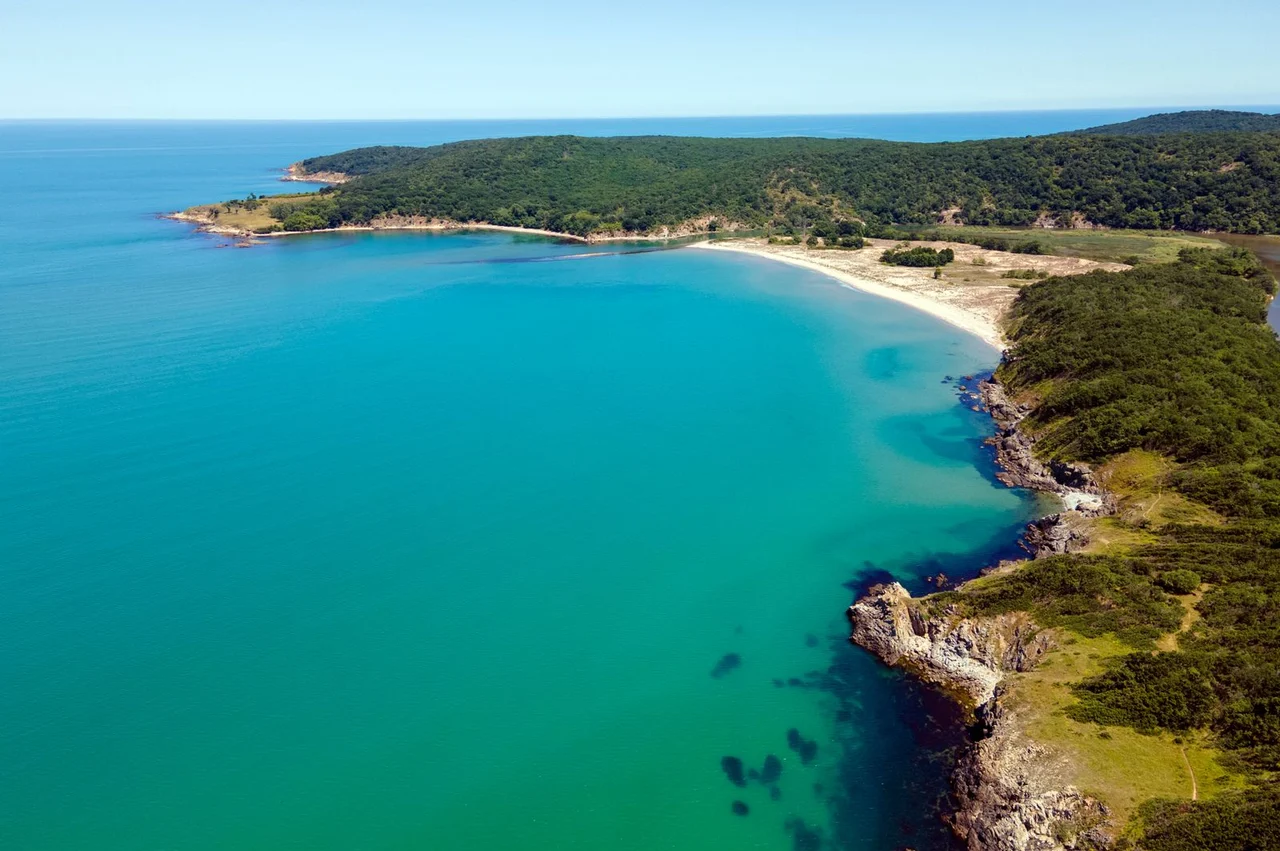
Contents
Bulgaria's Black Sea coast is one of the most affordable gateways to seaside property in the European Union. A studio in a resort complex on Sunny Beach costs less than a used car, and an apartment with a sea view in Varna will cost several times less than its counterpart on the Spanish or Croatian coast. But behind the attractive price tag are hidden nuances that sellers are reluctant to talk about: the support fee in the complexes, the seasonality of resorts and the difference between vacation rentals and residential accommodation. Let’s take a look at where to buy an apartment in Bulgaria by the sea, how much it costs and what to look for before the deal.
Why the Bulgarian coast is the main magnet for buyers
When foreign buyers look for real estate by the sea in Bulgaria, we are almost always talking about the Black Sea coast. It is historically a prime destination: warm summers, sandy beaches, a pleasant climate and prices that remain among the lowest in the European Union. After Bulgaria switched to the euro on January 1, 2026, price tags in advertisements are increasingly indicated in euros, making comparisons with other EU countries even clearer.
The coast is divided into several recognizable points. In the south - Burgas, Sunny Beach (Slynchev Bryag in Bulgarian), Nessebar, Pomorie, St. Vlas, Ravda. In the north - Varna and Golden Sands. The resort part lives in the summer season, the city part (Burgas and Varna) - all year round. This difference is key, and it depends on it what is right for you: an apartment for vacation and rental or an apartment for permanent living.
It is important to immediately fix a frame: buying property in Bulgaria in itself does not provide a residence permit, much less a passport. This is an investment and a way of life, not a migration elevator. We'll talk about how one is connected to the other below.
Coastal map: resort - feature
To avoid getting lost in names, keep a quick map of the main points. Each has its own character, its own audience and its own purchasing logic.
| Resort/city | Peculiarity |
|---|---|
| Sunny Beach (Slynchev Bryag) | The most popular resort, maximum complexes with swimming pools, cheap studios, pronounced seasonality |
| Nessebar | The old town is under UNESCO protection, atmosphere and views, stable demand, prices slightly higher |
| Saint Vlas | More premium than its neighbors: yacht marina, quieter, more expensive, the public is calmer |
| Pomorie | Therapeutic mud and salt lakes, more relaxed, interesting for those who travel for a long time |
| Burgas | Big city by the sea, year-round life, infrastructure, work, airport |
| Varna | Third city in the country, the mildest winters on the coast, university, business, permanent residence |
| Golden Sands | Resort near Varna, forest and beaches, complexes with infrastructure, seasonality |
A simple rule: if the goal is vacation and rental, look at the resort points of the south and Golden Sands. If your goal is to live by the sea all year round, your choice is Burgas or Varna.
How much does an apartment cost in Bulgaria by the sea: guidelines 2026
The main news for those who are looking at prices for the first time: the entrance is really low. A studio in Sunny Beach in the budget sector (about a kilometer from the beach) starts from approximately 29,500 euros. A studio right next to the water in a prestigious sector - already from 49,000 euros. One-room budget apartments start from 48,500 euros, closer to the sea - from 65,000 euros and above. Two-room apartments usually fall within the range of 90,000-150,000 euros, depending on the complex and type.
In new buildings on the first line, the average price per square meter is approximately 1,650 euros. In cities, the picture is different: according to data from the beginning of 2026, the average price per square meter in Varna is about 1,900 euros, in Burgas - about 1,700 euros, and both figures have increased noticeably over the year. Sea views in Varna can raise the price tag to 2,000-2,500 euros per meter, while the quiet areas of Burgas remain cheaper.
All numbers here are guidelines and not a price list. The actual price depends on the sea line, floor, condition of the complex, the presence of a swimming pool and whether it is a new building or a secondary one. A detailed analysis is in the material about real estate prices in Bulgaria.
Support fee: the main hidden expense of a resort apartment
This is the point for which it is worth reading the article to the end. Almost all resort apartments in Bulgaria are sold inside gated complexes with a swimming pool, security and green areas. All this maintenance is not paid for by the management company out of kindness, but by the owners through an annual support fee (the support fee is essentially an analogue of maintenance fees).
The fee is calculated per square meter and in most cases is approximately from 8 to 15 euros per square meter per year. For a studio of 35 sq. m is approximately 280-525 euros annually, for a two-room apartment of 70 square meters. m - twice as much. You need to pay regardless of whether you live there or not, whether you rent out the apartment or whether it is idle in the winter.
The fee usually includes maintenance of common areas and greenery, lighting, security and video surveillance, administration of the complex and access to the pool and recreation areas. But serious repairs of facades or engineering are often paid for separately. Before purchasing, be sure to ask for the exact tax rate, what is included in it, and whether there are any debts on the house - this greatly affects the real profitability.
Seasonality: summer resort or year-round city
Resort complexes in the south are set up for summer. From May to September, life is in full swing there: swimming pools, cafes, shops are open, infrastructure is working. But in winter, many complexes actually go into hibernation - some establishments are closed, there are few people, and an apartment purchased as year-round housing turns out to be a dacha by the empty sea.
This is an important moment for permanent life. If you plan to live by the sea not only on vacation, it is more logical to look at the cities. Varna, according to statistics, gives the mildest winters on the coast: the average January temperature is around 3-4 degrees, snow falls for a few days, and the sheltered bay softens the climate. Burgas is a little cooler in winter, but it is a full-fledged city with work, clinics, schools and an airport.
In cities, heating costs are moderate: for an insulated apartment, the winter bill is approximately 50-80 euros per month. The cities are conveniently within walking distance - this is especially appreciated by those who move to the sea in retirement. If this topic is close to you, look at a separate analysis for relocation of pensioners to Bulgaria.
We will find the right basis for residency in Bulgaria
We calculate the budget and timing for your family and list the documents you need.
New or resale: what to choose by the sea
Both formats are represented on the coast, and each has its own logic. New buildings in resort complexes are, as a rule, ready-made apartments with finishing, furniture and access to a pool. They are convenient to rent out immediately, they look fresh and tenants like them. The downside is a higher support fee and dependence on the management company of the complex.
There are two types of secondary. The first is apartments in the same resort complexes, resold by the previous owners; Here it is important to check the history of the house and tax debts. The second is ordinary urban housing in Burgas and Varna without resort infrastructure and without high taxes. For permanent living, the second option is often smarter: you only pay for the actual maintenance of the house, and not for a pool that you use two months a year.
A separate topic is purchasing during the construction phase (off-plan). It's cheaper, but requires caution: check the developer's reputation, permits and installment plans. The Bulgarian market in 2026 is moving from rapid growth to stabilization, so it is no longer worth pursuing speculative resale - it is better to buy for a clear purpose: to live, relax or rent out.
Renting: what to really expect
Many people buy apartments by the sea with the expectation of income. This is a working idea, but without illusions. Seasonal rentals in southern resorts generate the bulk of their revenue in the summer months, so annual profitability is highly dependent on management: an apartment empty in winter earns only three to four months.
According to an analysis of transactions from 2023 to early 2026 in the area of Sunny Beach, Nessebar, Sveti Vlas and Ravda, apartments under professional rental management gave an average of about 6.7% net per annum, and the best options with sea views and a pool reached approximately 8.4%. These are good numbers for Europe, but they are not achieved by themselves: you need a management company or agency, advertising, cleaning and guest services.
Cities provide a different model: in Burgas and Varna you can rent out long-term housing to local residents and students all year round. Income per square meter is lower than the resort peak, but more stable and without downtime. Before purchasing, calculate the costs: support fee, taxes, manager’s commission and furniture depreciation significantly reduce the beautiful figure from the advertising booklet.
How can a foreigner buy property by the sea in Bulgaria
Good news: an individual from a non-EU country can freely buy buildings and apartments in Bulgaria, including apartments by the sea. Restrictions apply to land - farmland and plots are usually not directly accessible to a foreign individual; such transactions are formalized through a legal entity according to EU rules. But if we are talking about an apartment in a complex, the land under the building, as a rule, does not directly concern you.
The transaction takes place before a notary, and ownership is registered in the property registry. The buyer needs a foreign passport, a Bulgarian tax number and an account for payments. It is recommended to engage an independent lawyer who will check the seller’s documents, the absence of encumbrances and debts on the support tax before signing.
Taxes on buying and owning in Bulgaria are moderate by EU standards, and income tax is a flat 10%, one of the lowest in the Union. At the same time, enhanced compliance is real: banks and notaries check the source of funds, especially for buyers from higher-risk jurisdictions, including the CIS. Everything is strictly within the legal framework, without circumventing sanctions. More details about practical details can be found in the article about buying real estate in Bulgaria for Russians.
“When they come to me with a request to buy an apartment in Bulgaria by the sea, I almost always start not with the budget, but with the question: why do you need it. Everything depends on the answer. If a person needs a vacation and passive rental, we look at resort complexes in the south, calculate the support fee and soberly evaluate seasonal rentals. If the goal is to move and live by the sea all year round, I almost always direct the client to Varna or Burgas: there is work, medicine, mild winters and there is no feeling of an extinct resort in February. I would like to mention two things separately that often become an unpleasant surprise. First: buying a home does not provide a residence permit in itself; a residence permit requires a separate basis. Second: there is no longer investment citizenship in Bulgaria; golden passports have been abolished. But if the client has Bulgarian roots - father, mother, grandfather or grandmother - the picture changes radically: a house by the sea and an EU passport along the family tree add up to a very strong combination, and that’s what I sort out first.”
South or north: how the coasts differ
It is convenient to divide the Bulgarian Black Sea region into two large bushes - southern and northern, and they have different characters. The south with the center in Burgas is the maximum concentration of resorts: Sunny Beach, Nessebar, St. Vlas, Pomorie, Ravda. It has the widest selection of budget studios, the largest summer crowd and the most pronounced seasonality. Summer is in full swing, winter is dying down.
The north gravitates towards Varna. This is a more urban story: the third largest city in the country, a university, business, transport hub, and at the same time the beaches and Golden Sands resort nearby. Winters here are milder, life does not stand still, and the public often buys for permanent residence, and not just for vacation.
The rough rule of choice is this. Need cheap entry and seasonal rental - look south. We need year-round life with the infrastructure of a big city by the sea - look north, Varna. Burgas stands apart: formally the south, but it is a full-fledged city that combines the accessibility of the southern coast with a year-round lifestyle.
We will calculate the budget for your family
A full estimate: contributions, fees and our work for your family.
Infrastructure and life: how to live by the sea
The price per square meter is only half the story. The second half is how exactly you will live at the chosen point. In the resort complexes of the south, the infrastructure is tied to the season: in the summer there are swimming pools, cafes, mini-markets and animators, in the winter most of this is closed. This is normal for a vacation home, but creates discomfort if you were expecting to live permanently.
Cities are structured differently. In Burgas and Varna, clinics, schools, shopping centers, markets, cafes and public transport operate all year round. Both points are connected by airports, which is important for those who often fly between Bulgaria and the country of origin. Walking accessibility of cities is a separate plus: you can walk to the sea, shops and doctors without a car.
It is worth assessing the little household details in advance: heating in winter (in an insulated apartment, approximately 50-80 euros per month), the availability of parking, an elevator, the quality of the management company in the building. These details determine whether the purchase will turn into a comfortable life by the sea or a source of constant minor hassle.
Common mistakes made by buyers on the coast
The low price is relaxing, and that is why the same mistakes are repeated on the coast. The first is buying a studio in a distant complex only because of the attractive price tag, without checking the distance to the sea, the infrastructure in winter and the size of the dachshund. A year later, the owner realizes that the property is difficult to rent out and difficult to sell.
The second common mistake is ignoring the support fee and household debts. It happens that the previous owner left a debt, and the new owner faces problems at the general meeting of the complex. The third is faith in the promises of guaranteed profitability from the seller: real rental figures should always be checked with independent managers, and not with the developer.
The fourth is the confusion between vacation rentals and lifestyle rentals. The resort studio is beautiful in August and dreary in February. If your goal is to move, look at the cities. And the main misconception that should be dispelled separately: many believe that buying an apartment automatically gives you a residence permit. This is not so, and more on this in the next section.
Real estate, residence permit and EU passport: what is really connected
Complete honesty is required here. Purchasing real estate in Bulgaria does not in itself provide a residence permit. To obtain a residence permit, you need a separate legal basis: a pension with a stable income and housing, family reunification, work, study or representative office of a company. Real estate in this scheme is a help (you show that you have a place to live), but not an independent pass.
There is no longer citizenship by investment in Bulgaria: golden passports were phased out by parliament back in 2022, and citizenship cannot be purchased by investment. But the strongest path to an EU passport remains - citizenship by origin, for those who have Bulgarian roots: father, mother, grandfather or grandmother are Bulgarians along any line. This path exempts you from residence and language requirements.
If you have Bulgarian roots, real estate by the sea and an EU passport form a very convenient combination: you live where you want and receive the rights of a citizen of the Union through your family tree. The about page will help you figure out whether this scenario is right for you. Bulgarian citizenship.
Get an analysis of your situation and a selection of objects by the sea
What does the expert check before purchasing?
An experienced consultant looks at a deal by the sea not through the eyes of a tourist, but through the eyes of someone who will live with this property for years. Not only the price is checked, but also what stands behind it: the actual distance to the beach, the condition of the complex, the financial discipline of the management company and the prospect of resale. These are the details that separate a successful purchase from a suitcase without a handle.
Separately, the expert checks the client’s goal with the type of object. A resort studio and a city apartment solve completely different problems, and replacing one with the other is a common and expensive mistake. Therefore, the first question is always not about the budget, but about the scenario: vacation, renting, moving or a combination with an EU passport by roots.
Resort property by the sea: pros and cons
In order for the decision to be balanced, we will break down the resort apartment by the sea into its strengths and weaknesses without embellishment. The advantages are real: a low entry threshold by EU standards, ready-made housing with finishing and furniture, the infrastructure of the complex with a swimming pool and security, potential income from summer rentals and simply the pleasure of having your own corner by the warm sea in the European Union.
The disadvantages are just as real, and it is important to know about them in advance. Seasonality: in winter the resort is empty, and year-round life there is dreary. Maintenance fee: An annual expense that is paid regardless of use. Dependence on the management company and the general meeting of the complex. The difficulty of reselling distant budget studios and the risk of overestimating advertising rental yield.
The conclusion is simple: resort real estate is excellent for vacations and rentals, but poorly suited for the illusion of permanent living by the sea without regard to the season and expenses. If you compare these points with your goal, the choice between a resort studio and a city apartment becomes obvious.
We will send a document checklist for your case
Leave your details: we will put together documents and timelines for your family.
Bottom line: who and why should buy housing on the Bulgarian coast
Real estate in Bulgaria on the sea is a rare combination of a low entry threshold, a mild climate and the country's membership in the EU and Schengen. The resort complexes of Sunny Beach, Nessebar, St. Vlas and Golden Sands are suitable for holidays and rentals - adjusted for seasonality and support fee. For living all year round, there are smarter cities: Varna with the mildest winters and Burgas with developed infrastructure.
The main thing is to buy for a clear purpose and consider the full cost of ownership, and not just the price from the advertisement. And remember the framework: an apartment by the sea provides a lifestyle and potential income, but not an automatic residence permit, and there is no longer investment citizenship in Bulgaria. But for those with Bulgarian roots, a strong path to an EU passport by origin is open - and then a house by the sea becomes not just an asset, but part of a full-fledged European life.
Frequently asked
Questions people ask before deciding
01How much does an apartment in Bulgaria by the sea cost in 2026?
A studio in Sunny Beach in the budget sector starts from approximately 29,500 euros, near the water - from 49,000 euros. One-room apartments - from 48,500 euros, two-room apartments usually 90,000-150,000 euros. In cities, a square meter in Varna is about 1,900 euros, in Burgas about 1,700 euros. All numbers are guidelines, the actual price depends on the sea line, floor and complex.
02What is a support fee and how much does it cost?
This is an annual fee for the maintenance of the resort complex: maintenance of areas, swimming pool, security, administration. It is calculated per square meter and is usually approximately 8-15 euros per square meter. m per year. You need to pay regardless of whether you live in an apartment or not. Before purchasing, be sure to check the exact rate and whether there is any debt on the home.
03Does buying real estate give you a residence permit in Bulgaria?
No. Buying an apartment or house in itself does not provide a residence permit. A residence permit requires a separate legal basis: pension with income and housing, family reunification, work, study or company representation. Real estate may support the application, but does not replace the basis.
04Is it possible to buy Bulgarian citizenship by investing in real estate?
No. Bulgaria abolished citizenship by investment (golden passports) in 2022. You cannot buy a passport with investments. The strongest path to EU citizenship is by descent, for those who have Bulgarian roots: father, mother, grandfather or grandmother are Bulgarians on any line.
05Where is it better to buy: at a resort or in the city?
Depends on the goal. The resorts of the south (Sunny Beach, Nessebar, St. Vlas) and Golden Sands are good for vacations and seasonal rentals, but they are empty in winter. For permanent living all year round, the most logical cities are Varna with the mildest winters and Burgas with developed infrastructure, work and an airport.
06What are the most popular resorts on the Bulgarian coast?
In the south - Sunny Beach (Slynchev Bryag), Nessebar, St. Vlas, Pomorie, Ravda, near the city of Burgas. In the north - Varna and Golden Sands. Sunny Beach is the most popular and accessible, Nessebar and St. Vlas are more atmospheric and expensive, Burgas and Varna are year-round cities.
07Can a foreigner buy real estate by the sea?
Yes. An individual from a non-EU country can freely buy apartments and buildings in Bulgaria, including apartments by the sea. Restrictions apply to land (agricultural plots are usually not directly accessible to individuals). The transaction takes place at the notary, and banks and notaries check the source of funds, especially for buyers from higher-risk jurisdictions, including the CIS.
08How much can you earn by renting out apartments by the sea?
According to an analysis of transactions in 2023 - early 2026 on the south coast, professionally managed apartments yielded an average of about 6.7% net per annum, the best options with a view and a pool - approximately up to 8.4%. But the income is seasonal, and taxes, taxes and the manager’s commission are deducted from it.
09Which city has the mildest winters on the Bulgarian coast?
In Varna. The protected bay softens the climate; the average temperature in January is around 3-4 degrees, snow falls for a few days. This makes Varna convenient for year-round living, especially for those who move to the sea in retirement.
10What is it necessary to check an apartment for before buying?
The actual distance to the sea, the condition of the complex, the exact amount of the support fee and the absence of debts on the house, the reputation of the management company and the developer (for new buildings), the absence of encumbrances on the seller. It is recommended to engage an independent lawyer to review the documents before signing with a notary.
11Is housing by the sea suitable for moving to Bulgaria?
To move, it is better to look at cities - Varna or Burgas, where there is work, medicine, schools and year-round life, and not a seasonal resort. Real estate itself does not provide a residence permit; a separate basis is required. And for those with Bulgarian roots, a house by the sea goes well with an EU passport of origin.
12Is Bulgaria already in Schengen and the eurozone?
Yes. Since 2025, Bulgaria has been a full member of Schengen, including land borders, and from January 1, 2026, it switched to the euro instead of the leva. Therefore, prices for real estate by the sea are increasingly quoted in euros, which makes comparison with other EU countries clearer.
Transparency
How this material was prepared
- Author
- Igor Venc, real Estate Managing Director, BRIDGES
- Terms and costs last verified
- June 2026
- Sources
- official government authorities of the relevant country and state publications
- Methodology
- government minimum requirements are stated separately from due diligence charges, state fees, legal and banking costs
Sources and methodology
Figures, terms and timelines are checked against official sources as of June 2026. Link availability verified in August 2026. Third-party blogs and agent websites are not used as a source of programme terms.
- [1]Ministry of Interior of BulgariaResidence of foreign nationals and documentswww.mvr.bg/en
Methodology: tables and charts state government minimum investment requirements; due diligence charges, state fees, legal, banking and other costs are calculated separately and are not included in the minimum thresholds.
About the author
Related materials
What to read next
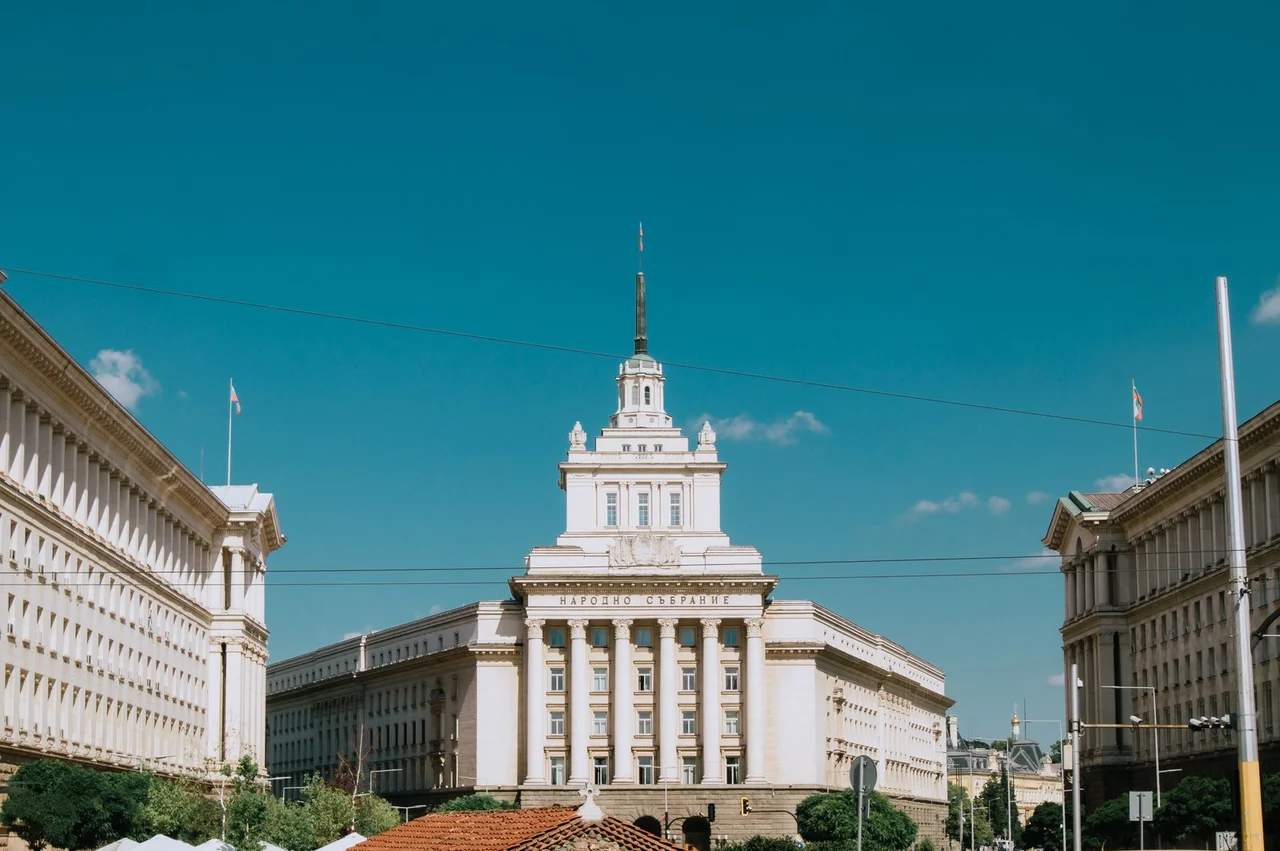 ArticleBulgarian citizenship through investment in 2026: why the program was cancelled and what works instead
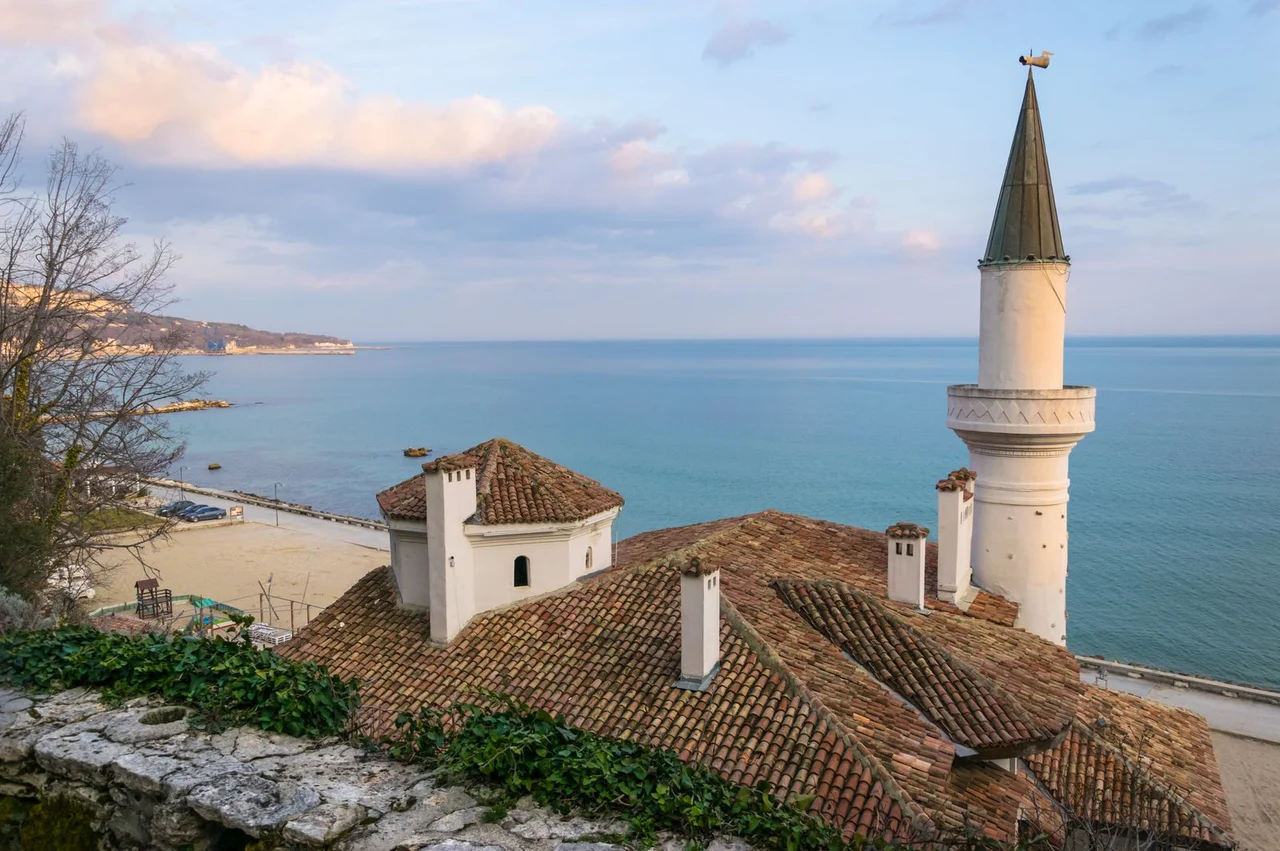 ComparisonCitizenship of Bulgaria or Romania: what to choose for an EU passport
 AnalysisWhat is due diligence and why the Caribbean is rejecting applications
Personal programme selection is conducted by Anna Kovalevskaya, Head of Legal, BRIDGES.
Buying property in Bulgaria: what to check
Title, encumbrances, outstanding debts and what to look for in the contract.
