Citizenship · Argentina
How much does giving birth in Argentina cost in 2026
Updated: October 2026·15 min read·Expert reviewed
Terms and costs verified: October 2026

Contents
Giving birth in Argentina in 2026 costs a family $12,000-25,000 for a 3-4 month trip, provided there are no complications. More than a third of that goes on the birth itself and care in a private clinic; the rest is housing, flights and day-to-day living in Buenos Aires. Since August 2026 public hospitals have been billing foreigners without permanent residence, and the advantage of the "blue dollar" disappeared once currency controls were lifted. Below is a line-by-line estimate, three budget scenarios and the factors that move the total most. Terms, cost and procedure of the programme are on the page Argentine citizenship, end to end.
How much does giving birth in Argentina cost: in brief
In brief: a natural birth in a private clinic in Buenos Aires costs roughly $3,000-6,000, and a caesarean section adds $1,000-2,000. The whole trip for two comes to about $17,500 in the middle scenario.
Excluding a caesarean section, neonatal intensive care and assistance services. Clinic prices are quoted in pesos and converted at the October 2026 exchange rate.
estimates based on public clinic data and rental listings in Buenos Aires, September-October 2026
The estimate shows that the birth itself accounts for less than a third of the budget. Alongside the clinic, the main items are housing and living in the city for 3-4 months: families arrive 6-10 weeks before the due date and leave 4-8 weeks afterwards, once the child's documents are ready. That is why cutting costs on the clinic barely changes the total, while a poor choice of trip dates or neighbourhood changes it noticeably.
The figures in articles from 2022-2023 no longer hold, for two reasons. Argentina became more expensive in dollar terms after the devaluation and reforms of 2024-2025, and the gap between the official and the cash exchange rate, which saved families 30-50%, all but vanished after currency controls were lifted in April 2025.
Giving birth in a private clinic
In brief: a clinic quotes a price only in a written estimate. It covers the room, the obstetrician, the anaesthetist, the neonatologist, tests and monitoring of the newborn. Private clinics hardly ever publish open price lists for childbirth.
Foreign families most often choose the large private clinics of Buenos Aires that have their own neonatal unit: Otamendi, Suizo Argentina, Finochietto, Hospital Alemán, Mater Dei, Sanatorio de la Trinidad. The benchmark for an uncomplicated natural birth is $3,000-6,000, depending on the clinic, the doctor and the room. A caesarean section adds $1,000-2,000 and usually means one or two more days in hospital.
The estimate should include the fee of the obstetrician who delivers the baby, anaesthesia, the newborn's tests and vaccinations in the maternity ward. Some doctors work at the clinic but invoice separately, so ask for an estimate that lists every provider. Clarify on a separate line what the price covers if a natural birth turns into an emergency caesarean.
Pregnancy care before the birth is paid separately: obstetrician appointments, ultrasound, tests and monitoring in the final weeks. If care starts at week 32-34, the benchmark is $600-1,500. Many clinics sell packages that combine pregnancy care and the birth at a single price.
How to choose a clinic
In brief: what matters most is an in-house neonatal intensive care unit, a doctor who both manages the pregnancy and delivers the baby, and a written estimate priced in dollars.
A clinic is chosen on five criteria. First, a neonatal intensive care unit in the same building: transferring a baby to another hospital is dangerous and expensive. Second, an obstetrician who manages the pregnancy and delivers the baby personally, rather than whoever is on duty. Third, doctors and nurses who speak English, or an interpreter on call. Fourth, the distance from your flat: Buenos Aires has heavy traffic, and at rush hour crossing the city takes more than an hour. Fifth, a clear estimate listing every provider.
Reviews from Russian-speaking families help with choosing a doctor, but the prices in them go out of date quickly. So request estimates from 2-3 clinics directly, against the same list of services, and compare the totals including a caesarean section and intensive care.
Public hospitals: what has changed
In brief: since 11 August 2026 national hospitals have been billing foreigners without permanent residence. Emergency deliveries are accepted unconditionally, but once the patient is stable the bill goes to the patient.
Ministry of Health Resolution No. 1066/2026 set out the payment procedure under Decree 366/2025. A foreigner without permanent residence presents health insurance or pays for planned care in advance, according to the hospital's estimate. Labour that has already started, bleeding and emergency care for a newborn count as emergencies and are never refused. But costs incurred after stabilisation are added to a bill that the hospital requires to be paid before discharge.
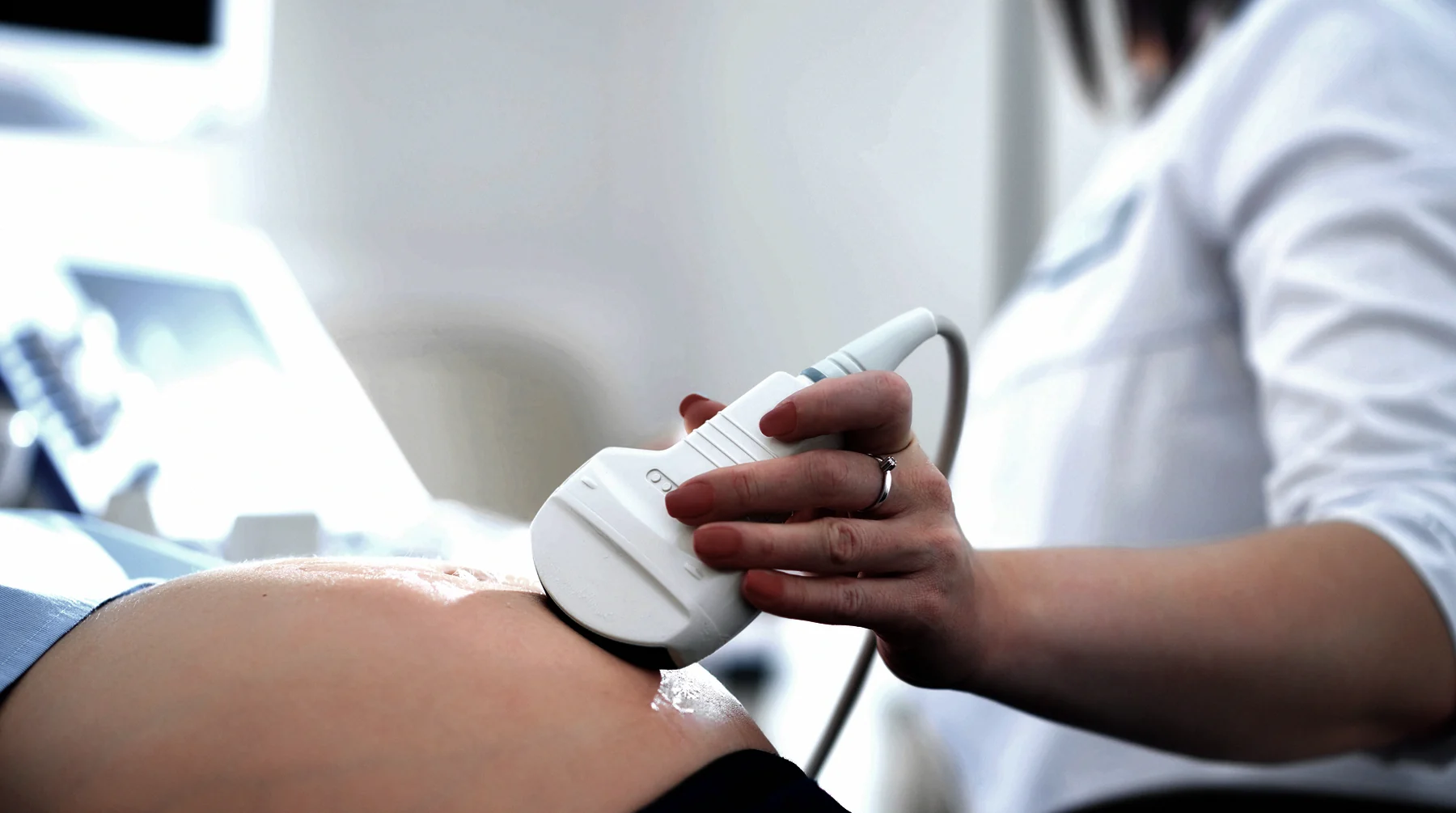
The provinces and the city of Buenos Aires run their own hospitals. Salta, Jujuy, Mendoza and Santa Cruz began charging non-residents before the national hospitals did, and the rules of each hospital should be checked in advance. A foreigner without permanent residence cannot count on a free birth in 2026. More on the rules in the article giving birth in Argentina and citizenship.
Three budget scenarios
In brief: the tight budget is about $12,000, the middle scenario about $17,500 and the budget with a margin from $25,000. The difference comes from the clinic, the neighbourhood and the length of the trip.
| Item | Tight budget | Middle | With a margin |
|---|---|---|---|
| Birth in a private clinic | $3,000 | $4,500 | $6,000 and more |
| Caesarean section | +$1,000 | +$1,500 | +$2,000 |
| Pregnancy care from week 32 | $600 | $1,000 | $1,500 |
| Housing, 4 months | $2,800 | $4,400 | $6,000 |
| Flights for two plus the baby | $2,000 | $2,800 | $4,000 |
| Living in the city, 4 months | $3,000 | $4,000 | $6,000 |
| Documents, translations, consulate | $500 | $800 | $1,200 |
| Total without complications | about $12,000 | about $17,500 | from $25,000 |
The tight budget suits a couple who rent a flat outside the most expensive neighbourhoods, choose a mid-range clinic and fly low-cost with a connection. The middle scenario means a furnished flat in Palermo, Belgrano or Recoleta, a large private clinic and standard flights. The budget with a margin is chosen by families travelling with older children, a grandmother or a nanny: a three-room flat, a premium clinic and a reserve for unexpected costs.
In every scenario it is sensible to keep a reserve of at least $5,000 for a caesarean section, neonatal intensive care or a delayed departure. This reserve often matters more than the choice of clinic.
Housing and living in Buenos Aires
In brief: a furnished two-room flat in Palermo for three months or more costs $700-1,400 a month, a three-room flat $1,300-1,900. Food, transport and phone for a couple come to about $800-1,500 a month.
For a 3-4 month stay, families rent a flat on a temporary lease: furnished, with appliances and internet, often with utilities included. Listings for such rentals in Palermo, Belgrano and Recoleta are published in dollars, and landlords give a discount for stays of three months or more. Choose the neighbourhood by its distance from the clinic: in the final weeks that matters more than the view from the window.
Everyday costs in Buenos Aires are lower than in Europe but higher than in 2023. Supermarkets, pharmacies, taxis and deliveries are paid by card or by transfer in pesos. For the newborn you add a pram, a car seat, clothing and baby care products: some families buy them locally, others bring them along. On prices and life in the city, see the article living in Argentina.
Sofia MendesInvestment Programs Expert, BRIDGES
How much will giving birth in Argentina cost? We will work it out
We will break the costs down by item: mandatory payments, fees and services, with no hidden amounts.
Flights
In brief: there are no direct flights to Argentina from Russia, Ukraine, Belarus or Kazakhstan. Travellers connect in Istanbul, Dubai, Doha, Addis Ababa or European cities, and the journey takes 20 hours or more.
Return tickets for two cost roughly $2,000-4,000, depending on the season and the airline. A newborn flies on a parent's lap on an infant fare, usually about 10% of the adult fare. The baby needs a passport for the return flight, so the departure date is set after the documents are issued.
A reserve for a caesarean section and neonatal intensive care matters more than the choice of clinic.
estimates based on public data from Buenos Aires clinics, 2026
Airlines usually ask for a doctor's certificate after 28 weeks of pregnancy and do not carry passengers in late pregnancy. Each carrier has its own rules, and they should be checked before buying tickets. A connecting flight at 30-34 weeks is a strain, so doctors advise flying earlier.
The child's documents and translations
In brief: registering the birth and the child's first DNI identity card are free. The child's passport, translations and apostilles, and the consular fees of the parents' country are paid.
Parents prepare their marriage certificate in advance, with an apostille and a translation by an Argentine sworn translator. After the birth they pay for the child's passport at RENAPER, an apostille on the birth certificate and a translation for the consulate. The consulate of the parents' country charges a fee for the birth certificate and for registering citizenship. Together this comes to several hundred dollars, and more with an expedited passport.
If the parents apply for residence, the budget grows by migration fees, apostilled and translated criminal record certificates and, where needed, a lawyer's services. More in the article Argentine residence permit.

Costs after the birth
In brief: after discharge the family pays for paediatric check-ups, scheduled vaccinations, the newborn's tests and things for the baby. For the first month this comes to roughly $500-1,500.
A paediatrician examines the baby in the first days after discharge and then on a schedule. A private paediatrician's appointment in Buenos Aires costs roughly $50-100. Mandatory vaccinations under the national schedule are given free at public vaccination points, and an Argentine child is entitled to them from birth. Some families opt for paid vaccines at private centres to avoid queues.
A separate item is things for the newborn: a pram, a car seat for taxis and the flight, a cot, clothing and care products. Baby goods in Argentina cost more than in Europe because of import duties, so families bring some of them from home. If the mother uses formula, budget for that too: imported formula is expensive in Argentina.
Argentina and other countries: birth prices
In brief: a birth in a private clinic in Argentina is cheaper than in the USA and comparable to Brazil, Chile and Mexico. But living for 3-4 months in Argentina costs less than in Miami or Santiago.
In the USA a birth in a private clinic without insurance costs tens of thousands of dollars, and living in Miami or New York is noticeably more expensive than in Buenos Aires. In addition, entering the USA requires a visa, and the consulate refuses if it believes the purpose of the trip is to give birth. In Brazil, Chile and Mexico birth prices are close to Argentina's, but the rules for parents and the language differ. A detailed comparison is in the article giving birth in Argentina, Brazil, Chile and Mexico.
If the parents stay: residence and life
In brief: if the family applies for residence and stays in Argentina, the budget changes: instead of a temporary rental there is a lease of a year or more, plus migration fees and a health plan for the whole family.
A long-term unfurnished rental in Buenos Aires is cheaper than a temporary one, but requires a guarantor or a rental guarantee insurance policy. A private health plan for a family of three costs roughly $300-600 a month, depending on the level of cover. Once they hold permanent residence, the parents use the public health system on the same terms as citizens. More in the articles Argentine permanent residence and moving to Argentina. If the family chooses citizenship by investment, the cost estimate for the Argentina programme will show the amount for your family.
Exchange rate and inflation: how to pay
In brief: clinics set prices in pesos and revise them in line with inflation, which in August 2026 was 1.7% for the month and 33.5% year on year. It is worth fixing the estimate in dollars or paying in advance.
The official exchange rate in October 2026 is about 1,516 pesos to the dollar. Foreign cards in Argentina are converted at a rate close to the market one, so there is no longer any need to bring cash dollars and change them on the street. But over 3-4 months peso prices will rise, and an estimate received in summer may be higher by the time of the birth.
That is why families ask the clinic to fix the price in dollars or pay for the package in advance. Payment is made by bank card or transfer, and the clinic issues an electronic invoice, which is needed for the insurer and for an expense report. It is better to rent a flat priced in dollars with utilities included. More on currency and banks in the article Argentina's currency and economy.
Insurance and reserve
In brief: standard travel insurance does not cover childbirth. Insurance with pregnancy cover is expensive and often excludes late pregnancy, so families keep a cash reserve.
Decree 366/2025 requires foreigners to hold health insurance on entry, and a travel policy is needed in any case: it covers injuries and illnesses unrelated to pregnancy. For childbirth there are specialist policies and prepaid plans from private clinics, but their terms vary and should be checked before the trip. The main budget risk is neonatal intensive care: a few days in the unit can cost more than the birth itself.
Where you can save and where you cannot
In brief: it is sensible to save on the neighbourhood, booking dates and flights. Do not economise on a clinic with a neonatal unit, the reserve or the documents. The scope of services and how we work are set out on the page Argentine citizenship with BRIDGES.
- You can. Rent a flat for 3-4 months with a long-stay discount.
- You can. Buy tickets early and with flexible dates.
- You can. Choose a clinic package that covers pregnancy care and the birth at one price.
- You cannot. Use a clinic without its own neonatal unit.
- You cannot. Travel without a reserve for a caesarean section and intensive care.
- You cannot. Pay intermediaries for a "guarantee of citizenship for the parents".
Planning to give birth in Argentina? We will send a step-by-step plan
We will set out the steps from the first documents to the final status, with the timing of each.
Sofia MendesInvestment Programs Expert, BRIDGES
Share this article
Frequently asked
Questions people ask before deciding
01How much does giving birth in Argentina cost in 2026?
A natural birth in a private clinic in Buenos Aires costs roughly $3,000-6,000, and a caesarean section adds $1,000-2,000. Only the clinic's written estimate gives an exact price.
02How much does the whole birth trip cost?
About $12,000 on a tight budget, $17,500 in the middle scenario and from $25,000 with a margin, for two people over 3-4 months without complications.
03Can you give birth free of charge in a public hospital?
Not as a foreigner without permanent residence. Since 11 August 2026 national hospitals have been billing non-residents. Emergency deliveries are accepted, but further treatment is charged.
04How much does a caesarean section cost?
Roughly $1,000-2,000 more than a natural birth, plus 1-2 extra days in hospital.
05How much does it cost to rent a flat in Buenos Aires?
A furnished two-room flat in Palermo for three months or more costs $700-1,400 a month, a three-room flat $1,300-1,900.
06Can you save on currency exchange?
Hardly. After currency controls were lifted in April 2025, the gap between the official and the cash rate became small, and foreign cards are converted at a rate close to the market one.
07Does insurance cover childbirth?
Standard travel insurance does not. There are specialist policies and clinic packages, but their terms vary, so families keep a cash reserve.
08How much do the child's documents cost?
Birth registration and the first DNI identity card are free. The child's passport, apostille, translations and consular fees are paid, together several hundred dollars.
09What reserve is needed?
At least $5,000 for a caesarean section, neonatal intensive care or a delayed departure.
10How much does the flight cost?
Roughly $2,000-4,000 return for two with a connection. A newborn flies on an infant fare, usually about 10% of the adult fare.
11How much do a paediatrician and vaccinations cost?
A private paediatrician's appointment costs roughly $50-100. Mandatory vaccinations under the national schedule are free for an Argentine child.
12Is giving birth in Argentina cheaper than in the USA?
Yes. In the USA a birth without insurance costs tens of thousands of dollars, a visa is required and living costs are higher. Argentina is closer in price to Brazil, Chile and Mexico.
13Why are prices lower in older articles?
Argentina became more expensive in dollar terms after the 2024-2025 reforms, and the advantage of the cash exchange rate has disappeared.
Transparency
How this material was prepared
- Author
- Sofia Mendes, investment Programs Expert, BRIDGES
- Terms and costs last verified
- October 2026
- Sources
- official government authorities of the relevant country and state publications
- Methodology
- government minimum requirements are stated separately from due diligence charges, state fees, legal and banking costs
Sources and methodology
Figures, terms and timelines are checked against official sources as of October 2026. Link availability verified in August 2026. Third-party blogs and agent websites are not used as a source of programme terms.
- [1]EUR-LexOfficial texts of European Union legislationeur-lex.europa.eu/homepage.html
- [2]European Commission - Migration and Home AffairsEntry and residence rules in the EUhome-affairs.ec.europa.eu/index_en
Methodology: tables and charts state government minimum investment requirements; due diligence charges, state fees, legal, banking and other costs are calculated separately and are not included in the minimum thresholds.
About the author
Related materials
What to read next
 ComparisonCaribbean Passport: 5 Citizenship Programs Through Investment in 2026
 ArticleLatin America with a Vanuatu passport: Peru, Ecuador and the Caribbean visa-free
 ComparisonPassport of Portugal or Spain in 2026: which is stronger, terms and dual citizenship
News+1 story on 3 November
Related news
 Argentina · 11 OctArgentina citizenship by investment ban bills: risks for investors
 Greece · 3 NovGreece: the 15% home purchase tax will depend on tax residency, not on your passport
 European Union · 1 NovEuropean Union: updated social security rules for living and working in two countries enter into force
Personal programme selection is conducted by Anna Kovalevskaya, Head of Legal, BRIDGES.
Want Argentine citizenship for your family? We will help you get it
We will take your situation into account and note what you already have and what you still need to obtain.
