News · Moldova
Moldova prepares visas for Russia, Türkiye and Vanuatu at EU request

Updated: November 2026·9 min read·Expert reviewed
Terms and costs verified: November 2026
Contents
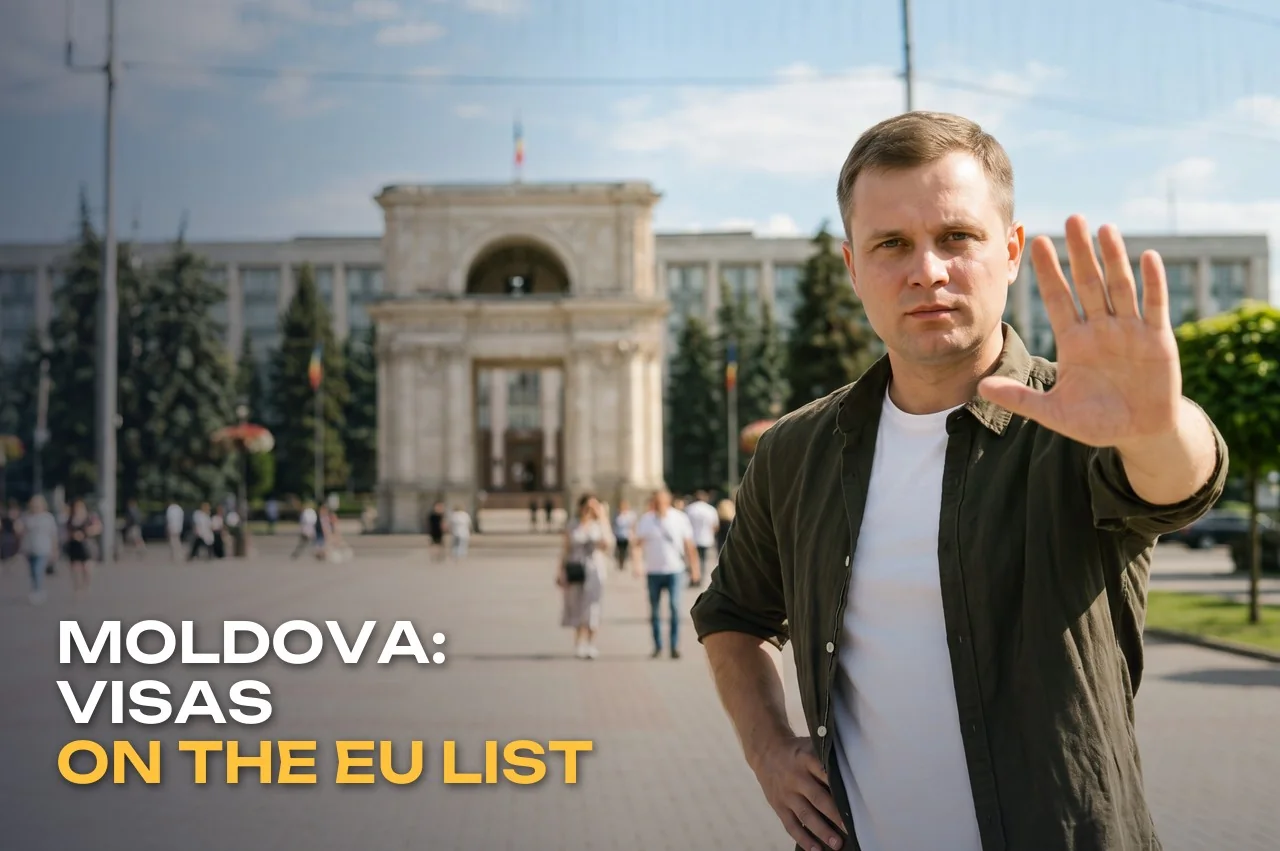
Moldova is preparing to introduce visas for nationals of countries that need a visa for the European Union. On 4 November 2026, the European Commission's annual report on Moldova named 11 such countries whose nationals currently enter Moldova visa-free. The list includes Russia, Belarus, Türkiye and Vanuatu. The next day Moldova's Prime Minister said the country would take the necessary decisions but gave no date. For now, visa-free entry remains in place.
Key points
- The European Commission's report on Moldova was published on 4 November 2026 as part of the annual EU enlargement package.
- Moldova's visa-free list diverges from the EU list for 11 countries: Armenia, Azerbaijan, Belarus, Kazakhstan, Kyrgyzstan, Qatar, Russia, Tajikistan, Türkiye, Uzbekistan and Vanuatu.
- The Commission recommends that Moldova keep aligning its visa policy and, until then, screen visa-free arrivals more rigorously.
- On 5 November Moldova's Prime Minister said the country must take the decisions EU standards require but declined to give a date.
- There is no government decision on visas yet. Nationals of all 11 countries still enter Moldova visa-free.
What the report says
Every autumn the European Commission publishes reports on how candidate countries are preparing for EU membership. One section covers visa policy: by the time of accession, a candidate must require visas from nationals of the same countries as the EU. The list of these countries is set out in EU Regulation 2018/1806.
The report on Moldova of 4 November 2026 states that its visa policy is not yet aligned with the EU's. Nationals of 11 countries who need a visa for the Schengen area enter Moldova without one. The Commission notes progress: in December 2025 Moldova adopted a law withdrawing from the CIS visa-free travel agreement. This is a preparatory step towards bringing its visa list into line with the EU's.
| Country | Moldova now | EU |
|---|---|---|
| Russia, Belarus | visa-free | visa required |
| Armenia, Azerbaijan | visa-free | visa required |
| Kazakhstan, Kyrgyzstan, Tajikistan, Uzbekistan | visa-free | visa required |
| Türkiye | visa-free | visa required |
| Qatar | visa-free | visa required |
| Vanuatu | visa-free | visa required |
The Commission recommends that Moldova continue alignment and, while visa-free entry remains, strengthen checks on visa-free arrivals, especially nationals of countries that may pose security risks. Final decisions on visas are taken by the Moldovan government, not by the Commission.
What this means for you. If you hold a Russian, Turkish or Vanuatu passport and travel to Moldova, nothing changes for now. But the country is moving towards visas for these passports, and trips that need no preparation today may require a visa in the coming years. This is worth considering when choosing a second passport and when planning to live or do business in Moldova.
How we got here
| Date | What happened |
|---|---|
| December 2025 | Moldova adopted a law withdrawing from the CIS visa-free travel agreement |
| 31 October 2026 | Montenegro, also an EU candidate, introduced visas for nationals of Russia, Belarus, China, Saudi Arabia and Türkiye |
| 4 November 2026 | the European Commission's report on Moldova named 11 countries where Moldova's visa-free list diverges from the EU's |
| 5 November 2026 | Moldova's Prime Minister said the country would take the necessary decisions but gave no date |
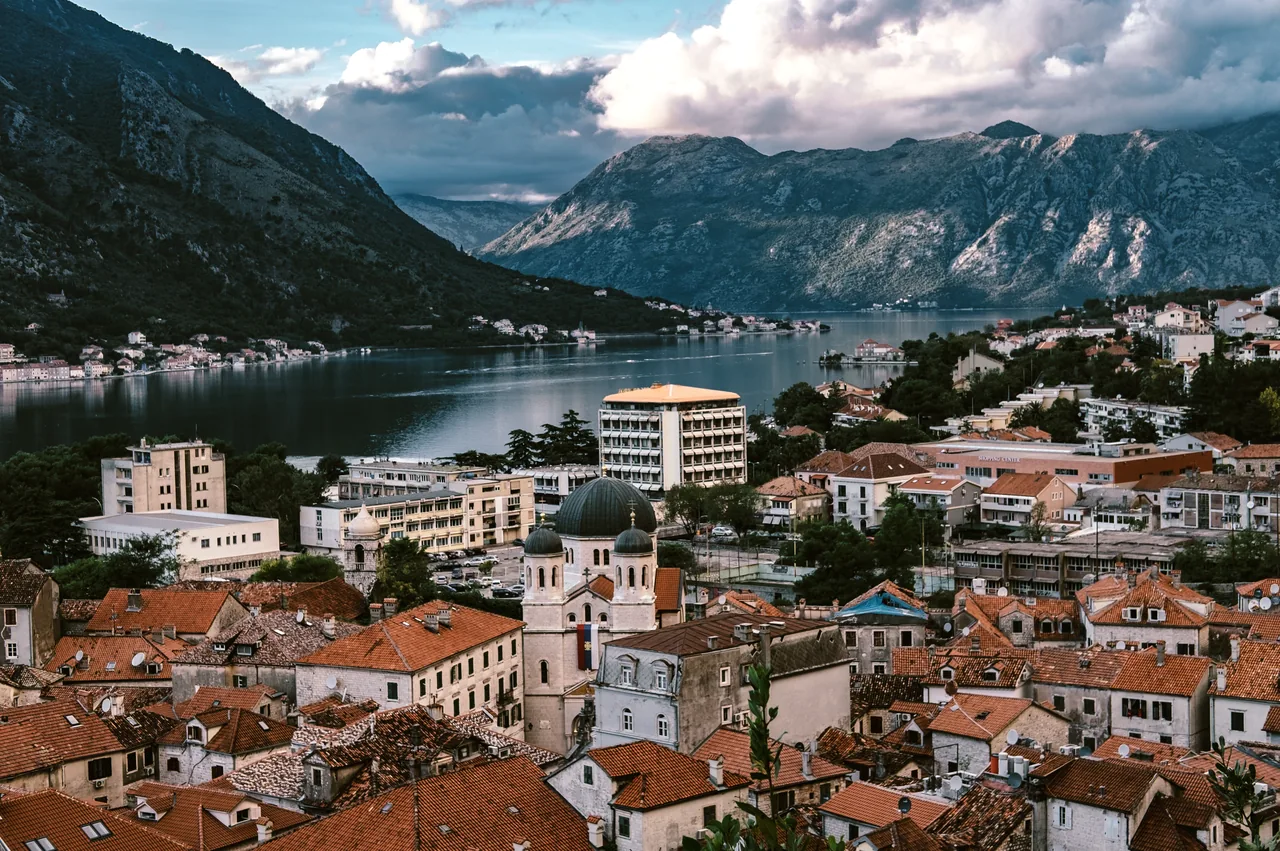
Montenegro shows how this works in practice. It is also an EU candidate and for years kept visa-free entry for Russian and Turkish nationals. In summer 2026 the government amended its visa decree, and from 31 October 2026 Montenegro's visa list fully matches the EU's. We explained how to get a Montenegrin visa now in a separate news item.
Moldova follows the same logic more slowly, but in the same direction. Its leading position among candidates, which the Commission highlights, makes visa alignment a matter of time rather than choice.
Daniel KovachSenior International Law Attorney, BRIDGES
Want a second passport that will not lose its visa-free access? We will choose a programme
We will compare programmes by visa-free access, its stability and processing times for your family.
Who is affected
Nationals of Russia and Belarus. For them Moldova remains one of the few European countries they can enter without a visa. Schengen visas are harder for Russians to obtain: the EU has restricted multiple-entry visas, and some countries do not accept applications. We covered the latest changes in our news on Schengen for Russians in October 2026 and on limited territorial validity visas. If Moldova introduces visas, this route will become harder.
Holders of a Vanuatu passport. Since the EU suspended visa-free travel for Vanuatu nationals, they need a Schengen visa, while Moldova remains one of the European countries they enter freely. We explained in detail how travel to Europe with this passport has changed in our article on the Vanuatu passport and Schengen, and the full list of visa-free countries in our article on Vanuatu passport visa-free access.
Turkish nationals. This includes investors who obtained Turkish citizenship by investment. The Turkish passport gives visa-free access to many countries, but a visa is needed for the EU. Moldova and parts of the Balkans are currently open to Turkish nationals, but Montenegro has already introduced visas for them, and Moldova may follow. More in our articles on Turkish passport visa-free access and on the Turkish passport and Schengen.
Three examples
- A Russian entrepreneur travels to Chisinau several times a year to meet business partners. Today his passport is enough. If Moldova introduces visas, every trip will have to be planned in advance, with an application to a consulate.
- A family with Vanuatu passports uses Moldova to meet relatives living in Europe, because they need a visa for Schengen. Visas for Moldova would take away this option too.
- A Moldovan resident with Romanian roots is obtaining a Romanian passport to travel freely in the EU. Moldova's visa alignment changes nothing for him, but another issue matters: the Romanian citizenship bill, which could close the path for descendants of former citizens.
What this means when choosing a second passport
The report is further confirmation that a passport's visa-free access is not permanent. EU candidate countries are gradually aligning their visa rules with the EU's, and as they join, passports that need a Schengen visa will lose visa-free access to these countries too. Besides Moldova and Montenegro, the Commission sets the same requirements for Serbia, Albania, Bosnia and Herzegovina and Georgia.
The same reports of 4 November show how different the candidates' lists are. Serbia keeps visa-free access for 12 countries on the EU visa list, including Russia, Türkiye and China. Bosnia and Herzegovina must end visa-free access for 10 countries, including Russia, Türkiye and Vanuatu. Albania keeps visa-free access for Türkiye and several other countries but has adopted a plan to phase it out. For holders of Russian, Turkish and Vanuatu passports, this means the list of European countries open to them will shrink, and not only in Moldova.
That is why, when choosing a second citizenship, it matters to look not only at the current visa-free list but at its stability. Caribbean passports keep visa-free access to Schengen, although the EU is pressing their programmes. The Vanuatu and Nauru passports are valued for speed and confidentiality, but they need a visa for Europe. We have covered the reputation of the Vanuatu passport and what it gives Russians.
For those who need visa-free travel to Europe specifically, we advise looking at programmes whose passport currently gives Schengen access and weighing each country's risks. For those who value speed and confidentiality, the Vanuatu passport remains a workable option, but trips to Europe with it should be planned with a visa.
How visas are usually introduced
The experience of other candidates shows a common sequence. First the government adopts a decree with the date from which nationals of specific countries must obtain a visa, usually several months before it takes effect. Then applications open: at consulates and, where provided for, through an electronic visa. Montenegro, for example, is building a national visa information system in parallel so that it can accept online applications from nationals of the countries for which visas were introduced in 2026.
For those living in Moldova on a residence permit, a visa regime for their country of citizenship does not usually mean losing the right of entry: a valid residence permit generally allows crossing the border without a separate visa. But the exact rules will depend on the text of the future decree and will need checking when it is issued. Those who do business in Moldova and visit often would be wise to assess in advance whether a residence permit makes more sense.
Transit is a separate question. Many nationals of Central Asian and Caucasus countries travel through Moldova to neighbouring countries. If visas are introduced, they will have to factor in a Moldovan visa when planning overland transit trips as well.
What happens next
The decision on visas will be taken by the Moldovan government. The Commission does not set deadlines for each country, but visa alignment is one of the conditions of accession, and Moldova expects to complete accession negotiations in the coming years. It is reasonable to expect visas to be introduced in stages, starting with the highest-risk countries, as Montenegro did.
We are following the Moldovan government's decisions and will update this news when a visa decree appears. For now, nationals of all 11 countries enter Moldova under the existing rules.
What to do now
Check your passport
If it is on the list of 11 countries, follow the news on visas for Moldova.
Plan trips with a margin
If you travel to Moldova regularly, keep your visa documents ready.
Consider visa-free stability
When choosing a second passport, look at how its visa-free access may change in the coming years.
Consider a passport with Schengen access
If travel to Europe matters, compare programmes with visa-free access to the Schengen area.
We help choose a second citizenship to fit the family's goals and prepare the documents. Those whose ancestors were Moldovan or Romanian citizens will find useful our articles on Moldovan citizenship by origin and on Romanian citizenship for Moldovans. The strength of the Moldovan passport is shown on the Moldovan passport page, and programmes with Schengen access, such as St Kitts and Nevis, are in the citizenship section. You can discuss your situation at an online consultation.
Share this article
Frequently asked
Questions people ask before deciding
01Has Moldova introduced visas for Russians?
No. As of 9 November 2026, Russian nationals enter Moldova visa-free. There is no government decision on visas yet.
02Why might Moldova introduce visas?
An EU candidate must require visas from nationals of the same countries as the EU. On 4 November the Commission named 11 countries where Moldova's rules diverge from the EU's.
03Which countries are on the list?
Armenia, Azerbaijan, Belarus, Kazakhstan, Kyrgyzstan, Qatar, Russia, Tajikistan, Türkiye, Uzbekistan and Vanuatu.
04Does this affect Vanuatu passport holders?
Yes. Vanuatu is on the list: if Moldova aligns its visa policy with the EU, Vanuatu nationals will need a visa.
05When could visas be introduced?
The Moldovan government has not given a date. Visas are usually introduced in stages, as Montenegro did.
About the author
Related materials
What to read next
 ArticleThe Vanuatu passport and Schengen: visa-free travel is suspended, the route to Europe goes through residence
 NewsMontenegro visa for Russians from 1 November 2026: who needs it and how to apply
 ArticleMoldovan Citizenship by Descent in 2026: Who Is Entitled
News+12 stories on 9 November
Related news
 European Union · 9 NovEU names Greece, Spain, Cyprus and Italy as countries under migratory pressure
 Switzerland · 1 NovSwitzerland: airlines share passenger data from 1 November as citizens get new ID cards
 EU · 28 OctEU proposes tripling Frontex to 30,000 staff and making it the lead agency on returns
Personal programme selection is conducted by Anna Kovalevskaya, Head of Legal, BRIDGES.
Need a passport for visa-free travel? Write to us and we will choose and handle it
We will compare programmes by visa-free access, timelines and cost and prepare documents for the family.
