Residency · Bulgaria
Bulgarian residence permit for Russians in 2026: grounds, documents and nuances
Updated: June 2026·9 min read·Expert reviewed
Terms and costs verified: June 2026
Contents
A Bulgarian residence permit for Russians is still available - but only on legal grounds and without illusions. Bulgaria has been a member of the EU since 2007, a full member of Schengen since 2025, and a member of the eurozone since January 1, 2026. After 2022, the rules have become stricter: more checks on the source of funds, longer deadlines, uniform EU requirements. A citizen of the Russian Federation cannot buy a Bulgarian residence permit, nor can he simply apply for one “for an apartment by the sea.” But clear ways work: representation of a company, a pensioner with income and housing, family reunification, work, study. Let's look at how a Russian can get a residence permit in Bulgaria in 2026 - step by step, with numbers and without bypassing sanctions.
Briefly: what is a Bulgarian residence permit and to whom is it really available?
A Bulgarian residence permit for Russians is the right to legally live in the country longer than a tourist visa allows. By itself, it does not give citizenship and an EU passport, but it opens the way: residence permit -> permanent residence -> naturalization. Bulgaria is attractive for several things at once - affordable real estate on the Black Sea, mild climate, flat income tax of 10%, and from 2025 also full Schengen.
It is important to understand the main thing from the very beginning: residence permits are not sold in Bulgaria. There is no “investment residence permit for amount X” as advertised by intermediaries. There are specific grounds, each of which requires a real, verifiable motive - business representation, pension with confirmed income, family, work or study. All these ways are available to a citizen of the Russian Federation, but they are stricter than for citizens of other countries, and with enhanced verification of the origin of money.
Below we will analyze each basis separately, show the procedure and note the places where real difficulties have arisen after 2022.
Bulgaria 2026: Schengen, the euro and why it is important for Russians
Over the past two years, the status of Bulgaria has grown significantly, and this directly affects the value of the local residence permit. From March 31, 2024, controls were lifted at the air and sea borders, and from January 1, 2025, at the land borders with Romania. Bulgaria has become a full member of the Schengen area. This means that a Bulgarian residence permit gives the right to move freely throughout Schengen.
On January 1, 2026, Bulgaria joins the eurozone and switches from the lev (BGN) to the euro. The lev was strictly pegged to the euro at a rate of about 1.95583 per euro, so for residence permit holders the transition was more technical than shocking. But psychologically this is a signal: the country has finally integrated into the financial circuit of the EU, and at the same time compliance has become stricter - banks and migration services are looking more closely at the source of the applicant’s funds.
For a Russian, the conclusion is simple: the Bulgarian residence permit is now more significant than five years ago, but the entry bar is also higher. It is worth submitting documents cleanly, with a transparent history of money and without attempts to circumvent restrictions - any attempt to be cunning leads to refusal.
General scheme: from visa D to residence permit and beyond
The path of a Russian to a Bulgarian residence permit is almost always the same, regardless of the basis. First - a long-term visa, then - the residence permit itself on the territory of Bulgaria.
The order is:
- Preparing the base. You register a representative office of the company, collect the pensioner’s documents, arrange family reunification, and so on - for a specific reason.
- Visa D at the consulate. Apply for a long-term visa type D at the Bulgarian embassy or consulate. The fee is about 100 euros, the review period is up to 30 working days. Visa D is issued for 6 or 12 months and is not a residence permit in itself - it is an “entrance ticket”.
- Entry and application for residence permit. With a D visa you come to Bulgaria and during its period you apply to the Migration Directorate for a residence permit.
- Obtaining a residence permit card. Typically, a residence permit is issued for a year and is renewed annually while maintaining the basis.
- Permanent residence after 5 years. After five years of continuous legal residence, the right to permanent residence opens, and then to long-term EU resident status or naturalization.
Key point: the D visa cannot be “finished” already inside Bulgaria. If you come as a tourist, you will not be able to transfer your status to a residence permit - you will have to return and apply for D through the consulate.
Grounds for residence permit: table of availability for citizens of the Russian Federation
So that you can immediately see what basis really works for a Russian and what is needed for it, let’s put everything in a table. This is a guideline - we will look at the details for each path below.
| Base | Availability for the Russian Federation | What do you need |
|---|---|---|
| Representative office of the company (BCCI) | Available, popular | Foreign company with turnover, registration of a representative office in the Bulgarian Chamber of Commerce and Industry |
| Pensioner | Accessible, but with a nuance | Stable pension income + housing in Bulgaria + funds in the account |
| Family reunion | Available | Family member with Bulgarian residence permit/permanent residence/citizenship, proof of relationship |
| Job | Accessible, more difficult | Employment contract, work permit or single permit |
| Studies | Available | Enrollment in a Bulgarian university, confirmation of funds and housing |
| Real estate "in itself" | Does not provide residence permit | Buying a home is a plus, but you need a separate legal motive |
As you can see, real estate in the table stands apart: there is a separate discussion about it below, because it is around it that there are the most myths.
Representation of a company in the BCCI is a working path for an entrepreneur
One of the most popular reasons for Russian entrepreneurs is the opening of a trade representative office of a foreign company registered with the Bulgarian Chamber of Commerce and Industry (BCCI). This is not a Bulgarian company and not a classic business residence permit: the representative office does not conduct commercial activities directly, but represents the interests of your foreign company in Bulgaria.
What is usually required:
- a foreign (for example, Russian) company that has existed for several years and has a real turnover - according to a number of sources, approximately from 51,130 euros for each of the two previous years;
- registration of a representative office with the BCCI with a program of activities;
- evidence of the company's tax integrity;
- address and housing in Bulgaria, police clearance certificate, medical insurance.
As a rule, up to two or three representatives can obtain a residence permit per representative office. An important detail when renewing: the chamber issues a new certificate only after the representative reports on the actual activities for the past period. That is, an “empty” representative office for show will not pass a second inspection - actual work is needed.
A pensioner from Russia: a popular basis, but with an important nuance
Bulgaria has long been popular among Russian pensioners - cheap life, sea, inexpensive medicine. The “pensioner” basis assumes that the applicant has a stable income and housing in the country, and will not become a burden on the Bulgarian budget.
Indicative requirements for 2026:
- regular pension income - according to various estimates, from 500 to 750 euros per month per person;
- housing in Bulgaria (own or rented with the owner’s notarized consent for registration);
- financial cushion on a Bulgarian account - about 6-7 thousand euros;
- medical insurance and a certificate of good conduct.
And now a nuance that many intermediaries are silent about. Since August 2025, Bulgaria has become one of the countries where the transfer of Russian pensions through international channels has stopped. This means that it has become problematic to confirm income by officially transferring a Russian pension to a Bulgarian account. You have to look for a way out individually - through other legal sources of income and savings, and each such case requires separate study so that the documents are clean and convincing for the migration service.
Family reunification, work and study
In addition to business and pensions, Russians have three more clear paths to a residence permit in Bulgaria.
Family reunion. If you have a spouse, parent or child with a Bulgarian residence permit, permanent residence or citizenship, you can apply for a residence permit on a family basis. You will need documents confirming relationship (marriage or birth certificates with an apostille and translation), and proof that the receiving party can support a family and provide housing. This is one of the most sustainable ways - it does not depend on business indicators.
Job. An employment residence permit presupposes a real contract with a Bulgarian employer and, as a rule, a work permit or a single permit (Single Permit). For Russians, this path is more complicated: the employer needs to justify hiring a foreigner, and the labor market is protected in favor of EU citizens. But for sought-after specialists, the option is working.
Studies. Enrollment in a Bulgarian university provides the basis for a student residence permit. It is necessary to confirm the fact of enrollment, availability of funds for accommodation and housing. Student years are counted toward permanent residence with a decreasing coefficient, so as an independent strategy for citizenship, studying is weaker, but as a start for a young person, it’s fine.
Real estate in Bulgaria: what it gives and what it doesn’t
This is where there are the most misconceptions, so let's say it straight: buying real estate in Bulgaria does not in itself give you a residence permit. You can buy an apartment in Sunny Beach, Burgas, Varna, Nessebar or a house in Bansko - and still not have any right to a residence permit. Real estate is an asset and a convenient argument in business (there is a place to live, there is a connection to the country), but not a basis.
What is important to know about the purchase:
- foreign individuals not from the EU can freely buy buildings and apartments;
- with land it is more complicated - direct ownership of land for non-EU citizens is limited, the issue is usually resolved through a legal entity;
- housing prices are among the most affordable in the EU, especially on the coast and in the mountains;
- taxes on purchase and ownership are low.
The correct logic is this: people buy real estate because they need it for life and as an investment, and a residence permit is issued on a separate legal basis - pension, representation, family. These two processes complement each other, but do not replace each other. Anyone who promises a “residence permit for purchasing an apartment” is misleading.
Documents and procedure for applying for a D visa
Regardless of the basis, the basic package of documents for a long-term D visa for Russians is approximately the same, and papers are added on top for a specific reason.
The basic kit usually includes:
- a passport with sufficient validity;
- completed application form for visa D and photographs;
- a certificate of good conduct from Russia - with an apostille and translation into Bulgarian;
- confirmation of housing in Bulgaria (ownership document or notarized lease agreement with the owner’s consent to registration);
- health insurance valid in Bulgaria;
- confirmation of financial solvency;
- receipt of payment of the consular fee (about 100 euros).
Profile documents are added under the base: BCCI certificate and company papers - for representation; pension certificate and account statement - for a pensioner; certificates of kinship - for the family; contract with the employer - for work. All Russian documents are apostilled and translated. The processing time for a D visa is up to 30 working days, but in practice, taking into account the preparation of documents, budget more.
“The main mistake of the Russians with Bulgaria is to look for a “short toll route” where there is none. Residence permits are not given for purchasing an apartment, golden passports have been canceled in 2022, and any attempts to circumvent sanctions only lead to refusal and a closed door for the future. But the legal grounds work well - representation of the company, pension with confirmed income, family. After 2022, it is not the amount that decides, but the purity of the story: a transparent source of funds, consistent documents, accurate presentation. Separately, I advise people with Bulgarian roots not to go down the long road of a residence permit - for them there is citizenship by origin, and this is incomparably faster. And for those who choose residence, it is important to immediately consider the tax side: residence permit and tax residency are different things, and they can easily be confused with expensive consequences. We structure each case so that it passes the first time - we select the basis for the person’s real situation, and not for beautiful advertising.”
Visa context after 2022: how it really is
Let's be : after 2022, it has become more difficult and longer for Russians to obtain any Bulgarian visas. This applies to both short-term Schengen visas and the preparatory stage before the residence permit.
What is important to consider:
- from November 2025, the European Union has tightened the rules for issuing multiple-entry Schengen visas to Russian citizens - as a rule, single-entry visas are now issued, and each trip must be applied for again;
- this applies to applicants submitting documents at consulates in Russia itself;
- Biometrics are taken in person upon first application;
- fees have increased, and service fees for visa centers have been added.
This indirectly affects the process of obtaining a residence permit through a D visa, but creates a general background: checks are stricter, the attitude is more attentive, the terms are longer. Therefore, a citizen of the Russian Federation should approach the submission of documents for a Bulgarian residence permit as carefully as possible - with a complete, transparent and consistent history. Any discrepancy in dates, income or origin of funds works against the applicant.
Comparison of grounds: which one should a Russian choose?
To sum it up briefly, the choice of base depends on your situation, not on the advertisement.
- For an entrepreneur with an existing company The most logical thing to do is to go through the representative office at the BCCI - the path is workable and understandable, but it requires real activity and reporting upon renewal.
- Pensioner the basis for income and housing is suitable - with the adjustment that confirmation of the Russian pension after August 2025 has become a problem, and income needs to be structured differently.
- For those who have relatives with legal status in Bulgaria, The easiest way is to arrange family reunification - the most sustainable option.
- For specialists - Job, youth - studying as a start.
And we separately keep in mind a strategic fork in mind: if your ultimate goal is an EU passport, and not just residence, then Russians with Bulgarian roots have a fundamentally faster path than long-term naturalization through a residence permit. Selecting the basis for your specific situation, assessing the risks and collecting documents without refusals is exactly what it makes sense to go to specialists with, rather than act at random.
Discuss your situation with a BRIDGES GLOBAL expert ->
From residence permit to permanent residence and citizenship: a long distance
A residence permit is not the final stage, but the first stage. It is important to understand the entire staircase in advance so that you can choose a base with the goal in mind.
How the path works:
- Residence - temporary residence permit, renewed annually while maintaining the basis.
- Permanent Residence - permanent place of residence. The right to it arises after 5 years of continuous legal residence. Absence from the country is allowed, but in total no more than 30 months over the entire five-year period.
- Long-term EU resident - a status that gives expanded rights within the Union.
- Naturalization - obtaining citizenship. The general path requires permanent residence and a residence qualification (approximately another 5 years), knowledge of the Bulgarian language, legal income and a clean reputation. It's a long distance.
We would like to emphasize separately: Bulgaria’s “golden passports” for investments were canceled by parliament in 2022. You cannot buy Bulgarian citizenship through investment - this path is closed. For the investor, all that remains is a combination of residence permit/permanent residence permit and then naturalization according to the general rules.
Bulgarian Roots: The Fastest Path to an EU Passport
If the article about residence permit brought you here with the thought “isn’t there a shorter way” - for people with Bulgarian origin there is one, and it is fundamentally different. Bulgarian citizenship by origin does not require long-term residence, registration of a residence permit or naturalization through qualifications.
The bottom line is that for people of Bulgarian origin - those whose ancestors were Bulgarians (father, mother, grandfather, grandmother and further along the father's or mother's side) - a preferential procedure is provided. The applicant is exempt from the residence requirement, the language test and the requirement to renounce previous citizenship. A family line connecting you with a Bulgarian ancestor is proven.
As part of the reform, proof of origin is submitted directly to the Bulgarian Ministry of Justice, and a separate mandatory certificate from the State Agency of Bulgarians Abroad (DABCH) is no longer required in its previous form (the current procedure in 2026 is worth checking). If the documents of ancestors are lost or burned, church books and archives come to the rescue.
This path is not suitable for everyone - it is Bulgarian roots that are needed. But if they exist, it is incomparably faster than any residence permit. More details about this can be found on the program page and in the materials below.
Russians and Bulgaria: verification of the source of funds and the sanctions context
Let us separately dwell on what has become decisive for Russians after 2022. Bulgaria is an EU country, and all procedures are strictly within the framework of European law, without any circumvention of sanctions. This is not a limitation of BRIDGES GLOBAL specifically, but a reality in which everyone operates.
What does this mean in practice for a citizen of the Russian Federation:
- enhanced compliance - banks and migration services carefully check where the applicant’s money comes from;
- transparent confirmation of the source of funds - income, sale of assets, dividends must have a documentary basis;
- a clean, consistent history - any inconsistencies are interpreted not in favor of the applicant;
- Russia, for its part, allows second citizenship, but requires notification to the Ministry of Internal Affairs (approximately within 60 days from the date of receipt).
Therefore, the only correct strategy is to go and prepare a clean package in advance. Attempts to “solve the issue” by circumventing the rules are not only useless, but also dangerous: they lead to failure and close the way for the future. A competent applicant, on the other hand, benefits from careful preparation and transparency.
Taxes and life with a Bulgarian residence permit
Bulgaria attracts not only its status, but also its tax climate. There is a flat income tax rate of 10% - one of the lowest in the EU, the same corporate tax rate, VAT - 20%. For entrepreneurs and wealthy people, this is a powerful argument.
It is important not to confuse the two concepts:
- Residence - this is a right of residence, it does not automatically make you a tax resident;
- tax residence determined by actual residence (usually more than 183 days a year) or center of vital interests.
That is, you can have a Bulgarian residence permit and not be a tax resident of Bulgaria if you do not actually live there. And vice versa - by moving and spending most of the year in the country, you become a tax resident with all that it entails. This issue should be considered in advance, especially if you have income in other countries, in order to avoid double taxation.
In everyday life, life with a residence permit provides access to the local banking system, medicine, rental and purchase of housing, and with full Schengen, free travel throughout Europe. For many Russians, it is the combination of affordable real estate, low taxes and European status that makes Bulgaria a rational choice.
Bottom line: how can a Russian get a Bulgarian residence permit without errors?
Let's collect the main thing into one picture. A residence permit in Bulgaria for Russians in 2026 is real, but only on legal grounds and without illusions about “buying status.”
Key findings:
- specific ways work: representation of the company in the BCCI, pensioner with income and housing, family reunification, work, study;
- the scheme is always the same: D visa at the consulate -> residence permit in Bulgaria -> annual renewal -> permanent residence after 5 years -> naturalization;
- real estate in itself does not give a residence permit, but it strengthens the case;
- after 2022 - stricter, longer, with mandatory verification of the source of funds and without circumventing sanctions;
- “golden passports” have been cancelled—citizenship by investment is not available in Bulgaria;
- The fastest way to an EU passport is not a residence permit, but citizenship based on Bulgarian roots, if any.
The main mistake is to act at random, believe the promises of a “residence permit for an apartment” or try to circumvent the rules. The winner is the one who selects the right basis for his situation in advance, prepares a clean and transparent package and understands the entire distance to the final goal. If you want to go this path without failure, it makes sense to start by analyzing your specific situation with specialists.
Frequently asked
Questions people ask before deciding
01Is it possible to buy a residence permit in Bulgaria or get it for investment?
No. You cannot buy a Bulgarian residence permit, just like citizenship - the parliament abolished “golden passports” for investments in 2022. A residence permit is issued only on a specific legal basis: representation of a company, pension, family, work or study. The investor is left with the path of residence permit/permanent residence and then naturalization according to the general rules.
02Does purchasing real estate in Bulgaria give you the right to a residence permit?
By itself, no. You can buy an apartment on the coast or a house in the mountains and still not have the right to a residence permit. Real estate is a useful argument in the case (there is housing and a connection to the country), but a residence permit requires a separate legal motive: pension, company representation, family reunification.
03How does the scheme for obtaining a Bulgarian residence permit for a Russian work?
First you prepare the basis, then apply for a long-term D visa at the consulate (fee about 100 euros, processing up to 30 working days). With a D visa you enter Bulgaria and there you apply for a residence permit to the migration directorate. A residence permit is usually issued for a year and is renewed annually. You cannot obtain a residence permit by entering as a tourist.
04What income does a pensioner need for a residence permit in Bulgaria?
Approximately from 500 to 750 euros per month of regular income, plus housing in Bulgaria and a financial cushion in the account of about 6-7 thousand euros. An important nuance: since August 2025, transfers of Russian pensions to Bulgaria through international channels have been stopped, so income must be confirmed by other legal means.
05What is the representation of a company in the BCCI?
This is a trade representative office of a foreign company registered with the Bulgarian Chamber of Commerce and Industry. It represents the interests of your foreign company in Bulgaria. Typically, an existing company with a turnover is required (approximately from 51,130 euros for each of the two previous years), and when renewing a residence permit, you need to report on the actual activities of the representative office.
06How many years do you need to live before permanent residence and citizenship?
The right to permanent residence arises after 5 years of continuous legal residence (with an absence allowance of no more than 30 months in total). For citizenship by naturalization after permanent residence, you need an additional qualification (approximately another 5 years), knowledge of the Bulgarian language, legal income and a clean reputation. It's a long distance.
07Is there a faster way to an EU passport than through a residence permit?
Yes - for people with Bulgarian roots. Bulgarian citizenship by origin does not require residence, registration of a residence permit or naturalization through qualification. The applicant is exempt from the language exam and from renouncing his previous citizenship. You need to prove your family line with a Bulgarian ancestor on your father’s or mother’s side.
08Do sanctions affect Russians obtaining a residence permit in Bulgaria?
There is no direct ban on residence permits for citizens of the Russian Federation, but after 2022 the procedures have become stricter and longer. Everything goes within the framework of EU law, without circumventing sanctions. Compliance has been strengthened - the source of funds is carefully checked. There is only one correct strategy: a presentation with a transparent, documented history of money.
09Is it possible to obtain a residence permit if relatives live in Bulgaria?
Yes, for family reunification. If you have a spouse, parent or child with a Bulgarian residence permit, permanent residence permit or citizenship, you can obtain a residence permit on this basis. You will need documents about kinship (marriage or birth certificates with an apostille and translation) and confirmation that the receiving party provides maintenance and housing. This is one of the most sustainable paths.
10What are the taxes in Bulgaria and does a residence permit make you a tax resident?
In Bulgaria, a flat income tax of 10% is one of the lowest in the EU, corporate tax is also 10%, VAT is 20%. A residence permit in itself does not make you a tax resident - residency is determined by actual residence (more than 183 days a year) or center of vital interests. It is important not to confuse these things and to calculate them in advance.
11What documents are needed for a D visa?
Basic package: international passport, application form and photo, police clearance certificate from Russia with apostille and translation, confirmation of housing in Bulgaria, medical insurance, confirmation of financial solvency, payment of a fee of about 100 euros. Documents under the base are added on top - a BCCI certificate, a pension certificate, certificates of relationship or an agreement with the employer.
12What do Russians need to take into account regarding visas after 2022?
Since November 2025, the EU has tightened the issuance of multiple-entry Schengen visas to citizens of the Russian Federation - as a rule, single-entry visas are now issued, and each trip must be applied for again (for applicants at consulates in Russia). This indirectly affects the residence permit process through a D visa, but the general background is stricter: more careful checks, longer deadlines. Documents should be prepared as carefully as possible.
Transparency
How this material was prepared
- Author
- Martina Veber, head of Case Processing, BRIDGES
- Terms and costs last verified
- June 2026
- Sources
- official government authorities of the relevant country and state publications
- Methodology
- government minimum requirements are stated separately from due diligence charges, state fees, legal and banking costs
Sources and methodology
Figures, terms and timelines are checked against official sources as of June 2026. Link availability verified in August 2026. Third-party blogs and agent websites are not used as a source of programme terms.
- [1]Ministry of Interior of BulgariaResidence of foreign nationals and documentswww.mvr.bg/en
Methodology: tables and charts state government minimum investment requirements; due diligence charges, state fees, legal, banking and other costs are calculated separately and are not included in the minimum thresholds.
About the author
Related materials
What to read next
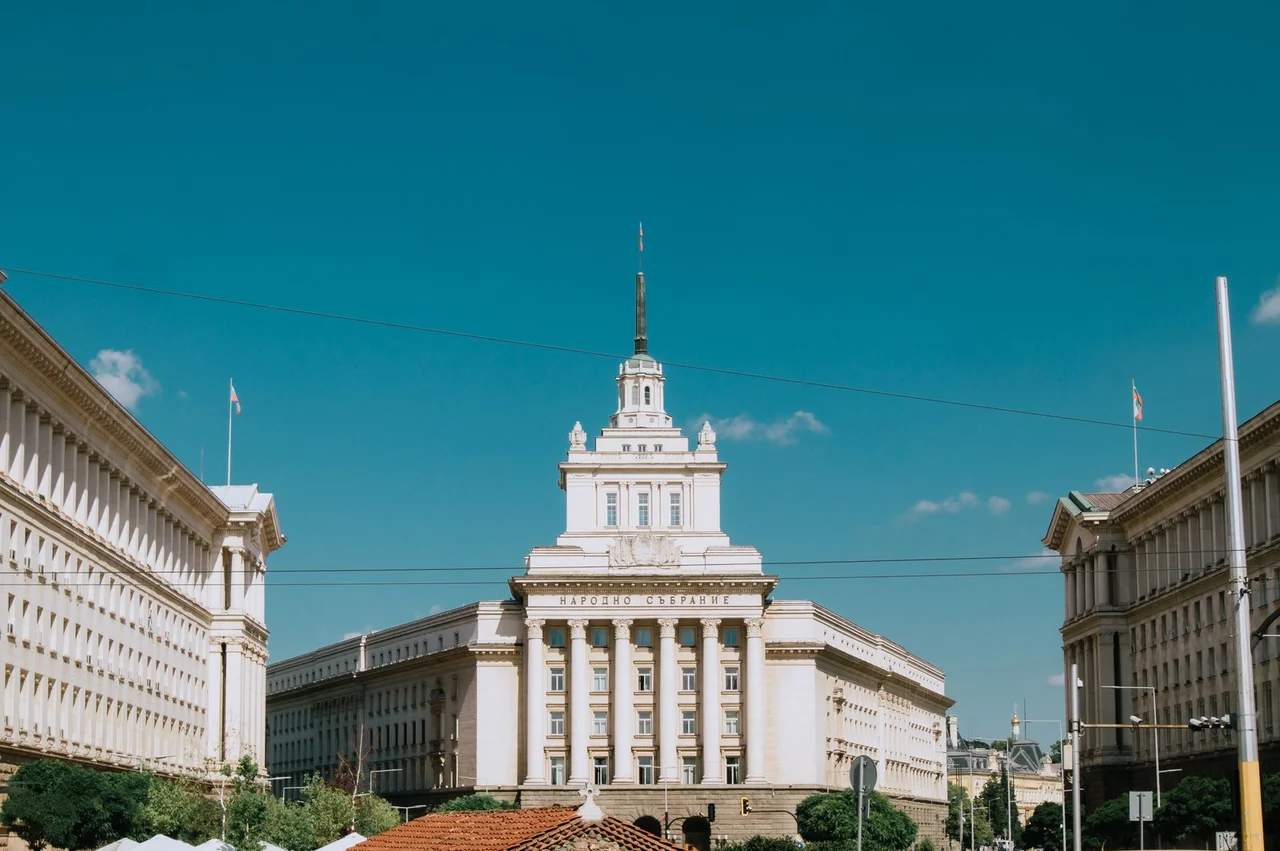 ArticleBulgarian citizenship through investment in 2026: why the program was cancelled and what works instead
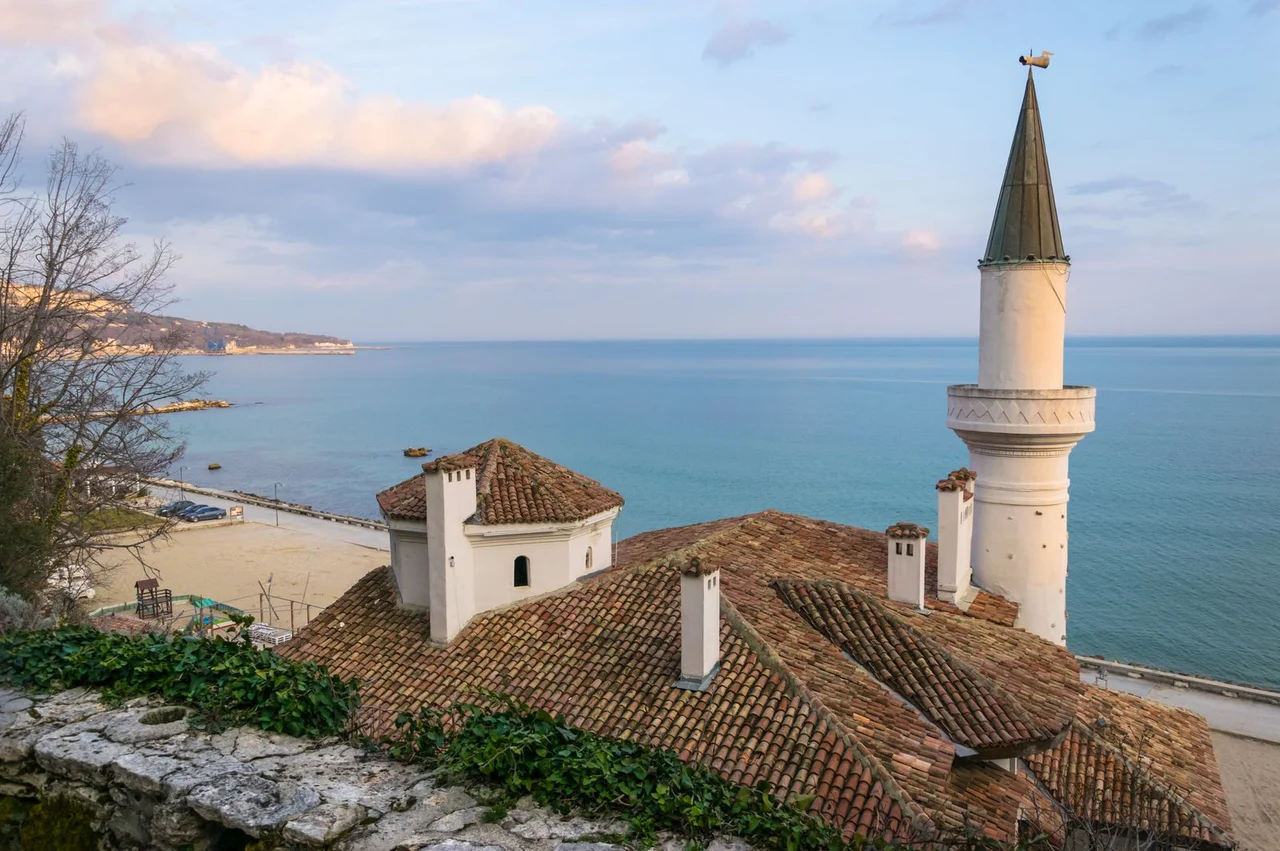 ComparisonCitizenship of Bulgaria or Romania: what to choose for an EU passport
 AnalysisWhat is due diligence and why the Caribbean is rejecting applications
Personal programme selection is conducted by Anna Kovalevskaya, Head of Legal, BRIDGES.
Residency in Bulgaria: timelines and requirements
Grounds, document list, presence requirements and what is needed for renewal.