Living abroad · Bulgaria
Safety in Bulgaria: Crime, corruption - the real picture
Updated: June 2026·9 min read·Expert reviewed
Terms and costs verified: June 2026
Contents
Bulgaria is part of the European Union and ranks 31st on the Global Peace Index. This is better than many Western European countries. However, safety is not just about wars and terrorism. It is about what it is like to live here every day: walking the streets, parking your car, trusting a government official. The real picture is more complex than ratings suggest. Bulgaria is a safe country to live in the conventional sense. Street violence is rare. Serious crimes against expats are uncommon. Families with children in Sofia, Plovdiv, and on the Black Sea coast feel secure. At the same time, the country remains the most corrupt in the EU according to Transparency International. Minor scams at resorts exist. Organized crime is a backdrop to Bulgarian life, but it rarely intersects with ordinary residents. This article provides a analysis without embellishment. What actually happens, where to be cautious, and where it is completely safe.
Safety indices: what the numbers say
The 2024 Global Peace Index ranks Bulgaria at approximately 31st out of 163 countries. This is a good result. Bulgaria outperforms France, Italy, Spain, and most Eastern European countries.
Numbeo Crime Index scores approximately 43 points - a moderate level. For comparison: Russia scores around 53, Germany around 33, Romania around 38. Bulgaria is in the middle of the European scale.
Numbeo Safety Index is approximately 57. This means that most residents feel safe on the street during the day and at night.
It is important to understand: these figures reflect perception rather than dry statistics. Real experience depends on the city, neighborhood, and lifestyle.
Street crime: what actually happens
Serious street crimes - assaults, armed robberies - are rare in Bulgaria. Expats living here for years typically do not encounter anything of the sort.
Petty theft is another matter. Pickpockets operate in tourist zones. Special attention areas include old Nessebar, Plovdiv center, and markets in Varna and Burgas in summer. Standard rules apply: do not carry all your money in one pocket, keep an eye on your bag in crowds.
Car thefts occur. Do not leave valuables visible in your car - neither in Sofia nor at resorts. This applies in any EU country; Bulgaria is no exception.
Car thefts are relatively rare but do happen. Guarded parking lots are a good idea for expensive vehicles.
Summer resorts: tourists and scammers
Summer resorts - Sunny Beach, Golden Sands, Primorsko - attract more than just tourists. Seasonal scams exist.
Dishonest taxi drivers are the main problem for visitors. Particularly at Varna Airport and major resort hotels. The scheme is simple: the meter is not turned on, and the price is stated verbally - then it turns out to be 5-10 times higher than the market rate.
How to avoid this: call a taxi through an app (Yandex Go works, Bolt does too), agree on the price in advance, or insist the meter be turned on. Official taxis have a rate sticker on the window.
Minor scams on waterfront promenades - shell games, lotteries - occur during tourist season. The logic is universal: if strangers offer easy winnings on the street, walk away.
For expats living here permanently, this is largely irrelevant. Tourist schemes target visitors, not local residents.
Corruption: the most painful issue
Bulgaria ranks last in the EU on Transparency International's Corruption Perceptions Index. This is an official fact that cannot be dismissed.
What does this mean in practice? Interactions with government structures can be unpredictable. Permits may be delayed without explanation. The judicial system works slowly and not always predictably.
For everyday life - shopping, renting, healthcare, school - corruption is barely noticeable. It is felt by businesspeople, those involved in legal disputes, and those obtaining major permits.
Important nuance: the situation is gradually improving. Bulgaria is undergoing reforms under EU pressure. A younger generation of Bulgarian officials operates differently than 10-15 years ago. However, progress is slow.
Practical advice: for serious legal or business matters, work through reputable local lawyers. This eliminates most risks.
Organized crime: it exists, but does not affect you
Organized crime exists in Bulgaria. This is part of Bulgarian reality, acknowledged by Bulgarians themselves and European structures.
This concerns clans with a history dating from the 1990s, smuggling, and financial schemes. It is a story about big money and specific interest groups.
It has no bearing on ordinary residents and expats. You will not encounter it living in Sofia, Plovdiv, or Varna. Just as foreigners living in Naples do not encounter the Camorra in everyday life.
The only intersection is corruption in government structures, mentioned above. These are two related phenomena. However, at the everyday living standard level, this remains abstract.
Safe and dangerous neighborhoods: a perspective
Bulgaria has no "dangerous ghettos" in the Western European sense. There are no neighborhoods to avoid on safety grounds. This is an important distinction from many EU countries.
Nevertheless, differences between neighborhoods do exist.
Sofia: what and where
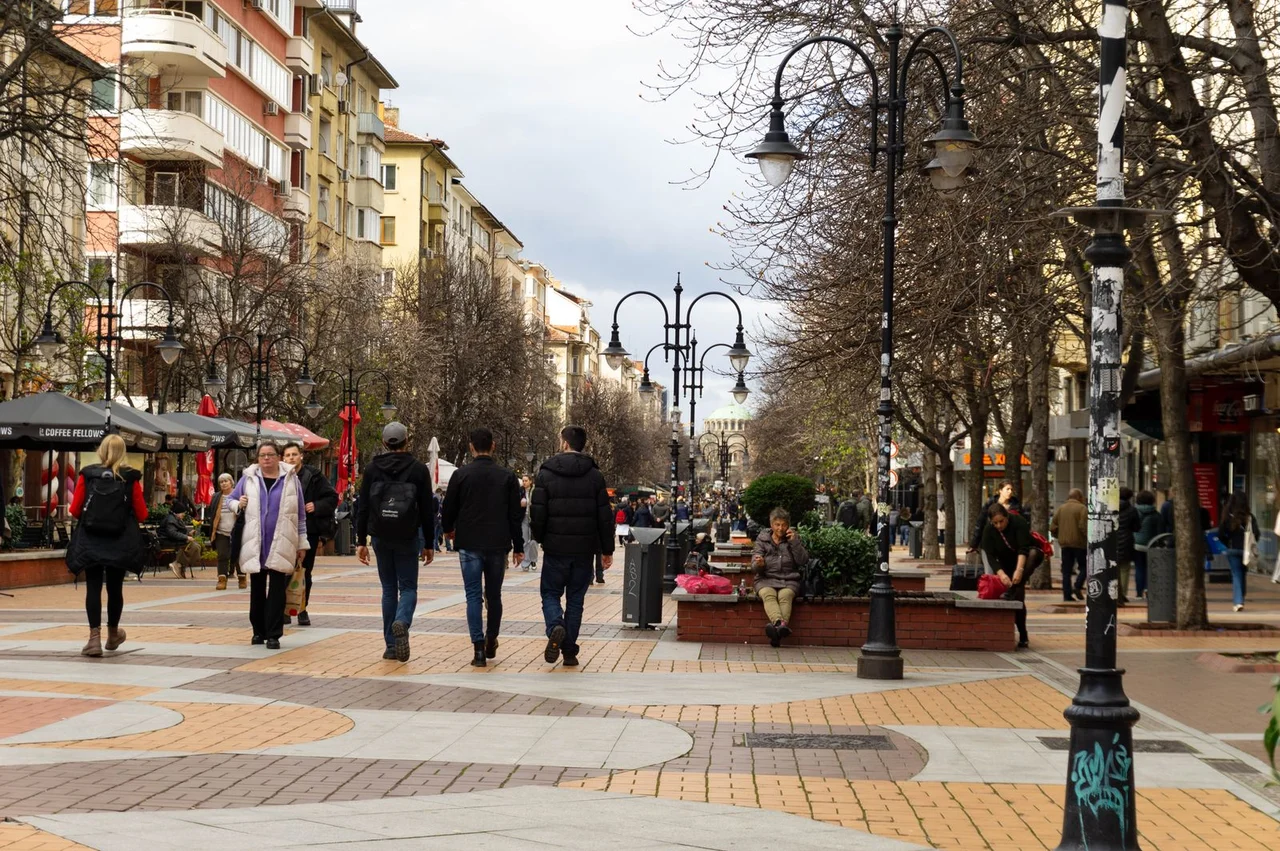
Central Sofia—Sredets, Lozenets, Ivane Vazov—are safe and comfortable. Most expats live here. Lozenets, with its park and cafes, is considered the most prosperous for families.
Neighborhoods such as Krasna Polyana, Nadezhda, and Lyulin are residential quarters with Soviet-era housing. Safe, but less maintained. Expats are rare here. In underground passages at night, extra caution is warranted.
Student Quarter (Studentski Grad)—youthful and vibrant, sometimes noisy at night. Safe, but with minor incidents like drunk groups.
Plovdiv
Old Town and Kapana—tourist zones with moderate pickpocketing risk. Residential neighborhoods Trakiya and Zapad are peaceful and affordable. Plovdiv's center is safer than the center of many Western European cities.
Black Sea
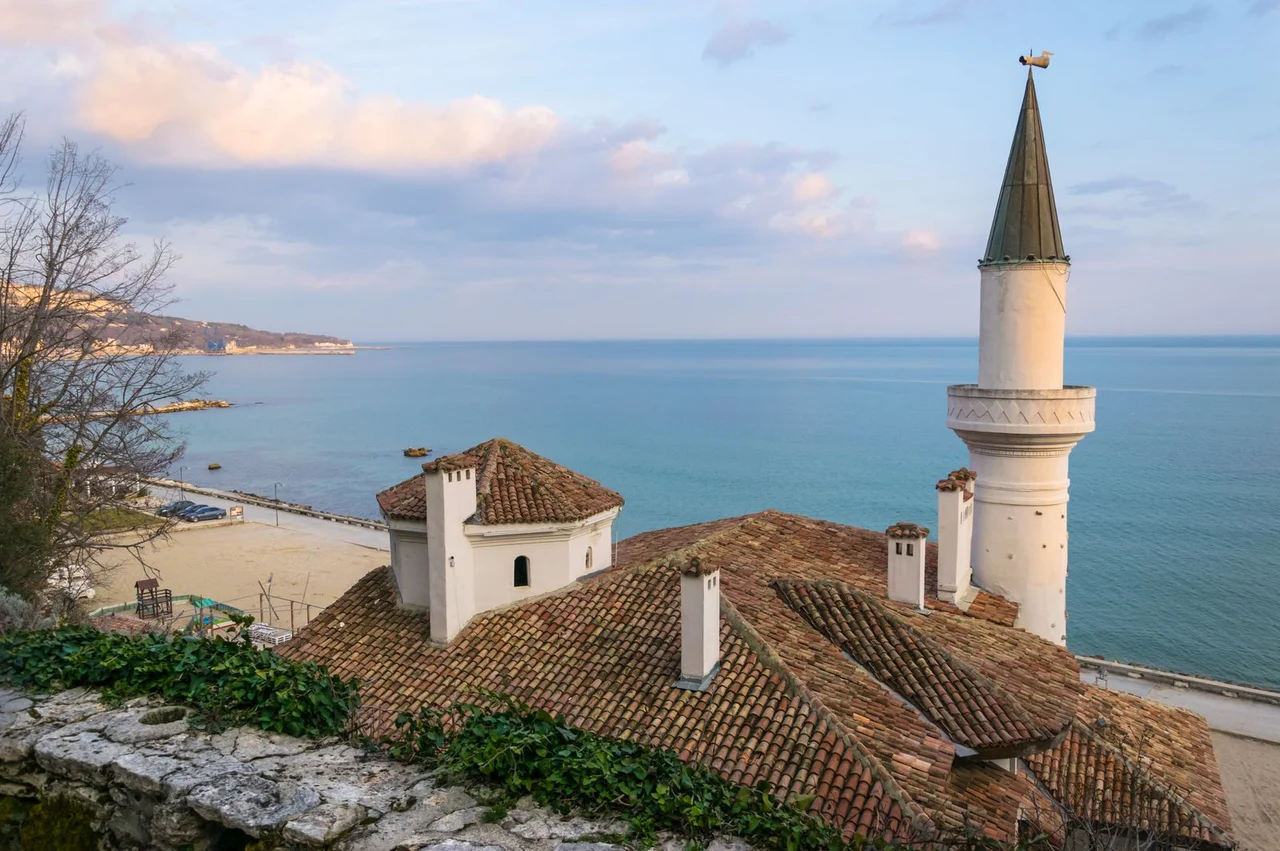
Varna and Burgas—safe cities for living. Resort areas in summer require standard urban vigilance. Small towns like Sozopol or Balchik are very quiet.
"Bulgaria is often underestimated as a living destination due to its corruption reputation and Soviet past. However, the reality is more complex. Street safety here is higher than in Paris, Rome, or Barcelona. Families with children in quiet Sofia neighborhoods live more peacefully than in most Western European capitals. The main risk is not the street, but the legal environment. Slow courts and unpredictable officials create difficulties specifically for business and large transactions. For everyday life—renting an apartment, shopping, school for children—corruption is almost invisible. Another underestimated factor is roads. Bulgarian traffic accident statistics rank among the worst in the EU. This is a real risk worth taking seriously. Defensive driving here is a necessity, not an option. Overall, my advice is: do not fear Bulgaria. Be cautious about moving without a local lawyer for any significant legal and financial matters. With legal support, this is a normal European country with mild climate and affordable living."
Safety for women
Bulgaria is a relatively safe country for women. The rate of sexual violence by European standards is low. Walking alone through the city at night is normal practice in most cities.
Roma neighborhoods (maalas) in some cities are better avoided—not due to direct aggression, but because of the overall environmental conditions and intrusive attention. This applies to everyone, not just women.
Street harassment occurs—particularly in resorts during summer. It is unpleasant but rarely crosses the line. Behavioral strategies work: avoid engagement, move with confidence.
Bulgarian men are generally not aggressive. The culture is relatively conservative—meaning foreign women are customarily respected rather than provoked.
Safety for families with children
Families with children feel well in Bulgaria. This is one of the reasons the country is chosen for relocation.
Sofia suburbs—Dragalevtsi, Boyana, Simeonovo, Vitosha—are quiet and green. Traffic is moderate. Children can walk to school and play independently—a rarity for European capitals.
Black Sea cities and towns outside the resort season are very peaceful places. Balchik, Sozopol, and Nesebar in winter have an almost village-like rhythm of life.
Risks for children are standard: road safety (Bulgarian drivers are aggressive), playground quality (varies), availability of good schools (international schools exist in Sofia and several major cities).
Roads and transport: a separate safety story
Bulgaria's traffic accident statistics rank among the worst in the EU. This is a real risk often underestimated when relocating.
Bulgarian drivers drive aggressively. Speed limits are ignored. Overtaking in improper places is the norm on highways. Road fatality rates are noticeably higher than the European average.
What to do: drive carefully and defensively. Do not rush. On intercity highways at night—extra vigilance. Mountain roads in winter require a prepared vehicle.
In cities, the situation is better—speeds are lower. However, pedestrian crossings are not always respected. Look both ways even on a green light.
Best places to live based on safety considerations
If safety is your primary criterion, here are places to consider for housing.
| Location | Type | Safety Level | Notes |
|---|---|---|---|
| Lozenets, Sofia | Urban neighborhood | High | Best choice for families, many expats |
| Boyana / Dragalevtsi | Sofia suburb | Very high | Quiet, near Mount Vitosha, expensive housing |
| Plovdiv Old Town | Historic center | High | Pickpockets possible in summer |
| Balchik | Small seaside town | Very high | Peaceful year-round, not a resort |
| Sozopol | Resort town | High | Very quiet in winter, crowded in summer |
| Varna, residential neighborhoods | Urban | High | Tourist zones - moderate vigilance |
Bulgarian citizenship or residence permit grants access to full-fledged life in the country. More information on the ancestry-based citizenship program - on the page Bulgarian citizenship.
Want to relocate to this country? We will analyze your case free of charge
Get a free consultationBulgarian citizenship: why it matters for security
Resident or citizen status changes your position. You stop being a tourist - and people treat you differently
Bulgarian citizenship is an EU passport. You gain full access to social protection, healthcare, and justice systems. In case of any problems, you are a full-fledged resident with the same rights as a Bulgarian citizen
Bulgaria is the only EU country with an ancestry-based citizenship program. If you have Bulgarian roots (grandmother, grandfather, great-grandfather), you can obtain an EU passport without investments
More information on conditions and process: Bulgarian citizenship by descent.
Bulgaria compared to other EU countries
It is useful to compare Bulgaria with other destinations popular with expats
| Country | Crime Index (Numbeo) | Global Peace Index | Corruption (TI) |
|---|---|---|---|
| Bulgaria | ~43 | ~31st place | Last place in the EU |
| Montenegro | ~32 | ~55th place | Better than Bulgaria |
| Serbia | ~36 | ~60th place | Comparable |
| Greece | ~36 | ~63rd place | Better than Bulgaria |
| Portugal | ~28 | ~7th place | Good |
| Cyprus | ~29 | ~65th place | Comparable |
In terms of street safety, Bulgaria ranks in the middle. By global standards - a good country. Weak points - corruption and trust in institutions
Legal environment and property protection
Security is not just about the streets. For investors and expats, legal security is important: property protection, contract enforcement, court operations
Bulgaria is part of the EU - this is itself an important guarantee. European legislation applies. European Union courts are accessible if needed
However, the Bulgarian judicial system is slow. Civil disputes can drag on for years. Enforcement of decisions is a separate process
The tax system is transparent: a flat 10% income tax for individuals is among the lowest in the EU. Corporate income tax is also 10%. This reduces incentives for tax evasion and simplifies administration.
To protect your property: work with a notary and lawyer for any real estate transactions. Real estate fraud does occur—as it does everywhere.
Practical advice: how to live safely
Several rules known to experienced expats in Bulgaria.
- Taxi—only through an app or with a meter. Never agree to a verbal price at the airport.
- In tourist areas during summer—wear a waist bag or backpack in front. Do not use your back pocket.
- Documents—copies on your phone, originals at home. A passport copy is sufficient for routine police contacts.
- Vehicle—do not leave valuables in sight. An alarm system is advisable.
- Legal matters—only through a trusted Bulgarian lawyer. Dealing with officials independently is more difficult.
- Money—several cards from different banks. ATMs in Bulgaria function, but skimming occasionally occurs—ATMs inside banks are preferable.
Conclusion: should you fear relocating
Bulgaria is a safe country to live in. This is not a marketing claim but a conclusion based on statistics and real expat experience.
Serious threats—violent crimes against persons—are rare. The level of physical safety is higher than in major Western European cities.
Real inconveniences are of a different nature. Corruption slows bureaucratic processes. Petty fraud exists in the tourism sector. Roads are dangerous due to driving culture.
For families with children in Sofia suburbs or on the Black Sea coast—it is simply a calm European life. For business—legal protection and a local lawyer are necessary.
A Bulgarian passport grants EU citizenship and all associated guarantees. If you have Bulgarian roots—this is one of the most accessible ways to obtain European status. Learn more: Bulgaria citizenship program.
Frequently asked
Questions people ask before deciding
01How safe is Bulgaria compared to other EU countries?
Bulgaria ranks around 31st in the Global Peace Index - higher than France, Italy, or Spain. Street crime is moderate. The main issue is corruption rather than physical danger.
02Where is theft most common in Bulgaria?
Pickpockets operate in tourist zones: Old Nessebar, central Plovdiv, Varna and Burgas markets during summer season. This is rare in residential areas and suburbs.
03Are taxi drivers dangerous in Bulgaria?
Some taxi drivers at airports and resort hotels overcharge foreigners. The solution is to book taxis through Bolt or Yandex Go, or insist the meter be turned on.
04How is Bulgaria addressing corruption?
Bulgaria is the most corrupt EU country according to Transparency International. Business people and those in legal disputes feel this. For everyday life - shopping, rentals, healthcare - corruption is barely noticeable.
05Is it safe to live in Bulgaria with a family and children?
Yes. Sofia suburbs (Boyana, Lozenets, Dragalevci) and small Black Sea towns are very peaceful. Children can walk independently - this is rare for European capitals.
06Are there dangerous areas in Bulgaria?
No dangerous ghettos exist. Roma neighbourhoods (maales) in some cities should be avoided - not due to aggression, but due to the general environment. District differences exist, but there are no places you cannot enter.
07How are foreigners treated in Bulgaria?
Generally well. Bulgarians are accustomed to tourists and expats. No major xenophobia incidents. Language barrier may create awkwardness, but not danger.
08How dangerous is organized crime in Bulgaria?
Organized crime exists, but does not affect ordinary residents and expats. It concerns big money and specific interest groups, not everyday life.
09Is it safe to drive around Bulgaria?
Bulgarian drivers are aggressive; accident statistics rank among the worst in the EU. Special caution is needed on highways and in mountains. City driving is better. Defensive driving is essential.
10How to obtain Bulgarian citizenship to protect your rights?
Bulgarian citizenship (EU passport) provides full access to legal protection, healthcare, and social systems. If you have Bulgarian roots, a citizenship by descent program is available - more details at brgsglobal.com/citizenship/bulgaria/.
11Do you need security or an alarm system for an apartment in Bulgaria?
For most Sofia and other city districts, a security alarm is a recommended but not mandatory precaution. Gated communities are popular among expats in suburbs.
12What documents should you carry in Bulgaria?
A passport copy is sufficient for routine police contact. Keep originals at home. For legal residence, a residence permit or citizenship is required - without this status you are limited to the EU tourist visa (90 days per 180).
About the author
Related materials
What to read next
 ArticleBulgarian citizenship through investment in 2026: why the program was cancelled and what works instead
 ComparisonCitizenship of Bulgaria or Romania: what to choose for an EU passport
 AnalysisWhat is due diligence and why the Caribbean is rejecting applications
Personal programme selection is conducted by Anna Kovalevskaya, Head of Legal, BRIDGES.
Moving to Bulgaria: what to settle first
Housing, schooling, healthcare, accounts and taxes - the order and what takes longest.