Living abroad · Bulgaria
Life in Bulgaria: a breakdown of pros and cons
Updated: June 2026·11 min read·Expert reviewed
Terms and costs verified: June 2026
Contents
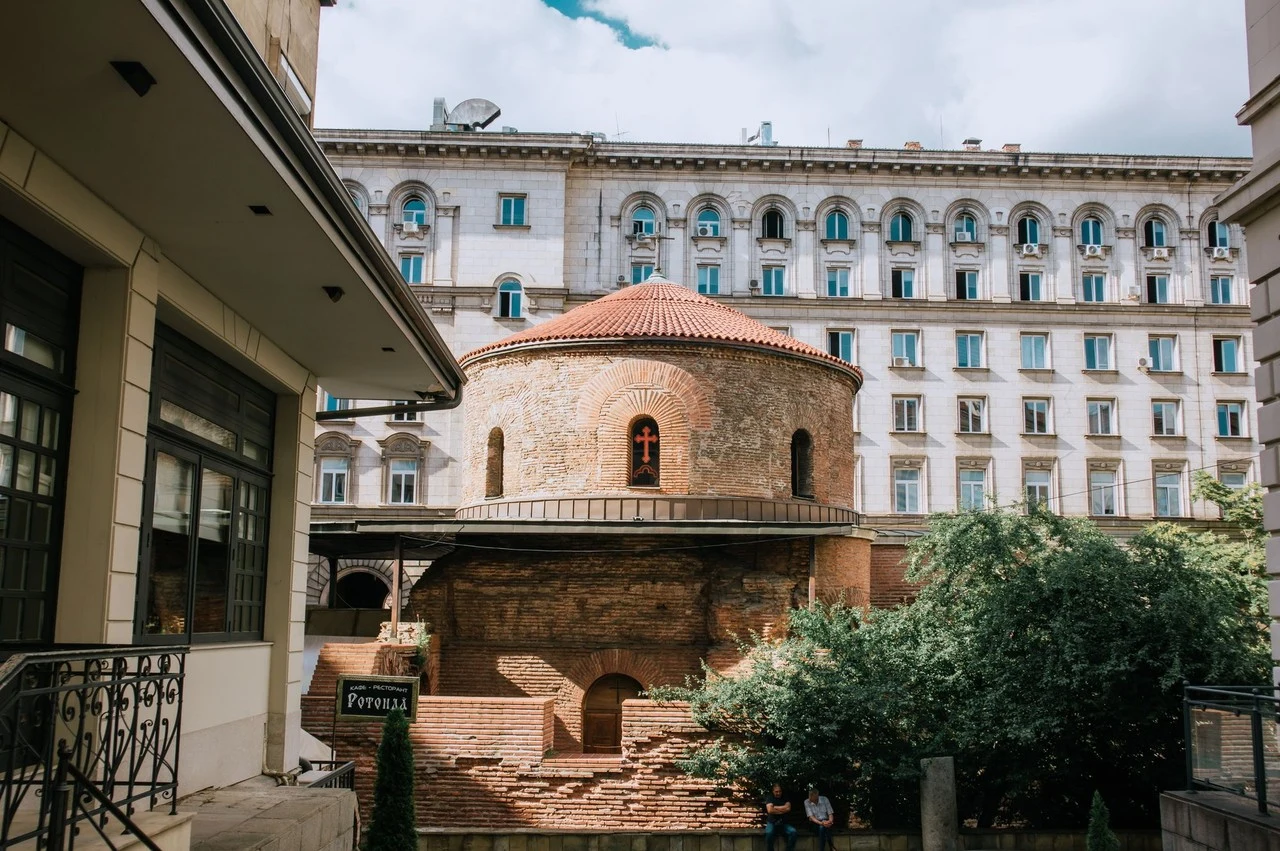
Bulgaria stands apart among EU countries. It is the only place where you can live in the European Union, pay rent like in a provincial town, and buy an apartment for $50,000. At the same time, the Black Sea is nearby, mountains are two hours away, Cyrillic script on signs. For many from the CIS, this sounds almost ideal. But Bulgaria has a downside: a weak economy, emigrating population, roads that have not been repaired since Soviet times, and healthcare far from Western European standards. This article provides a breakdown without embellishment. What is good here, what is bad, how much life costs in 2026, and why thousands of people from the UK, Germany and the CIS choose Bulgaria for relocation.
Why Bulgaria attracts migrants from the CIS
Bulgaria has been an EU member since 2007. European laws apply here, Schengen borders are open (as of 2024, Bulgaria fully entered the Schengen area), EU banks operate. At the same time, prices remain at early 2000s levels by European standards.
For people from Russia, Ukraine, and Kazakhstan, Bulgaria is attractive for three reasons. First - Cyrillic script: signs and menus are understandable without a translator. Second - mentality: Bulgarians are close to Slavic culture. Third - a path to an EU passport through Bulgarian descent.
But relocation is not a vacation. Life here has its own challenges, which we will discuss below.
Advantages of life in Bulgaria
Bulgaria is the cheapest EU country by cost of living. This is not a marketing slogan, but a Eurostat fact. Prices for food, rent, and services here are 2-3 times lower than in Germany or Austria.
Low prices
Rent for a two-bedroom apartment in Sofia costs €500-700. In Varna or Plovdiv - €350-500. Lunch at a cafe costs €5-8. Grocery prices in supermarkets are noticeably lower than in Western Europe and 20-30% below Moscow.
Nature and climate
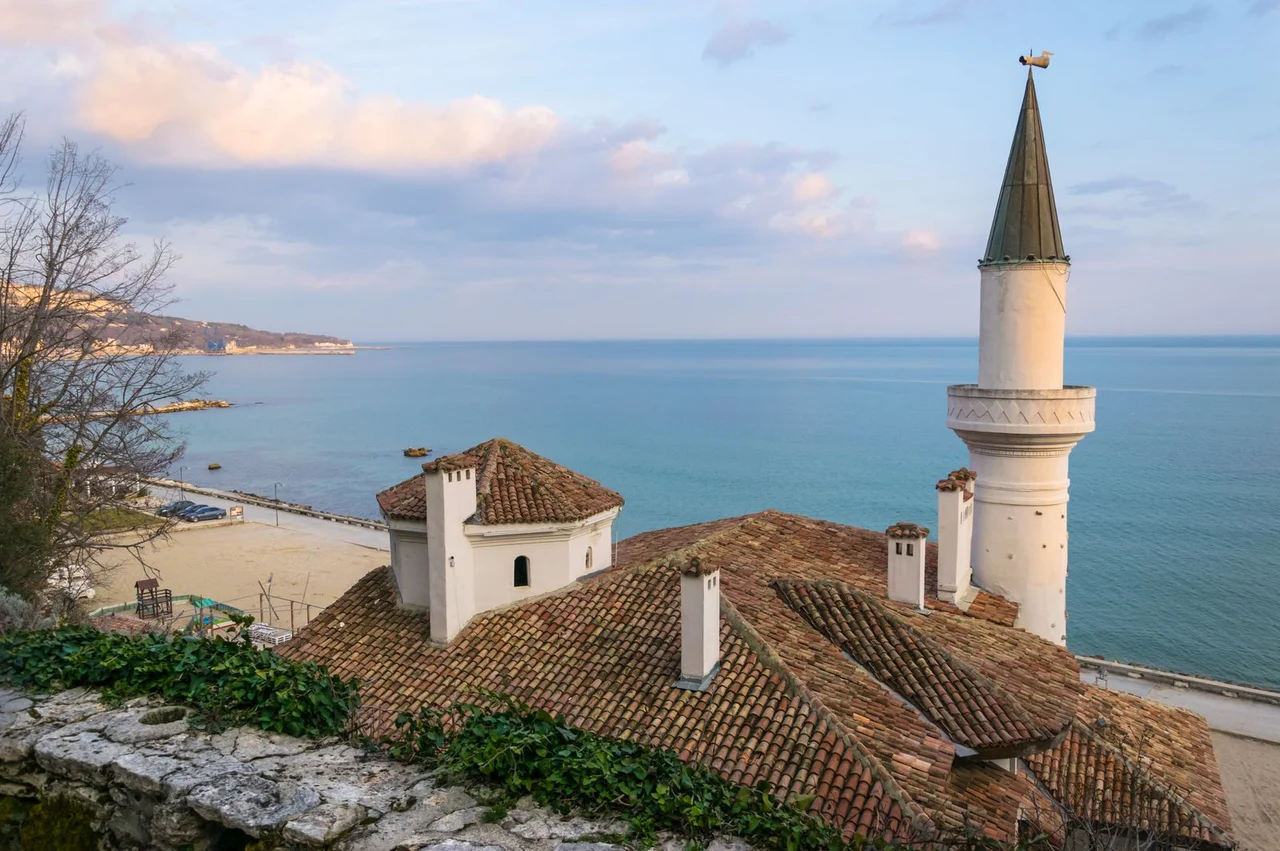
The Black Sea is two hours from Sofia. Bansko and Borovets ski resorts are ninety minutes away. In the south of the country, winters are mild: in Plovdiv in January +3...+7 degrees. Summers are hot but without oppressive humidity.
Cyrillic script and language
The Bulgarian language is written in Cyrillic. Many words are similar to Russian. This greatly simplifies the first months: you can at least read a sign, street name, menu. Basic communication with locals in a mix of Russian and Bulgarian works - especially in tourist cities.
Real estate
An apartment in Sofia costs $40,000-80,000. A house by the sea or in the mountains - from $60,000. By European standards this is very affordable. Purchasing real estate does not automatically grant a residence permit, but property here is bought as an investment or a base for living.
EU membership and Schengen
With a Bulgarian residence permit or citizenship, you live in the European Union. The Schengen area is open. You can travel to Germany, France, Spain without a visa - to live, work, study.
Mentality
Bulgarians are Orthodox Christians with Slavic roots. Family values, hospitality, respect for elders - all this is familiar to people from the CIS. You don't feel like a stranger here the way you might in Western Europe.
Disadvantages of life in Bulgaria
Honesty is more important than a pretty picture. Bulgaria has serious problems that affect the quality of everyday life.
Weak economy
Bulgaria is the poorest EU country by GDP per capita. The average salary in the country is about €900-1,000 per month. The local job market is small. If you plan to work here as an employee - options are limited, unless you work remotely or for an international company.
Population emigration
Over the past 30 years, almost 2 million people have left the country. Many Bulgarians emigrated to Germany, Austria, Great Britain. In small cities and villages, visible decay is noticeable. This affects service, infrastructure, and healthcare standards in the regions.
Roads Outside Sofia
Highways between major cities are decent. However, roads in remote areas are a different story. Potholes, lack of road markings, poor lighting. Driving a car through mountainous regions requires caution.
Bureaucracy
Document processing here is slow. Opening a bank account, registering an address, obtaining a residence permit—all require time, office visits, and patience. Without knowledge of Bulgarian language or a local lawyer, it is more difficult.
Healthcare
State hospitals are poorly funded. Equipment is outdated, queues are long. Private clinics in Sofia and major cities are decent, but expensive. For complex treatment, Bulgarians often travel to Germany or Romania.
Language
Despite using Cyrillic script, Bulgarian is a separate language. The grammar is different, there are no cases (unlike Russian), and pronunciation is distinctive. Understanding spoken speech is initially difficult. Full integration requires learning the language.
Bulgaria for Russians and CIS Nationals
For people from Russia, Ukraine, Kazakhstan, and other CIS countries, Bulgaria has special significance. There are several pathways to legal residence and even an EU passport.
EU Citizenship Through Bulgarian Heritage
If you have a Bulgarian grandfather, grandmother, or parent—you can obtain Bulgarian citizenship by descent. This is a full European Union passport. The program operates without residence or language requirements for applicants claiming heritage.
From 2026, documents are submitted directly to the Bulgarian Ministry of Justice. Processing time is approximately 9 months. For more details about the program, see the page on Bulgarian Citizenship. Bulgarian Citizenship.
Residence Permits and Permanent Residence for Investors
For those without Bulgarian heritage, there is a pathway through investment. A residence permit is obtained upon business registration, property purchase for a certain amount, or passive income. Permanent residence is granted after 5 years of legal residence.
International and Russian-speaking community
In Sofia, Varna, Burgas, and Sunny Beach, thousands of Russian speakers live. There are Russian schools, Orthodox churches, and shops with familiar products. Adaptation is easier than in Germany or the Netherlands.
Banks and Finance
Since 2022, opening a bank account in a Bulgarian bank for Russian citizens has become more difficult. The situation is changing: some banks work with non-residents, others refuse. It is better to clarify the current situation at the time of relocation.
Cost of Living in Bulgaria 2026
Bulgaria is the most affordable EU country. Below are specific figures for main expense categories.
Housing Rental
| Type of Apartment | Sofia | Varna / Plovdiv | Small Cities |
|---|---|---|---|
| Studio / 1 Bedroom | €400-600 | €300-450 | €150-280 |
| 2 Bedroom | €600-900 | €450-650 | €250-400 |
| 3 Bedroom | €900-1 400 | €650-950 | €350-550 |
Groceries
| Product | Price |
|---|---|
| Milk 1 L | €0,90-1,20 |
| Bread (loaf) | €0,60-0,90 |
| Eggs 10 pieces | €2,00-2,80 |
| Chicken 1 kg | €3,50-5,00 |
| Beef 1 kg | €7,00-10,00 |
| Potatoes 1 kg | €0,50-0,80 |
| Tomatoes 1 kg | €1,20-2,00 |
Cafes and Restaurants
| Item | Price |
|---|---|
| Lunch at an inexpensive cafe | €5-8 |
| Lunch at a mid-range restaurant | €12-18 per person |
| Cappuccino coffee | €1,80-2,50 |
| Beer (0.5 L) at a bar | €1,50-2,50 |
Transport and Other Expenses
| Expense Category | Sofia | Regions |
|---|---|---|
| Monthly transit pass (bus/metro) | €30-35 | €15-25 |
| Taxi (1 km) | €0,60-0,80 | €0,50-0,70 |
| Petrol (1 litre) | €1,50-1,70 | €1,50-1,70 |
| Utilities (water + electricity + heating, 2BR) | €80-150 | €60-120 |
| Internet (100 Mbps) | €10-15 | €10-15 |
| Mobile connectivity (20 GB) | €8-12 | €8-12 |
| Health insurance (basic coverage) | €30-60/month | €30-60/month |
Monthly budget: amount required
One person in Sofia spends €700-1,100 per month with modest lifestyle. Family of three - €1,500-2,200. This includes rent, groceries, transport and entertainment. In Varna or Plovdiv, costs are 15-20% lower.
Want to relocate to this country? We will analyze your case free of charge.
Get free consultationBest cities in Bulgaria for living
City selection is as important as country selection. Bulgaria has several completely different cities - each suited to different lifestyles.
Sofia
Capital with approximately 1.3 million residents. Most developed city in the country: quality restaurants, shopping centers, international schools, IT company offices. Rental prices higher than in regions. Vitosha ski resort is within city limits. Suitable for those seeking European urban living at affordable prices.
Varna
Main seaside resort on the Black Sea. Busy and expensive in summer. Quiet in winter with falling prices; renting apartments becomes more difficult. Large Russian-speaking population. Suitable for those who value coastal living and are not dependent on local labor market.
Plovdiv
Country's second-largest city. Excellent price-to-quality ratio. Historic center, developed cultural life, universities. 20-30% cheaper than Sofia. Convenient option for families.
Burgas
Black Sea port city. More peaceful than Varna. Natural park and lakes nearby. Lower prices than Varna. Suitable for quiet coastal living.
Bansko
Ski resort. Winter attracts tourists and skiers from across Europe. Quiet in summer. Popular with digital nomads: reliable internet, numerous cafes, affordable accommodation outside peak season.
Real estate purchase and rental
Bulgarian real estate is among the cheapest in the EU. Apartments can be purchased for €40,000-80,000 in Sofia and €25,000-50,000 in resort regions.
Foreigners may purchase apartments without restrictions. Land is available only to EU citizens or through Bulgarian legal entities. Without EU passport, purchasing land or house requires establishing a Bulgarian company.
Purchase taxes: approximately 3-4% of property value (notarial fees + transfer tax). Annual property tax is symbolic, approximately 0.1-0.3% of cadastral value.
Rental: landlord-tenant relations are governed by contract. Contracts typically run for 1 year. Utilities are usually paid separately from rent.
Healthcare in Bulgaria
Bulgaria's healthcare system is state-operated with private sector elements. Quality varies significantly by city and clinic type.
State hospitals operate under mandatory health insurance system (NHIF - National Health Insurance Fund). Employees pay contributions automatically. Others have voluntary insurance option.
Private clinics in Sofia and Varna: specialist consultation €30-80. Laboratory tests €20-50. Emergency room visit €30-100. Childbirth in private clinic €1,500-3,000.
For serious treatment, many Bulgarians and foreigners travel to Germany, Austria or Turkey. Local state hospitals lag in equipment and care standards.
Recommendation: upon relocation, obtain private health insurance. Cost is €30-70 monthly but provides access to quality clinics without waiting lists.
Education and schools
Children of foreigners have access to both state and private schools.
State schools are free. Instruction is in Bulgarian language. First months are challenging for non-Bulgarian speaking children, but children typically adapt within six months to one year.
Private Bulgarian schools: €3,000-8,000 annually. Smaller classes, higher teaching standards. Schools with English-language instruction available.
International schools in Sofia: €8,000-15,000 annually. IB or British curriculum. Suitable for families planning relocation to another country.
Universities: Bulgaria participates in Bologna system; diplomas recognized in EU. Bulgarian-language instruction €1,500-3,500 annually. English-language instruction €3,000-6,000 annually. Medical faculties traditionally popular with foreign students.
Taxes and finance in Bulgaria
Bulgaria is among the most attractive tax jurisdictions in EU. Flat income tax rate is 10%. This is the minimum rate among EU countries.
Corporate income tax - 10%. VAT - 20% (9% for hospitality). Social insurance contributions - approximately 33% of salary (employer + employee).
Tax residency in Bulgaria is established upon residing for more than 183 days per year or by possessing permanent housing and a center of vital interests.
Bulgaria has signed double taxation avoidance agreements with most countries, including the UK, Russia, Ukraine and Kazakhstan.
For freelancers and digital nomads: registering an LLC (EOOD) can be completed for €100-200 through a notary. The corporate income tax rate is 10%. This makes Bulgaria popular for small businesses from outside the EU, including the CIS.
"Bulgaria is often undervalued. People see the words 'poorest EU country' and think it must be bad. But that is not how it works. Bulgaria is poor in terms of population income, but not in terms of quality of daily life for a person with external income. Black Sea, mountains, warm climate in the south, Cyrillic script, similar mentality—and at the same time European laws, Schengen, open borders. You can live comfortably here for €800-1,000 per month. This is impossible in any other EU country. A separate topic is citizenship by descent. If a client has a Bulgarian grandfather or grandmother, this is a full path to an EU passport without residency requirements or language proficiency requirements. No other place in Europe offers such a straightforward opportunity. There are real drawbacks too: medicine in state hospitals is weaker than in Western Europe, bureaucracy is slow, the labor market is small. But for those who work remotely or have passive income, these drawbacks are not critical. For such clients, Bulgaria is often the best choice in the EU in terms of comfort-to-cost ratio."
Bulgaria's climate by region
Bulgaria is a small country, but its climate varies significantly. It depends on the region.
On the Black Sea coast (Varna, Burgas)—Mediterranean climate. Summers are hot and sunny: July-August +28...+34°C. Winters are mild: January +2...+6°C. Precipitation is minimal. Swimming season runs from May to October.
In Sofia and central regions—temperate continental climate. Summers are warm (+26...+30°C), winters are cold (-5...-10°C occur). Snow falls every winter, though briefly.
In the southern part of the country—Maritsa Valley region (Plovdiv, Haskovo)—the warmest region. Winters are mild, summers are very hot.
In the mountains (Pirin, Rila, Balkans)—cold year-round. Winters feature snow from November to April. Summers are cool and suitable for hiking.
For relocators from colder countries, the Black Sea coast or the southern regions of the country are comfortable choices. Mild winters significantly affect well-being and mood.
Safety in Bulgaria
Bulgaria is considered a relatively safe country. According to Numbeo data, Bulgaria's safety index is approximately 56/100. This is an average level by European standards.
The rate of violent crime is low. Murders and assaults are rare. Main issues include pickpocketing in tourist areas and fraud.
In Sofia and other major cities, there are disadvantaged neighborhoods. It is better to know about them in advance and avoid them at night. Roma neighborhoods (Fakulteta in Sofia, Stolipinovo in Plovdiv) have a reputation for being unsafe—local residents avoid them.
For families with children: residential areas and suburbs are safe. Children walk to school independently and play in courtyards—this is the norm.
Corruption is a separate issue. Bulgaria has been fighting it for a long time, but according to Transparency International's Corruption Perception Index, it ranks among the lowest in the EU. This affects daily life primarily when dealing with state structures.
How to assess readiness for relocation
Before relocating, it is worth answering several questions.
Where is your income from? If you work remotely or have passive income—Bulgaria suits you well. If you plan to find a job on the local market—salary levels are not high, there is competition.
Do you need an EU passport? If yes—do you have Bulgarian roots? This is the key question. The citizenship by descent program is a unique opportunity that does not exist in other countries. Details are on the page Bulgaria citizenship by descent.
Are you prepared for bureaucracy? Arranging residence permits, opening bank accounts, registration—all require patience and time. The process goes more smoothly with a local lawyer or agent.
How do you feel about the level of medical care? If you or family members have chronic conditions—study in advance which clinics and insurance options will suit you. Private insurance is mandatory.
It is worth visiting for 2-4 weeks before relocating. Live in an apartment, visit cafes, walk through neighborhoods. This is a better assessment than any articles.
Documents for living in Bulgaria
To live in Bulgaria legally, you need a residence permit (residence status). For citizens of non-EU countries, there are several grounds.
Residence permit through employment: you need a job offer from a Bulgarian employer. The employer submits an application, then you receive a D visa and arrange a residence permit. Validity—1 year with renewal.
Residence permit through a company: register a Bulgarian legal entity (EOOD) and arrange a residence permit as a director. Condition—the company must operate actively. Cost of company registration—€100-200. Residence permit—1 year with renewal.
Residence permit through pension or passive income: if you have confirmed income from abroad (pension, dividends, rental income)—you can obtain a residence permit based on sufficient means for living. Minimum—approximately €2,000 per month for a family.
Permanent residence permit: after 5 years of legal residence, you can obtain permanent residence status.
If you have Bulgarian roots—the path to citizenship is shorter and does not require residency. Read more on the page Bulgaria citizenship program.
Summary: who Bulgaria suits
Bulgaria is not a perfect country. But for a certain type of relocator, it is a very good choice.
Bulgaria suits you if you:
- Are looking for the cheapest EU country with access to Schengen
- Work remotely and want to reduce expenses by 2-3 times compared to Western Europe
- Want to live by the Black Sea or in the mountains
- Value similar mentality and Cyrillic script
- Have Bulgarian roots and want an EU passport
- Plan to purchase inexpensive real estate in Europe
Bulgaria is less suitable if you:
- Are seeking high salaries and a strong local labor market
- Are demanding regarding the level of state medical care
- Are not prepared for bureaucracy and slow processes
- Want to live in a dynamic Western European environment
The main argument in favor of Bulgaria is the price-to-quality-of-life ratio in the EU. By this parameter, it has no competitors among European countries.
Want to move to this country? We'll analyze your case for free.
Get a free consultationFrequently asked
Questions people ask before deciding
01Can you live in Bulgaria without knowing Bulgarian?
In the initial stages—yes. Cyrillic helps you read signs and menus. In tourist cities (Varna, Burgas, Bansko), many people speak Russian or English. However, for full integration, communication with government agencies, and employment, the language is necessary. Bulgarian is typically learned in 6-12 months with regular classes.
02How difficult is it to obtain a residence permit in Bulgaria?
The process requires time and patience, but is achievable. Grounds: employment, business ownership, pension/passive income. Document collection takes 2-4 weeks, application review takes 1 to 3 months. With the help of a local attorney, the process moves significantly faster.
03How can you obtain Bulgarian citizenship by descent?
If you have a Bulgarian ancestor (grandfather, grandmother, parent), you can apply for citizenship by descent. As of 2026, documents are submitted directly to the Bulgarian Ministry of Justice. The timeline is approximately 9 months. There are no residency or language requirements for applicants by descent.
04How much does it cost to live in Bulgaria per month?
One person spends €700-1,100 in Sofia or €550-850 in other cities. A family of three spends €1,500-2,200. This includes rent, groceries, transport, and basic entertainment. Bulgaria is the cheapest EU country by cost of living.
05Can a foreigner purchase an apartment in Bulgaria?
Yes. Foreigners (including non-EU citizens) can purchase apartments without restrictions. Land plots and houses with land are available only to EU citizens or through a Bulgarian legal entity (EOOD). Apartments in Sofia start from €40,000, on the coast from €25,000.
06Is it safe to live in Bulgaria?
Overall, yes. The level of violent crime is low. The main risks are pickpocketing in tourist areas. Major cities have disadvantaged neighborhoods that should be known and avoided at night. For families with children, residential areas are safe.
07What is the climate in Bulgaria?
It depends on the region. On the Black Sea coast, mild winters (+2...+6 in January) and hot summers (+28...+34). In Plovdiv and the south, warm with mild winters. In Sofia, colder with snow in winter. In the mountains, cold and snowy from November to April. The best climate for permanent residence is the southern part of the country and the coast.
08How is healthcare in Bulgaria?
State hospitals operate under the mandatory insurance system (NHIF), but equipment levels and care standards are below Western European standards. Private clinics in major cities are decent. Specialist consultation costs €30-80. When relocating, we recommend obtaining private health insurance for €30-70 per month.
09Can a foreigner start a business in Bulgaria?
Yes. Registration of a Bulgarian LLC (EOOD) is available to foreigners and costs €100-200. Corporate income tax is 10%, the minimum in the EU. Bulgaria is popular for registering small IT companies and businesses from outside the EU, including the CIS. A company also provides grounds for obtaining a residence permit as a director.
10What is the situation with the Russian-speaking community in Bulgaria?
Thousands of Russian speakers live in Sofia, Varna, and Burgas. There are Russian schools, Orthodox churches, and shops with familiar products (buckwheat, kefir, cottage cheese). Adaptation for people from CIS countries is noticeably easier here than in Germany or the Netherlands.
11Is it worth buying a car in Bulgaria?
In Sofia, it is not necessary. Public transport (metro, buses, trolleybuses) operates normally. In other cities and when traveling around the country, a car is needed. Roads between cities are decent, in mountainous areas and remote regions they are worse. Third-party liability insurance costs €150-300 per year.
12Is it better to live in Bulgaria or another EU country?
It depends on priorities. Bulgaria offers the lowest prices in the EU, the Black Sea, affordable real estate, and a straightforward path to citizenship through ancestry. Germany or Austria offer high salaries and top-tier healthcare. If you have external income and affordability is important, Bulgaria leads. A detailed comparison can be discussed at a consultation.
About the author
Related materials
What to read next
 ArticleBulgarian citizenship through investment in 2026: why the program was cancelled and what works instead
 ComparisonCitizenship of Bulgaria or Romania: what to choose for an EU passport
 AnalysisWhat is due diligence and why the Caribbean is rejecting applications
Personal programme selection is conducted by Anna Kovalevskaya, Head of Legal, BRIDGES.
Moving to Bulgaria: what to settle first
Housing, schooling, healthcare, accounts and taxes - the order and what takes longest.