Living abroad · Bulgaria
Cost of living in Bulgaria 2026: cheapest EU country
Updated: June 2026·9 min read·Expert reviewed
Terms and costs verified: June 2026

Contents
Bulgaria has been a member of the European Union since 2007. However, prices here remain the lowest in the EU. Renting an apartment in the center of Sofia costs less than in a residential area of Warsaw. Products are cheaper than in Romania. Medicine is available even without government insurance. For Russians, Ukrainians and Kazakhstanis, Bulgaria is three times attractive. Firstly, prices. Secondly, the language: Bulgarian is close to Russian and other Slavic languages, and English is common in cities and resorts. Thirdly, the European passport - Bulgarian citizenship gives access to 26 Schengen countries. This guide contains specific figures for all expense items. Rent in Sofia, Varna and Plovdiv. Products in the supermarket. Transport, housing and communal services, schools, medicine. Comparison with Moscow. Everything you need to know before moving.
Why Bulgaria is the most affordable EU country
Eurostat annually publishes a comparison of price levels across EU countries. Bulgaria ranks last in this ranking - that is, first in terms of accessibility. Prices here are about 52% of the average European level.
This does not mean that the country is poor. GDP is growing, infrastructure is improving, new shopping centers and restaurants are appearing. It's just that salaries are still lower than Western European ones - and this keeps prices within reasonable limits.
For a person with a remote income in euros or dollars, Bulgaria turns into a financial magnet. €2,000 per month here means a comfortable life with a good apartment, restaurants and trips. In Germany you will have to save the same money.
Cost of living in Bulgaria: complete cost table 2026
Bulgaria uses Lev (BGN). Exchange rate: 1 euro = 1.96 leva. This is a fixed rate - Bulgaria pegged the lev to the euro back in 1997. There is no hesitation.
Renting a home
| Apartment type | Sofia (center) | Sofia (dormitory areas) | Varna | Plovdiv | Sunny Beach (off season) |
|---|---|---|---|---|---|
| 1BR (1 bedroom) | €500-800 | €300-500 | €350-600 | €300-500 | €200-400 |
| 2BR (2 bedrooms) | €700-1 200 | €450-700 | €500-800 | €400-650 | €300-550 |
| 3BR (3 bedrooms) | €1 000-1 800 | €650-1 000 | €700-1 200 | €600-900 | €450-750 |
Products in the supermarket
| Product | Price |
|---|---|
| Milk 1 l | €0.90 |
| Bread (standard loaf) | €0.80 |
| Chicken fillet 1 kg | €3.50 |
| Cheese cheese (siren) 1 kg | €5.00 |
| Eggs 10 pcs | €2.20 |
| Potatoes 1 kg | €0.60 |
| Tomatoes 1 kg | €1.20 |
| Rice 1 kg | €1.00 |
| Olive oil 1 l | €4.50 |
| Hard cheese 1 kg | €6.00 |
Eating out
| Article | Price |
|---|---|
| Lunch in a cafe (1 person) | €5-8 |
| Dinner in a restaurant (1 person) | €8-15 |
| Coffee (espresso/Americano) | €1.50 |
| Beer at the bar (0.5 l) | €2.00 |
| Business lunch in the office cafe | €4-6 |
Utilities and communications
| Article | Cost per month |
|---|---|
| Utilities (heating, water, electricity) - winter | €60-100 |
| Housing and communal services - summer | €30-50 |
| Internet (optics, 100-500 Mbit) | €10-15 |
| Mobile communications (unlimited) | €8-12 |
Transport
| Article | Price |
|---|---|
| Single ticket (metro/bus, Sofia) | 1.6 leva (~€0.82) |
| Monthly pass (Sofia) | 55 leva (~€28) |
| Taxi (1 km) | €0.50-0.70 |
| Gasoline (1 l) | €1.60 |
| Car rental (economy, per month) | €350-600 |
| OSAGO (per year) | €150-250 |
Do you want to move to Bulgaria? We will analyze your case for free.
Get a free consultationReal budget: single, couple, family with children
The numbers below are a comfortable, but not luxurious standard of living. I won’t eat the cheapest room and I won’t only have dinner at home. Normal city life.
| Situation | Rent | Products | Transport | Other | Total |
|---|---|---|---|---|---|
| Single in Sofia | €500 | €200 | €50 | €200 | €950-1 100 |
| Couple in Sofia | €700 | €350 | €80 | €300 | €1 400-1 700 |
| Family 2+2 in Sofia | €900 | €500 | €100 | €500 | €2 000-2 500 |
| Single in Plovdiv | €350 | €180 | €40 | €180 | €750-900 |
| Couple in Varna | €550 | €320 | €70 | €280 | €1 200-1 500 |
“Other” includes cafes, entertainment, clothing, medicine, and small purchases. Insurance is considered separately (see section on medicine).
Sofia versus regions: where is cheaper and better
Sofia is the most expensive city in the country. But even its prices remain moderate by EU standards. If your budget is limited, choose Plovdiv or Varna.
Plovdiv - the second largest city. Historical center with paving stones and antique cafes. Rent is 30-40% cheaper than Sofia. There are fewer international companies, but the IT sector is growing. Good for remote workers and families.
Varna - seaside resort on the Black Sea. Summer is busy and more expensive. Quiet and cheap in winter. The beach is 20 minutes from the center. Suitable for those who appreciate the sea and a temperate climate.
Burgas - the second Black Sea city, fewer tourists, quieter, 10-15% cheaper than Varna.
Ruse - border with Romania, Danube port. Lowest prices among major cities. For those who care about savings.
Bulgaria vs Moscow: cost of living comparison
Bulgaria is significantly cheaper in terms of rent than London, Western European capitals or Moscow. In terms of products - comparable or slightly cheaper. Transport is cheaper. In terms of salaries, they are significantly lower, but this is not a problem for those who work remotely.
| Article | Moscow | Sofia | Plovdiv |
|---|---|---|---|
| Rent 1BR (center) | €800-1 500 | €500-800 | €300-500 |
| Dinner in a restaurant (1 person) | €15-25 | €8-15 | €6-12 |
| Coffee in a cafe | €2.50-4 | €1.50 | €1.20 |
| Monthly pass | €25 (metro) | €28 | €20 |
| Milk 1 l | €1.00-1.30 | €0.90 | €0.85 |
| Housing and communal services (winter) | €80-150 | €60-100 | €50-80 |
The main conclusion: with a remote income from London, Berlin or Moscow, life in Bulgaria will be noticeably more comfortable. Moreover, the country is an EU member with a European quality of life.
Transport: metro, buses, cars
There is a metro in Sofia - two intersecting routes. This is the basis of urban transport. Trains run every 3-5 minutes during rush hour. Clean, safe, comfortable.
The bus network covers the whole of Bulgaria. A ticket for the intercity bus Plovdiv - Sofia costs about €5. Varna - Sofia: €15-20. For most routes, a bus is sufficient.
There is a railway, but it is slow. The Plovdiv - Sofia train takes 2.5 hours. Bus - 2 hours. Trains are good for scenic travel, not for speed.
Uber and Bolt operate in Sofia and Varna. Prices are reasonable: city trip €3-7. Local taxi drivers cost the same - it is important to negotiate in advance or use the meter.
You need a car if you live in a small town or often travel around the country. In Sofia, Varna and Plovdiv you can get by by public transport and taxi.
Housing and utility services: electricity, gas, water, internet
Bulgaria is heated differently. Soviet houses have central heating (CHP). New houses have electric panels or gas boilers. The gap in bills in winter is large.
Old panel house with a thermal power plant: €60-80 per month in winter, €20-30 in summer. New apartment with individual gas: €80-120 per month in winter. Cold January can give €150-180.
Electricity: average consumption for an apartment is €25-40 per month. Water: €10-15. Total in summer - €35-55, in winter - €80-130.
Internet in Bulgaria is excellent. Optical fiber is available almost everywhere, speeds up to 1 Gbit. Cost: €10-15 per month. This is cheaper than most EU countries.
Mobile communications: unlimited tariff from Vivacom, A1 or Yettel - €8-12 per month. Roaming within the EU is included by law.
Medicine: what the state pays, what - you
The public healthcare system is available to residents. You need to register with a family doctor (GP) and pay monthly fees - about €10-15.
GP visit under insurance - €2-3 (official fee). Referral to a specialist - €3-5. Tests are partially covered. But the queues for free specialists can be long.
Private clinics work quickly. Appointment with a therapist - €20-35. Specialist (cardiologist, orthopedist) - €35-60. Ultrasound - €25-50. For many foreigners, private healthcare plus basic insurance is the optimal combination.
Private health insurance for a foreigner: €50-100 per month depending on age and coverage. This closes hospitalization, operations, and ambulances.
Dentistry in Bulgaria is a different story. Prices are much lower than Western European ones. Filling €30-60, crown €150-250, implant €600-900. Many Europeans come specifically for dental treatment.
“Bulgaria is going through an interesting moment right now. Prices remain low, but the real estate market is stable and even growing slightly - especially in Sofia. We see many clients from Russia and Kazakhstan who choose Bulgaria precisely because of the combination: EU, clear language, affordable prices. Clients with Bulgarian roots are of particular interest. If your grandfather or grandmother were Bulgarians, this is a direct path to a European passport. Documents from Soviet archives, church books, metrics - you can work with all this. After the 2026 reform, the procedure has become simpler: the application is submitted directly to the Ministry of Justice, without intermediate certificates. The typical period is about nine months. An important point regarding finances: plan your budget with reserves for the winter. Heating in older houses can be expensive. New apartments with individual gas are more economical. And spend the first year setting things up: opening an account, registering a car, finding a doctor, school for children - all this takes time and small expenses.”
Education: schools, kindergartens, universities
State schools are free for resident children. Training in Bulgarian. The level of education is uneven: there are strong schools in Sofia, weaker ones in the provinces.
Private Bulgarian schools: €2,000-5,000 per year. Good discipline, smaller classes, often a second language is required.
International schools operate primarily in Sofia. IB and Cambridge programs. Cost: €4,000-10,000 per year. Few children in the class, teaching in English.
Kindergartens: public €50-100 per month (subsidized). Private €300-600 per month.
Universities. Bulgarian diplomas are recognized in the EU. Cost of a bachelor's degree for foreigners: €2,000-5,000 per year. Medicine and dentistry are popular among foreign students - the quality is high, the price is lower than in Western Europe.
Food: markets, supermarkets, restaurants
Bulgarian cuisine is rich and cheap. Banitsa (layer pie with cheese) - €0.80-1.50. Kebabche (grilled sausages) with a side dish in a cafe - €4-6. Traditional two-course lunch - €6-8.
Main supermarket chains: Kaufland, Lidl, Billa, Fantastico. Lidl and Kaufland offer German quality at Bulgarian prices. Local markets (pazari) are even cheaper for seasonal vegetables and fruits.
Bulgaria produces a lot of its own food: dairy, meat, vegetables, fruits, wine. Local products are cheaper than imported ones and often taste better.
Wine: Good quality Bulgarian wine costs €4-8 per bottle in the store. Rakia (local brandy) - €5-10 per bottle.
The restaurant market is diverse. Bulgarian cuisine, Turkish, Greek, Italian, Japanese - Sofia has it all. Dinner in a decent restaurant for two with wine: €25-45.
Check Before You Move: Hidden Costs
A few items that are often forgotten when planning a budget.
Auto insurance (OSAGO). Required. Costs €150-250 per year for a European car. If you buy a car in Bulgaria, add customs clearance and registration.
Heating bills in winter. Bulgaria is not tropical. January in Sofia - on average +2°C. The heating season lasts from October to March. Budget an additional €50-80 per month for the winter compared to the summer.
Registration of residence permit. For initial registration there is a state fee of €50-100, the services of a translator or agent are possible for €200-500. Don't forget about annual renewal.
Import of cars. If you are bringing a car registered outside the EU, whether in the UK, Russia or Kazakhstan, customs clearance in Bulgaria is required. The cost depends on the age and engine size: €500-3,000 and above.
Parking. In the center of Sofia, parking is paid: €0.80-1.50 per hour. Residents buy an annual subscription from €150. In the provinces, parking is usually free.
Language courses. The Bulgarian language is similar to Russian, but different. It will take 2-3 weeks to read. For conversation - courses €200-400 for a basic level.
Taxes for residents: what does a foreigner pay?
Bulgaria is attractive from a tax point of view. Income tax (NDFL) - flat rate of 10%. This is one of the lowest rates in the EU. VAT - 20% (standard rate).
Corporate income tax - 10%. Self-employed people pay 10% plus social contributions. The total workload for a freelancer is about 20-25% of income.
For a resident of Bulgaria (residing 183+ days per year), taxes are paid on worldwide income. But Bulgaria has entered into agreements to avoid double taxation with Russia, Kazakhstan, Ukraine and other CIS countries.
Real estate tax is about 0.15-0.45% of the cadastral value per year. These are symbolic amounts by Western standards: an apartment for €100,000 - a tax of €150-200 per year.
Tax on dividends - 5%. This is more profitable than in many Western European countries. For company owners, this is an important argument in favor of a Bulgarian residence.
Conditions for moving: residence permit, permanent residence, citizenship
Bulgaria offers several ways for legalization. The most popular among Russians and Kazakhstanis is a residence permit based on financial independence. You need to confirm your income or availability of funds and rent or buy housing.
A residence permit gives the right to live, work (with permission) and use Bulgarian medicine. After 5 years - permanent residence. After 5 years, permanent residence is the right to citizenship.
Another way - Bulgarian citizenship by descent. If you have Bulgarian roots - grandparents, parents - you can apply directly. This gives an EU passport without residence qualification and language test.
Bulgarian citizenship opens up 26 Schengen countries, the right to live and work in any EU country, and simplified entry into more than 160 states.
Do you want to move to Bulgaria? We will analyze your case for free.
Get a free consultationBuying real estate: prices and features
Real estate in Bulgaria is available to foreigners. EU citizens can buy land directly. Citizens of other countries - through a legal entity (Bulgarian company) or only buildings without land.
Prices for apartments in Sofia: from €1,200-1,800 per sq. m. m in the center, €800-1,200 in good residential areas. Varna and Plovdiv: €800-1,500 per sq.m. m.
Apartments in the Black Sea resorts (Sunny Beach, Nessebar, Sozopol): from €500-800 per sq.m. m. Attractive for investment with rental in the summer, although the market freezes in winter.
Upon purchase: notary fee 0.1-1.5%, property transfer tax 0.1-3%, registration fee. Total associated costs are about 3-5% of the cost of the object.
Mortgage for non-residents is difficult, but possible. Bulgarian banks provide loans to foreigners with a residence permit and confirmed income. Rates: 3.5-5% per annum.
Bottom line: who is Bulgaria suitable for moving?
Bulgaria is the best option for those who want to live in Europe without European prices. EU passport, clear language, warm climate nine months a year, the Black Sea and quality products.
Ideal for: remote workers with income in euros or dollars, families with children looking for an affordable life in the EU, pensioners with a European pension, entrepreneurs with Bulgarian roots.
It requires patience: the Bulgarian bureaucracy is slow, the language uses Cyrillic and takes effort to learn, and service in government agencies is below Western standards.
If you have Bulgarian roots, explore the option of obtaining citizenship by descent. This gives you a European passport without the years of waiting. Read more at program page or seek advice.
Frequently asked
Questions people ask before deciding
01How much money do you need per month to live in Bulgaria?
One person in Sofia needs €900-1,100 per month for a comfortable life: rent €500, food €200, transport €50, cafes and entertainment €200. A couple needs €1,400-1,700. A family of four needs €2,000-2,500.
02Is it expensive to rent an apartment in Bulgaria?
By EU standards - inexpensive. One-room apartment in the center of Sofia: €500-800 per month. In residential areas: €300-500. In Plovdiv and Varna it is even cheaper. This is about half the price of Warsaw or Prague.
03What taxes does a foreigner pay in Bulgaria?
Income tax - 10% (flat rate, one of the lowest in the EU). Tax on dividends - 5%. Real estate tax is about 0.15-0.45% of the cadastral value per year. Social contributions for the self-employed are about 10-15%.
04Do you need to know Bulgarian to live in Bulgaria?
For everyday life - no. In Sofia, many people speak English or Russian. The signs are easy to read - the Cyrillic alphabet is the same. To work in a Bulgarian company or communicate with government agencies, you need a language. The initial level of Bulgarian is mastered in 2-3 months.
05How to get a residence permit in Bulgaria?
The easiest way is a residence permit on the basis of financial independence. You need to confirm the availability of funds (usually €6,000-10,000 in the account), rent or buy housing and submit documents to the ODMVR. The residence permit is issued for a year with extension.
06Is it possible to obtain Bulgarian citizenship?
Yes. Standard path: 5 years residence permit + 5 years permanent residence + language exam. Fast track - by origin: if you have Bulgarian roots through your grandparents or parents, documents are submitted directly to the Ministry of Justice. More details at brgsglobal.com/citizenship/bulgaria/
07Is medicine expensive for foreigners in Bulgaria?
No. Appointment with a private therapist - €20-35. Specialist - €35-60. Dentistry is especially affordable: filling €30-60, implant €600-900. State medicine is available to residents for contributions of €10-15 per month.
08What is the climate in Bulgaria?
Continental with mild winters. Summer is hot: July-August +30-35°C in Sofia, +28-32°C on the Black Sea coast. Winter is moderate: January +0-5°C in Sofia, there is snow. Mountain areas are colder - ski resorts are popular there.
09Is it safe to live in Bulgaria?
Yes. According to the Numbeo Safety Index, Bulgaria is among the relatively safe countries. Violent crime is low. Pickpocketing occurs in tourist areas. In general, foreigners feel comfortable.
10Is it possible to buy an apartment in Bulgaria without a residence permit?
Yes. Foreigners who are not EU citizens can buy apartments without land directly. To purchase a house with a plot, you need a legal entity (Bulgarian company). Registration takes 1-2 weeks through a notary.
11Are there international schools in Bulgaria?
Yes, mainly in Sofia. There are schools with IB and Cambridge programs. Cost: €4,000-10,000 per year. Public schools are free for resident children, education is in Bulgarian.
12Why is Bulgaria better than other EU countries for moving?
The main advantage is the cost of living: the lowest in the EU according to Eurostat. At the same time, the country is a full member of the EU: freedom of movement, European standards of law and security. Plus a warm climate, affordable dentistry and, for Russian speakers, an easy language.
About the author
Related materials
What to read next
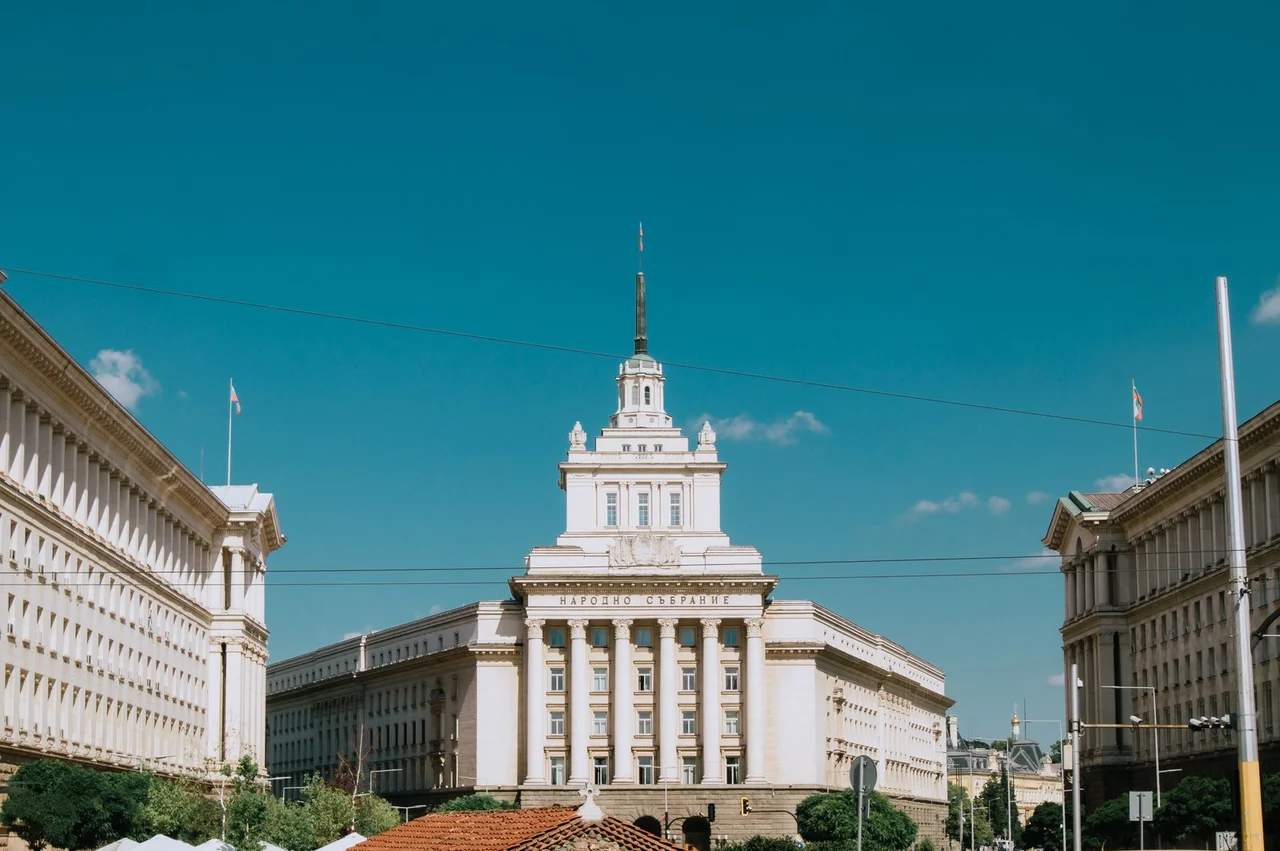 ArticleBulgarian citizenship through investment in 2026: why the program was cancelled and what works instead
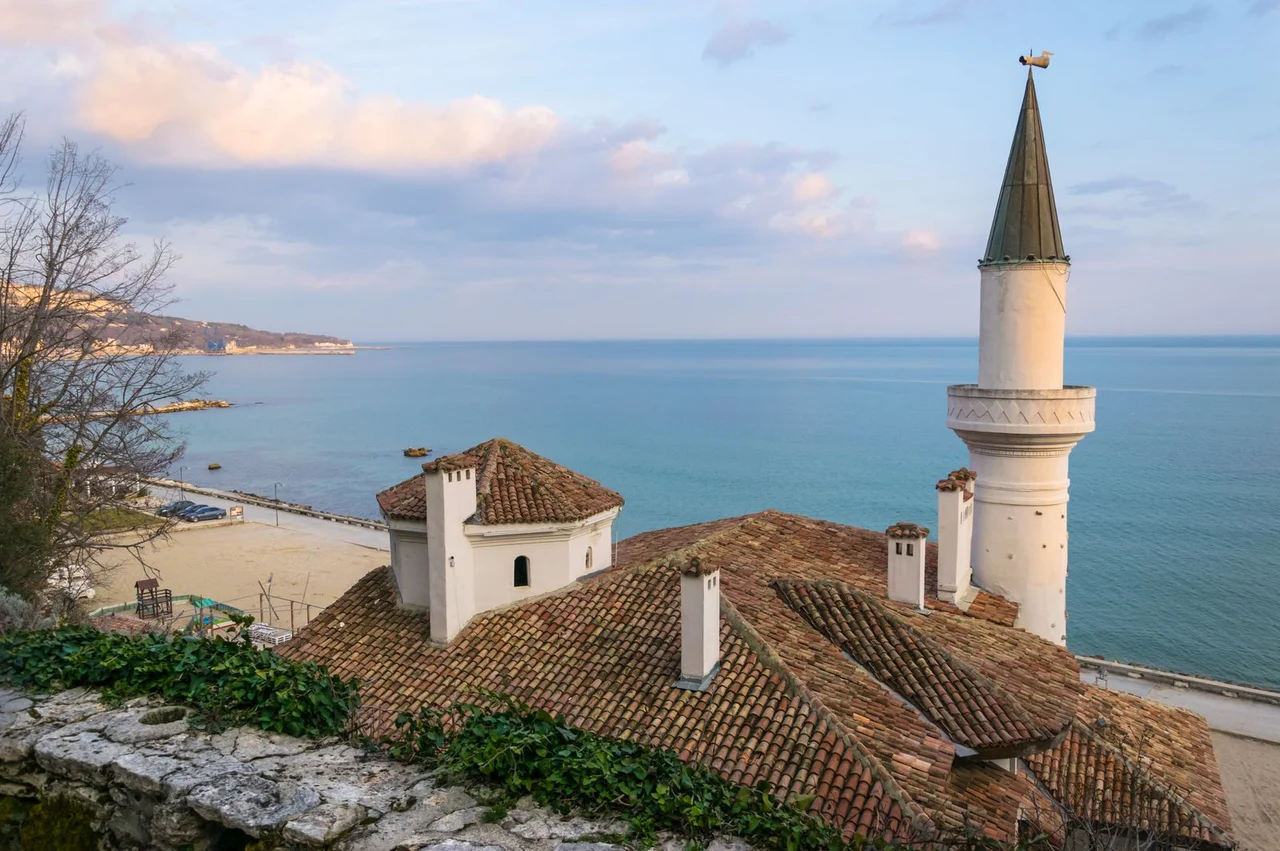 ComparisonCitizenship of Bulgaria or Romania: what to choose for an EU passport
 AnalysisWhat is due diligence and why the Caribbean is rejecting applications
Personal programme selection is conducted by Anna Kovalevskaya, Head of Legal, BRIDGES.
Moving to Bulgaria: what to settle first
Housing, schooling, healthcare, accounts and taxes - the order and what takes longest.