Citizenship · Vanuatu
Property in Vanuatu: The Market, Prices and Ownership in 2026

Updated: August 2026·14 min read·Expert reviewed
Terms and costs verified: August 2026
Contents
Property in Vanuatu attracts interest from two directions at once: some people are looking for a home to relocate to or winter in, others have heard about the option of citizenship through a purchase from USD 400,000 and want to understand what this market actually is. Here is a candid account, without the agency gloss: how ownership works in Vanuatu (in brief: the land belongs to communities, and that changes everything), what renting and prices in Port Vila look like, how property works as a path to a passport, and which risks — from cyclones to liquidity — need weighing before a transaction.
In short: what you need to know about property in Vanuatu
The market is small and concentrated around Port Vila: good-quality stock is scarce and good properties go quickly. There is no freehold ownership of land — under the constitution land belongs to indigenous communities, and foreigners hold property through long-term leasehold or strata titles. A purchase from USD 400,000 opens the path to citizenship through the Real Estate Option. The main risks are climate and liquidity.
If your interest is the passport rather than the square metres, start with the general guide Vanuatu citizenship by investment, which compares every option in the programme, property included.
What the market is like: small, island-based, concentrated
The first thing to understand about Vanuatu property is that it is not Dubai or Cyprus. The country is an archipelago of more than 80 islands, and the housing market for foreigners is almost entirely concentrated in two places: the capital Port Vila on Efate and the second city, Luganville, on Espiritu Santo.
Port Vila is the only place with relatively developed infrastructure: banks, restaurants, a private clinic, English-language schools and a rental market geared to foreigners. It is where most expatriates live and where it makes sense to look at property, whether for living or for investment. Outside the two towns there is no market in the usual sense: individual resorts, private plots on the islands and deals made through personal connections.
Two practical conclusions follow from the market's small size. Good supply goes quickly: well-built homes with a generator, a back-up water tank and modern construction are genuinely scarce. And liquidity is limited: selling a property quickly and without a discount is harder than in large markets — we discuss this candidly in the section on risks.
One more feature is worth accepting before you get to know the market: there are no "hot investments" or queues of buyers here. The pace of transactions is an island one — weeks for checks, calm negotiation, unhurried registration. For a buyer that is rather a plus: there is always time for due diligence, and only a seller with something to hide will try to rush you.
The key feature: land belongs to communities
The key difference between Vanuatu and familiar jurisdictions is land law. Under the constitution all land in the country belongs to its indigenous Melanesian custom owners and clans. A foreigner cannot buy land "for ever" as in Europe — and this is not a gap but a deliberate foundation of the state.
Foreigners hold property through two structures:
| Structure | What it is | What it suits |
|---|---|---|
| Leasehold — long-term lease of land | The right to use a plot for a long term, with a registered title | Houses, villas, plots for development |
| Strata title (Strata Act) | The right to a unit in a property — a flat or a unit in a complex | Apartments, resort complexes |
Both structures are workable and recognised: transactions are completed under them, titles registered and a market built on them. But checking the property matters more here than anywhere: the remaining term of the land lease, the renewal conditions, encumbrances and the status of the title itself are the first things we look at in any transaction. Buying a "dream home" on a land lease that is running out is the classic mistake of the unadvised buyer.
Renting: where almost everyone starts
For those considering life on the islands, the right sequence is to rent first and buy later. There are two reasons. The first is that the rental market lets you test the country on yourself before making irreversible decisions: the rainy season, the isolation, the rhythm of life. The second is that the choice of properties to buy is so limited that haste almost always means compromise.
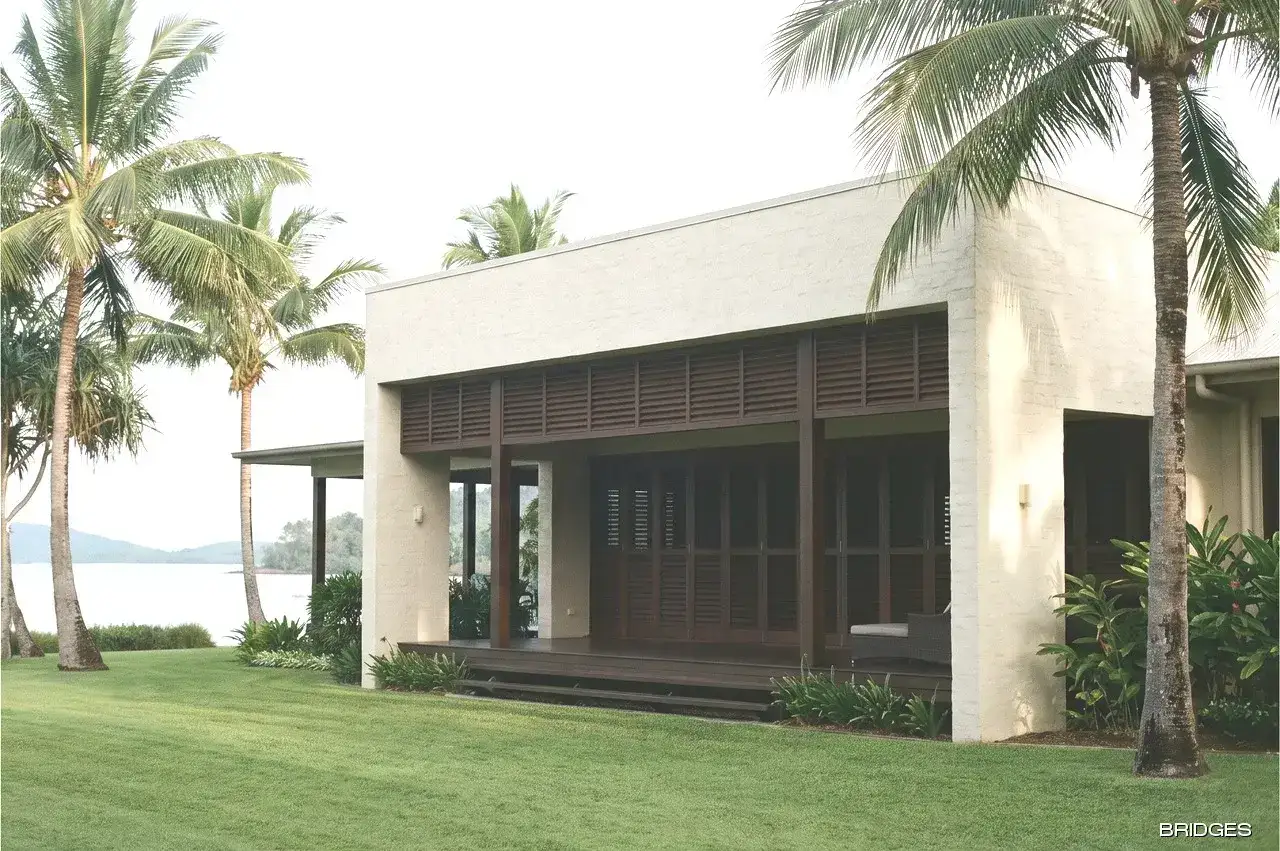
What to know about renting: good-quality stock is scarce, furnished houses with a generator and a back-up water tank go quickly, and housing near hotels and tourist areas costs more. The general cost of living is also worth calculating in advance: almost everything except local vegetables, fruit and fish arrives by sea, and imported goods cost noticeably more than the palm-tree picture suggests. Benchmarks for an expatriate's costs — from USD 2,800 a month for one person — and a full account of daily life are in life and relocation in Vanuatu.
How to search: a significant share of offers never reaches the listings — good houses change hands through the expatriate community and local agents. The combination that works is a local agent plus independent legal due diligence on your side (the agent is selling, so it should not be the agent who checks the property). Viewings should be in person or through a trusted representative: on the islands, photographs flatter properties as well as they flatter people.
Property as a path to citizenship: the Real Estate Option
A separate reason for interest in Vanuatu property is the Real Estate Option (REO): an option within the citizenship programme under which, instead of a non-refundable contribution, the investor buys approved property from USD 400,000. The money becomes an asset: the property remains, with potential rental income and the prospect of resale.
The mechanics step by step: a property is chosen from those approved by the programme, a deposit of around 10% of the price is paid on filing, and the balance after the case is approved. The applicant undergoes the same character check as under the main DSP option.
A candid comparison — when the REO is better than the contribution and when the reverse is true — is set out in a separate article, Vanuatu citizenship through property. The short conclusion from it: the REO makes sense when you need the property for its own sake — to live in, to winter in or for rental income. Buying square metres purely for the passport is usually more expensive and more trouble than paying the DSP contribution: the difference in budgets is substantial, and the obligation to manage an asset on distant islands does not go away.
The REO option — from property to passport
Chosen from those approved by the programme, title checked
Around 10% of the price on filing
Due diligence on the applicant — as under the DSP
The balance paid after the decision
A passport plus an asset from USD 400,000
What entry costs: benchmarks
| Scenario | Benchmark | Comment |
|---|---|---|
| Living costs (one person) | from USD 2,800 a month | Port Vila, rent plus daily life, imported prices |
| Purchase for citizenship (REO) | from USD 400,000 | Approved properties, deposit ~10% on filing |
| Citizenship by contribution (DSP), for comparison | from USD 130,000 | Non-refundable contribution, no asset |
The price of a specific property is a matter of negotiation and of the market on the day of the transaction: there are no public price lists as in large markets, and any "average price per square metre" from the internet bears no relation to a real transaction. The workable approach is to look at real properties for your purpose and calculate the full cost of ownership: the land lease, insurance, maintenance and management while you are away.
How a transaction works: the stages
Buying in Vanuatu is a documentary and unhurried process, and the right sequence saves money at every step.
1. Purpose and budget. First you establish why you want the property: to live in, to winter in, to let, or as the REO option. Everything depends on it, from the district to the legal structure.
2. Checking the property. The title (leasehold or strata), the remaining term of the land lease, the renewal conditions, encumbrances and, for the REO, the property's approved status in the programme. Plus its physical condition: the construction, the generator, the water supply and cyclone resistance.
3. Contract and payments. The terms of the transaction, the payment schedule and the banking path for the money — transfers to the islands go through correspondent banks, and the path is worth agreeing in advance.
4. Registration. The transfer of title is registered in the registry — only then is the property yours. Before registration, no "receipts" amount to rights.
5. Ownership. Insurance, a manager while you are away and back-up systems in working order. Owning property on the islands is a process, not an event.
The tax side of ownership
The pleasant side of Vanuatu property is the country's tax regime. Vanuatu has no wealth tax and no annual property tax as a class, no capital gains tax — selling a property for more than you paid creates no local tax — and no inheritance tax, so the asset passes to heirs without deductions. The whole system is described in taxes in Vanuatu.
Two caveats, without which the picture would be an advertisement. First, 12.5% VAT is built into the price of everything you buy on the islands for the home, from building materials to services. Second, your obligations to your country of tax residence do not go away: if you are a Russian resident, income from letting a Vanuatu property is declared under Russian rules. How residence and tax fit together is covered in how to become a Vanuatu tax resident.
Three ownership models: what works for which purpose
The "I live there" model. A house in Port Vila for permanent living or wintering. The priorities are a district with infrastructure, self-sufficiency (generator, water) and access to a school and a clinic. The economics are simple: you pay for a way of life, not for a yield.
The "asset with rental income" model. A property let to expatriates and long-stay guests. It works because of the shortage of good-quality stock, but it needs a local manager and an honest model: management, vacancies, insurance and maintenance consume a noticeable part of the gross rent.
The "REO investor" model. A property from USD 400,000 as the path to a passport: an asset plus citizenship from one budget. It works when the property is needed for its own sake; as a pure way to "buy a passport" it loses to the DSP contribution on both money and simplicity.
Choosing the model is the first question of any consultation: it determines the property, the legal structure and the budget.
The buyer's checklist: ten points before you sign
1. The purpose of ownership is written down — living, letting or the REO.
2. The legal structure is clear: leasehold or strata, and why that one.
3. The remaining term of the land lease and the renewal conditions have been checked.
4. Encumbrances and the status of the title have been checked against the registry.
5. For the REO: the property is on the programme's current approved list.
6. Technical condition: construction, cyclone resistance, generator, water.
7. The full cost of ownership has been calculated a year ahead: insurance, management, maintenance.
8. The banking path for the payment has been agreed before the contract.
9. An exit plan: to whom and how the property could be sold.
10. The tax picture has been put together: the local regime plus the obligations of your country of residence.
Points 3 to 5 are where unadvised buyers most often go wrong — and precisely the checks we carry out before any money is paid.
A separate question for owners is insurance. In a cyclone market, insurance is not a formality but a condition of the asset's survival: the policy must expressly cover storm damage, and the deductibles and exclusions must be read before signing, not after the first rainy season. The cost of cover depends on the construction of the house and the district — another argument in favour of good construction, which is cheaper to insure and more durable in use.
Risks to weigh before a transaction
Climate. Vanuatu lies in a zone of cyclones and seismic activity. For property this means that the quality of construction, insurance and back-up systems (generator, water) matter. A cheap, older property can turn out to be the most expensive purchase.
Liquidity. A small market sells slowly. If your horizon is "buy and exit at a profit in two years", Vanuatu is not built for that. A realistic ownership horizon is years, and the buyer on exit will be a foreigner like you.
Title. A leasehold structure needs checking: the remaining term of the land lease, the renewal conditions and relations with the community landowners. This is resolved by legal due diligence before the transaction — not after.
Managing from a distance. If you do not live on the islands, the asset needs a manager: letting, maintenance, insurance claims. These costs eat into the yield and must be in the model from day one.
The general principle is the same as throughout the programme: decisions are made on verified figures, not on the emotion of a photograph of a lagoon. How we check properties and documents is covered in the article on due diligence.
The five buyer mistakes we see most often
1. Buying an emotion. A photograph of a lagoon sells better than any broker. But you will live not in the picture but in the house — with the rainy season, the generator and the drive to the clinic. The remedy is to rent before buying.
2. Taking the title on trust. A transaction without checking the remaining term of the land lease and the encumbrances is the market's main legal mistake. A beautiful house on an expiring leasehold is not an asset but a problem with an ocean view.
3. Prices "from the internet". Average figures per square metre from aggregators bear no relation to Vanuatu reality: the market is small, every property unique and negotiation substantial. Specific properties are what need calculating.
4. A model without ownership costs. Insurance, a manager and maintenance of self-sufficient systems are not minor lines on the islands but a noticeable part of the economics. A model of "purchase price and that's it" is guaranteed to diverge from reality.
5. The REO for the sake of it. A purchase from USD 400,000 just "to have a passport" is the most expensive way to solve a task the DSP contribution solves from USD 130,000. The REO is justified when the asset is needed for its own sake.
The second line of the market: Luganville and the outer islands
Outside the capital the market is thin. Luganville on Espiritu Santo is the country's second town: it has basic infrastructure, a port and a small expatriate community, and prices are calmer than in the capital. It is an option for those who seek quiet deliberately and do not depend on the capital's schools and clinics.
The outer islands are a category of their own: resorts, private plots and transactions that never appear in any listing. Beautiful, secluded — and as demanding as it gets in terms of checks: logistics, titles on community land, self-sufficiency in everything. Buying here makes sense only with full legal support and a sober plan for owning the property from a distance.
Who Vanuatu property suits and who it does not
It suits those who genuinely plan to live or winter on the islands and want a base of their own; REO investors who need the asset for its own sake together with the passport; and those buying a way of life — the ocean, quiet, few people — who understand the price of that choice.
It does not suit those seeking speculative returns and a quick exit; those not prepared to manage an asset from a distance; and those who want property only as an "add-on" to the passport — for them the DSP contribution is simpler and cheaper.
If you are unsure which group you belong to, the candid test in is Vanuatu citizenship worth it helps set priorities: first the purpose, then the instrument.
How BRIDGES works with Vanuatu property
We are not estate agents and do not sell square metres — we support the client's purpose. If the purpose is citizenship through the REO, we check the property and its approved status, the title and the terms of the land lease, and run the transaction together with the programme case. If the purpose is a home to live in, we help build the sequence of renting, checking and buying, and stop you buying an emotion instead of an asset. The programme calculation is on the Vanuatu citizenship page: describe your purpose in the comment, including an interest in property. If you already have a property in mind, attach what you know about it: checking the title and the approved status takes less time than correcting a hasty transaction.
Frequently asked
Questions people ask before deciding
01Can a foreigner buy property in Vanuatu?
Yes, but not land as freehold: under the constitution land belongs to indigenous communities. Foreigners hold property through long-term leasehold of land or strata titles to units in properties — both structures are workable and registrable.
02What is leasehold and how does it differ from ownership?
It is a registered right to a long-term lease of a plot. The house is yours; the land is leased from the community that owns it. The key parameters on purchase are the remaining term of the lease, the renewal conditions and encumbrances.
03Does buying property give Vanuatu citizenship?
Yes, through the Real Estate Option: buying programme-approved property from USD 400,000 is one of the paths to a passport. The character check is the same as under the main option.
04Which is better — the REO or the DSP contribution?
If you need the property for its own sake, the REO turns the budget into an asset. If the only goal is the passport, the DSP contribution from USD 130,000 is simpler and cheaper: the difference in budgets is substantial, and an asset on the islands has to be managed.
05Where should I look at property in Vanuatu?
Practically the whole market for foreigners is in Port Vila on Efate and Luganville on Espiritu Santo. Outside them there is no market in the usual sense.
06What are house prices in Vanuatu?
There are no public price lists as in large markets: prices depend on specific properties and negotiation. The benchmarks by purpose: the REO from USD 400,000 for approved properties; living costs from USD 2,800 a month for one person.
07Is it hard to let Vanuatu property?
There is demand — good-quality stock is scarce, and furnished houses with a generator go quickly. But letting cannot be managed from a distance without a local manager, whose fees belong in the model.
08What are the main risks of buying?
Climate (cyclones and seismic activity — construction quality and insurance matter), liquidity (a small market sells slowly), title (checking the leasehold before the transaction) and managing the asset from a distance.
09Should I buy straight away or rent first?
Almost always rent first: it lets you test the country on yourself and not rush in a market where the choice is limited. Buy as a second step, for a tested purpose.
10How suitable is Vanuatu property for investment?
As a speculative instrument, poorly: the market is small and exit is slow. As an asset for your own life, for wintering, or combined with citizenship through the REO, it is a workable option with a sober ownership model.
11What should I check in a property before the transaction?
The legal structure (leasehold or strata), the remaining term of the land lease and the renewal conditions, encumbrances, the property's approved status for the REO, the quality of construction and back-up systems, and the full cost of ownership.
12Will BRIDGES help with a purchase?
We support the purpose: checking the property and title, running the transaction together with the programme case for the REO, and building the sequence of renting, checking and buying for those relocating.
Transparency
How this material was prepared
- Author
- Maria Stavru, real Estate Analyst, BRIDGES
- Terms and costs last verified
- August 2026
- Sources
- official government authorities of the relevant country and state publications
- Methodology
- government minimum requirements are stated separately from due diligence charges, state fees, legal and banking costs
Sources and methodology
Figures, terms and timelines are checked against official sources as of August 2026. Link availability verified in August 2026. Third-party blogs and agent websites are not used as a source of programme terms.
- [1]Vanuatu Citizenship OfficeOfficial conditions of the citizenship programmevancitizenship.gov.vu
- [2]Vanuatu Department of ImmigrationEntry, visas and statusesimmigration.gov.vu
Methodology: tables and charts state government minimum investment requirements; due diligence charges, state fees, legal, banking and other costs are calculated separately and are not included in the minimum thresholds.
About the author
Related materials
What to read next
 ComparisonSecond citizenship in 3-6 months: Caribbean, Türkiye or Vanuatu in 2026
 AnalysisWhat is due diligence and why the Caribbean is rejecting applications
 ArticleA bank account with a Vanuatu passport in 2026: where and how to open one
Personal programme selection is conducted by Anna Kovalevskaya, Head of Legal, BRIDGES.
Buying property in Vanuatu: what to check
Title, encumbrances, outstanding debts and what to look for in the contract.