
Updated: June 2026

Case study · Turkey · Citizenship

How an Entrepreneur from India Opened His Pathto the USA through Turkish Citizenship

Sometimes a second passport is needed not for its own sake, but as a key to a third country—one where the direct path is closed. Rajesh from Mumbai dreamed of quickly launching a startup in Silicon Valley, but hit a wall: India has no E-2 treaty with the USA, and the queue for the EB-5 investor visa stretches for years. We explain step-by-step how, through Turkish citizenship, we opened a fast path to an American E-2 visa for him.

Sergey EvdokimovSergey EvdokimovManaging Partner, BRIDGESReading time9 min readVerificationReviewed by an expert

This case is based on a real matter. The name and certain identifying details have been changed to protect confidentiality.

BRIDGES client story - How an Entrepreneur from India Opened His Path to the USA through Turkish Citizenship
Contents

Case at a glance

Situation, solution and outcome in seven lines

Client
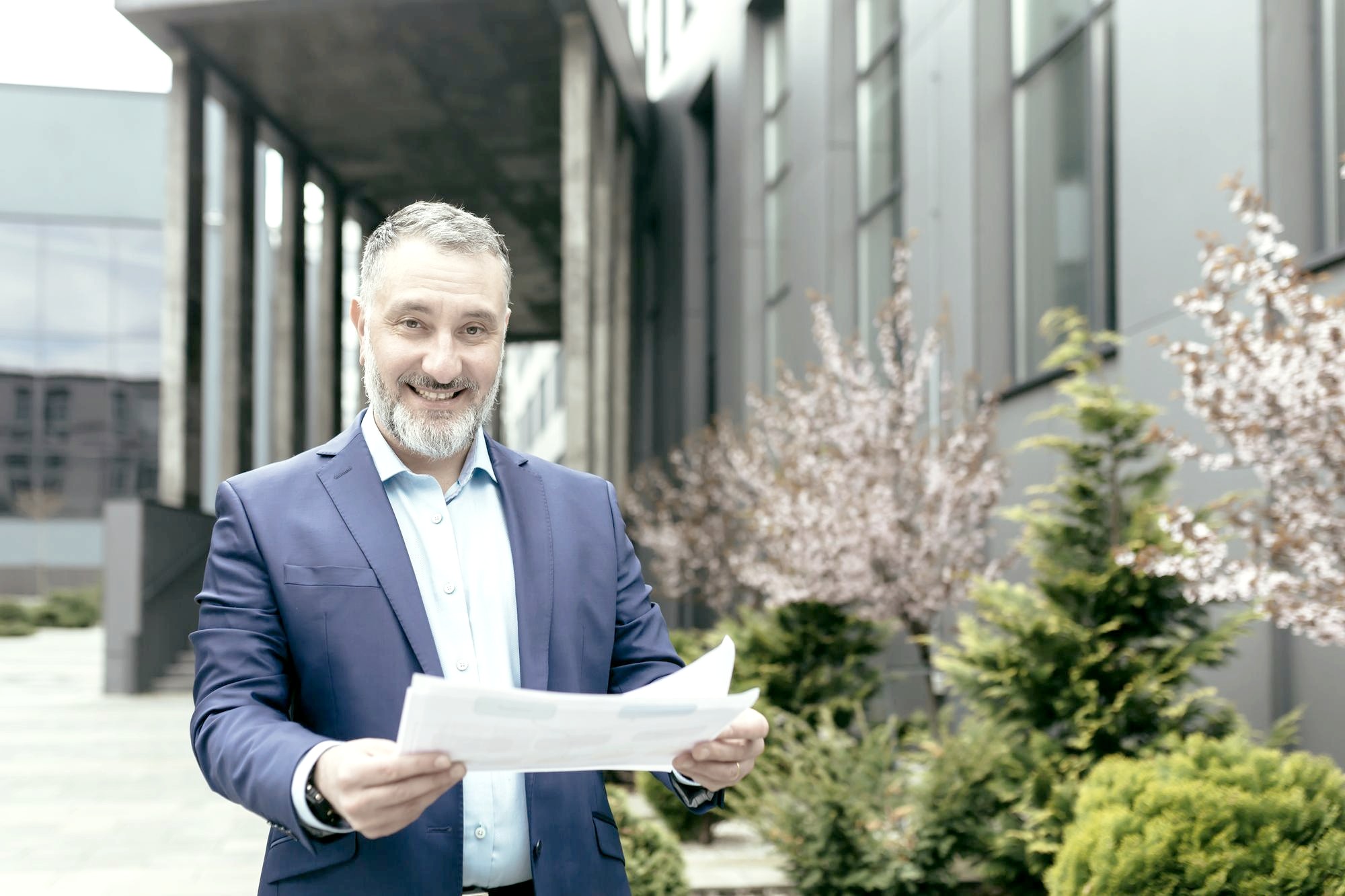
Rajesh, approximately 38 years old, entrepreneur from Mumbai
Goal
Quickly launch a startup in the USA
Obstacle
India has no E-2 treaty with the USA, EB-5 requires 6+ years of waiting
Program
Turkey, Citizenship by Investment
Strategy
Turkish citizenship as a treaty country participant for E-2 with the USA
Solution
Turkish passport grants eligibility for E-2 investor visa
Result
Path to the USA in months, not years

Client story

Client's Story

Where they started

Rajesh is a typical entrepreneur of new India: ambitious, with capital and a ready startup plan that he wanted to launch where it's done best—in Silicon Valley. The problem was not money or the idea, but the visa: getting into the USA as an investor proved unexpectedly difficult precisely because of his Indian citizenship.

Why the standard route did not work

The most convenient tool for entrepreneurs is the E-2 visa (USA investor visa for citizens of countries with a special treaty with the USA). It allows quick entry and business operation. But there is a strict condition: E-2 is available only to citizens of treaty nations, and India is not among them. For an Indian national, this path is simply closed by passport.

What BRIDGES had to solve

The alternative was the EB-5 visa (through major investment and green card acquisition), but for Indians this means multi-year waiting—queues stretch for six or more years. For someone who wants to launch a startup now, while the idea is relevant, this is unacceptably long.

Why a standard answer would not do

Rajesh approached BRIDGES, understanding the key point: the issue is not with the USA directly, but with his passport. If he obtained citizenship of a country that HAS an E-2 treaty with the USA, the door would open. Turkey is precisely such a country. The task was to use Turkish citizenship as a bridge to America.

I wanted to launch a startup in the Valley, I had the money and the plan—I just didn't have the visa. It turned out that for an Indian citizen, the E-2 visa was closed: India has no treaty with the USA. And EB-5 means waiting six years, which is madness. Sergey explained that the problem was in my passport, not in me: obtain citizenship of a country with an E-2 treaty—and the path opens. Turkey is exactly such a country. I obtained a Turkish passport and through it gained the right to an E-2 visa in the USA. Relocation in months, not years.

Radzhesh, 38 · Rajesh, entrepreneur from MumbaiThe name and certain identifying details have been changed to protect confidentiality.

What Was at Risk

What Was at Risk

Sometimes the obstacle to entry into a third country is the passport itself. The E-2 visa in the USA is open only to citizens of treaty nations, and India is not among them. The alternative EB-5 for Indians means multi-year queues. There simply is no direct fast path to the USA with an Indian passport.

E-2 visa is closed—India has no treaty with the USA;

  1. 01EB-5 visa means waiting six or more years;
  2. 02The startup idea becomes outdated while the queue drags on;
  3. 03Capital and plan exist, but there is no fast entry to the USA;
  4. 04The obstacle is the passport itself, not the entrepreneur.

The logic of the solution

How the matter progressed: from checks to result

The chart is built from the facts of this matter and shows the logic of the work without decorative or unverified data.

  1. 01
    Stage 1

    Redefined the problem—it's about the passport, not the USA. Rajesh was pushing at the American door directly, but we showed that the barrier was Indian citizenship, which does not grant E-2 eligibility. This immediately shifted the strategy: instead of storming the visa under an Indian passport, obtain citizenship in a country with an E-2 treaty. The difficulty was convincing the client that the workaround requires two steps, not one, but it was real.

  2. 02
    Stage 2

    Confirmed that Turkey grants E-2 eligibility. Before building the plan, we established the key fact: Turkey has an active E-2 treaty with the USA, and its citizens are eligible to apply for this visa. This made Turkish citizenship a bridge, not just a second passport.

  3. 03
    Stage 3

    Obtained Turkish citizenship with a business objective in mind. We executed a qualifying investment and obtained a Turkish passport while keeping the end goal in mind—the E-2 visa. This is important: the citizenship was obtained not "in general," but as the first span of the bridge to the USA, so that the status would later fit squarely under American requirements.

  4. 04
    Stage 4

    Verified source of funds for both stages. Both the Turkish program and the American E-2 visa require transparent capital. We structured impeccable source of funds documentation once, which worked for both citizenship acquisition and the subsequent investor visa, so we did not have to prove fund legitimacy twice and in different ways.

  5. 05
    Stage 5

    Aligned Turkish status with E-2 requirements. Upon obtaining the passport, we deployed the second stage: prepared the foundation for the E-2 investor visa to the USA as a Turkish citizen—a real business plan and investment meeting American regulations. The bridge had to not just exist, but support the crossing.

Takeaway. Conclusion: when the barrier is a passport, replace it with one that opens the needed door. Turkish citizenship works as a bridge to the E-2 visa to the USA where an Indian passport closes the door, and saves years compared to EB-5.

How we solved the challenge

How we solved the challenge

The work was split into verifiable stages so that every conclusion rested on documents.

  1. 01

    Stage 1

    Redefined the problem—it's about the passport, not the USA. Rajesh was pushing at the American door directly, but we showed that the barrier was Indian citizenship, which does not grant E-2 eligibility. This immediately shifted the strategy: instead of storming the visa under an Indian passport, obtain citizenship in a country with an E-2 treaty. The difficulty was convincing the client that the workaround requires two steps, not one, but it was real.

  2. 02

    Stage 2

    Confirmed that Turkey grants E-2 eligibility. Before building the plan, we established the key fact: Turkey has an active E-2 treaty with the USA, and its citizens are eligible to apply for this visa. This made Turkish citizenship a bridge, not just a second passport.

  3. 03

    Stage 3

    Obtained Turkish citizenship with a business objective in mind. We executed a qualifying investment and obtained a Turkish passport while keeping the end goal in mind—the E-2 visa. This is important: the citizenship was obtained not "in general," but as the first span of the bridge to the USA, so that the status would later fit squarely under American requirements.

  4. 04

    Stage 4

    Verified source of funds for both stages. Both the Turkish program and the American E-2 visa require transparent capital. We structured impeccable source of funds documentation once, which worked for both citizenship acquisition and the subsequent investor visa, so we did not have to prove fund legitimacy twice and in different ways.

  5. 05

    Stage 5

    Aligned Turkish status with E-2 requirements. Upon obtaining the passport, we deployed the second stage: prepared the foundation for the E-2 investor visa to the USA as a Turkish citizen—a real business plan and investment meeting American regulations. The bridge had to not just exist, but support the crossing.

  6. 06

    Stage 6

    Opened the path to the USA in months, not years. Instead of the six-year EB-5 queue, Rajesh obtained Turkish citizenship and through it the right to an E-2 visa—that is, fast entry to the USA to launch a startup. The barrier of the Indian passport was legally circumvented through the correctly chosen bridge country.

Expert comment

This is an elegant strategic challenge—when a second passport is needed not for its own sake, but as a key to a third country. Rajesh wanted to reach Silicon Valley, had the money and plan, but the E-2 visa for an Indian citizen was closed: India has no treaty with the USA. And EB-5 is a six-year queue—absurd for a startup founder. I explain to the client the main point: your problem is your passport, not you. Obtain citizenship of a country with an E-2 treaty—and the door will open. Turkey is just such a country. We obtained a Turkish passport while keeping the end goal in mind, structured clean source of funds once for both stages, and aligned Turkish status with E-2 requirements. As a result, Rajesh gained a path to the USA in months instead of years. I always look not at a single program in isolation, but at the entire chain leading to the client's actual goal.

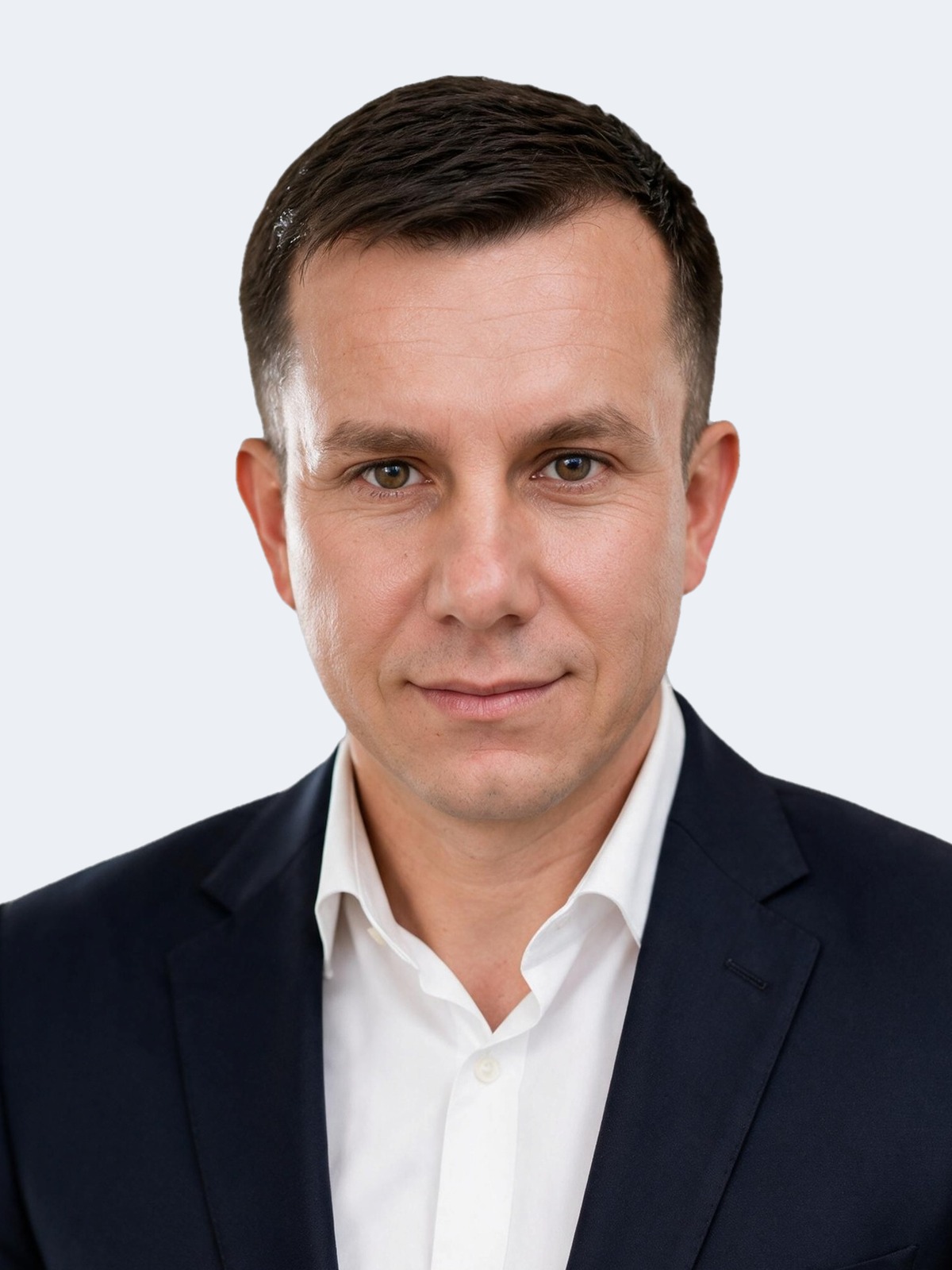
Sergey Evdokimov, Managing Partner, BRIDGESSergey EvdokimovManaging Partner, BRIDGES

Outcome

What the client received

What was required
How we did it · Result
Eligibility for E-2 visa
Citizenship of a treaty-participating country · Turkish passport opened E-2
Avoid the EB-5 queue
Route through E-2, not green card · Months instead of 6+ years
Clean capital for both stages
Single source of funds · Proven once
Path to the USA
Turkish status meeting E-2 requirements · Fast entry for a startup
Path to the USA
Turkish status meeting E-2 requirements · Fast entry for a startup

What was: an entrepreneur from India had no eligibility for the E-2 visa to the USA (no treaty), and EB-5 meant waiting six or more years. What we did: redefined the problem as a passport barrier, not the USA; confirmed that Turkey is a party to the E-2 treaty; obtained Turkish citizenship with the end goal in mind; structured unified source of funds for both stages; aligned Turkish status with E-2 requirements. What the client received: Turkish citizenship and through it fast-track access to the E-2 investor visa to the USA.

Practical takeaway

What matters in a similar situation

  • Conclusion: when the barrier is a passport, replace it with one that opens the needed door. Turkish citizenship works as a bridge to the E-2 visa to the USA where an Indian passport closes the door, and saves years compared to EB-5.
  • Rajesh circumvented the deadlock without breaking the rules, but by using them—and gained entry to the USA in months instead of a six-year queue.

FAQ

Questions people ask in a similar situation

01How does Turkish citizenship help to enter the USA?

Turkey is a party to the E-2 treaty with the USA, therefore its citizens can apply for the E-2 investor visa. The Turkish passport works as a bridge for those whose country does not have an E-2 treaty with the USA.

02Why is the E-2 visa closed to Indians?

The E-2 visa is available only to citizens of countries that are parties to the respective treaty with the United States, and India is not among them. Therefore, this fast investor pathway is closed to Indian entrepreneurs based on their passport.

03How is E-2 better than the EB-5 visa for Indians?

Speed. For Indian citizens, EB-5 means a multi-year queue (six years or more), whereas E-2 based on Turkish citizenship opens a pathway to the United States within months, which is critical for rapid business launch.

04Is it necessary to prove the source of funds twice?

No, if structured correctly. A single transparent source of funds is prepared simultaneously for both stages—Turkish citizenship and E-2 visa—to avoid re-substantiating capital legitimacy and using different documentation.

05Is this a lawful method of entry to the United States?

Yes. This is not about circumventing regulations, but about utilizing them: an individual legally obtains citizenship of a treaty-signatory country and on that basis applies for the visa. The barrier is overcome through a properly selected passport.

06Do you want to enter the United States quickly, but your passport does not qualify for the E-2 visa?

We will structure a bridge route: obtain Turkish citizenship—a signatory country to the E-2 treaty with the United States—and prepare the foundation for an investor visa to open a pathway to America within months, not years.

About the author

Sergey Evdokimov

Author: Sergey Evdokimov

Managing Partner, BRIDGES

As Founder and Managing Partner of BRIDGES, I am responsible for the firm's strategy and personally lead its most complex client matters, including cases in which citizenship or residence decisions require a strategic view and consideration of capital.

I begin by defining the objective: the outcome the client needs, the facts that affect the choice, and the matters that require further review. I then establish the available directions, the sequence of work, and the key decision points.

Once the strategy has been agreed, I oversee the BRIDGES team's key decisions and remain involved at the stages that shape the course of the matter. The purpose is to give the client a clear rationale for the chosen direction and a precise understanding of the next steps.

Prepared on the basis of BRIDGES practice and reviewed by a subject-matter expert.

Discuss your situation with Sergey

We will review your situation and propose a solution

Describe your task in a few words. We will study your situation, assess the legal and practical options and propose the next step based on your goals, documents and country.

Confidential · no obligations · answered by the relevant specialist

Or message us on WhatsApp or Telegram

Anna KovalevskayaHead of Legal, BRIDGES
Anna Kovalevskaya, Head of Legal, BRIDGES

Names and certain details have been changed to protect client confidentiality. The result described reflects one specific situation and is neither a public offer nor a guarantee of a similar outcome. Programme terms are stated as of 2026 and may change - please confirm current parameters with a BRIDGES consultant.