Citizenship · Bulgaria
Refusal of Bulgarian citizenship by descent: 5 main reasons

Updated: June 2026·8 min read·Expert reviewed
Terms and costs verified: June 2026

Contents
Bulgaria is part of the EU - and citizenship by descent opens a European passport without investments. However, the Ministry of Justice rejects every third applicant. We analyze five reasons for refusal and how to avoid them.
Why Bulgarian citizenship attracts applicants
A Bulgarian passport is a European Union passport. With it, you can freely live, work, and study in any of the 27 EU countries without visas and work permits. Visa-free entry is available to more than 170 countries, including the Schengen area, the United Kingdom, and most Latin American countries.
The main advantage of the Bulgarian route is that you do not need to invest money. The citizenship-by-investment program was discontinued in 2022. Only one legal route remains: proving Bulgarian descent through genealogical lineage.
This makes Bulgarian citizenship accessible to descendants of Bulgarians who ended up outside the country in the 20th century - in Russia, Ukraine, Moldova, Kazakhstan, and other former Soviet countries. Many of them have the right to a Bulgarian passport but do not know how to properly obtain it.
This is where mistakes occur. Applicants submit documents without understanding the Ministry of Justice requirements and receive a refusal. Let us explain why this happens.
We will send a document checklist for your case
Leave your details: we will put together documents and timelines for your family.
How the descent-based program works
Citizenship by descent (po proiskhod) is a constitutional right of anyone who has a Bulgarian ancestor. The Bulgarian Citizenship Law allows you to obtain a passport if your parent or grandparent was a Bulgarian citizen.
The process works as follows. You collect documents proving Bulgarian descent through genealogical lineage: birth certificates, marriage certificates, and documents of your ancestor with Bulgarian citizenship. The package is submitted through the Bulgarian consulate in your country.
The consulate forwards the documents to the Bulgarian Ministry of Justice. There, the case is reviewed by the Citizenship Council (Suvet po grazhdanstvo) - a special advisory body. The Council examines each document, the chain of kinship, and the family history. Based on its findings, it provides a recommendation to the Minister of Justice.
The Minister of Justice makes the final decision: to grant citizenship or refuse. The entire process takes from 24 to 36 months. After approval, you receive a Bulgarian passport - a document of an EU citizen.
Reason 1: No proof of Bulgarian descent
The most common reason for refusal is that the applicant cannot prove that their parent or grandparent was specifically a Bulgarian citizen. A general feeling of "we have Bulgarian roots" without documentary evidence is not an argument for the Ministry of Justice.
What exactly must be proven? First, your ancestor must have held Bulgarian citizenship - not simply lived in Bulgaria or be ethnically Bulgarian. Second, there must be an unbroken documentary chain: from you to that ancestor through birth and marriage certificates of each generation.
Weak points that most often lead to refusal:
- No documents confirming the ancestor's Bulgarian citizenship
- Documents exist, but they contain no indication of citizenship or place of birth in Bulgaria
- A gap in the documentary chain - for example, a birth certificate of one of the parents is missing
If you are unsure whether you have the necessary documents, start by searching for them rather than submitting an application.
Reason 2: Loss of archival documents
In the 20th century, many documents were destroyed: fires, wars, relocations, Soviet repression. Applicants come empty-handed and receive a refusal. However, this is not a dead end.
Bulgarian legislation provides for alternative sources of documents. The main one is church registry books (metrični knigi). Before the introduction of civil registration, all birth, marriage, and death records were registered by the Orthodox Church. Many of these books have been preserved and are stored in Bulgarian diocesan archives.
What else helps restore the documentary chain:
- State Archive of Bulgaria (Darzhavna agentsiya Arhivi) - contains documents on Bulgarian communities abroad
- Regional archives of Bulgarian provinces - particularly important for families from border regions
- Census archives - data on family composition by census years
- Court procedure for establishing a fact - a court can recognize the fact of birth or citizenship based on witness testimony and circumstantial evidence
Searching for alternative sources takes time, but makes the case solid. Without this stage, filing an application is premature.
Reason 3: documents without apostille and translation
Documents from other countries are not accepted in their original form. Every foreign document must undergo mandatory legalization and translation procedures. Violation of this rule is one of the most frustrating reasons for rejection, because the documents exist, but are improperly formatted.
What is required for each foreign document:
- Apostille – a special stamp confirming the authenticity of the document. Affixed by an authorized body of the country that issued the document. Russia has withdrawn from the Hague Convention – this creates additional difficulties for Russian documents.
- Notarized translation into Bulgarian – the translation must be performed by a certified translator, and the translation must be notarized.
- Legalization by consul – for countries not party to the Hague Convention, consular legalization is required instead of an apostille.
Common mistakes: apostille is expired, translation is not notarized, translation is made into a language other than Bulgarian. Check every document before submission.
Reason 4: discrepancies in surname spelling
Bulgarian surnames often changed when moving to other countries: they were transliterated, Russified, or shortened. As a result, documents of one person contain two or three spelling variations of the same surname. The Ministry of Justice will not independently establish that this is the same person.
Typical cases of discrepancies:
- Bulgarian "Ivanov" became "Ivanovym" in Soviet documents
- Female Bulgarian surnames ending in "-ova" were often recorded in the USSR without the ending
- A great-grandfather emigrated under one surname, his descendants registered documents under another
Solution – an explanatory note (obiasnitelna zapiska). This is a document in which you explain both spelling variants in writing and attach evidence that it is the same person. In complex cases, a court ruling on establishing personal identity may be required.
The more documents with both spelling variants of the surname attached to the explanatory note – the more convincing the case. It is better to prepare such a note in advance, without waiting for a request from the Ministry.
Reason 5: attempting to buy citizenship
Bulgaria's "golden passport" program – citizenship in exchange for investments – was officially abolished in 2022. This happened under pressure from the European Commission, which demanded closure of EU citizenship sales schemes.
Since 2022, it is impossible to buy Bulgarian citizenship. No amount of investment in real estate, government bonds, or business grants the right to a Bulgarian passport. Consultants who offer to "obtain Bulgarian citizenship for investments" are misleading you.
Why it is important to know this:
- Applicants who relied on the investment route waste time and money
- The only working route is to prove Bulgarian descent through documents
- Attempts to bypass document requirements through "connections" or "special schemes" result in rejection and loss of money
If you have no Bulgarian roots – Bulgaria is not your option. For investment citizenship in the EU, consider Malta (residence permit) or other programs.
What the Citizenship Council checks
The Citizenship Council (Savvet po grazhdanstvo) under Bulgaria's Ministry of Justice is the main body that decides the fate of your application. Understanding what it checks helps prepare your document package correctly.
The Council checks several key areas:
- Documentary chain of descent – every link from you to a Bulgarian ancestor must be confirmed by original documents or their notarized copies
- Document authenticity – the Council has the right to request verification of apostilles and translations, and send inquiries to foreign government bodies
- Security check – standard verification of the absence of criminal convictions, international sanctions, or inclusion on undesirable persons lists
- Compliance with legal requirements – all formal conditions of the Bulgarian Citizenship Law
In individual cases, the Council may summon the applicant for an interview – especially if questions arise regarding documents or additional clarifications are needed. Based on the results of the review, the Council makes a recommendation to the Minister of Justice.
"The most common mistake is that applicants learn about missing necessary documents only after filing the application. Then the Ministry of Justice suspends the case and requests additional materials – and that is another 6-12 months of waiting. The correct procedure is as follows: first, collect a complete chain of documents along the family line, check surname spelling in all documents, obtain apostilles. Only after that file your application. If archives in your country have not been preserved – look for church records, Bulgarian regional archives, census data. This takes time, but makes the case solid."
What documents are needed for filing
The standard document package for obtaining Bulgarian citizenship by descent includes several groups:
Your personal documents:
- Birth certificate (with apostille and translation)
- Valid passport (copy)
- Marriage certificate, if you changed your surname
Documents along the family line (for each generation):
- Birth certificates of parents, grandparents, great-grandparents
- Marriage certificates (confirming surname change)
- Death certificates (if the ancestor is deceased)
- Documents confirming the ancestor's Bulgarian citizenship: Bulgarian passport, extract from Bulgarian archives, citizenship certificate
Additional documents:
- Explanatory notes in case of discrepancies in surname spelling
- Extracts from Bulgarian archives (if available)
- Court decisions (in case of lost archival documents)
All foreign documents must be accompanied by an apostille and a notarized translation into Bulgarian.
Procedure for submission through the embassy
Applications can be submitted through the Bulgarian consulate in your country of residence, whether in the UK, the US, Russia or elsewhere. A personal visit to Bulgaria for submission is not required.
Procedure:
- Step 1: Document collection. Collect the complete package, obtain apostilles, and arrange notarized translations into Bulgarian.
- Step 2: Schedule a consulate appointment. Schedule an appointment at the Bulgarian consulate. In Russia – the Bulgarian Embassy in Moscow. In Ukraine – the Embassy in Kyiv or consulates in Odesa and Lviv.
- Step 3: Document submission. During the appointment, a consular officer accepts the package and verifies completeness. You pay the consular fee.
- Step 4: Transfer to the Ministry of Justice. The consulate forwards the package to the Bulgarian Ministry of Justice in Sofia.
- Step 5: Review. The Citizenship Council examines the case. Processing time: 24-36 months. Additional document requests may be submitted during this period.
- Step 6: Decision. The Minister of Justice signs a decree granting citizenship or issues a reasoned refusal.
Cost of processing
Citizenship by descent does not require investments but entails actual expenses for lawyers, archive searches, and document processing. Here is a complete cost breakdown:
| Expense item | Cost |
|---|---|
| Archive search | €1 000-3 000 |
| Bulgarian citizenship lawyer | €3 000-8 000 |
| Apostille and translations | €2 000-5 000 |
| Notary | €500 |
| Ministry of Justice fee | ~€300 |
| Processing time | 24-36 months |
The variation in archive search and legal service costs is explained by case complexity: if the documentary chain is preserved and incomplete – that is one task; if court proceedings are needed for restoration – that is another.
We will map your route to Bulgaria citizenship
We review your family, source of funds and timing and tell you which route fits.
What to do after refusal
Received a refusal from the Bulgarian Ministry of Justice – do not panic. You have two options.
Option 1: Administrative court appeal. You have the right to appeal the refusal in the Bulgarian administrative court. The deadline for filing an appeal is 14 days from the date of receiving the refusal decision. The court checks the legality of the Ministry of Justice's decision: whether the law was applied correctly and procedures were followed. If the court finds the refusal unlawful – the case is returned for reconsideration.
Option 2: Resubmission with an improved package. If the refusal is based on insufficient documents – collect the missing materials and submit a new application. This is often more effective than court appeal: you eliminate the reason for the refusal rather than dispute the procedure.
What must be done immediately after receiving the refusal:
- Carefully read the reasons – what exactly did not satisfy the Ministry
- Show the refusal to a Bulgarian law specialist
- Determine strategy: court proceedings or resubmission
- Do not miss the 14-day deadline for filing an appeal if you choose to go to court
How to avoid rejection: checklist
Most rejections can be prevented if you prepare properly before submitting your application. Here is a practical checklist:
- Verify the documentary chain. Ensure you have birth and marriage certificates for each generation from you to your Bulgarian ancestor - with no gaps.
- Confirm your ancestor's Bulgarian citizenship. Birth in Bulgaria alone is insufficient - you need a document that specifically confirms citizenship.
- Check the spelling of surnames. Compare the spelling of surnames across all documents in the chain. If there are discrepancies - prepare an explanatory note in advance.
- Obtain apostilles. For all foreign documents - before submission, not after.
- Order notarized certified translations. All documents must be translated into Bulgarian by a certified translator.
- Search for church records if civil archives have been lost. Do not give up in the absence of civil vital records - church vital records are often preserved.
- Hire a lawyer. A specialist with experience in the Bulgarian Ministry of Justice will reduce the risk of technical errors.
- Do not submit an incomplete package. It is better to spend an additional 3-6 months gathering documents than to receive a rejection and start over.
Bulgarian citizenship: differences from residence permit
Bulgarian citizenship by descent is often confused with other statuses. Let us examine the key differences.
Citizenship by descent (by origin) - the main topic of this article. Grants a Bulgarian passport and full EU citizen rights. Requires proof of a Bulgarian ancestor. Timeline - 24-36 months. No investments required.
Bulgaria residence permit through real estate purchase - temporary residence visa. Does not automatically grant the right to work in other EU countries. The path to citizenship through a residence permit requires 5 years of legal residence in Bulgaria, knowledge of the Bulgarian language, renunciation of previous citizenship (in some cases). This is a completely different route.
Citizenship through investment - abolished in 2022. This path is closed.
Naturalization - after 5 years of continuous residence in Bulgaria. Requires a language exam and confirmation of financial self-sufficiency. Long and complicated for those who do not plan to live in Bulgaria.
If you have Bulgarian roots - citizenship by descent is the most direct and accessible path to a European passport.
Summary: is it worth applying
Bulgarian citizenship by descent is a real and working path to an EU passport. It takes time and requires serious preparation, but does not require investments. This makes it attractive for descendants of Bulgarians from CIS countries.
You should apply if:
- You have documentary evidence of a Bulgarian ancestor
- You are ready for 2-3 years of waiting
- You are prepared to invest €6,000-15,000 in document preparation and legal support
- An EU passport is important to you, not just residing abroad
You should apply later if:
- The documentary chain has not been fully collected
- You have not obtained apostilles and translations
- You have not resolved discrepancies in surname spelling
Learn more about the program and examples of successful cases:
- Bulgarian citizenship - program and conditions
- Bulgarian citizenship by descent: complete guide
- Cost of Bulgarian citizenship
- Timeline for obtaining Bulgarian citizenship
Frequently asked
Questions people ask before deciding
01What to do if archives have been destroyed?
Loss of archives is not a death sentence. Bulgarian law provides for alternative sources. The State Archive of Bulgaria (State Archive Agency) may contain records of Bulgarian communities abroad even where local archives have not been preserved. Church vital records of Orthodox parishes are kept in Bulgarian diocesan archives and often cover the late 19th - early 20th century. A court in Bulgaria can establish the fact of birth or belonging to Bulgarian citizenship based on witness testimony, indirect documents, family photographs with signatures, and other materials. The more indirect evidence you collect, the more persuasive your position for the court. You should also check population censuses and archives of Bulgarian cultural and educational organizations - societies that operated in the diaspora.
02Can one apply without a Bulgarian attorney?
Formally - yes, the law does not require hiring an attorney. But in practice, independent application is associated with serious risks. The application and supporting documents must be in Bulgarian. Any procedural error - incorrectly formatted apostille, translation without notarial certification, missing document - leads to rejection or case suspension. The Ministry of Justice does not consult applicants on document package completeness. An attorney with experience working in the Bulgarian Ministry of Justice knows the current practice of the Citizenship Council, typical requests for additional documents, and how to respond correctly. This significantly reduces the risk of spending 2-3 years waiting only to receive a rejection due to a technical error.
03How many generations back can Bulgarian origin be proven?
Bulgarian citizenship law does not establish a limit on the number of generations. You can prove origin through a great-grandfather or even an earlier ancestor. But each additional generation is another set of documents: birth, marriage, and death certificates for each person in the chain. The further back in time your ancestor goes, the more difficult it becomes to find original documents in legible condition. In practice, most successful cases rely on grandparents or great-grandparents - people whose documents can still be found in archives. If it concerns earlier generations, a court procedure to establish the fact is often required.
04What is the Citizenship Council under the Ministry of Justice?
The Citizenship Council is a permanent advisory body under the Bulgarian Ministry of Justice. It includes attorneys and civil servants specializing in citizenship issues. The Council reviews each application: checks the documentary chain of origin, authenticity of documents and translations, security check results. If necessary, the Council has the right to request additional documents or invite the applicant for an interview. Upon completion of the review, the Council issues a reasoned recommendation to the Minister of Justice - to grant citizenship or reject it. The final decision is signed by the Minister of Justice based on this recommendation.
05How to correct an error in surname spelling?
Discrepancies in surname spelling are a very common situation for descendants of Bulgarians from former Soviet Union countries. To resolve it, an explanatory note (explanatory note in Bulgarian) is used. In it you explain in writing that both spelling variants refer to the same person and attach supporting documents where both spellings appear. Additionally helpful will be: notarially certified copies of documents with both surname variants, archive certificates, references to other documents linking both spellings to one person. In complex cases - for example, when documents belong to different authorities in different countries - a court establishing decision identity may be required. The court will recognize that a person with surname spelling A and a person with surname spelling B are the same individual.
06Can one buy Bulgarian citizenship?
No. The investment citizenship program, which was called the "golden passport," was officially abolished in 2022. This happened after the European Commission demanded that EU member states stop selling citizenship. Bulgaria complied with this requirement and closed the investment route. No amount of investment in Bulgarian real estate, government securities, or business projects grants the right to a Bulgarian passport. The only legal path to Bulgarian citizenship today is to prove Bulgarian origin through a documented family lineage. If you encounter offers of "citizenship of Bulgaria for money" - this is either fraud or refers to a completely different status (for example, residence permit).
07Do they only accept documents in Bulgarian?
All foreign documents must be accompanied by a translation into Bulgarian. Translation requirements: it must be performed by a certified translator and notarially certified. A simple translation without notarial certification is insufficient. In addition to the translation, each foreign document must be apostilled - for countries that are parties to the Hague Apostille Convention. For countries not in the convention, instead of an apostille, full consular legalization is required: first at the ministry of foreign affairs of the country that issued the document, then at the Bulgarian consulate. Russia withdrew from the Hague Apostille Convention in 2022, which creates additional difficulties for apostille of Russian documents - this issue is better clarified with an attorney under current legislation.
08What happens if an incomplete package is submitted?
The Ministry of Justice will not reject an application immediately due to an incomplete package. Instead, it will suspend consideration and send an official request (request for additional documents) listing the missing materials. You will be given a deadline—typically from 1 to 3 months—to provide the missing documents. If you do not respond within the deadline, the application may be rejected. Practical effect: each such request effectively resets part of the already elapsed review period—the case is postponed, and the overall waiting time stretches for additional months or even a year. Therefore, professional lawyers strongly recommend not submitting an application until the package is fully assembled and each document is verified for compliance with requirements.
09Can documents be submitted from abroad?
Yes. An application for Bulgarian citizenship from abroad is submitted through the Bulgarian consulate at your place of residence. A personal visit to Bulgaria for submission is not required. The consulate accepts the document package, verifies its completeness, and forwards it to the Ministry of Justice in Sofia. From Russia—submission through the Bulgarian Embassy in Moscow. From Ukraine—through the Bulgarian Embassy in Kyiv or consulates in Odesa and Lviv. For other countries, through the nearest Bulgarian diplomatic mission. Current contact information and operating hours of consulates should be clarified directly, as they may change.
10Are there quotas for citizenship by descent?
No, quotas for citizenship by descent do not exist. Bulgarian legislation does not limit the number of applications that can be accepted or approved in this category. Anyone who has proven Bulgarian descent through documents has the right to citizenship—regardless of how many other people submitted similar applications during the same period. Nevertheless, review periods reach 24-36 months—this is due to the high volume of applications and thorough documentary verification of each case. This is not a quota, but the processing capacity of the Ministry of Justice. Submitting an application and waiting your turn for review is normal practice.
11Does knowledge of the Bulgarian language help with submission?
Knowledge of the Bulgarian language is not a legal requirement for citizenship by descent. Unlike naturalization, the descent route does not provide for a language test and does not require you to reside in Bulgaria. Documents you submit must be in Bulgarian or accompanied by a notarized translation—but this is a requirement for the documents, not for you personally. If the Citizenship Council calls you for an interview—knowledge of Bulgarian will be an advantage: you will be able to answer questions directly, without an interpreter. However, this is not a decisive factor for a citizenship decision.
12What to do after rejection?
After receiving a rejection, you have 14 days to file a complaint with an administrative court in Bulgaria. The court reviews the legality of the Ministry of Justice's decision: whether the law was applied correctly and whether the established procedure was followed. If the court finds the rejection unlawful—the case is returned for reconsideration. If the rejection states that the reason is insufficient or improperly prepared documents—it is often more effective to gather the missing materials and resubmit the application than to appeal in court. Resubmission is not limited by law. First, after receiving a rejection, show the reasoning section of the decision to a lawyer specializing in Bulgarian law: he will determine the optimal strategy—court or resubmission.
Transparency
How this material was prepared
- Author
- Nikos Pappas, banking Relations Specialist, BRIDGES
- Terms and costs last verified
- June 2026
- Sources
- official government authorities of the relevant country and state publications
- Methodology
- government minimum requirements are stated separately from due diligence charges, state fees, legal and banking costs
Sources and methodology
Figures, terms and timelines are checked against official sources as of June 2026. Link availability verified in August 2026. Third-party blogs and agent websites are not used as a source of programme terms.
- [1]Ministry of Interior of BulgariaResidence of foreign nationals and documentswww.mvr.bg/en
Methodology: tables and charts state government minimum investment requirements; due diligence charges, state fees, legal, banking and other costs are calculated separately and are not included in the minimum thresholds.
About the author
Related materials
What to read next
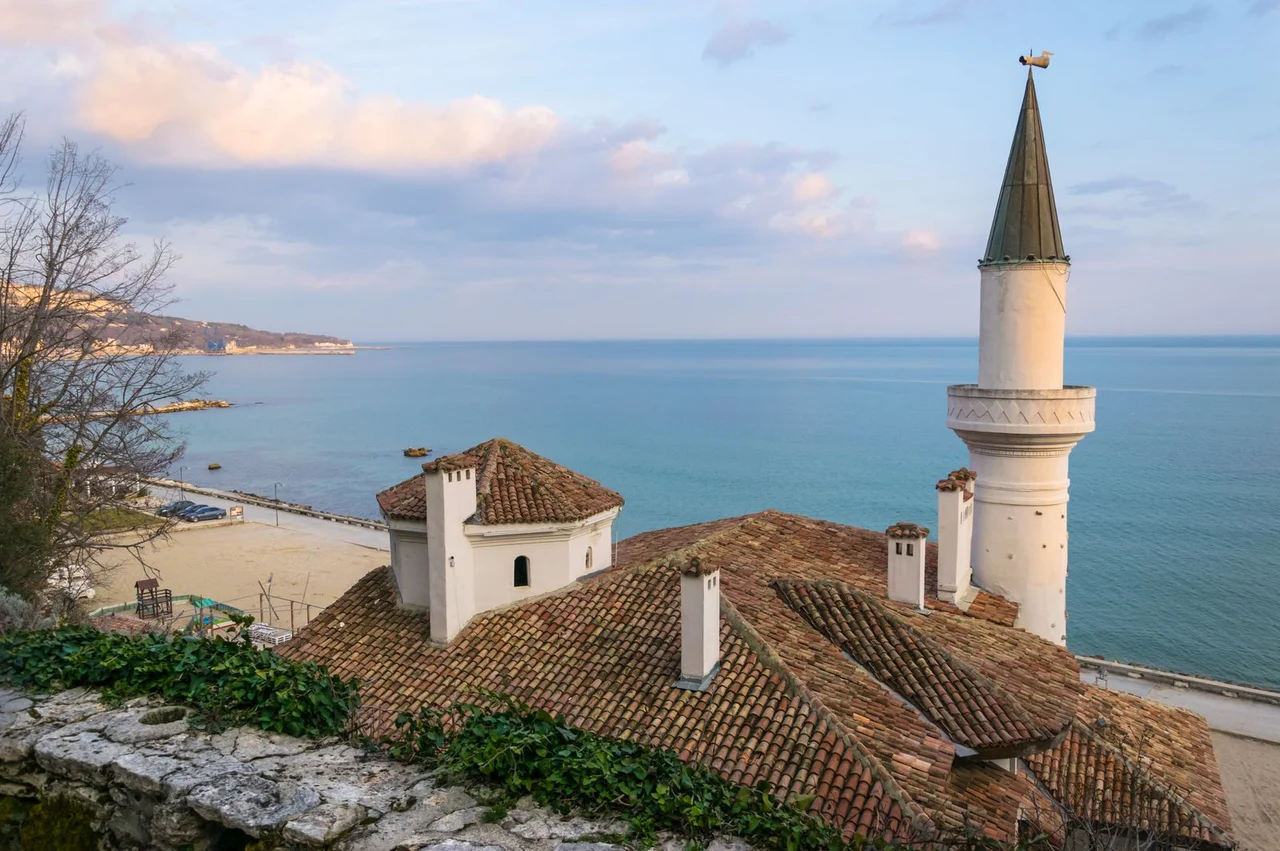 ComparisonCitizenship of Bulgaria or Romania: what to choose for an EU passport
 AnalysisWhat is due diligence and why the Caribbean is rejecting applications
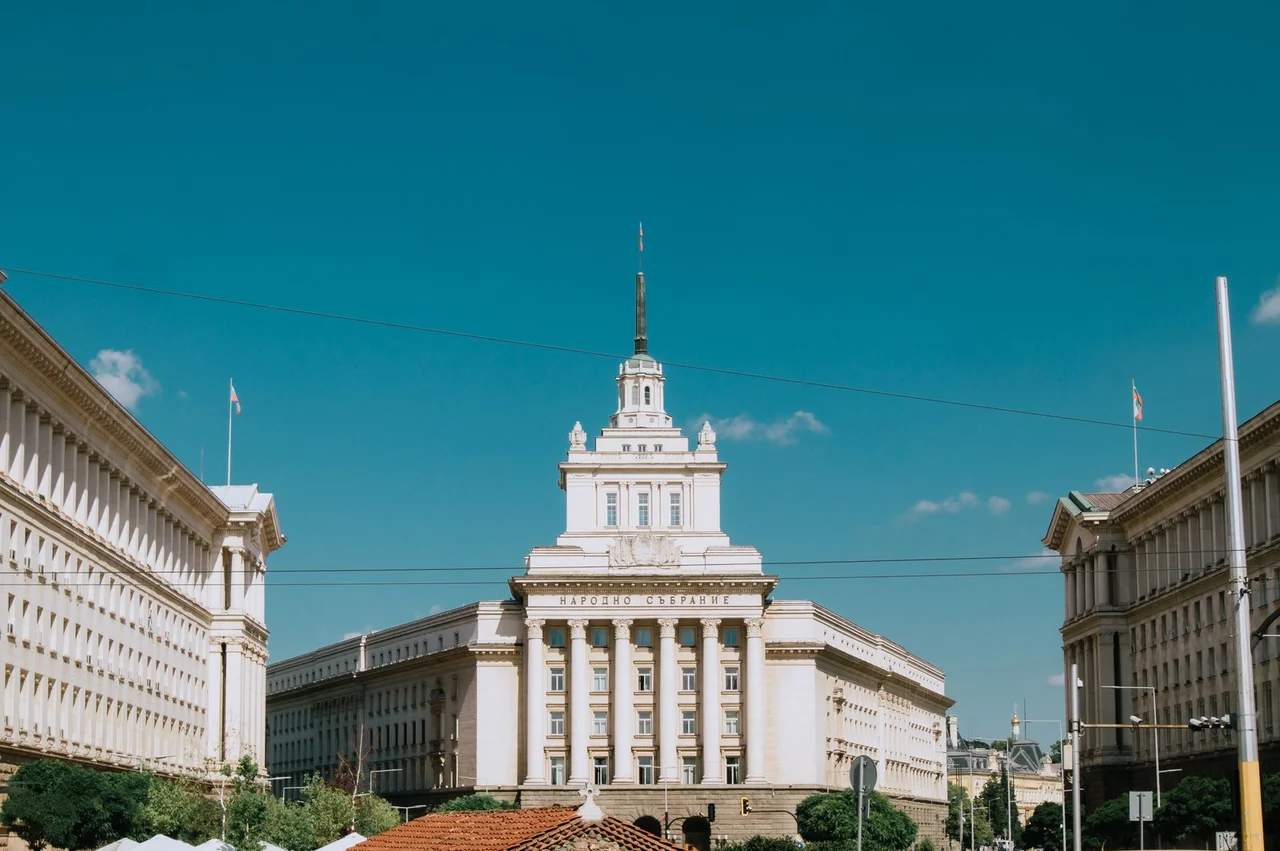 ArticleBulgarian citizenship through investment in 2026: why the program was cancelled and what works instead
Personal programme selection is conducted by Anna Kovalevskaya, Head of Legal, BRIDGES.
Checklist: citizenship of Bulgaria by descent
Which documents on the ancestor and each family link are gathered in advance, where they are requested and what slows the review.