Updated
GL-S-05
Glossary · Banks and finance
Source of Funds - Source of Funds (SoF)
Where exactly the money for this specific investment comes from: which account, the sale of what, which dividends. Not to be confused with SoW (overall wealth). The bank wants to see statements and documents.
01 / In 30 seconds
The short answer
- What it is
- Where exactly the money for this specific investment or payment comes from
- Where it applies
- Investing in citizenship or residence, a large payment, opening an account
- How it differs from SoW
- SoF concerns the specific sum, SoW all your wealth as a whole
- What is required
- A direct documentary chain: from which account and from the sale of what
- Can you prepare
- Yes: document the payment chain in advance
02 / In plain words
What Source of Funds means
Source of funds (SoF) is the answer to a narrow question: where exactly the money for this specific investment or payment comes from. Put simply, the question here is narrow — “which account did this $200,000 come from, and from the sale of what” — while overall wealth is examined under source of wealth.
The bank and the reviewer want to see a direct chain down to the last step: which account the payment leaves from, how the money reached that account, from which dividends, from the sale of which asset. SoF is supported with bank statements, contracts and payment orders — everything that shows the movement of the money right up to the moment of investment.
SoF always goes together with source of wealth. SoW explains all your wealth; SoF the specific sum on the table. A common weak point: the wealth as a whole is explainable, but the specific money arrived in transit through a third account without documents — and the chain breaks.
For Vanuatu citizenship, the main applicant proves the source of funds: an asset statement in totals, a bank letter and a 6-month statement. An unproven source is the second most common reason for refusal.
A case from practice
A client transfers €250,000 for an investment in a Greek Golden Visa. For SoF, the bank asks for the chain: the money came into their account from the sale of a flat in March (contract + statement), and the flat had been owned for 6 years before that. If the same €250,000 had come in as cash or from someone else’s account the day before the transfer, with no explanation, the payment would have been blocked.
Where source of funds applies
- Investing in citizenship (CBI)
- Investing in residence (Golden Visa, RBI)
- A large international transfer
- Opening a bank account
- Buying property abroad
- Part of due diligence and AML
03 / What it covers
What a source-of-funds file covers
The sum itself
- Which account the payment comes from
- How the money reached the account
- Date and amount of the receipt
Source
- Sale of an asset or a stake
- Dividends
- Salary or bonus
Documents
- Bank statements
- Contracts
- Payment orders
Link
- Consistency with SoW
- No transit through other people’s accounts
- Taxes paid
04 / How it works
How source of funds is evidenced
Identify the source of the sum
Gather documents along the chain
Show the movement to the account
Check by the bank/programme
The payment goes through
05 / Key facts
What you need to know
01
SoF concerns the specific sum, SoW all your wealth as a whole; both are checked
02
A direct documentary chain up to the moment of investment is needed
03
Money “out of nowhere”, in cash or from someone else’s account is a weak point
04
Transit through a third account without documents breaks the chain
05
Without SoF evidence the payment is held or blocked
Common mistakes
- Bringing in the sum in cash or from someone else’s account just before the payment
- Routing money in transit through a third account without documents
- Paying from a relative’s account without explaining the gift
- Not keeping the contract and statement for the source transaction
- Presenting SoF in isolation from the logic of your wealth as a whole (SoW)
06 / Expert advice
How to prepare in advance
Before the transfer, determine which account and which source the money will come from, and gather documents along the whole chain: the contract for the source transaction, the statement showing receipt, the payment order. It is important that the payment is made from your own account without transit through anyone else’s. Then source of funds adds up, and the money reaches the programme without being frozen.
What we do for you. BRIDGES GLOBAL builds your SoF chain for the specific investment: we show which account to make the payment from and with which documents, so that every step is evidenced and the money reaches the programme without being frozen.
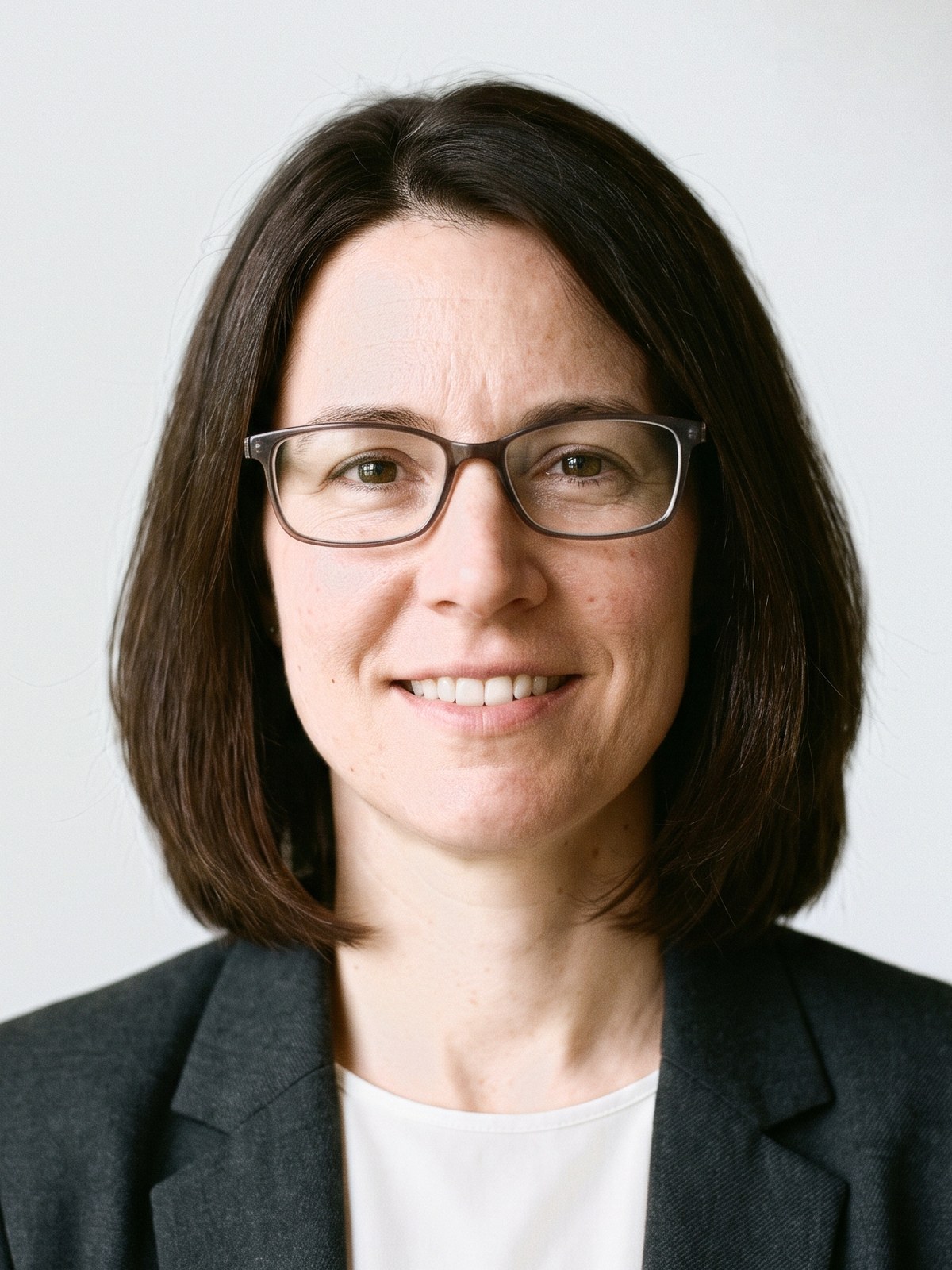
Klara RihterBanking compliance and source of funds specialist
07 / Questions
Frequently asked questions
It immediately complicates SoF: the bank will have to be given an explanation of both your relative as a source and the gift. It is simpler and cleaner to pay from your own account, where you can evidence the origin of the money.
Yes, the source of funds is evidenced for any investment in a programme. The volume of documents depends on the sum and the risk profile, but statements for the payment will almost always be requested.
SoF is the origin of the specific sum going into the investment. SoW is the origin of all your wealth over the years. The reviewer looks at both and wants to see that they are logically connected.
Cash without a documentary trail is a weak source: its origin is hard to evidence. It is better for the money to arrive in the account through a traceable transaction with a contract and a statement.
Every step must be explained with documents. If there was transit without papers at some point, we prepare an explanation and restore the missing statements — otherwise the chain breaks.
If the source transaction is recent and the documents are to hand, quickly. It is harder when the money is old or has passed through many accounts: then we allow time to restore the documents.
INITIAL ASSESSMENT
Tell us what outcome your family needs
We will design a solution for your case, choose the country and the right status, and take the whole process through to the result.
