
Client story
Client's story
Where they started
The client conducted business through a Panamanian company—a common structure for international business. When he decided to obtain Egyptian citizenship, it was logical that the payment would also come from there—from the company account, rather than a personal account.
Why the standard route did not work
This naturally raises a compliance question. When a legal entity pays for citizenship, the verification must understand who its true beneficial owner is—the UBO (ultimate beneficial owner)—and where the company's funds originate. A corporate payment, especially from a jurisdiction like Panama, is scrutinized more carefully than a personal one.
What BRIDGES had to solve
It was important that there was no underlying problem: the company was lawful, the capital was clean. A structure through Panama in itself is not criminal—it is a matter of transparency. Problems only arise if the beneficial owner and source of funds are not disclosed. Then compliance sees a payment "from some company" and the file stalls. You need to show the person behind the company and the legitimate source of its money.
Why a standard answer would not do
At BRIDGES, the client came to conduct a corporate payment transparently: disclose himself as the beneficial owner of the Panamanian company, confirm the source of its funds, and obtain citizenship without compliance delays.
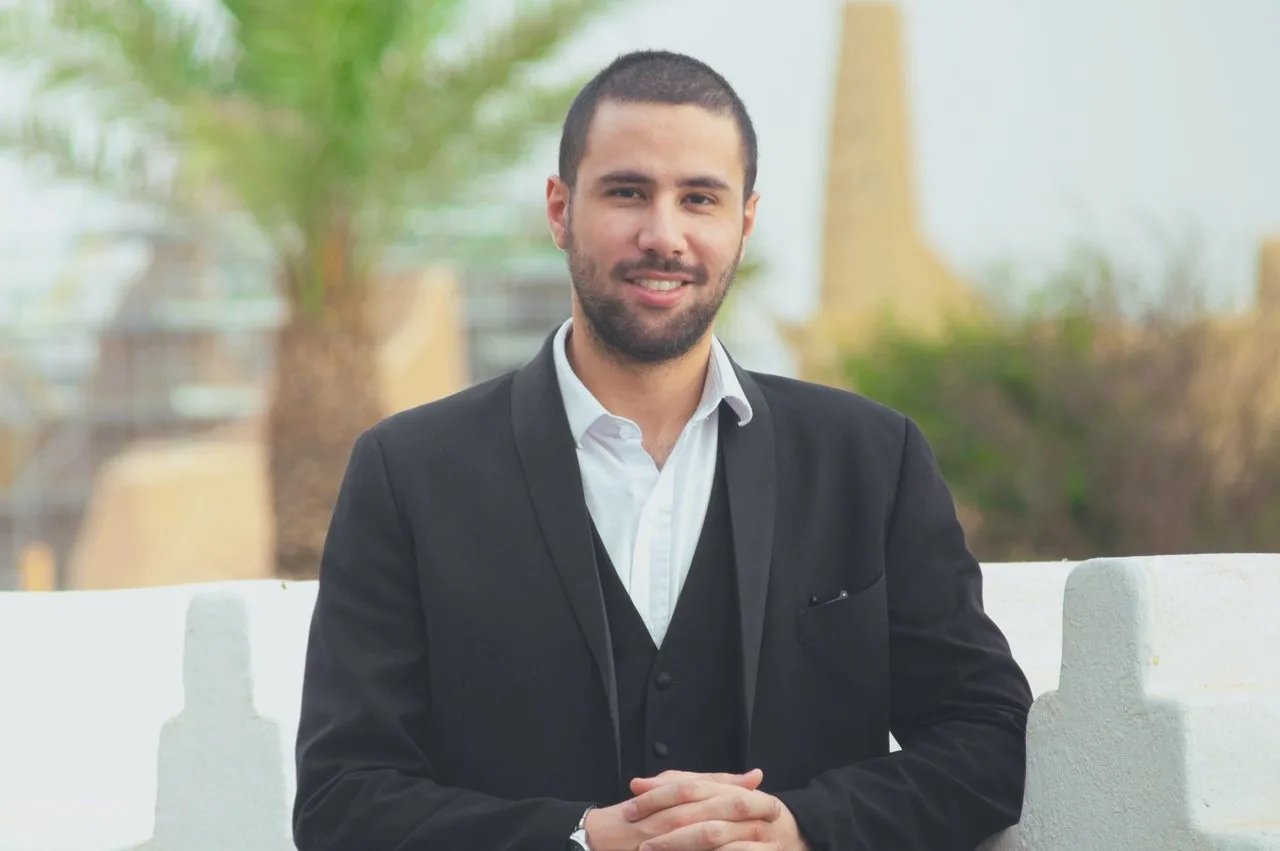
My business operates through a Panamanian company, and I wanted to pay for citizenship from its account. I immediately sensed caution: a company pays, not me personally—who is behind it, where does the money come from. Sergey and his team disclosed everything properly: that I am the beneficial owner, where the company's funds come from, the entire structure. The verification's questions disappeared, and I received my passport. The money and company were clean—it was simply necessary to properly disclose the corporate payment rather than hope they wouldn't ask.