Comparisons · Argentina
Argentine or Turkish citizenship by investment: money, passport and family
Updated: October 2026·18 min read·Expert reviewed
Terms and costs verified: October 2026
Contents
Turkey and Argentina cost about the same to enter: $400,000 in property in Turkey and a $350,000 contribution in Argentina. But the programmes are built in opposite ways. In Turkey the money goes into an asset and returns to the family after three years, while the passport does not open Schengen or the UK. In Argentina the contribution is not refunded, but the passport opens Europe without visas and gives the right to live in the MERCOSUR countries. Below we compare them on money, passport, family, timing and risk, with examples of who each one suits. The terms, cost and procedure of the programme are on the page Argentine citizenship, end to end.
Argentina or Turkey: in brief
In brief: Turkey suits those who want to keep their money in an asset and obtain a passport through a proven programme. Argentina suits those who need visa-free Schengen and the UK and are prepared for a non-refundable contribution and legal risk.
BRIDGES programme database, Argentine Ministry of Economy, BRIDGES index
The comparison shows that the choice depends on two things: whether the family needs visa-free entry to Europe and whether it is prepared to part with its money. If Europe matters, Turkey does not provide it. If recovering the capital matters, Argentina does not provide that, except through the $800,000 bond with a seven-year term.
The third factor is predictability. The Turkish programme has run since 2017, and its rules do change, but predictably and with advance notice. The Argentine programme was announced on 2 October 2026, and its legal basis is before the Supreme Court.
Money: an asset or a contribution
In brief: in Turkey a family buys property from $400,000 or holds $500,000 in a deposit, bonds or funds for three years. In Argentina it pays $350,000 non-refundably or buys an $800,000 bond for seven years.
| Option | Turkey | Argentina |
|---|---|---|
| Non-refundable contribution | No | $350,000 |
| Real estate | From $400,000, no sale for 3 years | No |
| Bank deposit | From $500,000, held for 3 years | No |
| Government bonds | From $500,000, held for 3 years | $800,000, 7 years |
| Investment funds | From $500,000, held for 3 years | No |
| Company capital | From $500,000 | No |
The table shows the difference in approach. Turkey takes no money non-refundably: the investor puts money into the economy and after three years can sell the property or withdraw the deposit. This makes the Turkish programme cheaper in terms of non-recoverable costs. These include purchase taxes, the valuation, fees and support costs, while a fall in the property's value or in the lira is a risk rather than a mandatory expense.
Argentina offers the opposite: a simple contribution with no asset. Once it is paid, the family has no property to maintain, let and sell, no bank lock-up and no reporting on the holding period. The price of this simplicity is $350,000 that will not come back. Details in the articles the cost of Argentine citizenship and the cost of Turkish citizenship.
Two bonds
Both countries offer a government bond option. In Turkey it is $500,000 held for three years; in Argentina, $800,000 for seven years, without interest according to the minister's statement. With the Turkish option the family ties up less money for a shorter period. The Argentine bond is attractive only to an investor with substantial free capital.
BRIDGES programme database, Argentine Ministry of Economy
The difference between the bonds is $300,000 in amount and four years in term. Counting the opportunity cost at 4% a year, the Turkish bonds cost about $62,000 in forgone income over three years, the Argentine bond about $253,000 over seven years. This is a BRIDGES estimate that excludes taxes and repayment risk. The amount for your family can be calculated in the Argentine citizenship cost calculator.
Costs beyond the investment
In brief: in Turkey, the property price is topped up by title deed registration tax, an independent valuation, document translation and residence permit and passport fees. In Argentina, the contribution will be topped up by programme fees that have not yet been announced, documents and a trip.
A property purchase in Turkey for the citizenship programme goes through an independent valuation: the appraised value must be at least the threshold. Title registration is taxed, and the transaction is supported by a translator and a lawyer. If the property is bought off-plan, checks on the developer and the completion schedule add to the costs. Residence permit and passport fees are set in lira and converted at the exchange rate on the payment date.
In Argentina, the costs beyond the contribution are simpler in structure: apostilles and translation of documents into Spanish, a trip to Buenos Aires and fees for the identity card and passport. The government has not yet named the programme's own fees for review and due diligence. More on Turkish costs in the article SPK property valuation in Turkey.
Passport strength
In brief: the Argentine passport opens 168 destinations without a consular visa on the BRIDGES index, including Schengen and the UK. The Turkish passport opens 114 destinations including visas on arrival and electronic authorisations; Schengen and the UK require visas.
For a Russian citizen this is the main difference. With a Turkish passport a Schengen visa is still required, though on a Turkish passport it is usually easier to obtain than on a Russian one. With an Argentine passport there is no Schengen visa at all. For the UK, a Turkish citizen applies for a visa, an Argentine citizen for an electronic ETA.
On the US E-2 investor visa the passports are equal. Both Turkey and Argentina are among the countries with which the US has a treaty: a citizen of such a country can obtain an E-2 visa and live in the US while running their own business. But since 2022, US law has required those who obtained citizenship by investment to live continuously in the treaty country for three years before first applying for an E-2. So immediately after obtaining the passport, neither the Turkish nor the Argentine route to the E-2 is open. On the E-2 visa, see the article the Turkish passport and the E-2 visa.
Family in the application
In brief: in Turkey the application covers a spouse and children under 18; in Argentina, a spouse, children under 18 and children aged 18 to 25 who are unmarried and have no children of their own. Parents are not included in either.
For families with adult children the difference is significant. In Turkey, a child who turned 18 before the citizenship decision does not follow the parents and needs a basis of their own. In Argentina, a 20-year-old student is included in the application for $100,000. In Turkey, on the other hand, the whole family is covered by one application on one property with no extra payment for family members, while in Argentina a separate amount is paid for each.
The result for a family of four with children under 18: in Turkey, one property from $400,000 for everyone; in Argentina, $500,000 in contributions. For a family with a 20-year-old student: in Turkey the student needs a separate route; in Argentina the total is $575,000 including a child under 18. On the family in the Turkish programme, see the article family members in the Turkish programme.
Timing and process
In brief: in Turkey the process is well established: purchase or deposit, valuation, approval, residence permit and citizenship application. In Argentina applications open in Q4 2026, and the regulations have not been published.
In Turkey the route starts with the investment: choosing a property, an independent valuation, the purchase and title registration, then a certificate of conformity, a residence permit and the citizenship application. You must apply in person; the application cannot be filed by power of attorney. Timing depends on the workload of the authorities and the completeness of the documents, and BRIDGES gives it at the costing stage.
In Argentina the route starts with documents and checks: an application to the Agency for Citizenship by Investment Programmes, opinions from state agencies, a recommendation and a decision by the migration service within 30 working days. How long the checks before the recommendation will take is for the regulations to set. The family travels to Buenos Aires to collect the passports. How the process works in Turkey is described in the article the stages of Turkish citizenship.
Darya MelnikSenior Investment Programs Advisor, BRIDGES
Choosing between Argentina and Turkey? We will help you decide
We will compare the price, the timing and what each option gives your family.
The risks of each programme
In brief: in Turkey the risks relate to the property, the exchange rate and source-of-funds checks; in Argentina, to the legal basis and the non-refundable contribution.
Turkey
The main risks of the Turkish programme lie in the property: an inflated price, a valuation below the purchase price, liquidity when selling after three years, and the lira exchange rate. Turkey checks the source of funds and may review citizenship if it turns out that the investment conditions were not met or the documents were unreliable. That is why the property is checked before purchase and the investment is held strictly by the rules for the entire period. On the pitfalls, see the article real estate risks in Turkey.
Argentina
Argentina's main risk is the legal basis: Decree 366/2025, which introduced the investment basis, has been declared null by the National Electoral Chamber, and the dispute is before the Supreme Court. The second risk is the non-refundable contribution and the unknown refund terms in the event of refusal. The third is a seven-year bond issued by a state with a history of debt restructuring. Details in the article the legal basis of the Argentine programme.
Taxes
In brief: neither Turkey nor Argentina makes an investor a tax resident without residence. In Turkey taxes are linked to the property; in Argentina the contribution creates no tax obligations.
A property owner in Turkey pays property tax and, if the property is let, tax on rental income. A sale after three years may give rise to capital gains tax under Turkish rules. A person becomes a Turkish tax resident by living in the country for more than six months a year.
In Argentina the contribution creates no assets and no taxes. A citizen who lives abroad and holds permanent status there is not considered a tax resident under the rules of the ARCA tax authority. More in the article taxes in Argentina.
Living in the country
In brief: both countries are good places to live: Turkey is closer to Russia and Europe, Argentina offers Latin America and MERCOSUR. Neither programme requires residence.
Turkey has direct flights to Russia, Europe and the Middle East, developed healthcare and a large Russian-speaking community in Istanbul and Antalya. Turkish citizenship gives the right to live and work in the country. Argentina is far from Russia but gives access to the whole region: a citizen lives in Argentina and, under the MERCOSUR agreement, can live in Brazil, Uruguay, Chile and other countries.
If the family is considering relocation in the coming years, Turkey is more practical in distance and climate for many families from Russia. If plan B is Latin America, Argentina offers more. On life in Turkey, see the article the pros and cons of living in Turkey; on Argentina, living in Argentina.
How the programme rules change
In brief: Turkey has changed the programme threshold and the property rules several times, but the changes did not affect existing citizens. Argentina is only now forming its rules, and the main ones will appear in the regulations.
The Turkish programme started in 2017 with a $1,000,000 property threshold. In 2018 the threshold was lowered to $250,000, and in 2022 it was raised to $400,000, with stricter requirements for the property and the valuation. Each time the changes were announced in advance, and applicants who had already bought a property were processed under the previous rules. This history gives an investor an understanding of how the programme behaves. More in the article changes to the Turkish programme.
Argentina has no such history. The amounts have been announced by the ministry but not set out in a resolution, the bond terms and fees have not been published, and the review procedure depends on the Supreme Court ruling. An investor who chooses Argentina now takes on the risk of an early applicant: the rules will be refined as the programme goes along.
For Russian citizens
In brief: both programmes are open to Russian citizens. In Turkey they make up a noticeable share of investors; in Argentina, the regulations will clarify the requirements for payments and checks.
Russian citizens have been obtaining Turkish citizenship through property for years, and the practice of checking their documents is well established. The main issue is the route of the money: transfers from Russian banks to Turkey are subject to restrictions, and payment often comes from an account in a third country. Turkish banks check the source of funds, and the history of the money must be supported by documents.
In Argentina, as of its announcement date, the programme sets no specific restrictions for Russian citizens. The government has announced checks of the applicant's country risks to OECD and FATF standards, so citizenship and country of residence will be taken into account in the assessment. Money is accepted only through the banking system. The specifics for Russian citizens are in the article Argentine citizenship for Russians.
Turkey and Argentina together
In brief: some investors combine both programmes: Turkey gives a passport now and preserves capital, and Argentina later adds visa-free Schengen.
The combination looks like this. The family buys a property in Turkey and obtains citizenship through an established programme. The Turkish passport covers travel to the Middle East and Asia and keeps the capital in the property. Once the Argentine programme is running steadily, the main applicant, for whom travel to Europe matters, applies for Argentine citizenship. The documents and history of funds prepared for Turkey are largely suitable for Argentina as well.
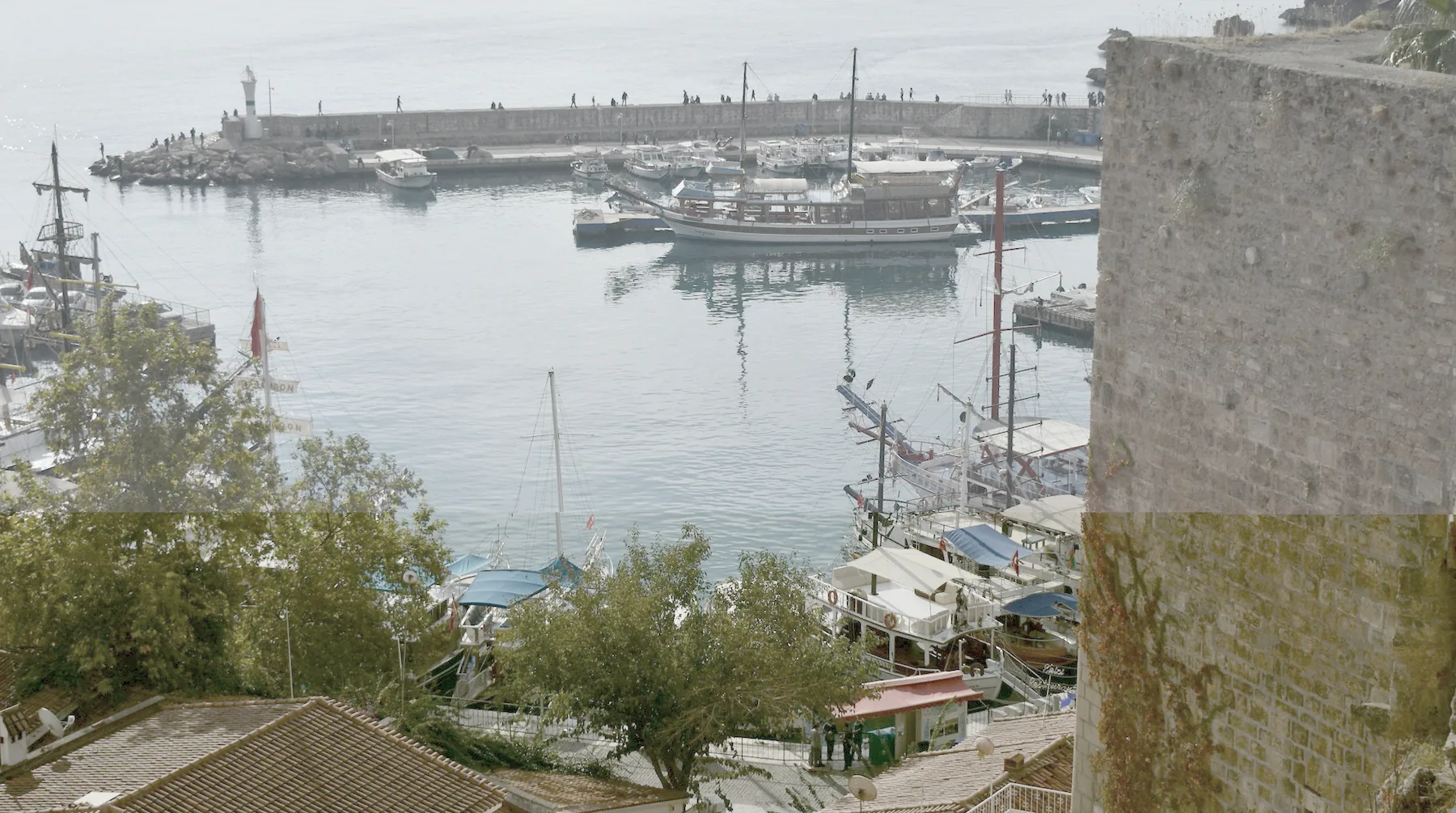
Another option for those who need Europe is Turkey plus residence in Europe, for example the Greek Golden Visa. In that case the Argentine passport may not be needed at all. On European residence permits, see the article European golden visas.
Three examples
In brief: an investor who wants the money back chooses Turkey, an entrepreneur who travels to Europe chooses Argentina, and a family with plans in the US chooses by the country where it is ready to live for three years.
An investor with capital in real estate
An entrepreneur keeps his capital in real estate and does not want to lose $350,000 non-refundably. He buys a flat in Istanbul for $400,000, lets it out and can sell it after three years. He applies for Schengen visas on his Turkish passport. Turkey fully solves his problem.
A consultant who travels to London and Europe
A consultant works with clients in London, Madrid and Milan and travels every month. Visas are his main problem. The Argentine passport removes it: visa-free Schengen, and the UK with an ETA. He is prepared for the contribution and is waiting for the programme regulations.
A family with plans in the US
A family plans to open a business in the US and live there. Both passports give the right to an E-2 visa, but only after three years of living in the country where citizenship by investment was obtained. If the family is ready to live in Istanbul for three years, Turkey is more convenient; if in Buenos Aires or the region, Argentina. Without such a move, neither programme offers a fast route to the E-2.
How BRIDGES handles both programmes
In brief: for Turkey, BRIDGES selects and checks the property and handles the purchase, valuation and filing. For Argentina, it prepares documents and the history of funds for the start of applications and does not take money for the contribution until the regulations and the court position are clear.
Work on Turkey starts with checks on the family and the budget, followed by property selection, checks on the developer and on title, an independent valuation and the purchase. After title registration, BRIDGES prepares the documents for the residence permit and citizenship and supports the in-person filing. Throughout the holding period, BRIDGES reminds the family of the rules so that it does not lose its basis.
For Argentina the work is currently preparatory: preliminary due diligence, documents with an apostille and translation into Spanish, the history of funds and the banking route for the payment. Filing and payment will begin once the regulations are published and the Supreme Court's position is clear. Before a contract is signed, the preliminary check is free, and BRIDGES discusses the risks from the outset. The scope of services and how we work are shown on the page Argentine citizenship with BRIDGES.
Where families go wrong when choosing
In brief: they compare only the entry amounts and forget about recovering the money, the children's ages and the E-2 visa.
- Comparing $400,000 and $350,000 directly. In Turkey the money is in an asset; in Argentina it is non-refundable.
- Not accounting for adult children. In Turkey children over 18 are not included in the application; in Argentina, children up to 25 are.
- Expecting Schengen on a Turkish passport. A visa is required.
- Expecting an E-2 visa straight after the passport. Under US law, those who obtained citizenship by investment must live in the treaty country for three years.
- Buying a property in Turkey without checks. An inflated price and a valuation below the purchase price are a common problem.
What to check before deciding
In brief: whether visa-free Europe is needed, whether the family is ready for a non-refundable contribution, how old the children are, whether there are plans in the US and how urgently the passport is needed.
- Which travel destinations matter: Schengen and the UK, or the Middle East and the US.
- Whether the family is ready to lose $350,000 or wants to recover its capital.
- How old the children will be on the decision date.
- Whether there are plans for a business in the US.
- Whether the family is ready to wait for the regulations and the court ruling in Argentina.
The programme terms are on the pages Argentine citizenship and Turkish citizenship by investment.
How much does an Argentine or Turkish passport cost for your family? We will calculate it
We will break the costs down by item: mandatory payments, fees and services, with no hidden amounts.
Darya MelnikSenior Investment Programs Advisor, BRIDGES
Share this article
Frequently asked
Questions people ask before deciding
01Which is cheaper: Turkey or Argentina?
On the entry amount, Argentina: $350,000 against $400,000. On non-recoverable costs, Turkey: the money stays in property or a deposit and can be recovered after three years.
02Which passport is stronger?
The Argentine passport: 168 destinations on the BRIDGES index, including Schengen and the UK. The Turkish passport opens 114 destinations including visas on arrival; Schengen and the UK require visas.
03Can you live in the US with a Turkish or Argentine passport?
The US has an E-2 investor visa treaty with both countries. But those who obtained citizenship by investment must live continuously in the treaty country for three years before their first application.
04Can adult children be included in the application?
In Turkey, only children under 18. In Argentina, children under 25 who are unmarried and have no children of their own, for $100,000 each.
05Can parents be included?
No, neither in Turkey nor in Argentina. Parents apply separately.
06Can you get the money back in Argentina?
The $350,000 contribution is not refunded. The $800,000 bond is repaid after seven years without interest.
07Which programme is more predictable?
The Turkish programme has operated under law since 2017. The Argentine programme rests on Decree 366/2025, which is being challenged in the Supreme Court.
08Do you need to live in the country?
Neither Turkey nor Argentina requires residence. You need to attend in person for biometrics and to collect documents.
09Can you hold both citizenships?
Yes, both countries allow dual citizenship. The combination gives Schengen access on the Argentine passport and capital preserved in Turkey.
10Which is better value: Turkish or Argentine bonds?
Turkish: $500,000 for three years against $800,000 for seven years. The opportunity cost at 4% a year is about $62,000 and $253,000 respectively.
11What costs are there besides the property in Turkey?
Title deed registration tax, an independent valuation, translation and transaction support, and residence permit and passport fees.
12Are the programmes open to Russian citizens?
Yes. In Turkey there is established practice for checking Russian citizens. In Argentina no specific restrictions have been announced; the regulations will clarify the requirements.
13Has the Turkish threshold changed?
Yes. In 2017 it was $1,000,000, in 2018 it was lowered to $250,000, and in 2022 it was raised to $400,000. The changes were announced in advance.
14Can you prepare for Argentina in advance?
Yes. Documents, translation into Spanish and the history of funds are prepared before the regulations and will serve whatever the outcome of the dispute over the legal basis.
15Can you sell the property in Turkey?
Three years after purchase. Selling earlier removes the basis for citizenship.
Transparency
How this material was prepared
- Author
- Darya Melnik, senior Investment Programs Advisor, BRIDGES
- Terms and costs last verified
- October 2026
- Sources
- official government authorities of the relevant country and state publications
- Methodology
- government minimum requirements are stated separately from due diligence charges, state fees, legal and banking costs
Sources and methodology
Figures, terms and timelines are checked against official sources as of October 2026. Link availability verified in August 2026. Third-party blogs and agent websites are not used as a source of programme terms.
- [1]EUR-LexOfficial texts of European Union legislationeur-lex.europa.eu/homepage.html
- [2]European Commission - Migration and Home AffairsEntry and residence rules in the EUhome-affairs.ec.europa.eu/index_en
Methodology: tables and charts state government minimum investment requirements; due diligence charges, state fees, legal, banking and other costs are calculated separately and are not included in the minimum thresholds.
About the author
Related materials
What to read next
 ArticleTurkish citizenship by investment in 2026: complete guide
 ComparisonCaribbean or Turkey: Citizenship for Contribution or Real Estate in 2026
 ComparisonVanuatu or Turkey: citizenship by investment in 2026
News+1 story on 3 November
Related news
 Argentina · 11 OctArgentina citizenship by investment ban bills: risks for investors
 Greece · 3 NovGreece: the 15% home purchase tax will depend on tax residency, not on your passport
 European Union · 1 NovEuropean Union: updated social security rules for living and working in two countries enter into force
Personal programme selection is conducted by Anna Kovalevskaya, Head of Legal, BRIDGES.
Want a second passport for your family? Get in touch and we will arrange it
We will set out the steps from the first documents to the final status, with the timing of each.
