Living abroad · Turkey
Life in Turkey: a analysis of the pros and cons
Updated: June 2026·12 min read·Expert reviewed
Terms and costs verified: June 2026
Contents
Türkiye has been attracting emigrants from the CIS for many years. Warm climate, affordable prices, developed infrastructure - it all sounds good on paper. But every year thousands of people move here and face a reality that differs from the brochures. Lyra falls. Bureaucracy works in its own way. Language is hard to learn. Earthquakes are not an abstraction, but a fact. In this article we will analyze : what is really good in Turkey, what is bad and what citizens of Russia, Kazakhstan and other CIS countries can count on. The figures are current for 2026. The article will help you make an informed decision - move or choose another country.
Why Türkiye is not just a resort
Most people know Turkey from all-inclusive hotels. But the country has long ceased to be just a tourist destination. They live here permanently. They are working. Raising children. They open a business.
Over the past five years, the number of foreigners with a residence permit has exceeded 1.5 million people. Among them are tens of thousands of citizens of Russia, Ukraine, Kazakhstan and Belarus. Istanbul and Antalya have become cities with developed Russian-language infrastructure.
This is no coincidence. Türkiye offers affordable entry: residence permit through the purchase of housing from $200,000, citizenship from $400,000. The climate is mild. Direct flights from most CIS cities operate all year round.
But every coin has a downside. Let's look at everything in order.
We will send a document checklist for your case
Leave your details: we will put together documents and timelines for your family.
Pros of living in Turkey
Let's start with what makes Turkey really attractive for moving.
Climate and nature
Antalya - 300+ sunny days a year. Winter is mild: +10...+15 °C. The sea is warm from May to November. Ski resorts are 1.5 hours drive from the coast. This is a rare combination: sea and mountains in one country.
In the east the climate is contrasting: hot summers and snowy winters. Istanbul - moderate: +5 in winter, +30 in summer. Everyone will find their own region.
Affordable cost of living
Türkiye is several times cheaper than Europe. The couple lives on $1,200-1,800 a month including rent. This is not poverty - this is normal urban comfort. Cafes, restaurants, taxis - everything is much cheaper than in Moscow or European capitals.
Developed infrastructure
Istanbul is a modern metropolis. Metro, trams, sea transport. New airports. Private hospitals of European level. Fast Internet (with reservations). Shopping centers, international brands, delivery services.
Antalya is not a village either. The airport accepts direct flights from 80+ cities. Private medicine is developed. There are schools with Russian language of instruction.
Russian-speaking diaspora
More than 100,000 native Russian speakers live in Antalya. This is a whole ecosystem: Russian shops, doctors, lawyers, realtors, kindergartens, schools. Moving and not learning Turkish is possible in the first years.
In Istanbul the diaspora is smaller, but still noticeable. In the regions of Sisli, Beyoglu and Kadikoy you often hear Russian speech.
Path to Citizenship
Türkiye provides one of the most affordable passports through real estate investment. The threshold is $400,000 in one object. Processing takes 3-6 months. Citizenship is passed on to children and spouse. More details - at Turkish citizenship program page.
Cuisine and food quality
Turkish cuisine is one of the richest in the world. Fresh vegetables and fruits all year round. Fish in the markets. Local cheeses, olives, spices. Prices in the markets are several times lower than in supermarkets. The quality of the products is high.
Tax attractiveness for non-residents
A foreigner who is not a Turkish tax resident does not pay tax on worldwide income here. If you live less than 183 days a year, the Turkish tax service will not come to you. This is interesting for those who work remotely or have income abroad.
Disadvantages of living in Turkey
Now let's be about what you should consider before moving.
Inflation and instability of the lira
This is the main problem. The Turkish lira has lost more than 70% of its value against the dollar over the past 5 years. Inflation in 2024-2025 remained above 50% per annum. In 2026, the situation stabilized, but was not resolved.
What this means in practice: if you keep money in lira, it becomes cheaper. Rents and prices in lira are rising quickly. Many landlords are switching to dollar contracts. It is safer to live and work here with an income in dollars or euros.
Turkish
Turkish is not just a difficult language. It is fundamentally different in structure. It is not similar to Russian, nor to English, nor to European languages. Agglutinative grammar (words are built from many suffixes) requires a systematic approach.
In Antalya you can live for years without speaking Turkish. But as soon as you go beyond the tourist areas, difficulties begin. Documents, hospitals, government agencies, negotiations with neighbors - everything is in Turkish.
Bureaucracy
The Turkish bureaucracy is slow and unpredictable. Obtaining a residence permit, registering property, opening a bank account - each procedure requires patience. Rules change without notice. What worked last year may not work today.
Example: in 2022-2023, a massive influx of foreigners led to the authorities closing some areas for obtaining residence permits. The list of “closed” neighborhoods is updated periodically.
Earthquakes
Türkiye is a seismically active country. The 2023 Kahramanmaraş earthquake claimed more than 50,000 lives. Istanbul is at risk: the North Anatolian Fault runs under the city. Geologists have long warned of a potentially powerful earthquake.
This is not a reason not to move, but a reason to choose a building carefully. According to anti-seismic standards, new buildings are much safer than the old building.
Internet censorship
Türkiye blocks part of the Internet. At different times, Wikipedia (blocked for 3 years), Twitter, and individual news sites were blocked. Today many resources are available, but the situation is unstable. Most expats use a VPN all the time.
Political instability
The internal political situation in Turkey remains tense. The Kurdish issue, relations with the West, the influence of religion on politics - all this creates background instability. This is not critical for everyday life, but it is worth taking into account for long-term planning.
Mentality and cultural differences
Turkish culture is fundamentally different from North Slavic culture. A different attitude towards time (punctuality is not a priority). A different model of communication (straightforwardness is not always appropriate). Gender roles are more traditional, especially outside major cities.
Most expats adapt. But the period of adaptation is real and takes a year or two.
Specifics for CIS citizens
Russians, Kazakhs, Ukrainians and Belarusians are the largest groups of expats in Turkey. There are several practical features.
Banking services
After 2022, it has become more difficult for a Russian citizen to open an account in a Turkish bank. Many banks refuse without explanation or require additional documents. The situation is different in different banks. Ziraat Bank and Vakıfbank have historically been more loyal to Russian clients. The problem can be solved, but it takes time.
It is much easier for citizens of Kazakhstan, Georgia and Armenia to open an account.
International community
There are Russian kindergartens, schools with a Russian curriculum, and Russian-speaking doctors in Antalya. Telegram channels of Antalya expats are live, with thousands of participants. Finding an English- or Russian-speaking realtor, lawyer or accountant is not a problem.
In Istanbul the community is less concentrated but active. The Beyoğlu and Sisli districts are traditional points of attraction.
Residence permit through real estate from $200,000
This is the most popular route for CIS citizens. Buy an apartment worth $200,000 or more and apply for a short-term residence permit (İkamet). Documents are submitted through PDMM (migration service). A residence permit is given for 1-2 years with the possibility of extension.
Important: not all areas are open to foreign applicants. The list is being updated. Before purchasing, check the relevance of the quarter. Read more about residence permits in our material about investment residence permit in Turkey.
Money transfer
Direct transfers from Russia to Turkey work through a number of channels: transfer systems (Unistream, Contact), cryptocurrency through exchangers, cash through intermediaries. It's not perfect, but it works. The situation changes periodically - check current methods before moving.
Cost of living in Turkey in 2026
The prices below are indicated in US dollars - this is more convenient for comparison. Lira prices are recalculated at the rate at the beginning of 2026.
| Expense item | Istanbul | Antalya |
|---|---|---|
| Rent 1BR (center) | $800-1 100 | $500-750 |
| Rent 1BR (not center) | $500-700 | $350-550 |
| Rent 2BR (center) | $1 100-1 600 | $750-1 100 |
| Rent 3BR (center) | $1 600-2 500 | $1 000-1 600 |
| Steam products per month | $300-450 | $250-380 |
| Lunch at a cafe (1 person) | $8-15 | $6-12 |
| Dinner at the restaurant (2 people) | $30-60 | $20-45 |
| Coffee in a cafe | $2-4 | $1,5-3 |
| Transport (subscription/month) | $20-30 | $15-25 |
| Taxi (10 km) | $5-9 | $4-7 |
| Housing and communal services (apartment 70 sq.m.) | $60-120 | $40-90 |
| Internet (50 Mbit/s) | $10-18 | $10-16 |
| Health insurance (year) | $400-900 | $350-800 |
| Private kindergarten (months) | $300-600 | $200-450 |
| International school (year) | $8 000-25 000 | $5 000-15 000 |
Individual items of the food basket: milk 1 liter - $0.8-1.2; bread - $0.5-0.8; chicken fillet 1 kg - $3-5; tomatoes 1 kg - $0.6-1.2; apples 1 kg - $0.8-1.5; eggs 10 pcs. - $1.5-2.5.
Auto: purchase of a used class B car - from $12,000-18,000. Insurance - $400-700 per year. Gasoline - $1.2-1.4 per liter. Parking in the center of Istanbul - $3-6 per hour.
Comparison with Moscow
Istanbul is about 30-40% cheaper than Moscow in terms of rent and products. Antalya is 50-60% cheaper than Moscow. This is real savings while maintaining comfort.
We will find the right basis for residency in Turkey
We calculate the budget and timing for your family and list the documents you need.
Where is it better to live: Istanbul, Antalya or other cities
The choice of city largely determines the quality of life in Turkey.
Istanbul
A metropolis with a population of 16+ million. Huge opportunities for work and business. Developed cultural life: theaters, museums, exhibitions. The best private hospitals in the country. Strong international schools.
Cons: traffic jams, high prices (by Turkish standards), large and noisy city. Living comfortably in Istanbul means choosing the right area. Without a car it’s possible: metro, metrobus, ferries.
Antalya
The best choice for families and those who want "by the sea". Less traffic jams. Cheaper. The Russian-language infrastructure is maximally developed. The climate is the best in the country. Disadvantage: less dynamic city, less work for hired specialists.
Izmir
Third largest city. Liberal, secular. Close to the Aegean Sea and historical sites. Good universities. Prices are lower than Istanbul, but higher than Antalya. Popular among European expats.
Bodrum and Alanya
Tourist centers with a permanent expat community. Bodrum is more expensive and European. Alanya is more accessible, with a large Russian-speaking community. In winter, both cities become noticeably empty.
Bursa
Industrial and historical city near Istanbul. Istanbul is twice as cheap. Good for families who want to be close to the capital, but live in a more relaxed pace.
Taxes in Turkey for foreigners
The issue of taxes is important when planning a move. The Turkish system has its own characteristics.
Who is a tax resident
According to Turkish law, a tax resident is considered to be someone who spent more than 183 days a year in the country. If you live less, you do not need to pay tax on world income.
Income tax
Progressive rates: 15-40% depending on income. For residents with worldwide income, tax is paid from all sources. For non-residents - only with Turkish income.
Property tax
The annual tax on an apartment is 0.2-0.4% of the cadastral value. The cadastral value is usually lower than the market value. Purchase tax (tapu harcı) - 4% of the declared value.
VAT
The standard rate is 20%. For basic food products - 1%. For most goods and services - 10-20%.
Double taxation agreements
Türkiye has signed agreements with Russia, Kazakhstan and most CIS countries. This means that the same income will not be taxed twice - both here and here. The optimization scheme should be discussed with a tax consultant individually.
“Türkiye remains one of the most practical destinations for CIS citizens who want to get a second passport without moving to Europe. The citizenship program through real estate starting from $400,000 has been operating steadily for several years. During this time, we have supported dozens of transactions - and we see steady interest from clients from Russia, Kazakhstan and Azerbaijan. The main thing you need to understand before purchasing is that the Turkish program is not just an investment in real estate. This is also an administrative process with clear requirements for documents, site verification and neighborhood compliance. We always recommend checking the quarter for relevance before signing a contract - the rules change, and a mistake here is costly. As for life in the country: clients who move with their families often choose Antalya for its Russian-speaking environment and climate. Those who are business or career oriented stop at Istanbul. Both options make sense - it is important to correctly formulate priorities even before starting the search for an object.”
Medicine in Turkey for foreigners
Turkish medicine is divided into public and private - and this is a fundamental difference.
State medicine
Public hospitals (devlet hastanesi) are available to foreigners with a residence permit and SGK health insurance. The quality is satisfactory. The queues are long. There is a language barrier. Suitable for emergency cases, not for planned ones.
Private medicine
Private clinics (özel hastane) are on another level. Modern equipment, doctors with international education, often Russian-speaking staff or translators. The cost of a specialist consultation is $30-80. Analyzes - $20-60 per panel. MRI - $80-150.
Insurance
When obtaining a residence permit, medical insurance is required. The cost for an adult under 50 years old is $400-700 per year. After 50 years - $600-1,200. Insurance covers outpatient treatment, hospitalization, emergency care. Childbirth is usually a separate package.
Recommended clinics
In Istanbul: American Hospital (Vehbi Koç Vakfı), Memorial Health Group, Acıbadem. In Antalya: Medicana Antalya, Akdeniz University Hospital, Medical Park. All accept foreign patients, and large ones have international departments.
Education and schools in Turkey
Families with children carefully choose the country to move to. In Turkey, everything is ambiguous when it comes to education.
Public schools
Free for children with a residence permit. Training in Turkish. For a child without knowledge of the language, the first year will be difficult. Quality varies greatly depending on the city and area. A good option for families planning long-term integration.
Private Turkish schools
Cost: $3,000-10,000 per year. The level is higher than the state ones. Some schools teach subjects in English. But still the main environment is Turkish.
International and Russian speaking schools
There are schools with a Russian curriculum in Antalya. The child studies according to the Russian Federal State Educational Standard and receives a certificate recognized in Russia. Cost - $5,000-10,000 per year. For families who do not plan to stay in Turkey forever, this is the best option.
International schools under the IB or Cambridge program - $10,000-25,000 per year. Available in Istanbul, Antalya, Izmir.
Higher education
Turkish universities accept foreign students. Tuition fees at private universities are $3,000-12,000 per year. In state ones it is lower, but the competition for foreigners is high. Diplomas are recognized in most countries, but in Russia a nostrification procedure will be required.
Safety in Turkey
Türkiye is generally a safe country to live in. But there are nuances.
General level
According to the Global Peace Index, Türkiye ranks in the middle of the ranking. Street crime rates in tourist and expat areas are low. Armed violence is rare. Pickpocketing is present in tourist places, just like everywhere else.
Regional specifics
The southeast of the country (Diyarbakir, Hakkari, areas near the Syrian border) are zones with a high level of tension. It is not recommended for expats to live there. West coast, Istanbul, Antalya are calm and safe places.
Anti-terrorism situation
Türkiye experienced a number of terrorist attacks in 2015-2016. Since then, security measures have been significantly strengthened. Airports, shopping centers, subways - there are metal detectors and security everywhere. Terrorist attacks are rare.
Safety for women
In large cities - Istanbul, Antalya, Izmir - expat women feel comfortable. In small towns and villages the situation is different: a more traditional mentality, increased attention to single women. Adapting clothing and behavior helps avoid discomfort.
Transport: car or public?
In Istanbul, a car is more of a burden. In Antalya - a necessity.
Istanbul
Developed transport network: metro (11+ lines), metrobus, tram, funicular, ferries. Istanbulkart card is a single transport ticket. The cost of the trip is about $0.5-0.7. Monthly pass - $20-30. Taxi and Bitaksi (local Uber) complete the picture.
Traffic jams in Istanbul are catastrophic. Especially on bridges over the Bosphorus. Public transport gains time during peak hours.
Antalya and other cities
In Antalya, public transport is less developed. Buses run, but not regularly. Taxi available. Most expats start their car. Car rental - $400-700 per month. Buying a used car from $12,000.
Exchange of rights
A driver's license from Russia, Kazakhstan and other CIS countries is valid in Turkey for 6 months from the date of receipt of a residence permit. After that, an exchange or passing an exam is required. The exchange procedure is simple, but requires time and knowledge of Turkish (or an assistant).
Airports
Istanbul has two airports: New Istanbul Airport (IST) - one of the largest in Europe - and Sabiha Gokcen Airport (SAW) on the Asian side. Antalya (AYT) is a large international hub with direct flights from most CIS cities.
How to check if Türkiye is right for you
Before purchasing property or submitting documents, you should make sure that Türkiye is the right choice for you.
Questions to ask yourself
First: are you ready to work with an unstable currency? If your expenses are in lira and your income is in rubles, the volatility of the two currencies creates a double risk. It is optimal to have income in dollars or euros.
Second: is the language environment important to you? If yes, Antalya with its Russian-speaking community will fill this need. If you want to integrate into local life, get ready for serious work with the Turkish language.
Third: How do you feel about seismic risk? If the topic of earthquakes causes you serious concern, you should choose areas with less seismic activity or consider other countries.
Practice test
The best test is a trial stay. Three months of rent in the chosen city will show more than any article. It is easy to rent an apartment for a short term in Antalya or Istanbul. This is a real investment before a big decision.
Legal check before purchasing real estate
If the goal is a residence permit or citizenship through purchase, be sure to check: the property is not located in a “closed” area for foreigners, the property has a clean history of encumbrances (ipotek), the property meets the program requirements in terms of price and type. A qualified lawyer costs $500-1,500 - this is a small amount compared to the cost of a possible mistake.
Find out more about the program Turkish citizenship by investment on our website. For comparison with other options, it is also useful to study Turkey residence permit for real estate and alternative programs in our citizenship catalog.
Living conditions: final assessment
Let's summarize the key parameters.
| Parameter | Grade | Comment |
|---|---|---|
| Climate | Great | Especially Antalya and the Aegean coast |
| Cost of living | Fine | Cheaper than Europe and Moscow with dollar income |
| Infrastructure | Fine | Istanbul - excellent, small cities - worse |
| Medicine | Fine | Private clinics - high level |
| Safety | Fine | It's safe in tourist areas |
| Language | Difficult | You can live without Turkish, but to a limited extent |
| Bureaucracy | Difficult | Slow, unpredictable |
| Currency stability | Risk | Lira is unstable - needs $/$€ income |
| Internet freedom | Limited | VPN required |
| Path to passport | Great | One of the most accessible routes in the world |
Türkiye is a good choice for those who want to live warmly and comfortably while still having a realistic path to a foreign passport. The key condition is income in hard currency. Without this, the instability of the lira will eat into the economy.
For families with children, Antalya offers an already formed Russian-language infrastructure. For business and career - Istanbul is unrivaled.
We will find the right basis for residency in Turkey
We calculate the budget and timing for your family and list the documents you need.
How to move to Turkey legally
There are several official routes for long-term living in Turkey.
Short-term residence permit (İkamet)
The most popular option. Reasons: renting a home, buying real estate, training, work. Submitted through the e-İkamet system online, then a personal visit to PDMM. Duration - 1-2 years with extension. When renting - from $200-300 per year for documents and fees. When purchasing real estate from $200,000 - a more reliable status.
Long-term residence permit
After 8 years of legal residence, you can apply for a long-term residence permit (ikamet uzun dönem). Does not require renewal. Gives almost the same rights as citizenship, except voting and passport.
Citizenship by Investment
Buying real estate from $400,000 (one property) is a direct path to a Turkish passport in 3-6 months. This is not a residence permit or naturalization - this is a separate accelerated route. Citizenship extends to spouse and children under 18 years of age. Read more at Turkish citizenship program page.
Work visa
To work in a Turkish company you need a work visa (çalışma izni). The employer initiates the process. For remote workers, a tourist regime (up to 90 days every 180) or a short-term residence permit is suitable.
Türkiye vs other countries to move to
If you're considering several options, here's a quick comparison based on key criteria.
| Parameter | Türkiye | UAE | Cyprus | Greece |
|---|---|---|---|---|
| Cost of living | Low | High | Average | Average |
| Climate | Great | Hot | Great | Great |
| Residence permit threshold | from $200k | from 2 million AED | from €300k | from €250k |
| Citizenship threshold | from $400k | No | no (naturalization only) | No |
| EU/Schengen passport | No | No | Yes (EU) | Yes (EU) |
| International community | Big | Big | Average | Small |
If the goal is an EU passport, Türkiye will not help. But as a place to live, with an affordable entry threshold and realistic citizenship, it is in a strong position.
If you are interested in an EU passport, please take a look at Bulgarian citizenship by descent or Cyprus permanent residence by investment.
Bottom line: who is Türkiye suitable for?
Türkiye is not an ideal country. But for certain purposes and profiles it is a very good choice.
Türkiye is right for you if: you want a warm climate and the sea nearby; your income is in dollars or euros; you're considering a second passport through real estate investment; A developed Russian-language infrastructure for the transition period is important to you; you are prepared for a certain level of bureaucracy and instability.
Türkiye is less suitable for you if: you need an EU passport; you are not ready for the language barrier and cultural adaptation; local currency instability and political uncertainty are a major concern; you want to buy real estate and live on rental income in lira.
An informed decision is made based on personal priorities. A trial stay and consultation with a lawyer will help you make the right choice. We are ready to analyze your case individually.
Extras: Compare Turkey with UAE Golden Visa and other programs in our citizenship catalog. Current data on Numbeo: cost of living in Turkey on Numbeo.
Frequently asked
Questions people ask before deciding
01Is it possible to live in Turkey without knowing Turkish?
In Antalya and the tourist areas of Istanbul - yes, especially in the early years. There is a developed Russian-language infrastructure: doctors, realtors, shops. But to work with government agencies, documents and when traveling outside tourist areas, Turkish is required.
02How much does a residence permit in Turkey cost through the purchase of real estate?
The minimum threshold for a residence permit through purchase is $200,000. Additionally - tax on purchase 4% of the cost, services of a notary, lawyer and registration of a residence permit (about $500-1,500 for everything). Annual residence permit renewal costs about $200-400.
03How to obtain Turkish citizenship by investment?
You need to buy real estate worth $400,000 or more in one property. The property cannot be sold for 3 years. After submitting the documents, the process takes 3-6 months. Citizenship extends to spouse and children under 18 years of age. More details can be found on the Turkish citizenship program page.
04Is it safe to live in Turkey given the risk of earthquakes?
The risk is real, especially in Istanbul and several other regions. The main protective measure is to choose a building with anti-seismic certificates (DASK). New buildings built after 2000 according to modern standards are much safer than the old building. Antalya and the Aegean coast are areas with less activity.
05Is it profitable to buy an apartment in Turkey for rent?
Depends on the currency of income. If the rent is in lira, the profitability is eaten up by inflation. If in dollars or euros (popular in tourist areas) - more stable. Profitability - 4-7% per annum in hard currency in tourist locations. Short-term rentals (Airbnb) require special permission.
06What is the situation with medicine for foreigners in Turkey?
Private clinics are of a good level, especially in large cities. International hospital networks (Acibadem, Memorial, Medicana) operate at the European level. When obtaining a residence permit, medical insurance is required. The cost for an adult under 50 years old is $400-700 per year.
07Do you need a VPN in Turkey and what is blocked?
VPN is recommended. Türkiye periodically blocks certain websites and services. Wikipedia was blocked for 3 years (unblocked in 2019). Twitter and a number of news sites have been blocked during periods of political tension. VPN is legal for personal use - most expats use it all the time.
08Is it possible for a Russian citizen to open an account in a Turkish bank?
Difficult, but possible. After 2022, a number of banks have introduced additional restrictions. Ziraat Bank and Vakıfbank are historically more loyal. It is much easier for citizens of Kazakhstan, Georgia and Armenia to open an account. We recommend that you allow 1-4 weeks for the process and have all the documents on hand.
09How to transfer money from Russia to Turkey?
Several channels work: money transfer systems (Unistream, Contact, Zolotaya Korona), cryptocurrency through legal exchangers, cash through intermediaries. Direct bank SWIFT transfer is difficult. The situation is changing - check current methods before moving.
10Which area of Istanbul should you choose to live?
Depends on the tasks. Families with children choose Bakirkoy, Atakoy or Maltepe on the Asian side. Youth and creative - Beyoğlu, Karakoy. Business and offices - Levent, Maslak. Quiet and European - Arnavutkoy, Bebek. Rental guideline: in central areas, 1BR costs $800-$1,100.
11Is it possible for a pensioner from Russia to move to Turkey?
Yes. Pensioners from Russia are actively moving to Antalya and Alanya. For a short-term residence permit, you need to confirm your income. Renting or buying a property is suitable. Health insurance is more expensive after age 60-65: $800-$1,500 per year. There are plenty of Russian-speaking doctors and pharmacies in Antalya.
12Does a Turkish passport give visa-free entry to Schengen?
No. A Turkish passport does not provide visa-free access to Schengen countries. A visa is required to travel to the EU. A Turkish passport provides visa-free entry to approximately 110 countries, including Japan, South Korea, the UAE and several others. If your goal is Schengen visa-free travel, consider programs from Cyprus, Bulgaria or other EU countries.
About the author
Related materials
What to read next
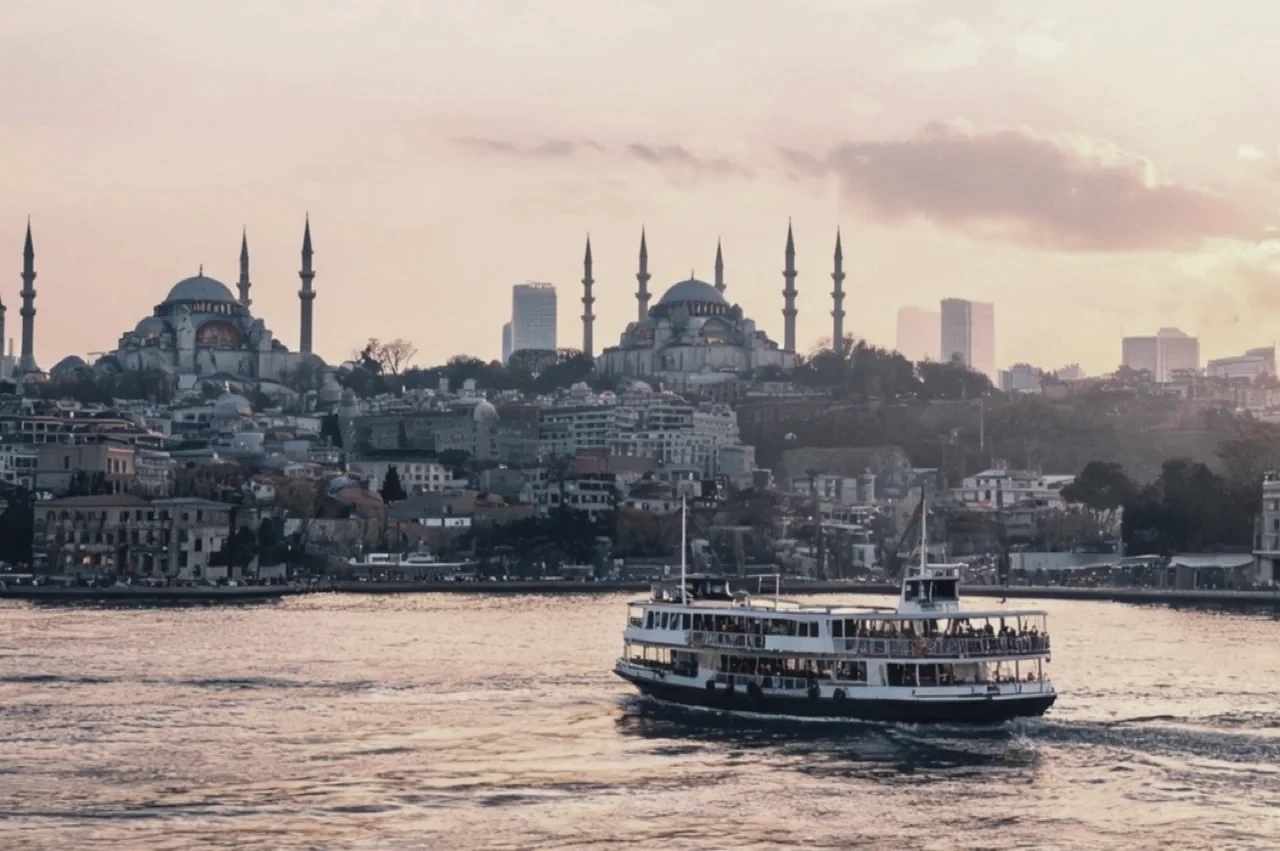 ArticleTurkish citizenship by investment in 2026: complete guide
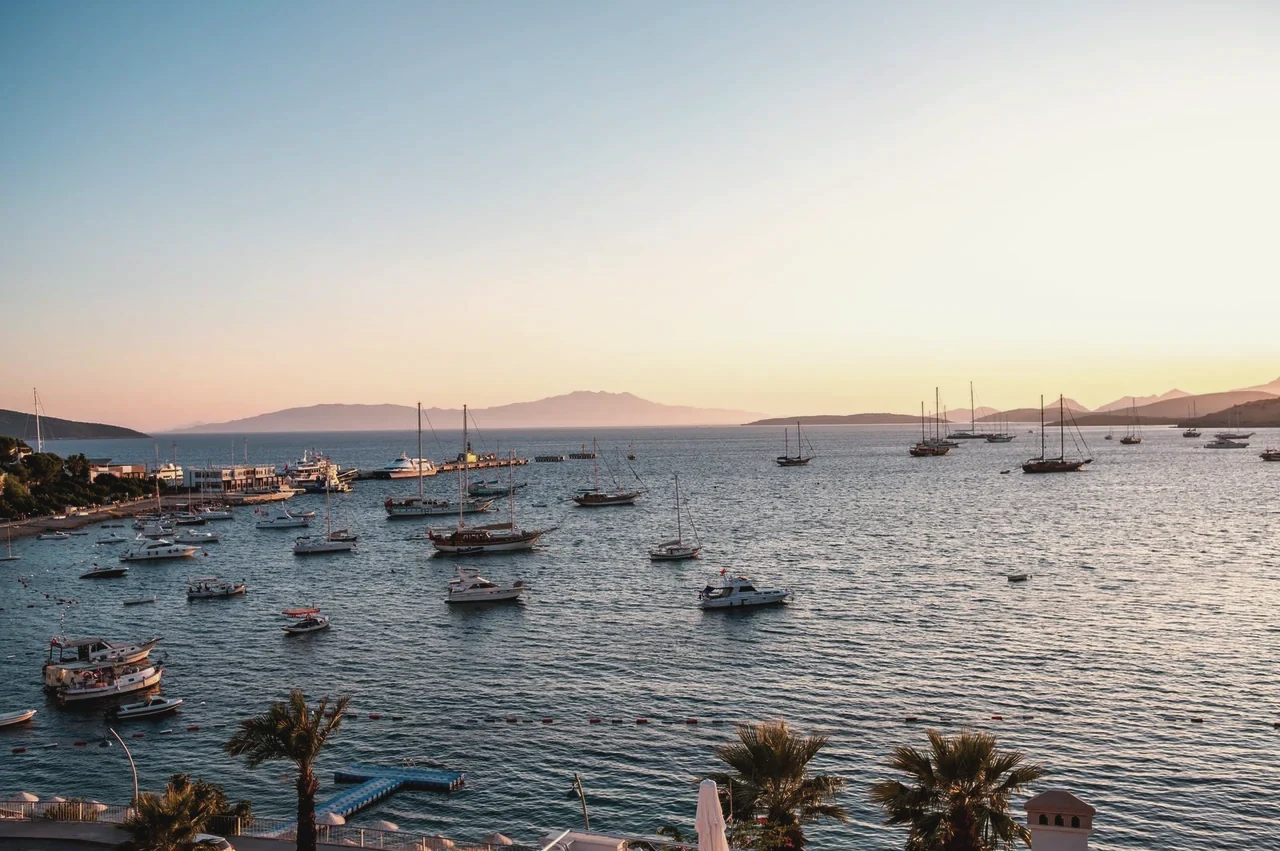 ComparisonCaribbean or Turkey: Citizenship for Contribution or Real Estate in 2026
 AnalysisWhat is due diligence and why the Caribbean is rejecting applications
Personal programme selection is conducted by Anna Kovalevskaya, Head of Legal, BRIDGES.
Moving to Turkey: what to settle first
Housing, schooling, healthcare, accounts and taxes - the order and what takes longest.
