News · Italy
Italy issued 47% more residence permits in 2025, with a 15-year high in family permits

Updated: October 2026·10 min read·Expert reviewed
Terms and costs verified: October 2026
Contents
In 2025 Italy issued 426,956 new residence permits to non-EU nationals, 47.2% more than a year earlier. Family-based permits grew the most: 168,733, up 61.2%. These are figures from ISTAT, Italy's national statistics institute, published on 22 October 2026. I look at what lies behind the numbers, why the rise came in a year of tighter rules, and what it means for people planning a move to Italy.
In brief
- On 22 October 2026 ISTAT published its annual report on non-EU nationals in Italy for 2025.
- New permits totalled 426,956, 47.2% more than in 2024, when there were 290,119.
- Family permits reached 168,733, or 39.5% of all new permits, up 61.2%. Almost half of them, 47.9%, went to minors.
- Study permits exceeded 35,000, the highest since 2010. About 59,000 work permits were issued, with more for employment than seasonal work.
- At 31 December 2025 more than 4 million non-EU nationals lived legally in Italy, and just over 178,000 people acquired Italian citizenship in 2025.
What the ISTAT report showed
Every year ISTAT publishes data on non-EU nationals holding a valid residence permit. The 2025 report came out on 22 October 2026. The headline figure is 426,956 new permits in a year. That is 47.2% more than in 2024 and one of the highest figures in 15 years; only 2022 was higher, when refugees from Ukraine arrived in Italy.
The increase is visible across almost all grounds. The share of women among new permit holders rose to 39.6% from 37.2% a year earlier. The most new permits were issued in Lombardy, 98,128 or 23% of the total, followed by Emilia-Romagna with 38,789. These are the regions with the strongest economies and the greatest demand for workers.
| Grounds | New permits in 2025 | Change on 2024 |
|---|---|---|
| Family, including reunification | 168,733 (39.5%) | +61.2% |
| Asylum and protection | 135,831 | +30.5% |
| Work, total | about 59,000 (13.8%) | +45.9% |
| of which employment | 32,826 | |
| of which seasonal | 20,526 | |
| Study | over 35,000 (8.3%) | +76.0% |
| Total | 426,956 | +47.2% |
What this means for you. In 2025 Italy issued almost one and a half times as many permits as a year earlier. The rise came mainly from families and study, not work.
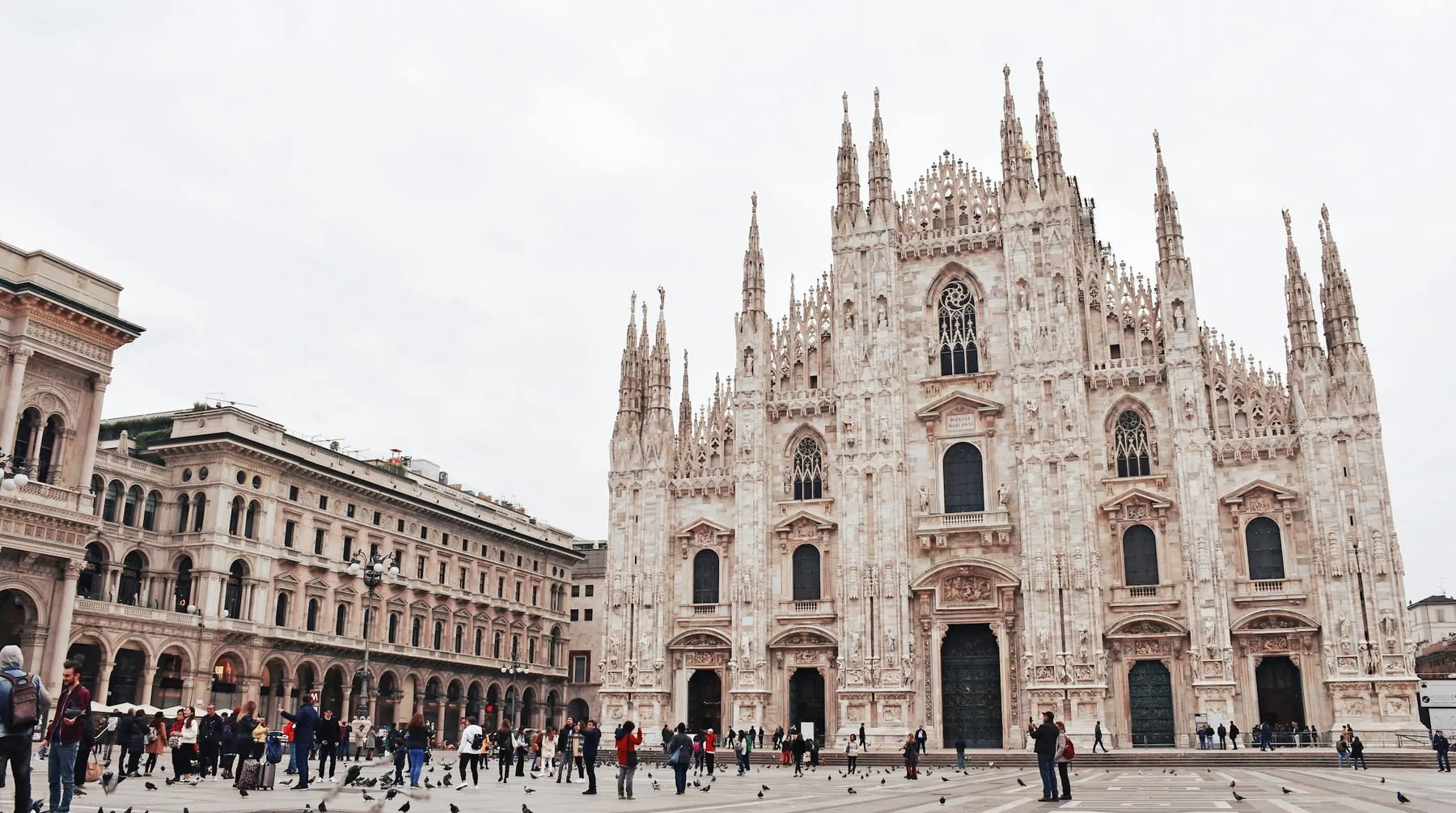
The grounds for issuing permits
Family permits are the main category. In 2025, 168,733 were issued, 39.5% of all new permits and the highest figure in 15 years. Women received 56.1% of family permits, and almost half, 47.9%, went to children. The rise looks particularly striking against 2024, when family permits fell by 18.8%. Part of the increase is a delayed effect: applications filed earlier were decided in 2025.
Importantly, the rise happened despite tighter rules. Since 2024, Law 187/2024 has required a foreign national wishing to bring family to have at least two years of legal residence in Italy. This rule mainly affects new applications, and many 2025 permits were issued in cases started before it. So one cannot conclude that family reunification has become easier.
Study permits rose by 76% to over 35,000, the highest since 2010. Italian universities are actively recruiting foreign students, including with programmes taught in English. About 59,000 work permits were issued, up 45.9%: 32,826 for employment and 20,526 seasonal. For the first time in several years, employment permits outnumbered seasonal ones. Few people work for themselves: there were only 707 such permits. Asylum and protection permits reached 135,831, up 30.5%.
Which nationalities receive permits
Moroccans lead in new permits with 44,549, followed by Bangladesh and Egypt. India, up 78.8%, overtook Pakistan. The top five countries account for more than 40% of all new permits. The report does not single out Russian nationals: their share of new permits is small and mostly relates to family grounds, study and elective residence.
| Country | New permits in 2025 | Change |
|---|---|---|
| Morocco | 44,549 | +72.8% |
| Bangladesh | 39,807 | +41.9% |
| Egypt | 32,235 | +59.4% |
| Albania | 31,777 | +30.1% |
| India | 30,227 | +78.8% |
At 31 December 2025 more than 4 million non-EU nationals lived legally in Italy. Most of them have lived in the country for a long time and hold long-term status. Just over 178,000 people acquired Italian citizenship in 2025; for changes to the citizenship law, see our story on Italy's citizenship bill.
What this means for you. For Russians, the ISTAT report matters as a signal about practice: Italy keeps issuing permits in large numbers despite tough rhetoric on migration. Legal grounds for moving work.
Want Italian residence? We will find the right grounds
We will tell you which permit suits you: investor, elective residence or remote work.
Sofia MendesInvestment Programs Expert, BRIDGES
What it means for people planning a move
For wealthy non-EU nationals, Italy offers three main routes. The first is the investor visa: investment in Italian companies, start-ups or government bonds, covered in detail in our investor visa guide and the glossary term. The second is elective residence, for those living on passive income who do not work in Italy; the procedure is described in a separate guide. The third is the digital nomad visa for remote workers.
None of these routes is among the mass categories in the ISTAT report, but they follow the same rules: the visa is obtained at a consulate, and after entry you apply for a residence permit at the questura within eight days. The main practical problem is timing. The rise in applications in 2025 means more pressure on questuras, and getting a residence card in big cities can take several months. It is worth filing early with a complete set of documents.
If you are choosing a country, compare Italy with its neighbours: Italy or Portugal, Italy or Spain and Greece or Italy. On life in the country, see our articles on the cost of living, the best areas, healthcare, schools and pros and cons. Presence requirements across countries are compared in the guide to presence requirements.
What this means for you. If you plan to move to Italy in 2027, allow more time to get your residence card at the questura. Applications are growing, and staff numbers are not.
How much the investor and elective residence routes require
The Italian investor visa requires investment in one of four ways: from EUR 250,000 in an innovative start-up, from EUR 500,000 in the capital of an Italian company, from EUR 2 million in Italian government bonds, or from EUR 1 million in a philanthropic project in culture, education or science. The investor first obtains clearance from a dedicated committee, then a visa at the consulate and, after entry, a two-year residence permit renewable for three more years if the investment is maintained. Buying property does not qualify for this visa.
Elective residence requires no investment but does require stable passive income from abroad: pensions, dividends, rent. In consular practice the benchmark is at least about EUR 31,000 a year for the applicant and more for a family. Working in Italy with this status is not allowed, and a person usually becomes tax resident if they live in the country for more than half the year. For remote workers there is a digital nomad visa with income and work experience requirements.
Importantly, both statuses require actually living in Italy: permits are renewed for those who spend most of their time in the country. This sets Italy apart from programmes with minimal presence requirements. If you want to be in Europe only rarely, compare options in the guide to presence requirements.
Work visa quotas and the path to permanent residence
Work visas for foreigners in Italy are issued under annual quotas set by the government. For 2026-2028 the quotas are set at almost 500,000 entries over three years, more than in any previous period. Employers apply on designated days, and places often run out within hours. The rise in employment permits in 2025 is largely linked to the expanded quotas.
After five years of legal and continuous residence, a foreign national can obtain an EU long-term residence permit. This requires income above a set minimum, accommodation and an Italian language test at A2 level. Italian citizenship is generally available after ten years of residence with B1 language knowledge. For changes to citizenship rules, see our story on the bill.
What this means for you. Italy issues residence permits readily but requires you to actually live there. If you are ready to move, the path to long-term status takes five years, and to citizenship ten.
Where most permits are issued and how it affects timing
Almost a quarter of new 2025 permits were issued in Lombardy, mainly in Milan and its surroundings. Next come Emilia-Romagna, Lazio with Rome, Veneto and Tuscany. These are the regions where questuras are busiest, and the wait for an appointment to file documents and collect a card can stretch to months. In smaller towns and in the south, timelines are usually shorter, though there may be less experience with rarer statuses such as the investor visa.
Practical advice: when choosing a city, find out in advance how the local questura works. Sometimes it is more convenient to arrange accommodation and registration in a smaller town near the big centre where you will spend your time. Until the residence card is ready, the foreign national receives a receipt confirming the application: it proves lawful presence in Italy, but its usefulness for travel within Schengen is limited. So it is better to plan your first trips outside Italy after the card is issued.
Taxes are another consideration. If you live in Italy for more than half the year, you become tax resident and pay tax on worldwide income at Italian rates. For wealthy new residents there is a special regime with a flat amount of tax on foreign income; whether it suits you is best checked before the move, not after.
Why the rise came in a year of tighter rules
In 2024-2026 the Italian government tightened migration policy: it restricted family reunification, introduced checks on the border with Spain after the Ceuta crisis and debated new citizenship rules. Yet permit issuance rose. The explanation is that tough measures target mainly irregular migration, while legal channels, especially for families, students and workers the economy lacks, keep working and are even expanding. The government raised annual work visa quotas in these years.
This is the wider European picture. The EU is strengthening control of external borders and returns: on 27 October 2026 the Commission proposed tripling Frontex; see our story on Frontex. Checks between Italy and Spain were lifted on 24 October; see the separate story. Meanwhile, legal migration is growing. For someone who arrives with properly prepared documents and clear grounds, Europe remains open. The same pattern is visible in Portugal, where the number of residence permits has also risen sharply in recent years, and in Spain, which ran a large regularisation scheme. The message from European governments is consistent: fewer irregular arrivals, more control, but a steady and even growing flow of people who come legally and meet the conditions of their status.
What to do
Choose your grounds
Investment, passive income or remote work. Requirements and timelines depend on the grounds.
Prepare documents
Proof of income or investment, accommodation in Italy, health insurance, a police certificate with apostille and translation.
Apply for a visa
A national type D visa is issued by the Italian consulate where you live.
Apply for residence after entry
Within eight days of entry, file at the questura through a post office.
Plan for long-term status
After five years of legal residence you can get a long-term permit and then apply for citizenship.
The terms temporary residence, residence permit and permanent residence are explained in the glossary. How to get Italian citizenship is covered in our articles on Italian citizenship and naturalisation. Everything about the country is on the Italy page. To discuss a move, book an online consultation; all BRIDGES services are on the home page.
Moving to Italy? We will arrange the visa and residence
We will prepare documents, book the consulate and support you at the questura.
Sofia MendesInvestment Programs Expert, BRIDGES
How this article was prepared
Sources: the ISTAT report "Non-EU citizens in Italy. Year 2025", published on 22 October 2026; Italian Law 187/2024 on family reunification. Figures are based on ISTAT data on new residence permits issued in 2025. This article does not replace a consultation.
Share this article
Frequently asked
Questions people ask before deciding
01How many residence permits did Italy issue in 2025?
426,956 new permits to non-EU nationals, 47.2% more than in 2024, when there were 290,119. ISTAT data of 22 October 2026.
02What are the most common grounds?
Family: 168,733 permits, or 39.5% of all new permits. This is the highest figure in 15 years.
03Has it become easier to bring family to Italy?
No. Since 2024 the law has required two years of legal residence for family reunification. The 2025 rise is largely linked to cases started earlier.
04Which permits suit wealthy foreigners?
The investor visa, elective residence and the digital nomad visa. They are obtained through a consulate, then you apply for residence at the questura.
05How long does a residence card take?
It depends on the questura. In big cities getting the card can take several months, so it is worth filing early.
About the author
Related materials
What to read next
 ComparisonItaly or Portugal: Investor Visa or Golden Visa through Funds in 2026
 ArticleItalian citizenship by birth in 2026: children, jus soli and reality
News+7 stories on 28 October
Related news
 Italy · 27 OctItaly and Spain end border checks: ordinary Schengen rules apply again from 24 October
 Italy · 25 OctItaly debates a citizenship bill: B1 certificate for all applicants and new grounds for revocation
 Portugal · 28 OctPortugal opens online renewal for residence permits expiring by 31 January 2027
Personal programme selection is conducted by Anna Kovalevskaya, Head of Legal, BRIDGES.
Want Italian residence? We will find the right grounds
We will tell you which permit suits you: investor, elective residence or remote work.
