Updated
BG-RELOCATION
BUSINESS RELOCATION / INTERNATIONAL BUSINESS
Relocating a businessto another country
BRIDGES advises entrepreneurs and business owners on moving the company, its operations and their personal infrastructure to another jurisdiction.

COMPANY · BANKING · TAX · OWNERS · TEAM · OFFICE · LICENSING · OPERATIONS
We help define the country, the corporate structure, the banking model and the order in which owners and employees relocate. Where required, we coordinate company formation, licensing, office, accounts, tax, real estate and immigration matters.
The point is not to register a legal entity, but to build a structure the business can actually operate through.
- 01We review the current modelCompanies, owners, banks, employees, contracts, tax and the geography of the business.
- 02We define the objectiveWhat exactly has to move and what is worth keeping in place.
- 03We compare jurisdictionsCorporate, banking, immigration, tax and operating criteria.
- 04We design the new structureThe company, ownership, management and the order of the move.
- 05We build the infrastructureRegistration, the required permits, the bank, the office and accounting support.
- 06We arrange the relocation of the owner and the teamResidence and work status, housing and the required documents.
- 07We move the operationsContracts, payments, IP, staff and other elements move in an agreed sequence.
- 08We launch the new modelWe confirm that the new structure is in fact ready to operate.
- 09We close or keep the old elementsIf the previous company is no longer needed, we coordinate its future with the relevant specialists.
- 10We continue to support youBRIDGES remains the single point of coordination for further corporate, banking, immigration and property matters.
01 / WHAT WE MOVE
A company can move on paper. A business has to move in fact.
Registering a new legal entity is only part of the work.
If the owner still lives in another country, management stays in the previous jurisdiction, the accounts do not work, the contracts have not been transferred and the employees hold no valid status, the new company may not solve the original problem.
This is why BRIDGES approaches business relocation through several connected elements.
- Company
- Where the legal entity is registered and which corporate form suits the activity.
- Owner
- Where the beneficial owner will live and manage the business, and what status they need.
- Banking
- Where the operating, backup and personal accounts will be held.
- Tax
- How the new structure affects the company, the owner and cross-border transactions.
- Team
- Which employees relocate, who has to be hired locally and which permits are required.
- Operations
- Where management, clients, suppliers, contracts and day-to-day activity actually sit.
The jurisdiction has to fit how the business actually works, not only its tax rate.
02 / SCENARIOS
When the existing structure stops matching the business
- New markets
- The company expands sales, its partner network or physical presence in another region.
- The owner moves
- The entrepreneur changes country of residence and wants the corporate structure to match the new situation.
- Banking constraints
- The existing accounts or payment infrastructure no longer match the geography of the business.
- A changed tax position
- The old structure creates unnecessary cost, risk or administrative complexity.
- New investors
- Raising capital requires a clearer jurisdiction and corporate structure.
- A future sale
- The owner prepares the company in advance for investment, a sale or M&A.
- An international team
- Employees work from several countries and the company needs a more resilient structure.
- Operational resilience
- The business should not depend entirely on one country, one bank or one legal entity.
03 / JURISDICTION SELECTION
There is no single best country for every business
The UAE may suit one company and create unnecessary complexity for another. A European jurisdiction may matter for a licence or for clients, yet not suit the owner in tax or immigration terms.
BRIDGES compares countries against the criteria that matter for this particular business.
First we establish how the business operates. Only then do we choose the country.
What we compare
- Corporate law
- Company form, ownership structure, management and presence requirements.
- Tax
- Corporate taxation, profit distribution, payments to the owner and cross-border transactions.
- Banking
- Availability of banking for this particular business profile.
- Licensing
- Whether the chosen activity requires a permit or a regulated status.
- Substance
- What real presence is required: director, office, employees, management.
- Employees
- Conditions for hiring and relocating foreign specialists.
- Owner
- Options for residence, permanent residence or another lawful status.
- Reputation of the jurisdiction
- How banks, investors, clients and international counterparties view the country.
04 / RELOCATION MAP
What a business relocation can include
BRIDGES coordinates the connected workstreams through a single team.
05 / STRUCTURE
A business does not always move the same way
There are several basic options.
Set up a new company Suitable when the activity is easier to start in the new jurisdiction through a separate legal entity. This may require: a new company, a new bank, new contracts, transferring employees, transferring assets or IP.
Add a new company to the existing group Used when the previous companies remain in place and the new jurisdiction becomes part of an international structure.
Move the existing legal entity Some jurisdictions allow a company to continue its legal existence in another country without full liquidation. Availability depends on the law of both jurisdictions.
Transfer the activity to a new company Contracts, IP, equipment, employees or individual business lines can move to a new legal entity.
The method of relocation is chosen after reviewing the current structure and what has to be preserved.
06 / PRE-RELOCATION REVIEW
We start by reviewing the existing structure
Before a new company is registered, we need to know what already exists and which obligations must not be lost in the move.
The new structure must not break what already works in the business.
- Corporate
- Companies, shareholders, directors, shareholder agreements and corporate restrictions.
- Banking
- Accounts, credit lines, merchant accounts, acquiring and payment infrastructure.
- Contracts
- Clients, suppliers, leases, licences, distributorship and other material agreements.
- Employees
- Employment relationships, key people and whether they can relocate.
- Tax
- The tax position of the companies and owners, existing obligations and the potential consequences of the move.
- IP
- Trademarks, software, domains, patents and other intangible assets.
- Compliance
- Source of Funds / Source of Wealth of the owners, UBOs, sanctions and banking factors.
07 / BANKING
A company without a working bank is not a completed relocation
Registering a legal entity does not guarantee that a bank account will be opened.
The bank makes its own assessment of:
- the owners
- the origin of the capital
- the countries of the clients
- the nature of the transactions
- the counterparties
- expected turnover
- the economic rationale of the structure
- the real presence of the company
BRIDGES prepares the banking profile alongside the corporate structure.
What this can include
- Operating account
- For day-to-day settlements.
- Backup account
- Additional banking infrastructure in another institution or jurisdiction.
- Merchant / acquiring
- For businesses that accept client payments.
- Private banking for the owner
- Where personal banking is connected to the relocation.
- Source of Funds / Source of Wealth
- Documented explanation of the owner’s capital and sources of funds.
The bank is chosen for the real business profile, not after registering a company at random.
08 / TAX
Corporate tax and the owner’s tax are separate questions
A low corporate tax rate on its own does not make a structure efficient.
The corporate and personal tax positions have to be analysed together, but not merged.
Tax conclusions on a specific situation are formed together with specialist tax advisers in the relevant jurisdictions.
What has to be considered:
- where the company is actually managed
- where the owner lives
- where the employees work
- where the clients are
- where the income comes from
- how profit is distributed
- where the intellectual property sits
- whether CFC rules apply
- which double tax treaties are relevant
09 / OWNER RELOCATION
A business can only move once the owner also knows where they stand legally
If an entrepreneur in fact manages the company from another country, their personal status can affect the corporate and tax structure.
The owner’s personal relocation and the move of the business must not contradict each other.
BRIDGES coordinates:
- Residence / permanent residence
- Lawful residence status for the owner and the family.
- Second citizenship
- Where an additional passport is part of the long-term mobility of the family and the business.
- Tax residency
- Establishing the consequences of an actual move.
- Housing
- Buying or renting property.
- Banking
- The owner’s personal accounts and banking infrastructure.
- Family
- Status for spouses and children, schools, universities and other relocation matters.
 The owner lives where the decisions about the business are made
10 / PEOPLE
A business relocation often starts with the key employees
Not every function can or should move.
So we first establish:
- who the company needs in the new country
- who can be transferred
- who is better hired locally
- which work permits are required
- what obligations arise for the employer
- how payroll and employment relationships are set up
Main workstreams
- Owners & directors
- Owners and management.
- Key employees
- Key specialists.
- Local hiring
- Recruiting staff in the new country.
- Work permits
- Work authorisation and immigration status.
- Payroll
- Salaries and local administration.
- HR infrastructure
- Contracts, policies and HR support.
11 / REAL PRESENCE
The company has to match how it is presented to banks and counterparties
For many international structures the real presence of the business in the chosen country matters.
A company has to make economic sense, not merely exist as a registry entry.
Depending on the jurisdiction and the activity, this can involve:
- a local director
- an office
- employees
- a phone number and address
- accounting
- board meetings
- local management
- genuine contracts
- actual operating processes
12 / OFFICE & PROPERTY
The physical infrastructure of the business
Depending on the operating model, BRIDGES helps arrange:
Where property is acquired, we separately review the asset and the ownership structure.
- a registered address
- flex office / serviced office
- a full office
- commercial property
- a warehouse or operating premises
- housing for the owner and employees
 An office, an account and employees in one country - that is a working structure
13 / OPERATIONS
What happens to existing contracts after the move
Setting up a new company does not automatically transfer existing agreements.
The operational transition has to be planned so the business does not stop between the old and the new structure.
What has to be decided:
- which agreements stay with the old legal entity
- which can be transferred
- where counterparty consent is required
- whether new agreements have to be signed
- which licences are tied to a specific company
- what happens to client data
- how invoicing changes
- where payments will be received
14 / INTELLECTUAL PROPERTY
The brand, the software and the IP are part of the business too
In an international relocation it has to be established who owns:
Transferring IP can have legal, tax and contractual consequences.
Intellectual property cannot be moved between companies by an accounting entry alone.
- trademarks
- domains
- software
- copyright
- patents
- client databases
- other intellectual assets
15 / JURISDICTIONS
The country depends on the business, the owner and the market
- UAE
- For international trade, services, holding and entrepreneurial structures - where the real activity meets the requirements of the jurisdiction. More
- Cyprus
- A European corporate environment, international business and the option to connect the company with the owner’s residency. More
- Hungary
- An EU jurisdiction for business, operating presence and work with the European market. More
- Portugal
- May be considered for technology, service and international companies with real presence. More
- Spain
- Suits companies for which the European market, staff and genuine operating activity matter.
- Greece
- Used for particular trading, investment, property and operating objectives.
- Other jurisdictions
- BRIDGES works worldwide and does not limit the analysis to a fixed list of countries.
We do not sell the client a country. We compare jurisdictions against their business.
16 / COMPARISON
How the countries differ for a business being moved
The comparison shows a direction, not a final answer. The recommendation is formed after reviewing the current structure of the business.
- Corporate environment
- Free zone and mainland, flexible ownership
- Banking
- A prepared business profile is required
- Substance
- Office and presence are tested in practice
- Market access
- Middle East, Asia, international trade
- Owner status
- Residency through the owner’s company
- Speed of launch
- Among the fastest registrations
- Main constraints
- Real activity must match the licence
Tax rates, government fees and requirements are verified for each country at the date of the enquiry.
18 / TIMING
The timeline depends on what exactly has to move
Some workstreams can run in parallel, so each stage does not have to wait for the previous one.
- Company
- Registration timelines are set by the chosen jurisdiction and company form.
- Bank
- Onboarding runs separately and depends on the profile of the company and its owners.
- Licence
- For regulated activity the timeline is set by the competent authority.
- Owner and employees
- Immigration processes follow their own calendar.
- Contracts and operations
- The timeline depends on the number of counterparties and the consents required.
19 / COST
The relocation budget has several parts
After the initial assessment BRIDGES defines the scope of work and separates its own fee, government payments and the costs of external specialists.
- Corporate
- Registration and ongoing support of the legal entity.
- Government
- State fees and licences.
- Banking
- Banking and payment infrastructure.
- Office & substance
- Office, employees and real presence.
- Immigration
- Status for the owners and the team.
- Tax / legal
- Tax and legal specialists.
- Transfer
- Transferring assets, contracts or IP.
20 / RISK CONTROL
What can make a relocation ineffective
The legal registration does not match where the company is actually managed.
The bank may then not match the business profile.
A personal tax position does not change automatically with a company registration.
Counterparty consent or new agreements are required.
The new company runs the activity while the key assets belong to another legal entity.
Immigration and employment risks arise.
Closing or keeping the previous structure requires a separate analysis.
The main mistake is registering a new company before the whole transition is clear.
21 / WHY BRIDGES
One team for the business, the owner and the family

- We do not start with company formation
- We start by reviewing how the business actually works.
- We work worldwide
- We do not limit the client to one pre-selected jurisdiction.
- Corporate and personal relocation are connected
- The company, the owner and the family are considered together where that is needed.
- Banks are built into the structure early
- We do not leave bank onboarding to the final stage.
- Local specialists
- We involve corporate lawyers, accountants, tax advisers, immigration lawyers and other specialists.
- Property and office
- Where required, we arrange the search and review of commercial and residential property.
- A single point of coordination
- The client should not have to manage separate consultants in several countries.
- Long-term support
- After the move we continue to work on banks, owners, property, additional countries and structural changes.
22 / TEAM
Who runs a business relocation
The work is coordinated by BRIDGES.
Depending on the country and the task, we involve:
corporate lawyers · tax advisers · banking specialists · immigration lawyers · accountants · payroll / HR specialists · real estate lawyers · local counsel · licensing specialists
 Eva LauriHead of OperationsCoordination of the relocation: structure, jurisdiction and sequence of the move
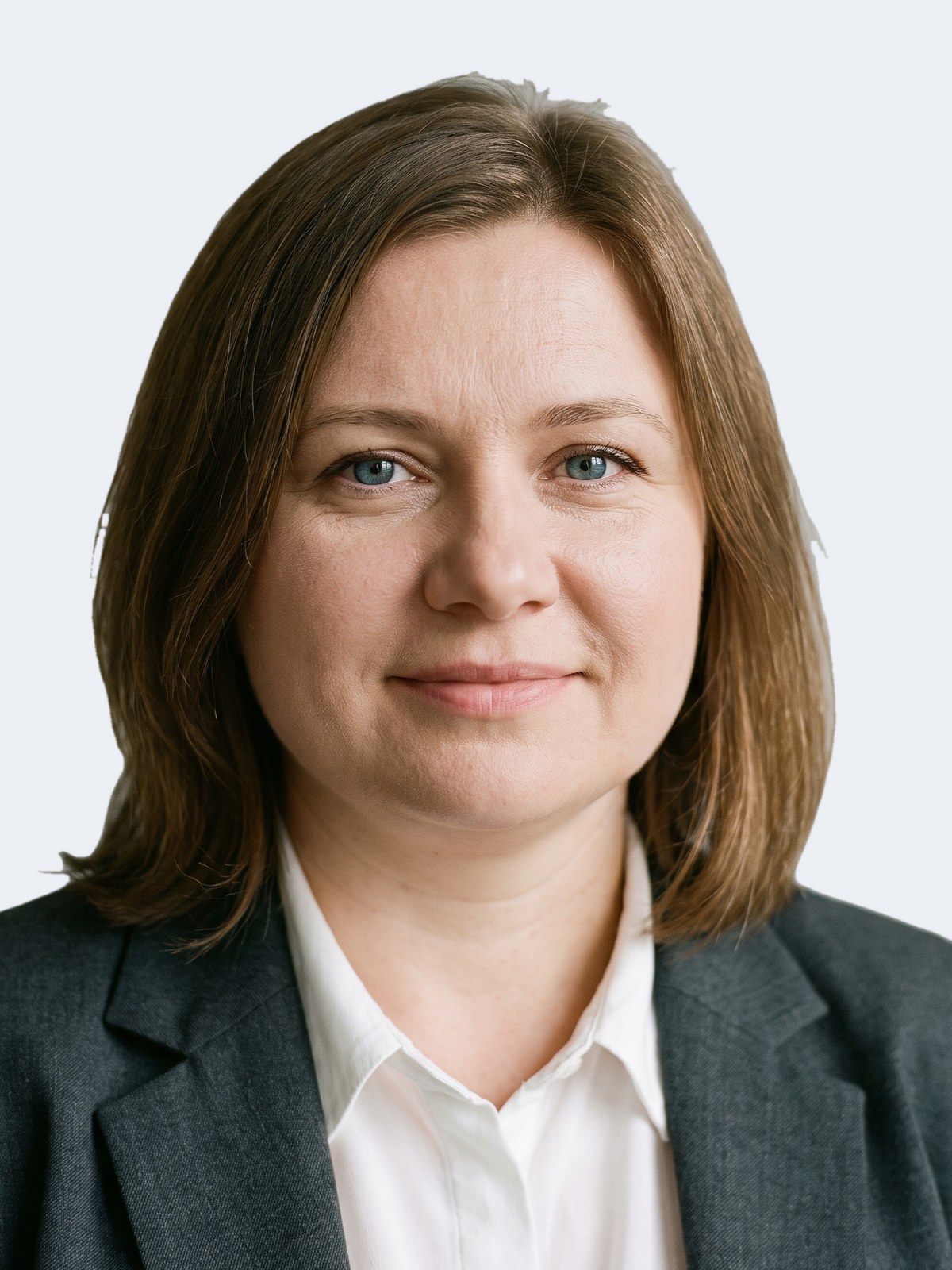 Hanna BergerTrusts and Succession AdvisorCorporate and personal tax position, cross-border transactions
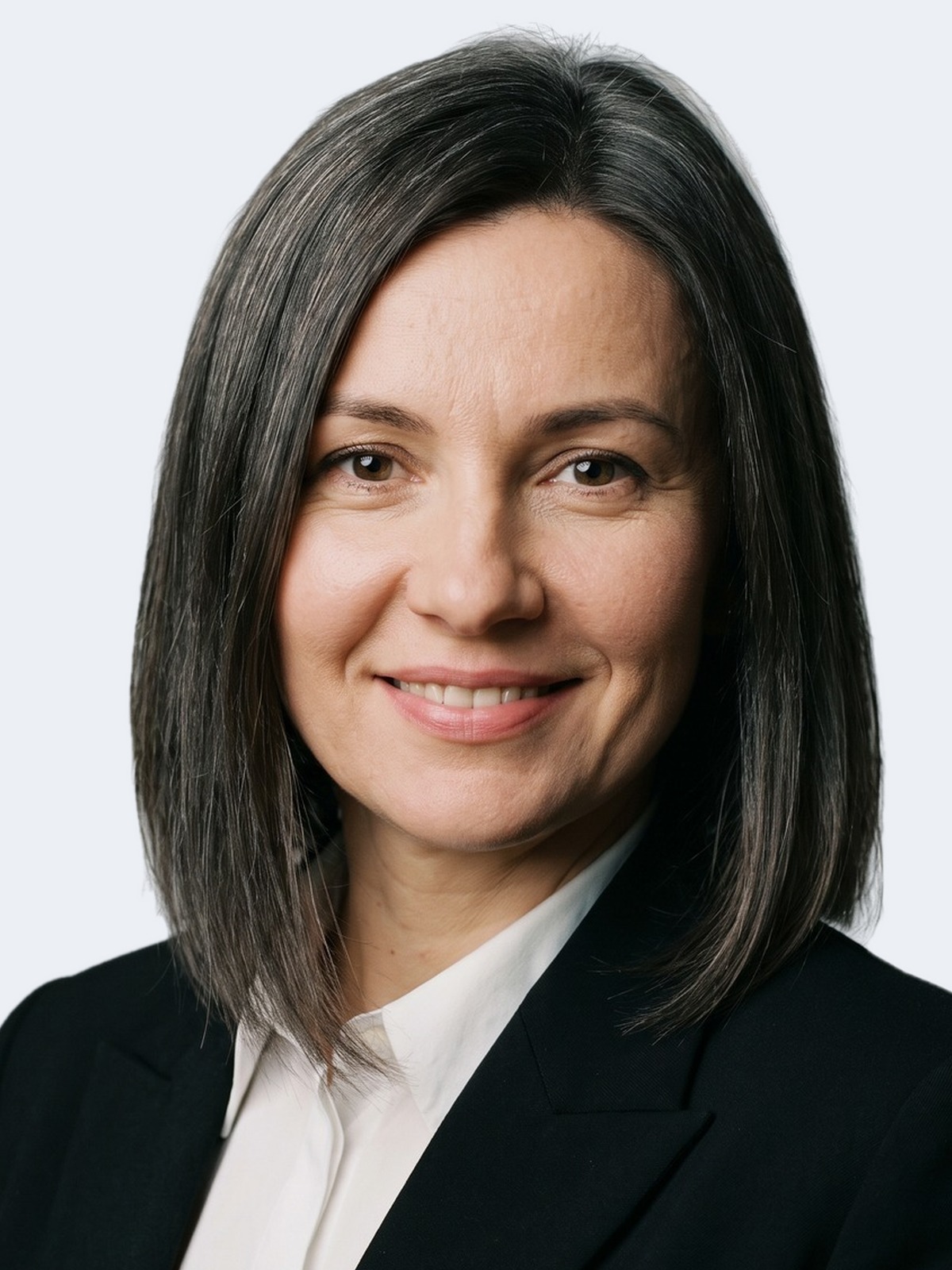 Irena SokolovskaHead of Europe OfficeResidence status for the owner, the family and key employees
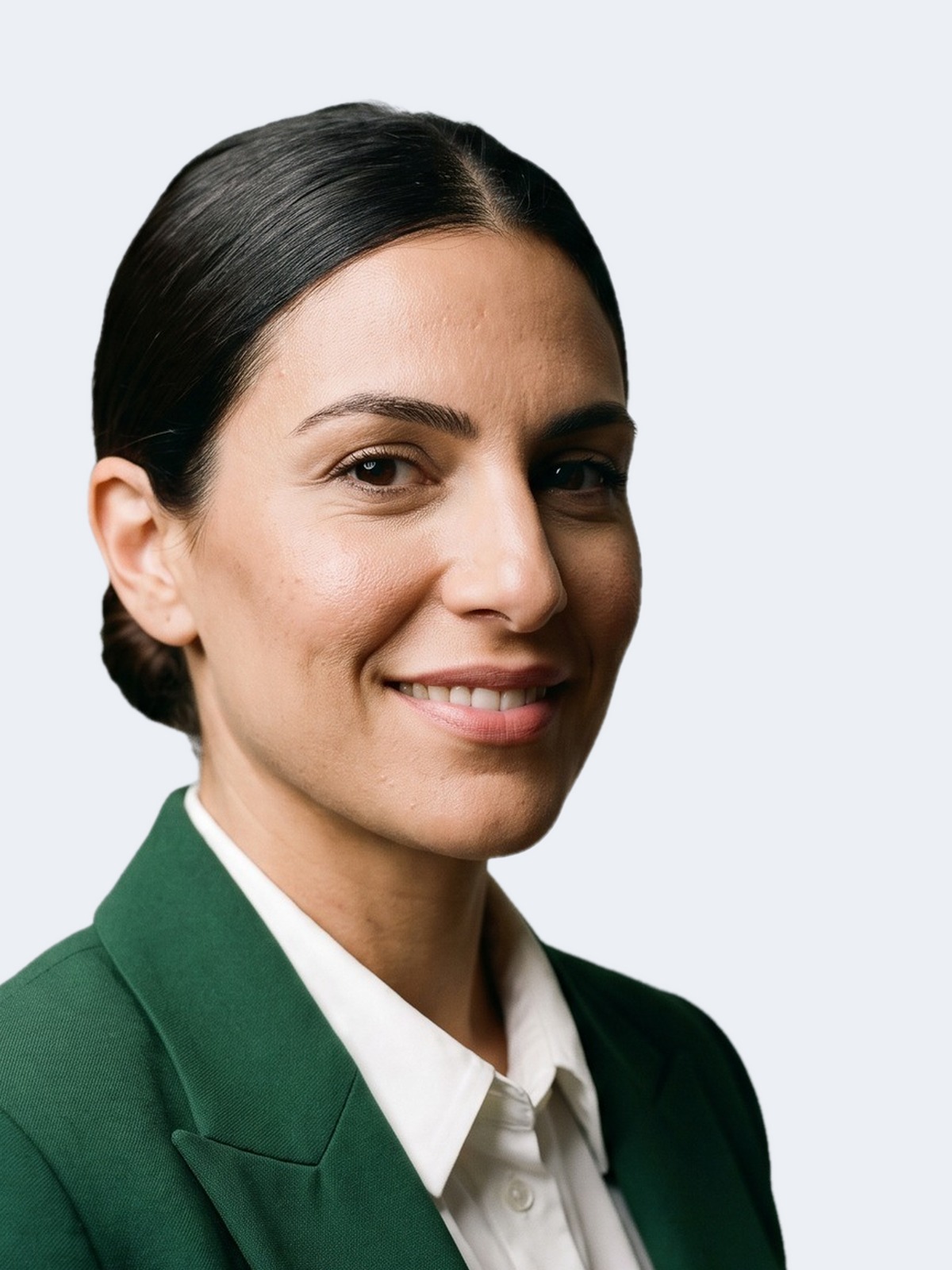 Maria StavruReal Estate AnalystOffice, commercial property and housing in the new country
23 / RELATED SERVICES
What comes with a business relocation
- Company formation
- Setting up the new corporate structure.
- Bank accounts
- Personal and corporate banking infrastructure.
- Source of Funds / Source of Wealth
- Preparation for bank and compliance review.
- Residence and permanent residence
- Status for owners and family members.
- Corporate administration
- Ongoing support of the company after the move.
- Real estate
- Offices, commercial premises and housing for owners.
- Tax residency
- Changing the personal tax position.
- Due diligence
- Checks on companies, counterparties and assets.
24 / QUESTIONS
What clients ask most often about moving a business
It is the move of a company’s legal, banking, operating or management infrastructure to another country. Depending on the situation it may require a new company, the move of an existing structure, a bank, an office, licences, employees and the relocation of the owner.
No. Sometimes the old company remains part of an international group. The decision depends on its functions, obligations, tax position and the future structure of the business.
Some jurisdictions provide for redomiciliation. Whether it is available depends on the law of the country of registration and of the new jurisdiction.
There is no universal jurisdiction. The choice depends on the activity, clients, banks, tax, licences, owners and where the company is actually managed.
No. The bank runs its own AML/KYC and takes a separate decision.
In many countries a business can create grounds for the residence of an owner or director, but the specific conditions depend on the law of the chosen country.
In certain jurisdictions and for certain activities substance requirements are material. The extent of real presence is defined for the specific structure.
They do not pass automatically to the new legal entity. An assignment, a novation, counterparty consent or a new agreement may be required.
A transfer of intellectual property is documented separately and can have corporate and tax consequences.
Yes, where the law of the country allows the relevant immigration and employment status. Each employee is assessed separately.
The timeline depends on the country, the bank, licences, the team and the number of elements being moved. Some steps can run in parallel.
Technically that is often possible. But for a complex international relocation it increases the risk of choosing the wrong jurisdiction or structure.
Not always. That is a separate question and depends on where the person actually lives and on the applicable tax rules.
No. The jurisdiction follows the needs of the business, not a fixed catalogue of countries.
Yes. For example international sales, IP, a holding function or a single operating line.
 A new country has to give the business working infrastructure, not just a new registration
INITIAL ASSESSMENT
Tell us what outcome your family needs
We will design a solution for your case, choose the country and the right status, and take the whole process through to the result.