
Updated

HR-DN

Digital nomad stay

Residency in Croatiathe nomad visa

A status for those who work remotely for foreign companies or their own firm abroad. Income under this status is not subject to Croatian income tax and the stay is granted for up to eighteen months. Income of €3,622 a month has to be evidenced.

  • The conditions are checked against the Croatian Interior Ministry and the Income Tax Act
  • Working since 2004
  • We run the application, the stay and the extension
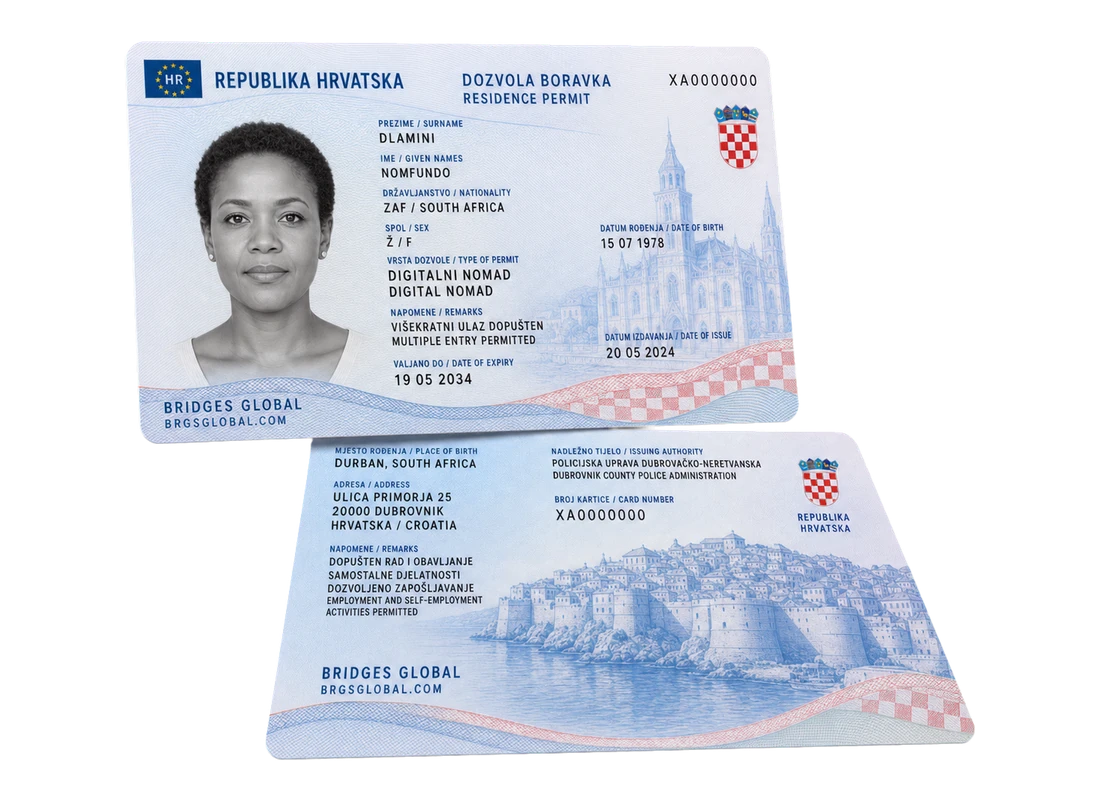
A Croatian residence card under the digital nomad status
No income taxA nomad’s income is not taxed
Up to 18 monthsThe term of the stay
from €3,622 a monthFunds for the applicant

01 / About the program

How the digital nomad status works

Croatia was one of the first in Europe to introduce a separate status for remote professionals. The key difference from its neighbours is the tax exemption: income received under this status from a foreign employer is not subject to income tax.

01

The employer must be foreign

The company must not be registered in Croatia. Working for Croatian employers and providing services to them under this status is not allowed.

02

Funds — 2.5 average salaries

The threshold is calculated from the average net salary for the previous year and comes to €3,622.50 a month. For each family member 10% of the average salary is added.

03

Up to eighteen months

The stay is granted for up to eighteen months. If it is granted for less, it can be extended by a maximum of six months — the application is filed 60 days in advance.

04

A pause before a new application

After the status expires a new application can be filed only six months later. The status is designed for a period of life in the country, not for permanent residency.

02 / What you get

What the status gives you

The income is not taxed

The Income Tax Act expressly exempts receipts obtained under the digital nomad status from a foreign employer.

Life in a Schengen country

Croatia is in the Schengen area: travel around Europe needs no further visas, up to 90 days in every 180.

Eighteen months on one permit

The maximum term is eighteen months with no interim extensions or reissues.

The family alongside

A spouse, a partner and children arrange their stay through family reunification once the main applicant has the status.

The work does not change

Both an employment contract with a foreign company and work through your own firm registered abroad qualify.

The coast and low costs

Split, Zadar, Dubrovnik and Zagreb — developed infrastructure for remote work at costs below Western Europe.

A preliminary assessment

Calculate the budget for your family

Set out who is applying with you. With the calculation you get the full Croatian picture: the funds required, the budget for the move, the timeline and a plan of action.

Who is applying for the stay?

Get the calculation

about a minuteno calls and no obligationsconfidential

  • The full calculation for your family composition
  • The timeline for each stage of the process
  • A plan of action: where to start
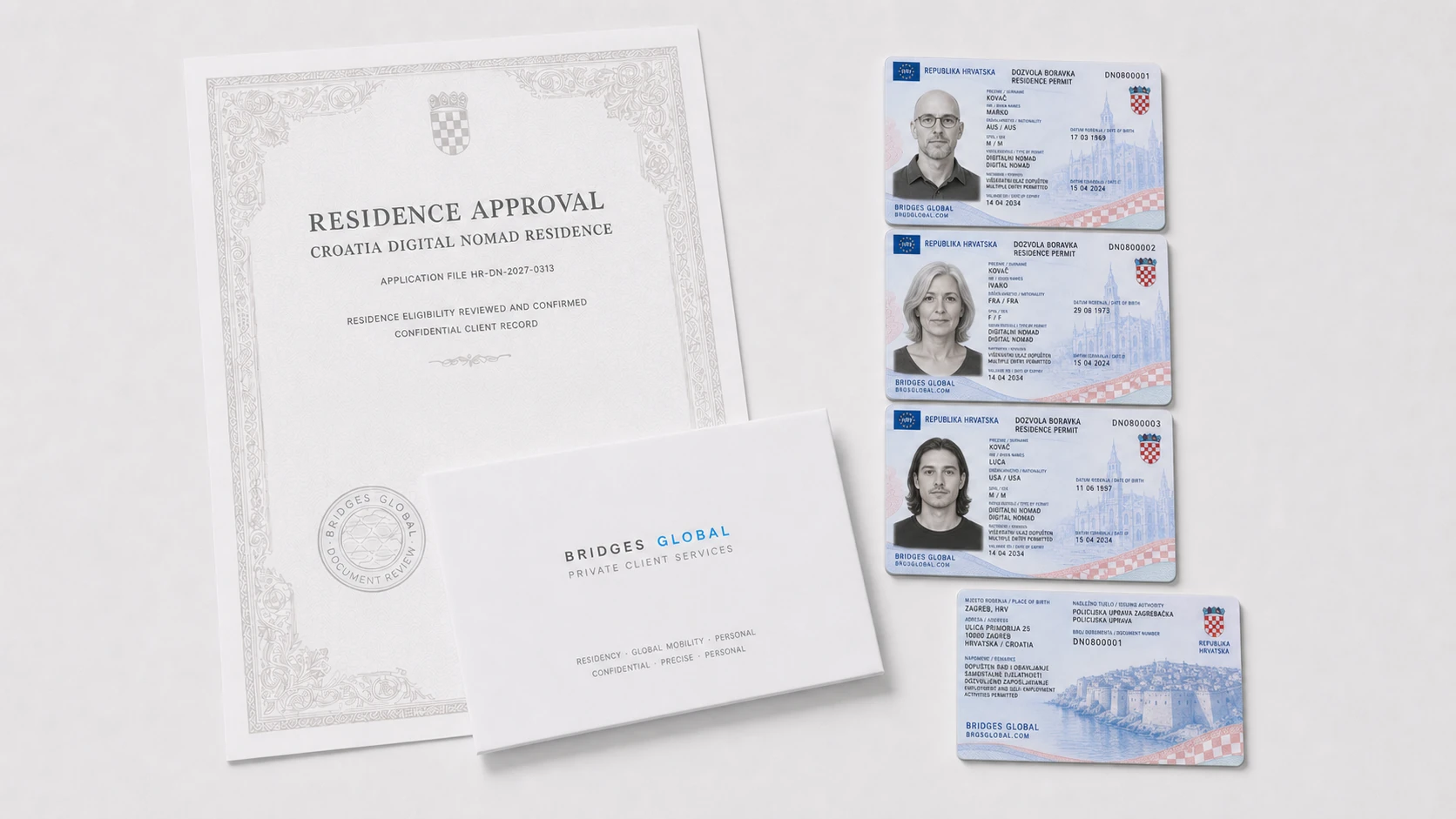
A Croatian residence card and a set of documents

03 / Why people apply

Why people arrange the status in Croatia

Croatia is chosen not as a route to a passport but as a lawful base in the European Union for eighteen months — with a transparent tax regime.

A direct exemption from tax

This is not a concession in practice but a provision of law: income under the digital nomad status does not enter the taxable base.

Schengen and the Adriatic

The country is in Schengen and in the euro area: flights, banks and payments carry no extra complications.

Simple requirements

Income, insurance, a police clearance certificate and proof of work for a foreign company. No quotas and no investment.

A clear threshold

The amount is tied to the average salary and known in advance, and the addition for a family member is only 10%.

The family together

A spouse, a civil partner and children receive a stay through reunification for the same period.

A test of life in Europe

Eighteen months is enough to see whether European life suits you before choosing a programme with a path to permanent residence.

04 / Travel

Where you can travel on the nomad status

Croatia is in the Schengen area and the euro area, so travel around Europe and payments need no further arrangements.

Mode 01

Croatia without limits

Residence, entry and exit for the whole term of the stay granted.

Mode 02

Schengen, 90 days in 180

Travel around the Schengen countries without a visa — up to 90 days in every 180.

Mode 03

Work only for foreign companies

Working for a Croatian employer and providing services to local companies under this status is forbidden.

Mode 04

The rest of the world on your own passport

You travel to third countries on your passport of citizenship: that is what sets the visa regime.

Sources: the Aliens Act of the Republic of Croatia (the stay of digital nomads), article 9 of the Income Tax Act and the Schengen Borders Code (Regulation (EU) 2016/399).

05 / The composition of the application

Who can obtain the status

Family members arrange their stay once the main applicant has the status. Open a row to see the conditions.

  • Remote work for a company outside Croatia
  • Funds from €3,622.50 a month
  • Medical insurance for the whole term of the stay
  • Proof of no convictions
  • A marriage or a civil partnership with three years of living together
  • Adds 10% of the average salary to the funds requirement
  • The application is filed after the main applicant’s status is approved
  • The children of the applicant or the spouse
  • Each adds 10% of the average salary
  • The stay is arranged through family reunification

06 / Cost

What funds have to be evidenced

The threshold is calculated from the average net salary for the previous year: 2.5 salaries for the applicant and 10% for each family member.

A single applicant · 2.5 average salaries

€43,470

≈ $50,000

Evidenced The whole term of the stay

  • €3,622.50 a month by the average net salary for the previous year
  • A bank statement or payslips for the last six months
  • Work for a company not registered in Croatia
  • Insurance for the whole term and a police clearance certificate

The applicant and a spouse · plus 10%

€45,209

≈ $52,000

Evidenced The whole term of the stay

  • For a spouse 10% of the average salary is added — around €145 a month
  • A civil partnership is recognised where the couple has lived together for three years
  • A family member’s application is filed after the applicant’s status is approved
  • The spouse’s stay is arranged through family reunification

A couple with two children · plus 10% for each

€48,687

≈ $56,000

Evidenced The whole term of the stay

  • For each child around €145 a month is added
  • Living together is evidenced by a lease or ownership
  • Insurance is arranged for each family member
  • The family’s stay runs for the same term as the applicant’s

The composition of the application

The main applicant
1
Spouse or partner
0
Minor children
0

The thresholds are given under the requirements of the Croatian Interior Ministry: 2.5 average net salaries for the previous year. The amount is revised together with the statistics. On top of it come the administrative fees, the insurance, the housing and the support. This is a preliminary calculation, not a decision of a state authority.

07 / Comparison

Croatia against the neighbouring nomad visas

The key differences are the tax regime, the maximum term and whether the time counts towards a permanent status.

CroatiaGreeceCyprusSpainPortugal D8
Income requirement€3,622 a month€3,500 a month€3,500 net€2,442 a month€3,680 a month
Tax on a nomad’s incomeNot taxedUnder the general rulesFrom 183 daysA special regimeUnder the general rules
The maximum term18 monthsa year, then 2 years1 year, extension 23 years, extension 22 years, extension 3
The addition per family member10% of the salary20% and 15%20% and 15%75% and 25% of the SMI50% and 30% of the salary
The path to permanent residenceDoes not lead5 years5 years5 years5 years

The thresholds are given as at the date this page was updated; the conditions for each country are set out on its own page.

Full program comparison →

10 / How it works

How the process works

STEP 1

Checking the employment and the income

We go through where the employer or your company is registered and whether the income is evidenced by statements for six months.

STEP 2

The work documents

The employment contract, contracts with clients or the registration of your own foreign company and proof of working through it.

STEP 3

Insurance and certificates

We arrange medical insurance covering Croatia and obtain a police clearance certificate.

STEP 4

Filing the application

The application is filed online, at the police administration for the place of the planned stay, or at a consulate — depending on the visa regime.

STEP 5

Registration and the OIB

After approval we register the place of residence, obtain the OIB identification number and the card.

STEP 6

The family and the extension

We file the family members’ applications for reunification and run the extension if the stay was granted for less than 18 months.

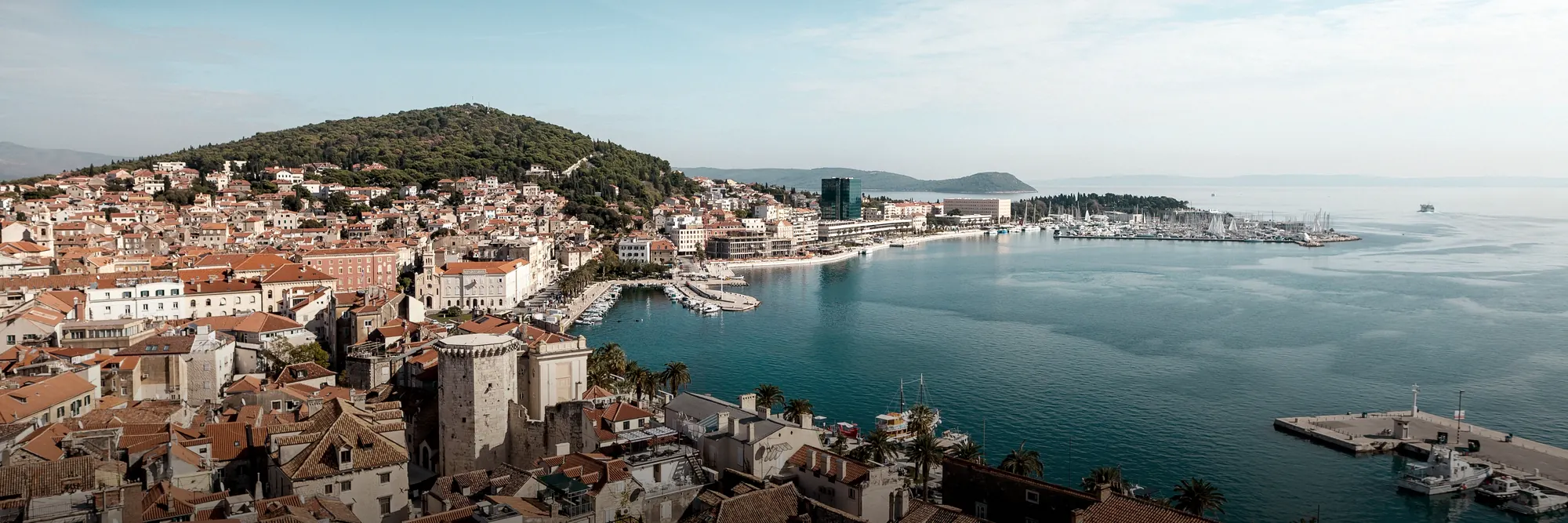
Split and the Dalmatian coast

Eighteen months on the Adriatic with foreign income that is not taxed here.

CroatiaThe European Union and SchengenThe Aliens Act
Go through your situation

11 / Our role

Why people arrange the status with us

Formally there are few requirements, but applications are often returned over the form of the income evidence and the company documents.

01

We prepare the income evidence

Statements or payslips are needed for exactly six months and in the form the authority understands. We check that before filing.

02

We check the structure of the employment

Your own company must be registered outside Croatia, and the work through it evidenced by documents.

03

We run the family applications

A family member’s application filed before the applicant’s status is approved is rejected. We keep the right order.

04

We work out the taxes plainly

The exemption covers income under the digital nomad status. How that sits with the taxes in your own country we go through in advance.

15 / Materials

Useful materials on Croatia

Materials on the digital nomad status: calculating the funds, the documents and the order of filing.

The main materialPresentation

The digital nomad status in Croatia

The presentation gathers the essentials: the requirements as to funds and employment, the documents, the order of filing and the tax regime.

Inside:

  • how much money is required for your family composition
  • which documents evidence work for a foreign company
  • how the income tax exemption works
  • which family members can move with you
  • how and where the application is filed
  • for how long the stay is granted and how to extend it
  • how work with BRIDGES is organised

PDF · free · current as of August 2026

A short check: where the employer is registered, whether the income is enough and whether there are statements for six months.

The list for the applicant and each family member, the insurance and the police clearance certificate included.

We calculate the funds required, the budget for the move, the fees and the support.

All the materials are updated regularly by our team and are used when supporting BRIDGES clients.

16 / News

What matters to know

2026-01-01

The funds threshold was recalculated from the average net salary for the previous year and comes to €3,622.50 a month.

2026-08-12

Article 9 of the Income Tax Act exempts income received under the digital nomad status from a foreign employer.

Worth having

Download the Croatia checklist

The short document we give clients before the start: the funds, the documents, the stages and the timelines.

Inside the document

  • The funds required by family composition
  • What evidences work for a foreign company
  • The current conditions for 2026

We will send it after a short form - no call or obligation.

17 / Questions

Answers to common questions

€3,622.50 a month — that is 2.5 average net salaries for the previous year. For each additional family member 10% of the average salary is added, around €145 a month.

Yes. Article 9 of the Income Tax Act expressly exempts receipts obtained under the digital nomad status from an employer not registered in Croatia. How that sits with the taxes in your country of residency is a separate question.

For eighteen months at most. If less is granted, the extension is filed no later than 60 days in advance and is given for a maximum of six months.

No. After the stay expires a new application can be filed only six months later. The status is designed for a limited period of life in the country.

No. It is a temporary stay and is not designed as a route to permanent residency. If permanent residence is the goal, the statuses of Portugal, Spain or Greece are worth considering.

No. The employer or your own company must not be registered in Croatia, and providing services to local employers under this status is not allowed.

Yes. A spouse, a civil partner with three years of living together and children arrange their stay through family reunification — once the main applicant has the status.

Online, at the police administration for the place of the planned stay, or at a consulate — the order depends on whether you need a visa to enter Croatia.

Yes, the country is in both the Schengen area and the euro area. Travel around Europe is up to 90 days in every 180, and payments are in euro.

There are no restrictions on citizenship, but for citizens of visa countries the application is filed through a consulate and ends with a D visa. We go through the order before filing.

INITIAL ASSESSMENT

Tell us what outcome your family needs

We will design a solution for your case, choose the country and the right status, and take the whole process through to the result.

Or message us on WhatsApp or Telegram

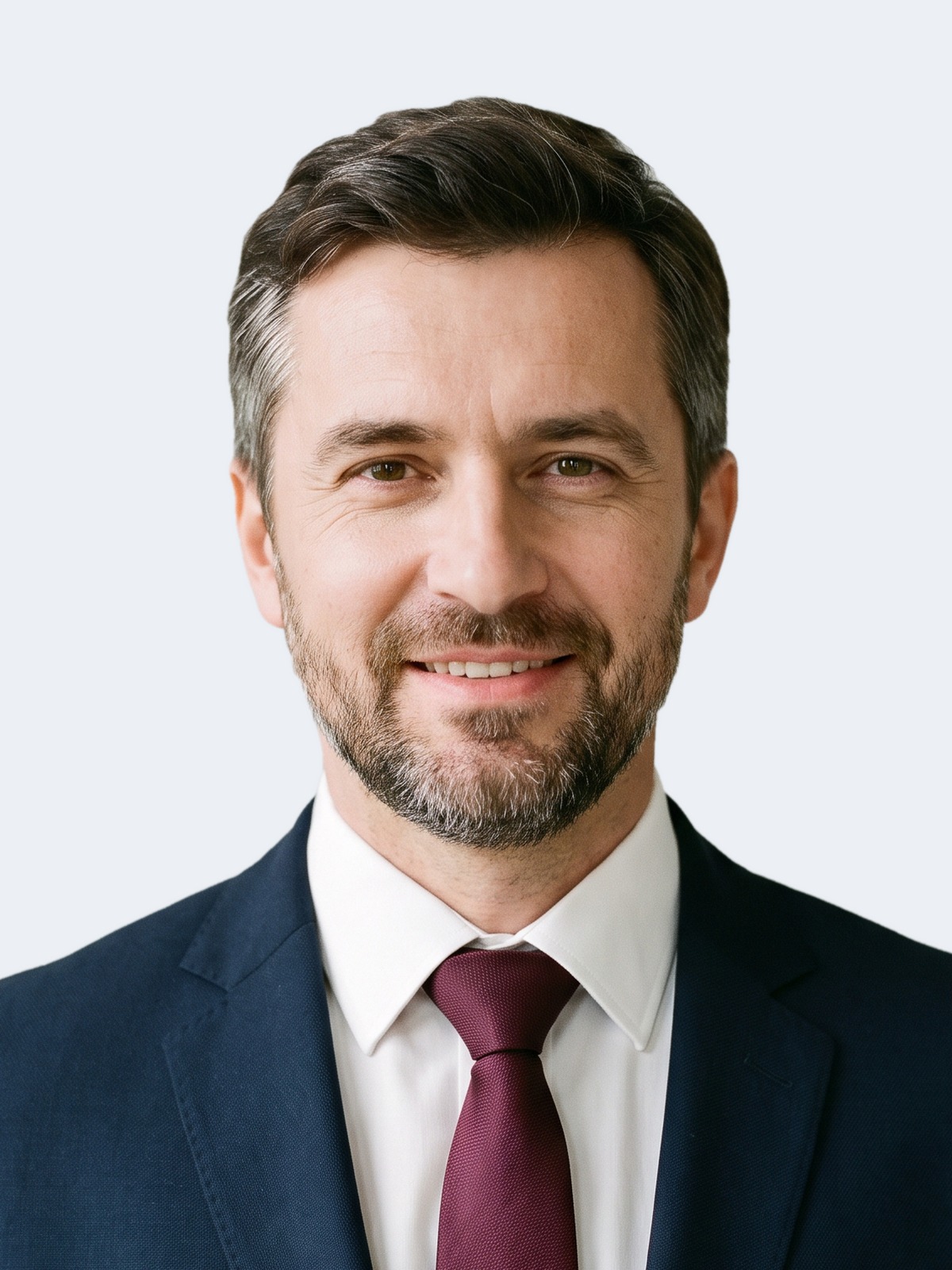
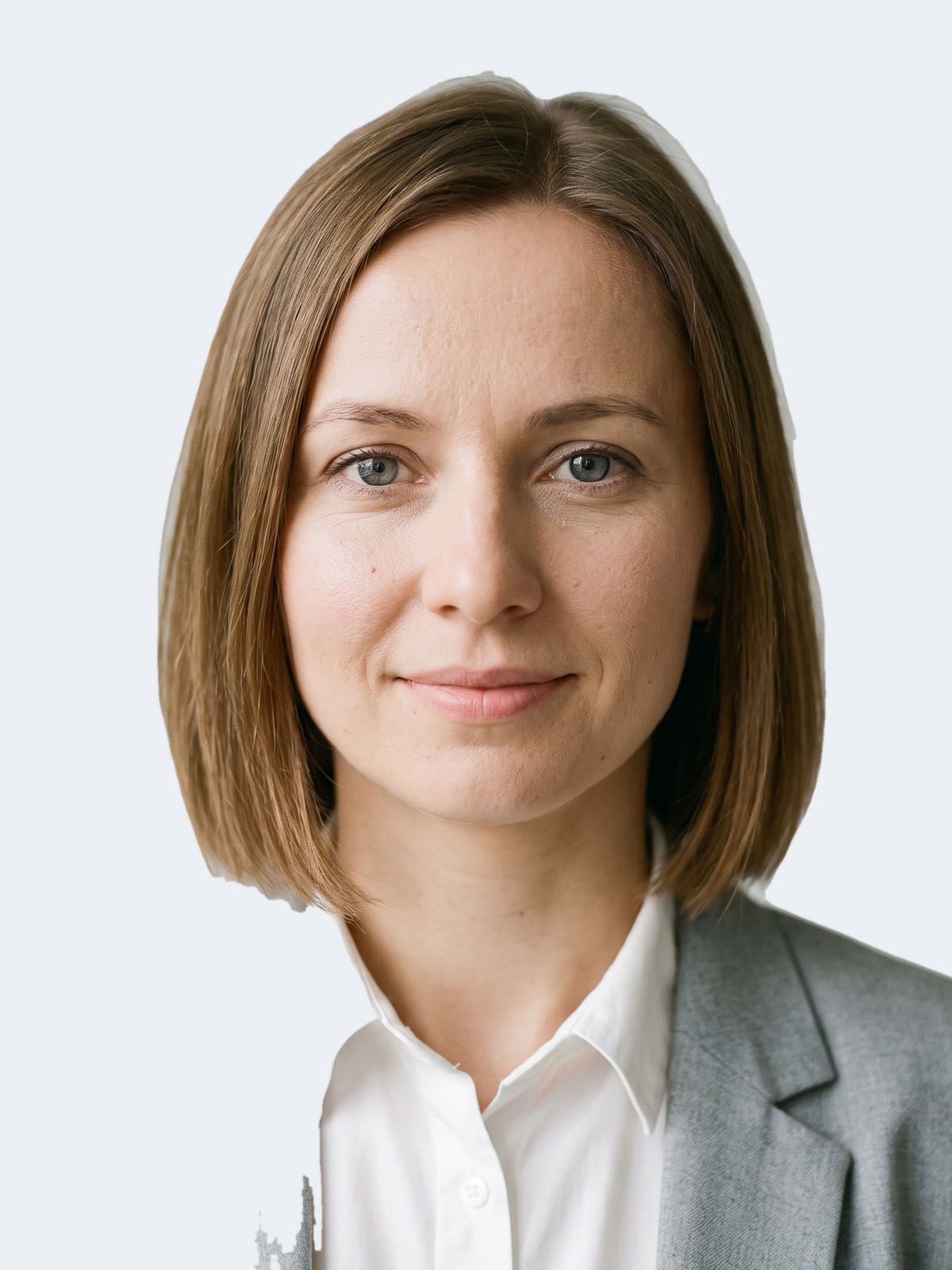
Anna Kovalevskaya, lead lawyer at BRIDGES GLOBAL
Anna KovalevskayaLead lawyer, citizenship and residency, 12 years of practice