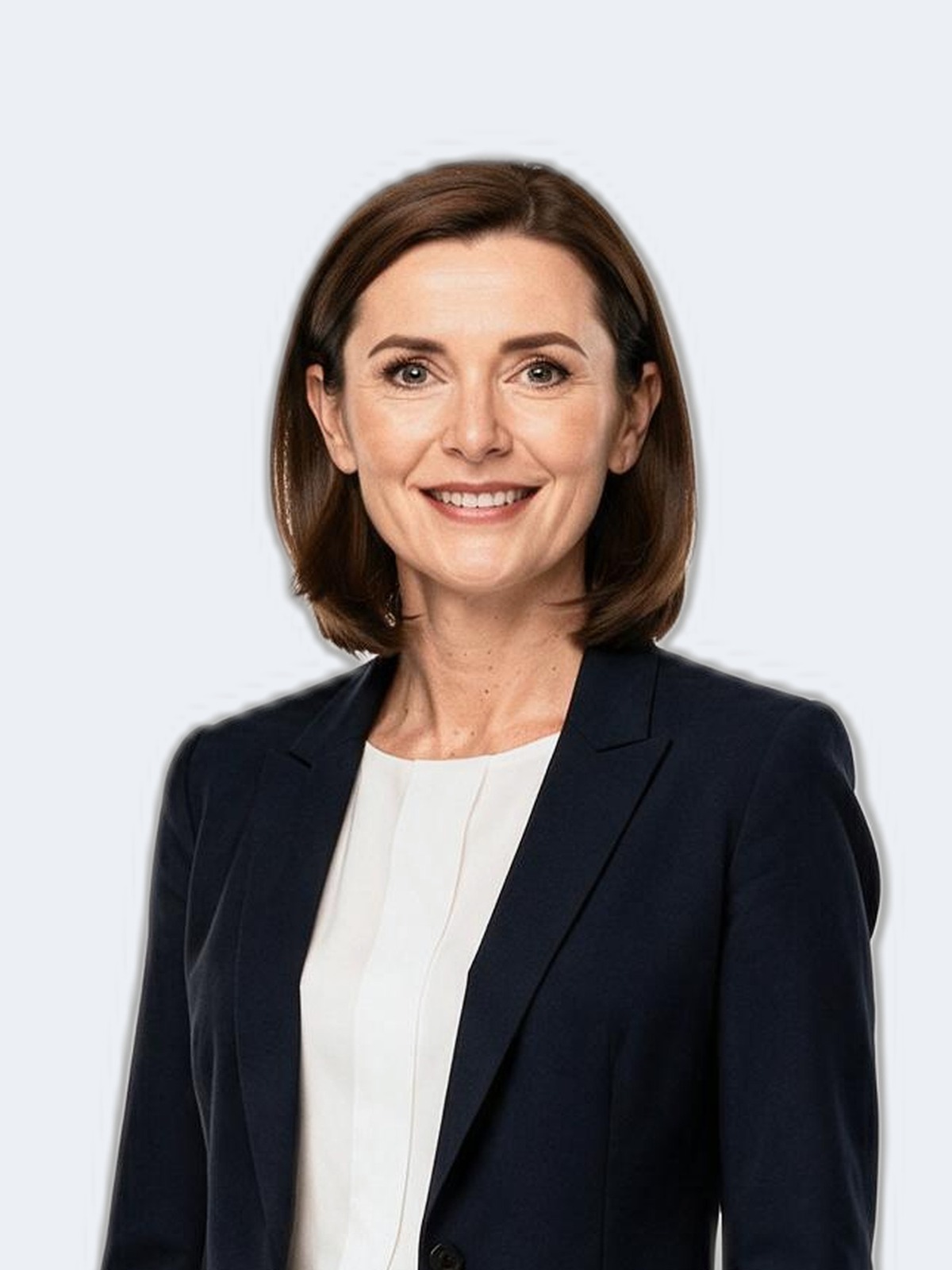
I run European investment immigration matters — residence and permanent residence in Greece, Cyprus, Malta and Hungary, and citizenship by investment — from the first assessment to the status in hand. Twelve years in investment immigration, preceded by fifteen years of corporate practice.
12 yearsin investment immigration, after 15 years in law
BudapestBRIDGES head office
5 jurisdictionsGreece, Cyprus, Malta, Hungary, Bulgaria
4 languagesRussian, English, Hungarian, Polish
Path
How Anna came to this practice
Documents from clients all over the world pass through the legal department: the BRIDGES offices in Dubai, Istanbul, Almaty, Tbilisi and Limassol collect them, and they are checked, translated and assembled into a file here, in Budapest.
1971Nizhny Novgorod
Born in Nizhny Novgorod to an engineer and a history teacher.
1988-1993Nizhny Novgorod
Law faculty of Lobachevsky State University of Nizhny Novgorod, department of private international law. Her thesis dealt with the legal consequences of a change of personal and tax status for a family and its assets.
Fifteen years of corporate practice: real estate and share transactions, advising foreign investors, banking compliance and source of funds. This is where the habit of assembling proof of the origin of capital before anyone asks for it took root.
2008-2010Budapest
A move to Hungary and a master’s degree in European law at Eötvös Loránd University, the oldest university in the country. Her research covered the free movement of capital and people in the European Union and the grounds on which member states grant status to an investor.
Her first investment matter — a Hungarian residence permit for an entrepreneur from Kazakhstan. It began a specialisation she has not left in twelve years.
2014-2019Budapest
European investment programmes: the Greek Golden Visa, permanent residence in Cyprus and Malta, Hungarian residence through a regulated fund. A separate line of work is due diligence and source of funds, where an applicant has something to explain.
2019-2022BRIDGES
Joined BRIDGES to lead the European practice and to build one standard for a case file that holds up in any of those countries. Since 2022 she has headed the legal department: she is responsible for the legal position in every matter and for the internal review before filing.
TodayBudapest
Works from the BRIDGES head office on Szervita Square. Documents from clients around the world pass through her — from Dubai, Istanbul, Almaty and Tbilisi: checking, translation, apostille and legalisation, and assembly of the file to the requirements of a specific programme. She travels regularly to Athens, Valletta and Limassol, where applications are filed in person.
Approach to cases
Six rules that do not depend on the country
Programme rules change; the reasons for refusal repeat year after year. Anna applies these six rules to every matter, whatever the country and the budget.
01Grounds first, budget second
Until it is clear that you meet the programme requirements and how the capital is evidenced, a conversation about amounts is premature.
02Find the weak point before filing
Anything capable of troubling an authority or a bank must be found and explained by us in advance. A problem we find is work; a problem they find is a refusal.
03The money must have a clear history
Due diligence examines not the balance but the path it travelled. Source of funds is assembled with documents before filing, not produced on request afterwards.
04The asset is checked before the deal
The property, the fund or the developer is checked before money moves: encumbrances, disputes, compliance with the programme threshold. Your status must not depend on someone else’s mistake.
05We promise what depends on us
An authority’s timelines are not our timelines. We answer for the quality of the file and for the fact that not a single day is lost through us.
06The family is decided as a whole
A spouse, children, parents, a child due to be born during the process - everyone the status is meant to reach enters the application from the start, rather than being added later.
Situations
What people come with
These are the matters people bring to Anna most often. If your situation looks similar, it is examined at the first meeting, before any expense.
Four matters Anna tells herself. Names are changed; the circumstances are not.
Greece · Investor residence
What the seller did not mention
The client had chosen a property in Athens and was one step from the deal: the price fitted the programme threshold and the seller’s papers looked clean. The title check said otherwise - the property carried a live inheritance dispute the seller had not mentioned. With such a property the application either fails, or succeeds and later collapses, taking the whole family’s status with it.
The point was not only to stop the deal but to keep the timeline: the funds were already in the country and the programme terms were changing. We exited the preliminary contract without loss to the client, found and checked another property in the same district and price bracket within three weeks, and filed on the original schedule.
Where to invest so the capital is not frozen for ten years
The couple were ready to invest EUR 250,000 for a calm European base, but feared two things at once: locking the money away and ending up in a doubtful fund. Which programme is the secondary question here - the instrument is decided first. An apartment looks simpler but ties up capital and needs managing; a regulated fund is more liquid, but funds differ.
We compared the instruments by exit terms, checked the management companies, and together with the clients chose a fund they can leave after five years without losing the status. In parallel we assembled proof of the origin of the money, so that the bank would have no questions after the transfer.
Outcome: Hungarian residence for 10 years, capital kept liquid
In due diligence it is the concealment that kills, not the fact
The client had applied for Maltese permanent residence through another agency. The forms omitted his long-liquidated company with a minor commercial dispute from eight years earlier - through carelessness, not intent. The authority found the discrepancy itself and issued a notice of intent to refuse. There were twenty-one days to reply, and a refusal on that ground closes doors far beyond Malta.
Only getting ahead of it helps here: not arguing with the reviewer, but disclosing everything ourselves, fully and with documents. We prepared a voluntary disclosure and an affidavit, attached the materials of that dispute and showed there had been nothing to hide in the first place. The authority accepted the explanation.
The Cypriot permanent residence matter had stood still for eleven months. The documents were in order, the investment confirmed, no queries had come - the department was simply being reformed and nothing was moving. Local representatives advised waiting. Waiting is the worst decision here: the longer a file sits, the greater the chance that certificates expire before it is reviewed and have to be gathered again.
An administrative body has its own procedural deadlines, and those are binding on the body itself. We prepared a pre-action notice addressed to the Minister of the Interior: with the provisions cited, the delay calculated and the consequences of inaction set out. This is not a fight with the authority but a reminder to it of its own rules - and it almost always works.
Outcome: Approved 14 days after the notice was filed
Two reviews of working with Anna, and the shared showcase of BRIDGES client reviews linked to real matters.
«We were choosing between an apartment and a fund and, frankly, expected to simply be sold the more expensive one. Instead Anna laid out both instruments by exit terms and risks and said plainly where the capital would be tied up. What we valued separately is that the source of funds was assembled in advance, before the transfer - the bank later asked not a single question. The status came within the promised timeline.»
«Our matter had been stuck with the authority for almost a year and everyone advised us to wait. Anna proposed something else and explained which rules it rested on. I appreciated that she separated things clearly: this depends on us, that depends on the state, and we cannot control the second - but we can require deadlines to be observed. Two weeks after the notice the case was approved. A calm, legally precise approach, with no promises and no pressure.»
Materials from the BRIDGES knowledge base written by Anna: reviews of investment programmes, thresholds and timelines, document requirements, reasons for refusal and country comparisons. The library keeps growing - filter by section or search the titles.