
Updated: June 2026

Case study · Malta · Tax

How We United a Common-Law Family intoa Single MPRP Application via Affidavit

A family can be real even without a passport stamp - but bureaucracy requires documentation. Elena and her partner live in a common-law marriage, and the Maltese agency RMA refused to accept the common-law spouse and children in a single MPRP application, demanding an official marriage certificate. There was a risk of splitting the case into separate applications, which would have doubled the budget. We explain how, through paternity establishment based on birth certificates and bilateral Affidavits, we united the family into one application.

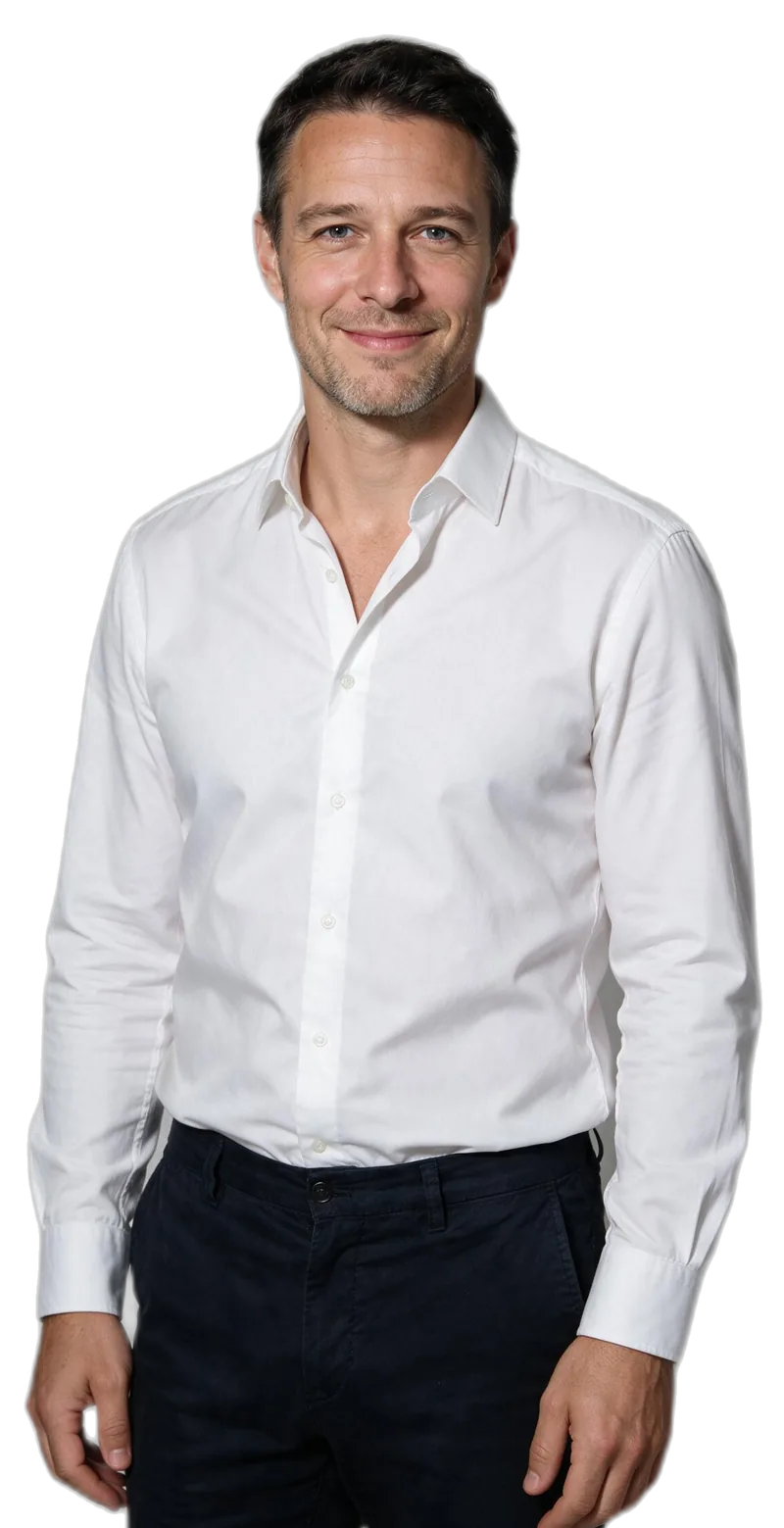
Sergey EvdokimovSergey EvdokimovManaging Partner, BRIDGESReading time8 min readVerificationReviewed by an expert

This case is based on a real matter. The name and certain identifying details have been changed to protect confidentiality.

BRIDGES client story - How We United a Common-Law Family into a Single MPRP Application via Affidavit
Contents

Case at a glance

Situation, solution and outcome in seven lines

Clients
Elena and her common-law partner with children
Composition
couple and biological children
Program
Malta, Permanent Residence (Malta Permanent Residence Programme)
Problem
RMA does not accept common-law spouse without marriage certificate
Risk
case division and budget doubling
Solution
paternity establishment and bilateral Affidavits
Outcome
family united in a single application

Client story

Client Story

Where they started

Elena and her partner have been together for many years, they have biological children and a shared household - a family by any human measure. They simply lack an official stamp in their passport: they live in a common-law marriage, as do millions of couples. For them, this has always been normal.

Why the standard route did not work

Bureaucracy viewed it differently. When the family applied for Malta's permanent residence through MPRP as a single application, RMA refused to accept the common-law spouse and children in the joint case, demanding an official marriage certificate. In the system's eyes, without the stamp, the partner is a stranger, not a family member.

What BRIDGES had to solve

The consequence was not only offensive but also expensive. Without consolidation, the case would have had to be split into separate applications - essentially filing two applications instead of one. This meant doubling the budget and bureaucratic burden, all because the couple lacked a single document they fundamentally refused to obtain.

Why a standard answer would not do

Elena approached BRIDGES with a paradoxical question: how to prove to the state that a family is a family without a marriage certificate. We needed to find the legal language by which factual relationships become recognized ones.

We've been together for many years, we have biological children - what difference does a stamp make? But for RMA, my husband without a certificate is a stranger, and they wanted us to pay twice for two separate applications. Sergey and his team found a lawful way to consolidate us into one application, without a fictitious marriage.


Elena · ElenaThe name and certain identifying details have been changed to protect confidentiality.

What Was at Stake

What Was at Stake

Bureaucracy recognizes families based on documents, not on the fact of shared life. Without a marriage certificate, the partner falls out of the joint application, and the system offers an expensive workaround - case division. The solution is to give factual relationships a legal form.

RMA's refusal to include the common-law spouse in the joint application;

  1. 01case division into separate applications and budget doubling;
  2. 02dual bureaucracy and timelines instead of a single case;
  3. 03risk that children would be legally tied only to one parent in the application;
  4. 04the feeling that the real family would not be recognized by the system.

The logic of the solution

How the matter progressed: from checks to result

The chart is built from the facts of this matter and shows the logic of the work without decorative or unverified data.

  1. 01
    Stage 1

    We analyzed the family composition and determined which connections needed to be legally documented.

  2. 02
    Stage 2

    Through children's birth certificates, we established paternity, linking both parents through their common children.

  3. 03
    Stage 3

    We prepared bilateral affidavits confirming the couple's cohabitation and common household.

  4. 04
    Stage 4

    We compiled a documented chain of kinship understandable to the Maltese agency.

  5. 05
    Stage 5

    We submitted the family as a unified application to MPRP, substantiating the composition without a marriage certificate.

Takeaway. For Elena and her partner, this was not only a financial solution but also substantive recognition: their actual family received legal form without the need for a fictitious marriage. The children were correctly linked to both parents in the case.

How we solved the issue

How we solved the issue

The work was split into verifiable stages so that every conclusion rested on documents.

  1. 01

    Stage 1

    We analyzed the family composition and determined which connections needed to be legally documented.

  2. 02

    Stage 2

    Through children's birth certificates, we established paternity, linking both parents through their common children.

  3. 03

    Stage 3

    We prepared bilateral affidavits confirming the couple's cohabitation and common household.

  4. 04

    Stage 4

    We compiled a documented chain of kinship understandable to the Maltese agency.

  5. 05

    Stage 5

    We submitted the family as a unified application to MPRP, substantiating the composition without a marriage certificate.

  6. 06

    Stage 6

    We guided the RMA review, removing objections and preventing case fragmentation.

Expert comment

This was a case demonstrating that family is not a stamp, but real connections that must be properly documented. RMA is right in its own way: without documentation, it sees unrelated individuals. But a fictitious marriage is not a solution—it is a risk. We took the legal path: paternity through children's birth certificates and bilateral affidavits of cohabitation. This way, the actual family became legally recognized, and we consolidated everyone into one case, saving our clients both budget and stress.

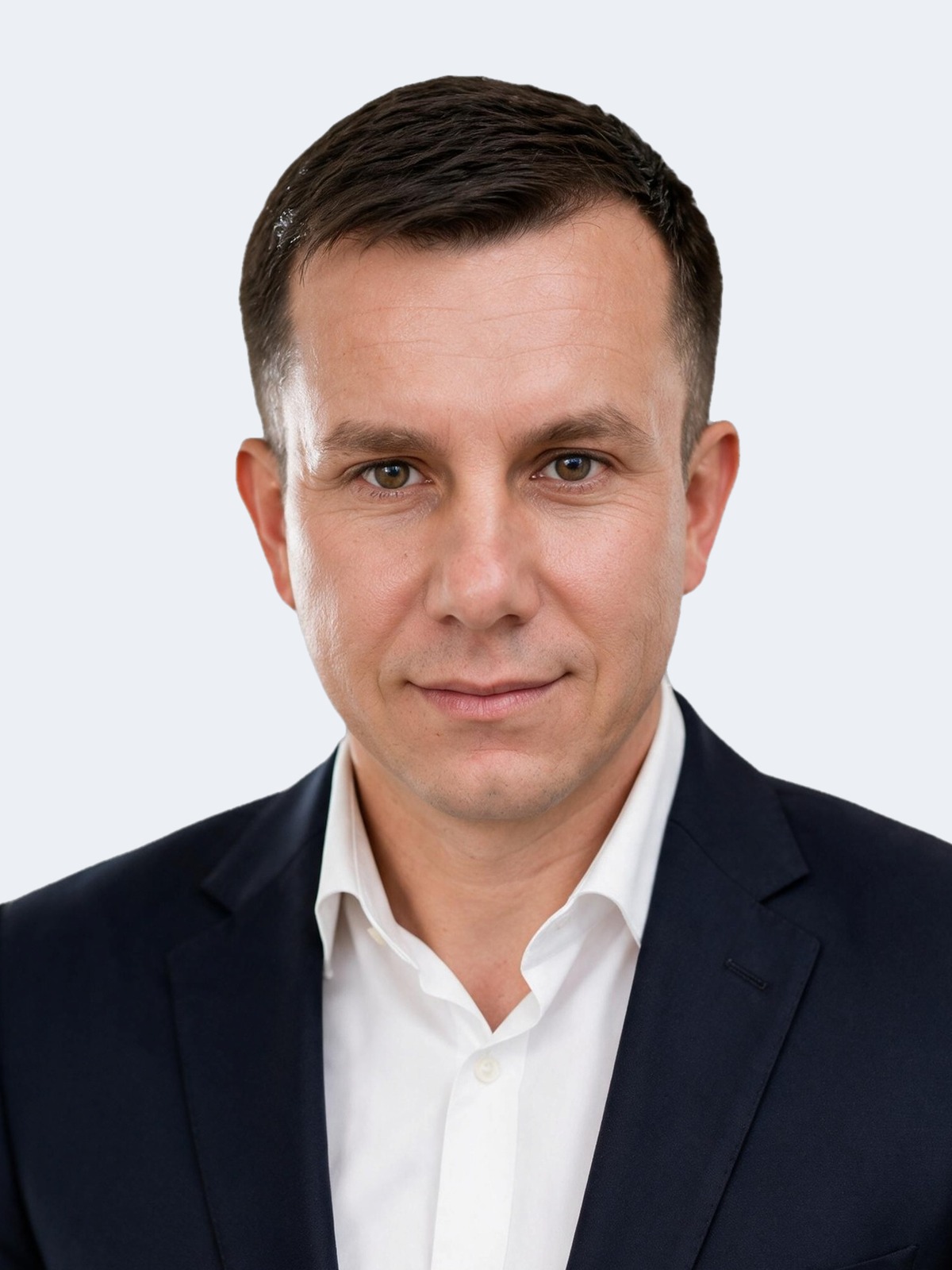
Sergey Evdokimov, Managing Partner, BRIDGESSergey EvdokimovManaging Partner, BRIDGES

Outcome

What the client received

Indicator
Before · After
De facto spouse
Not accepted by RMA · Included in application
Children
Attachment to one parent · Linked to both parents
Case
Risk of fragmentation · Unified application
Budget
Threat of duplication · Preserved
Budget
Threat of duplication · Preserved

The family was consolidated into a single MPRP application: paternity establishment and bilateral affidavits gave RMA legal grounds to recognize the de facto spouse and children as a unified composition. Case fragmentation and budget duplication were avoided.

Practical takeaway

What matters in a similar situation

  • For Elena and her partner, this was not only a financial solution but also substantive recognition: their actual family received legal form without the need for a fictitious marriage. The children were correctly linked to both parents in the case.
  • This case demonstrates that the absence of a marriage certificate is not a death sentence for a family application. Real connections can be legally documented, and the system will then recognize the family as it actually is.

FAQ

Questions people ask in a similar situation

01Can a de facto spouse be included in MPRP?

RMA does not directly accept a partner without a marriage certificate. However, a family can be consolidated through legal instruments—paternity establishment and bilateral affidavits.

02What do children's birth certificates prove?

They establish paternity and connect both parents through common children, creating a documented chain of kinship.

03What is an Affidavit in this case?

These are notarized declarations confirming cohabitation and shared household of a couple - a legal instrument for documenting de facto relationships.

04Is this a fictitious marriage?

No. We are not simulating a marriage, but rather documenting real relationships through lawful instruments. Fictitious marriage is a risk we avoid.

05Why consolidate the family into a single application?

To avoid fragmenting into separate applications, which doubles the budget and processing timelines, and to ensure children are correctly linked to both parents.

06Living in a common-law marriage, but the agency will not accept the family as a single application?

We will document your family relationships through lawful instruments - paternity establishment and Affidavit - and consolidate the family into a single Permanent Residence application for Malta without fictitious marriage.

About the author

Sergey Evdokimov

Author: Sergey Evdokimov

Managing Partner, BRIDGES

As Founder and Managing Partner of BRIDGES, I am responsible for the firm's strategy and personally lead its most complex client matters, including cases in which citizenship or residence decisions require a strategic view and consideration of capital.

I begin by defining the objective: the outcome the client needs, the facts that affect the choice, and the matters that require further review. I then establish the available directions, the sequence of work, and the key decision points.

Once the strategy has been agreed, I oversee the BRIDGES team's key decisions and remain involved at the stages that shape the course of the matter. The purpose is to give the client a clear rationale for the chosen direction and a precise understanding of the next steps.

Prepared on the basis of BRIDGES practice and reviewed by a subject-matter expert.

Discuss your situation with Sergey

We will review your situation and propose a solution

Describe your task in a few words. We will study your situation, assess the legal and practical options and propose the next step based on your goals, documents and country.

Confidential · no obligations · answered by the relevant specialist

Or message us on WhatsApp or Telegram

Dmitry NagyInternational Tax Consultant, BRIDGES
Dmitry Nagy, International Tax Consultant, BRIDGES

Names and certain details have been changed to protect client confidentiality. The result described reflects one specific situation and is neither a public offer nor a guarantee of a similar outcome. Programme terms are stated as of 2026 and may change - please confirm current parameters with a BRIDGES consultant.