Updated: June 2026

Case study · Turkey · Citizenship

How an Elderly Investor Protected His Children'sInheritance Through Turkish Citizenship

For an elderly person, a second passport is often not about themselves, but about ensuring their children receive their accumulated assets without complications. Semyon Mikhailovich, an investor of advanced age, was not frightened by property ownership in Turkey itself, but by what would happen to it afterward: inheritance rules for foreigners are strict and complex. We explain step-by-step how, through citizenship and a villa in Bodrum, we transferred his family under Turkish inheritance law and ensured direct asset transfer to his children.

Anna KovalevskayaAnna KovalevskayaHead of Legal, BRIDGESReading time9 min readVerificationReviewed by an expert

This case is based on a real matter. The name and certain identifying details have been changed to protect confidentiality.

BRIDGES client story - How an Elderly Investor Protected His Children's Inheritance Through Turkish Citizenship
Contents

Case at a glance

Situation, solution and outcome in seven lines

Client
Semyon Mikhailovich, approximately 73 years old, private investor
Concern
What will happen to the Turkish property after him
Problem
Strict inheritance rules for foreign nationals
Program
Turkey, Citizenship by Investment
Instrument
Citizenship through a villa in Bodrum
Solution
Transfer the family under Turkish inheritance law for direct asset transfer
Result
Inheritance protected, passport obtained, and security provided for his children

Client story

Client's Story

Where they started

Semyon Mikhailovich has long lived by the investor's logic: capital should work and smoothly transfer to his children. Turkey attracted him for its real estate, but one question stopped him—one rarely considered at the outset—inheritance. What happens to the villa or apartment when he passes? How will his children obtain it?

Why the standard route did not work

And the question is not simple. Inheritance of real property in Turkey for foreign nationals is regulated strictly with its own nuances: Turkish law applies, restrictions and complications are possible, and transfer to foreign heirs is more difficult, lengthy, and bureaucratically burdensome. For an elderly person who wants to leave his children an asset, not a headache, this is a serious risk.

What BRIDGES had to solve

The key idea was that citizenship changes the entire framework. When both the owner and his family are Turkish citizens, the property and its inheritance exist within Turkish civil law as for nationals, not as for foreigners. This simplifies and makes predictable the direct transfer of assets to children.

Why a standard answer would not do

Semyon Mikhailovich approached BRIDGES not for a passport for its own sake, but for peace of mind: so that the villa he would purchase would definitely and without difficulties go to his children. The task was not only to obtain status, but to properly structure ownership and inheritance.

At my age, you don't think about yourself, but about your children: so they receive what you've built without complications. I was frightened by how, as a foreigner, to leave real property in Turkey—the inheritance rules there are severe. Anna explained: obtain citizenship—and you and your family will be treated under Turkish law as nationals, transfer to children will be direct and clear. We registered a villa in Bodrum, obtained citizenship, and structured inheritance. Now I am at peace about my children—they will receive an asset, not a problem.

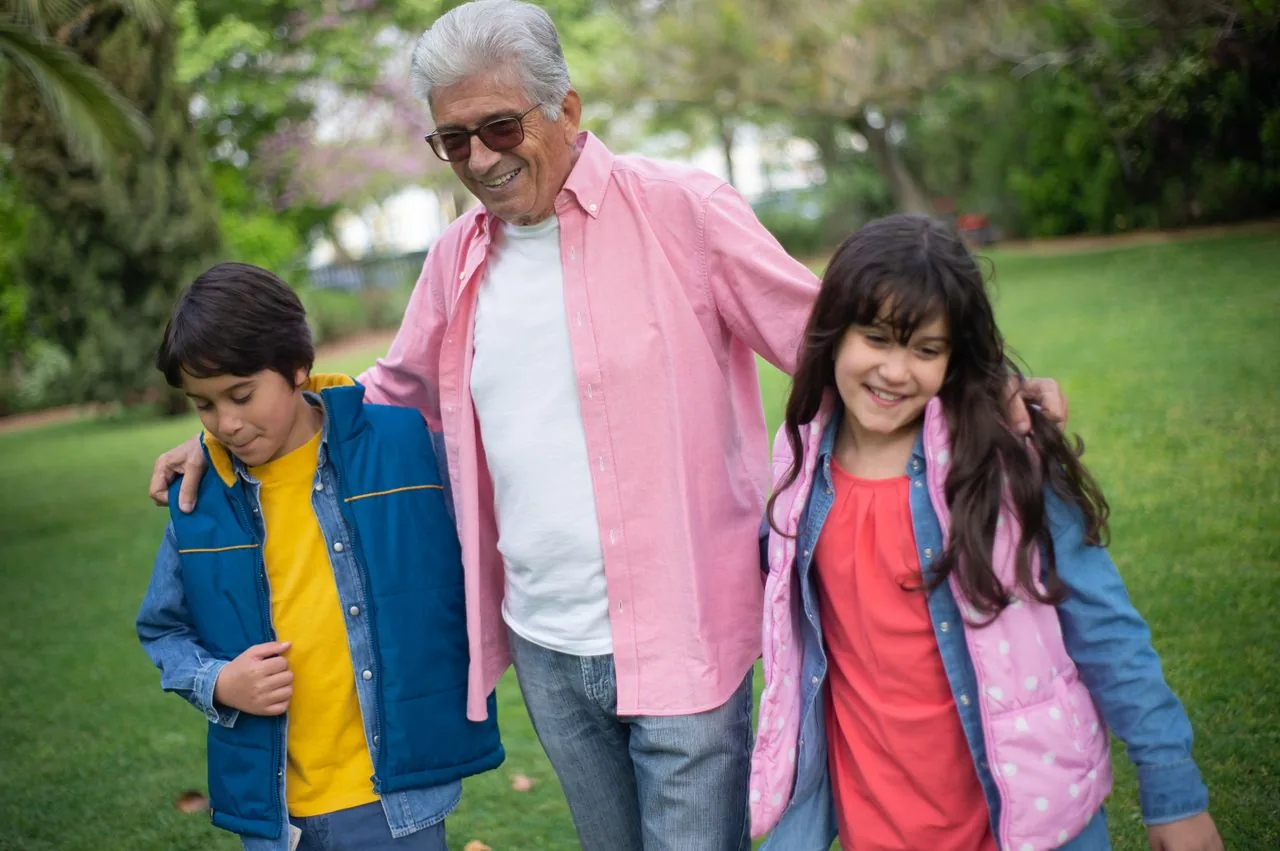
Semen, 73 · Semyon Mikhailovich, private investorThe name and certain identifying details have been changed to protect confidentiality.

What Was at Risk

What Was at Risk

For an elderly property owner, the main concern is not the property itself, but its transfer to children. Inheritance of Turkish real property by foreign nationals is regulated strictly: Turkish law applies, possible restrictions exist, and transfer to foreign heirs is more complex and lengthy. Citizenship changes the framework—the family inherits as nationals.

Inheritance by foreign nationals under strict and complex rules;

  1. 01Transfer to children is more difficult, lengthy, and bureaucratically burdensome;
  2. 02Risk of restrictions for foreign heir beneficiaries;
  3. 03Children receive a headache, not an asset;
  4. 04Property exists, but peace of mind regarding its transfer does not.

The logic of the solution

How the matter progressed: from checks to result

The chart is built from the facts of this matter and shows the logic of the work without decorative or unverified data.

  1. 01
    Stage 1

    We started with the actual goal - not status, but inheritance. Semyon Mikhaylovich came with concerns about his children, and we built the solution from that concern, not from a passport. We immediately determined: the goal is for the real estate to transfer to heirs guaranteed and straightforwardly. This shifted the focus from "which program to choose" to "how to structure ownership and transfer."

  2. 02
    Stage 2

    We explained the difference in inheritance for foreigners and nationals. The complexity was that Semyon Mikhaylovich did not know how differently foreigners and nationals inherit. We laid this out in simple terms: foreign heirs face more difficult transfer with restrictions, while the family of nationals inherits as nationals do. This demonstrated that citizenship directly addressed his concern.

  3. 03
    Stage 3

    We selected a villa in Bodrum as a clean qualifying investment. We identified and verified a villa that, on one hand, provided grounds for citizenship and, on the other, was a convenient, liquid asset for transfer to children. We verified the property for legal clarity to avoid encumbrances that would complicate both status and inheritance.

  4. 04
    Stage 4

    We obtained citizenship for the entire necessary part of the family. For inheritance to proceed as nationals, both the owner and heirs needed to hold Turkish citizenship status. We included family composition in our strategy so children would also be protected by Turkish law rather than remain as foreign heirs of a citizen father.

  5. 05
    Stage 5

    We structured ownership and transfer under Turkish law. Upon obtaining citizenship, we registered ownership of the villa so that direct transfer to children would be predictable within Turkish inheritance law. Precision is important here: status itself helps, but ownership and inheritance must be structured in advance, not left for later.

Takeaway. Conclusion: for the older generation, a passport is a tool for protecting inheritance. Citizenship places the family under Turkish law as nationals and makes real estate transfer to children predictable, but ownership must be structured in advance.

How we solved the matter

How we solved the matter

The work was split into verifiable stages so that every conclusion rested on documents.

  1. 01

    Stage 1

    We started with the actual goal - not status, but inheritance. Semyon Mikhaylovich came with concerns about his children, and we built the solution from that concern, not from a passport. We immediately determined: the goal is for the real estate to transfer to heirs guaranteed and straightforwardly. This shifted the focus from "which program to choose" to "how to structure ownership and transfer."

  2. 02

    Stage 2

    We explained the difference in inheritance for foreigners and nationals. The complexity was that Semyon Mikhaylovich did not know how differently foreigners and nationals inherit. We laid this out in simple terms: foreign heirs face more difficult transfer with restrictions, while the family of nationals inherits as nationals do. This demonstrated that citizenship directly addressed his concern.

  3. 03

    Stage 3

    We selected a villa in Bodrum as a clean qualifying investment. We identified and verified a villa that, on one hand, provided grounds for citizenship and, on the other, was a convenient, liquid asset for transfer to children. We verified the property for legal clarity to avoid encumbrances that would complicate both status and inheritance.

  4. 04

    Stage 4

    We obtained citizenship for the entire necessary part of the family. For inheritance to proceed as nationals, both the owner and heirs needed to hold Turkish citizenship status. We included family composition in our strategy so children would also be protected by Turkish law rather than remain as foreign heirs of a citizen father.

  5. 05

    Stage 5

    We structured ownership and transfer under Turkish law. Upon obtaining citizenship, we registered ownership of the villa so that direct transfer to children would be predictable within Turkish inheritance law. Precision is important here: status itself helps, but ownership and inheritance must be structured in advance, not left for later.

  6. 06

    Stage 6

    We provided the client with peace of mind and the children with an asset. Semyon Mikhaylovich obtained citizenship and a villa, and his family gained protected, predictable inheritance. The primary goal he sought was fulfilled: the children will receive a ready asset, not a bureaucratic ordeal.

Expert comment

Elderly clients come to me with the most human concern - not about themselves, but about their children: that they receive what was built without suffering. Semyon Mikhaylovich's fear was specific: inheritance of Turkish real estate by foreigners is rigid and convoluted. I explain to such clients the key point: citizenship changes the framework. When both the owner and heirs are citizens, real estate is inherited as nationals inherit it - straightforwardly and predictably. We selected a villa in Bodrum both as grounds for a passport and as a convenient asset for transfer, included the necessary family members in protection, and structured ownership under Turkish law in advance, not later. For me, each such case is about a parent's peace of mind regarding their children's future. Semyon Mikhaylovich obtained it: the children will receive an asset, not a problem.
Anna Kovalevskaya, Head of Legal, BRIDGESAnna KovalevskayaHead of Legal, BRIDGES

Outcome

What the client received

What was required
How we accomplished it · Result
Protect children's inheritance
Citizenship for the family · Inheritance as nationals inherit
Clean transferable asset
Villa in Bodrum, verified · Foundation + liquid property
Family under Turkish law
Included necessary composition · Children protected
Property owner's peace of mind
Ownership structured in advance · Predictable transfer
Property owner's peace of mind
Ownership structured in advance · Predictable transfer

The situation: an elderly investor was concerned that transferring Turkish real estate to his foreign heirs would be difficult and risky. What we did: started from the actual goal - protecting the inheritance, not the status; explained the difference in inheritance for foreigners and nationals; identified and verified a villa in Bodrum as a clean asset and foundation; obtained citizenship for the necessary family composition; structured ownership and transfer under Turkish law in advance. What the client obtained: citizenship, a villa, and protected direct inheritance for his children.

Practical takeaway

What matters in a similar situation

  • Conclusion: for the older generation, a passport is a tool for protecting inheritance. Citizenship places the family under Turkish law as nationals and makes real estate transfer to children predictable, but ownership must be structured in advance.
  • Semyon Mikhaylovich obtained what he sought - peace of mind: his villa will go to his children as a ready asset, not as a bureaucratic trial.

FAQ

Questions people ask in a similar situation

01How does Turkish citizenship protect inheritance?

It places the family under Turkish inheritance law as nationals. When both the owner and heirs are citizens, real estate transfer to children proceeds more straightforwardly and predictably than for foreign heirs.

02Why is inheritance more complicated for foreign nationals?

Turkish law applies, but foreign heirs face more difficult, prolonged, and bureaucratic property transfer procedures with potential restrictions. For an elderly property owner, this presents a risk of leaving children with a problem rather than an asset.

03Will a villa qualify as grounds for citizenship?

Yes, if it meets the program requirements regarding valuation and has clear legal title. It is advantageous when the property simultaneously serves as a citizenship basis and functions as a liquid asset for transfer to children.

04Should children be included in citizenship to protect the inheritance?

It is advisable for heirs to also hold Turkish citizenship status—this ensures inheritance proceeds as for nationals. The family composition requiring protection is determined individually during the strategy phase.

05Is it sufficient simply to purchase real estate and obtain a passport?

No. Citizenship status is beneficial, but property ownership and inheritance must be structured in advance according to Turkish law rather than deferred, ensuring the transfer to children is genuinely straightforward and predictable.

06Do you want real estate in Turkey to pass to your children without complications?

We will establish inheritance protection through citizenship: identify a legally clean asset, include the necessary family members in Turkish status, and structure ownership in advance—so your children receive an asset, not bureaucratic obstacles.

About the author

Anna Kovalevskaya

Author: Anna Kovalevskaya

Head of Legal, BRIDGES

I have worked with citizenship and residency matters in European countries for 12 years. Programme requirements and application practices change, so I assess each matter against the current rules, the applicant's immigration history, family composition and the documents supporting the legal basis for the application.

I lead matters from the preliminary assessment through to the grant of status. In complex situations, I identify the circumstances that may affect the review, establish the legal logic of the application and oversee the consistency of the supporting documents at every stage.

During the consultation, you will receive an assessment of the available legal grounds, a clear understanding of the chosen route and a list of issues that should be resolved before filing. Once the engagement begins, I oversee the application and the key decisions of the BRIDGES team.

Prepared on the basis of BRIDGES practice and reviewed by a subject-matter expert.

Discuss your situation with Anna

We will review your situation and propose a solution

Describe your task in a few words. We will study your situation, assess the legal and practical options and propose the next step based on your goals, documents and country.

Confidential · no obligations · answered by the relevant specialist

Or message us on WhatsApp or Telegram

Anna KovalevskayaHead of Legal, BRIDGES
Anna Kovalevskaya, Head of Legal, BRIDGES

Names and certain details have been changed to protect client confidentiality. The result described reflects one specific situation and is neither a public offer nor a guarantee of a similar outcome. Programme terms are stated as of 2026 and may change - please confirm current parameters with a BRIDGES consultant.
