
Updated: June 2026

Case study · Turkey · Citizenship

How a Young IT Professional Proved Income Legitimacyfrom the USA and Obtained Turkish Citizenship

Young age and income from American companies are not obstacles to citizenship, but the bank will still ask: are you absolutely certain that this money is not connected to sanctioned sectors? Denis, in his early twenties, built capital through contracts with US firms by issuing invoices for services. The bank required proof that his income was not connected to sanctioned sectors. We explain step by step how we conducted an audit of his agreements, confirmed payments, and obtained citizenship.

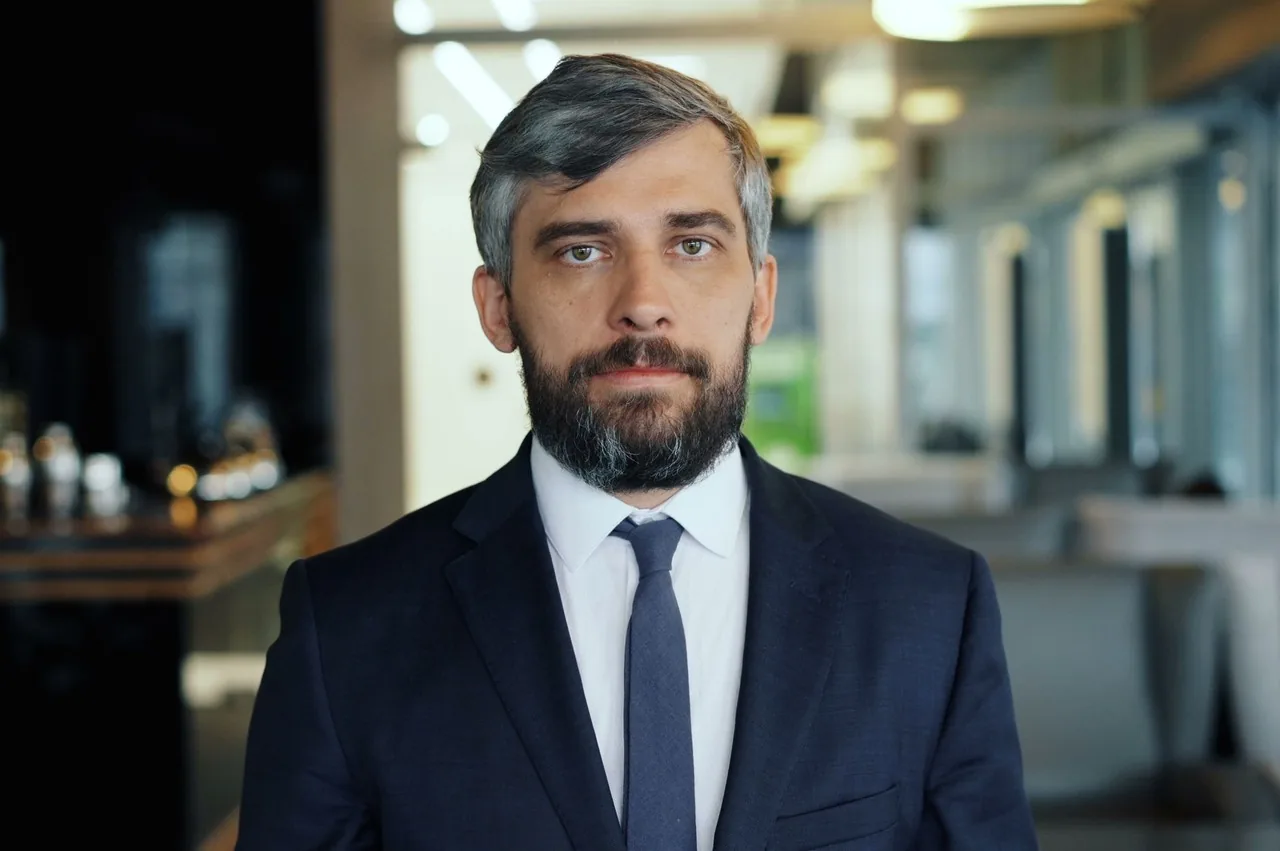
Dmitry NagyDmitry NagyInternational Tax Consultant, BRIDGESReading time9 min readVerificationReviewed by an expert

This case is based on a real matter. The name and certain identifying details have been changed to protect confidentiality.

BRIDGES client story - How a Young IT Professional Proved Income Legitimacy from the USA and Obtained Turkish Citizenship
Contents

Case at a glance

Situation, solution and outcome in seven lines

Client
Denis, approximately 21 years old, IT Consultant
Income
Contracts with US firms, payment by invoice
Objective
Turkish citizenship by investment
Program
Turkey, Citizenship by Investment
Bank Requirement
Prove income is unrelated to sanctioned sectors
Solution
Audit of service contracts + confirmation of SWIFT payments
Result
Income legitimacy proven, passport obtained

Client story

Client's Story

Where they started

Denis belongs to a new generation of IT professionals who start early and earn quickly. At a young age, he built a consulting practice and worked with American companies, invoicing them for services. The money was earned honestly through hard work, and by his early twenties, his capital was already substantial.

Why the standard route did not work

When he applied for Turkish citizenship, a specific complication arose. The issue was not his age or income size, but the geography and form of payment: money was coming from the USA under service contracts, and the bank handling the investment required proof that the income was not connected to sanctioned sectors. In the current environment, compliance is particularly sensitive to American contracts and wants to see exactly who the client worked for and what services were provided.

What BRIDGES had to solve

For a young entrepreneur, this was an unexpected obstacle: he knew his clients were ordinary technology companies, not anything prohibited, but the bank needed proof, not assurances. Without clear confirmation of the origin and nature of the income, the investment could have been delayed or rejected.

Why a standard answer would not do

Denis turned to BRIDGES, understanding that the task was not to "show that the money exists," but to prove its nature: that the income was earned for legitimate IT services from ordinary American firms and had no connection to sanctioned sectors. This work sat at the intersection of compliance and audit of his own contracts.

I am young and earned money from IT consulting with American companies—everything by invoice, all legitimate. But the bank pushed back: prove your money is not from sanctioned sectors. I know my clients are ordinary technology firms, but how do you prove that? Dmitry conducted an audit of my contracts, retrieved payment confirmations via SWIFT, and showed what I did and who paid me. The bank's questions were resolved, the investment went through, and I got my citizenship.
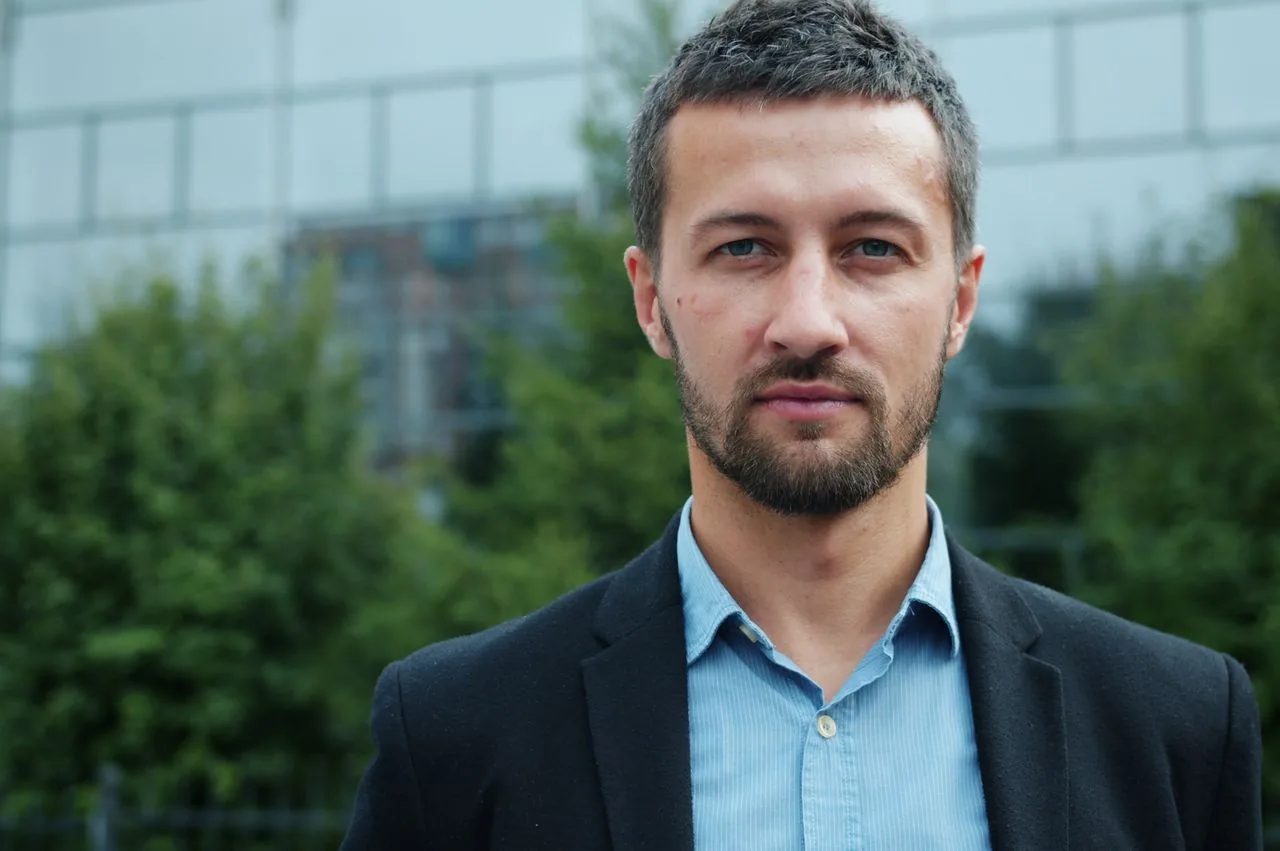

Denis, 21 · Denis, IT ConsultantThe name and certain identifying details have been changed to protect confidentiality.

What Was at Risk

What Was at Risk

Youth and substantial income are not problems in themselves. The problem lies in geography and form: money from the USA under service contracts forces the bank to demand proof of non-connection to sanctioned sectors. Compliance wants to see who the client worked for and what services were provided, not take it on faith.

Bank delays the investment due to American origin of funds;

  1. 01Invoice-based income appears non-transparent without audit;
  2. 02Suspicion of connection to sanctioned sectors;
  3. 03Legitimate money appears questionable due to form and geography;
  4. 04Investment and citizenship remain pending without confirmation.

The logic of the solution

How the matter progressed: from checks to result

The chart is built from the facts of this matter and shows the logic of the work without decorative or unverified data.

  1. 01
    Stage 1

    We immediately identified the bank's real question - not "where does the money come from," but "who did you work with." Compliance was concerned not with the amount, but with possible connection to sanctioned sectors. We reformulated the task: we needed to prove the nature of income and the integrity of counterparties. This focused the work on contract audit rather than general explanations.

  2. 02
    Stage 2

    We conducted a service agreement audit. The primary evidence base consisted of Denis's contracts with American companies. We obtained and analyzed them: who the client was, for which specific IT services they paid, and on what terms. The difficulty was in presenting each counterparty as a standard technology firm with no connection to sanctioned sectors - counterparty audit addressed the bank's main concern.

  3. 03
    Stage 3

    We confirmed actual payments via SWIFT. Contracts without funds are just paper, so we linked actual bank transfers (SWIFT - the international interbank payment system) to each contract. Thus it became clear: here is the contract, here is the actual payment for it, here is where the money came from and what it was for, with no gaps.

  4. 04
    Stage 4

    We established a traceable income history despite young age. The bank was surprised by the substantial amount at such a young age, so we demonstrated the history: how income from contracts grew, the regularity of payments, and the connection to actual practice. This removed suspicion that the money "appeared from nowhere."

  5. 05
    Stage 5

    We prepared compliance documentation in advance, tailored to US specifics. Before submission, we provided the bank with a ready package: contracts, counterparty audit, SWIFT confirmations, and income history. Thus reviewers did not develop the reflex "money from the USA - pause until clarification"; the nature of income was explained beforehand.

Takeaway. Conclusion: US invoice income appears suspicious due to geography and form, not impropriety. Contract audit and payment confirmation show where money came from and for what purpose, and eliminate questions about connection to sanctioned sectors.

How we resolved the issue

How we resolved the issue

The work was split into verifiable stages so that every conclusion rested on documents.

  1. 01

    Stage 1

    We immediately identified the bank's real question - not "where does the money come from," but "who did you work with." Compliance was concerned not with the amount, but with possible connection to sanctioned sectors. We reformulated the task: we needed to prove the nature of income and the integrity of counterparties. This focused the work on contract audit rather than general explanations.

  2. 02

    Stage 2

    We conducted a service agreement audit. The primary evidence base consisted of Denis's contracts with American companies. We obtained and analyzed them: who the client was, for which specific IT services they paid, and on what terms. The difficulty was in presenting each counterparty as a standard technology firm with no connection to sanctioned sectors - counterparty audit addressed the bank's main concern.

  3. 03

    Stage 3

    We confirmed actual payments via SWIFT. Contracts without funds are just paper, so we linked actual bank transfers (SWIFT - the international interbank payment system) to each contract. Thus it became clear: here is the contract, here is the actual payment for it, here is where the money came from and what it was for, with no gaps.

  4. 04

    Stage 4

    We established a traceable income history despite young age. The bank was surprised by the substantial amount at such a young age, so we demonstrated the history: how income from contracts grew, the regularity of payments, and the connection to actual practice. This removed suspicion that the money "appeared from nowhere."

  5. 05

    Stage 5

    We prepared compliance documentation in advance, tailored to US specifics. Before submission, we provided the bank with a ready package: contracts, counterparty audit, SWIFT confirmations, and income history. Thus reviewers did not develop the reflex "money from the USA - pause until clarification"; the nature of income was explained beforehand.

  6. 06

    Stage 6

    We executed the investment and obtained citizenship. With proven income integrity, the investment proceeded without delay. Denis, despite his young age, obtained Turkish citizenship - his American IT income ceased to be grounds for suspicion and became a transparent, verified source.

Expert comment

Young IT professionals with American contracts are frequent clients of mine, and they share one common pain: income is honest, but form and geography alarm the bank. Money from the USA by invoices, plus a substantial amount in the mid-twenties - compliance immediately wants assurance this is unrelated to sanctioned sectors. And general statements like "I have normal clients" won't help - you need evidence. I conducted an audit of his service agreements: who the client was, what they paid for - and showed that counterparties are standard technology firms. Then I linked actual SWIFT payments to each contract. When the bank sees the contract, the payment, and a clean counterparty, suspicion disappears. Denis obtained his passport despite being young. The cost of error in such matters is a blocked investment, so I prove the nature of income, not just its existence.

Dmitry Nagy, International Tax Consultant, BRIDGESDmitry NagyInternational Tax Consultant, BRIDGES

Outcome

What the client received

What was required
How we accomplished it · Result
Address sanctions concerns
counterparty audit by contracts · clients - standard technology firms
Prove income reality
Service Agreements + SWIFT · payments are traceable
Explain substantial amount
income history from contracts · funds not from nowhere
Obtain citizenship
clean source of funds · passport issued
Obtain citizenship
clean source of funds · passport issued

What happened: A young IT consultant with income from US contracts via invoices faced a bank requirement to prove non-connection to sanctioned sectors. What we did: we reformulated the task into proving income nature and counterparty integrity; conducted a service agreement audit examining each client; confirmed actual payments via SWIFT; established a traceable income history; prepared compliance documentation in advance tailored to US specifics. What the client received: proven income integrity and Turkish citizenship.

Practical takeaway

What matters in a similar situation

  • Conclusion: US invoice income appears suspicious due to geography and form, not impropriety. Contract audit and payment confirmation show where money came from and for what purpose, and eliminate questions about connection to sanctioned sectors.
  • Denis obtained a second passport at a very young age - because we proved not the size of his income, but its honest, traceable nature.

FAQ

Questions people ask in a similar situation

01Can one obtain Turkish citizenship with income from US companies?

Yes, if you prove the nature of income. The bank will require confirmation that funds were received for genuine services and are unrelated to sanctioned sectors - this is accomplished through contract audit and payment confirmation.

02Why does the bank suspect income from the USA?

Due to compliance sensitivity regarding U.S. contracts: it is necessary to ensure that clients are not connected to sanctioned sectors. The concern is not about dirty money, but about geography and payment method.

03What proves the legitimacy of IT income?

Service agreements with individual client review (counterparty audit) and confirmation of actual payments via SWIFT. It shows who paid, what for, and how much—with no gaps in income history.

04Does young age prevent obtaining citizenship?

No. Age is not an obstacle if the income is lawful and traceable. A large sum from a young investor is explained by documented contract income history to address the question "where does the money come from."

05What is SWIFT confirmation?

These are bank records of international transfers that link a specific payment to a contract. They demonstrate actual fund movement from client to service provider and confirm that income is substantiated, not merely on paper.

06Income from U.S. contracts, but the bank requires proof of legitimacy?

We will conduct an audit of your service agreements, confirm payments via SWIFT, and demonstrate counterparty legitimacy—to address sanctioned sector concerns and open the path to Turkish citizenship.

About the author

Dmitry Nagy

Author: Dmitry Nagy

International Tax Consultant, BRIDGES

I lead the international tax practice at BRIDGES and work at the intersection of tax residence, cross-border reporting and banking compliance. I assess how citizenship, residence, relocation or a new ownership structure may affect the client's tax obligations, banking profile and capital.

My work covers tax residence, CRS and FATCA requirements, source of funds and the questions a bank may raise. These elements should be considered together, because inconsistencies between documents, declarations and the underlying circumstances can create risks after a status has been obtained or an account has been opened.

During the consultation, you will receive an assessment of the tax and banking implications of the proposed decision. Where further work is required, I determine the financial documentation and personally oversee the tax and compliance aspects of the BRIDGES project.

Prepared on the basis of BRIDGES practice and reviewed by a subject-matter expert.

Discuss your situation with Dmitry

We will review your situation and propose a solution

Describe your task in a few words. We will study your situation, assess the legal and practical options and propose the next step based on your goals, documents and country.

Confidential · no obligations · answered by the relevant specialist

Or message us on WhatsApp or Telegram

Anna KovalevskayaHead of Legal, BRIDGES
Anna Kovalevskaya, Head of Legal, BRIDGES

Names and certain details have been changed to protect client confidentiality. The result described reflects one specific situation and is neither a public offer nor a guarantee of a similar outcome. Programme terms are stated as of 2026 and may change - please confirm current parameters with a BRIDGES consultant.