

Updated: June 2026

Case study · Hungary · Citizenship

How to Obtain EU Citizenship by Descentif Previously Denied a Schengen Visa

A single old visa refusal can dampen one's desire to engage with Europe for years: it seems you have been blacklisted forever. Dmitry was once denied a Schengen visa, and he was certain this would also close the path to citizenship through Hungarian descent. We explain step by step how we demonstrated that a visa refusal and descent-based rights are completely different matters, and ultimately secured an EU passport.

Sergey EvdokimovSergey EvdokimovManaging Partner, BRIDGESReading time8 min readVerificationReviewed by an expert

This case is based on a real matter. The name and certain identifying details have been changed to protect confidentiality.

BRIDGES client story - How to Obtain EU Citizenship by Descent if Previously Denied a Schengen Visa
Contents

Case at a glance

Situation, solution and outcome in seven lines

Client
Dmitry, approximately 40 years old, Hungarian descent
Concern
Previous Schengen visa denial blocks the path to Europe
Program
Hungary, EU Citizenship
Issue
Visa refusal and citizenship by descent are different matters
Required
Understanding the reason for refusal and proving descent-based rights
Solution
Analyze the refusal, separate it from descent, establish the genealogical line
Outcome
EU passport obtained despite previous refusal

Client story

Client's Story

Where they started

Several years ago, Dmitry applied for a standard tourist Schengen visa and was denied. The reason for the refusal was not properly explained, as often happens, and he was left with a painful feeling: Europe was "refusing" him, he was on some kind of blacklist.

Why the standard route did not work

When the discussion turned to Hungarian descent and an EU passport, this old refusal surfaced as his first concern. Dmitry was convinced: if they refused even a tourist visa, then there was no point in thinking about citizenship—they would definitely refuse that.

What BRIDGES had to solve

In reality, this is a common misconception that conflates two completely different matters. A Schengen visa is permission to visit as a tourist, and the consul grants or denies it at their discretion: if they doubt your travel intentions or whether you will return, they refuse. Citizenship by descent is not a request to visit as a tourist, but recognition of your origin, a right you already possess by blood.

Why a standard answer would not do

Dmitry approached BRIDGES, and the first task was not to collect documents, but to dispel the fear: to understand why the refusal occurred and to demonstrate that it has no bearing on descent-based rights.

I was once denied a Schengen visa, and I thought that was it—Europe was off the table, I shouldn't even dream of citizenship. Sergey explained a simple thing: a visa and citizenship by descent are two different stories. Being denied a visit doesn't mean being denied a blood right. We figured out why that refusal happened, and it didn't interfere at all. I got my passport.
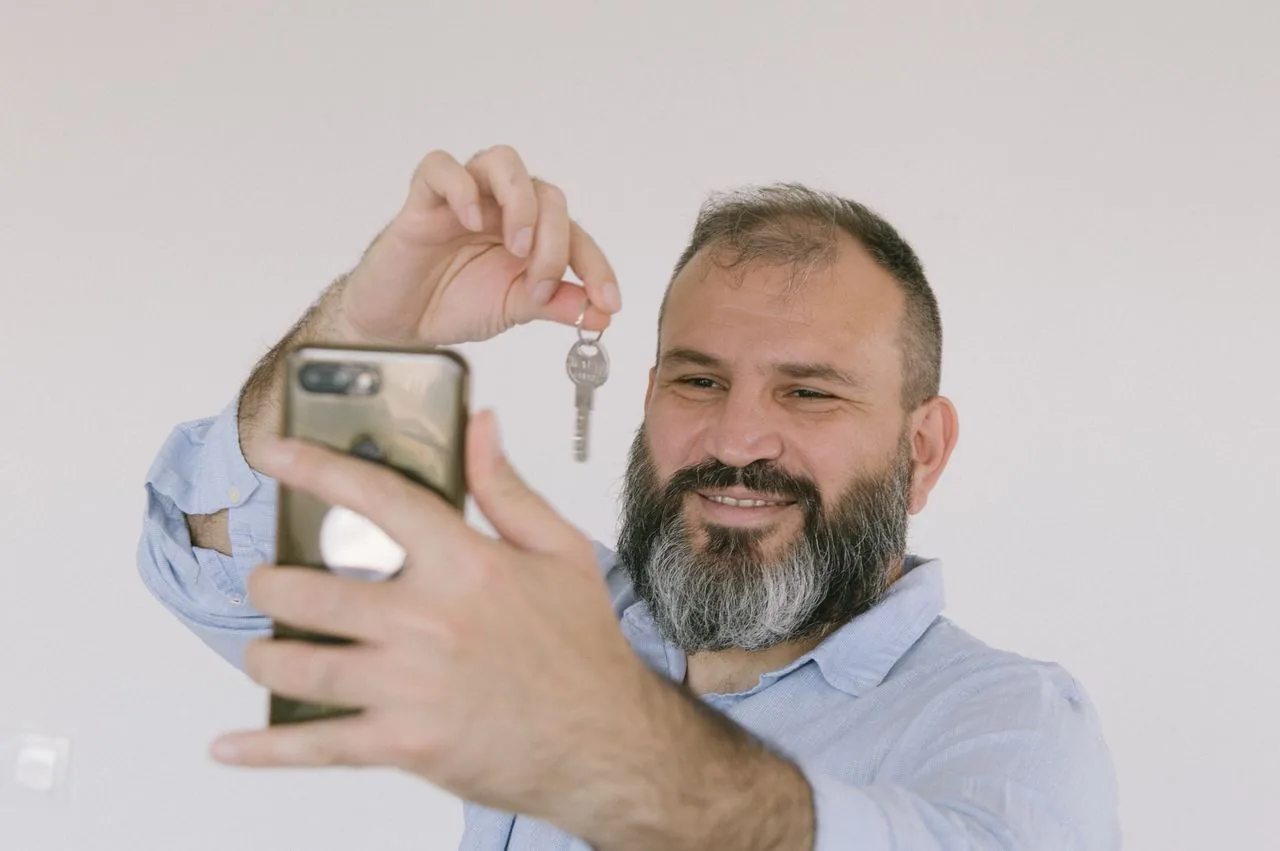

Dmitry, 40 · Dmitry, by Hungarian descentThe name and certain identifying details have been changed to protect confidentiality.

What Was at Stake

What Was at Stake

The fear following a visa denial is understandable, but it conflates different matters. A visa is permission to visit as a tourist, which the consul grants at their discretion. Citizenship by descent is recognition of origin, a blood right. Denial of one does not preclude the other, but it can cause problems if not properly analyzed.

Not starting at all due to conviction that "they will refuse anyway";

  1. 01Treating the visa refusal as a ban on citizenship;
  2. 02Never learning the real, often trivial, reason for the refusal;
  3. 03Delaying the matter for years unnecessarily;
  4. 04Missing the point that descent-based rights do not depend on the consul's discretion.

The logic of the solution

How the matter progressed: from checks to result

The chart is built from the facts of this matter and shows the logic of the work without decorative or unverified data.

  1. 01
    Stage 1

    We identified the actual reason for the refusal. Dmitry only remembered the fact itself—"they refused"—without knowing the reason. We requested and analyzed the grounds of that refusal: which consul, which year, under what provision. It turned out to be a standard discretionary refusal of a tourist visa: the consul was not convinced of the purpose of the trip and likelihood of return. No entry ban, no security threat—in other words, nothing that would prevent citizenship.

  2. 02
    Stage 2

    We separated the visa from the blood right. The main difficulty was not legal, but psychological: convincing the client that one does not equal the other. We demonstrated through legal norms the difference: citizenship by descent is recognized based on proven ancestry, not at the consul's discretion, and a past tourist visa refusal does not play any role in this procedure.

  3. 03
    Stage 3

    We verified there was no real blocking factor. To avoid building on sand, we confirmed that the refusal was not based on anything serious—an entry ban to Schengen, flags in systems for violations. We reviewed the history and confirmed: nothing of the sort exists; the refusal was harmless and isolated.

  4. 04
    Stage 4

    We built the ancestry line. Once the fear was addressed, we tackled the substance: we traced the lineage from the Hungarian ancestor to Dmitry, recovered missing certificates through archives and civil registry offices, and explained discrepancies in name spelling between Hungarian and Soviet documents.

  5. 05
    Stage 5

    We submitted the citizenship dossier, not a visa application. This is an important distinction: we proceeded through the descent recognition procedure, where the past visa refusal carries no weight. While the review was ongoing, we kept ancestry explanations ready, not justifications for the old visa—because they were unnecessary.

Takeaway. Conclusion: visa refusal and citizenship by descent are different doors. A refusal to visit at the consul's discretion does not lock the recognition of a blood right. The key is to identify the reason, not to fear it.

How we resolved the matter

How we resolved the matter

The work was split into verifiable stages so that every conclusion rested on documents.

  1. 01

    Stage 1

    We identified the actual reason for the refusal. Dmitry only remembered the fact itself—"they refused"—without knowing the reason. We requested and analyzed the grounds of that refusal: which consul, which year, under what provision. It turned out to be a standard discretionary refusal of a tourist visa: the consul was not convinced of the purpose of the trip and likelihood of return. No entry ban, no security threat—in other words, nothing that would prevent citizenship.

  2. 02

    Stage 2

    We separated the visa from the blood right. The main difficulty was not legal, but psychological: convincing the client that one does not equal the other. We demonstrated through legal norms the difference: citizenship by descent is recognized based on proven ancestry, not at the consul's discretion, and a past tourist visa refusal does not play any role in this procedure.

  3. 03

    Stage 3

    We verified there was no real blocking factor. To avoid building on sand, we confirmed that the refusal was not based on anything serious—an entry ban to Schengen, flags in systems for violations. We reviewed the history and confirmed: nothing of the sort exists; the refusal was harmless and isolated.

  4. 04

    Stage 4

    We built the ancestry line. Once the fear was addressed, we tackled the substance: we traced the lineage from the Hungarian ancestor to Dmitry, recovered missing certificates through archives and civil registry offices, and explained discrepancies in name spelling between Hungarian and Soviet documents.

  5. 05

    Stage 5

    We submitted the citizenship dossier, not a visa application. This is an important distinction: we proceeded through the descent recognition procedure, where the past visa refusal carries no weight. While the review was ongoing, we kept ancestry explanations ready, not justifications for the old visa—because they were unnecessary.

  6. 06

    Stage 6

    We obtained the EU passport. Dmitry received citizenship, and with it, free entry to Schengen already as a citizen, not as a visa applicant. The old refusal, which he feared so much, played no role whatsoever.

Expert comment

A very common fear: "I was refused a visa, so they won't grant me citizenship either." I always explain it plainly. A visa is when you ask to visit, and the host—the consul—decides whether to let you in, based on their discretion and your documents. But citizenship by descent is not a request; it is recognition that you carry that very blood. It is a right, not a favor. Dmitry's refusal was the most harmless kind—a tourist visa refusal based on purpose of trip, without any entry ban. He carried this fear for years for nothing. We identified the reason, confirmed that nothing serious was behind it, and calmly built the ancestry case. Now he enters Europe as a citizen, not as a supplicant.

Sergey Evdokimov, Managing Partner, BRIDGESSergey EvdokimovManaging Partner, BRIDGES

Outcome

What the client received

What was required
How we did it · Result
Understand the reason for refusal
We identified the grounds of the visa refusal · Harmless, based on purpose of trip
Separate visa from descent
We demonstrated the difference under law · Refusal does not participate in the procedure
Eliminate real blocking factors
Entry ban verification · No blocking factors
Obtain EU passport
Ancestry line + procedure · Citizenship recognized
Obtain EU passport
Ancestry line + procedure · Citizenship recognized

What was: an old Schengen visa refusal, based on which the client believed the path to citizenship was closed. What we did: we identified the actual reason for the refusal (harmless tourist refusal based on purpose of trip); we demonstrated through legal norms that visa and descent citizenship are different things; we verified there was no entry ban; we built the ancestry line and proceeded with the descent recognition procedure. What the client received: an EU passport, unaffected by the past refusal.

Practical takeaway

What matters in a similar situation

  • Conclusion: visa refusal and citizenship by descent are different doors. A refusal to visit at the consul's discretion does not lock the recognition of a blood right. The key is to identify the reason, not to fear it.
  • Dmitry obtained a European passport and now enters Schengen as a citizen—the fear that cost him years of delay turned out to be baseless.

FAQ

Questions people ask in a similar situation

01Does a visa refusal close the path to citizenship by descent?

No. A visa is permission to visit at the consul's discretion, while citizenship by descent is recognition of origin. These are different procedures, and visa refusal plays no role in citizenship.

02Why is it important to know the reason for the visa refusal?

Yes. It is important to ensure that a serious ground—such as an entry ban or a violation—does not underlie the refusal. Most often, the reason is harmless: the consul did not find the purpose of travel or return to be proven.

03But what if there was an entry ban to the Schengen area?

This is a separate, more serious factor that is reviewed individually. However, a standard refusal of a tourist visa is not an entry ban and does not affect citizenship by descent.

04Is it necessary to explain an old visa refusal in a citizenship case?

No. The procedure for establishing descent is based on proven ancestry, not visa history. An old visa refusal carries no weight in it.

05Does citizenship provide free entry to the Schengen area?

Yes. As an EU citizen, you enter the Schengen area freely, without visas and consular discretion, unlike your previous position as a visa applicant.

06Concerned that an old visa refusal will block your path to citizenship?

We will identify the actual reason for the refusal, distinguish visa matters from descent rights, and ensure there are no serious deal-breakers—so you can proceed confidently toward an EU passport.

About the author

Sergey Evdokimov

Author: Sergey Evdokimov

Managing Partner, BRIDGES

As Founder and Managing Partner of BRIDGES, I am responsible for the firm's strategy and personally lead its most complex client matters, including cases in which citizenship or residence decisions require a strategic view and consideration of capital.

I begin by defining the objective: the outcome the client needs, the facts that affect the choice, and the matters that require further review. I then establish the available directions, the sequence of work, and the key decision points.

Once the strategy has been agreed, I oversee the BRIDGES team's key decisions and remain involved at the stages that shape the course of the matter. The purpose is to give the client a clear rationale for the chosen direction and a precise understanding of the next steps.

Prepared on the basis of BRIDGES practice and reviewed by a subject-matter expert.

Discuss your situation with Sergey

We will review your situation and propose a solution

Describe your task in a few words. We will study your situation, assess the legal and practical options and propose the next step based on your goals, documents and country.

Confidential · no obligations · answered by the relevant specialist

Or message us on WhatsApp or Telegram

Anna KovalevskayaHead of Legal, BRIDGES
Anna Kovalevskaya, Head of Legal, BRIDGES

Names and certain details have been changed to protect client confidentiality. The result described reflects one specific situation and is neither a public offer nor a guarantee of a similar outcome. Programme terms are stated as of 2026 and may change - please confirm current parameters with a BRIDGES consultant.