Living abroad · Bulgaria
Climate in Bulgaria by region: from alpine skiing to the Black Sea
Updated: June 2026·8 min read·Expert reviewed
Terms and costs verified: June 2026
Contents
Bulgaria is a small country, but the climate varies depending on the location. In the north and center it is temperate continental: four real seasons, hot summers and snowy winters. On the coast it is softer and warmer. In the mountains it is harsher and colder. This makes the country universal: some choose it for skiing in Bansko, others for the Black Sea summer, others for the moderate four-season weather of Plovdiv or Sofia. This guide contains real temperatures by month, features of each region and disadvantages that you should know about before moving.
Why Bulgaria's climate is worth studying before moving
Bulgaria occupies a small territory - about the size of Romania, but smaller than France. At the same time, the climatic contrasts here are significant. The Rila, Pirin and Rhodope mountains divide the country into zones. To the north of the Balkan Range there is a temperate continental climate with cold winters. To the south it is warmer. The Black Sea coast has a special microclimate.
For a person considering moving, this is important. Living in Varna and living in Vidin are different climatic experiences. In this article we will analyze each region separately.
Climate in Sofia: four seasons and smog in winter
Sofia is located in a hollow at an altitude of about 550 meters above sea level. The mountains around trap cold air in winter and prevent it from warming up much in summer.
Summer in Sofia is hot and dry. In July and August the temperature rises to +28-33°C. There are heat waves with +35-37°C, but they are short-lived. Nights remain comfortable - around +18-20°C.
Winter is real. From December to February the temperature ranges from -3 to +5°C. Snow falls every year, sometimes for several weeks. Autumn comes quickly - in October it is already +12-16°C during the day.
The main disadvantage of winter is smog. Some houses in the suburbs and old neighborhoods are heated with coal. On calm days, air quality drops. The city center and new areas with central heating suffer less.
| Month | Daytime average, °C | Average night, °C | Precipitation, mm |
|---|---|---|---|
| January | +2 | -4 | 35 |
| April | +16 | +6 | 50 |
| July | +31 | +17 | 45 |
| October | +16 | +8 | 45 |
Black Sea coast: Varna and Burgas
The Black Sea coast is the mildest place in Bulgaria in terms of climate. The sea evens out the temperatures: winters here are much warmer than in Sofia, and summers are wetter.
Varna is the largest city on the coast. In summer it is +30-35°C during the day, the sea breeze makes the heat more bearable. The swimming season lasts from June to September. In June the sea warms up to +22-23°C, in August - to +25-26°C.
Winter in Varna is mild: in January it is usually +3-8°C. Snow falls rarely - two or three times during the winter and melts quickly. Strong winds from the sea in November-March are common. Burgas is slightly warmer in summer, but windier due to the swamps and lagoons around.
| Month | Varna, °C | Sea temperature, °C | Precipitation, mm |
|---|---|---|---|
| June | +27 | +22 | 40 |
| July | +31 | +24 | 30 |
| August | +32 | +25 | 25 |
| September | +26 | +22 | 45 |
Plovdiv: the hottest major city
Plovdiv is located in the south of the country in the valley of the Maritsa River. The Rhodope and Balkan mountains protect it from cold northern winds. This makes Plovdiv warmer than Sofia in all seasons.
Summers here are really hot. In July-August the temperature regularly rises to +35-38°C. Shade and air conditioning become a necessity. But spring comes early - already in March +12-15°C - and autumn is long and warm.
Winter in Plovdiv is milder than in Sofia: in January it is about 0 - +4°C. Snow falls, but does not last long. Plovdiv is suitable for those who love a real southern summer and are not afraid of high temperatures.
Mountains of Bulgaria: Rila, Pirin, Rhodopes
The mountainous regions of Bulgaria are a separate climatic world. Bansko, Borovets, Pamporovo are ski resorts with snow from November to April. At altitudes above 1000 meters there is snow for 4-5 months a year.
Bansko (900 meters) is the most famous ski resort. In winter -5 - -10°C, snow is stable. The ski season begins in November and lasts until April. In summer it is cool in Bansko: +20-25°C - ideal for those who cannot stand the heat.
The Rhodopes are softer than Rila and Pirin. Winter is cold, but not extreme. The Smolyanovsk region is popular among Bulgarians for summer holidays: forest air, temperature +22-27°C. Rila is the highest mountains in the country, the Musala peak reaches 2925 meters. Snow remains at high altitudes until June.
Seasons by month: when what happens
Bulgaria is a four-season country. Each season is clearly expressed, without blurry transitions as in Western Europe.
| Period | Season | What's happening |
|---|---|---|
| December - February | Winter | Snow in Sofia and the mountains, skiing in Bansko, soft on the coast |
| March - May | Spring | Rapid warming, flowering, rains in April |
| June - August | Summer | Heat +28-38°C, swimming season at sea, mountain tourism |
| September - November | Autumn | Warm in September-October, rainy in November, leaf fall |
The best months for moving and acclimatization are May-June and September-October. At this time it is comfortable throughout the country: not hot, not cold, lots of sun. For families with children, it is convenient to come in August - before the start of the school year.
Spring: the most pleasant time of the year
Spring in Bulgaria is fast and bright. March is still cool, but you can already feel the warmth. In April, trees bloom, temperatures rise to +15-20°C. May is an ideal month: +22-25°C, few tourists, everything is green.
On the coast, spring is a little late. In Varna in May it is about +20-22°C. The sea is still cold - +14-16°C, it’s too early to swim, but walking along the embankment is comfortable.
April is a rainy month throughout the country. These are usually short, intermittent showers rather than prolonged downpours. A trip to Rila Monastery in May is one of the best options to see the mountains without the summer crowds.
Summer: heat, sea and mountain escapes
Bulgarian summer is hot. July and August are the peak of heat throughout the country. In Plovdiv and the valleys of the south it is regularly +35-38°C. In Sofia it is hotter than +33°C for several weeks in a row. On the coast, the sea breeze softens the situation.
For families with children, the Black Sea coast is the main summer answer. Warm shallow sea, sandy beaches, developed infrastructure. Golden Sands and Sunny Beach are large resort areas. Varna and Burgas combine city and sea.
Mountains in summer are an escape from the heat. In Bansko and Borovets in July +22-24°C - 10-12 degrees cooler than in Plovdiv. Summer nights in Bulgaria are warm, but not stuffy. In Sofia at night it’s around +18-20°C. Air conditioning in city apartments is a necessity, especially in Plovdiv.
Autumn: the best season for moving
Bulgarian autumn is one of the main reasons why people fall in love with this country. September and October are warm (+20-28°C), sunny, without summer heat and crowds of tourists.
Autumn is especially good on the coast. The sea is still warm in September - about +22-23°C. The beaches are almost empty. Rental prices drop by half compared to July-August. Many people choose September to move for this reason.
November in Bulgaria is the grayest and rainiest month. Temperatures drop to +8-12°C, daylight hours are short. Those planning to move try to arrive before November in order to settle in comfortable conditions.
“Bulgaria often surprises those who expect one climate, but find several. I myself moved from Moscow and lived for a year in Varna, Plovdiv and Bansko - these are three different countries in terms of weather. In Varna, winter is just a cool autumn, and for the first two years I could not believe that it was already December. In Plovdiv, summer is tough: in July you go outside and feel like a hot blanket is covering you. Bansko in summer - discovery: mountain coolness, +22°C in August, you work with a laptop on the terrace without air conditioning. For most newcomers, I would recommend starting with Varna or Plovdiv: the infrastructure is ready for foreign residents, there is a large international community, and the climate feels like a reward after a northern winter. The main thing to consider is that the Bulgarian summer requires adaptation. The first two or three years you get used to the heat - and then you begin to appreciate it.”
Winter: snow in the mountains and comfort in the cities
Winter in Bulgaria is contrasting. In the mountains there is real winter with blizzards and good snow. It's rather a cool autumn in Varna. In Sofia - something in between.
Bansko is a world-class ski resort. The trails operate from November to April. The snow cover is stable and there is artificial snowmaking. It’s comfortable to live in Varna and Burgas in winter: temperature +3-8°C, rain and wind - yes, snow - rarely.
In Dobruja (the northeastern region around Varna), steppe winds blow in winter. They make the cold more noticeable than the thermometer shows. Heating in Bulgaria is mixed: in new houses - central or heat pumps, in old houses - autonomous boilers or wood stoves. When renting, check the heating type in advance.
The best climate conditions: where to live in Bulgaria
The choice of place to live largely depends on climate preferences. Let's break it down by task.
Sea and mild winter - Varna or Burgas. Winter without severe frosts, summer with a beach. Minus: tourist activity in summer, wind in autumn and winter.
Four seasons and a big city - Sofia. Developed infrastructure, moderate climate, snowy winters. Minus: smog on windless winter days.
Warmest climate - Plovdiv. The longest warm period is early spring. Minus: very hot summer (+35-38°C).
Mountains and active recreation - Bansko or Rhodopes. Cool summer, ski winter. Disadvantage: distance from major cities.
Most people moving from Russia and the CIS choose Varna or Plovdiv. Varna attracts with its sea and mild winters. Plovdiv - affordable housing prices and proximity to the capital.
Do you want to move to Bulgaria? We will analyze your case for free.
Get a free consultationThe real pros and cons of climate: a assessment
Bulgaria attracts many people from Russia and the CIS due to its climate. But it’s important to know not only the pros.
Advantages of the Bulgarian climate:
- Four full seasons - without the depressive “eternal autumns” of Western Europe
- Summer is sunny and dry - not the humid heat of Turkey or Greece
- Winters are warmer than in Russia, even in Sofia
- Mountains nearby: went skiing in winter, cool in summer
- Sea with a normal swimming season - four months
- Many sunny days a year: about 250-270 in Plovdiv
Cons and limitations:
- Smog in Sofia in winter is a real problem on windless days
- The heat in Plovdiv in summer: +35-38°C is hard to bear without getting used to it
- Wind on the coast in autumn-winter: not a storm, but discomfort
- November is gray and rainy everywhere
- In Dobruja, the steppe wind in winter adds to the perceived cold
According to Numbeo Bulgaria, Bulgaria's climate index is higher than that of most Eastern European countries. For someone from central Russia, Scandinavia or Canada, this is a tangible step towards warmth and sun.
Climate and health: what those who moved say
Many who moved from colder countries note an improvement in their health. More sunny days means more vitamin D. Less severe winters mean less stress on the cardiovascular system.
Black Sea air with sea ions is a plus for the respiratory system. Rhodope mountain air has traditionally been recommended for lung diseases. Bulgarian hot springs are a separate bonus: Velingrad, Devin, Hisar are resort towns with spa infrastructure.
People with allergies should take into account the high concentration of pollen in the spring in March-April. Plane trees in Plovdiv give a specific fluff. In general, the allergen load is lower than in Central Europe, but higher than on the sea coast.
Regions and infrastructure: comparative table
When choosing a region to live in, it is worth looking at the climate and infrastructure together. Comfortable weather without good transport, hospitals and schools turns into a challenge.
| Region | Climate | Infrastructure | For whom |
|---|---|---|---|
| Sofia | Moderate, 4 seasons, snow in winter | Excellent: metro, airport, hospitals | Families, business, long-term life |
| Varna | Sea, mild winter, hot summer | Good: airport, universities | Sea, pensioners, freelancers |
| Plovdiv | Warmest, very hot summer | Good: railway, culture | Warm, affordable housing prices |
| Burgas | Sea, windier than Varna | Medium: airport, port | Sea and quiet life |
| Bansko | Mountain, snow 5 months | Resort, seasonal | Skiing, mountaineering, nature |
| Velingrad/Devin | Mountain soft, thermal waters | Modest, far from the capital | Health, pensioners |
Bulgaria is open to foreigners. Non-EU citizens, whether from the UK, the US, India or the CIS, can obtain a residence permit on various grounds. Find out more about Bulgarian citizenship program.
Practice: how climate affects the choice of housing
When choosing an apartment, climatic factors directly affect comfort and cost of living.
In Sofia: choose apartments with central or thermal heating. Districts Lozenets, Iztok, Mladost - less smog in winter. Old quarters like Lyulin - more private boilers.
On the coast: In winter, many coastal complexes close. Check to see if the house is operational year-round. In Varna, the central areas function in winter, resort areas such as Golden Sands - only in summer.
In Bansko: you need an air conditioner for both heating and cooling (in summer +22-25°C, in winter -5 - -10°C). Most modern apartments are equipped with split systems.
In Plovdiv: Air conditioning in summer is not a luxury, but a necessity. Apartments without it in July-August should be considered with caution.
Conclusion: Bulgaria is not suitable for everyone, but for many
Bulgaria is a good climate choice for those who want to escape long, harsh winters in places like Russia, Scandinavia or Canada, but are not prepared for the year-round heat of Turkey or Egypt. Four seasons are real here, summers are sunny, winters are tolerable.
Sea, mountains and temperate continental valleys - in one small country. Add to this an understandable mentality, Cyrillic on signs and a similar language - and you will understand why Bulgaria remains in the top relocation list for immigrants from the CIS.
Climate is one of the arguments, but not the only one. Before moving, you should understand the documents and living conditions. We help with this - contact us.
Frequently asked
Questions people ask before deciding
01What is the climate in Bulgaria - Mediterranean or continental?
Most regions of Bulgaria have a temperate continental climate with four seasons. The Black Sea coast has a maritime climate with mild winters. The mountains have a mountain climate with cold winters and cool summers. There is no Mediterranean climate as such in Bulgaria.
02How cold is it in winter in Bulgaria?
Depends on the region. In Varna, winter is mild: +3-8°C, snow is rare. In Sofia it is more serious: -3 - +5°C, snow every winter. In the mountains (Bansko, Borovets) in winter it is -5 - -10°C, there is a lot of snow. Compared to Moscow or Toronto, even Sofia is much warmer in winter.
03When is the best time to come to Bulgaria to move?
The best months to move are May-June and September. At this time, the weather is comfortable throughout the country: not hot, not cold, lots of sun. It is convenient for families with children to come in August - before the start of the school year in September.
04When is the swimming season on the Black Sea coast?
It is comfortable to swim from June to September. In June the sea warms up to +22°C, in July-August - up to +25°C. September is the golden month: the sea is warm, the beaches are empty, there are few tourists. In May you can sunbathe, but the water is still cold - about +16-18°C.
05Is there smog in Bulgaria? How much of a problem is this?
Smog in winter is a real problem in Sofia. Some of the older neighborhoods and suburbs are heated with coal and wood. On calm winter days, PM2.5 levels are above normal. Central and new areas suffer less. On the coast and in the mountains the air is clean.
06When is the ski season in Bansko?
The ski season in Bansko lasts from November to April. The main peak is December-March. The trails are also open in November if there is sufficient snow; artificial snow helps in the low season. April - spring skiing with wet snow.
07How hot is summer in Bulgaria?
Summer is hot. In Plovdiv and the southern valleys in July-August it is regularly +35-38°C. In Sofia - +28-33°C with periodic waves up to +37°C. On the coast, the sea breeze softens the heat - usually +30-32°C. In the mountains (Bansko) it is cool in summer: +20-25°C.
08Which Bulgarian city is best for living in terms of climate?
Depends on preference. Love the sea and mild winter - Varna. If you want four seasons and a big city - Sofia. I like hot summers and early spring - Plovdiv. Looking for mountains and cool summers - Bansko or Rhodopes. There is no universal best.
09Are there dangerous weather events in Bulgaria?
On a moderate scale - yes. Summer thunderstorms with hail in the mountains and the center of the country. Strong winds on the coast in autumn and winter. Snow storms in the mountains. Occasionally there are floods in lowlands during heavy rains. In general, Bulgaria is a seismically moderate zone.
10How suitable is the Bulgarian climate for people from colder countries?
Very good. The Bulgarian climate is milder than in Russia, Scandinavia or Canada in all regions. Winters are shorter and warmer. Summer is sunnier. At the same time, four seasons are preserved - there is no need to get used to eternal summer. Many newcomers note an improvement in their well-being within the first year.
11When is the best month to live on the Black Sea coast?
For vacation - July-August: the sea is warm, everything works. For a quiet life without tourists - September: the sea is still warm (+22°C), the beaches are half empty, rental prices are half as low as in summer. May is good for walking, but it’s still too early to swim.
12Do you need air conditioning in an apartment in Bulgaria?
In Plovdiv and Sofia in the summer - a must. Without air conditioning in July-August, living in a city apartment is uncomfortable. On the coast, the sea breeze helps, but air conditioning is also advisable. In mountainous areas (Bansko), air conditioning is usually not needed in summer, but good heating is needed in winter.
About the author
Related materials
What to read next
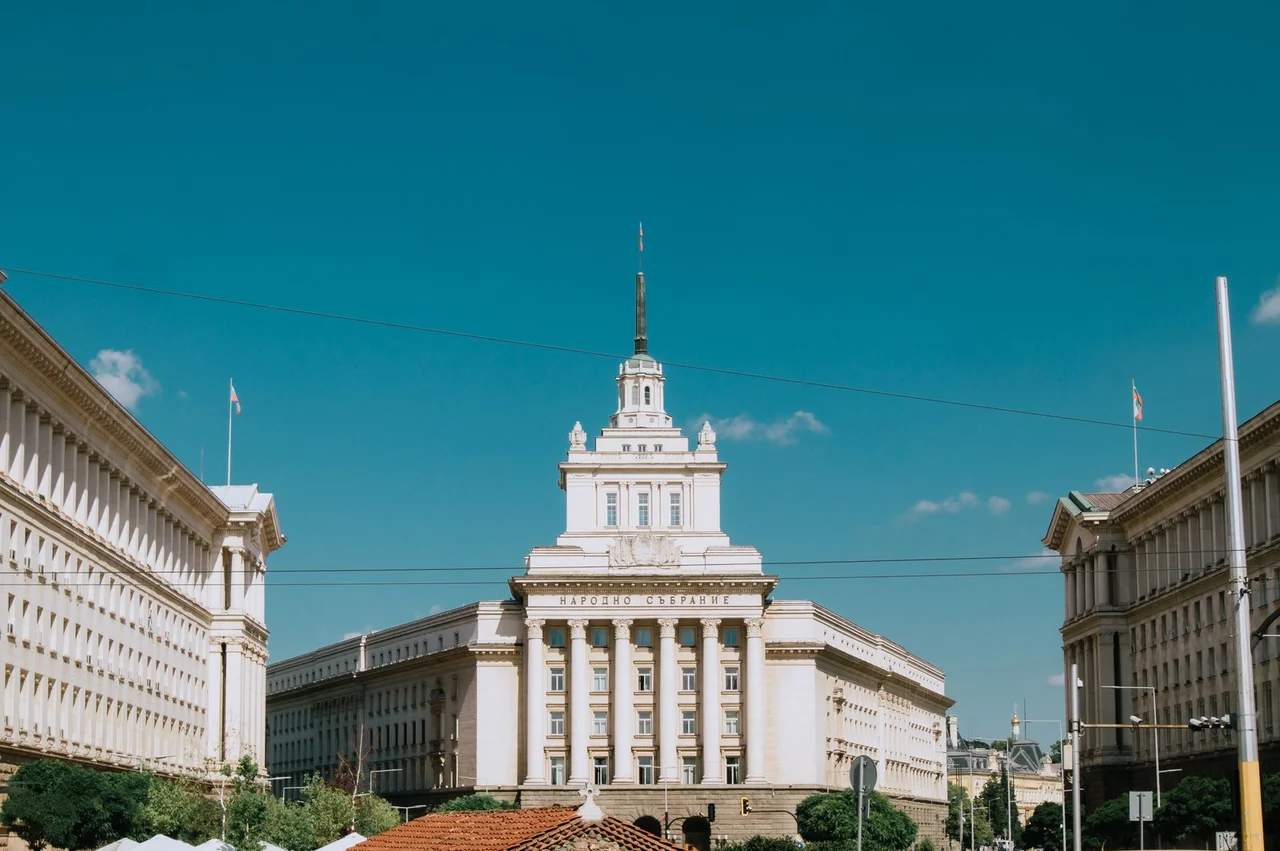 ArticleBulgarian citizenship through investment in 2026: why the program was cancelled and what works instead
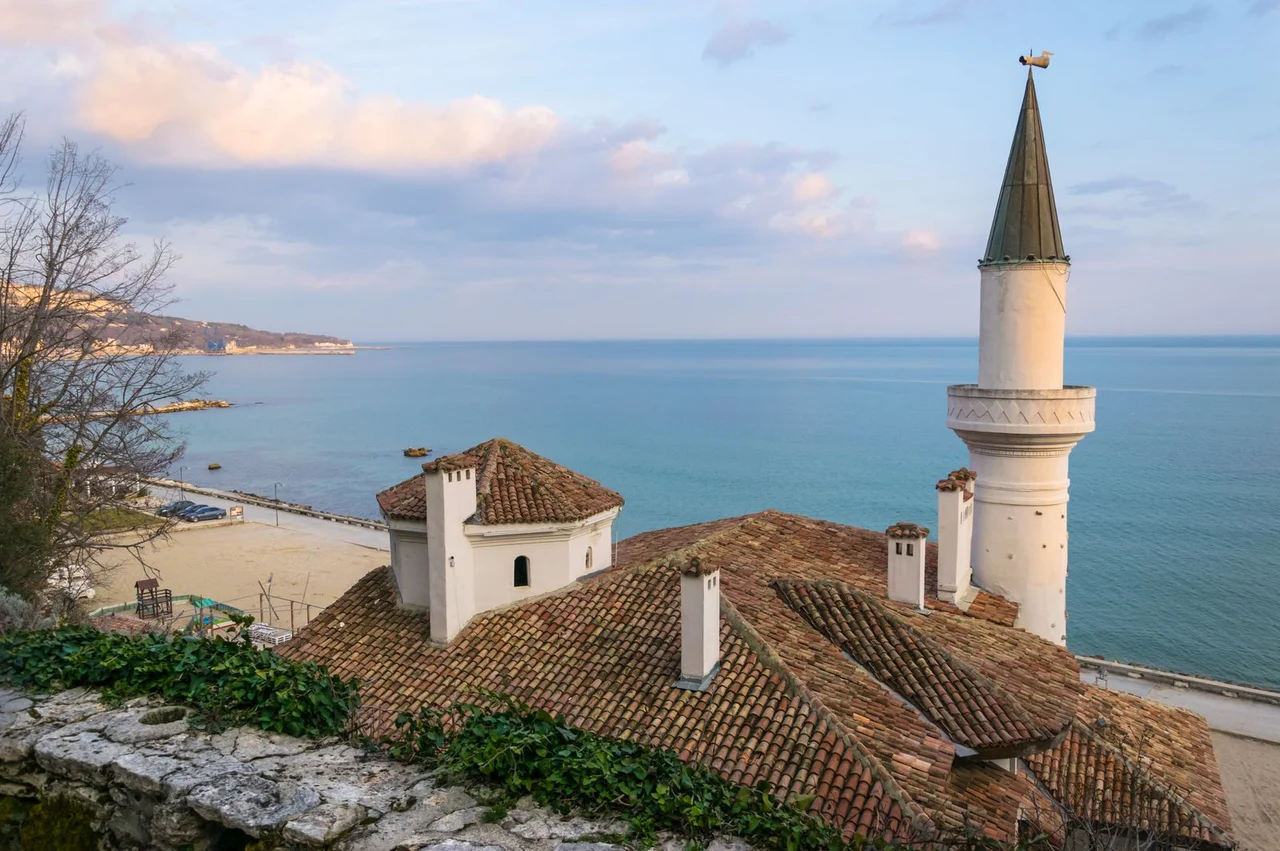 ComparisonCitizenship of Bulgaria or Romania: what to choose for an EU passport
 AnalysisWhat is due diligence and why the Caribbean is rejecting applications
Personal programme selection is conducted by Anna Kovalevskaya, Head of Legal, BRIDGES.
Moving to Bulgaria: what to settle first
Housing, schooling, healthcare, accounts and taxes - the order and what takes longest.