Comparisons · Serbia
Serbia or Montenegro: which residence permit to choose for relocation in 2026
Updated: June 2026·12 min read·Expert reviewed
Terms and costs verified: June 2026
Contents
Two Balkan neighbors, two different relocation strategies. Serbia, after the 2023 reform, issues a residence permit for three years at once and attracts business and IT with dinars and a huge Russian-speaking diaspora. Montenegro welcomes the euro, the sea and clear law, but the status here is renewed annually, and dual citizenship is practically closed. Both countries are candidates for the EU and both allow Russian citizens to enter without a visa. We will figure out where the move will be faster, cheaper and more sustainable specifically for your task.
Briefly: verdict and who gets what?
In short: Serbia wins in terms of speed and stability of status (residence permit up to three years immediately, permanent residence after three years, dinar, strong Russian-speaking environment), and Montenegro wins in terms of the comfort of life by the sea and payments in euros, but pays for this with an annual renewal and strict rules for the second passport.
- Business, IT, freelancing, fast and reliable residence permit - most often Serbia.
- Sea, euro, quiet life on the coast - more often Montenegro.
- It is important to retain your previous citizenship - Serbia has an advantage.
- The goal is a passport in the foreseeable future - both routes are long, but Serbia is shorter.
Next are the numbers, deadlines and nuances for each basis.
Summary table: Serbia and Montenegro side by side
Comparison of key parameters of residence permit for relocation in 2026. Specific amounts for rent, deposits and fees depend on the location and city - it is better to make the final calculation based on your situation.
| Parameter | Serbia | Montenegro |
|---|---|---|
| Grounds for residence permit | Real estate, business/company, employment, family reunification, study | Real estate, business/work, family reunification, study |
| Duration of residence permit upon issue | Up to 3 years (reform 2023) | 1 year, renewable annually |
| Single permission | Yes - single residence and work permit (from 2024) | Residence and work permits are issued together |
| Permanent Residence | After 3 years of continuous residence | After 5 years of residence |
| Citizenship | Approximately from 3 years with permanent residence upon naturalization | About 10 years residence |
| Dual citizenship | As a rule it is allowed | Requires abandonment of the previous one (rare exceptions) |
| Currency | Serbian Dinar (RSD) | Euro (EUR) |
| Income tax | Flat scale 10-20% by income type | 0% up to 700 EUR, 9% up to 1000 EUR, 15% above; 15% on capital |
| Status in the EU | Candidate | Candidate (advanced negotiations) |
| Visa-free for citizens of the Russian Federation | Yes | Yes |
| Schengen | No | No |
| CBI (Citizenship by Investment) | No | Closed from January 1, 2023 |
Serbian residence permit: what the 2023 reform has changed
Serbia has made perhaps the most relocation-friendly move in the Balkans. From 4 August 2023, a temporary residence permit is issued for up to three years instead of the previous one year, and the right to apply for permanent residence arises after three years of continuous stay, rather than five. For those who are moving in earnest, this removes the main headache - the annual running around with renewals.
The second big shift is unified resolution. From February 1, 2024, those working under a contract with a Serbian company receive one biometric card, which combines the right to reside and the right to work in one document and one procedure. Previously, these were two separate tracks: first a residence permit, then a separate work permit, and each with its own queue and package of papers. Now this is one application, one review period and one card - a noticeable saving of time and nerves for those who move to work.
The third point, which is often missed: a single permit is issued for a period of up to three years and is also extended immediately for three years, and not for a year, as was the case in the previous law. That is, a person who gets a job in a Serbian company can build a plan for years to come, and not live from renewal to renewal. This is especially valuable for Russian-speaking specialists - Belgrade and Novi Sad have become full-fledged relocation hubs in recent years with a familiar environment, schools, banks and services in Russian.
On what grounds is a residence permit granted?
- Real Estate - buying a home in Serbia provides the basis for temporary residence.
- Business and company - registration of a company and conduct of activities; a popular path among entrepreneurs and IT.
- Employment - through a single residence and work permit.
- Family reunion - for spouses and children of residents.
- Studies - for university students.
An important nuance of continuity: on the way to permanent residence, you cannot be absent from Serbia for a total of more than 10 months over a three-year period and more than 6 months in a row. This is not a formality - it is precisely at breaks in residence that the transition to permanent status most often breaks down. A person receives a residence permit, continues to travel a lot for work, and by the third year he applies for permanent residence - and finds out that the absence limit has been exceeded, and the countdown has to start all over again. Therefore, the days of your stay should be planned in advance, especially if the work involves traveling.
Let us separately note the dinar. Serbia deliberately preserves the national currency, and this works to the advantage of those moving: rent, food, services and household expenses in euro or dollar terms are often cheaper than their neighbors in the region. The only downside is exchange rate fluctuations if your income is in a different currency, but for most relocants the savings on the cost of living outweigh the cost of living.
We have collected a detailed analysis of the reasons, documents and steps in a separate guide on Serbian residence permit. Official information about residence is published by the state portal Welcome to Serbia.
Residence permit in Montenegro: euro, sea and annual rhythm
Montenegro attracts according to a different logic. This is a country on the Adriatic coast that uses the euro, although it is not formally part of the eurozone, and offers a relaxed Mediterranean life. The legal system is clear, and the residence permit procedure itself is transparent, but the status here is structured differently than in Serbia.
A temporary residence permit is issued for one year and is renewed annually. The application is submitted to the Montenegro police with a package of documents, and consideration usually takes 30 days. The right to permanent residence arises after five years of living under a temporary residence permit - this is twice as long as the Serbian three years. In practice, this means five separate submissions over a five-year period: each year again collect certificates, renew insurance, confirm the basis and pay fees. The procedure itself is not complicated, but the rhythm requires discipline and presence in the country.
But payments in euros remove the exchange rate issue for those who receive income in European currency. Prices on the coast - in Budva, Kotor, Tivat, Bar - are higher than in the interior of the country and noticeably higher than in Serbia, especially in the high season, when rent becomes more expensive. In winter, life on the coast is calmer and cheaper. For a family choosing Montenegro for the sea and climate, this seasonality is a real budget factor, and not an abstraction.
On what grounds is a residence permit granted?
- Real Estate - ownership of housing in Montenegro.
- Business and work - residence and work permits are issued in conjunction.
- Family reunion - for close relatives of the resident.
- Studies - for students.
Separately, it is worth mentioning citizenship. The program by investment (CBI), which previously provided a fast route to a Montenegrin passport, is closed: new applications will not be accepted from January 1, 2023. The decision was made under pressure from the European Union as part of the movement towards membership - Brussels consistently requires candidates to curtail investment passport schemes. The authorities continued to finalize some of the previously filed cases even after closure, but this does not apply to new applicants: from 2023 it is impossible to buy Montenegrin citizenship.
Therefore, in 2026, a realistic route to a passport is only naturalization through residence, which is about ten years (usually five years of temporary and five years of permanent status). And here lies the second important nuance: when obtaining Montenegrin citizenship, as a rule, it is necessary to renounce the previous one, since the country, with rare exceptions, does not recognize dual citizenship. For many people moving, this is a fundamental stopping factor that should be taken into account from the very beginning, and not in the tenth year of residence.
We have discussed all the reasons and deadlines in the guide to Residence permit in Montenegro.
Total cost: where does the money actually go?
The direct price tag for both countries consists of similar parts: confirmation of the basis (real estate, company or contract), state duties, medical insurance, translation and legalization of documents, legal support. But the final workload differs due to the currency and rhythm of renewals.
- Payment currency. In Serbia, rent, services and part of the payments are in dinars, which is often cheaper in terms of conversion. In Montenegro, everything is denominated in euros - convenient for those who receive income in euros, but more expensive if the national currency of income is weak.
- Renewal frequency. A Serbian residence permit for up to three years means one cycle of processing costs instead of three. In Montenegro, annual renewal means annual fees, insurance and support, that is, a hidden accumulative item five years before permanent residence.
- Real estate. On the coast of Montenegro, a square meter by the sea is traditionally more expensive than in Serbian cities inland; in Belgrade and Novi Sad the entrance to the market is softer.
- Family. Each family member adds their own package of duties and insurance in both countries.
- Escort. Legal support is paid once per cycle; with a three-year Serbian residence permit, there are fewer cycles to permanent residence than with five annual Montenegrin ones.
If we translate this into simple logic: in Serbia you pay less for registration, but you live in a country with a national currency; in Montenegro you pay more often, but count everything in euros. For a short stay the difference is small, but over a distance of three to five years with a family, the cumulative effect of extensions and the cost of living becomes one of the main lines of the moving budget.
The cost of living in Serbia is on average lower due to the dinar and the scale of the domestic market; Montenegro is more expensive on the coast, especially in season. If the move is for a long time and with a family, the difference in the number of renewal cycles over several years becomes noticeable. BRIDGES GLOBAL lawyers will make an exact calculation for your basis and family composition free of charge - leave a request for consultation.
Time frame and process step by step
The basic route is similar in both countries, but the planning horizon is different.
Serbia - steps
- Selecting a basis (real estate, company, work, family, study) and collecting documents.
- Applying for a temporary residence permit - issued for a period of up to 3 years.
- Maintaining continuity: no more than 10 months of absence in total and no more than 6 months in a row.
- After 3 years - apply for permanent residence.
- Next comes naturalization if the conditions are met.
Montenegro - steps
- Selecting the base and preparing the package.
- Submitting to the police; review usually takes up to 30 days.
- Residence permit for 1 year - and annual renewal.
- After 5 years - apply for permanent residence.
- Citizenship - after approximately 10 years of residence.
The main fork in terms of timing: Serbia allows you to have less contact with the system and quickly reach permanent status, while Montenegro requires the discipline of annual renewals for five years.
What status gives: residence, movement, access
Both countries are candidates for the European Union, and both are not yet part of the Schengen area. A residence permit of neither Serbia nor Montenegro in itself does not give the right to live and work in the EU and does not open up free movement within Schengen - this is important to understand for those who count on European mobility here and now.
- Visa-free for citizens of the Russian Federation. Both Serbia and Montenegro allow Russian citizens without a visa for short-term trips - this simplifies the initial arrival and application.
- Right of residence. A residence permit legalizes a long stay, opens a bank account, rent, medicine and - with appropriate grounds - work.
- EU perspective. Montenegro's accession negotiations are considered among the most advanced among the candidates; Serbia is also moving along the path of rapprochement. This is a long-term but real factor.
- Banks and infrastructure. In both countries, a resident opens an account, issues a local card, connects communications and medicine. Serbia has a wider network of international companies and an IT sector; in Montenegro the tourism and service economy of the coast is stronger.
It’s worth soberly separating two things. For candidates, EU membership is a horizon of many years, not a date on the calendar, and basing the entire relocation plan on just waiting for accession is risky. But the current advantages - visa-free entry, legal long-term residence, banking, business environment - are available now and do not depend on the pace of European integration.
If the priority is European mobility and a strong passport right now, it makes sense to compare the Balkan route with EU investment options in our review European golden visas 2026.
Family Inclusion
Both states allow family transportation through reunification, but it is more convenient to proceed when the main applicant has already received status.
- Spouse). Obtains a residence permit based on marriage to a resident in both countries.
- Children. Minors are registered together with a parent; for adults, you usually need your own foundation.
- Parents. It is possible with confirmation of dependence and financial support - the conditions are stricter and are dealt with individually.
The practical difference is again in the rhythm: in Serbia, family cards up to three years mean a single renewal cycle for everyone, in Montenegro, each family member undergoes an annual renewal. For a family with children, this is noticeable in terms of logistics and budget.
Taxes and audits: what is important to know in advance
The tax picture varies from neighbor to neighbor, and it often becomes decisive for entrepreneurs and remote workers.
- Serbia. Income tax is based on a flat scale in the range of 10-20% depending on the type of income; The tax base is calculated separately for each type of income. For businesses and freelancers, this is predictable.
- Montenegro. Salary income is taxed in stages: 0% up to 700 EUR per month, 9% from 700 to 1000 EUR and 15% above; capital income (dividends, rent, capital gains) - at a flat rate of 15%. Calculations in euros simplify planning for those whose income is also in euros.
Tax residency is determined by residence and center of vital interests, and not by the fact of having a residence permit itself. This is a common pitfall: getting a card in one country and in fact remaining a tax resident in another. Before moving, you should bring together your income, its sources and planned days of stay - and only then choose a jurisdiction. For an entrepreneur with a profit within a company, the corporate side is also important: the rates and regimes for business in the two countries are different, and they need to be considered together with personal tax, and not separately.
What BRIDGES GLOBAL checks for both programs: the purity of the basis (real real estate, an operating company or a real employment contract), completeness and legalization of documents, compliance with the rules of continuous residence, absence of conflict with sanctions regimes and the realism of your tax scenario. We do not take on schemes that fall apart at the stage of renewal or transition to permanent residence.
“When a client asks about Serbia or Montenegro, the first thing I specify is not the budget, but the horizon. Serbia, after the 2023 reform, provides a rare convenience for the region: a residence permit for up to three years immediately and a transition to permanent residence after three years, plus a single residence and work permit. For an entrepreneur or remote worker, this means fewer visits to the system and higher status stability. Montenegro is strong in other ways - the euro, the sea and predictable law, but you will have to pay for this with annual renewals and the actual renunciation of second citizenship upon naturalization. And not a single country is part of Schengen today - this myth ruins more plans than any duty. Therefore, it is more to make a choice not based on the beauty of the coast, but on what you need in three, five and ten years.”
Common mistakes when choosing
- Consider a residence permit as an entry into the EU and Schengen. Neither Serbia nor Montenegro are in Schengen yet; The status does not provide free movement and the right to work in the EU.
- Underestimate the continuity rule in Serbia. Exceeding the absence limit (more than 10 months in total or 6 in a row) resets the path to permanent residence.
- Count on a Montenegrin passport for investment. The CBI has been closed since 2023 and is not accepting new applications.
- Ignore the issue of second citizenship in Montenegro. Naturalization usually requires giving up your previous passport.
- Confuse residence permit and tax residency. The card does not automatically make you a tax resident - and vice versa.
- Forget about annual renewals in Montenegro. Five cycles to permanent residence mean five packages of documents and fees.
Which country is suitable for whom?
- Entrepreneur and IT specialist. More often Serbia: single permit, residence permit for up to three years, lower cost of living, huge Russian-speaking environment in Belgrade and Novi Sad.
- For those who want to live by the sea. Montenegro: coast, euro, calm rhythm - with readiness for annual renewals.
- A family with an eye to quick permanent residence. Serbia: three years to permanent status versus five in Montenegro.
- For those for whom it is critical to retain their current citizenship. Serbia: Requires renunciation of your previous passport less frequently.
- For those who receive and spend in euros. Montenegro: a single currency removes exchange rate risks.
- For those who hedge their move against future EU membership. Both will do; Montenegro's negotiations are formally more advanced.
Final verdict
Serbia is the choice for those who need a stable, long-term and relatively fast status on the way to permanent residence: a single permit, a residence permit for up to three years, loyalty to dual citizenship and a clear environment for business and IT. Montenegro is a choice of heart and lifestyle: sea, euro and transparent procedure, but with an annual rhythm of renewals, a longer path to permanent status and a closed door to a passport for investment.
There is no universal answer - there is your task: speed and business versus comfort and the sea. BRIDGES GLOBAL lawyers will analyze both scenarios for your situation free of charge, calculate the total cost and deadlines, and advise you on what grounds to file without the risk of failure to renew. Leave a request for consultation.
- Serbia residence permit: a guide for Russians and the CIS
- Serbia or UAE: relocation and taxes
- Cyprus permanent residence or Turkish residence permit: what to choose
- Top 10 Golden Visas in Europe for Investors
- Vanuatu or Antigua: citizenship - comparison
- 7 reasons to choose Portugal: residence permit vs Spain
Frequently asked
Questions people ask before deciding
01Serbia or Montenegro - where to get a residence permit faster?
In terms of speed of registration, the countries are comparable, but Serbia issues a residence permit immediately for up to three years, while in Montenegro the status is issued for one year and is renewed annually. In terms of sustainability and planning horizon, Serbia is more convenient.
02For how long are residence permits granted in Serbia and Montenegro?
In Serbia, after the 2023 reform, a temporary residence permit is issued for up to three years. In Montenegro, a temporary residence permit is issued for one year with mandatory annual renewal.
03After how many years can I get permanent residence?
In Serbia, the right to permanent residence arises after three years of continuous residence. In Montenegro - after five years of living under a temporary residence permit.
04What is the currency in Serbia and Montenegro?
Serbia uses the national currency - the Serbian dinar (RSD). Montenegro is calculated in euros (EUR), although it is not formally part of the eurozone.
05Can Russian citizens enter without a visa?
Yes, both Serbia and Montenegro allow Russian citizens without a visa for short-term trips, which simplifies the initial arrival and submission of documents for a residence permit.
06Are Serbia and Montenegro included in Schengen?
No. Both countries are candidates for the European Union, but are not included in the Schengen area. Residence permits from these countries do not give the right to free movement within Schengen and work in the EU.
07What grounds are available for a residence permit?
In both countries these are real estate, business or employment, family reunification and study. In Serbia, workers receive a single residence and work permit in one document.
08Is it possible to obtain Montenegrin citizenship by investment?
No. The citizenship by investment program in Montenegro is closed: new applications will not be accepted from January 1, 2023 as part of rapprochement with the European Union.
09Is dual citizenship allowed?
Serbia generally allows for the retention of previous citizenship. Montenegro, upon naturalization, with rare exceptions, requires the renunciation of other citizenship.
10What are the taxes in Serbia and Montenegro?
In Serbia, income tax is on a flat scale of 10-20% depending on the type of income. In Montenegro, wages are taxed at 0/9/15%, and capital income at a rate of 15%.
11Where is it cheaper to live?
On average, Serbia is cheaper due to the dinar and the scale of the domestic market. Montenegro is more expensive, especially on the coast and during the tourist season.
12What to choose for a family with children?
More often Serbia: a single residence permit for up to three years means one renewal cycle for the whole family and a shorter path to permanent residence - three years versus five in Montenegro. It is better to calculate the exact scenario in consultation with BRIDGES GLOBAL lawyers.
Transparency
How this material was prepared
- Author
- Andres Ferreira, head of Investment Advisory, BRIDGES
- Terms and costs last verified
- June 2026
- Sources
- official government authorities of the relevant country and state publications
- Methodology
- government minimum requirements are stated separately from due diligence charges, state fees, legal and banking costs
Sources and methodology
Figures, terms and timelines are checked against official sources as of June 2026. Link availability verified in August 2026. Third-party blogs and agent websites are not used as a source of programme terms.
- [1]Ministry of Interior of the Republic of SerbiaResidence of foreign nationals and documentswww.mup.gov.rs/wps/portal/en
Methodology: tables and charts state government minimum investment requirements; due diligence charges, state fees, legal, banking and other costs are calculated separately and are not included in the minimum thresholds.
About the author
Related materials
What to read next
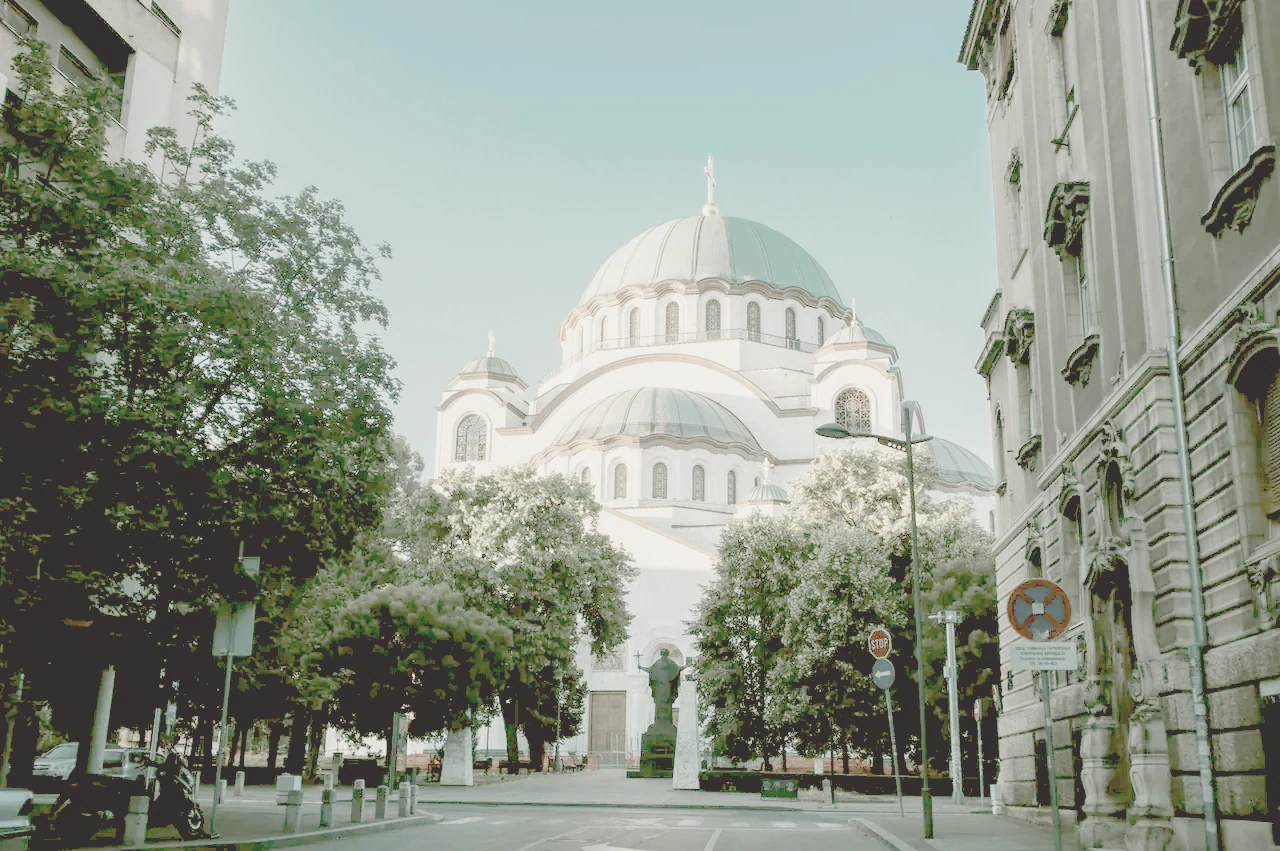 ArticleSerbia residence permit for Russians and CIS citizens in 2026: relocation through property, business, and work
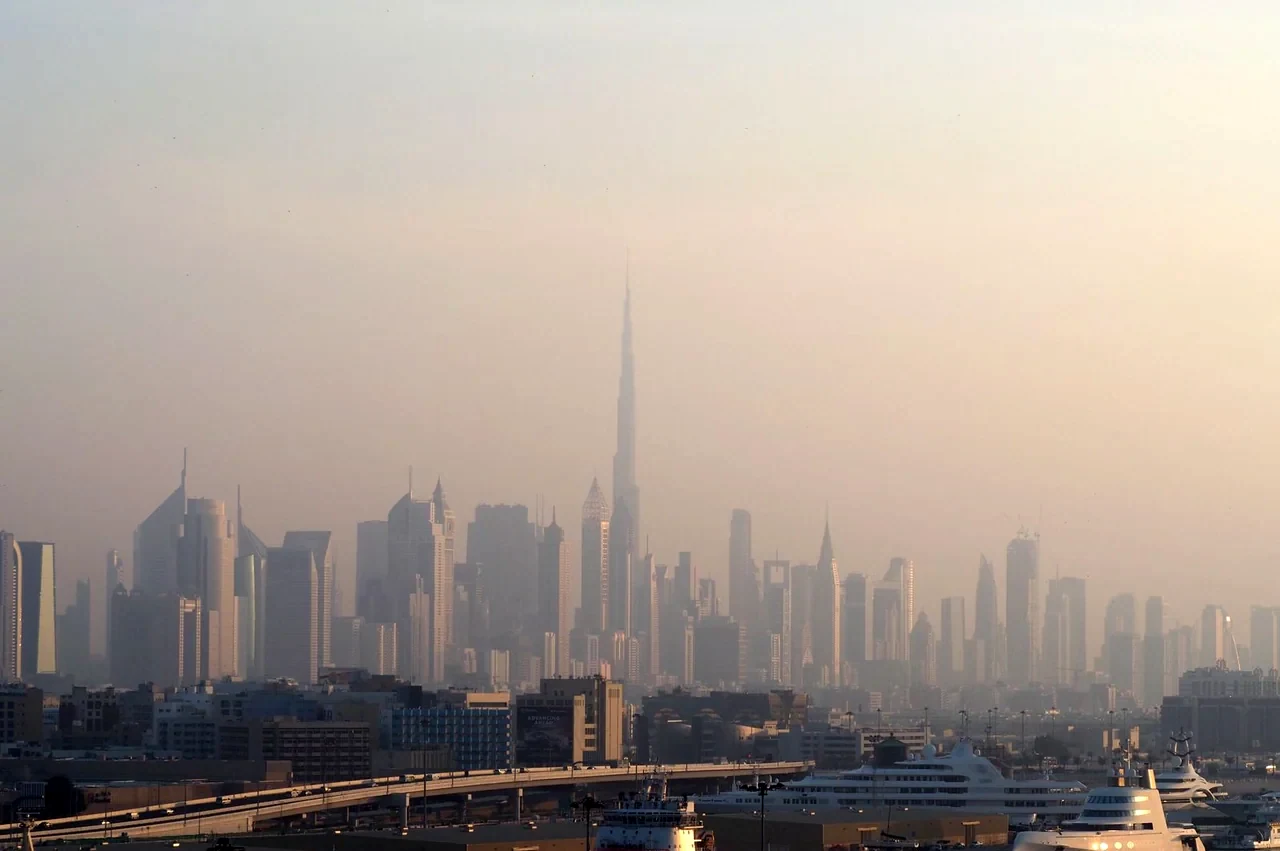 ComparisonSerbia or UAE: where to move in 2026 - cheap and nearby or with 0% tax
 AnalysisWhat is due diligence and why the Caribbean is rejecting applications
Personal programme selection is conducted by Anna Kovalevskaya, Head of Legal, BRIDGES.
How a programme is chosen: goals breakdown
Budget, family, timelines and relocation plans - which answers lead to which programme.