Citizenship · Romania
Romanian Citizenship by Origin: Complete Guide 2026
Updated: June 2026·10 min read·Expert reviewed
Terms and costs verified: June 2026
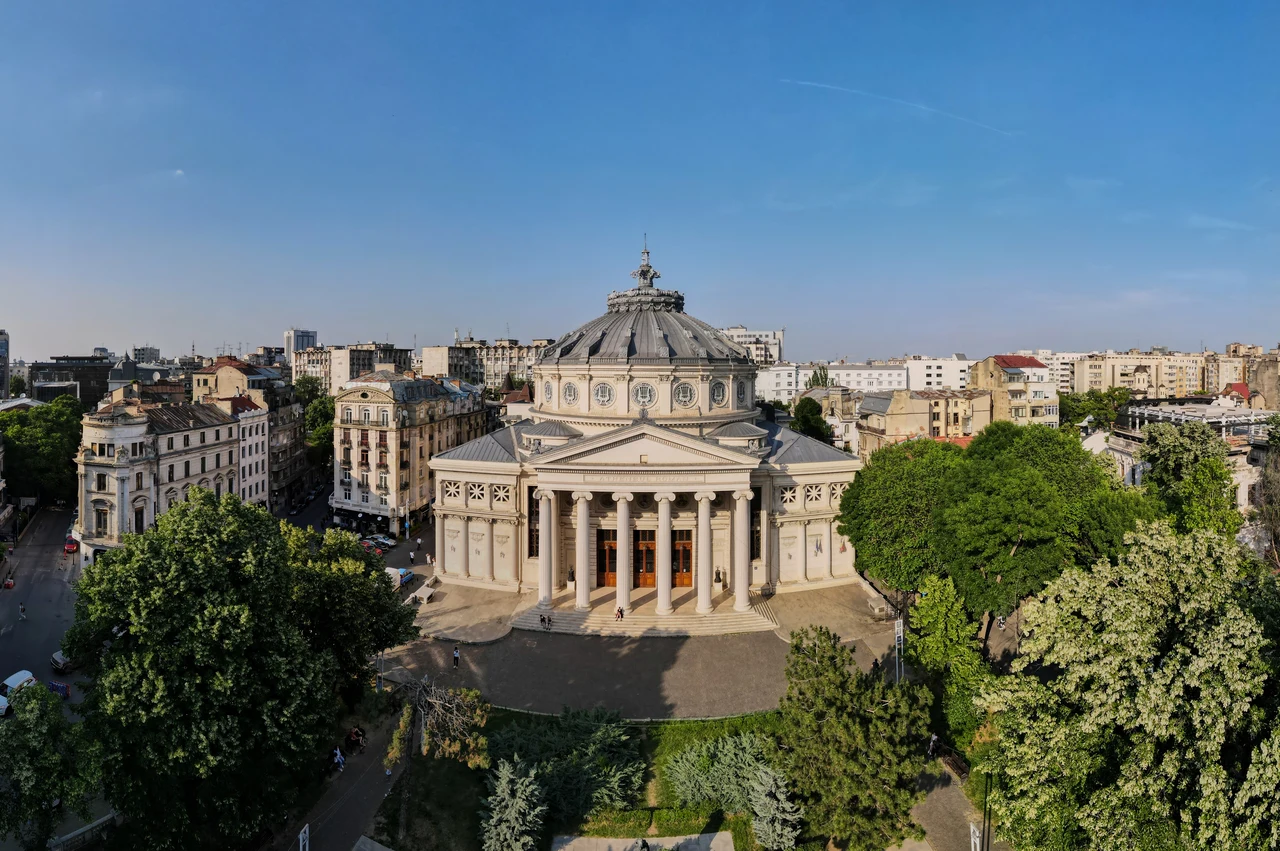
Romanian citizenship by descent is one of the few routes to an EU passport that does not require years of residence or major investment. If your ancestors were Romanian citizens before 1940, you have the right to regain your lost citizenship. The program is open to descendants of residents of Bessarabia, Bukovina, Northern Transylvania and other territories that were part of Romania.
Who is eligible for citizenship by descent?
The right to regain Romanian citizenship is enshrined in Article 11 of the Romanian Citizenship Law (Legea cetățeniei române). It applies to persons who either themselves lost citizenship against their own will (as a result of deportations, occupation, forced renunciation), or are descendants of such persons up to the third generation inclusive.
In practice, this means: if your grandfather or great-grandfather was a Romanian citizen before 1940 and lived in the territory that was part of Romania (Bessarabia, Northern Bukovina, Herza, Northern Transylvania), you can apply for Romanian citizenship.
Key territories whose residents had Romanian citizenship:
- Bessarabia - modern Moldova and Odessa region of Ukraine (Izmail, Bolgrad, Kilia)
- Northern Bukovina - Chernivtsi region of Ukraine
- Hertz - region in northern Ukraine
- Northern Transylvania - a region in Romania temporarily occupied by Hungary from 1940–1944.
Important: the program does not require proof of ethnicity. It is enough to prove that the ancestor was a citizen of Romania and lived in the relevant territory.
Required documents
The package of documents is formed along the chain: from you to the ancestor-citizen of Romania. Each document requires an apostille (if issued by a country that has acceded to the Hague Convention) and a notarized translation into Romanian.
Applicant's personal documents:
- Birth certificate (apostille + translation)
- Marriage certificate (if last name has changed)
- Valid passport
- Certificate of no criminal record (apostille + translation)
Documents for each intermediate generation:
- Birth certificate of parent/grandparent
- Marriage certificate (if last name has changed)
- Death certificate (if deceased)
Documents for an ancestor who is a citizen of Romania:
- Document confirming Romanian citizenship or residence on Romanian territory before 1940: metric registration, passport, deportation document, archival certificate
If the original documents are lost, they can be restored through the archives: registry office, state archives of Russia/Ukraine/Moldova, church registers. In some cases, ANR accepts circumstantial evidence in the aggregate.
ANR Submission Procedure
Since 2026, the procedure has changed: DABC (Departamentul pentru Relații cu Românii de Pretutindeni) is no longer an intermediate link. All applications are submitted directly to ANR - Autoritatea Națională pentru Cetățenie.
Step by step process:
- Preparation of documents. Collection and translation of the entire package. This is the longest stage - 2-6 months depending on the complexity of the pedigree.
- Submitting an application. In person at ANR in Bucharest or through a notarized representative (lawyer in Romania).
- Consideration. ANR checks documents. Duration: 12–24 months. In complex cases, requests for additional documents are possible.
- Taking the oath. If the decision is positive, the applicant must appear in person in Romania to take an oath of allegiance to the state. This is a mandatory step - without it, citizenship does not come into force.
- Receiving documents. After the oath, you receive a certificate of citizenship, then a Romanian identity card (buletin) and a foreign passport.
Timing and cost
Total period from the start of preparation to receipt of a passport: 18–36 months. This is the total time spent collecting documents, waiting for the ANR decision and issuing a passport.
Estimated costs:
- Apostilles in the country of issue of documents: $50–200 per document
- Notarized translations into Romanian: €30–80 per document
- Archival certificates (if necessary): €100–400
- State duty ANR: about €70
- Romanian passport: €120–150
- Services of a Romanian lawyer (if applying through a representative): €1,500–4,000
Full turnkey support through a specialized company: $3,000–8,000.
What does a Romanian passport provide?
Romania has been a member of the EU since 2007. The Romanian passport opens:
- The right to live and work in all 27 EU countries without visas or permits
- Visa-free entry to 170+ countries, including the USA, UK, Japan, Canada
- Access to European education at prices for EU citizens
- Possibility to open accounts and register companies in the EU without restrictions
- EHIC health insurance throughout the EU
Dual citizenship allowed: Russia, Ukraine, Moldova do not prohibit citizens from holding a Romanian passport (although they require notification or compliance with local procedures).
Romania vs other routes to an EU passport
Among EU citizenship programs by origin, Romania is one of the most affordable options:
- Romania by roots: $3,000–8,000, 18–36 months, no need to live in the country
- Bulgaria by roots (reform 2026): similar conditions, ~9–12 months
- Hungary by roots: requires Hungarian roots, language, ~2–3 years
- Portugal by origin: through proof of Sephardic Jewish ancestry
- Poland Pole's Card: provides benefits but not citizenship
Frequently asked
Questions people ask before deciding
01Is it possible to apply for D8 from Russia without leaving?
No. The Portuguese consulate in Russia does not work. Served in a third country - Serbia, Turkey, Georgia. You need to physically come to submit documents.
02Do I need to live in Portugal full time during the visa phase?
The D8 visa is an immigration visa and requires actual residence. To maintain a residence permit, you cannot be absent for more than 6 months in a row or 8 months in total per year. Being a digital nomad doesn't mean you have the freedom to roam the world.
03Is D8 suitable for couples and families?
Yes. A spouse or partner (including in a civil marriage under Portuguese law) and children under 18 years of age can obtain a residence permit as family members. The income must cover the entire family - the threshold is higher for each dependent.
04Is my income in rubles a problem?
No problem. The bank converts rubles into euros, the consulate looks at the equivalent in euros. The main thing is account statements confirming regular receipts and their amount. I advise you to keep at least part of your income in foreign currency.
05Is it possible to simultaneously register an individual entrepreneur in Portugal?
Yes, after obtaining a residence permit you can become self-employed (trabalhador independente) in Portugal. But at the D8 visa stage, the source of income must be foreign. Opening a local individual entrepreneur does not cancel D8, but changes the tax situation - consult in advance.
06What is NIF and why is it needed before entry?
NIF - número de identificação fiscal, Portuguese tax number. Without it, you cannot sign a lease, open an account, or obtain insurance. You can get it through a Portuguese representative (lawyer or agent) online, without arriving. This is done first.
07How quickly is a D8 application processed?
Officially up to 60 days. In practice, usually 3–5 weeks. You can't speed it up. This is why it is important to plan ahead: the entire journey from the start of documents to entry takes 2–4 months.
08Is Portuguese required to obtain a visa?
For D8 visa - no. For citizenship after 5 years - yes, level A2. It is better to start studying immediately after moving, and not three months before the exam.
09What has changed with the NHR in 2025-2026?
The classic NHR has been replaced by the IFICI mode - it is aimed at technology specialists, researchers, and startupers. The rate is the same - 20% for 10 years. But the list of activities has been updated. If you are IT or science, you will almost certainly qualify. Marketing, media, consulting - you need to check specifically.
10Is it possible to work for several clients from different countries?
Yes, this is a normal situation for a freelancer. The main thing is that the total income from all clients must be from €3,280/month, and all clients must be foreign (not Portuguese).
11What happens if I lose my job after receiving a residence permit?
The residence permit is not automatically canceled. But when you renew after 2 years, you need to verify your income again. If by that time you find a new job with sufficient income, renew it without any problems. Ideally, avoid long interruptions in income.
12Does Portugal have a double taxation agreement with Russia?
Yes, there is an agreement. This means that income on which you paid tax in one country will not be taxed again in another. In practice, most Portuguese resident clients terminate their tax residence in Russia after moving. Check your situation with a tax advisor before moving.
Transparency
How this material was prepared
- Author
- Daniel Kovach, senior International Law Attorney, BRIDGES
- Terms and costs last verified
- June 2026
- Sources
- official government authorities of the relevant country and state publications
- Methodology
- government minimum requirements are stated separately from due diligence charges, state fees, legal and banking costs
Sources and methodology
Figures, terms and timelines are checked against official sources as of June 2026. Link availability verified in August 2026. Third-party blogs and agent websites are not used as a source of programme terms.
- [1]Inspectoratul General pentru ImigrăriResidence permits and stayigi.mai.gov.ro
Methodology: tables and charts state government minimum investment requirements; due diligence charges, state fees, legal, banking and other costs are calculated separately and are not included in the minimum thresholds.
About the author
Related materials
What to read next
 ComparisonAntigua and Barbuda or Grenada: Family Passport for Large Families in 2026
 AnalysisWhat is due diligence and why the Caribbean is rejecting applications
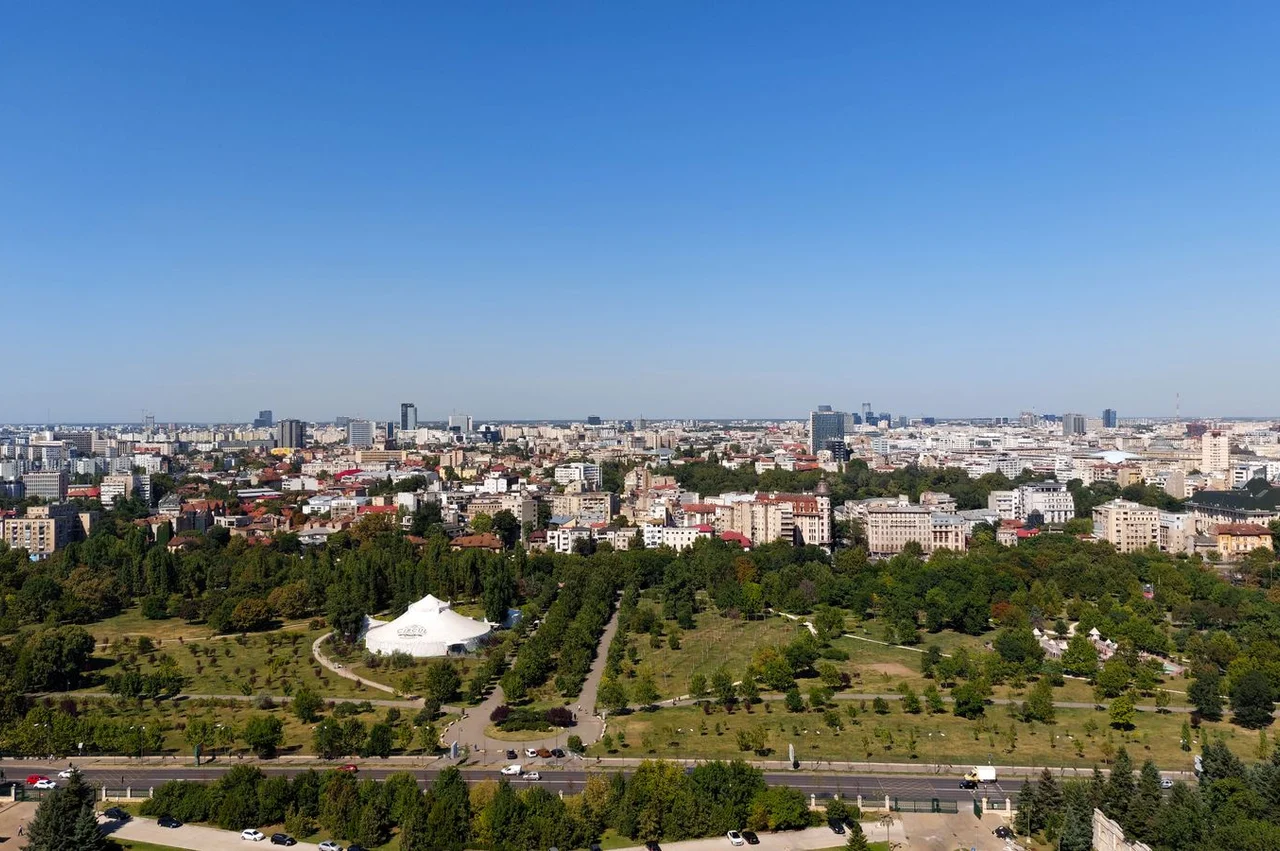 ArticleRomanian citizenship for Moldovans: simplified path to the EU in 2026
Personal programme selection is conducted by Anna Kovalevskaya, Head of Legal, BRIDGES.
Citizenship of Romania: preparation checklist
Documents prepared in advance, source of funds checks and where applications usually fail.