Residency · Malta
Malta long-term residence after 5 years: conditions, documents, fee

Updated: October 2026·10 min read·Expert reviewed
Terms and costs verified: October 2026
Contents
In Malta a non-EU national can obtain permanent status in two ways: immediately through the investor permanent residence programme, or after five years of legal residence by applying for EU long-term residence. The second route requires no investment, but it does require actually living in the country, stable income, accommodation and completing an integration programme. The fee is EUR 500, the card is issued for five years and the status itself is permanent. I go through the conditions, documents, the difference from the MPRP programme and why this status has become more prominent after Malta's 2027 budget.
In brief
- EU long-term residence in Malta can be obtained after 5 years of legal and continuous residence.
- Conditions: stable and regular income, accommodation, completion of integration measures and a passport valid for at least 6 months.
- The application is filed online through the Identità Expatriates Unit portal; the fee is EUR 500.
- The status is permanent; the residence card is issued for 5 years and then replaced.
- Unlike the MPRP investor programme, this status needs no investment but requires five years of genuine residence.
What EU long-term residence in Malta is
EU long-term residence is a status introduced by EU Directive 2003/109 for non-EU nationals who have lived in one EU country for five years. In Malta it is implemented by subsidiary legislation 217.05, and the status is granted by the Identità agency through its Expatriates Unit. The status is permanent: unlike a temporary permit it does not need to be confirmed each year, but the residence card is replaced every five years. It is not citizenship or a Maltese passport, but it is the strongest status for a foreigner after citizenship.
It should not be confused with Malta investor permanent residence, the MPRP programme. MPRP grants permanent status immediately, without five years of residence, for a government contribution and property; it is covered in detail in our article on the MPRP programme and the guide. EU long-term residence, by contrast, requires no investment, but it is available only to people already living in Malta on other grounds: work, the digital nomad visa, the GRP programme for tax residents or the retirement programme.
| EU long-term residence | MPRP investor permanent residence | |
|---|---|---|
| How to get it | after 5 years of residence on another permit | immediately, for a government contribution and property |
| Presence requirement | actually live in Malta for 5 years | living in Malta is not required |
| Investment | not needed | contribution, rental or purchase of a home, donation |
| Integration and language | required | not required |
| Rights in other EU countries | simplified move under the EU directive | only Schengen travel, 90 in 180 |
| Who it suits | people already living in Malta | people who need status without moving |
What this means for you. If you already live in Malta on a temporary permit and want stability after five years, EU long-term residence is the logical next step without new investment.
Conditions
The main condition is five years of legal and continuous residence in Malta. Legal means on a valid residence permit, not on a visa or visa-free stay. Continuous means without long absences: under the EU directive, absences should generally not exceed six consecutive months or ten months in total over five years. Periods on some statuses, such as study, count only partly or not at all, so it is worth checking your period in advance.
The second condition is stable and regular income sufficient to live without state social assistance, for yourself and family members. The third is accommodation, owned or rented, that meets standards. The fourth is integration measures: Malta has an integration programme for this, which includes learning Maltese and English and a course on life in the country with a final assessment. The completion certificate is attached to the application.
| Condition | What is required |
|---|---|
| Residence period | at least 5 years of legal and continuous residence in Malta |
| Resources | stable and regular income sufficient for yourself and your family without social assistance |
| Accommodation | owned or rented accommodation suitable for living |
| Integration | completion of integration measures under subsidiary legislation 217.05 |
| Passport | valid for at least 6 months on the date of application |
| Fee | EUR 500 |
| Result | permanent status, card valid for 5 years |
What this means for you. The five years are counted only on a legal residence permit. Time on a visa, visa-free or with an expired card does not count, so renew your permit on time.
How to apply
The application is filed online through the Identità Expatriates Unit portal. Form L, the application for long-term status, can be downloaded from the portal. The passport must be valid for at least six months on the date of application. The fee is EUR 500. After the documents are checked, the applicant is invited to give biometrics, and then a residence card valid for five years is issued.
The application is usually accompanied by: passport, current residence card, proof of income for recent years, a lease or title document for the home, health insurance, the integration programme certificate and documents for family members if they apply together. The agency may specify the exact list for a particular case. Documents issued outside Malta need an apostille and an English translation.
Darya MelnikSenior Investment Programs Advisor, BRIDGES
Living in Malta and want permanent status? We will prepare the application
We will check your residence period, gather documents and file the application.
What long-term status gives
A holder of EU long-term residence in Malta has almost the same rights as EU citizens in employment, education, social services and taxation. They can work without a separate permit, run a business, study and use public services. Importantly, the status also gives a simplified procedure for moving to another EU country: under the directive, a long-term resident can obtain residence in another EU country on easier terms than a new applicant.
Malta's 2027 budget has made this status even more prominent. From 2027, work permit fees for non-EU nationals rise and an annual contribution is introduced, while a number of benefits, such as free public transport, remain only for Maltese citizens, EU citizens and long-term residents. The restriction on using foreign driving licences also does not apply to long-term residents. Details are in our story on Malta's 2027 budget.
What this means for you. Long-term status in Malta is not a formality. From 2027 real benefits depend on it: transport, driving licences, childcare. If you have lived there five years, apply for it.
Family and long-term status
Long-term status is personal: each family member obtains it separately if they themselves have lived in Malta for five years and meet the conditions. A spouse and children who arrived later than the main applicant can get the status later, once they reach their own period. Until then they stay in Malta on family permits linked to the main applicant's status. Income in the application is usually assessed for the whole family, so for a large family the resource requirements are higher.
For children it is important to watch their age. A child who comes of age may lose the right to a family permit if they are not studying and do not obtain their own status. If they are close to five years of residence, it is worth thinking in advance about the grounds on which they will continue to live in Malta.
Common mistakes and reasons for refusal
The most common reason for refusal is a gap in the period. If a permit once expired and the renewal was filed late, the time without status may break continuity, and the five years start again. The second reason is insufficient or irregular income: the agency looks not at the balance on the day of application but at the stability of income over recent years. The third is a missing integration certificate or one that does not meet requirements. The fourth is long absences, especially if the person in fact lived in another country and came to Malta rarely.
To avoid a refusal, check the dates of all your permits a year before applying, gather income statements and sign up for the integration programme. If your history includes gaps or absences, prepare an explanation and supporting documents in advance.
When long-term status is lost
The status is permanent but not unconditional. Under the EU directive it can be lost if the person has been absent from EU territory for 12 consecutive months or from the country that granted the status for six years. It is also withdrawn if obtained fraudulently or if the person poses a threat to public policy. So those planning to leave Malta for a long time should understand in advance how to keep the status or restore it on return.
Points for Russian nationals
For Russian citizens, long-term residence in Malta is available on general terms: there are no separate nationality restrictions. In practice, though, two things matter. First, proof of income: if income comes from Russia, the agency may look more closely at its source and regularity, and transfers from Russian banks to the EU have become complicated in recent years. It is easier when income arrives in an account at an EU bank. Second, documents: certificates issued in Russia must be apostilled and translated, and obtaining them from abroad can take a long time.
The path to Maltese citizenship
Long-term residence does not grant citizenship automatically. Maltese citizenship by naturalisation is available to a foreigner who has lived in the country for a long time, usually at least five of the last seven years with the last year continuous, with good character and language knowledge; the decision remains at the minister's discretion. More is in our articles on Maltese citizenship and naturalisation.
Malta's citizenship by investment programme stopped after the EU Court of Justice ruled on 29 April 2025 that it was contrary to EU law. A route to citizenship for exceptional merit remains, but it is not a programme for investors. On the history of the programme, see our article on Maltese citizenship by investment.
Taxes and long-term status
Long-term residence itself does not change taxes. Tax residence in Malta is determined by residence, and for foreigners there is a regime under which foreign income is taxed only when remitted to Malta if the person is not domiciled in Malta for tax purposes. For those who want a predetermined tax, there is the GRP programme and other tax statuses; on tax residence see a separate page, and on tax programmes from 2027 our story on the new tax programme.
Which to choose: wait five years or take MPRP
If you already live in Malta and are ready to stay five years, EU long-term residence is an economical route to permanent status. If you need status immediately without having to live in the country, MPRP is suitable: it costs more but requires neither relocation nor integration. Many families combine the routes: they first obtain MPRP for stability and then, if they move to Malta, use their years of residence towards naturalisation.
Comparing Malta with its neighbours is helped by our articles Cyprus or Malta residence and Portugal or Malta. On life on the island, see our articles on life in Malta and the cost of living, and for Russians Malta residence for Russians. On types of residence, see our article on Malta residence permits, and on the nomad visa our article, guide and glossary term. Presence requirements of programmes in different countries are compared in the guide to presence requirements.
What to do
Count your years
How many years you have lived in Malta on a legal permit and whether there were long absences.
Check your income
You need stable income for yourself and your family without social assistance. Prepare statements.
Complete integration
Sign up for the integration programme early: courses and assessment take time.
Apply online
Through the Expatriates Unit portal, with a passport valid for at least 6 months and the EUR 500 fee.
Give biometrics
After approval you receive a 5-year card; remember to replace it on time.
Everything about the country is on the Malta page. The terms temporary residence and permanent residence are explained in the glossary. To discuss your status, book an online consultation; all BRIDGES services are on the home page.
Need permanent status in Malta? We will find the route
We will compare long-term residence and MPRP for your situation.
Darya MelnikSenior Investment Programs Advisor, BRIDGES
How this article was prepared
Sources: the long-term residence page on the Identità agency website, section for non-EU nationals; Form L; Maltese subsidiary legislation 217.05; EU Directive 2003/109 on the status of third-country nationals who are long-term residents; Malta's 2027 budget; the EU Court of Justice ruling of 29 April 2025 on Malta's citizenship programme. This article does not replace a consultation.
Share this article
Frequently asked
Questions people ask before deciding
01When can I get long-term residence in Malta?
After 5 years of legal and continuous residence in Malta on a residence permit, with stable income, accommodation and completed integration measures.
02How much does the application cost?
The fee is EUR 500. Translations, apostilles and the integration programme may cost extra.
03How long is the card valid?
The status is permanent, while the residence card is issued for 5 years and then replaced.
04How does it differ from MPRP?
MPRP grants permanent status immediately for a contribution and property, without a requirement to live in Malta. Long-term residence needs no investment but requires 5 years of genuine residence and integration.
05Does the status lead to citizenship?
No. Citizenship by naturalisation is a separate procedure with requirements for residence period and language, at the minister's discretion.
About the author
Related materials
What to read next
 ArticleMalta permanent residency, MPRP: conditions, cost, real estate, and filing for a family
 NewsMalta: the 2027 budget raises charges for non-EU residents
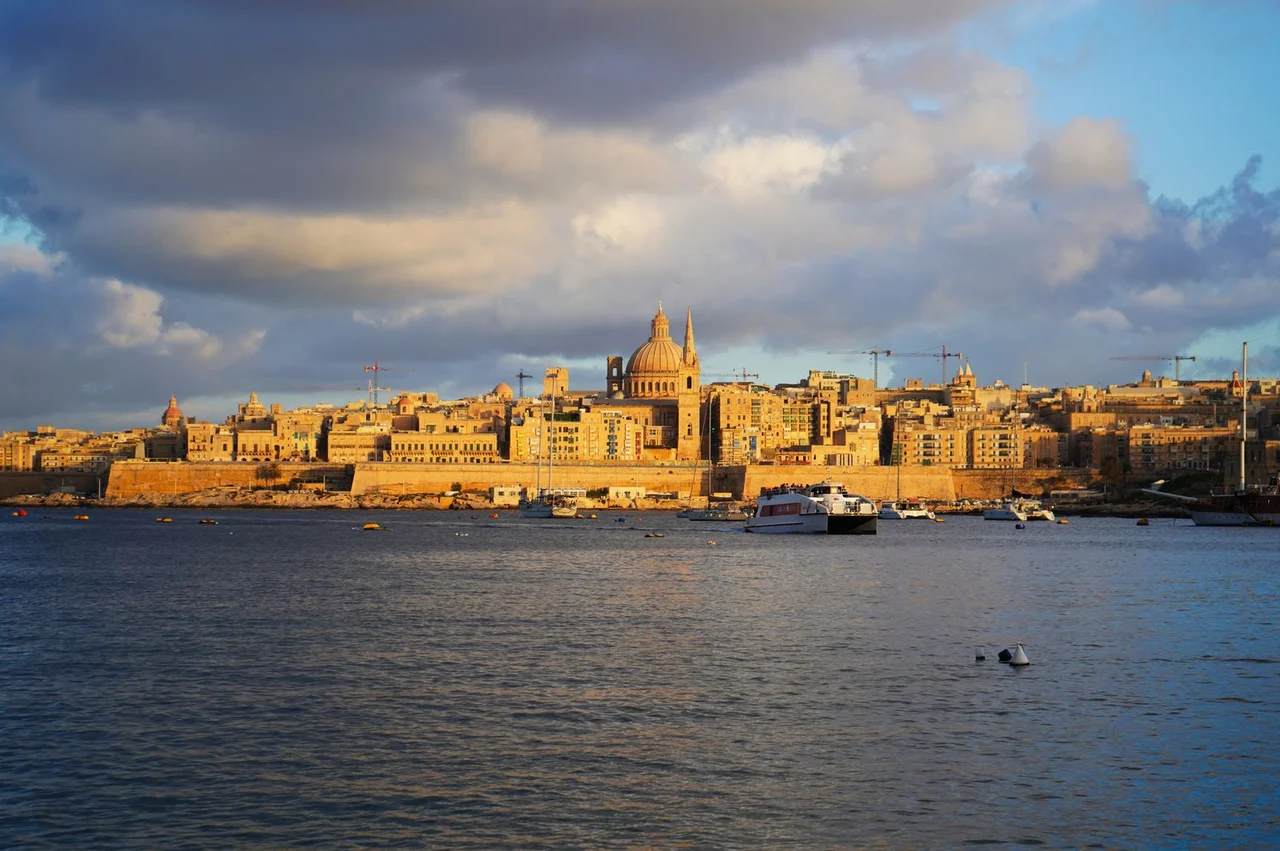 ArticleMaltese citizenship by descent: through parents, grandparents and roots
News+1 story on 3 November
Related news
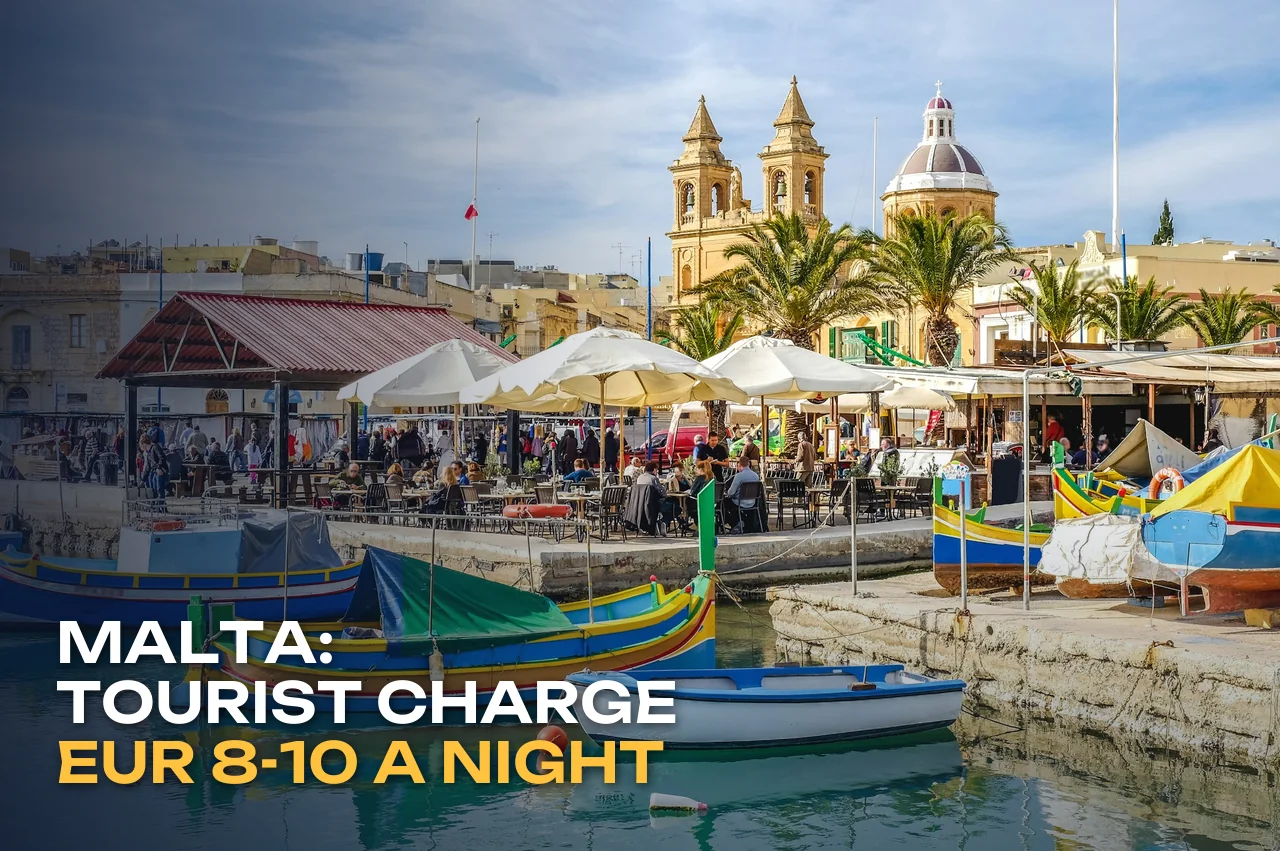 Malta · 27 OctMalta raises its tourist eco-contribution to EUR 8 and EUR 10 a night from 2027
 Malta · 16 OctMalta changes tax statuses for foreigners from 2027: a EUR 35,000 minimum and property from EUR 700,000
Personal programme selection is conducted by Anna Kovalevskaya, Head of Legal, BRIDGES.
Living in Malta and want permanent status? We will prepare the application
We will check your residence period, gather documents and file the application.
