Residency · Egypt
Real Estate in Egypt 2026: Prices, Buying as a Foreigner, the Path to Residence and Citizenship

Updated: June 2026·11 min read·Expert reviewed
Terms and costs verified: June 2026
Contents
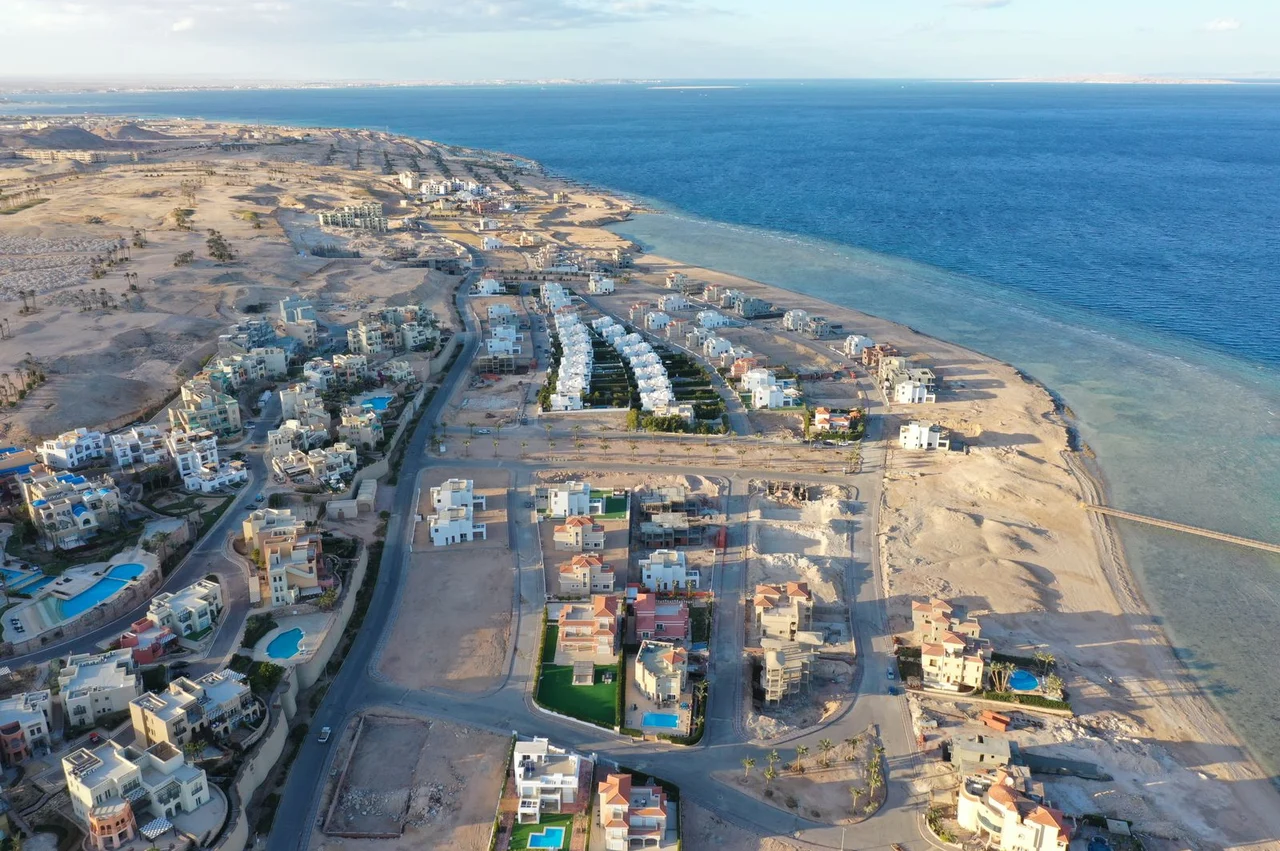
For people from Russia and the CIS, Egypt has long stopped being just a beach-holiday destination. Today it is a market where a foreigner can legally buy a seafront apartment in Hurghada or Sharm El Sheikh, an apartment in Cairo's new districts, or a residence permit through investment. Real estate in Egypt remains one of the most affordable to enter among the countries of the Mediterranean and the Red Sea, and with an investment of USD 300,000 or more it opens the door to a second passport. In this article we lay it out plainly: the real 2026 prices, the limits for foreigners, the buying process, the taxes, and how purchasing an apartment relates to resident or citizen status.
The Egyptian Real Estate Market in 2026: the Essentials
The Egyptian real estate market in 2026 remains in focus for investors from Russia and the CIS for several reasons: intensive development of the Greater Cairo suburbs, rapid growth of new cities, long installment plans from developers, and steady demand for homes along the Red Sea and the Mediterranean.
According to analysts, the median price of housing across Egypt sits at around 5.5 million Egyptian pounds (EGP), equivalent to roughly USD 116,000. In Greater Cairo the median is higher - about 12 million EGP, around USD 252,000. That is noticeably lower than in most European and Middle Eastern countries, and it is precisely this low cost of entry that makes the country attractive for a first purchase abroad.
It is important to understand the structure of the market. Prices in 2026 are projected to keep rising, but more slowly than in 2025, and the growth will be selective - it depends on the location and the quality of the project. Gentrifying districts have added 15-30% a year over the past two years, whereas resale property in residential neighborhoods moves far more calmly. That is why choosing the specific property matters more than betting on the market as a whole.
Can a Foreigner Buy Real Estate in Egypt
Yes, a foreigner can buy real estate in Egypt, and it is entirely legal. Ownership rights for non-residents are governed by Law No. 230 of 1996. That same law sets out the limits that a buyer should know about in advance, so as not to run into a refusal at registration.
The basic restrictions for a foreign individual are as follows:
- No more than two properties within the country, for personal residence or licensed use.
- The area of each property is up to 4,000 sq m. For an apartment this leaves an enormous margin; the limit is more relevant to plots of land and villas.
- Residential use only. The property must not be a monument under the Antiquities Protection Law.
- Strategic and military zones are off-limits. Some coastal land requires presidential approval.
- Resale restriction - in most cases around five years from the date of registration.
These rules apply to an ordinary purchase. Following the 2024 land-law reform, investment projects may proceed under different, more liberal terms, but that is a separate scenario for a business rather than for a family buying a seafront apartment.
An Important Caveat: Sinai and Sharm El Sheikh
This is a nuance that catches many buyers off guard. The Sinai Peninsula, where Sharm El Sheikh is located, operates under special rules because of the region's border and strategic status. Here a foreigner generally cannot register full ownership (freehold) of a property.
Instead, a usufruct arrangement is used - a long-term right of use (usually for 99 years). In practice you obtain the right to live in the property, rent it out and use it for decades, but legally this is not classic ownership as in Hurghada or Cairo.
In practice this is a workable option for many buyers: the long-term right of use can be inherited and sold. But if full ownership is essential for you, you should look at mainland locations - Hurghada, Cairo, El Alamein or Alexandria. Before a deal in Sharm, always confirm the form of title with a lawyer: the difference between freehold and usufruct is the difference in the legal protection of your asset.
Where People Buy: an Overview of Popular Locations
Choosing the city for your purchase depends on the goal - holidays, rental income, relocation, or an investment for status. Here is a brief look at the key destinations that most often interest foreign buyers.
Hurghada. The top choice by demand among Russian buyers. Affordable prices, direct flights, a well-developed Russian-speaking community and full ownership for foreigners. Solid rental returns - gross yields on apartments average around 7.3% a year, reaching up to 8% on some properties.
Sharm El Sheikh. A premium Red Sea resort with world-class diving. The subtlety of the form of title (usufruct) is described above.
Cairo. The country's business heart, with year-round demand and rentals for expats and corporate staff. The most expensive square meters are in Sheikh Zayed, New Zayed and premium New Cairo.
The New Administrative Capital. A large-scale government megaproject near Cairo. One of the fastest-appreciating markets, with an active resale segment in the R7 and R8 districts.
El Alamein (New Alamein). A growing resort on the Mediterranean coast, referred to as the new investment capital of the North Coast.
Alexandria. A historic gem of the Mediterranean, with a calm urban rhythm and steady domestic demand.
Real Estate Prices in Egypt: Benchmarks by Location
Real estate prices in Egypt are easier to compare by the cost per square meter - that way the difference between a resort and the capital is immediately clear. The figures below are indicative; the actual amount depends on the project's stage of completion, the view, the infrastructure and the developer.
| Location | Price benchmark / parameter |
|---|---|
| Nationwide (median housing) | ~5.5 million EGP (~USD 116,000) |
| Greater Cairo (median) | ~12 million EGP (~USD 252,000) |
| Premium Cairo (Sheikh Zayed, New Cairo) | ~125,000-200,000 EGP per sq m |
| El Alamein (New Alamein) | ~28,000-183,000 EGP per sq m |
| Hurghada (apartments, rental yield) | ~5.9-8.1% gross per year |
| New Administrative Capital | Price growth of ~15-30% a year in several districts |
What this means in practice. A studio or small seafront apartment in Hurghada can genuinely be found for noticeably less than comparable housing in Turkey, Cyprus or the UAE. Premium apartments in New Cairo or by the sea in Alamein will cost more, but still remain more affordable than many Mediterranean equivalents. It is precisely this combination of a low entry threshold and growth potential that attracts buyers.
Want property in Egypt? We will find options
We will send a selection of properties for your budget.
We Will Help You Choose a Property and Secure Your Status
Buying property in another country is not just about choosing an apartment - it also involves legal due diligence on the property, the form of title, registration, bank payments and compliance. Whether the purchase becomes an asset or a problem depends on how well the deal is structured.
The BRIDGES GLOBAL team supports the purchase of real estate in Egypt and the statuses connected with it - residence permit and citizenship by investment. We handle the legal registration of ownership, the verification of the source of funds and the acquisition of status, while where your family lives is entirely up to you.
Request a consultation - and we will review your goal and budget and design a scenario: from a holiday apartment to an investment for a second passport.
How Buying an Apartment in Egypt Works: Step by Step
Buying an apartment in Egypt as a foreigner goes through several stages. The process is more transparent than it looks from the outside, but it requires attention to legal detail and time for approvals.
- Choosing the property and due diligence. A lawyer confirms that the seller is the lawful owner, that the property is free of encumbrances, is not a listed monument and is not located in a restricted zone.
- Reservation. A preliminary agreement is signed and a deposit (reservation) is paid, and the property is taken off the market.
- Sale and purchase agreement. The parties fix the price, terms and deadlines. Developers often offer long installment plans over several years.
- Approval for the foreign buyer. A foreigner's transaction requires government approval - in practice the procedure usually takes about two months.
- Registration of title. The transaction is formally registered, so that you hold protected ownership and not merely a contract in hand. Lawyers recommend full registration in the register rather than simplified forms.
A signed contract is only the start of the journey. Without official registration of title, ownership remains vulnerable, so this is not a stage to cut corners on.
Registration and Form of Title: What to Look For
In Egypt, different methods of registration have historically coexisted, and for a foreigner this is the most sensitive point of the deal. Some properties are sold under simplified contracts without full registration in the state property register. Their price may be more attractive, but the risks are higher too.
Full registration in the register gives you a legally protected title - the very title that the state and the courts recognize in any dispute. Moreover, for the purposes of a residence permit, and all the more so for citizenship by investment, the authorities expect a property that is officially registered and recorded in the register, not merely a contract between the parties.
The practical takeaway for any foreign buyer: always confirm the exact form of title with a lawyer (full ownership, usufruct or preliminary contract) and insist on official registration. This is an expense you do not skimp on, because the safety of your entire investment depends on it.
Taxes and Costs on Purchase
When planning your budget, allow not only for the price of the property but also for the associated costs and taxes. The exact rates depend on the type of property and its value, so the final estimate should always be confirmed by a local lawyer or tax adviser.
What typically makes up the costs:
- Registration and notary/court fees for registering title.
- Transfer/registration tax on the property.
- Annual property tax - which applies in Egypt with a number of thresholds and reliefs for lower-value housing.
- Legal support for the transaction.
It is also worth keeping in mind the country's overall tax framework: income tax is progressive, and the VAT (value-added tax) rate is around 14%. a point worth making: owning property, and even holding Egyptian citizenship, does not in itself make you an automatic tax resident of the country - these are different legal statuses. Tax residency is determined by separate criteria (length of stay, center of vital interests) and should be discussed separately.
“The main thing I repeat to every client: in Egypt the price of the property is not the most important part of the deal. The form of title and registration matter more. The most common story is someone falling in love with a seafront apartment in Sharm El Sheikh without knowing that in Sinai a foreigner is usually offered not full ownership but a long-term right of use. It is a workable format, but the client has to understand exactly what they are buying. The second point is registration in the state register. Simplified contracts look cheaper, but for a residence permit - and all the more for citizenship by investment - you need an officially registered title. And third, the amount decides the status: below the threshold of USD 300,000 we are usually talking about a residence permit, while from that level the path to a passport opens up. I always advise defining the goal first - holidays, rental, relocation or a second passport - and only then selecting both the location and the form of the deal to match it. Then the purchase becomes a protected asset rather than a source of surprises.”
Real Estate and the Residence Permit
Buying real estate in Egypt can serve as grounds for obtaining a residence permit. It is a logical step for those who plan to spend a lot of time in the country but are not yet ready for a large investment for citizenship.
Here it is important to distinguish two concepts that the market often confuses. An investor residence permit and citizenship by investment are different programs with different thresholds and timelines. Buying property for a smaller sum than the citizenship program requires generally leads to a residence permit rather than a passport.
A residence permit gives you the right to stay in the country legally and for long periods - convenient when you own property, run a business or have a family. We cover the conditions, timelines and minimum amounts for resident status in detail in a separate article - residence permit in Egypt. If your goal is specifically a passport, move on to the next section about citizenship.
Real Estate from USD 300,000 and Citizenship by Investment
This is the key fork in the road for a major investor. If the amount invested in real estate reaches USD 300,000, the path that opens is not to a residence permit but to Egyptian citizenship by investment.
The program has been running since 2019-2020 and offers several routes, one of which is the purchase of real estate from USD 300,000. The investor may acquire a property that is state-licensed or recorded in the register: residential, commercial or a plot of land, completed or under construction. An attractive detail is the ability to recover the investment: the property may be sold five years after citizenship is granted.
The timelines on this route are usually longer than for a simple purchase - about ten months or more, allowing for due diligence. The process is handled remotely, with no requirement of permanent residence in the country. After approval in principle, the applicant receives a temporary six-month residence permit so that, if they wish, they can enter Egypt and complete the investment.
We cover the conditions, the thresholds for every option (contribution, deposit, business) and the procedure in our guide to Egyptian citizenship by investment and in the general article on Egyptian citizenship. Securing the status end to end is handled by our Egyptian citizenship by investment program.
Real Estate in Egypt for Russian Buyers: What to Know
Real estate in Egypt remains a popular and lawful choice for Russian buyers. Direct flights, a warm sea year-round, affordable prices and a large Russian-speaking community in Hurghada make the country one of the most straightforward destinations for a first purchase abroad.
A few practical pointers for a buyer from Russia and the CIS:
- Second citizenship. Russia permits second citizenship subject to notifying the Ministry of Internal Affairs, and Egypt likewise permits dual citizenship (with notification). This removes many of the concerns of those considering a passport through real estate.
- Payments and compliance. Transferring large sums requires transparent proof of the source of funds. We work strictly within the law, with no sanctions-circumvention schemes - compliance protects the buyer first and foremost.
- Realistic expectations about the passport. The Egyptian passport is of medium strength: it does not provide direct visa-free access to the Schengen area or the US. At the same time, Egypt is a party to the E-2 treaty with the US, which gives access to the E-2 investor visa (this is a visa, not a green card and not a passport).
If your goal is specifically a seafront home for your family and holidays, take a separate look at our article on real estate in Egypt for Russian buyers with a focus on the everyday and legal nuances.
Common Buyer Mistakes and How to Avoid Them
Most problems when buying real estate in Egypt stem not from the market itself but from inattention to legal detail. Here are the mistakes that occur most often.
- Buying in Sharm as full ownership. In Sinai this is usually a usufruct, not freehold. Without confirming the form of title, the buyer ends up with something other than what they expected.
- A deal without full registration. A simplified contract is cheaper, but it does not give a protected title and is unsuitable for residence-permit or citizenship purposes.
- Ignoring the legal limits. Attempting to register more than two properties in one person's name, or a property in a restricted zone, will lead to a refusal.
- Underestimating the timelines. Government approval of a foreigner's transaction takes time - about two months, and that is normal.
- Payments without proof of the source of funds. This is especially relevant for the large sums involved in citizenship - compliance is prepared in advance.
All these risks are removed by competent legal support and due diligence on the property before the deposit is paid.
Want Egyptian residency through property? We will help you get it
We will send a step-by-step plan and timeline for your case.
Andres FerreiraHead of Investment Advisory, BRIDGES
Expert-Reviewed: a Practitioner's View
Buying real estate in Egypt calls for a sober view of the legal side. This section reflects our practice of supporting transactions and status applications - so that decisions are made on facts, not on marketing promises. Below is a direct comment from a BRIDGES GLOBAL expert who leads such projects for clients from Russia and the CIS.
Share this article
Frequently asked
Questions people ask before deciding
01Can a foreigner buy real estate in Egypt?
Yes, it is legal. A foreigner may own no more than two properties for personal use, each up to 4,000 sq m in area (Law No. 230 of 1996). The property must not be a monument and may not be located in a restricted zone.
02How much does real estate in Egypt cost in 2026?
The median price of housing nationwide is around 5.5 million Egyptian pounds (roughly USD 116,000), and higher in Greater Cairo - about USD 252,000. A seafront studio in Hurghada can be found for noticeably less than comparable properties in Turkey, Cyprus or the UAE.
03Where is it better to buy an apartment - Hurghada or Sharm El Sheikh?
In Hurghada a foreigner can obtain full ownership and solid rental yields (averaging around 7.3% a year). In Sharm El Sheikh, in Sinai, a usufruct is usually registered - a long-term right of use rather than full ownership.
04Why can't full ownership be registered in Sharm El Sheikh?
The Sinai Peninsula has a strategic border status. As a result, a foreigner there is generally offered a usufruct right of use (usually for 99 years), which can be inherited and sold, but which legally is not a classic freehold.
05How does a foreigner buy an apartment in Egypt?
The stages: due diligence on the property and the seller, reservation with a deposit, a sale and purchase agreement (often with a developer installment plan), government approval of the foreigner's transaction (about two months), and official registration of title in the register.
06Does buying real estate grant a residence permit in Egypt?
Yes, buying real estate can serve as grounds for a residence permit. An investor residence permit and citizenship by investment are different programs with different thresholds; smaller amounts usually lead to a residence permit rather than a passport.
07At what amount does real estate grant Egyptian citizenship?
With an investment in real estate of USD 300,000 or more, the path to citizenship by investment opens up. The property can be sold five years after the passport is obtained. The procedure usually takes ten months or more, with due diligence.
08What taxes and costs apply when buying real estate in Egypt?
Budget for registration and notary/court fees, property transfer tax, annual property tax and legal support. The country's VAT rate is around 14%, and income tax is progressive.
09Does buying real estate make you a tax resident of Egypt?
No. Owning property, and even holding citizenship, does not in itself make you an automatic tax resident - these are different statuses. Residency is determined by length of stay and center of vital interests, and is discussed separately.
10Is real estate in Egypt popular with Russian buyers?
Yes, it is a lawful and sought-after choice: direct flights, a warm sea, affordable prices and a Russian-speaking community in Hurghada. Russia permits second citizenship subject to notifying the Ministry of Internal Affairs, and Egypt likewise permits dual citizenship.
11Does the Egyptian passport grant visa-free entry to the Schengen area and the US?
No, not directly - it is a medium-strength passport. However, Egypt is a party to the E-2 treaty with the US, which gives access to the E-2 investor visa. This is a visa, not a green card and not a passport.
12What matters more when buying - the price or the form of title?
The form of title and registration matter more than the price. In Sinai it is usually a usufruct rather than full ownership, and simplified contracts without registration in the register are unsuitable for a residence permit or citizenship. Always confirm the form of title with a lawyer before paying the deposit.
Transparency
How this material was prepared
- Author
- Andres Ferreira, head of Investment Advisory, BRIDGES
- Terms and costs last verified
- June 2026
- Sources
- official government authorities of the relevant country and state publications
- Methodology
- government minimum requirements are stated separately from due diligence charges, state fees, legal and banking costs
Sources and methodology
Figures, terms and timelines are checked against official sources as of June 2026. Link availability verified in August 2026. Third-party blogs and agent websites are not used as a source of programme terms.
- [1]General Authority for Investment and Free Zones (GAFI)Investment grounds and procedurewww.gafi.gov.eg/English/Pages/default.aspx
Methodology: tables and charts state government minimum investment requirements; due diligence charges, state fees, legal, banking and other costs are calculated separately and are not included in the minimum thresholds.
About the author
Related materials
What to read next
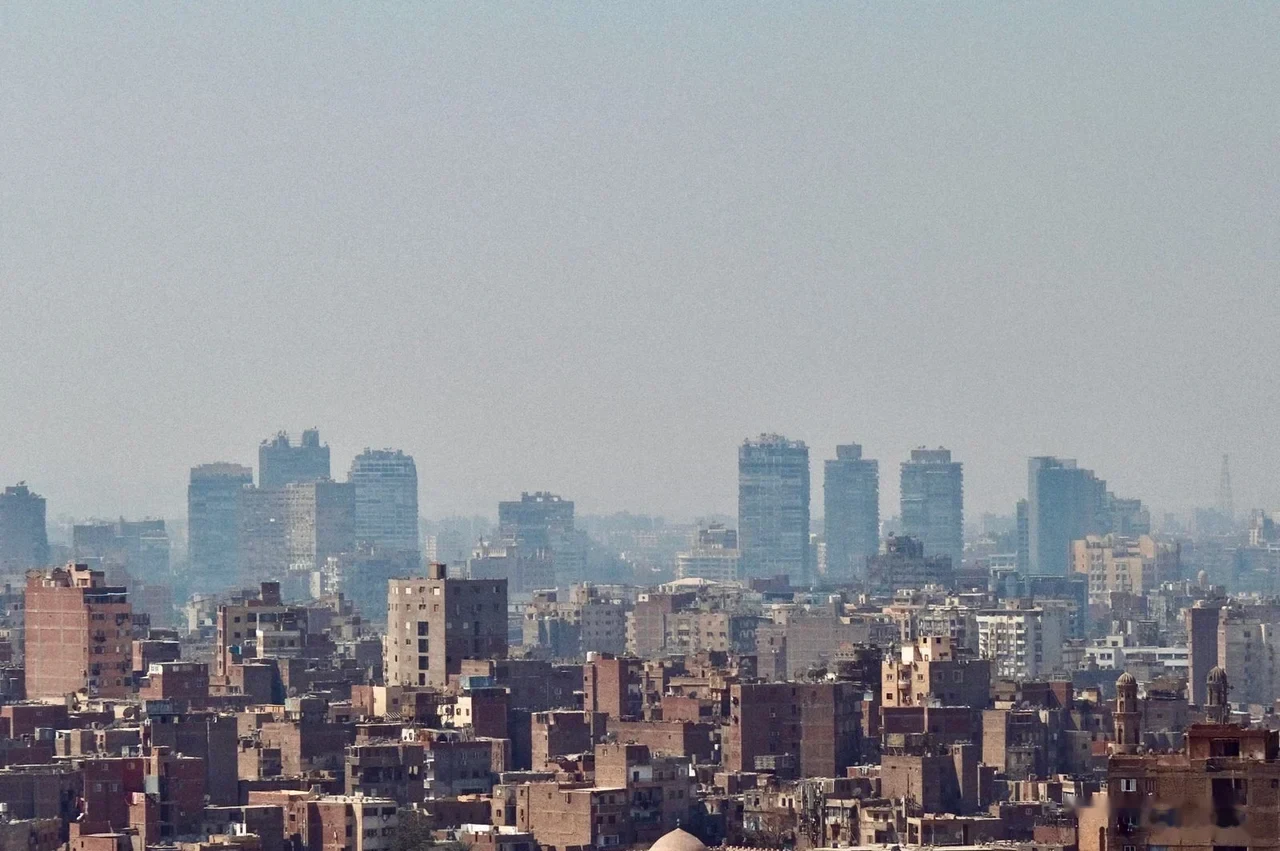 ArticleEgyptian Citizenship through Investment in 2026: 4 Paths, Amounts, Timelines
 ComparisonAntigua and Barbuda or Grenada: Family Passport for Large Families in 2026
 AnalysisWhat is due diligence and why the Caribbean is rejecting applications
News+6 stories on 25 October
Related news
 Saint Kitts and Nevis · 25 OctSaint Kitts and Nevis: citizenship for children and grandchildren of citizens born abroad after 1983
 European Union · 25 OctEU visa waiver for the Gulf states: the Council has started the process, but visas are still required
 Italy · 25 OctItaly debates a citizenship bill: B1 certificate for all applicants and new grounds for revocation
Personal programme selection is conducted by Anna Kovalevskaya, Head of Legal, BRIDGES.
Buying property in Egypt: what to check
Title, encumbrances, outstanding debts and what to look for in the contract.
